Those Yellow Leaves On Your Virginia Hostas Could Be Telling You Something
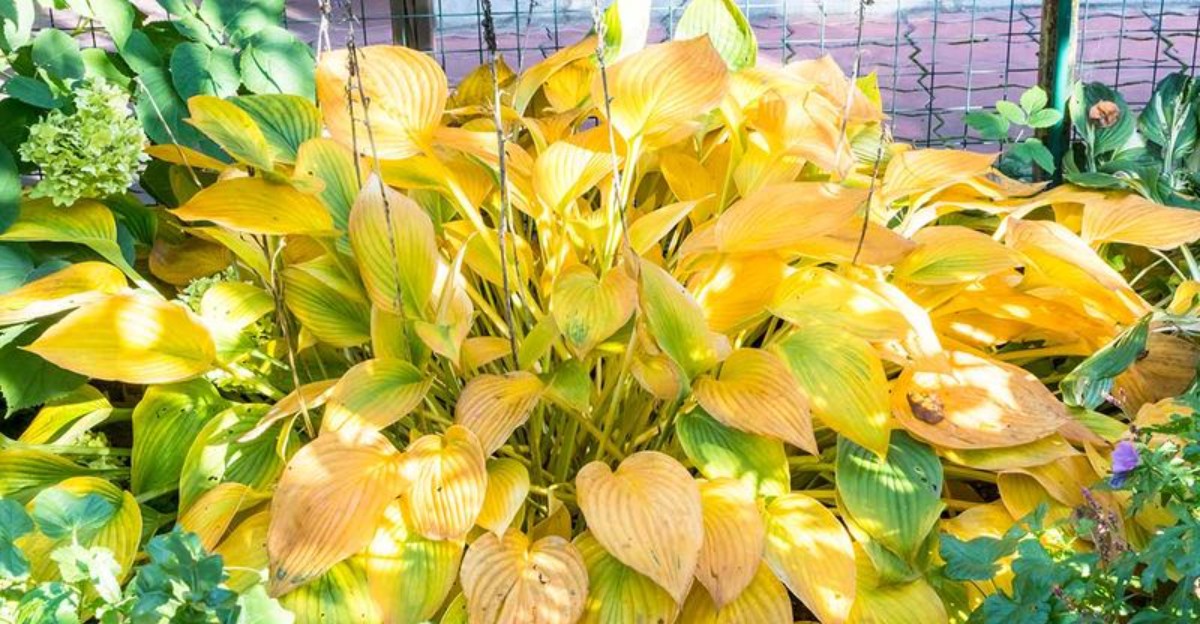
Walk past your shade garden in September, and you may notice your hostas looking a little different. Those broad green leaves that stole the show all summer can start fading to yellow, with some edges turning dry or worn.
Before you assume something is wrong, take a closer look. Hostas change color for many reasons, from normal seasonal shifts to changes in sunlight, water, soil, or pests.
The key is knowing what the yellowing pattern is telling you: where it appears, how quickly it spreads, and what the rest of the plant looks like.
Once you learn to read those signs, caring for Virginia hostas gets easier, helping you spot natural fall changes versus problems that need attention.
1. Natural Fall Changes Can Make Hosta Leaves Turn Yellow
Sometimes the answer is simply the calendar. When nights cool down in late autumn, hostas begin shutting things down for winter rest.
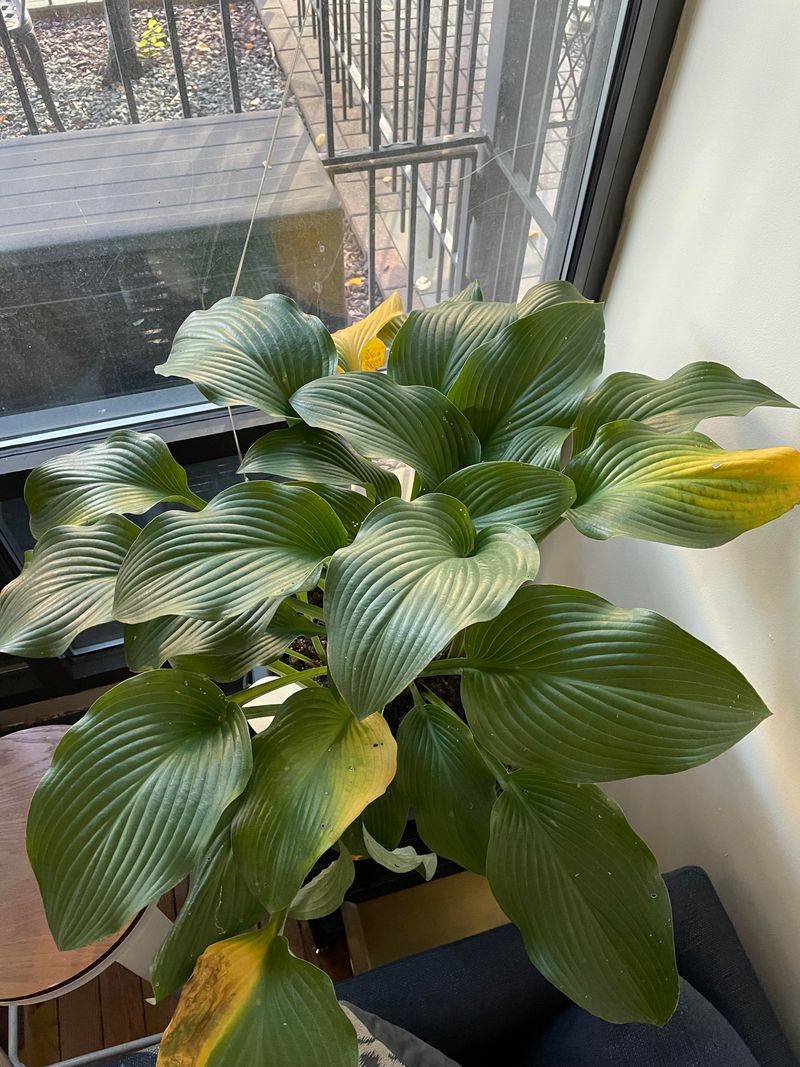
Chlorophyll, the pigment that keeps leaves bright green, breaks down as the plant pulls energy into its crown and roots. What remains are the yellow and gold pigments that were hiding there the whole season.
Look at the pattern before you worry. Seasonal yellowing usually spreads evenly over the entire clump rather than showing up as spots, blotches, or scorched edges on a few leaves.
The leaves also soften and flop gradually instead of turning mushy at the base overnight. That slow, uniform fade is the sign of a healthy plant doing exactly what it should.
You have two reasonable choices once the foliage collapses. Many gardeners trim the leaves back after a hard frost to tidy the bed and remove hiding spots for slug eggs and fungal spores.
Others leave the foliage until early spring as a loose blanket over the crown. Either approach works, though cleanup tends to cut down on next season’s pest pressure.
One helpful habit is keeping a short garden journal. Jot the date your hostas start fading each year, and you will quickly learn what normal looks like in your own yard.
Hostas are long-lived perennials that can thrive for decades when given suitable conditions.
2. Too Much Sun Can Cause Hosta Foliage To Lose Its Color
Picture a hosta as a plant that prefers a shady porch over a beach chair. Give it hours of harsh afternoon light and the leaves respond by bleaching out.
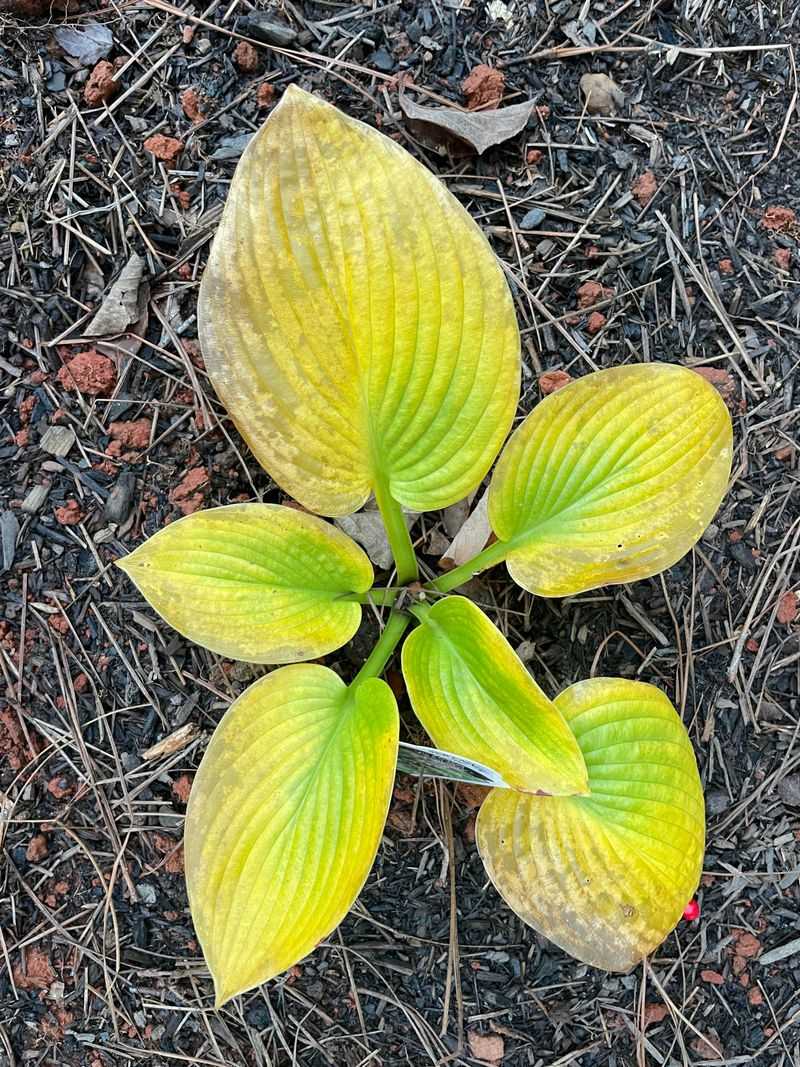
Gardeners call the problem hosta scorch. Margins and tips lose their color first, going pale yellow or almost white, and the leaf surface feels dry and papery instead of supple.
Summers make this especially common, since strong midday sun combines with heat that dries soil fast. A hosta planted on the west side of a house often struggles while the same variety thrives on the north side.
Thin, sandy, or compacted soil makes scorch worse because roots cannot hold enough moisture to keep up with the light.
A few adjustments go a long way. Aim for morning sun and afternoon shade, or dappled light under tall hardwoods like oaks and tulip poplars.
Your Virginia Garden Changes Every Week. Your Plan Should Too.
Gardening in Virginia changes quickly throughout the season. Every Friday you’ll receive a simple weekly plan showing exactly what to plant, prune, fertilize, harvest, and protect so you never miss the right timing.
Spreading two or three inches of shredded bark mulch keeps roots cooler and steadier between rains. Just keep the mulch pulled back slightly from the crown so water does not pool there.
Variety matters too. Blue-leaved hostas can lose their waxy coating in strong sun, while sun tolerance varies widely by cultivar.
If a plant is clearly in the wrong place, move it in early spring or early fall when temperatures are mild. Transplanting hostas is forgiving work, and most settle in within a few weeks.
3. Overwatering Can Leave Hostas With Yellowing Leaves
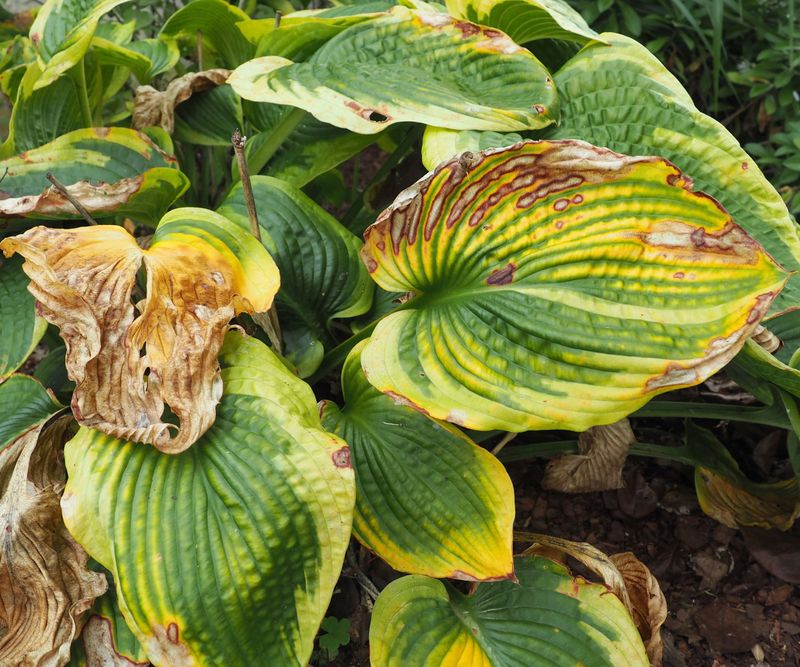
Kindness with the hose can backfire. Hostas love steady moisture, but soil that stays soaked shuts down the roots’ ability to grab oxygen and nutrients.
The result is a flat, all-over yellow rather than crisp edges. Leaves feel limp and soft, droop from the base, and the whole clump looks deflated.
Check the petioles, which are the thick stems holding each leaf. If the lower portion feels mushy or slips loose with a gentle tug, excess water is likely part of the story.
A sour or swampy smell in the soil is another telltale sign that air pockets have been squeezed out.
Heavy clay is common in many parts of Virginia, and it holds water long after a storm passes. Beds at the bottom of a slope or beside a downspout stay wet even longer.
Working compost, pine bark fines, or leaf mold into the planting area improves drainage while still holding useful moisture.
A simple finger test beats any watering schedule. Push a finger two inches into the soil, and water only when it feels dry at that depth.
Raised beds or slightly mounded planting spots help in soggy corners. If a hosta sits in a perpetual puddle, lifting and replanting it a few inches higher often turns things around by the following season.
Also consider gutter runoff and irrigation heads, since many soggy hostas are simply standing in the path of water meant for the lawn.
4. Drought Stress Can Cause Hosta Foliage To Fade
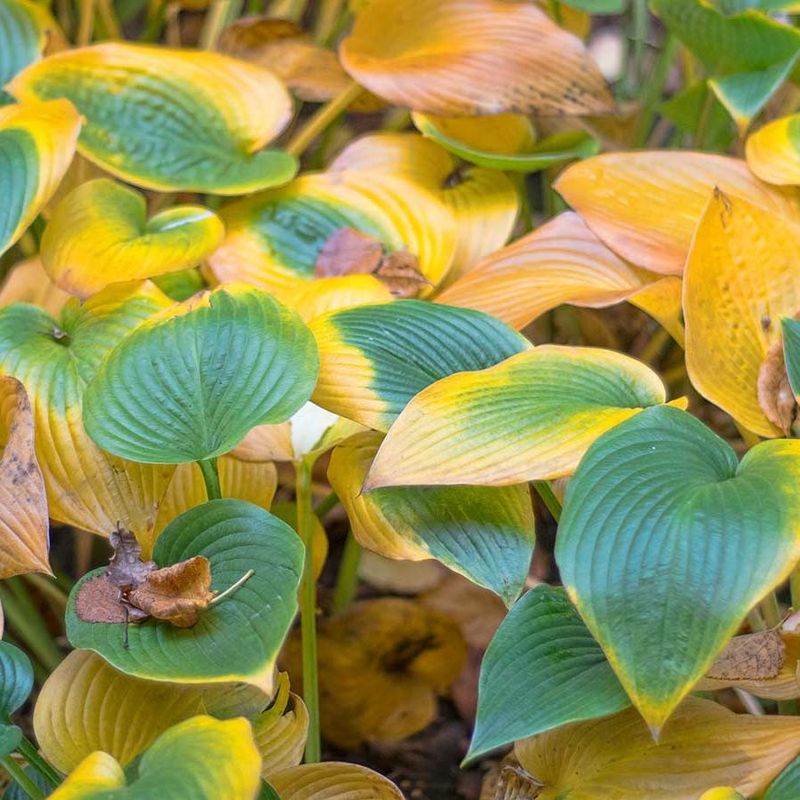
August in Virginia has a way of testing shade gardens. Weeks without rain leave hostas looking tired, dull, and oddly leathery.
Thirsty foliage fades to a flat yellow that often begins at tips and outer edges. Leaves may curl inward, feel stiff, or wilt at midday even in full shade.
Big hostas need surprising amounts of water because those broad leaves release moisture quickly. Add competition from tree roots, which are everywhere under mature shade beds, and soil dries faster than most gardeners expect.
Dry soil also blocks nutrient uptake, so a thirsty plant can look hungry at the same time.
Digging down three or four inches tells you the truth. Surface soil can look damp while the root zone is bone dry underneath.
Deep, slow watering beats a quick sprinkle. Aim for consistent moisture, adjusting watering based on rainfall, soil type, and summer heat.
Mulch is your best friend here, holding moisture and buffering soil temperature during heat waves. Refreshing it each spring keeps the layer working.
Morning watering gives leaves time to dry and reduces fungal trouble later in the day.
Do not panic if a drought-stressed clump looks rough by September. The crown usually holds plenty of stored energy, and a well-watered plant typically pushes fresh, full leaves the following spring with no lasting harm.
5. Slugs Can Leave Hosta Leaves Ragged And Discolored
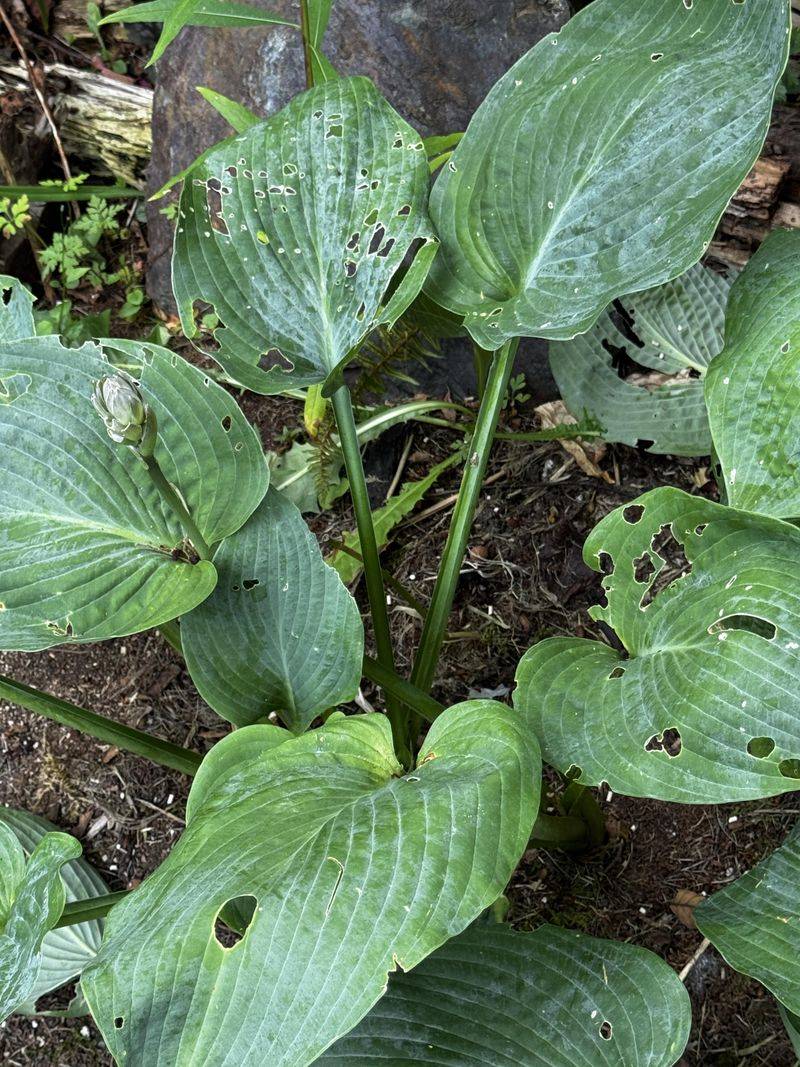
Step outside at dawn after a rainy night and you may catch the culprits in action. Slugs treat tender hosta leaves like an all-night buffet.
Their signature is irregular holes chewed between the veins, often along the edges or scattered across the blade. Badly chewed leaves look tattered and can turn yellowish as the damaged tissue gives out.
Shiny slime trails across the foliage or nearby stones confirm the diagnosis. Humid nights and thick mulch give these pests exactly the damp cover they enjoy.
Heavy feeding does not usually take out a healthy clump, but it drains vigor and leaves plants looking rough by midsummer.
Plenty of low-key fixes work. Water in the morning so the bed dries by evening, thin crowded plantings for better airflow, and clear boards, bricks, and leaf piles that serve as daytime hideouts.
A shallow dish of beer sunk to soil level catches a surprising number overnight. Iron phosphate baits labeled for slugs are generally considered a lower-risk option when used according to the label.
Variety choice helps most of all. Thick, heavily textured cultivars with puckered or blue leaves are far less appealing than thin-leaved types.
Copper strips, crushed eggshells, and coarse grit around prized plants create barriers slugs dislike crossing. Handpicking with a flashlight sounds tedious, yet twenty minutes on two or three damp evenings can noticeably clean up a bed.
6. Fungal Diseases Can Create Yellow Spots On Hosta Leaves
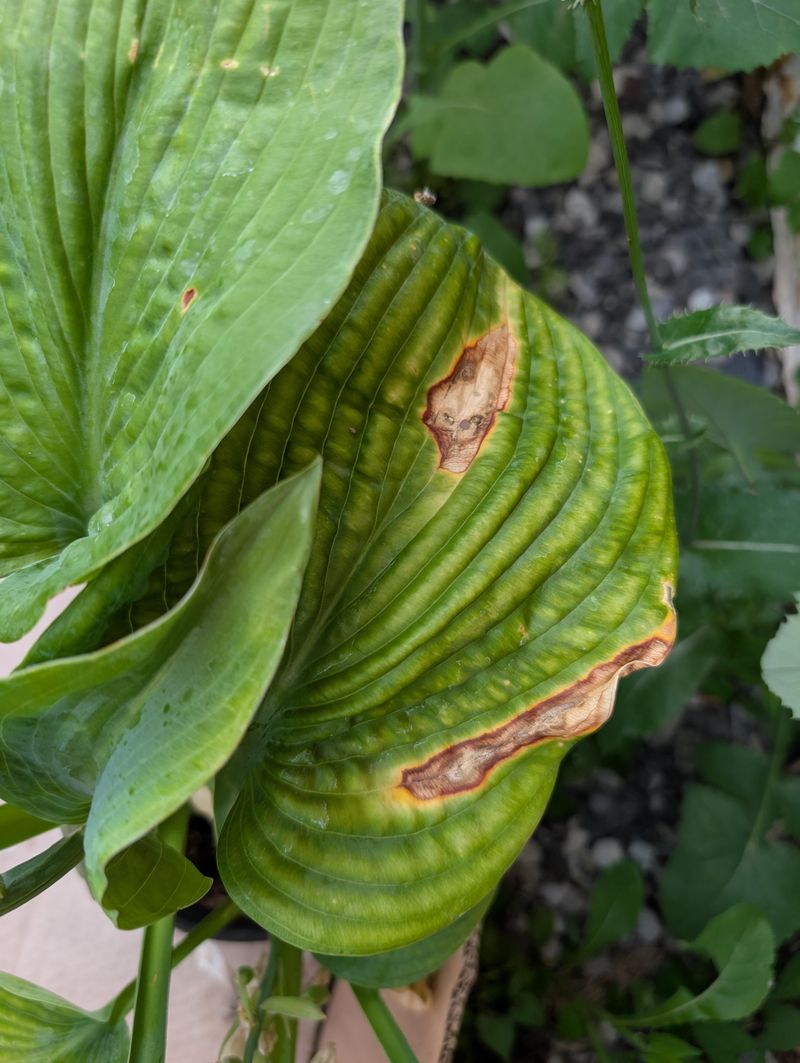
Humidity is the price gardeners pay for lush shade plants. Damp air and crowded beds open the door to several fungal troubles that show up as yellow patches.
Petiole rot is the one to watch. Leaves yellow or brown around the margins first, then the petiole base turns soft and mushy, and leaves pull away from the crown with almost no effort.
A close look near the soil line may reveal fuzzy white threads and tiny tan specks that resemble mustard seeds. Warm, wet weather speeds the whole process along.
Leaf spot fungi like anthracnose and Cercospora work differently, leaving tan or brown lesions ringed by yellow or dark borders.
Prevention beats treatment nearly every time. Plant at the right depth so the crown sits at soil level rather than buried under mulch, and keep mulch a couple inches away from the stems.
Give each clump room to breathe, since good airflow dries leaves faster after summer storms. Watering the soil instead of the foliage cuts down on splash that spreads spores.
Remove heavily diseased leaves and avoid adding them to compost unless your pile reliably reaches temperatures high enough to break down pathogens. Autumn cleanup of spent foliage removes overwintering spores before spring.
Divide oversized clumps every four or five years to reduce crowding. If one plant declines badly, lift it, inspect the crown, and replant only firm, healthy divisions in fresh, well-drained soil.
7. Nutrient Problems Can Affect Hosta Leaf Color
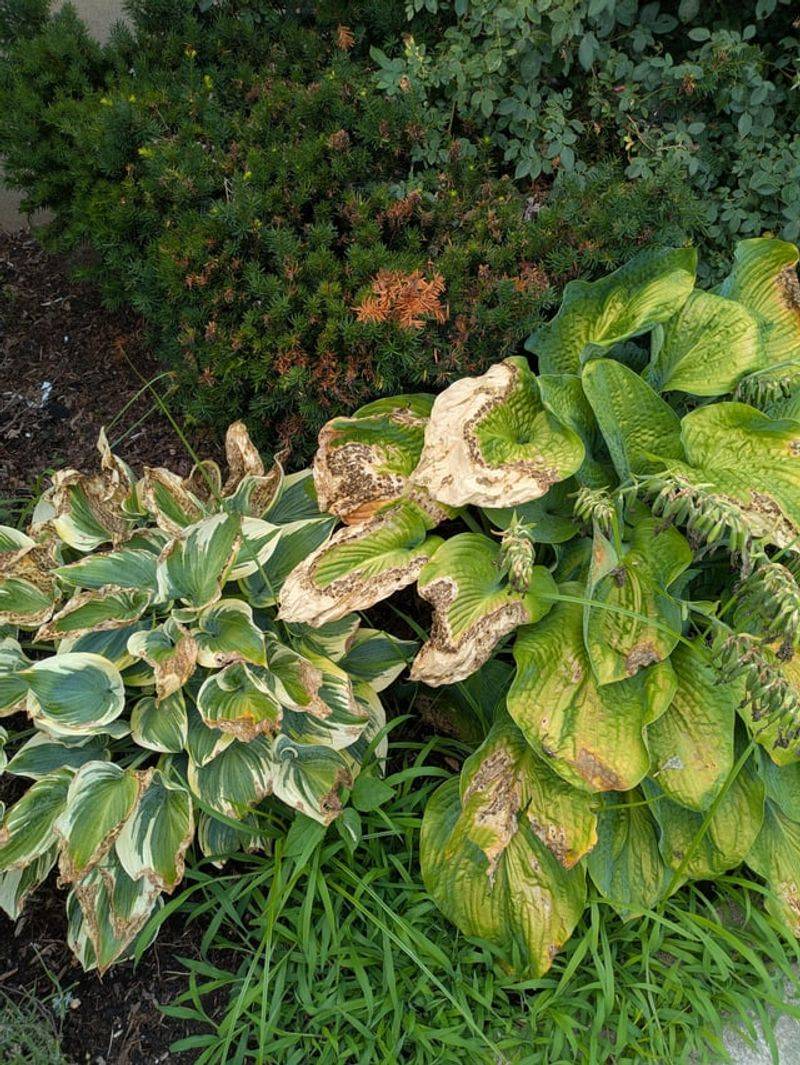
Leaf color doubles as a soil report. Pale, washed-out hostas with green veins still showing often point to a nutrient shortage such as nitrogen or magnesium.
Hungry plants also grow smaller leaves and fewer of them. Older, lower foliage usually fades first while new growth from the center looks better by comparison.
Too much fertilizer causes trouble in the opposite direction. Excess salts burn root tips, and leaves respond with yellowing, browning, or a scorched look along the margins.
Quick-release lawn fertilizer that drifts into a shade bed is a frequent and easily overlooked cause in Virginia yards.
Guessing wastes money, so a soil test through your county extension office is worth the small fee. Results show pH along with nutrient levels, which matters because hostas prefer slightly acidic to neutral soil.
Many soils lean acidic, and extreme pH can lock up nutrients even when they are present.
For most beds, a yearly inch of compost plus a balanced slow-release fertilizer in early spring handles feeding nicely. Apply as shoots emerge and water it in well.
Skip late-season feeding, which pushes tender growth right when plants should be winding down. Leaf mold from shredded autumn leaves is free, improves soil structure, and feeds plants gradually.
Here is a helpful reminder: variegated hostas naturally carry cream, gold, or white markings. Check the cultivar name before treating a patterned leaf as a problem.
8. Voles Can Damage Hosta Roots And Trigger Foliage Problems
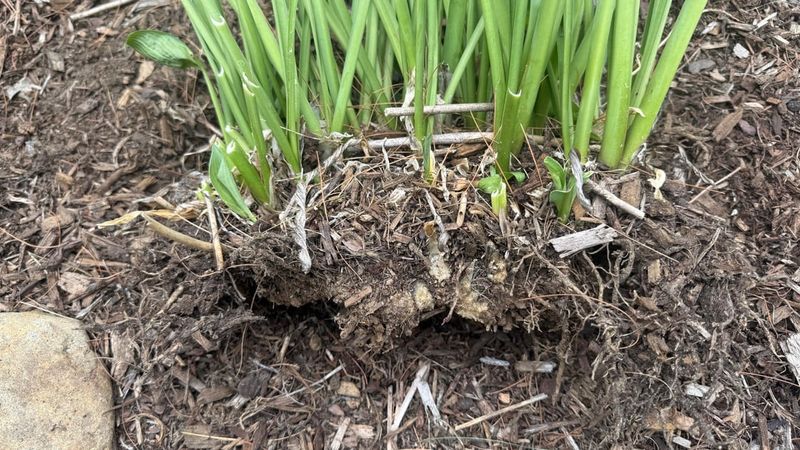
Here is an odd garden moment: a perfectly nice hosta lifts right out of the ground when you tug a leaf. Voles are often behind that mystery.
Sometimes called meadow mice, these small rodents tunnel just under the surface and feed on roots and crowns. Mulch, groundcover, and tall grass give them cover while they work.
Above ground, the plant looks thirsty even after watering. Foliage yellows, wilts, and collapses while the leaves themselves show no chewing or spotting at all.
A crown with few roots left underneath is the giveaway. You may also spot quarter-sized holes or narrow runways winding through the bed.
Habitat changes discourage them best. Keep mulch under three inches deep, pull it back from plant crowns, and trim grass and weeds along bed edges to remove hiding spots.
Hardware cloth baskets set into the planting hole protect treasured specimens. Bury the mesh a few inches below the root ball and bring the edges up to soil level.
Snap traps set in runways under a covered flowerpot work well when activity is high. Cats and resident hawks and owls also keep numbers in check around many Virginia properties.
If a clump has been hollowed out, lift it, rinse the crown, and replant any firm sections with healthy roots in a protected spot. Plenty of chewed hostas bounce back with a season of good care.