10 Minnesota Spots Where Cucumbers Struggle And What To Grow Instead
Not every corner of Minnesota got the memo. Summer is supposed to be warm, calm, and cooperative.
Some spots in this state run cold. They blow hard.
They frost early, and they rarely let you forget it. Cucumbers struggle with all of that.
Gardeners across the Arrowhead, the Red River Valley, and beyond have learned this the hard way. They plant with optimism. They harvest disappointment.
Repeatedly. Here is the good news! Every tricky cucumber microclimate is secretly a paradise for something else.
Too cold for cucumbers? Kale thrives there.
Too windy? Root vegetables love it.
Season too short? Some crops quietly get on with it and still produce beautifully.
We found ten Minnesota spots where cucumbers tend to wave the white flag. Then we matched each one with crops that will actually make your garden worth bragging about.
Let’s get into it.
1. International Falls (Zone 3b)
International Falls holds the unofficial title of “Icebox of the Nation,” and that nickname is not just for fun. This is a place where winter arrives early, stays late, and rarely goes easy on the growing season.
Summer here barely averages around 90 to 100 days before frost starts creeping back in. For most crops, that window is tight but workable.
For cucumbers, it is essentially a closed door.
Cucumbers need at least 60 warm days to produce fruit, and this town rarely delivers that window without interruption. Frost can arrive as early as August 20th, cutting the season considerably short just when plants are starting to hit their stride.
Planting cucumbers here tends to feel like a gamble that is difficult to win, and the odds get harder every year the summer runs cool.
Gardeners in the area have learned hard lessons over decades of trying and failing.
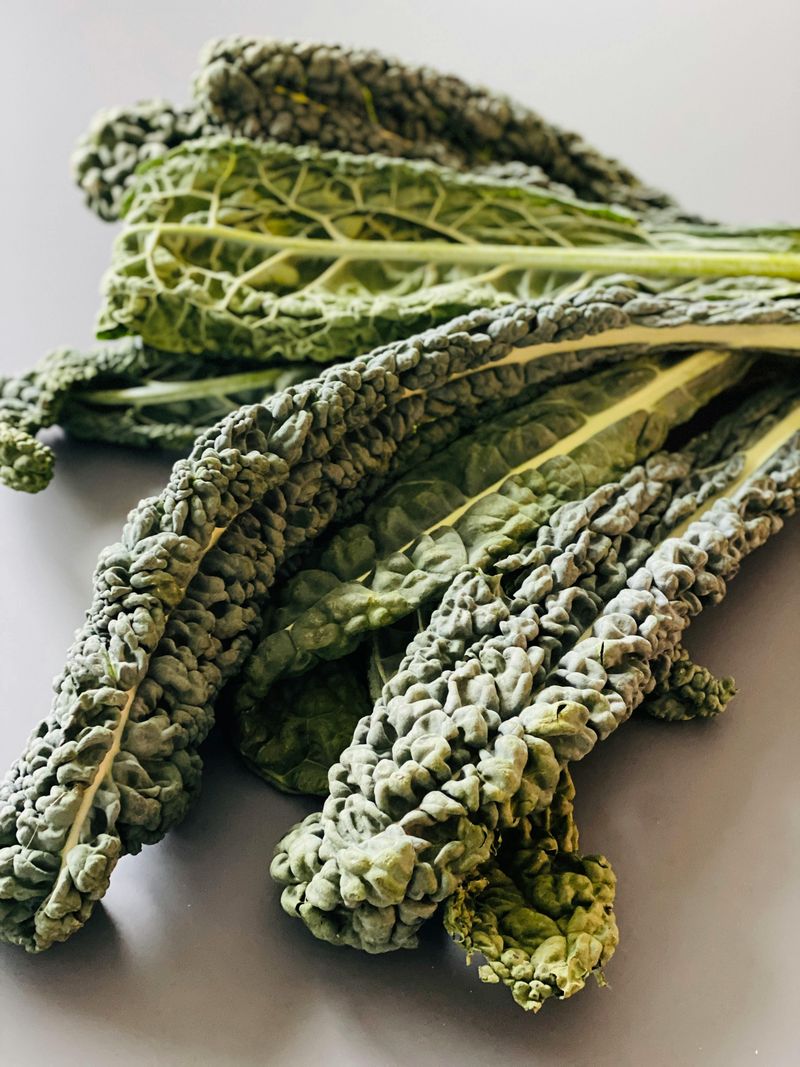
Kale thrives in International Falls and actually gets sweeter after a light frost. A cold snap here is a flavor upgrade.
Kohlrabi bulks up fast in cool soil without needing a long season to deliver.
Both crops can be direct-seeded in late May and harvested well before the first autumn chill hits. Turnips are a sleeper hit in this area, maturing in as few as 45 days from seed to table.
Radishes can be succession-planted every two weeks for a continuous harvest all summer. Keep planting, keep harvesting, even when the thermometer refuses to cooperate.
2. Embarrass (Zone 3a)
Embarrass, Minnesota recorded minus 54 degrees Fahrenheit in February 1996, one of the lowest temperatures ever documented in the contiguous United States.
That single fact tells you a great deal about what gardening here demands.
Even in summer, nighttime lows can dip below 40 degrees with alarming regularity, never allowing the soil to fully warm and hold that warmth through the night.
Cucumbers need warm nights to set fruit. Embarrass rarely delivers that consistently.
The growing season here runs about 90 to 100 frost-free days. That is tight, even for cold-hardy crops.
Many local gardeners have long since shifted toward smarter choices that actually reward the effort put into them. Spinach germinates in soil as cold as 35 degrees, making it a natural fit here and one of the first seeds you can get into the ground each spring.
Your Minnesota Garden Changes Every Week. Your Plan Should Too.
Gardening in Minnesota changes quickly throughout the season. Every Friday you’ll receive a simple weekly plan showing exactly what to plant, prune, fertilize, harvest, and protect so you never miss the right timing.
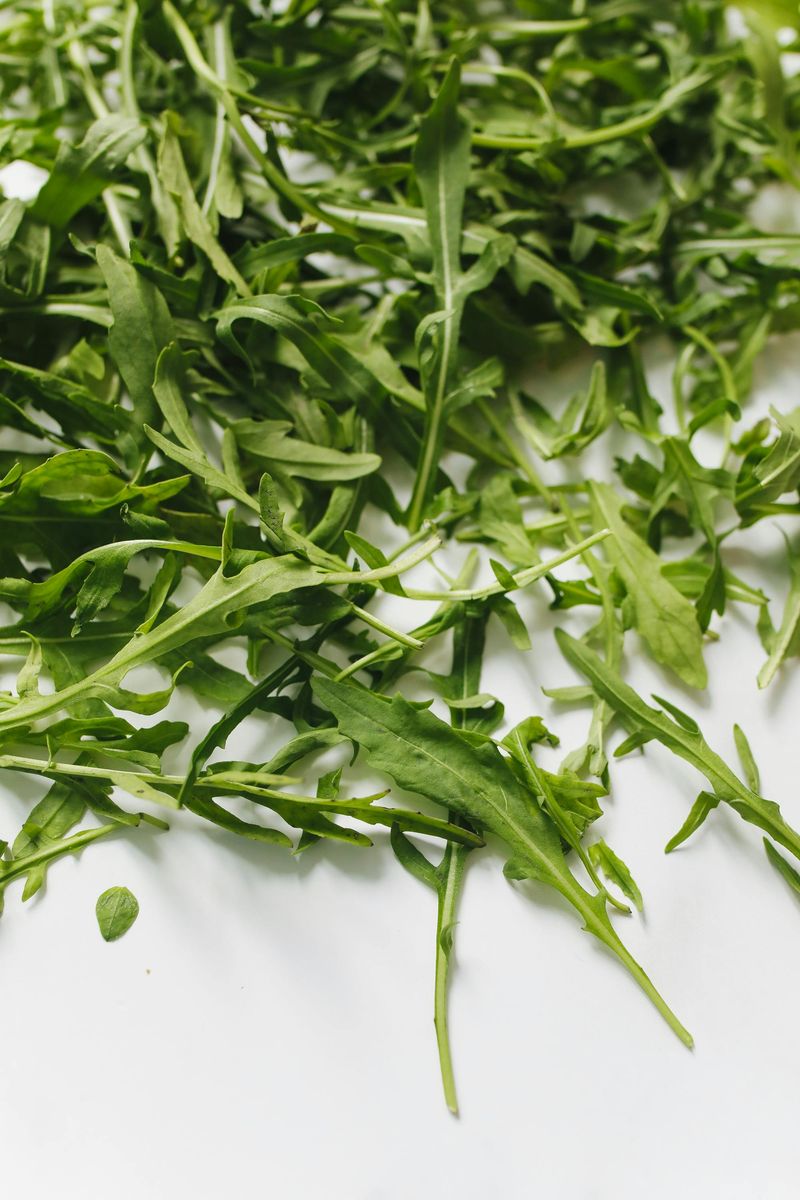
Arugula grows fast and bold, ready to harvest in just three to four weeks after seeding, long before the season has really found its footing.
Beets mature quickly and store beautifully through the long winters, giving you something to pull from the pantry when the snow piles up outside.
Garlic planted in fall overwinters well beneath the snow and produces generous bulbs the following July. Think of the Embarrass garden as a place built for tough, flavorful crops that hold up through cold snaps rather than suffering under them.
3. Baudette (Zone 3b)
Baudette sits right along the Canadian border. The wind off Lake of the Woods is relentless.
It dries out leaves and soil faster than cucumbers can handle, even on days that look perfectly reasonable for growing. The frost-free window runs around 110 to 120 days.
Workable on paper, tricky in practice. The wind never lets up, and temperatures drop sharply after sunset.
A season that looks fine on a calendar can feel relentless when you are standing in the garden watching your plants struggle. Cucumber transplants tend to stall in June, struggling to adapt to the cool, breezy conditions.
Even with row covers, they rarely catch up enough to produce a decent harvest before the season closes. Snap peas are the smarter bet in Baudette.
They love cool weather, climb well, and produce generously without needing heat to push them forward. Plant in mid-May for a harvest that lines up with Baudette’s best weather.
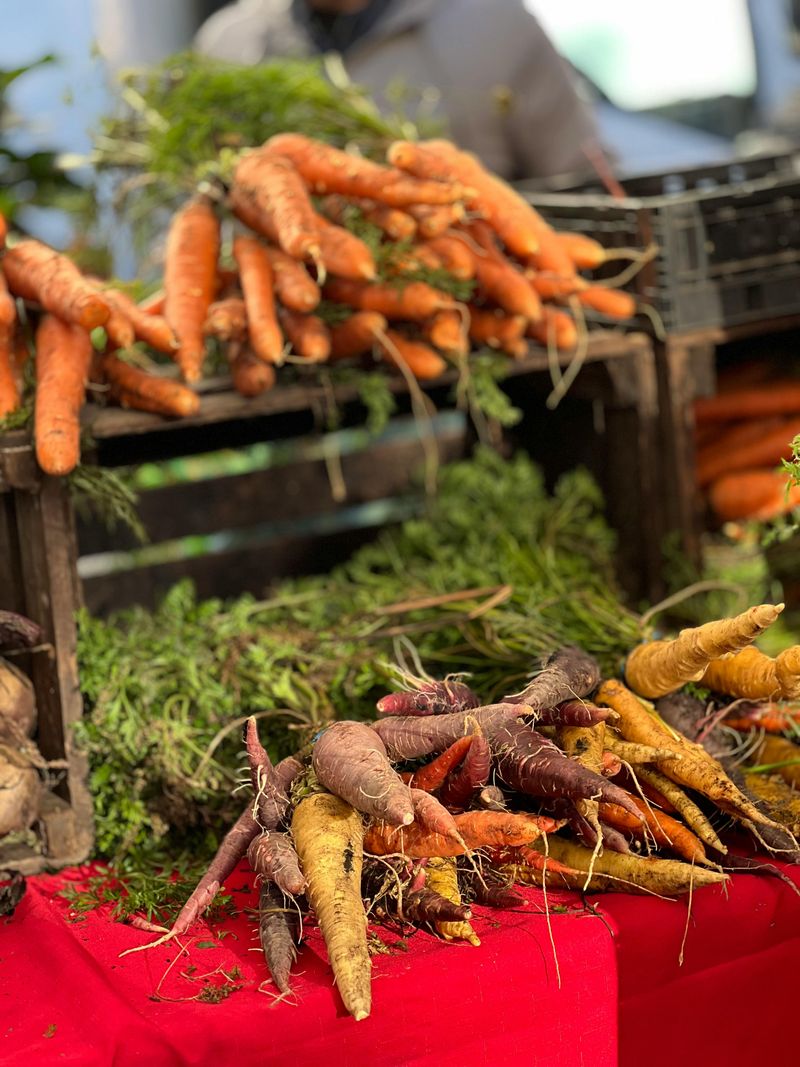
Swiss chard delivers colorful, nutritious leaves from midsummer through the first heavy frost, with almost no fuss. Carrots do wonderfully in the sandy loam soils around Lake of the Woods.
They develop sweet, firm roots that store well into winter and reward every bit of patience it takes to grow them.
4. Ely (Zone 3b)
Ely is the gateway to the Boundary Waters, and its garden conditions are just as rugged as the wilderness itself. Beautiful, yes.
Easy to grow in, no.
The soil is often thin, rocky, and acidic from centuries of boreal forest cover, built for spruce and birch rather than vegetables that demand warmth and richness.
Ely’s soil is cool, acidic, and slow to warm. Nearly the opposite of what cucumbers need.
Summers are gorgeous but short, with cool nights that stall warm-season crops all season long. Most gardeners end up with spindly vines that flower late and rarely fruit before frost.
Potatoes, on the other hand, love it here.
They develop steadily underground where the temperature stays more consistent, finish ahead of the early frost, and store through winter without much fuss.
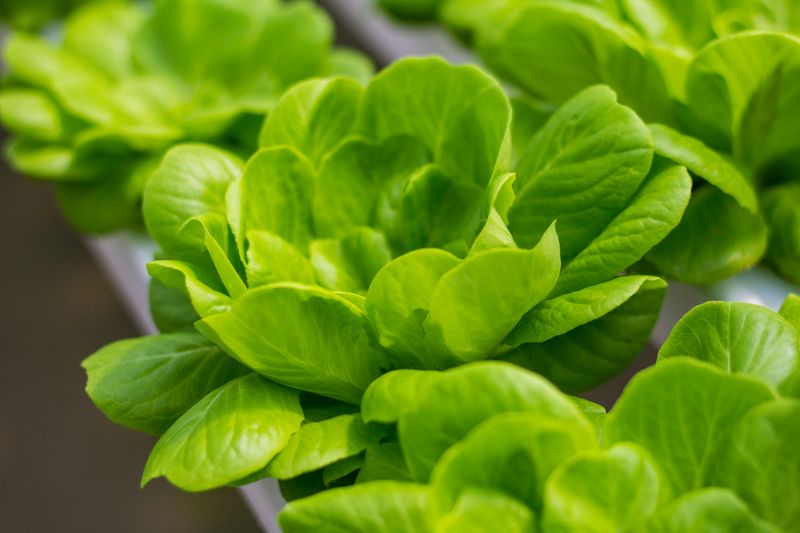
A small raised bed filled with amended soil and compost can produce a surprisingly generous harvest even in a short season. Lettuce loves Ely.
Cool temps slow bolting and stretch the harvest into August, long after warmer gardens are done.
5. Roseau (Zone 3b)
Roseau is a small town near the Manitoba border where spring tends to take its time arriving, often showing up weeks later than gardeners would prefer.
The surrounding landscape is flat and wide open, offering little protection from the cold air masses that roll down from Canada with little warning.
Even in July, cold fronts can drop nights into the low 40s, undoing days of warm progress overnight. The frost-free season averages around 125 days, which sounds workable until a rogue June frost wipes out transplants you spent weeks raising indoors.
Temperature swings put cucumbers under real stress in ways that are not always immediately visible.
Poor fruit set is often the first sign that something has gone wrong, and inconsistent watering during unsettled periods can push the flavor toward bitter even when plants manage to survive the toughest stretches.
Cabbage handles light frosts without much trouble and can weigh several pounds per head, making it a highly productive use of limited garden space in a short season.
Start transplants indoors in March for the best results and give them plenty of time to develop before moving them outside.
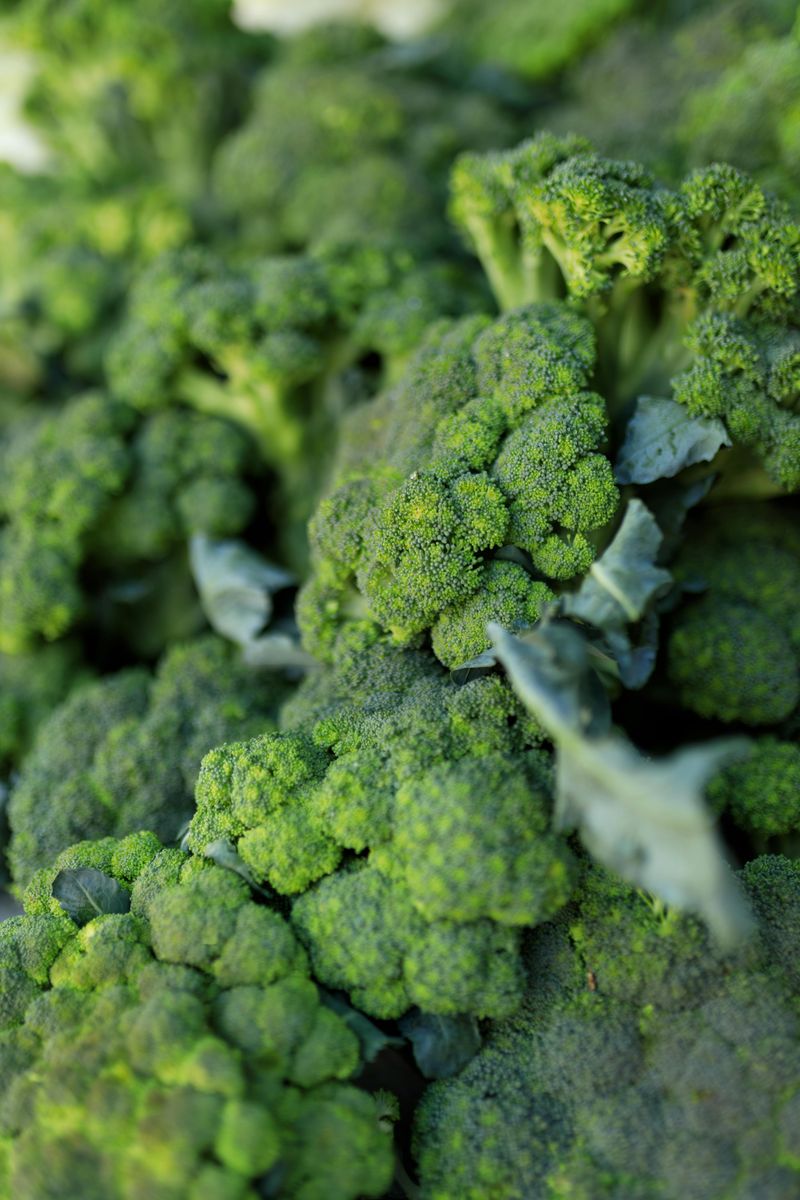
Broccoli produces tight, dense green heads in cool weather and finishes before summer heat pushes it to bolt.
Peas planted in early May can finish their full harvest and clear the bed before the warmest weeks even arrive, leaving room for a second planting.
6. Warroad (Zone 3b)
Warroad is hockey country, tough by nature. The same cold north winds that build character on the ice show no mercy in the garden.
Cucumbers take the worst of it. Their broad leaves dry out and crinkle long before harvest, leaving plants that look beaten even on decent days.
The lake influence creates unexpected temperature swings that catch warm-season crops off guard throughout the season.
A vine that looks healthy on Monday can look worn down by Friday after a cold front rolls through and strips away whatever progress the previous warm days had built.
Gardeners in Warroad have largely stopped working against these conditions and started selecting crops that welcome them instead.
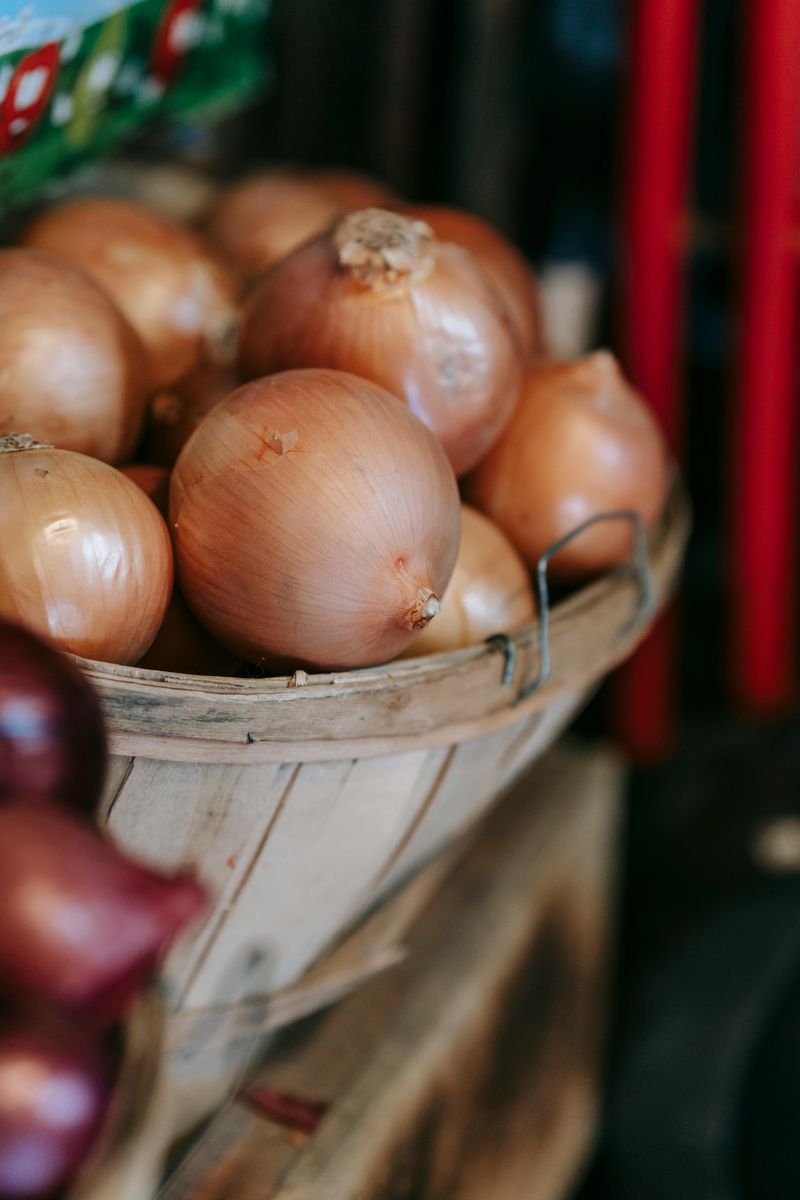
Hardy root vegetables like parsnips and celeriac reward patience in Warroad’s deep, fertile lake-plain soils, developing complex flavors that actually intensify once cool weather sets in during fall. Onions planted from sets in early May do extremely well here.
Long summer days drive bulb development in ways shorter-day regions simply cannot match. Dill and cilantro flourish in the cool, breezy conditions and can be cut repeatedly all summer, coming back fuller each time.
The same environment that wears cucumbers down is exactly where these herbs thrive.
7. Hibbing (Zone 4a)
Hibbing sits on the Iron Range, where the soil tells a very different story than the rest of the state. The landscape here carries the marks of its industrial past in ways that go far deeper than the surface.
Decades of mining have left Hibbing’s soil shallow, rocky, and low in nutrients. Cucumbers are heavy feeders that need deep, rich soil and consistent moisture.
Hibbing’s native ground rarely delivers that. The Iron Range also runs cooler than southern Minnesota, with early fall frosts and late spring cold snaps that can squeeze the season from both ends.
Cucumber transplants often sit without much visible progress for weeks after going into the ground, using up time the season cannot spare.
Raised beds with imported compost and topsoil change the situation considerably for Hibbing gardeners willing to invest in building better growing conditions.
Bush beans planted in early June mature quickly, return nitrogen to the soil, and finish before August ends. Few crops use garden space more efficiently here.
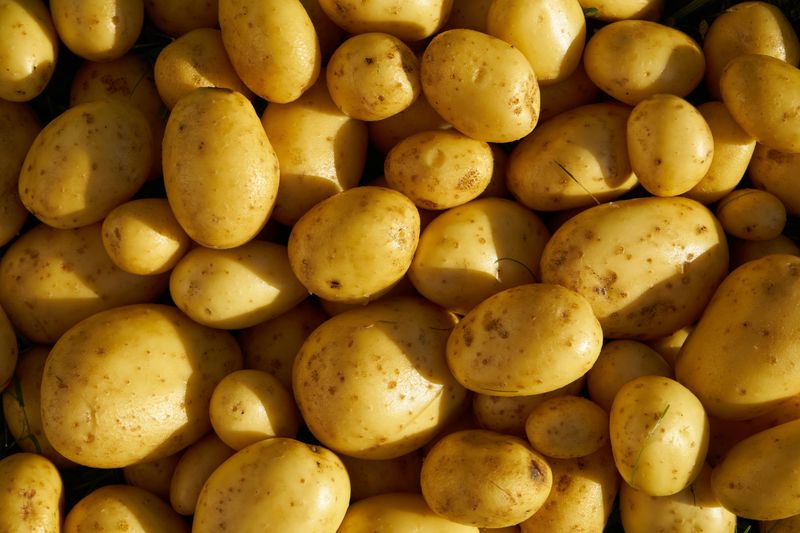
Nasturtiums cover bare ground fast, crowd out weeds, and produce edible flowers and leaves all season long without asking much from the soil. Potatoes remain a reliable Iron Range favorite.
Many families plant generous patches each spring and pull good yields from beds that have been built up over many seasons.
8. Thief River Falls (Zone 4a)
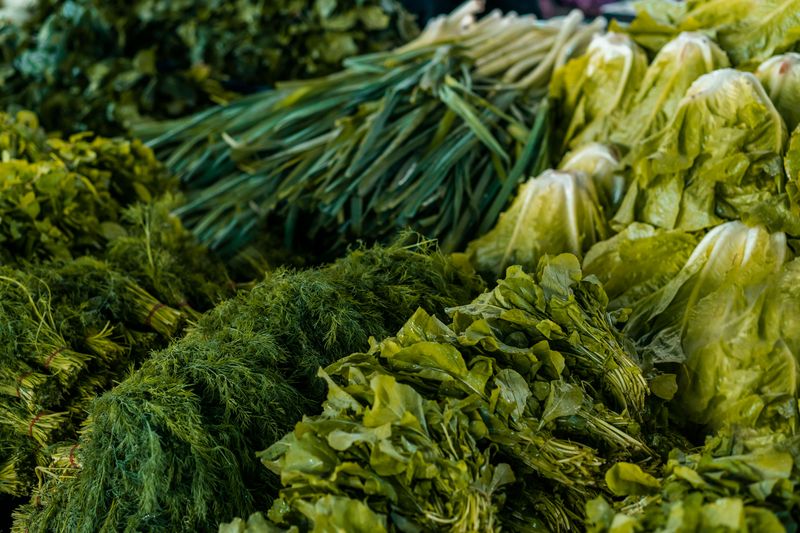
Thief River Falls sits in the flat, open Red River Valley. Big sky, rich land, and wind that never stops.
With around 130 frost-free days, cucumbers are not impossible here. But the prairie wind is relentless, and there is nothing to slow it down.
Tender leaves dry out faster than roots can keep up. Plants that would do fine in a calmer spot end up fighting just to stay hydrated.
A windbreak makes a real difference. Without one, the harvest tends to disappoint no matter how well you tend it.
A late May freeze can set back transplants that spent weeks growing indoors, and replanting the same crop under the same exposed conditions year after year is a discouraging pattern worth reconsidering.
Sunflowers thrive in this environment in a way that feels fitting.
They love the open sky, soak up the full sun that the flat landscape delivers without interruption, and produce seeds that people and birds both appreciate.
A row planted on the north and west sides of the garden reduces wind damage to shorter crops nearby, doing double duty as both a harvest and a buffer.
Winter squash like Delicata and Acorn handle cool nights with ease. They spread across the ground, crowd out weeds, and deliver dense, sweet flesh right when the season winds down in September.
9. Grand Marais (Zone 4b)
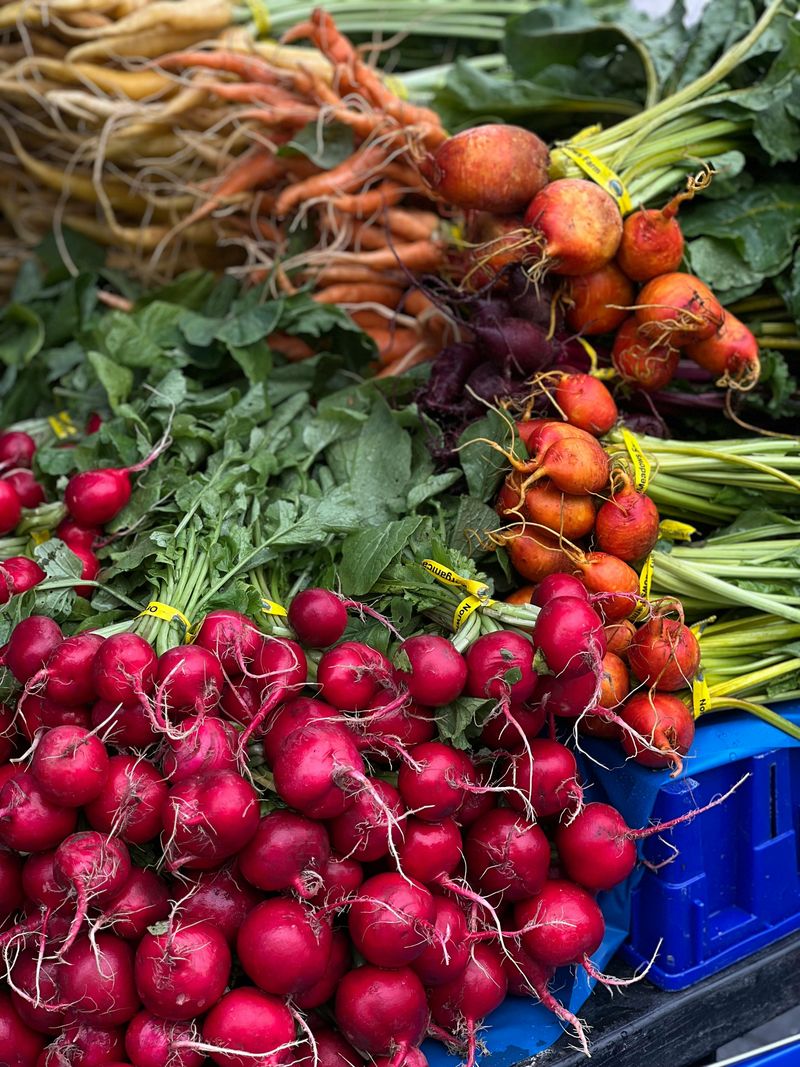
Grand Marais is stunning. Forest, lake, light that makes people want to stay forever.
But the climate is brutal on warm-season crops. Lake Superior runs like a giant air conditioner all summer, pulling temps down and pushing fog inland.
Cucumbers need heat units to move from flower to fruit. The North Shore rarely delivers enough of them.
Even on sunny days, afternoon temperatures rarely climb high enough to push growth forward in any meaningful way. Plants stay alive but stall, putting out flowers that struggle to set fruit and leaves that look fine but are not doing what they need to do.
It is one of the more quietly frustrating gardening experiences this state offers, watching plants survive without ever fully thriving. Fresh herbs do well here for many of the same reasons cucumbers find it difficult.
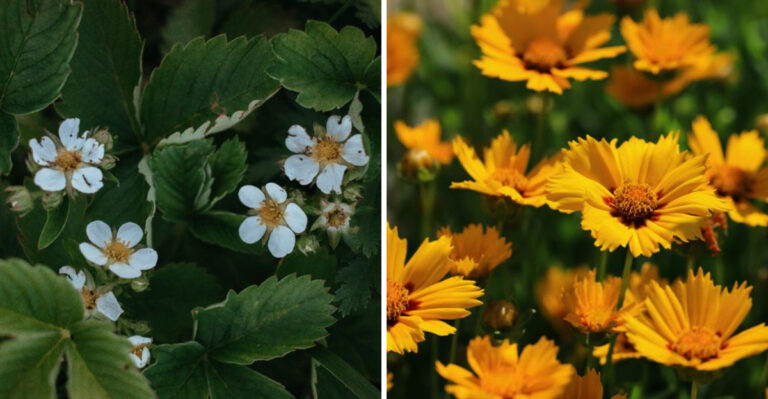
The cool, moist air keeps them from bolting and turning bitter far longer than in warmer inland gardens, making every cutting more flavorful than the last. Strawberries love the slow ripening the lake microclimate encourages.
The berries that come out of Grand Marais tend to taste noticeably richer and more complex, thanks to the extra time they spend developing on the plant.
10. Alternatives That Work
Across all these locations, a pattern becomes clear over time. Cold-tolerant, fast-maturing crops simply outperform cucumbers here.
They produce reliably in the same conditions that make cucumbers slow down and struggle. The answer is not a clever workaround or a more resilient variety.
It is reading the climate honestly and choosing plants built for it, not just plants that survive the good days.
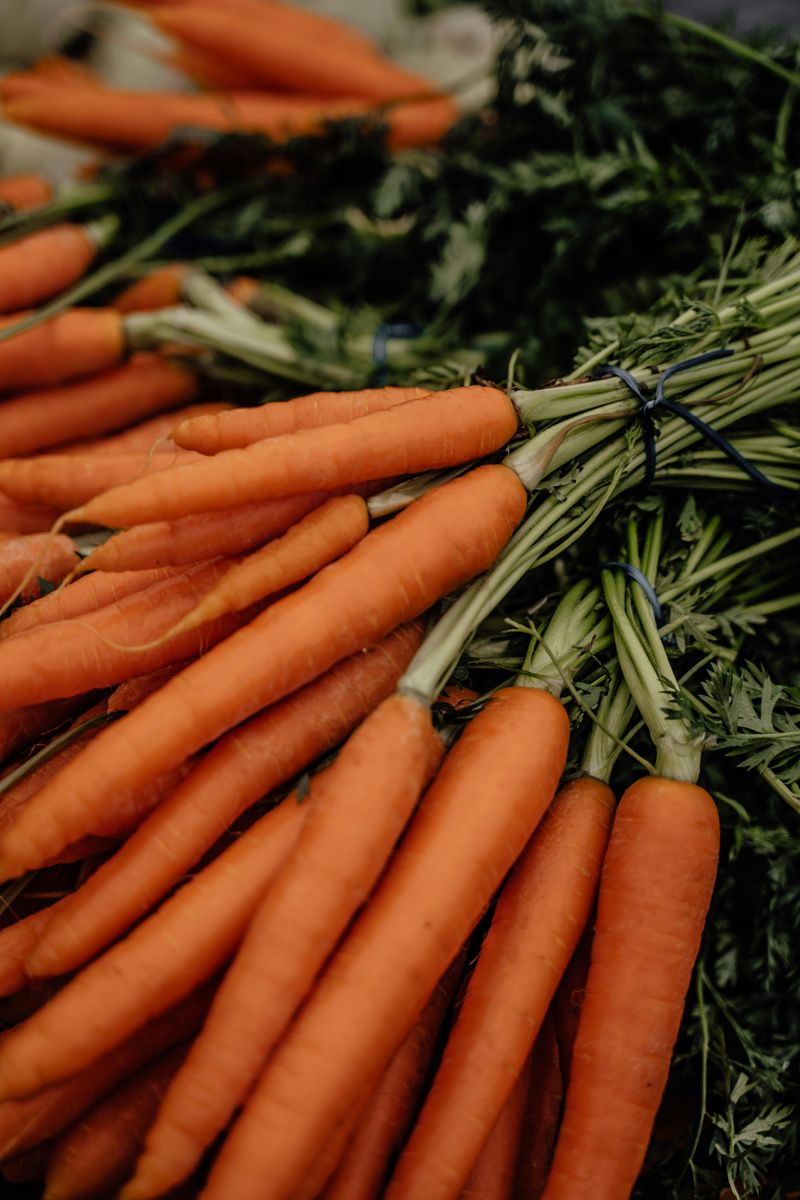
Root vegetables like carrots, beets, turnips, and parsnips tolerate cool soil without complaint and store well through long winters. Many of them actually taste better after a light frost concentrates their natural sugars.
A well-planned root bed can supply your kitchen from late July through October, long after warm-season gardens have wound down.
Kale, spinach, arugula, Swiss chard, and lettuce grow fast, handle cool stretches without drama, and can be harvested multiple times from the same plant.
Succession plant every two to three weeks and they keep producing long after warm-season crops are done.
Peas, beans, potatoes, herbs, and cold-hardy brassicas belong in these northern gardens. Not as backup options.
As the main event. These are the crops this land was built for.
Work with what your climate supports and something shifts. You stop fighting the season and start having one that actually goes the way you planned.