Missouri Vegetable Beds Still Have Room For A Second Round
Your Missouri garden is nowhere near finished, no matter what the calendar tries to tell you. Something restless is still moving beneath that soil, waiting patiently for you to notice the opening it quietly left behind.
Most gardeners walk away from their beds the instant the earliest harvest finally wraps up for the season. Yet Missouri’s growing window stretches noticeably further into the year than most people ever bother to test.
Empty patches in your rows aren’t failures, they’re openings quietly asking to be filled again. Certain crops actually thrive precisely because the heat has eased back and the soil now holds moisture in a different rhythm than before.
Nobody warns you how much can still happen before the season quietly shuts its door. Ask any neighbor who actually tried it last fall, and you’ll catch the exact same surprised grin every single time.
The Overlooked Stretch Between Midsummer And Frost
Missouri sits in a strange sweet spot. The first hard freeze in most of the state lands somewhere between mid-October and early November, which leaves roughly ninety usable growing days after the July slump.
That is more time than many northern gardeners get for their entire main season. Yet most beds sit bare through it, growing little more than crabgrass and regret.
The reason the second round works so well comes down to how the weather shifts. Days shorten gradually, nights cool off, and the brutal humidity finally starts loosening its grip as September wears on.
Leafy crops and root crops actually prefer those conditions. Spinach, kale, turnips, radishes, and carrots taste sweeter when they mature in cooling air, because the plants convert starches into sugars as protection against chill.
Spring plantings face the opposite problem. They start cool and finish hot, which pushes lettuce and spinach to bolt and turn bitter right when you want to harvest.
A late planting runs the temperature curve backward, and the results show it. Gardeners who try fall spinach once rarely go back to spring-only sowing.
There is also less competition for your attention. Squash bugs slow down, weeds germinate more lazily, and the watering chore drops off as rainfall picks up.
Think of the second round as the easier half of the year. You are working with the season instead of racing ahead of it, and the beds you already built are sitting right there, fully prepped and paid for.
Counting Backward From The First Frost Date
Timing is the whole game here, and it is simpler than it sounds. Grab a seed packet, find the days to maturity number, then count backward from your average first frost date.
In the Kansas City and St. Louis areas, that frost usually arrives around late October. Southern Missouri often stretches into early November, while the northern counties can see it by mid-October.
Add about two weeks of padding to whatever the packet says. Shorter days in September and October slow growth noticeably, so a crop listed at fifty days may take closer to sixty-five.
Your Missouri Garden Changes Every Week. Your Plan Should Too.
Gardening in Missouri changes quickly throughout the season. Every Friday you’ll receive a simple weekly plan showing exactly what to plant, prune, fertilize, harvest, and protect so you never miss the right timing.
Gardeners call that extra cushion the fall factor, and skipping it is the most common reason a late planting comes up short. Few gardeners want baby beets the size of marbles in November.
Working through an example makes it click. Turnips at fifty days, plus fourteen days of padding, means sixty-four days total, so a St. Louis gardener sows around mid-August.
Faster crops give you more flexibility. Radishes finish in under a month and can go in as late as mid-September in much of the state.
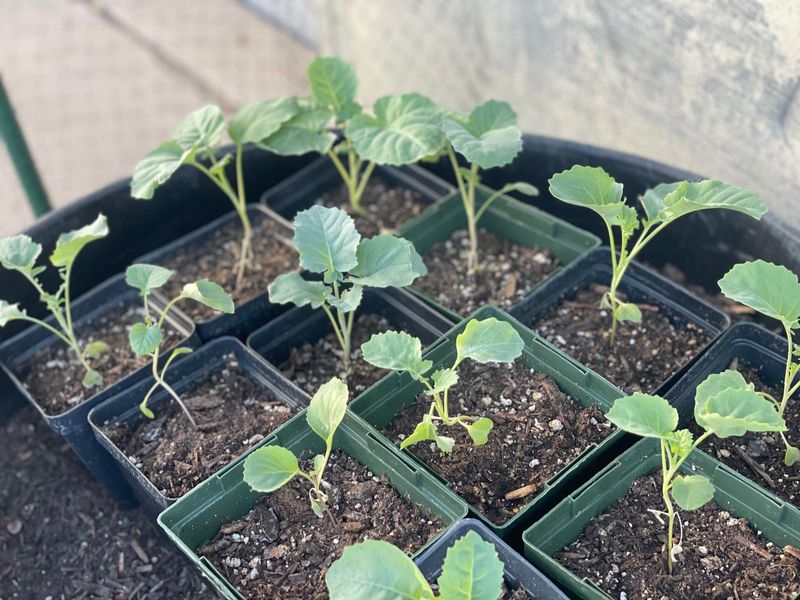
Slower crops need earlier action. Broccoli, cabbage, and Brussels sprouts belong in the ground as transplants during July, not seeds in September.
Write your dates on a scrap of paper and tape it inside the shed door. Memory tends to fail exactly when the planting window opens, usually during the hottest week of the year.
Tired Soil And The Trouble With Replanting Too Fast
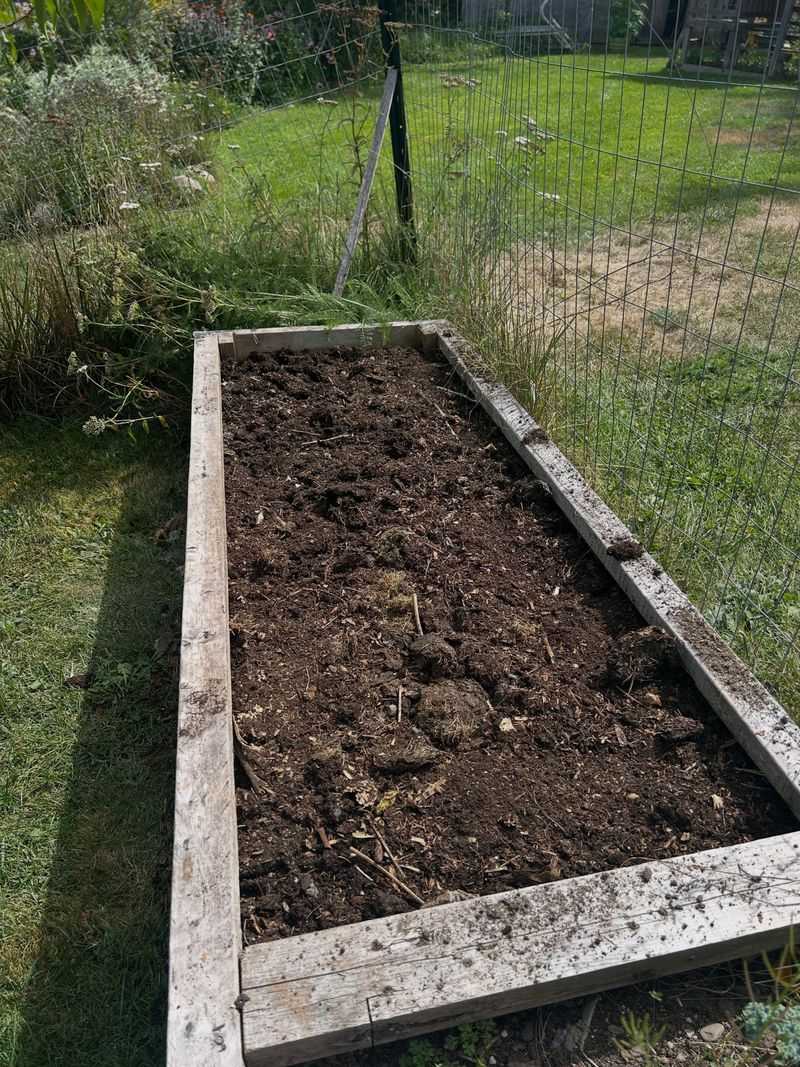
Here is where a lot of good intentions fall apart. You yank the spent beans, rake the surface smooth, drop in fresh seed, and then wonder why nothing thrives.
Summer crops are heavy feeders. Tomatoes, corn, and squash pull nitrogen and potassium out of a bed for months, leaving the soil food supply thin.
The bigger issue is often texture, not nutrients. Repeated watering and foot traffic pack the top few inches into something closer to concrete than crumb.
Tiny fall seeds like carrots and lettuce struggle to push through a hard crust. They germinate, hit the ceiling, and quit before they ever see daylight.
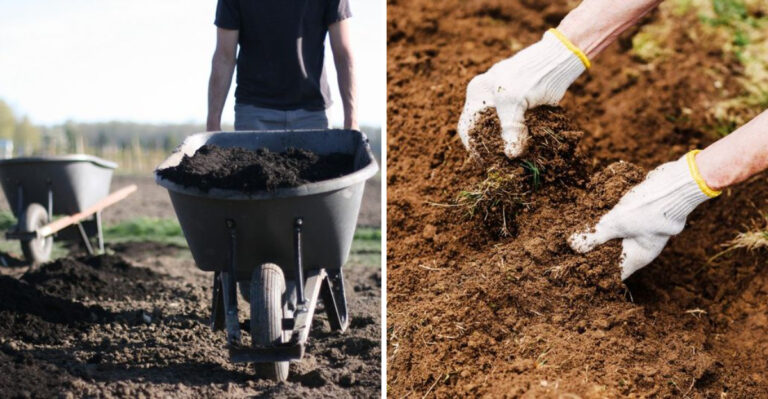
Fixing this takes only a few minutes per bed. Loosen the top six inches with a fork, work in two inches of finished compost, and rake it into a fine, level surface.
A light dose of balanced organic fertilizer helps too, since fall crops have less time to scavenge for what they need. Go easy on high-nitrogen products with root vegetables, or you will grow gorgeous tops and skinny roots.
Old plant debris deserves attention as well. Squash vines and tomato stems can harbor problems that carry into the next crop, so haul them out rather than tilling them under.
Give the refreshed bed a deep soak the day before planting. Moist, loose, well-fed soil is honestly most of what separates a thriving fall garden from a patchy one.
Germination Tricks For August Heat
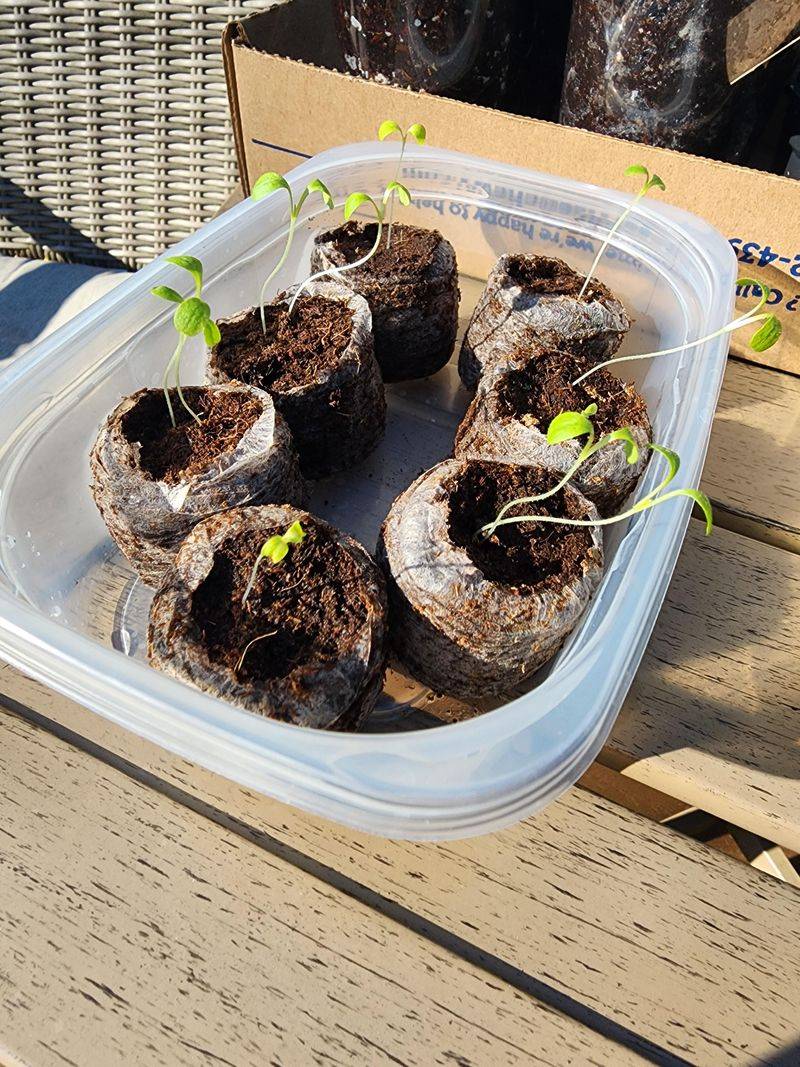
August in Missouri does not care about your gardening plans. Soil surfaces regularly hit ninety-five degrees or higher, and lettuce seed simply refuses to sprout above about eighty.
That single fact ruins more fall gardens than most pests do. The seed is not faulty, it is just waiting for conditions that never arrive.
Shade is the easiest fix. A length of shade cloth on low hoops, an old window screen propped on bricks, or even a board laid flat over the row drops surface temperature by ten to fifteen degrees.
Check daily and pull the cover the moment green shows. Seedlings held in the dark stretch into pale, floppy threads within a day or two.
Planting depth matters more than usual right now. Sow a bit deeper than the packet suggests, since moisture hangs on longer an inch down than it does at the surface.
Watering shifts from deep and occasional to light and frequent. A quick sprinkle every morning and evening keeps the seedbed from baking into a crust.
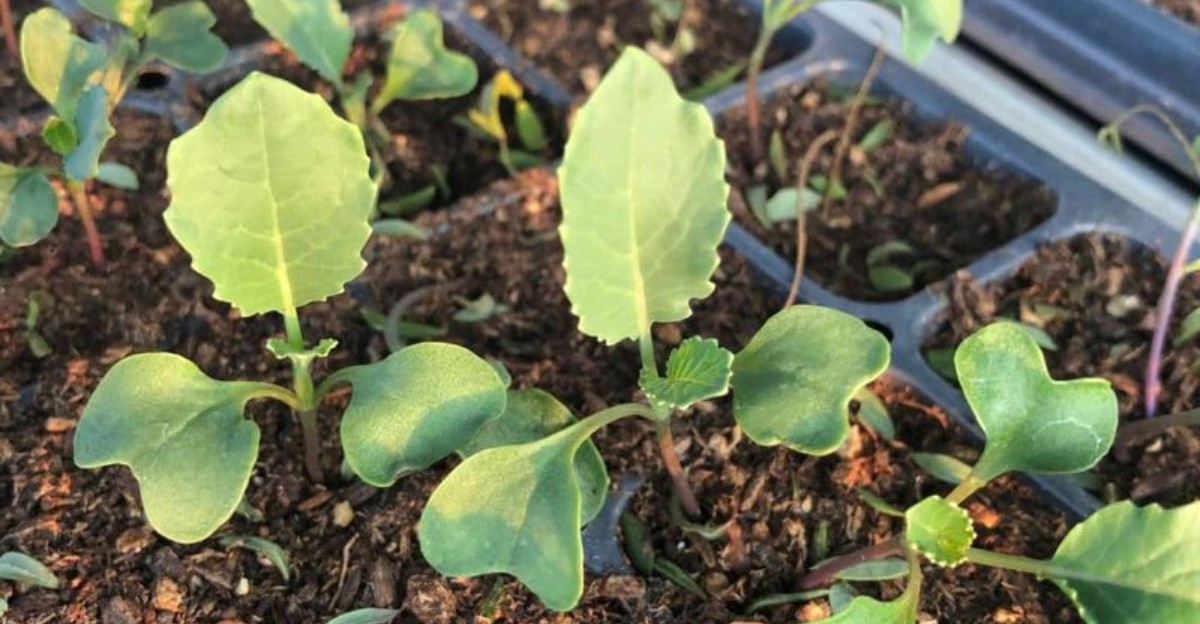
Some gardeners skip the struggle entirely by starting seeds indoors. Broccoli, cabbage, kale, and collards transplant beautifully and go out as sturdy little plants in early September.
Another old trick involves chilling lettuce seed in the refrigerator for a few days before sowing. It sounds like garden folklore, but the cold period genuinely nudges stubborn seed into sprouting.
Get past germination and the rest of the season practically coasts.
Sweeter Greens And Roots After The First Chill
Ask anyone who grows fall carrots and they will get a little dramatic about it. Cold weather genuinely transforms the flavor, and the difference is not subtle.
When temperatures dip toward freezing, plants pull sugars into their cells as a kind of internal antifreeze. Those sugars are exactly what your tongue notices.
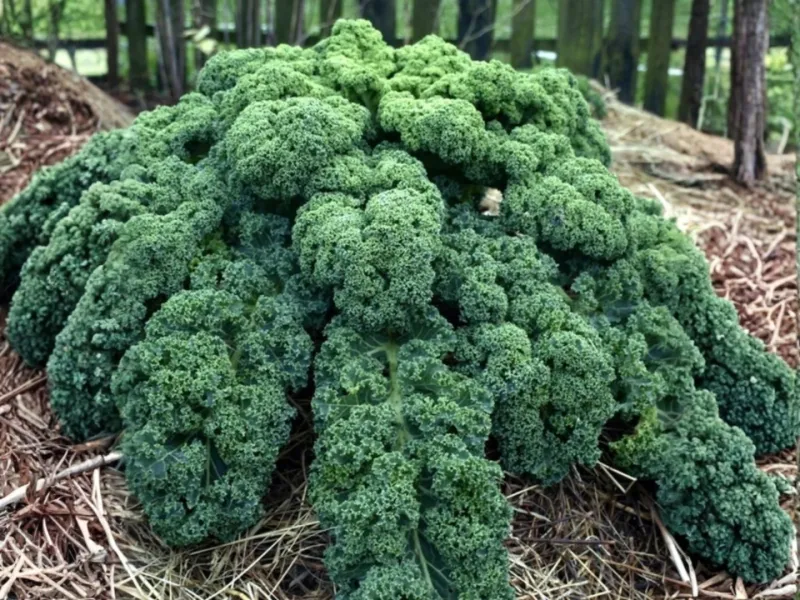
Kale that was merely edible in September turns rich and mellow after two or three light frosts. Carrots go from crunchy to almost candy-sweet.
Parsnips take it furthest of all. Traditional growers leave them in the ground through several hard freezes specifically because the flavor improves so much.
Texture changes too. Spinach leaves thicken and take on a slightly crinkled, substantial feel that spring-grown spinach rarely develops.
Harvest timing gets more relaxed as the weather cools. Fall crops hold in the garden for weeks without bolting or turning woody, so the bed doubles as a refrigerator.
Root crops can stay put well past frost with a thick blanket of straw over them. Missouri gardeners regularly pull carrots and turnips in December from beds mulched in November.
Collards and kale keep producing through repeated freezes, especially with a row cover thrown on during the coldest nights. Some varieties shrug off temperatures in the low twenties.
A tiny detail worth knowing is that Brussels sprouts were bred in cool northern Europe, which is precisely why they taste like sulfur in July and like dessert in November.
Row Cover, Mulch, And Stretching The Season Further
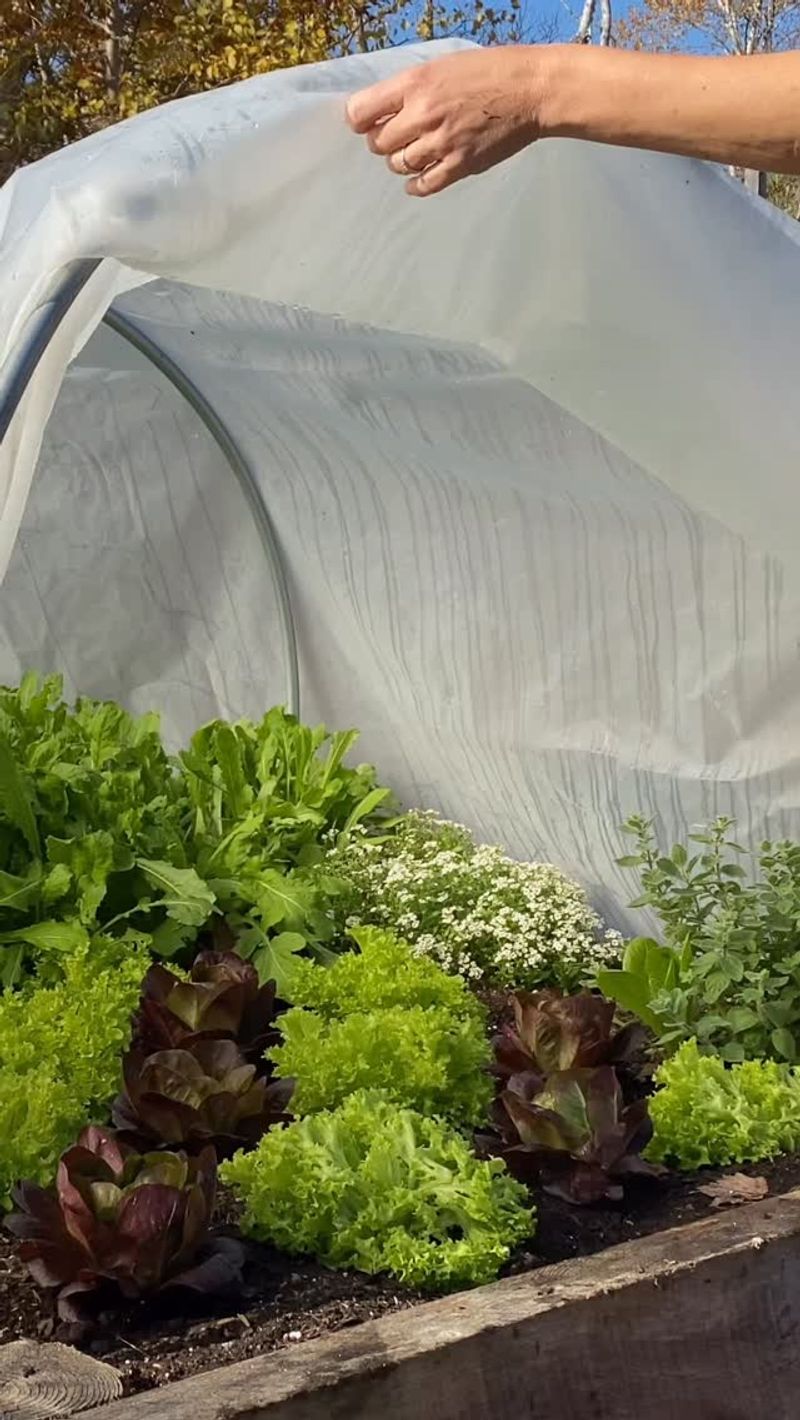
Frost does not have to be the final buzzer. A few dollars of lightweight fabric buys you an extra month, sometimes two, in most of Missouri.
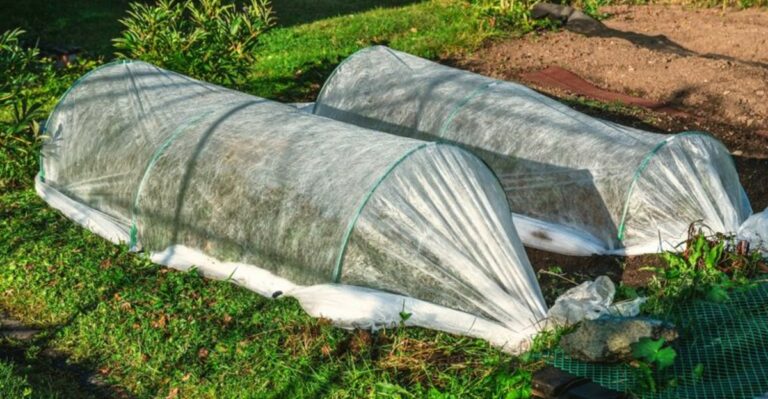
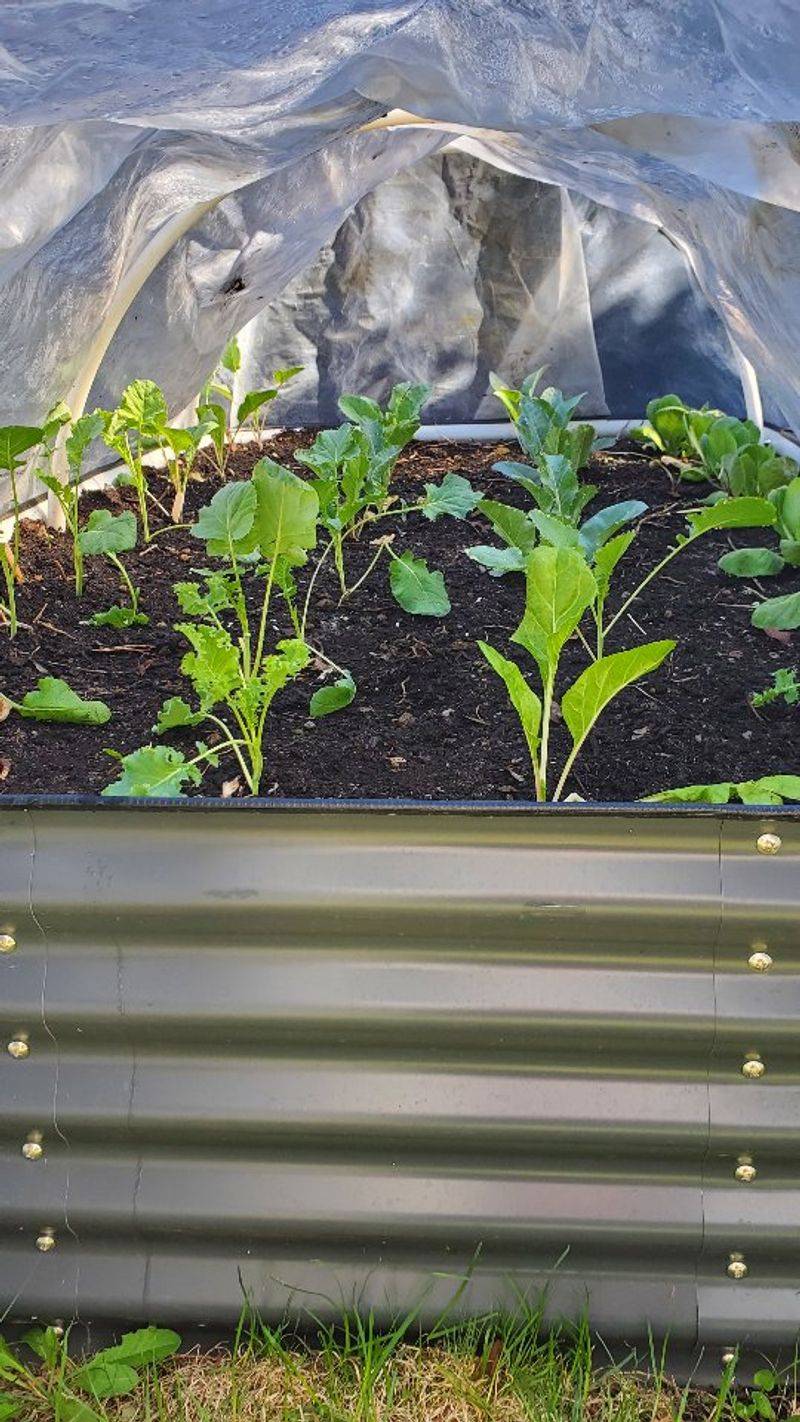
Floating row cover is the workhorse. Draped over wire hoops and pinned at the edges, it traps warmth and lifts nighttime temperatures four to eight degrees.
That modest gain matters enormously in October. Many of the coldest nights barely dip below freezing, so a few degrees keeps tender greens comfortable.
Mulch handles the underground half of the job. Four to six inches of straw or shredded leaves insulates roots and holds soil warmth long after the air turns cold.
Water plays a surprising role as well. Moist soil stores and releases heat better than dry soil, so a good soak before a cold night acts like a warm blanket.
Placement helps too. Beds near a south-facing wall, fence, or foundation collect reflected warmth and often stay several degrees milder than open ground.
Cold frames take things a step further for anyone who catches the bug. An old storm window on a simple wooden box can carry spinach straight through a Missouri winter.
Plan the covers before you need them, because the first frost warning tends to show up on short notice, right when the hardware store is closed.
Once the season winds down for good, a cover crop of cereal rye keeps the bed working while you rest.