Why Oregon Spiders Suddenly Appear Everywhere In September
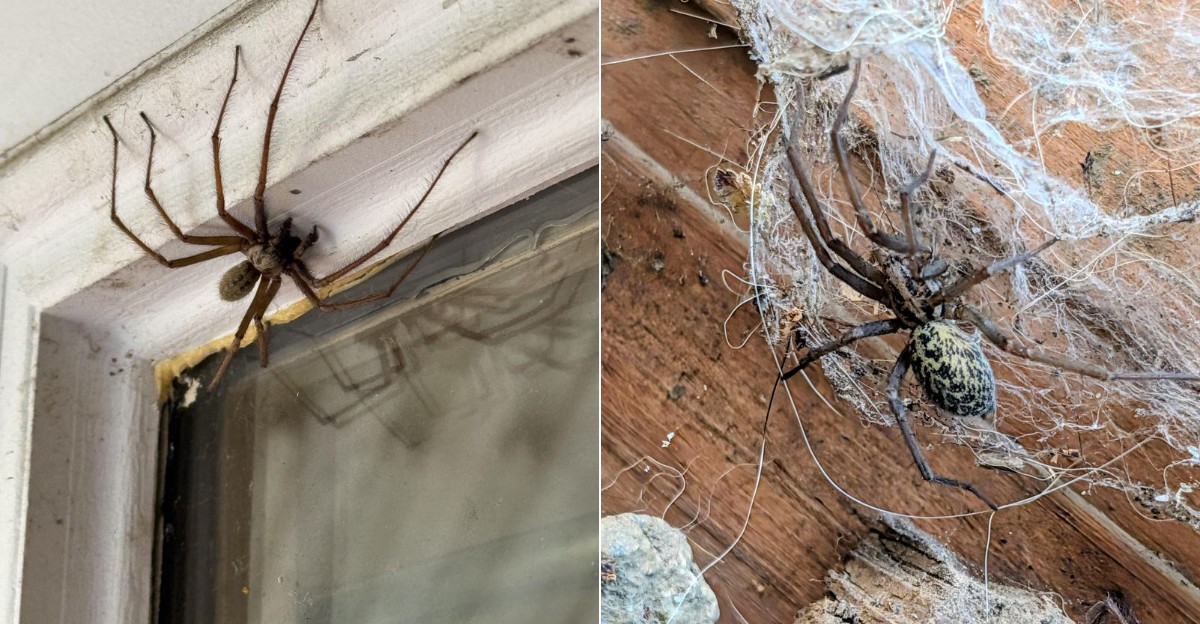
You might start noticing more spider webs across your Oregon yard, porch, and windows as September arrives, and it can feel like they appeared overnight.
Those sudden sightings are usually not a sign that your home has become overrun. Instead, seasonal changes bring more spider activity as these creatures become easier to spot.
Cooler nights, increased insect activity, and the search for mates all play a role in why spiders seem more visible during this time of year.
Many are simply moving through your garden, building webs, and helping control other pests around your property. Before you reach for a spray, it helps to understand what is attracting them and why they are showing up now.
A few simple changes can make your outdoor spaces less appealing while still allowing these helpful garden residents to do their job.
1. September Is Peak Spider Season In Oregon
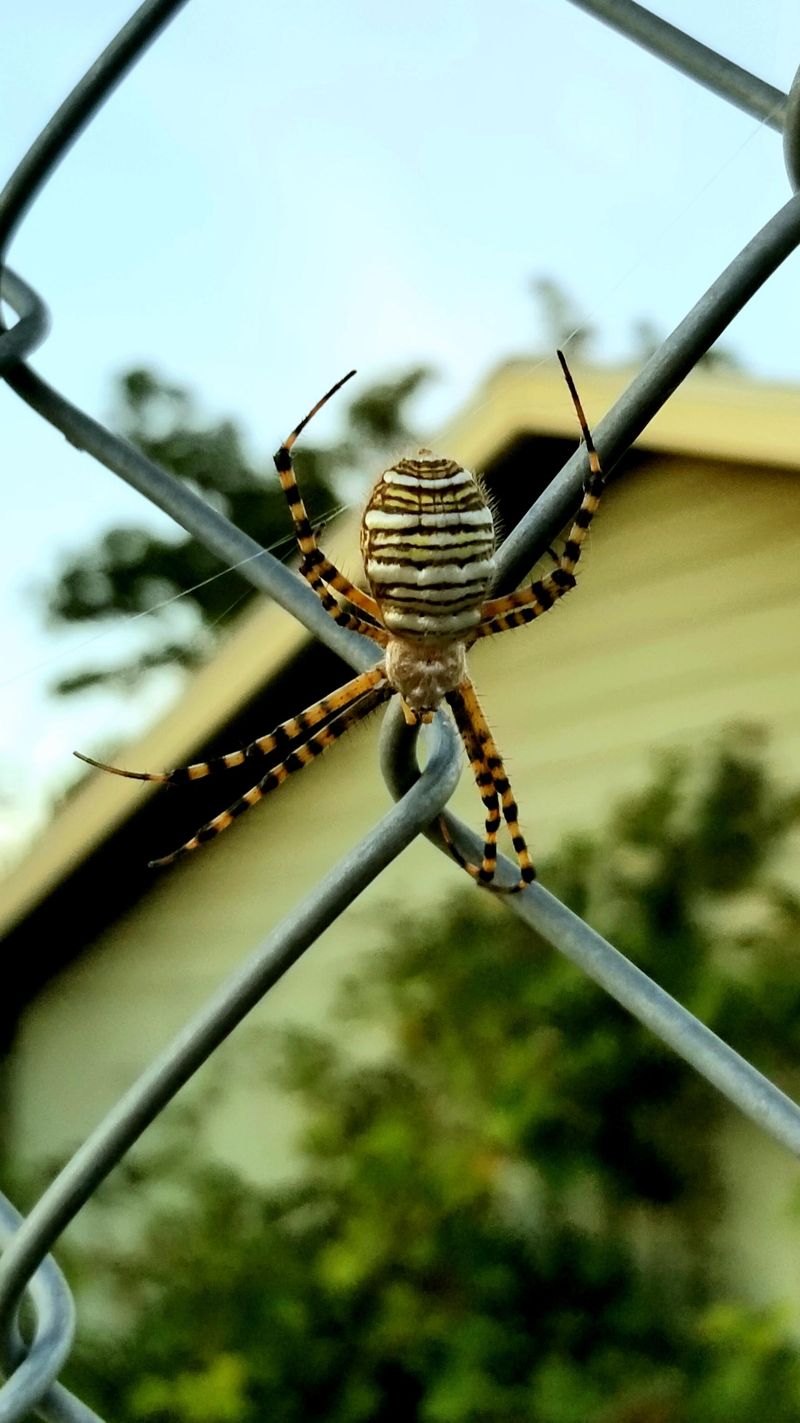
Fall marks the busiest stretch of the year for Oregon’s spider population. By the time September rolls around, the ones you spot have been growing quietly all summer.
Warmer months gave them plenty of food and time to mature. Now they are big enough to catch your eye. That sudden visibility makes it seem like they arrived out of nowhere.
Orb-weavers are the most common culprits during this peak. Their large, round webs stretch across doorways, fences, and garden paths. You probably walk right into one at least once each fall.
These spiders were around earlier too, just smaller and hidden. As numbers rise and bodies grow, they become far easier to notice. Peak season simply means more spiders doing more visible things.
Weather also lines up perfectly in September. Days stay warm while nights turn cooler, giving spiders a comfortable window to be active. That mix keeps them busy building and hunting.
Knowing this is a natural yearly pattern can ease the worry. Most of these spiders will fade away as colder weather arrives. They are not invading your space on purpose.
A little patience goes a long way here. Try to admire the impressive webs from a safe distance. Peak spider season is short, and it plays a helpful role in nature’s cleanup crew.
2. Warmer Weather Helps Spiders Become More Active
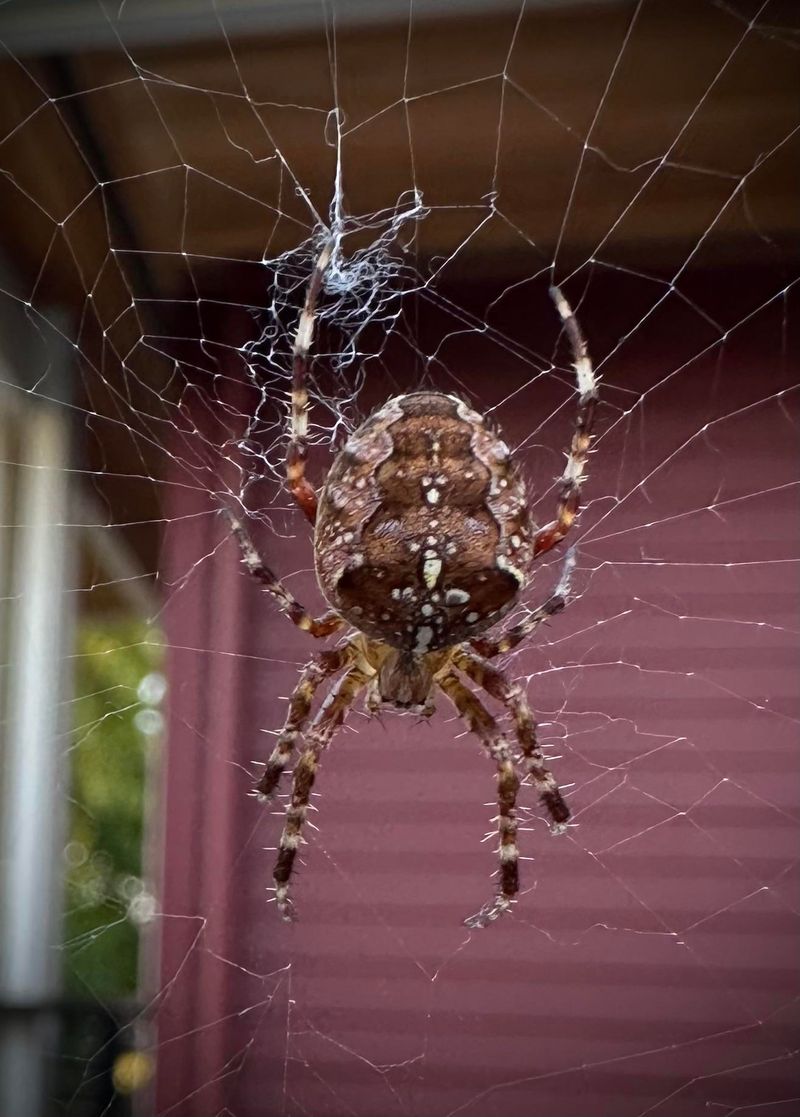
Sunshine and mild temperatures give spiders an energy boost. Like many small creatures, they move faster and hunt more when the air feels warm.
September in Oregon often keeps that pleasant warmth going. Afternoons stay comfortable, and spiders take full advantage of it. They repair webs and search for food during these hours.
Cold-blooded animals depend on the outside temperature to stay active. When mornings warm up, spiders wake up ready to work. That extra activity means you see them out and about more often.
Warmer days also keep their insect meals buzzing around. Flies, moths, and gnats stay lively in mild weather. More prey means spiders have plenty of reasons to be busy.
You might notice webs getting rebuilt quickly after you clear them. That speed comes from the energy warm weather provides. A comfortable spider is a productive spider.
Your Oregon Garden Changes Every Week. Your Plan Should Too.
Gardening in Oregon changes quickly throughout the season. Every Friday you’ll receive a simple weekly plan showing exactly what to plant, prune, fertilize, harvest, and protect so you never miss the right timing.
This burst of movement is one big reason they seem everywhere. They are not multiplying overnight, just moving more visibly. Warmth simply turns up their activity level.
If you want fewer surprises, check corners during cooler mornings. Spiders tend to sit still when temperatures drop. That makes it easier to relocate them gently outside.
Enjoy the mild days too, since they will not last long. Both you and the spiders are making the most of Oregon’s warm fall stretch.
3. Many Spiders Are Fully Grown By Fall
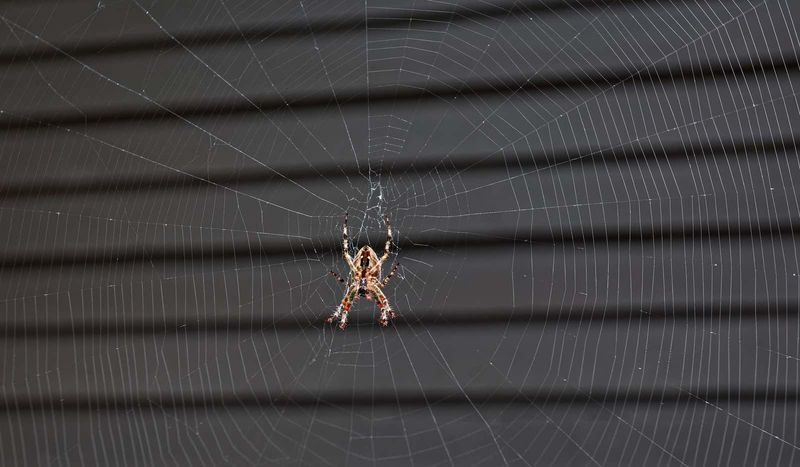
Size plays a huge part in why fall spiders grab attention. By September, most have reached their full adult size after months of eating.
Back in spring, these same spiders were tiny specks. You could easily overlook them on a leaf or fence. Growth changes everything by the time autumn arrives.
A fully grown orb-weaver can look surprisingly large. Their round bodies and long legs stand out against a wall or window. That bigger size is hard to miss.
Reaching adulthood takes a whole season of steady hunting. Each meal helps them shed old skin and grow larger. Fall is simply when that growth finishes up.
Bigger spiders also spin bigger webs. Those wide webs stretch further and catch more light. You notice both the spider and its home more easily now.
Female spiders often grow larger than males. Many of the impressive webs you see belong to these sizable females. They anchor themselves in busy hunting spots.
Their large size can look intimidating, but most are gentle toward people. They would rather focus on catching insects than bother you. A big spider usually means a well-fed one.
Take comfort knowing this is nature working normally. Full-grown fall spiders are a sign the season did its job. They will slow down once the weather turns colder and food becomes scarce.
4. Males Start Moving Around Looking For Mates
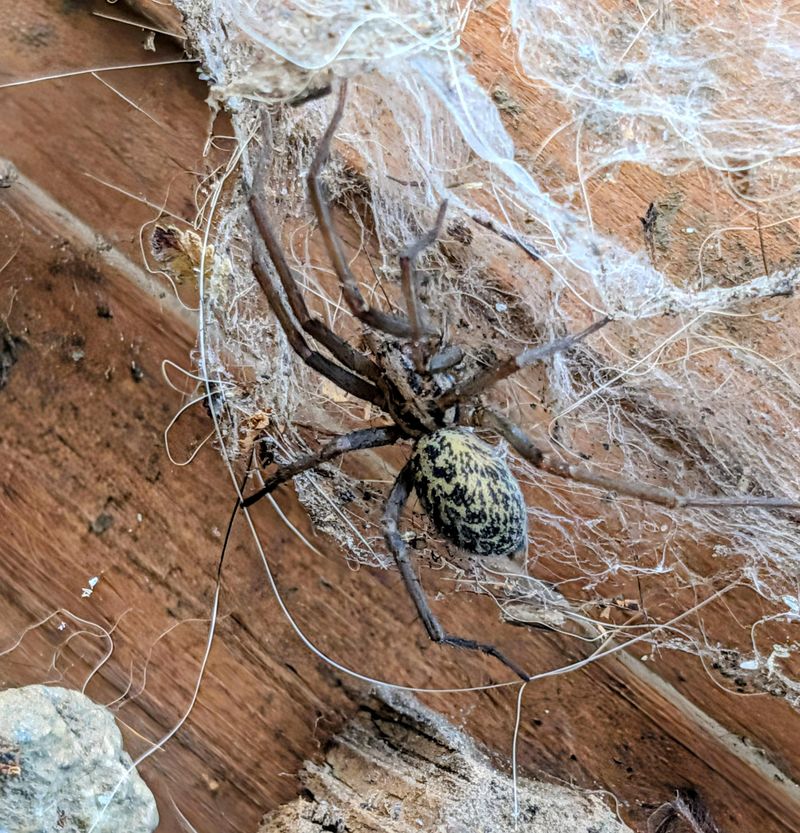
Romance is in the air for spiders come September. Male spiders leave their hiding spots and start wandering to find partners.
This search sends them across yards, walls, and even indoors. A traveling male might cross your path while hunting for a female’s web. That is why you suddenly spot them roaming.
Unlike females, males rarely stay put in one web. Their job is to move and find a mate quickly. All that wandering makes them far more visible to us.
You might see a lone spider scurrying across the floor. Often that is a male on a mission, not a lost intruder. He is simply following nature’s schedule.
Males tend to be smaller and thinner than females. Their long legs help them travel fast over rough ground. Speed matters when the mating window is short.
This roaming behavior peaks in early fall for many species. It lines up with females being fully grown and ready. Timing keeps the spider life cycle going strong.
If a wandering male shows up inside, stay calm. Gently guide him outdoors with a cup and a piece of paper. He has no interest in staying in your home.
Seeing more roaming spiders is just seasonal traffic. Once mating season ends, this restless movement quiets down. The wandering males are only passing through your space.
5. Cooler Nights Push Them Toward Homes
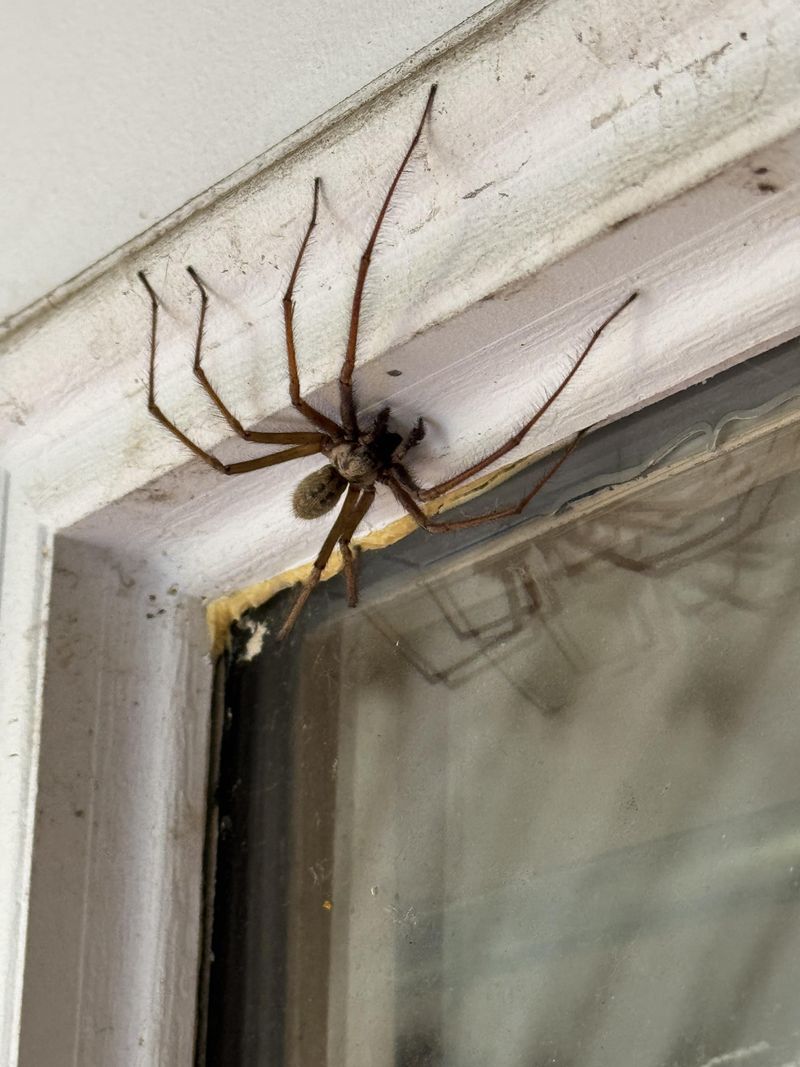
As the sun sets earlier, Oregon nights start feeling crisp. Spiders sense that chill and look for cozier spots to settle.
Your home offers steady warmth and shelter from the cold. Doorways, garages, and window frames become tempting hideouts. That is why more spiders show up close to houses.
Cold-blooded creatures struggle when temperatures drop fast. Seeking warmth is simply their way of staying comfortable. Homes provide that stable heat they crave.
Cracks around windows and doors act like little invitations. A spider slips through the smallest gap to escape the cool air. Once inside, it looks for a quiet corner.
You may find them in basements, sheds, or under eaves. These spots stay warmer and calmer than the open yard. Spiders treat them as safe autumn retreats.
Sealing gaps can help keep them outdoors where they belong. Weather stripping and door sweeps make a big difference. Fewer openings mean fewer surprise visitors.
Keeping outdoor clutter away from walls also helps. Woodpiles and leaves give spiders a stepping stone toward your home. Moving them back reduces the traffic.
Cooler nights are a strong signal that fall has arrived. Spiders react by drifting closer to shelter, not by targeting you. A few simple home fixes keep the boundary clear and everyone comfortable.
6. Gardens Provide Plenty Of Places To Hunt
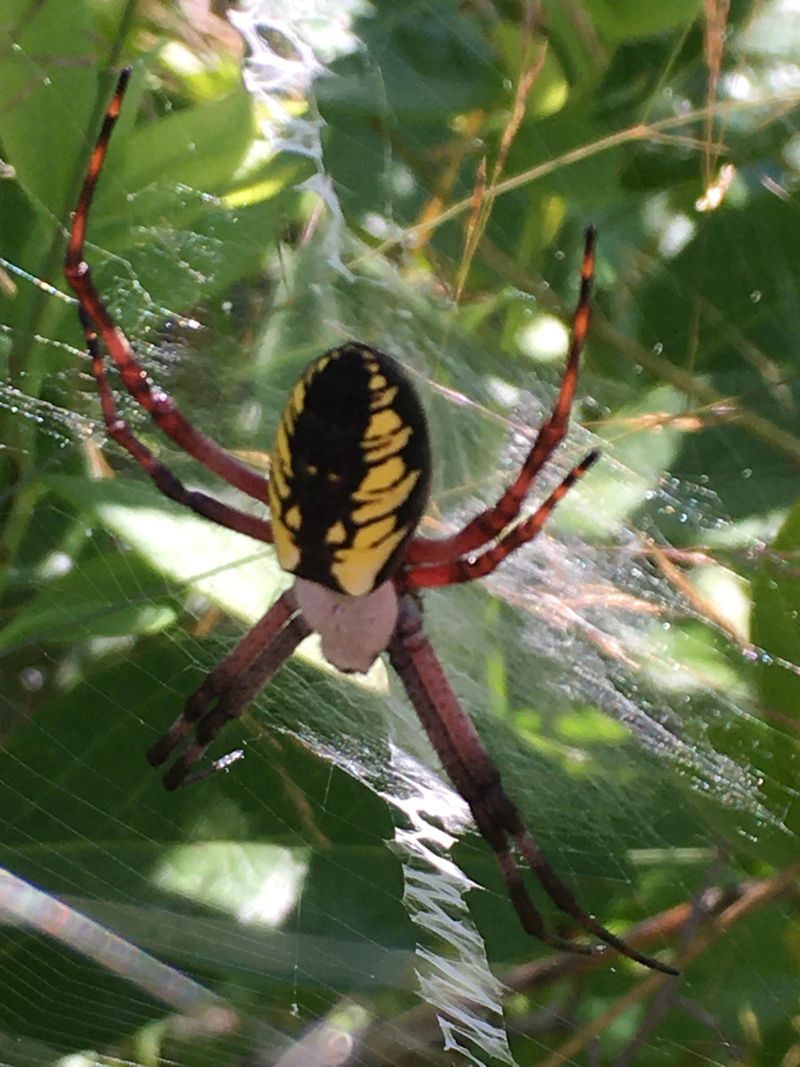
Backyard gardens turn into busy hunting grounds each fall. Thick plants and flowers give spiders perfect places to build and wait.
Leaves and stems offer strong anchor points for webs. A spider can string its silk between branches with ease. That makes gardens ideal real estate for them.
All those plants also attract a steady buffet of bugs. Flies, aphids, and moths gather around blooms and vegetables. Where insects go, hungry spiders follow.
September gardens are often overflowing with life. Late-season flowers and ripening crops draw in extra prey. Spiders happily set up shop nearby.
You might spot several webs in a single flowerbed. Each one belongs to a spider claiming its hunting turf. The crowded look is just good business for them.
These garden spiders actually help you out a lot. They snack on pests that would otherwise damage your plants. Think of them as tiny volunteer gardeners.
Leaving a few webs in place can protect your veggies. Fewer pests mean healthier tomatoes and flowers. A little spider help goes a long way.
If a web sits in your walking path, move it gently. Relocate the spider to a quieter corner of the yard. It will keep working without bothering you.
Gardens and spiders make a natural team in the fall. Both thrive when the season brings warmth, plants, and plenty of bugs.
7. Outdoor Lights Attract The Insects Spiders Follow
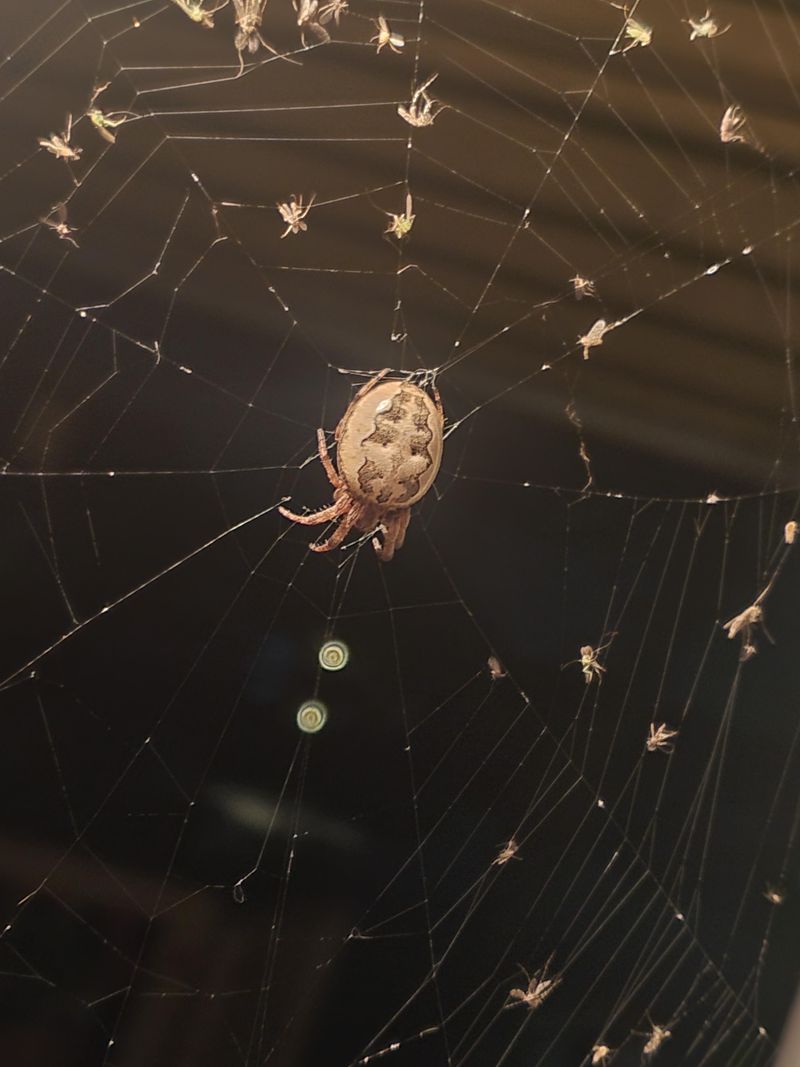
Turn on a porch light at night, and watch the bugs arrive. Moths and flying insects swarm toward that glow like a magnet.
Spiders quickly learn where the easy meals gather. They build webs right beside porch lamps and window lights. It is like setting up a snack stand at a party.
Bright lights create a reliable food source after dark. A spider near a lamp barely has to work for dinner. Insects practically fly straight into the waiting web.
This is why entryways often collect the most webs. The lighting draws prey, and the prey draws spiders. Both show up because of that nightly glow.
You can reduce this cycle with a few small changes. Switching to yellow or warm bulbs attracts fewer insects. Fewer bugs mean fewer spiders setting up nearby.
Turning off lights when you do not need them helps too. A dark porch is far less tempting to hungry moths. Spiders then have little reason to linger.
Motion-sensor lights are another handy option. They stay off most of the night and only flash on when needed. That keeps the bug crowd small.
Understanding this link makes the webs less mysterious. Spiders are simply following their food, which is following your lights. A smarter bulb choice can quietly solve the whole problem.
8. Large Webs Are Easier To Notice This Time Of Year
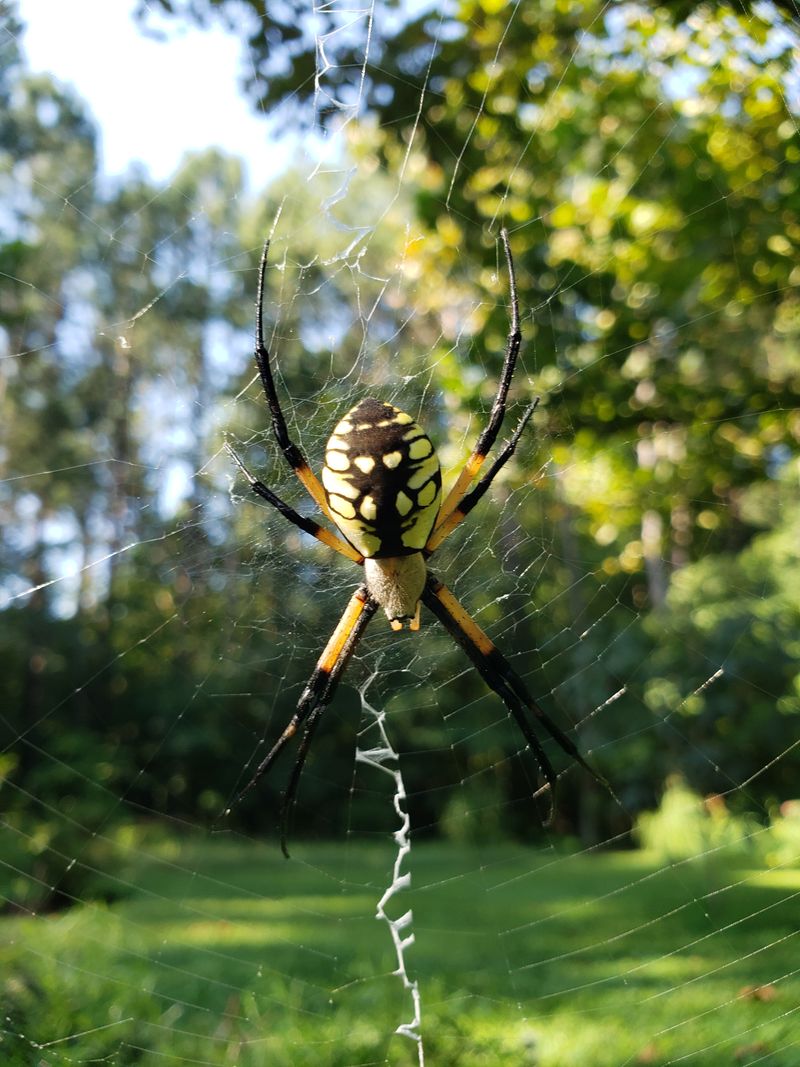
Nothing announces spider season like a giant, glistening web. In fall, these webs grow wide and catch the morning dew beautifully.
Bigger spiders spin bigger, sturdier webs. Those large silk designs stretch across paths and doorways. You simply cannot miss them anymore.
Cool autumn mornings add a sparkling touch. Dew clings to the silk and lights up in the sun. A web you never noticed suddenly shines bright.
Lower sunlight angles help too during fall. The soft, slanted light hits webs just right. Strands that were invisible now glow clearly.
Orb-weavers rebuild their webs almost every night. Fresh, complete webs look especially large and neat by morning. That daily effort keeps them highly visible.
You might walk face-first into one on the way to your car. It happens to nearly everyone during September. The web was simply hanging in a well-traveled spot.
These impressive structures show off real skill. A single spider can spin a wide web in under an hour. That craftsmanship deserves a moment of admiration.
Clearing a web from your path is easy and harmless. The spider will rebuild elsewhere without any trouble. It has done this countless times before.
Big fall webs are a signpost of the season. They remind us that spiders have been busy all along. Now their handiwork is finally easy to see.