Mistakes That Prevent Citrus Trees From Producing Fruit In Texas
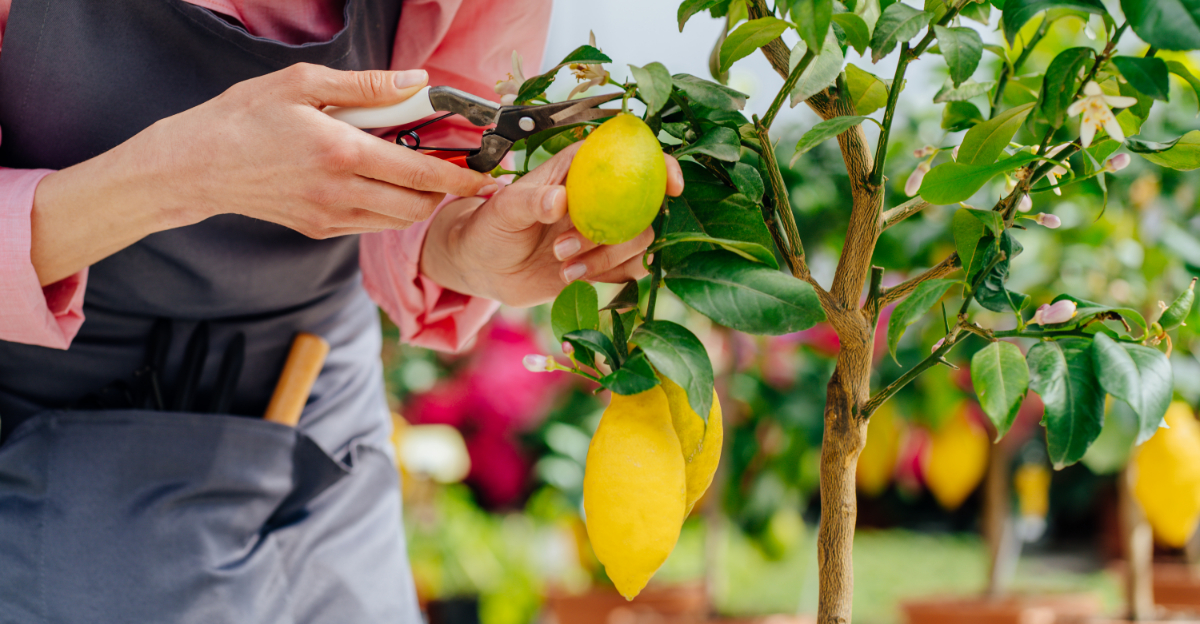
Texas gardens are famous for their sun, heat, and wide-open spaces, but even in the best conditions, citrus trees sometimes fail to produce the fruit gardeners hope for.
Many homeowners learn the hard way that abundant leaves don’t always mean an abundant harvest.
Fruit production depends on more than sunlight and warmth. Watering habits, soil health, pruning practices, and pest management all play crucial roles in whether flowers set into fruit.
Even the wrong variety in a particular region can quietly sabotage months of care.
Identifying and avoiding these common mistakes can transform a struggling tree into one loaded with fragrant blossoms and juicy, ready-to-pick fruit.
With careful attention and timing, your citrus trees can reward you with vibrant blooms and a full harvest season. Knowing what to do next can make all the difference.
1. Planting Citrus Trees In Locations With Insufficient Sunlight
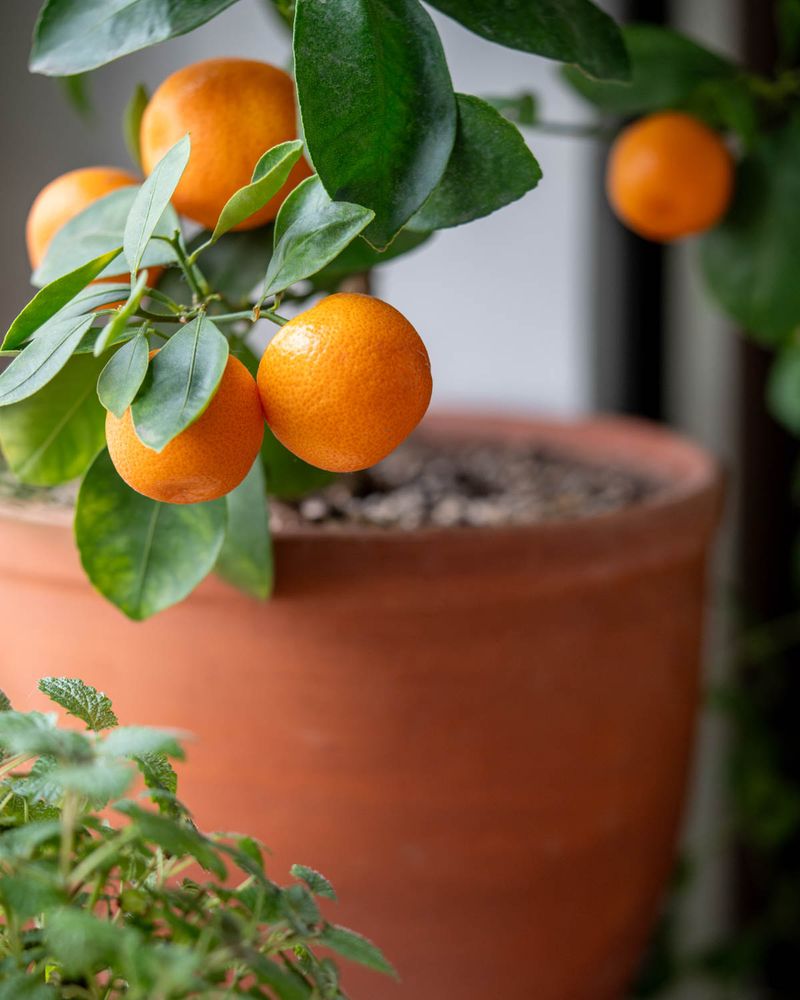
Sunlight is basically the engine that powers a citrus tree. Without enough of it, the tree simply cannot produce the energy it needs to develop flowers and set fruit.
In Texas, where the sun shines strong for most of the year, it might seem hard to imagine a citrus tree going without light, but shady planting spots are more common than you would think.
Citrus trees generally do best with six to eight hours of direct sunlight daily whenever possible. Spots near tall wooden fences, the north side of a house, or under the canopy of large shade trees just do not cut it.
Even partial shade during the hottest part of the afternoon can reduce fruit production significantly over time.
When choosing where to plant in Texas, look for a south or southeast-facing location that stays open and bright throughout the day. Avoid planting near structures that cast long shadows, especially during winter when the sun sits lower in the sky.
If your tree is already planted in a low-light area and struggling to produce, consider whether transplanting to a sunnier spot is possible while the tree is still young. Getting the location right from the start saves a lot of headaches down the road and sets your citrus tree up for years of reliable, abundant fruit production.
2. Overwatering Or Poor Soil Drainage Around Roots
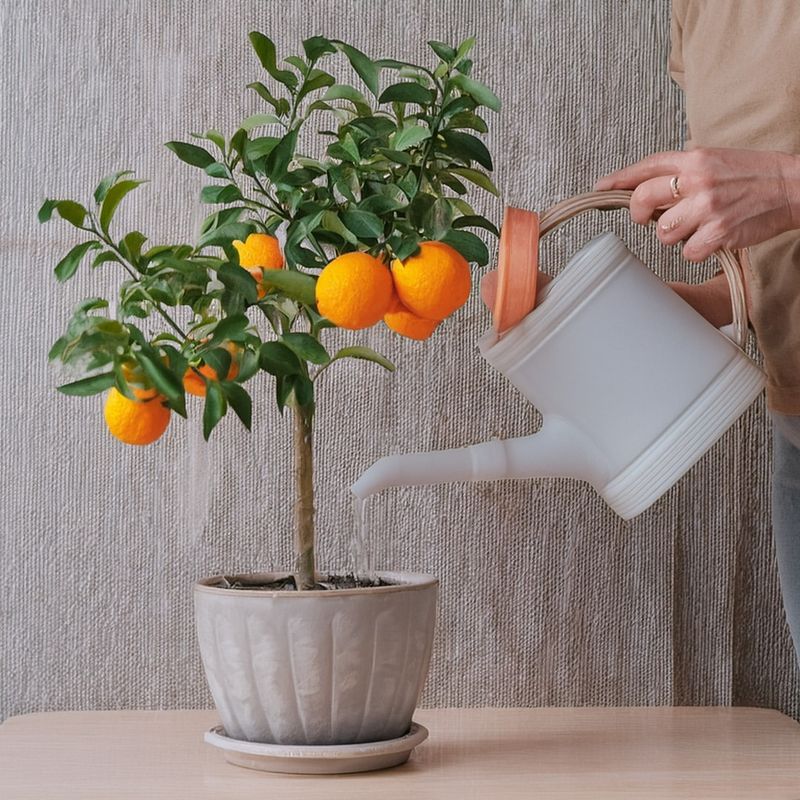
Too much water might sound like a generous thing to give a plant, but for citrus trees, it is one of the fastest ways to ruin fruit production. Roots that sit in soggy soil may struggle to absorb oxygen, which can weaken the tree and reduce flowering and fruiting potential.
In parts of Texas with heavy clay soils, this problem is especially common after rainy seasons.
Signs of overwatering include yellowing leaves, a sour smell near the base of the tree, and fruit that drops before it matures. Poor drainage makes things worse because even a normal amount of rain can leave roots sitting in standing water for days at a time.
Before planting a new citrus tree in Texas, always test your soil drainage by filling a hole with water and watching how fast it absorbs. If it takes longer than 24 hours to drain, you have a problem worth addressing.
Fixing drainage issues can be as simple as adding organic matter to loosen compacted clay soil or building a raised bed to lift the root zone above the waterline. For trees already in the ground, pulling back mulch from the trunk and reducing irrigation frequency can help a lot.
Water citrus trees deeply but infrequently, letting the top few inches of soil dry out between sessions to keep roots healthy and productive.
3. Exposing Trees To Cold Damage And Freeze Stress
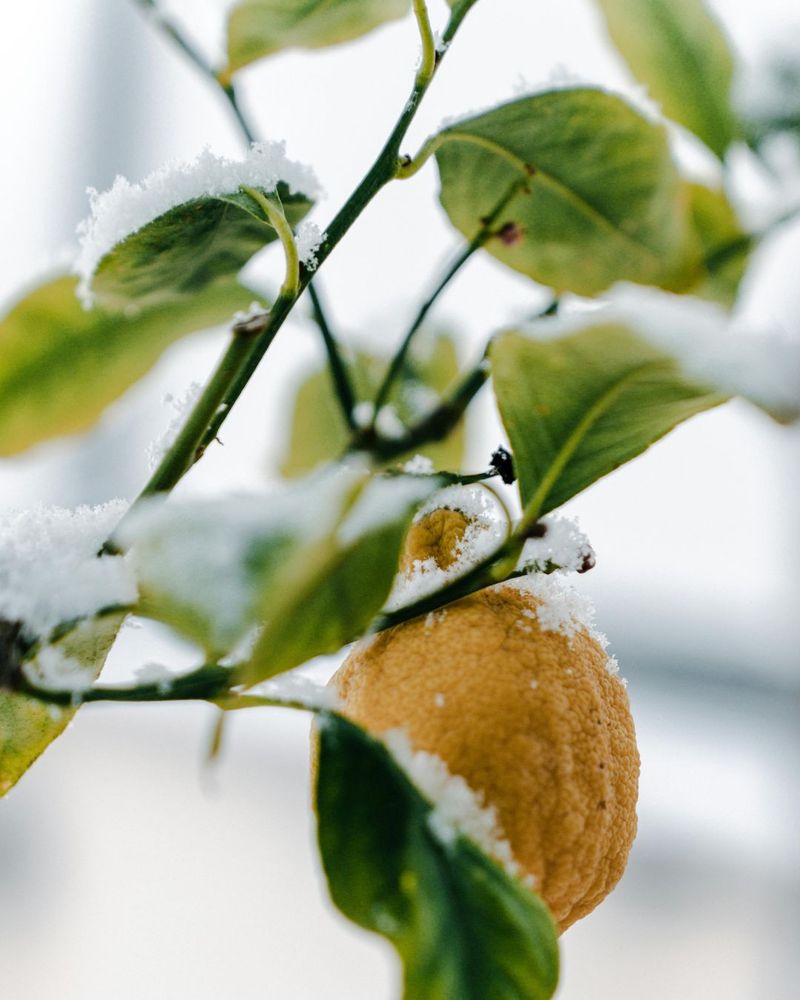
Texas weather has a reputation for being unpredictable, and citrus trees feel every one of those sudden temperature swings. A hard freeze can wipe out an entire season’s worth of blooms and developing fruit in just one night.
Even a mild frost below 28°F for several hours can damage tender branches and flower buds, potentially reducing fruit production.
The Rio Grande Valley in South Texas is the most citrus-friendly region in the state, but even there, occasional cold snaps can surprise growers. Further north, in areas like San Antonio or Austin, freeze risk is much higher and requires more active protection strategies.
Planting citrus trees near a south-facing wall or a large structure that holds heat overnight can make a meaningful difference in how well they survive cold spells.
When a freeze is in the forecast, covering your citrus tree with frost cloth or a heavy blanket traps heat close to the branches and can protect it down to the mid-20s. Stringing outdoor lights inside the cover adds extra warmth.
Watering the ground around the tree before a freeze also helps because moist soil holds heat better than dry soil. Young trees are far more vulnerable than mature ones, so giving them extra attention during their first few winters in Texas is especially important for long-term fruit production.
4. Ignoring Pest And Disease Pressure On Flowers Or Fruit
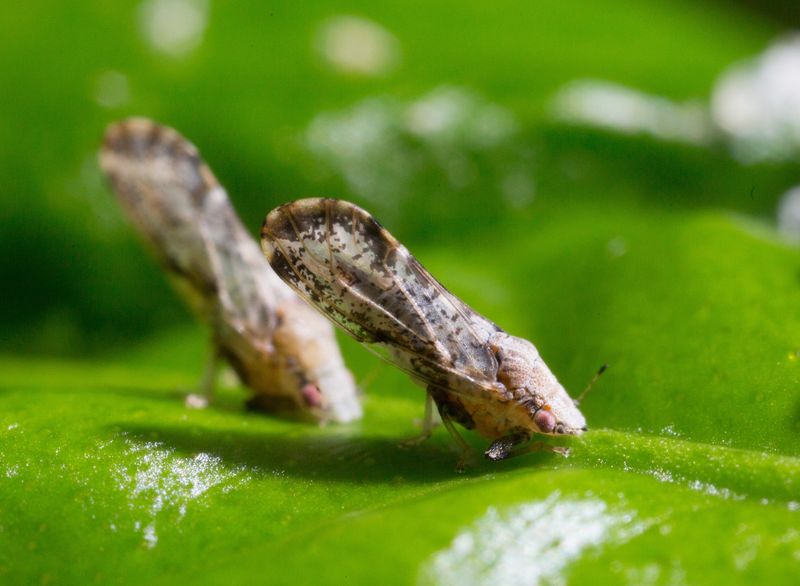
Pests and diseases are some of the sneakiest reasons citrus trees stop producing fruit, because the damage often starts small and goes unnoticed until it has already done serious harm. In Texas, one of the most dangerous threats is the Asian citrus psyllid, a tiny insect that spreads a bacterial disease called citrus greening.
Trees infected with this disease may produce bitter, misshapen fruit and gradually decline, so early detection and management are important.
Other common culprits include citrus leaf miners, spider mites, scale insects, and aphids, all of which can damage flowers and young fruit before they ever get a chance to develop. Scale insects in particular are easy to miss because they look like small bumps on branches rather than typical bugs.
They suck sap from the tree and can cause significant stress that reduces flowering and causes fruit drop.
Regular inspections are your best defense. Walk around your citrus trees in Texas at least once a week during the growing season and look closely at the undersides of leaves, stems, and developing fruit.
Catching an infestation early means you can treat it with insecticidal soap or horticultural oil before it spreads. Staying in contact with your local Texas A&M AgriLife Extension office is also a smart move, since they provide up-to-date information on pest outbreaks in your specific region and can recommend the most effective and safe treatment options available.
5. Pruning Incorrectly And Removing Flowering Wood
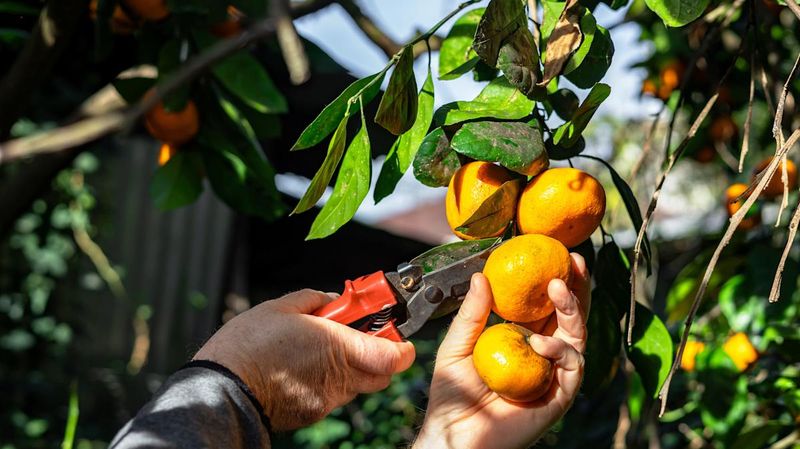
Grab a pair of pruning shears and go to town on your citrus tree, and you might think you are helping it grow better. But aggressive or poorly timed pruning is one of the most common reasons Texas citrus trees fail to produce fruit year after year.
Citrus trees bloom on mature wood, so removing those branches can reduce fruit production for the season.
Unlike apple or peach trees, citrus trees do not need heavy annual pruning to stay productive. In fact, they prefer to be left mostly alone.
Light maintenance pruning to remove crossing branches, water sprouts, and any dead or damaged wood is usually all that is needed. Pruning should be done in late winter or early spring in Texas, just before the new growth season begins, so the tree has time to recover and set buds before the heat of summer arrives.
Suckers that grow from below the graft union are an important thing to watch for and remove promptly. These vigorous shoots come from the rootstock, not the fruiting variety, and if left to grow, they can take over the tree entirely and replace productive wood with growth that will never bear quality fruit.
A little pruning knowledge goes a long way toward protecting your harvest and keeping Texas citrus trees healthy and productive for many seasons ahead.
6. Choosing Varieties Unsuited To Texas Climates
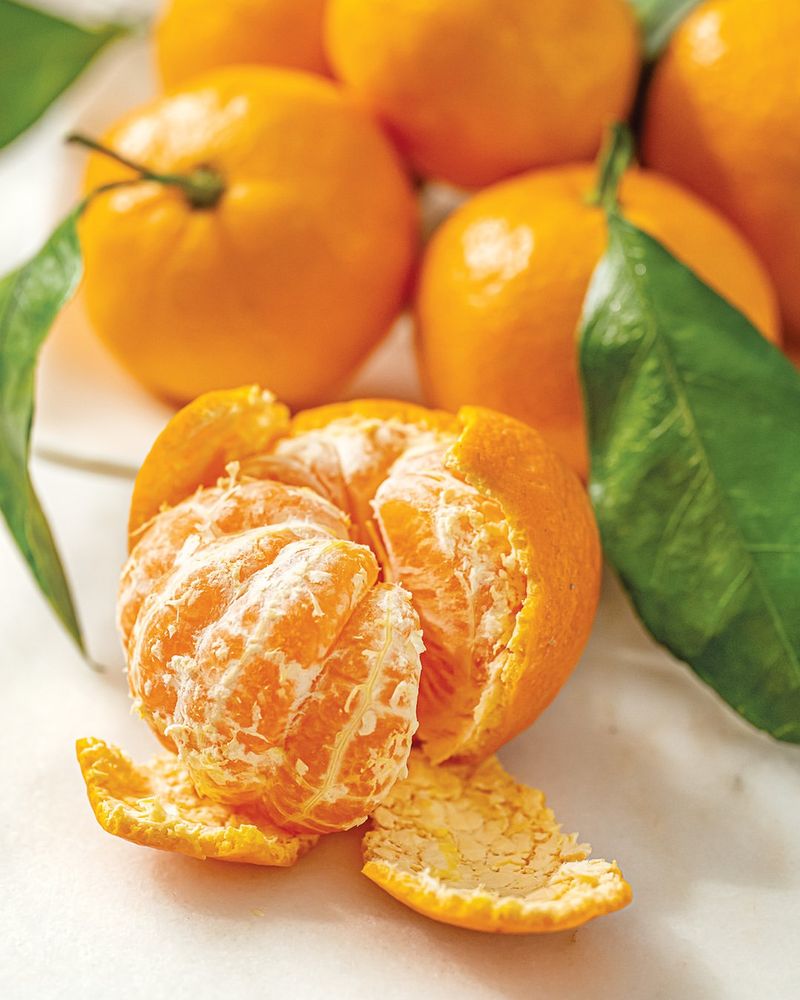
Not every citrus variety that looks great at a nursery is actually suited to grow and fruit well in Texas. Walk into a big-box garden store in spring and you might find Meyer lemons, navel oranges, grapefruit, and mandarins all sitting side by side.
But some of those varieties need a longer warm season or more consistent heat than most of Texas reliably delivers, especially in areas north of San Antonio.
Satsuma mandarins are widely considered the most cold-hardy citrus option for Texas growers and are an excellent choice for gardeners in the central and eastern parts of the state. Meyer lemons also perform well across a broad range of Texas climates.
Ruby Red grapefruit, which was actually developed in Texas, thrives in the Rio Grande Valley and warmer southern regions. Navel oranges can be hit or miss depending on how cold winters get in your specific area.
Before buying any citrus tree in Texas, check with your local county extension office or a reputable local nursery to find out which varieties have a proven track record in your region. Look for trees that are grafted onto cold-tolerant rootstocks like trifoliate orange, which adds an extra layer of freeze resistance.
Choosing a variety suited to your specific Texas climate can have a significant impact on the tree’s fruit production over time.