10 Moisture Loving Plants That Work Beautifully In Texas Home Bathrooms
Texas homes often rely on indoor plants to bring life into bathrooms, where humidity levels can mimic tropical conditions.
Instead of struggling with plants that dislike moisture, homeowners can choose species that thrive in warm, steamy spaces.
These moisture-loving plants help improve air quality, soften bathroom décor, and add a spa-like feel.
Many require minimal maintenance, making them perfect for busy households.
With the right choices, a bathroom becomes one of the easiest rooms in the house to keep green and vibrant.
Whether the goal is tropical foliage, soothing greenery, or compact plants for shelves and counters, moisture-tolerant varieties offer year-round freshness.
1. Boston Fern
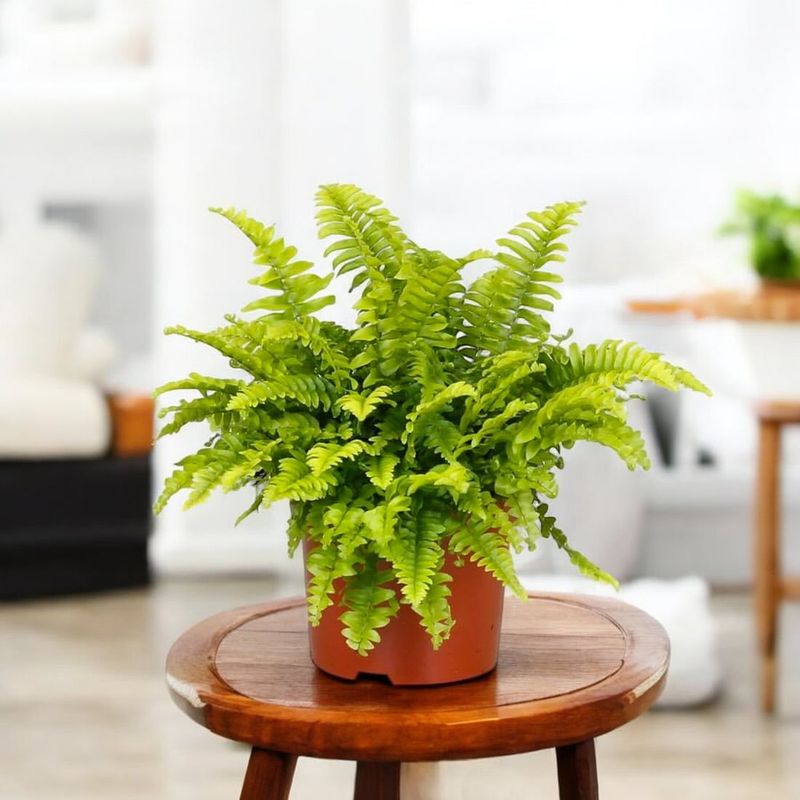
Cascading fronds of emerald greenery bring instant life to any Texas bathroom, and Boston ferns deliver that tropical vibe effortlessly.
These beauties absolutely adore the steamy conditions created by hot showers, making them ideal companions for your daily routine.
Their feathery leaves dance gracefully in hanging baskets or perched on shelves, creating movement and visual interest.
Boston ferns prefer indirect light, so a north-facing window works wonderfully.
They’ll reward your care with lush, full growth that can span several feet across.
The key to keeping these plants happy is consistent moisture in the soil without waterlogging.
Mist the fronds regularly between waterings to maintain that humidity they crave.
Texas tap water works fine, but letting it sit overnight helps remove chlorine that can brown the leaf tips.
These plants grow quickly during warm months, so don’t be surprised when they outgrow their pots.
Trim away any browning fronds to keep your fern looking fresh and encourage new growth.
With minimal effort, your Boston fern will become a stunning focal point that purifies the air while you pamper yourself.
2. Pothos
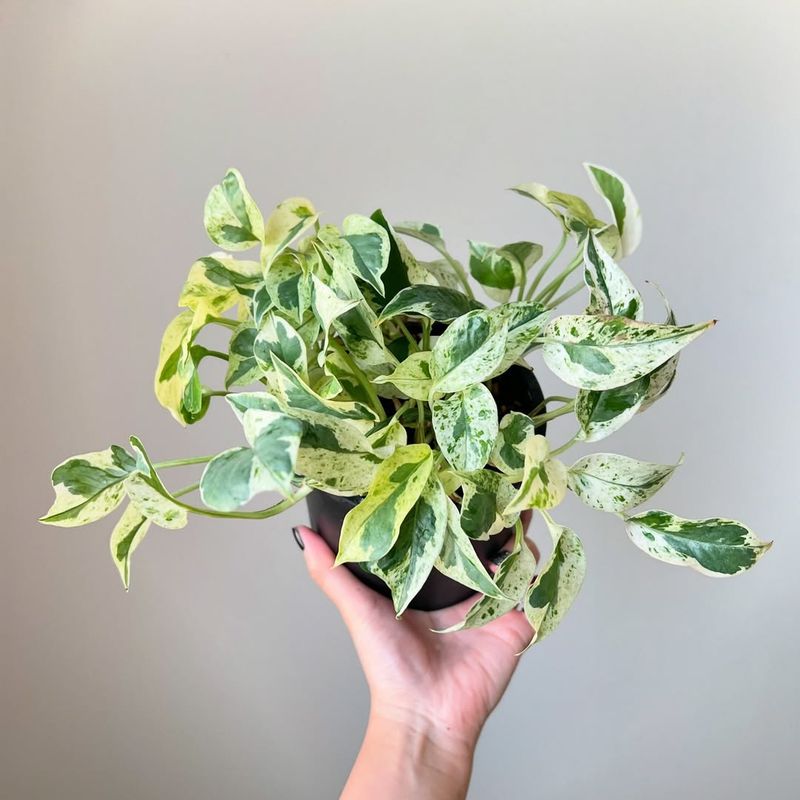
Heart-shaped leaves in shades of green and gold make pothos one of the most forgiving bathroom plants you’ll ever encounter.
This champion survivor tolerates everything from low light to bright indirect sunshine, adapting beautifully to whatever your Texas bathroom offers.
Its vines can stretch impressively long, creating dramatic cascades from high shelves or medicine cabinets.
Pothos actually prefers the humid environment bathrooms provide, and it’ll show its appreciation with vigorous growth.
The plant signals when it needs water by drooping slightly, then perks right back up after a good drink.
You can train the vines along curtain rods, around mirrors, or let them tumble freely for a jungle-inspired look.
Propagating pothos is incredibly simple—just snip a stem below a node and place it in water until roots develop.
This means you can expand your collection or share with friends without spending another dime.
The variegated varieties need slightly more light to maintain their striking patterns, while solid green types thrive in dimmer conditions.
Wipe the leaves occasionally to remove dust and keep them photosynthesizing efficiently.
Pothos also ranks high on NASA’s list of air-purifying plants, removing toxins while looking absolutely gorgeous.
3. Orchid
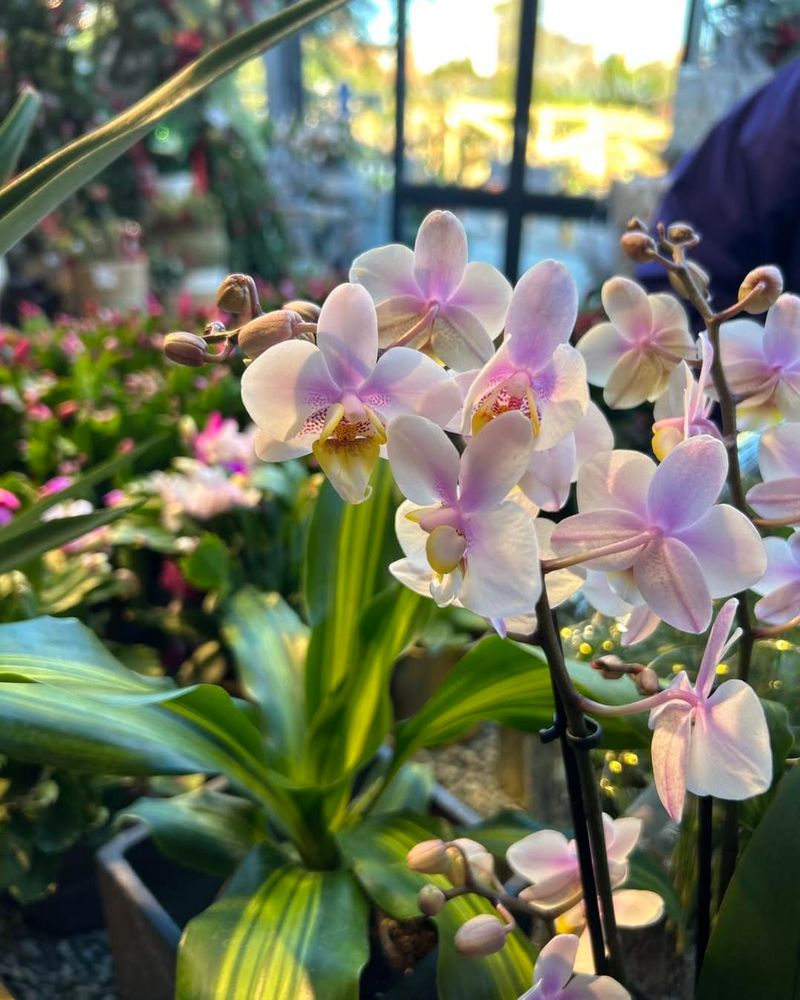
Delicate blooms that last for months bring unexpected elegance to your Texas bathroom sanctuary.
Orchids might seem intimidating, but they’re surprisingly well-suited to bathroom conditions where humidity stays elevated.
Phalaenopsis varieties, commonly called moth orchids, are particularly forgiving for beginners.
These stunning plants prefer bright, filtered light rather than direct sun that can scorch their leaves.
The steam from your shower mimics their natural tropical habitat, keeping them content without extra misting.
Water your orchid about once weekly, allowing the potting medium to dry slightly between waterings.
Ice cubes placed on the medium provide a slow, steady moisture release that prevents overwatering.
Texas temperatures stay warm enough year-round that orchids feel right at home on your bathroom counter or windowsill.
After the flowers fade, don’t toss the plant—trim the spike above a node and it’ll often rebloom.
Orchid roots like air circulation, so they grow in bark mix rather than traditional soil.
Clear pots let you monitor root health, which should appear green or silvery rather than brown.
With their exotic appearance and long-lasting blooms, orchids add a spa-like sophistication that transforms ordinary bathrooms into luxurious retreats.
4. Peace Lily
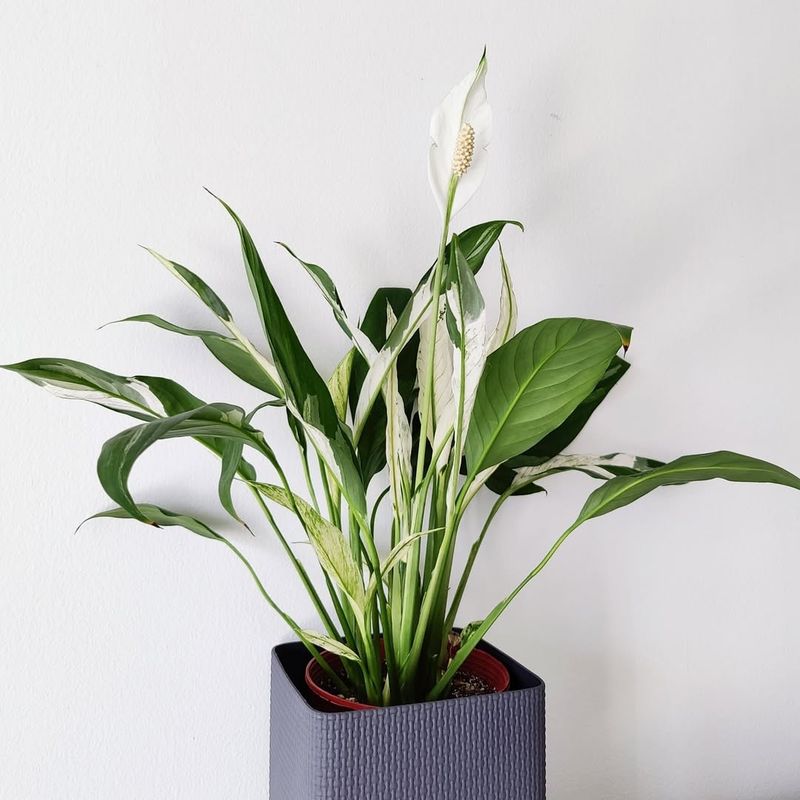
Glossy leaves and elegant white blooms make peace lilies a bathroom classic that practically thrives on neglect.
This resilient plant communicates clearly when it needs water by drooping dramatically, then springs back to life within hours of watering.
Peace lilies excel in low to medium light conditions, perfect for Texas bathrooms without large windows.
The humidity from showers keeps the leaves looking shiny and healthy without constant attention.
These plants are champion air purifiers, filtering out common household chemicals while adding natural beauty.
Their white spathes aren’t actually flowers but modified leaves that surround the true blooms, lasting several weeks before fading.
Peace lilies prefer consistently moist soil, making them ideal for forgetful waterers since they’ll tell you when they’re thirsty.
Wipe the broad leaves with a damp cloth monthly to remove dust and keep them breathing efficiently.
Brown leaf tips usually indicate too much chlorine or fluoride in tap water, so consider using filtered water if this occurs.
These plants appreciate being slightly rootbound, so don’t rush to repot when roots appear at drainage holes.
Position your peace lily away from direct drafts or air conditioning vents that can dry it out.
With minimal care, this elegant plant rewards you with lush foliage and periodic blooms that brighten your morning routine.
5. Spider Plant
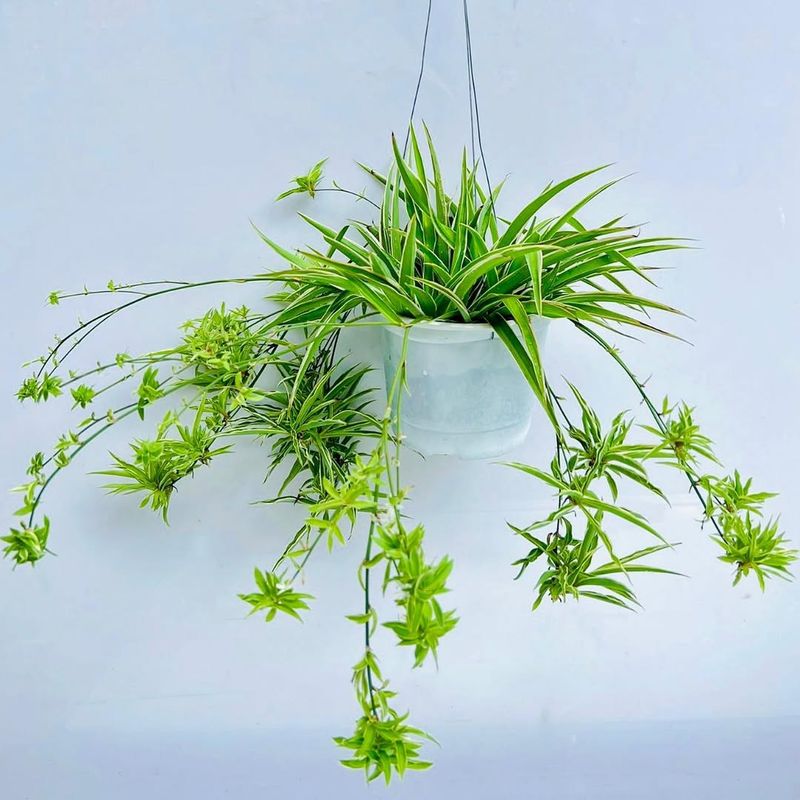
Arching ribbons of green and white stripes create a fountain of foliage that’s nearly impossible to mess up.
Spider plants rank among the toughest houseplants available, tolerating everything from overwatering to occasional neglect.
They produce adorable baby plantlets on long stems that dangle below the mother plant, creating a living mobile.
These babies root easily in water or soil, giving you endless plants to spread throughout your Texas home.
Spider plants appreciate the extra humidity bathrooms provide, though they’re not picky about conditions.
They grow equally well in bright indirect light or shadier corners, making them versatile for any bathroom layout.
The plants filter airborne toxins while producing oxygen, improving air quality with zero effort on your part.
Water when the top inch of soil feels dry, which might be weekly during hot Texas summers.
Their tuberous roots store water, helping them survive if you forget an occasional watering.
Brown leaf tips sometimes appear from fluoride in tap water, but they don’t harm the plant’s overall health.
Trim away any damaged leaves at the base to keep your spider plant looking tidy and encourage fresh growth.
These cheerful plants bring a retro vibe that’s come back into style, adding personality without demanding constant attention.
6. Air Plant
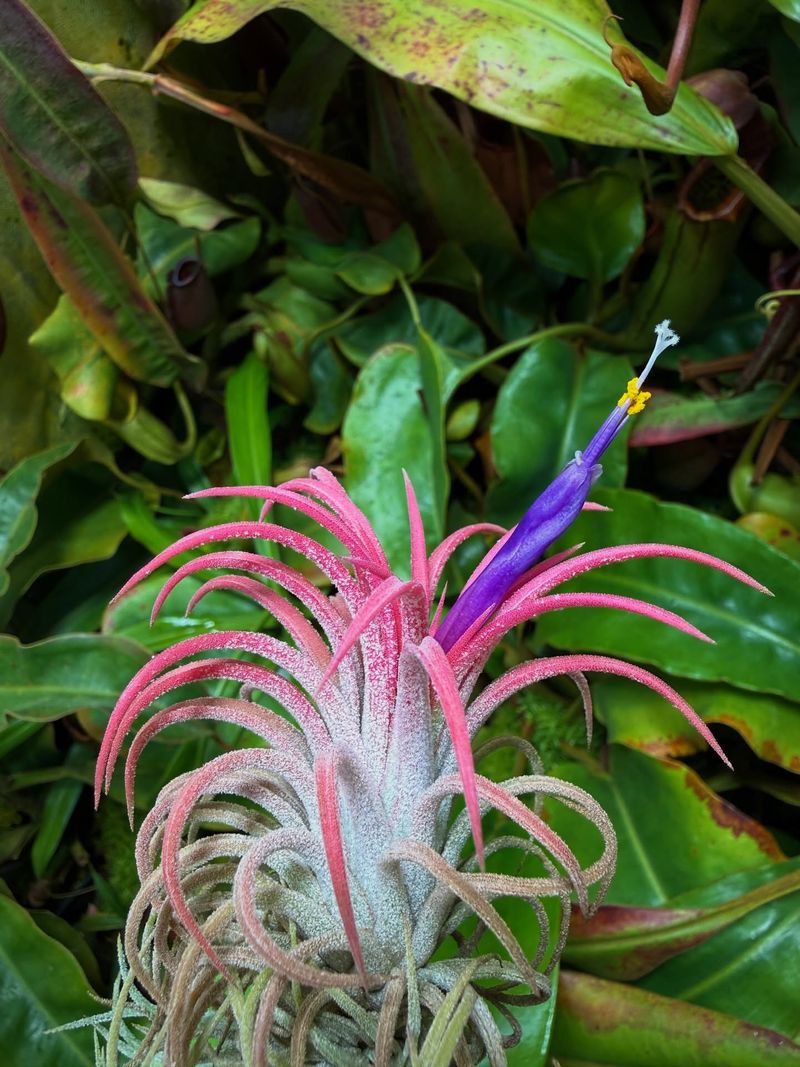
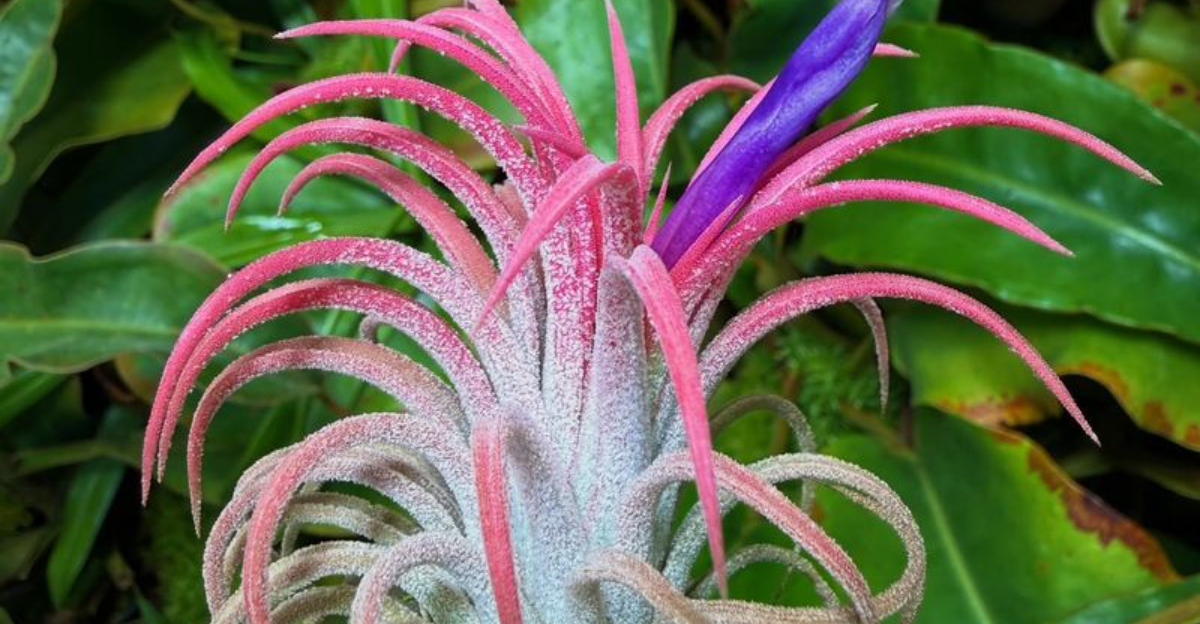
Imagine plants that need no soil whatsoever, just air and occasional water to thrive in your Texas bathroom.
Air plants, or tillandsias, absorb moisture and nutrients through their leaves rather than roots, making them perfect for creative displays.
Mount them on driftwood, nestle them in seashells, or suspend them in glass terrariums for artistic arrangements.
The bathroom’s natural humidity keeps these quirky plants happy between their weekly soaking sessions.
Submerge them completely in room-temperature water for 20-30 minutes once weekly, then shake off excess moisture.
After watering, place them upside down or on their sides to dry completely within four hours, preventing rot.
Bright, filtered light near a bathroom window helps them thrive, though they tolerate lower light levels too.
Air plants occasionally produce colorful blooms in shades of pink, purple, or red before creating baby offsets.
These babies eventually separate from the mother plant, giving you new specimens to expand your collection.
Misting between soakings provides extra moisture during particularly dry Texas winters when heating systems run constantly.
Their unique appearance and minimal care requirements make them conversation starters when guests use your bathroom.
Group several varieties together for textural interest, mixing fuzzy silver types with smooth green ones.
Air plants prove that houseplants don’t need to be complicated to make a big impact.
7. Bamboo
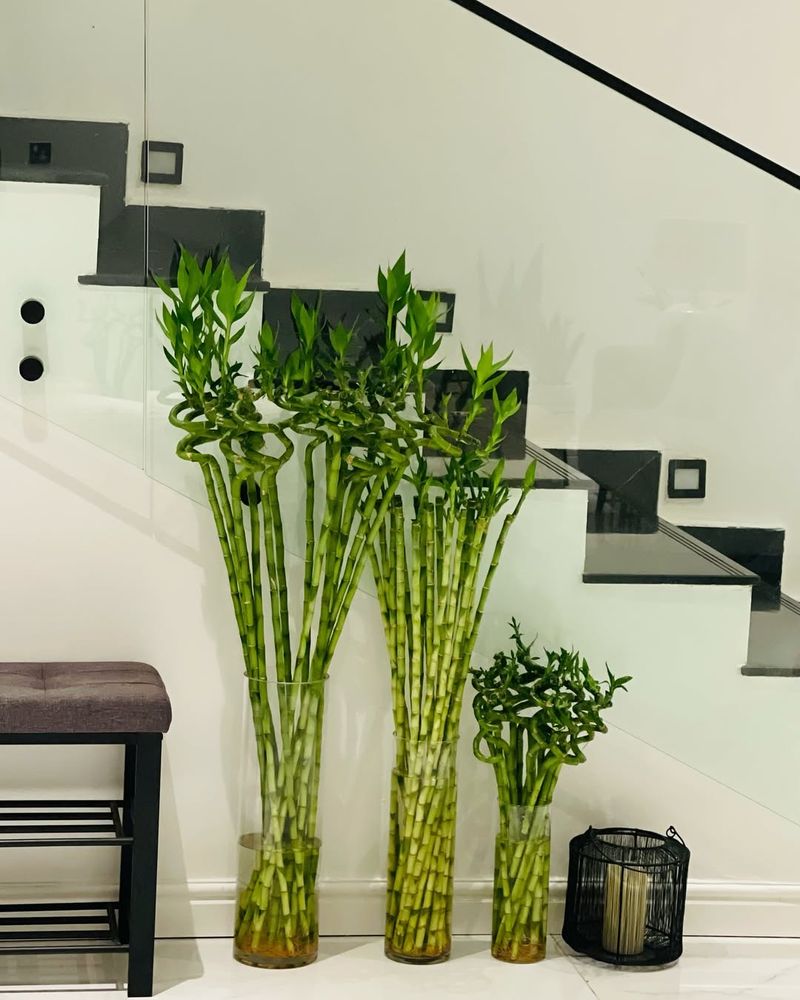
Straight stalks of vibrant green bring zen simplicity and good fortune to your Texas bathroom space.
Lucky bamboo isn’t actually bamboo but a type of dracaena that grows happily in just water and pebbles.
This makes it ridiculously easy to maintain—simply keep the water level covering the roots and change it every few weeks.
The plant tolerates low to bright indirect light, adapting to whatever your bathroom provides naturally.
Bathroom humidity prevents the leaves from browning at the tips, a common problem in drier rooms.
You can find lucky bamboo arranged in artistic spirals, braids, or simple straight stalks depending on your aesthetic preferences.
These plants grow slowly and steadily, eventually reaching several feet tall if given enough time and space.
Use filtered or distilled water if your tap water contains high levels of chlorine or fluoride that can yellow the leaves.
Position your bamboo away from direct sun that can scorch the foliage and fade its brilliant green color.
The stalks remain green and vibrant for years with virtually no effort beyond water changes.
Yellowing stalks indicate problems, but healthy ones continue indefinitely when conditions suit them.
Lucky bamboo’s clean lines and minimal requirements make it perfect for modern bathrooms where simplicity reigns.
This plant proves that sometimes less really is more when it comes to bathroom greenery.
8. Philodendron
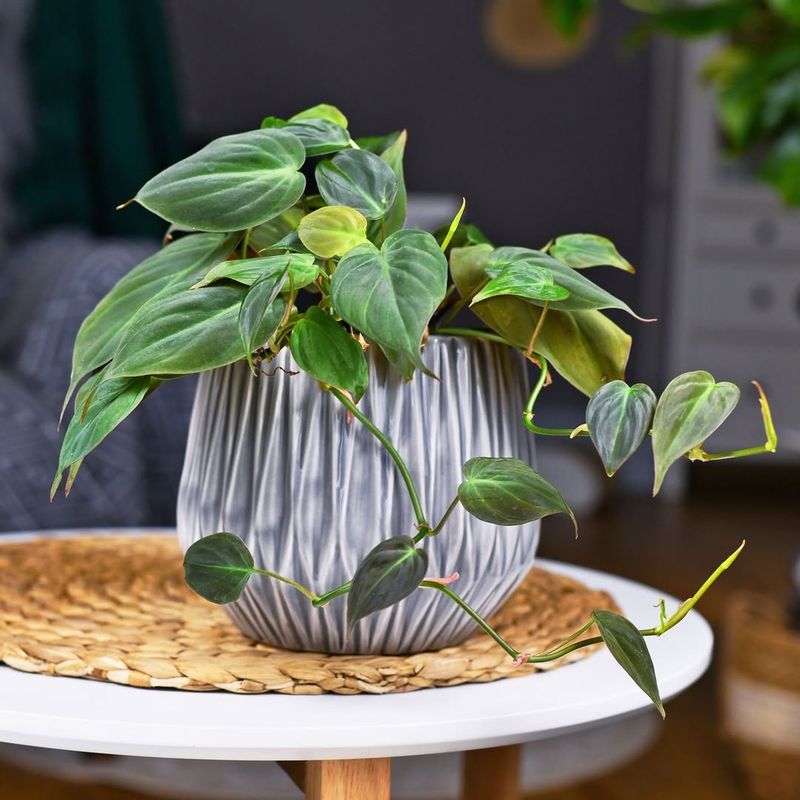
Glossy heart-shaped leaves that trail endlessly make philodendrons the ultimate carefree bathroom companion.
These tropical natives absolutely love the steamy conditions created by hot Texas showers, responding with rapid, vigorous growth.
Heartleaf philodendrons are particularly popular for bathrooms because they tolerate low light conditions that would discourage other plants.
Their vines can stretch many feet long, creating dramatic green curtains from high shelves or hanging baskets.
Philodendrons signal their watering needs by slight leaf drooping, making it easy to know when they’re thirsty.
They prefer soil that dries slightly between waterings rather than staying constantly soggy, preventing root rot issues.
The plants grow so enthusiastically that you’ll likely need to prune them occasionally to maintain your desired length.
Those trimmed stems root easily in water, creating new plants to share or expand your bathroom jungle.
Wipe the leaves occasionally to maintain their characteristic shine and help them absorb light more efficiently.
Philodendrons come in varieties with different leaf sizes and colors, from tiny-leafed ‘Micans’ to larger split-leaf types.
Their adaptability and forgiving nature make them perfect for beginners building confidence with houseplants.
These plants have been bathroom favorites for generations because they simply work without demanding constant attention.
Your philodendron will quickly become a lush, reliable presence in your daily routine.
9. Aloe Vera
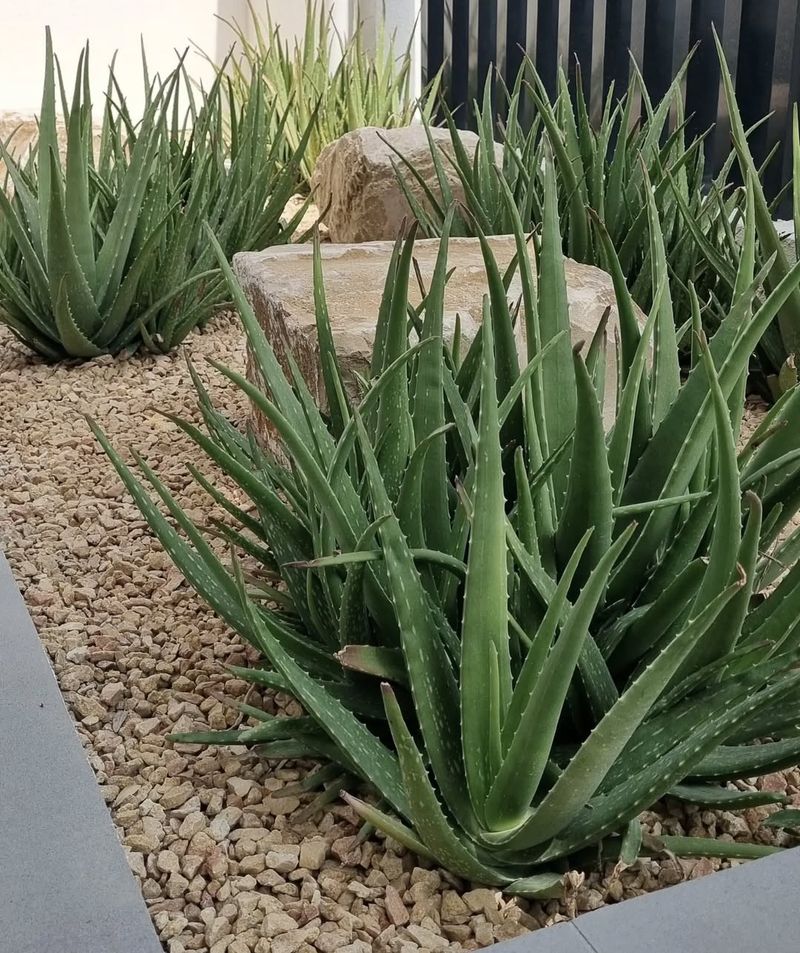
Plump, spiky leaves filled with soothing gel make aloe vera both decorative and practical for Texas bathrooms.
This succulent thrives in the warmth and occasional humidity without needing constant watering like tropical plants.
Aloe prefers bright light from a sunny bathroom window, where it’ll produce thick, healthy leaves full of beneficial gel.
Having fresh aloe gel on hand for minor burns, sunburns, or skin irritation is incredibly convenient right where you need it.
Simply snip off a lower leaf when needed, slice it open, and apply the cooling gel directly to skin.
Unlike moisture-loving ferns, aloe prefers its soil to dry completely between waterings, making it perfect for forgetful plant parents.
Overwatering causes more problems than underwatering, so err on the side of letting it go dry.
The plant produces offsets called pups that grow alongside the mother plant, eventually filling the pot with multiple rosettes.
Separate these pups and pot them individually to expand your collection or share with friends.
Aloe leaves turn bronze or reddish when receiving too much direct sun, though they’ll green up again in slightly shadier conditions.
Well-draining soil is essential—consider mixing regular potting soil with perlite or sand for succulents.
This practical plant bridges the gap between functional and beautiful, serving multiple purposes in your bathroom space.
10. Fittonia
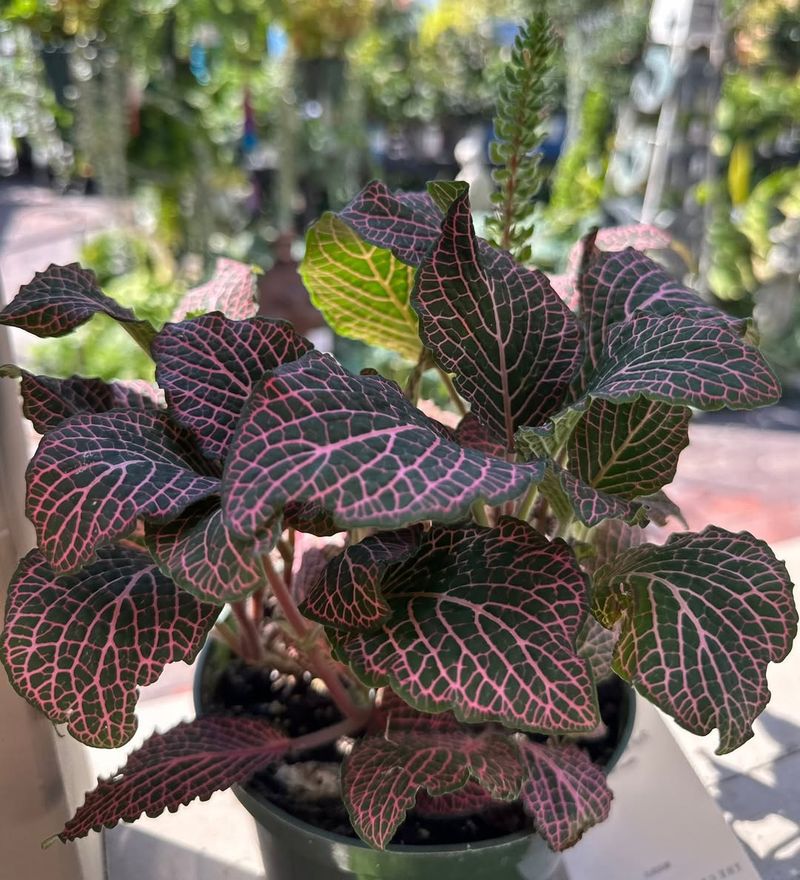
Intricate leaf patterns in pink, white, or red against deep green backgrounds make fittonia an absolute showstopper.
These compact plants, commonly called nerve plants, stay relatively small and bushy, making them perfect for crowded bathroom counters.
Their dramatic foliage catches every eye, creating living art that needs no flowers to impress.
Fittonia absolutely adores the humidity Texas bathrooms provide, preventing the leaf-edge browning that plagues them in dry rooms.
They prefer consistently moist soil and will dramatically collapse when too dry, though they revive quickly after watering.
This fainting behavior actually helps you learn their watering schedule without causing permanent damage to the plant.
Low to medium indirect light suits them perfectly, making them ideal for bathrooms without bright windows.
Their compact size means they fit easily on narrow shelves, windowsills, or tucked beside the sink.
Pinch back leggy stems to encourage bushier growth and maintain that full, lush appearance.
Fittonia comes in several stunning color combinations, so you can match your bathroom’s color scheme perfectly.
Group several varieties together for a striking display that highlights their different vein colors.
These plants grow quickly when happy, filling their pots with vibrant foliage that brightens even the dullest bathroom.
Their bold patterns and compact habit make them favorites for adding personality to small spaces.