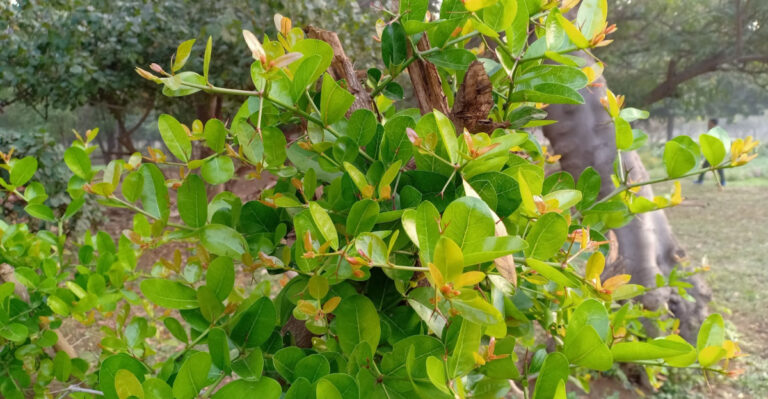
Monarchs Are Still In Florida This Winter And Here’s How You Can Help
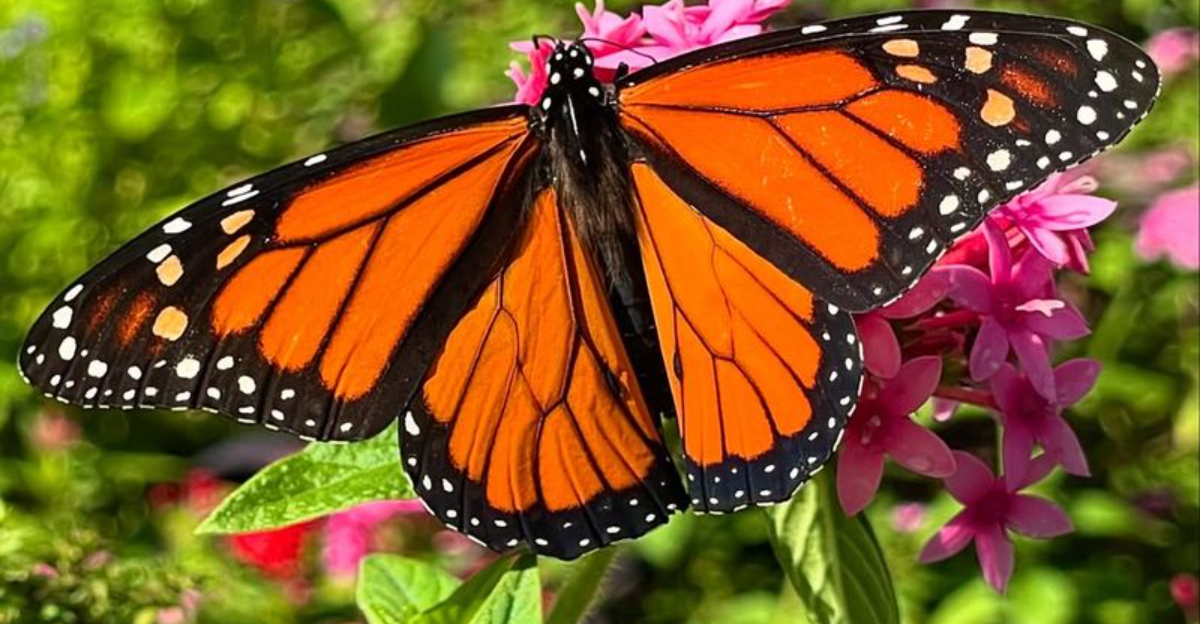
Even in the final weeks of January, flashes of orange and black are still drifting across Florida skies. While much of the country assumes monarch season has ended, these iconic butterflies continue to appear in southern and coastal regions where mild temperatures and winter blooms offer vital refuge.
Florida has become more than a temporary stop. It is a crucial survival zone where monarchs rest, feed, and regroup before the next phase of their journey.
Yet this winter haven is under growing pressure. Development, disappearing native plants, pesticide use, and changing weather patterns are stripping away the resources monarchs depend on.
Every patch of milkweed, every nectar plant, and every safe garden space now carries greater weight. The remarkable news is that individual efforts still matter.
From backyard gardens to community green spaces, small choices made today can help protect these fragile travelers and keep their migration story alive.
1. What Is The Monarch Migration And Why It Matters
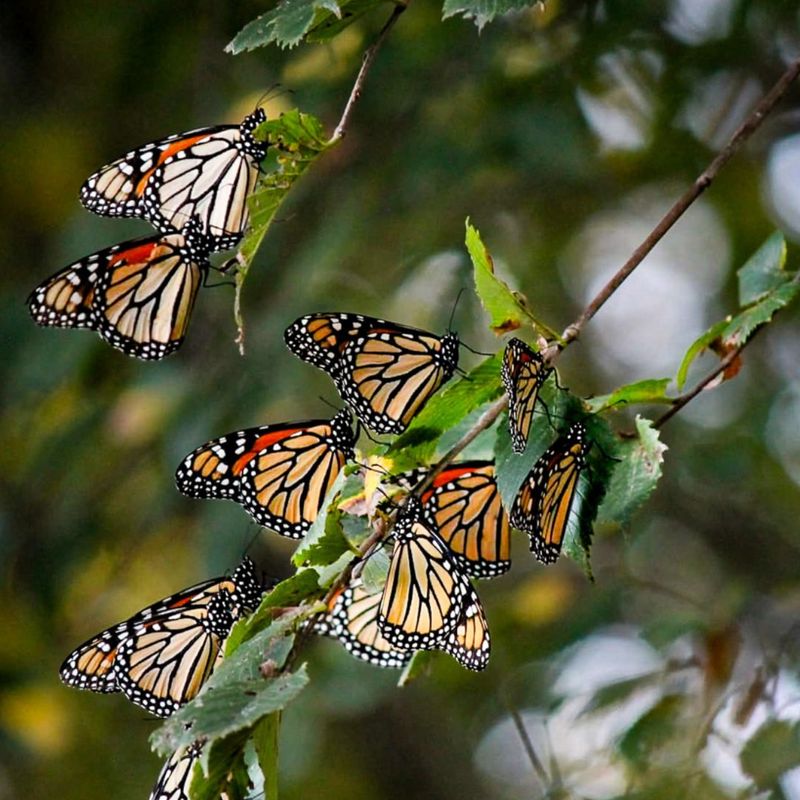
Monarchs are the only butterflies in North America known for their multi-generation migration spanning thousands of miles. Florida lies along the eastern monarch migration route, serving as an important stopover region where butterflies refuel, while most long-distance migrants continue on to overwintering sites in central Mexico.
After arriving during fall migration from late September through November, they’re looking for nectar-rich flowers and safe places to rest after weeks of flight.
This migration is one of nature’s most remarkable survival strategies. Unlike most insects, monarchs can’t survive freezing winters up north, so they travel south where temperatures stay mild and flowers keep blooming.
Some monarchs pass through Florida on their way to Mexico, while others stay here all winter long, especially in central and southern parts of the state.
Understanding this migration helps us see why Florida is so important to monarch survival. Our yards, parks, and wild spaces provide essential fuel stops that keep these butterflies strong enough to continue their journey or survive until spring.
When we protect and restore habitat here, we’re supporting monarchs that either continue migrating or contribute to regional breeding populations that help stabilize overall numbers.
2. When And Where Monarchs Are Appearing In Florida
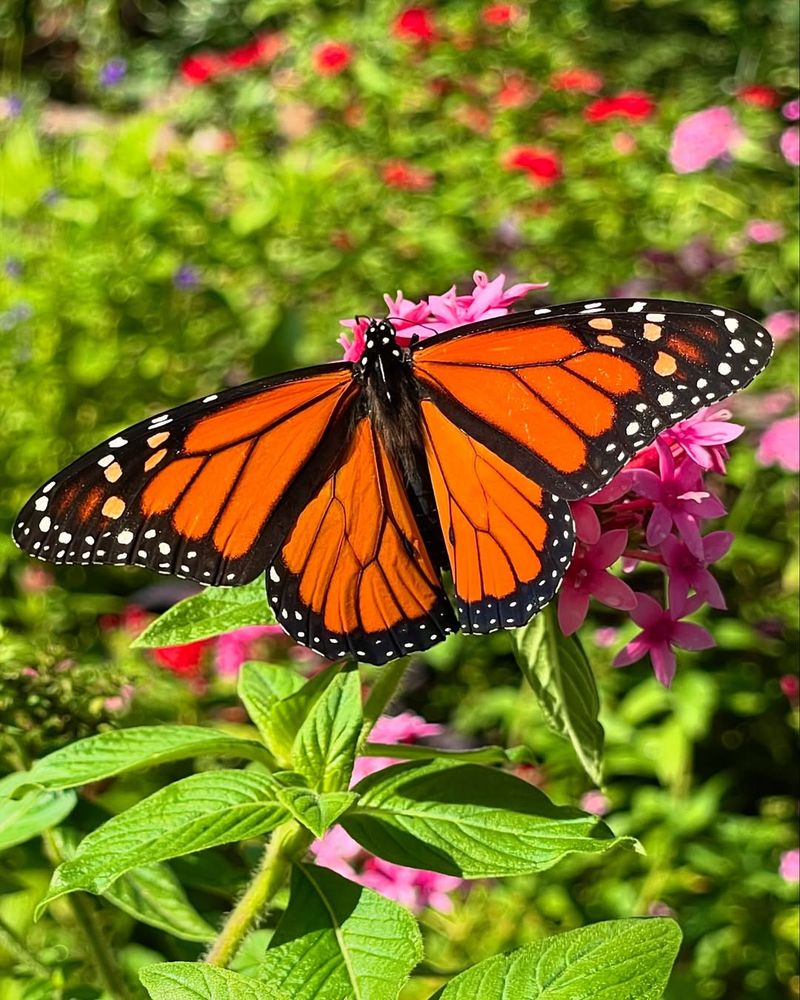
Monarchs typically start showing up in the northern parts of Florida around late September, with numbers building through October and November as cooler weather pushes them further south. You’ll spot them floating through gardens, parks, and natural areas, often pausing to sip nectar from flowers or resting on tree branches during the warmest parts of the day.
Coastal areas, suburban neighborhoods, and even city parks can become temporary homes for these travelers.
Central Florida sees heavy monarch traffic during October, while South Florida becomes a winter haven from November through February. The timing can shift slightly depending on weather patterns up north, so some years bring earlier or later arrivals.
Warm fronts and sunny days encourage more active feeding and movement, while cooler mornings might find monarchs resting quietly on vegetation.
Keep your eyes open during morning and late afternoon hours when monarchs are most active. They prefer open, sunny spots with plenty of flowering plants, so check your garden beds, roadside wildflower patches, and community green spaces.
If you see one monarch, chances are good that more are nearby, since they often travel in loose groups following similar routes and food sources.
3. Why Monarch Butterflies Are Struggling Right Now
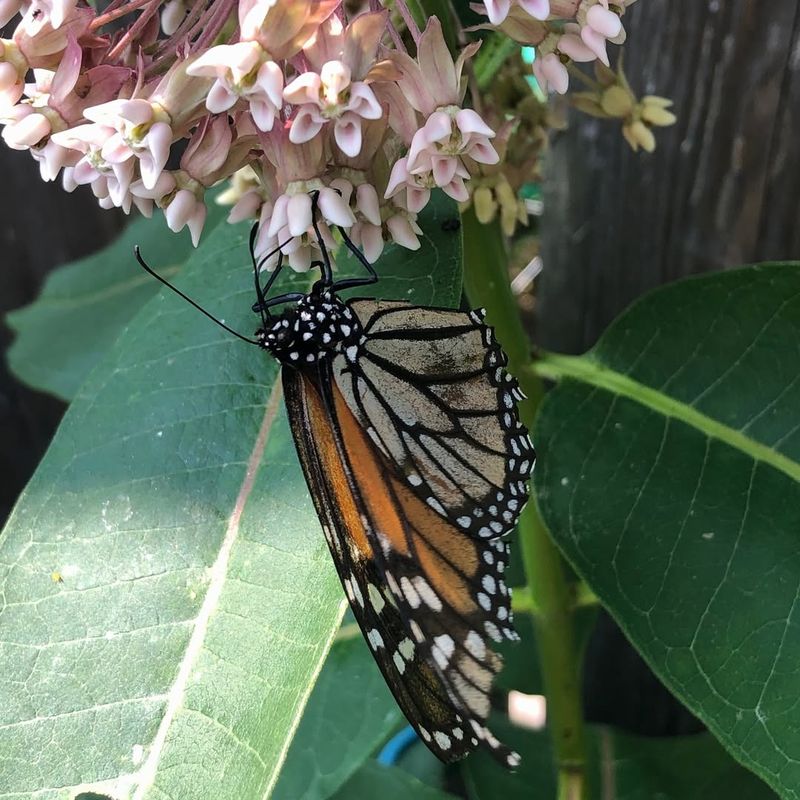
Monarch populations have dropped dramatically over the past two decades, with some estimates showing declines of more than 80 percent compared to historical numbers.
Habitat loss is the biggest challenge these butterflies face, as development, agriculture, and lawn-focused landscaping have replaced millions of acres of wildflower meadows and native plant communities.
Without enough food and shelter along their migration routes, monarchs can’t complete their journey or produce healthy offspring.
Climate shifts are also affecting monarch success, with unpredictable weather patterns disrupting their migration timing and breeding cycles. Extreme heat, unexpected freezes, and severe storms can wipe out entire generations or force butterflies off course when they need reliable conditions most.
Pesticide use, particularly in residential areas, harms monarchs directly and eliminates the milkweed plants their caterpillars must have to survive.
Despite these challenges, monarchs are resilient, and conservation efforts are making a real difference. Scientists, gardeners, and everyday Floridians are working together to restore habitat, plant native species, and reduce harmful practices.
Every yard that becomes a butterfly-friendly space adds up, creating a network of safe havens that can help reverse the decline and give monarchs a fighting chance for the future.
4. How Florida’s Climate And Habitat Affect Migration

Florida’s subtropical and tropical climate creates conditions that allow monarchs to remain active in parts of the state during the colder months. While monarchs heading to Mexico seek mountain forests for overwintering, many eastern monarchs stop in Florida where they can continue feeding and even breeding through winter.
Our mild temperatures mean flowers keep blooming and milkweed stays green, providing resources that aren’t available further north.
Natural areas like pine flatwoods, coastal dunes, and wetland edges historically offered abundant monarch habitat, but development has fragmented these landscapes. Urban and suburban areas now cover much of the state, creating gaps in the network of food sources monarchs need.
However, Florida’s year-round growing season also means we have incredible potential to restore habitat quickly by planting native species that support butterflies.
The mix of habitats across Florida allows monarchs to move between coastal and inland areas depending on weather and food availability. Florida’s peninsula can concentrate monarch activity along coastal and inland migration corridors where nectar plants are abundant, making local conservation efforts especially valuable.
When we create butterfly-friendly spaces here, we’re helping not just local monarchs but also those passing through on longer journeys, multiplying the positive impact of every plant we add.
5. Simple Ways You Can Help Monarchs In Your Own Yard
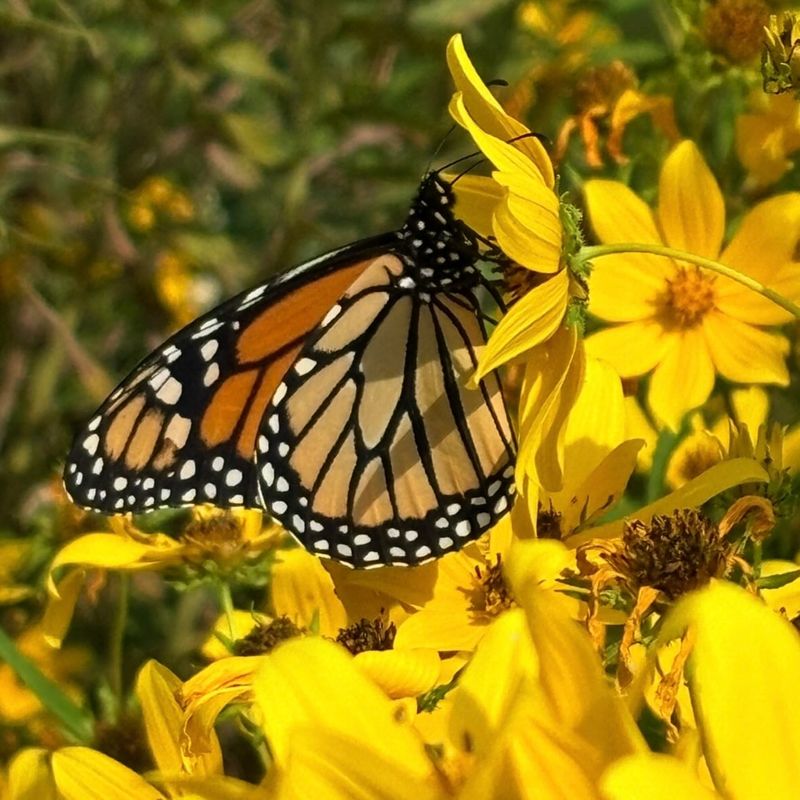
Transforming your yard into a monarch haven doesn’t require a complete landscaping overhaul or expert gardening skills. Start by dedicating even a small corner to native wildflowers and milkweed, which are the foundation of monarch survival.
Plant in clusters rather than single specimens to create visible targets that butterflies can spot from a distance, and choose sunny locations where monarchs prefer to feed and rest.
Reduce or eliminate pesticide use, since these chemicals harm butterflies at every life stage and also reduce the insects that birds and other wildlife need. Let your lawn grow a bit longer, or replace sections of grass with low-growing native groundcovers that provide shelter and reduce maintenance.
Add a shallow water source like a birdbath with stones for perching, since monarchs need to drink and can’t access deep water safely.
Create layered plantings with flowers at different heights to offer shelter from wind and predators while giving monarchs plenty of feeding options. Leave some areas a bit wild, with leaf litter and natural debris that support the beneficial insects monarchs depend on.
These simple changes cost little, require less work than traditional lawns, and turn your property into a vital link in the chain of habitats that monarchs need to thrive across Florida.
6. What Plants Monarchs Need Most During Migration
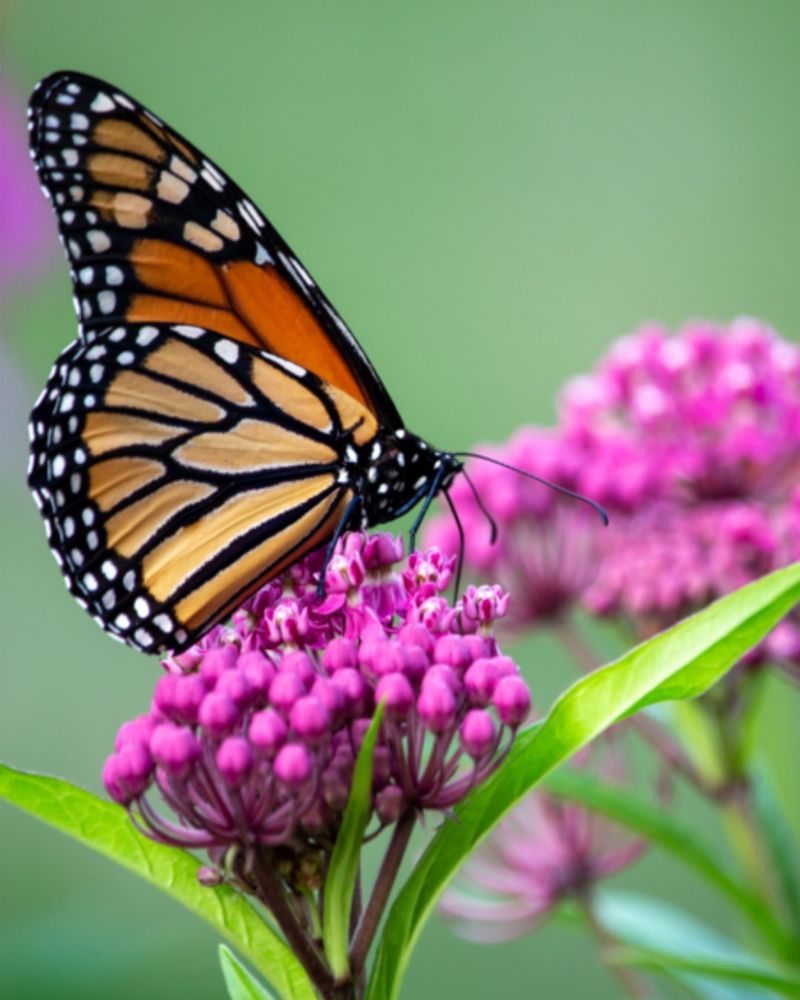
Milkweed is absolutely essential for monarchs because it’s the only plant their caterpillars can eat, making it irreplaceable in any butterfly garden. Tropical milkweed, while commonly sold in Florida, can cause problems when planted in northern and central parts of the state because it does not wither naturally and can increase disease risk.
Nectar plants are equally important for adult monarchs who need high-energy fuel during migration and throughout winter. Native species like blazing star, coreopsis, black-eyed Susan, and Florida paintbrush bloom at different times, creating a continuous buffet that supports monarchs and dozens of other pollinators.
Spanish needles, often considered a weed, is actually one of the most valuable monarch nectar sources and thrives with zero care in Florida’s climate.
Choose plants that are truly native to Florida rather than ornamental cultivars, since native species have evolved alongside our butterflies and provide better nutrition. Visit local native plant nurseries where staff can recommend species suited to your specific area, soil type, and sun exposure.
Plant in spring or fall when establishment is easiest, water regularly until roots are established, then watch as monarchs and other butterflies discover your garden and return year after year.
7. What To Avoid That Can Harm Monarch Butterflies
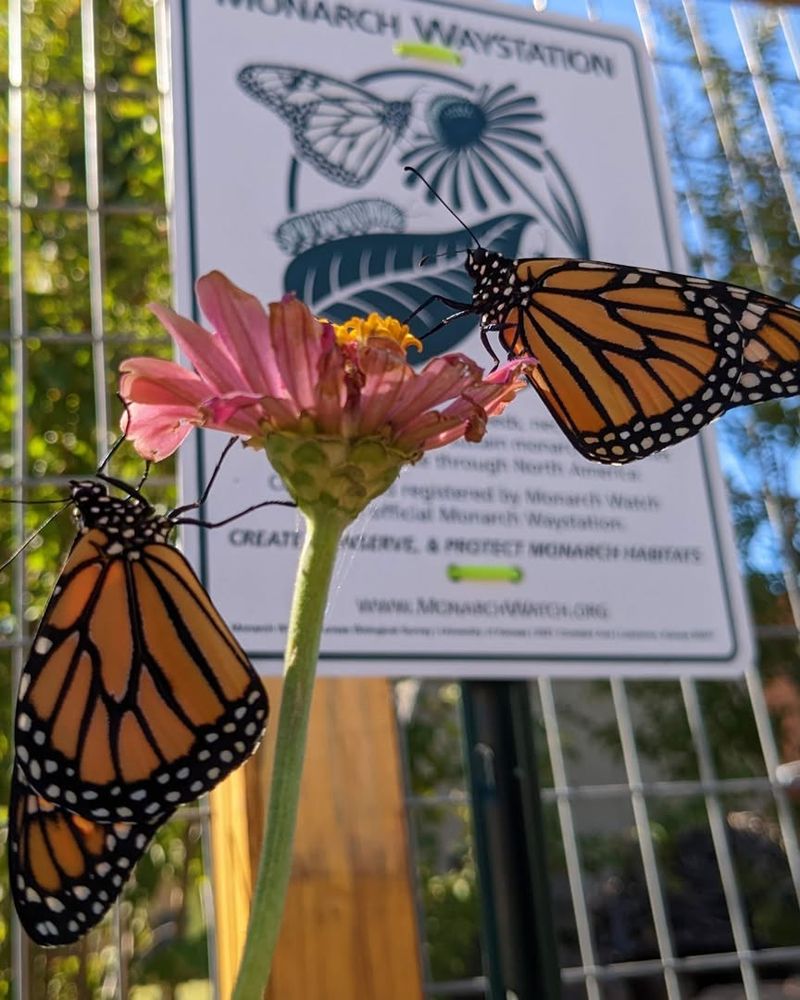
Pesticides pose one of the biggest threats to monarchs in residential areas, with common lawn and garden chemicals harming butterflies even at low doses. Neonicotinoids, a class of insecticides often used in systemic treatments, can persist in plant tissues for months and affect any insect that feeds on treated plants.
Even organic pesticides like pyrethrin can harm monarchs, so the safest approach is to avoid spraying altogether and accept a few chewed leaves as part of a healthy ecosystem.
Avoid planting invasive exotic species that crowd out native plants and provide little value to monarchs and other wildlife. Skip the heavily hybridized ornamental flowers bred for appearance rather than nectar production, since many have reduced or no nectar despite looking showy.
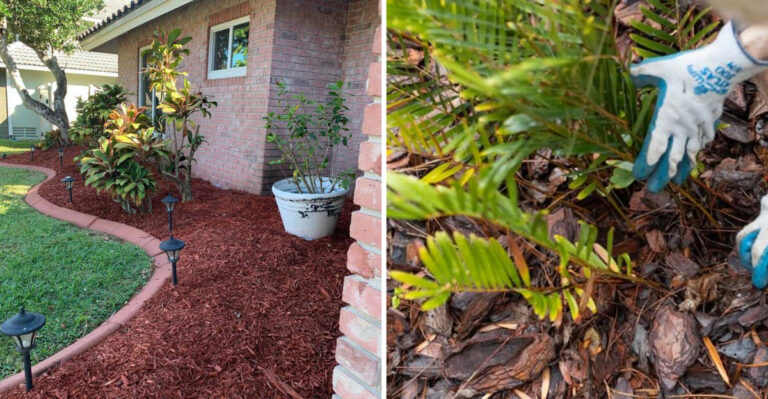
Keep cats indoors, as outdoor cats catch millions of butterflies and other wildlife each year, and avoid using landscape fabric or thick mulch that prevents beneficial ground-nesting insects from thriving in your yard.
8. How Communities Can Support Monarch Conservation
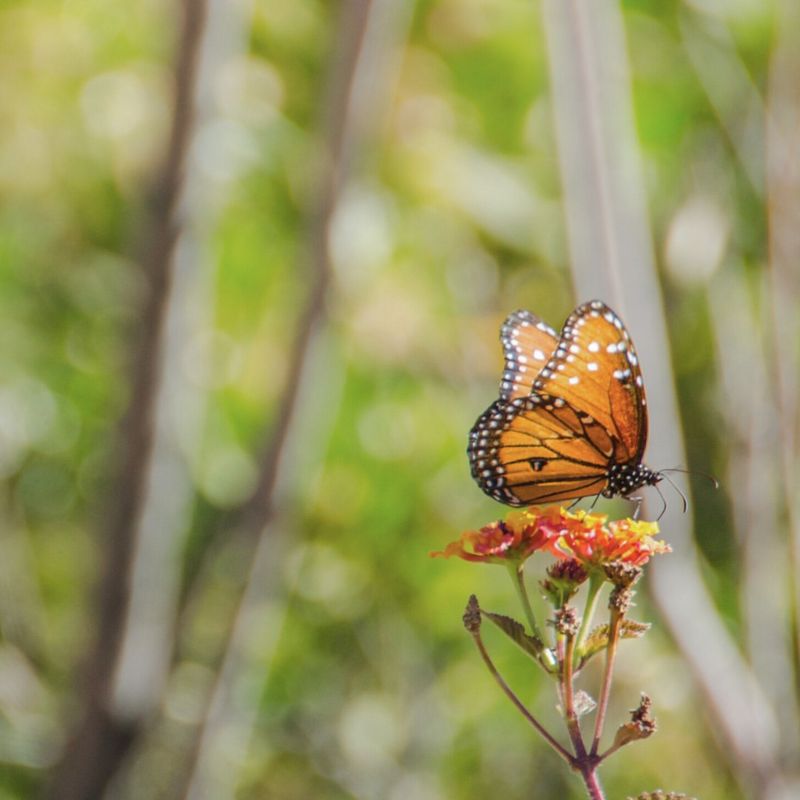
Neighborhood associations and community groups have tremendous power to create monarch-friendly landscapes by converting common areas, roadsides, and detention ponds into pollinator habitat. Many Florida communities are already replacing water-hungry turf grass with native wildflower meadows that require less mowing, save money, and support butterflies year-round.
Organize a native plant sale or garden tour to inspire neighbors and share resources, making butterfly gardening a fun community activity rather than an isolated effort.
Schools offer perfect opportunities to engage young people in monarch conservation through butterfly gardens and citizen science projects. Students can plant milkweed, monitor caterpillars, and participate in programs like Monarch Watch that track migration patterns across the country.
These hands-on experiences teach children about ecosystems, responsibility, and the impact of individual actions, creating the next generation of conservation-minded Floridians who understand the value of native wildlife.
Local governments can adopt pollinator-friendly policies that reduce mowing frequency, eliminate pesticide use on public lands, and require native plantings in new developments. Attend town meetings to advocate for these changes, or volunteer with groups like the Florida Wildflower Foundation and Florida Native Plant Society that work on habitat restoration projects.
When entire communities embrace monarch-friendly practices, the combined effect creates landscape-scale habitat networks that can truly move the needle on butterfly conservation across our state.
9. Creating A Year-Round Butterfly Habitat
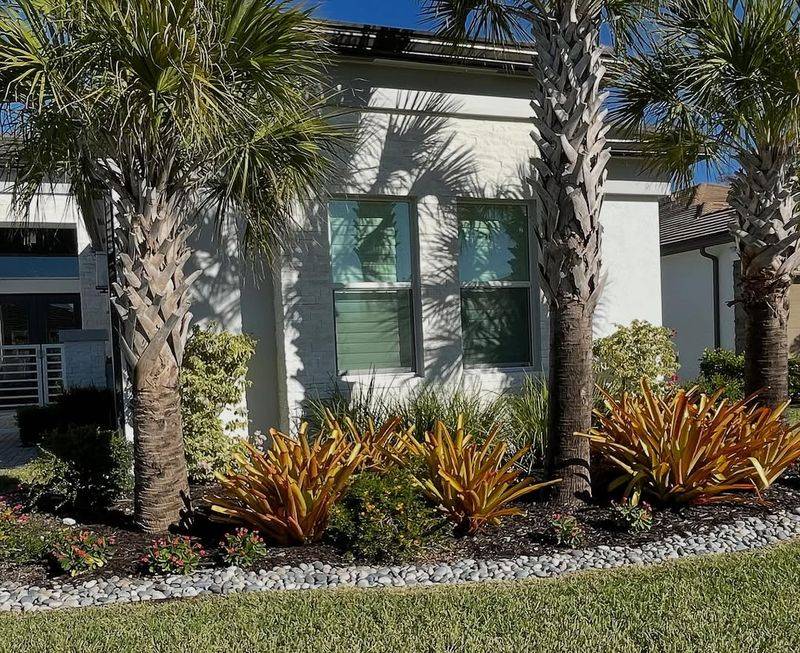
Building a garden that supports monarchs through every season requires planning for continuous bloom and diverse plant structures. Spring brings the first wave of northbound monarchs who need nectar after their long journey from winter grounds, so early bloomers like coreopsis and wild pentas are crucial.
Summer heat can stress some plants, but Florida natives like blanketflower and gaillardia thrive in scorching conditions and keep producing flowers when monarchs are breeding in northern states.
Winter habitat remains important in Florida because monarchs that stay in the state still need nectar sources and shelter to survive cooler months.
Late-blooming species like goldenrod, asters, and ironweed provide important nectar resources that support monarchs during seasonal movement and winter activity.
Winter-blooming plants such as scarlet sage and firebush keep food available for monarchs that remain active in Florida through the cooler months, supporting their survival and early seasonal movement.
Layer your plantings to include groundcovers, mid-height perennials, and taller shrubs that create microclimates and shelter from wind and weather. Include host plants beyond milkweed to support the many other butterfly species that share habitat with monarchs, creating a biodiverse garden that functions as a complete ecosystem.
Water features, rock piles for basking, and areas of undisturbed ground complete the habitat, giving monarchs everything they need throughout their entire life cycle and migration journey.
10. Monitoring And Protecting Monarch Caterpillars
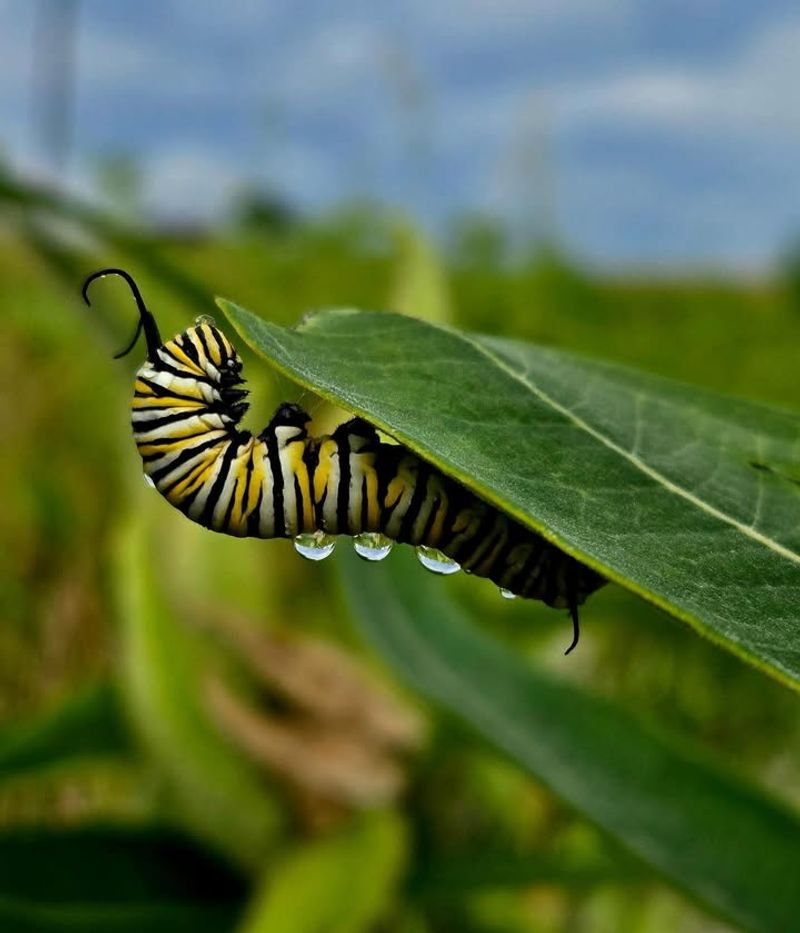
Spotting monarch caterpillars on your milkweed plants is exciting proof that your garden is working, but these striped larvae face many challenges before they can transform into butterflies. Caterpillars are vulnerable to predators, parasites, and weather, with only a small percentage naturally surviving to adulthood.
Resist the urge to interfere too much, since the ecosystem needs predators like birds and wasps that also feed on pest insects, and removing caterpillars disrupts this balance.
If you choose to raise monarch caterpillars indoors, experts recommend doing so sparingly and carefully to avoid spreading disease. Protecting outdoor habitat remains the most effective conservation strategy.
Use a large container with good airflow, provide fresh milkweed daily, and clean out waste regularly to prevent disease.
Release adult butterflies within a day of emergence so they can mate and continue their natural behaviors, and never raise more caterpillars than you can properly care for since overcrowding spreads illness.
Join citizen science programs that track monarch populations and migration timing, contributing valuable data that scientists use to understand population trends and conservation needs. Photograph caterpillars and adults in your garden, noting dates and behaviors, then share observations through platforms like Journey North or iNaturalist.
These simple monitoring activities connect you to a nationwide network of butterfly enthusiasts while helping researchers gather information that shapes conservation strategies and protects monarchs for future generations.