8 Money-Saving Tips For A Budget-Friendly Edible Garden In North Carolina
Grocery bills have been creeping higher, and across North Carolina, more people are eyeing their yards as a way to put fresh food on the table.
The state’s long growing season, generally mild winters, and soils that can be improved with a bit of effort give gardeners a real edge.
From backyard beds in Charlotte to coastal plots near Wilmington, it’s possible to grow a surprising amount without overspending.
With a few thoughtful choices, both new and experienced gardeners are finding ways to stretch their budget while still enjoying steady harvests right at home.
1. Start With Easy Crops That Perform Well In North Carolina
Choosing the right crops from the start is one of the most effective ways to protect your gardening budget.
Some vegetables simply perform better in North Carolina’s climate, and planting them gives you a much stronger chance of a solid harvest without wasting money on plants that struggle.
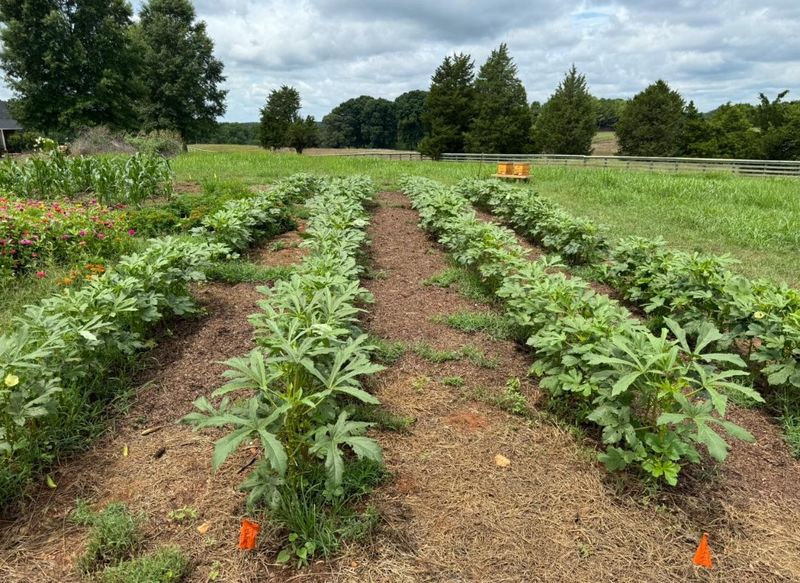
Crops like sweet potatoes, collard greens, okra, green beans, and tomatoes are well-suited to North Carolina’s warm summers and variable spring weather.
These plants tend to produce heavily relative to the space and care they require, which means you get more food for fewer dollars.
Leafy greens like kale and Swiss chard also thrive during North Carolina’s cooler fall and spring months, giving you two productive windows each year.
Focusing on high-yield crops that fit your local conditions reduces the frustration of crop failures, which can quietly drain your budget through repeated replanting.
Starting with proven performers also builds your confidence and skill before branching out into more challenging varieties.
Check with your local cooperative extension office for region-specific planting calendars, since North Carolina’s climate varies considerably from the western mountains to the eastern coastal plain.
Matching crops to your specific region makes every gardening dollar work harder.
2. Grow From Seed When It Makes Sense
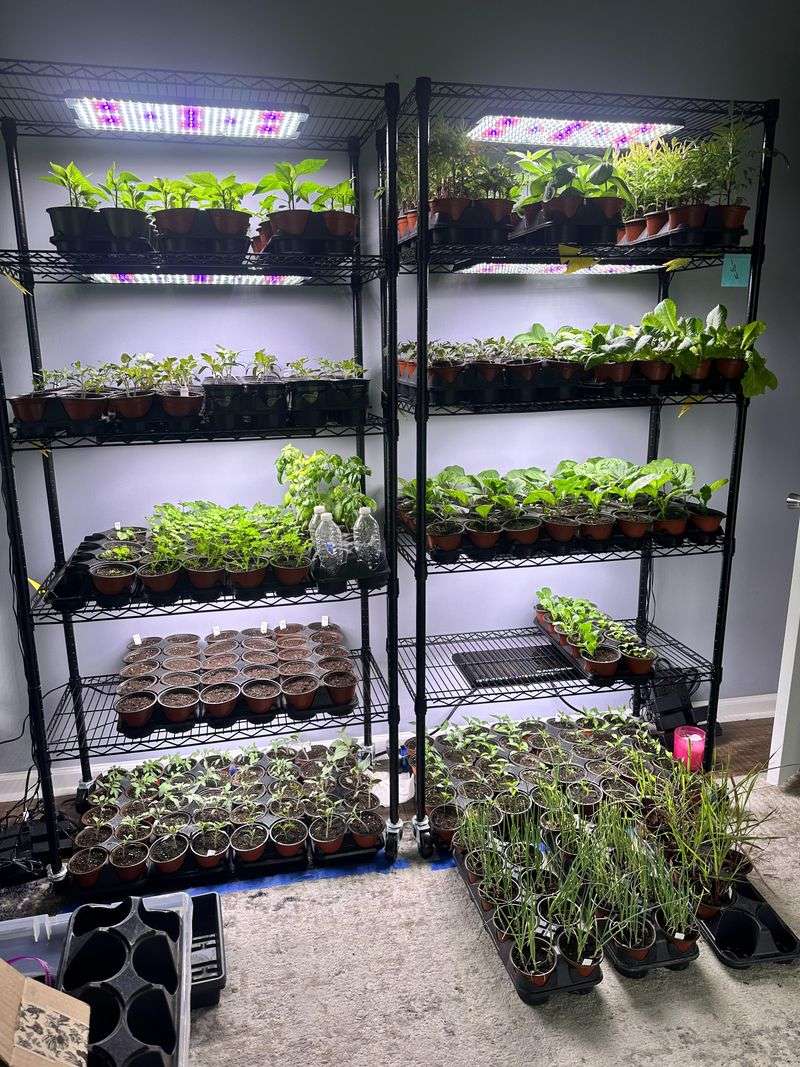
A single packet of vegetable seeds often costs less than two dollars and can produce dozens of plants, while a single transplant at a garden center might cost the same amount for just one.
That math adds up quickly when you are planting an entire garden bed. Starting from seed makes the most financial sense for crops that are easy to direct sow or germinate quickly indoors.
Beans, squash, cucumbers, lettuce, kale, and radishes are excellent candidates for direct seeding into garden beds.
Tomatoes and peppers benefit from being started indoors six to eight weeks before North Carolina’s last frost date, which generally falls between late March and mid-April depending on your region.
Not every crop saves money when started from seed. Crops like asparagus crowns or strawberry runners are often more practical to buy as starts since they take years to establish from seed.
For most common vegetables, though, seeds offer significant savings over transplants. Seed swaps at local community centers or garden clubs are another budget-friendly way to expand your seed collection without spending extra.
Storing leftover seeds properly in a cool, dry place allows you to use them across multiple seasons, stretching your investment even further.
3. Use Compost To Cut Down On Fertilizer Costs
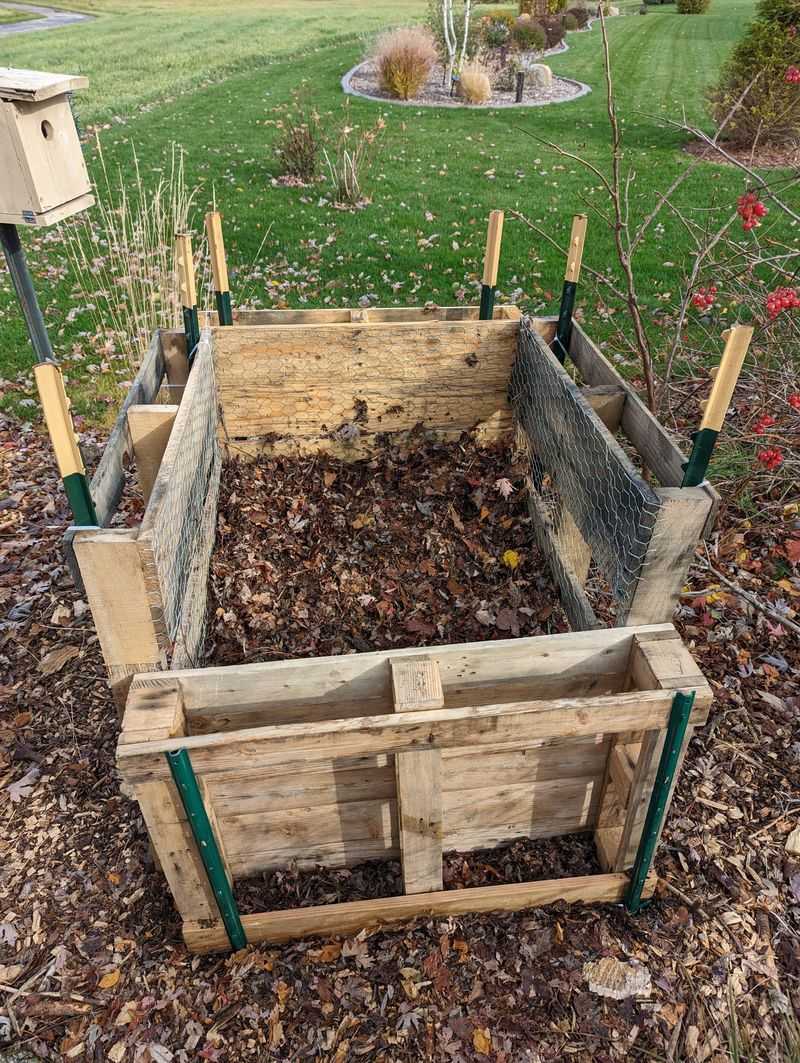
Store-bought fertilizers and soil amendments can quietly become one of the biggest recurring expenses in a vegetable garden.
Building your own compost at home eliminates much of that cost while actually improving your soil in ways that synthetic fertilizers cannot fully replicate.
Composting works by combining kitchen scraps like vegetable peels, coffee grounds, and eggshells with yard materials like dried leaves, grass clippings, and small twigs.
Over several weeks to a few months, these materials break down into a nutrient-rich amendment that feeds plants steadily and improves soil structure.
North Carolina’s warm summers speed up the decomposition process considerably, meaning you can produce usable compost faster than gardeners in cooler climates.
Well-amended soil retains moisture better, which also reduces how much you need to water – another indirect cost saving.
Even a small compost bin tucked into a corner of the yard can produce enough material to enrich several garden beds over a growing season.
If you do not generate enough kitchen scraps on your own, many municipalities in North Carolina offer free or low-cost compost through yard waste programs.
Combining homemade compost with these community resources can significantly reduce or even eliminate your annual fertilizer budget.
4. Take Advantage Of North Carolina’s Long Growing Season
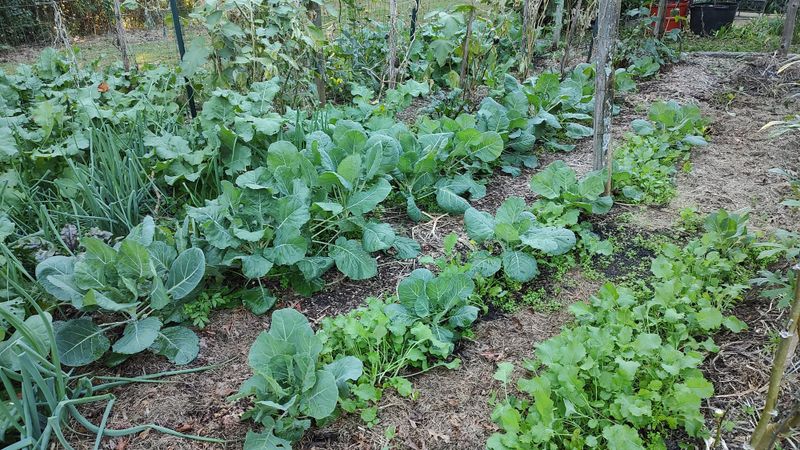
One of the biggest advantages North Carolina gardeners have over those in northern states is the length of the growing season.
Depending on your region, you may have anywhere from 180 to 270 frost-free days each year, which creates real opportunities to grow multiple rounds of crops on the same piece of ground.
Succession planting – setting out new crops as old ones finish – allows you to use every square foot of your garden as productively as possible.
After warm-season crops like beans or squash wind down in late summer, North Carolina’s mild fall temperatures support a second planting of cool-season vegetables like broccoli, spinach, carrots, and turnips.
In the Piedmont and coastal regions, some greens can even survive light frosts well into December.
Getting the most out of your growing season means spending less per pound of food produced, since your fixed costs – soil preparation, tools, water infrastructure – are spread across a larger total harvest.
Planning your planting calendar around North Carolina’s two productive growing windows, roughly March through June and August through November, takes some forethought but pays off significantly at harvest time.
A simple paper calendar or a free planting app can help you stay organized without any added expense.
5. Mulch To Reduce Water Use And Weeds
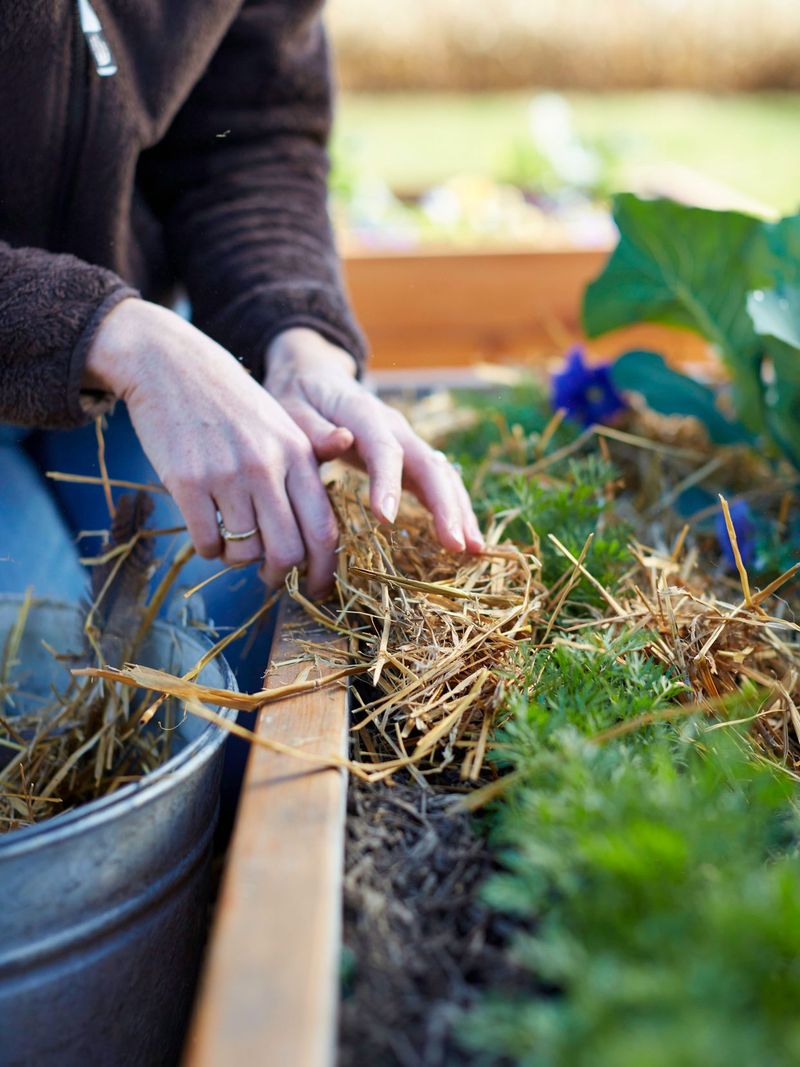
Weeding and watering are two of the most time-consuming and, in the case of water, potentially costly tasks in any vegetable garden.
A generous layer of mulch addresses both problems at once, making it one of the smartest low-cost investments a North Carolina gardener can make.
Mulch works by covering the soil surface between plants, which slows evaporation and keeps roots cooler during North Carolina’s hot summer months.
It also blocks sunlight from reaching weed seeds, dramatically reducing how many weeds germinate and compete with your vegetables for nutrients and moisture.
Common mulch materials like straw, shredded leaves, untreated grass clippings, and wood chips are often free or very inexpensive to obtain.
Shredded leaves collected in fall can be stockpiled and used throughout the following growing season.
Many municipalities and tree-trimming services in North Carolina offer free wood chip mulch to residents, which can be a significant resource for gardeners with larger plots.
Applying two to four inches of mulch around your plants at the start of the season reduces how often you need to water, which matters in a state where summer droughts can push water bills higher.
Over a full growing season, consistent mulching can meaningfully reduce both your time investment and your overall garden expenses.
6. Collect And Save Seeds From Reliable Plants
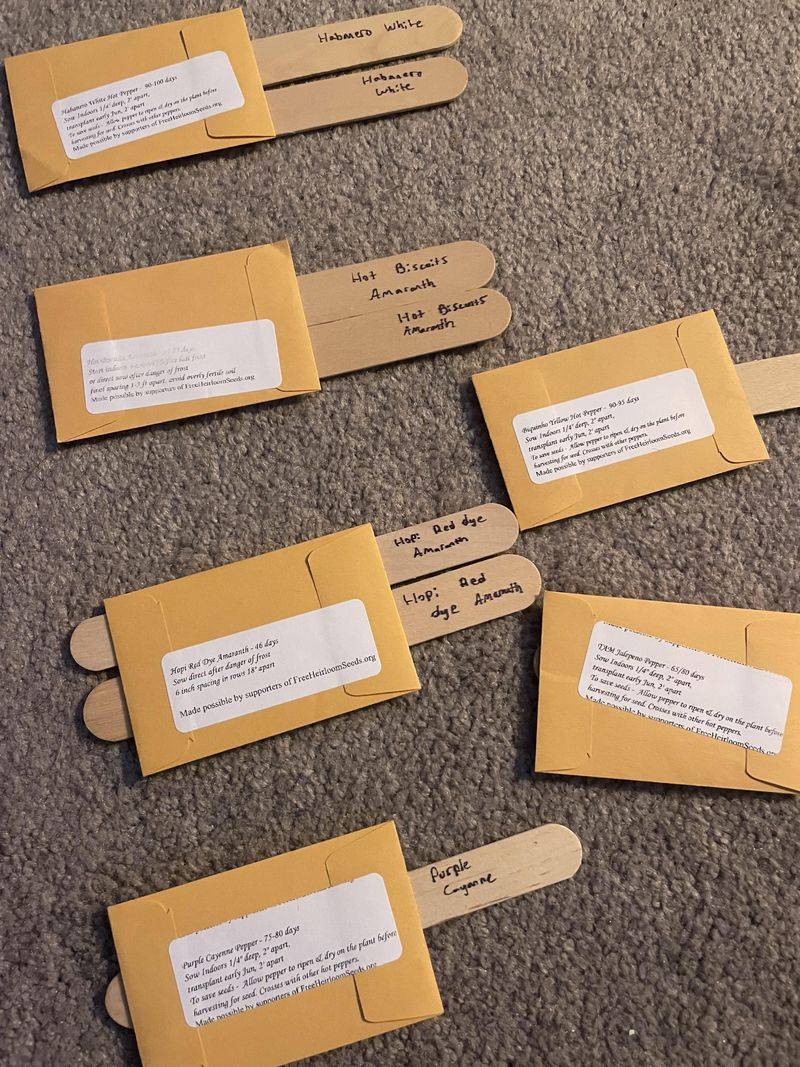
Buying seeds every single year is a habit worth reconsidering once you have a productive garden underway.
Many vegetables produce seeds that can be harvested, dried, and stored for planting the following season, turning one year’s purchase into years of free planting material.
Open-pollinated and heirloom varieties are the best candidates for seed saving because they reproduce true to type, meaning the plants grown from saved seeds will closely resemble the parent plant.
Tomatoes, peppers, beans, squash, and many herbs produce seeds that are relatively straightforward to collect and process at home.
Hybrid varieties, often labeled as F1 on seed packets, do not reliably reproduce true to type and are generally not worth saving.
Seed saving requires a bit of patience and organization. Seeds need to be fully mature before harvest, then cleaned and dried thoroughly before storage.
Storing them in small paper envelopes inside a sealed container in a cool, dry location helps maintain germination rates from one season to the next.
North Carolina’s humid summers mean that moisture control during storage is especially important.
Participating in local seed libraries or community seed swaps – which exist in many North Carolina cities and towns – is another way to access new varieties without spending money at a garden center.
7. Use What You Already Have For Garden Beds And Supports
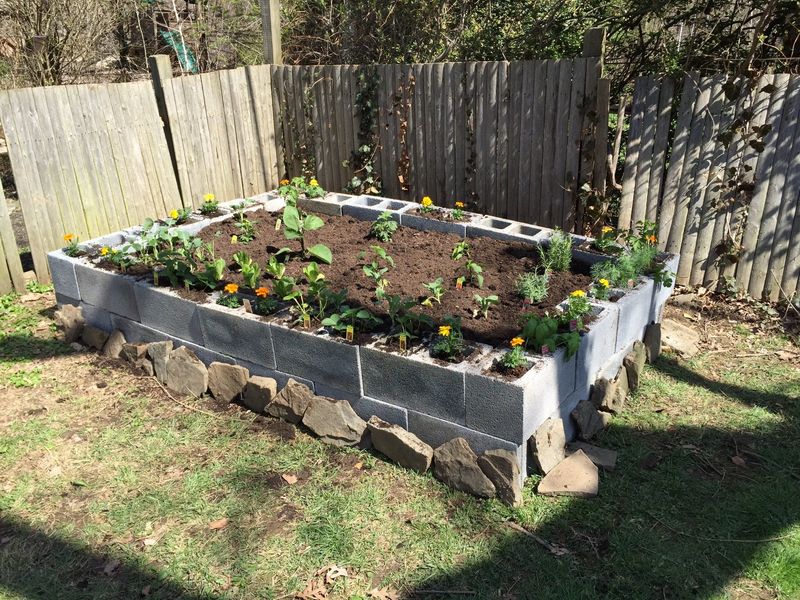
Garden infrastructure – raised beds, trellises, row covers, and containers – can become surprisingly expensive if you purchase everything new.
Taking stock of what you already own or can source for free before spending money at a garden center is a habit that experienced budget gardeners develop early.
Wooden pallets, untreated lumber scraps, cinderblocks, and old bricks can all be repurposed into functional raised garden beds.
Bamboo stakes, fallen branches, and lengths of twine make effective supports for climbing crops like cucumbers, pole beans, and indeterminate tomatoes.
Old buckets, wooden crates, and even large plastic storage containers with drainage holes added can serve as planters for herbs or compact vegetables.
North Carolina has a strong culture of community sharing, and many areas have active online groups where gardeners give away or trade supplies, transplants, and materials.
Checking these community networks before purchasing new supplies often turns up free or low-cost options.
When you do need to buy something, prioritizing durable materials that will last multiple seasons – rather than cheap options that need replacing annually – saves money over time.
Keeping a simple inventory of what you have at the end of each season helps you plan purchases more intentionally and avoid buying duplicates of things already on hand.
8. Water Efficiently With Simple Methods
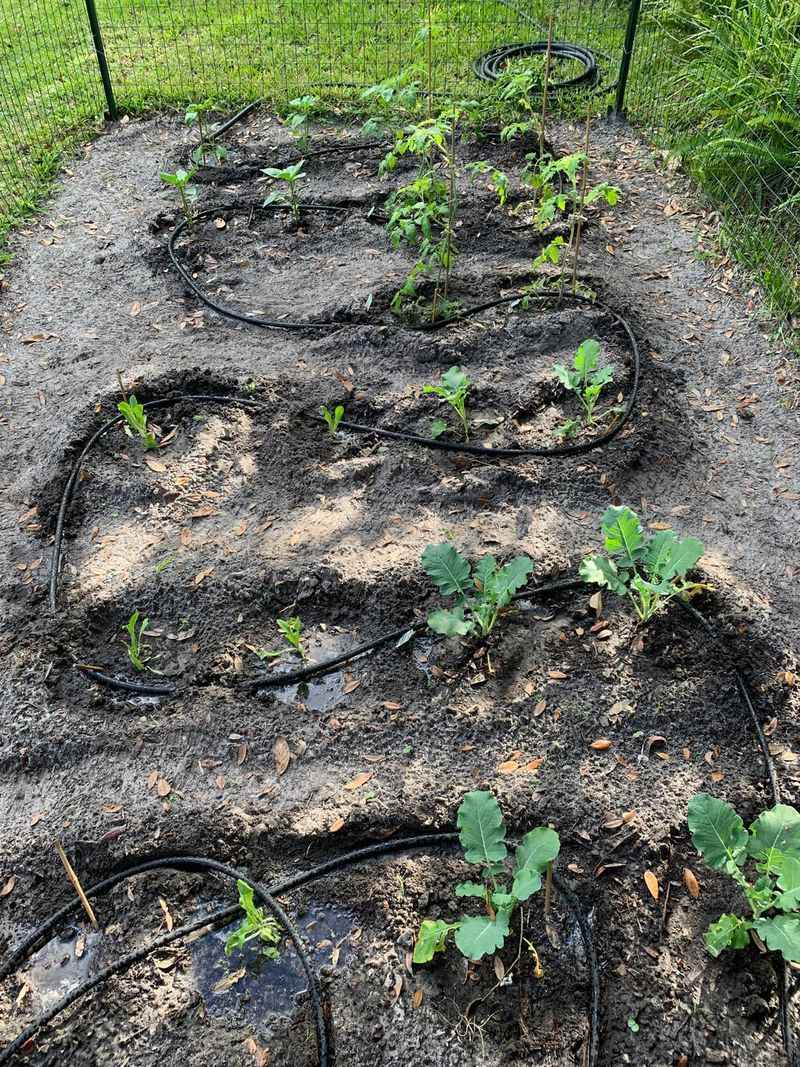
Water costs can climb quickly during a North Carolina summer, especially in years when rainfall is unpredictable and gardens need consistent moisture to keep producing.
Shifting from overhead sprinklers or hand watering to more targeted methods can reduce both water use and the time you spend in the garden each day.
Soaker hoses and drip irrigation systems deliver water directly to the root zone of plants, where it is actually needed.
This approach reduces evaporation losses that occur when water is sprayed into the air on hot, sunny days.
Soaker hoses are relatively affordable and can last for several seasons with basic care, making them a worthwhile one-time investment for most vegetable gardens.
Collecting rainwater in barrels connected to downspouts is another practical strategy that many North Carolina gardeners use to offset irrigation costs.
Even a single 55-gallon rain barrel can provide meaningful supplemental water during dry stretches.
Watering in the early morning rather than midday reduces evaporation and helps prevent the fungal issues that North Carolina’s humidity can encourage.
Combining efficient delivery methods with smart timing and good mulching creates a water management system that keeps plants healthy while keeping your utility bill in check throughout the growing season.