More Ladybugs In Your Texas Garden, Fewer Spider Mites (Here’s How To Attract Them)
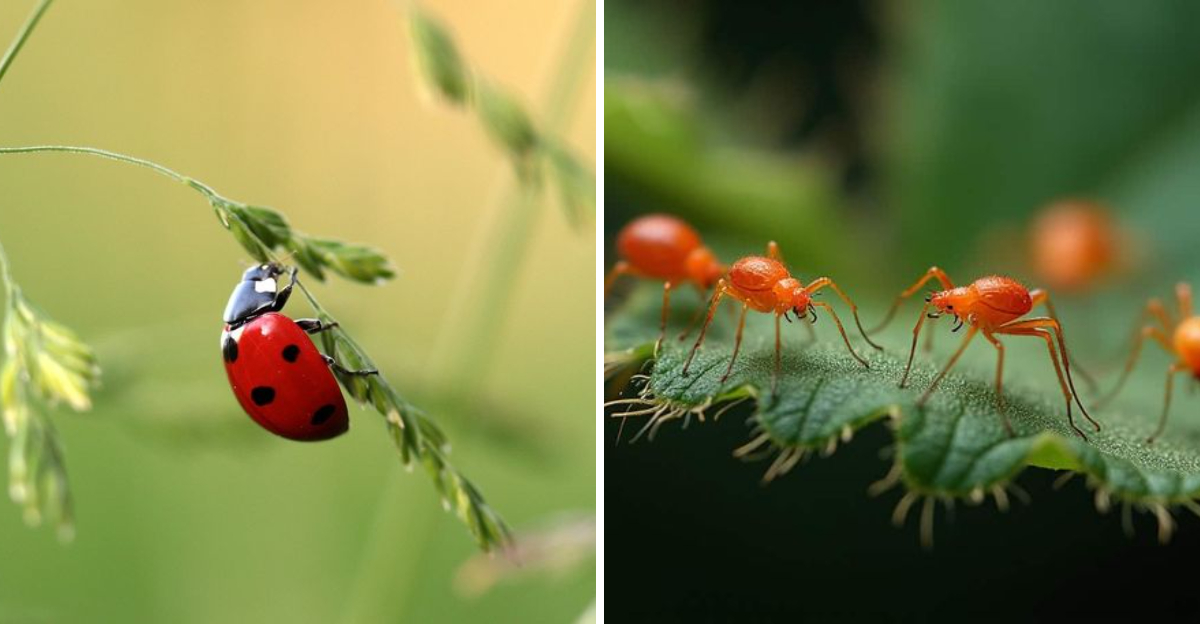
Spider mites are one of the most frustrating summer pest problems in Texas gardens. They move fast, they reproduce faster, and by the time most gardeners notice the stippled leaves and delicate webbing, the population is already large enough to cause real damage.
Chemical treatments work but come with tradeoffs, and the mites have a well documented ability to develop resistance that makes repeated applications less effective over time.
There’s a natural predator that handles spider mites with impressive efficiency. And it’s one of the most recognizable insects in the garden.
Ladybugs are voracious spider mite hunters. A healthy ladybug population in your Texas garden applies consistent, natural pressure on spider mite numbers throughout the season without any intervention from you.
Where ladybugs thrive, spider mite problems tend to stay manageable. The good news is that attracting and keeping ladybugs is genuinely achievable with the right approach.
Here’s exactly what draws ladybugs into a Texas garden and how to create conditions that make them want to stay all season long.
1. Stop Using Broad-Spectrum Insecticides
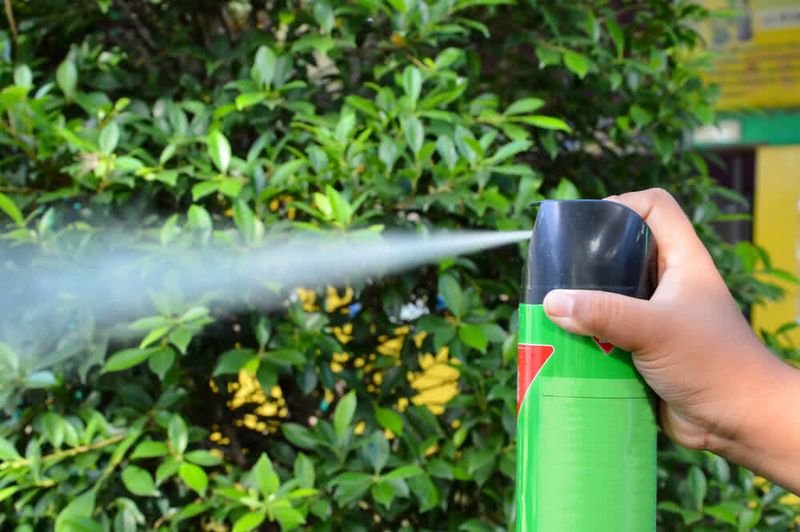
Many gardeners reach for a spray bottle the moment they spot a pest. It feels like the fastest fix, but broad-spectrum insecticides often cause more harm than good.
These products do not just target the bad bugs. They also wipe out ladybugs, predatory mites, parasitic wasps, and other helpful insects that were already working to protect your plants.
What makes this especially tricky is that certain chemical treatments can actually trigger worse spider mite outbreaks.
When you remove the natural predators that normally keep mite populations in check, mites can reproduce without anything stopping them. You end up with a bigger problem than you started with.
Before you spray anything, take time to correctly identify what pest you are dealing with. Not every insect you see on a plant is causing damage.
Some are doing the opposite. Once you know what you are dealing with, look for the most targeted, least disruptive treatment available.
Insecticidal soap, neem oil, and horticultural oil are examples of options that tend to be gentler on beneficial insects when used carefully and at the right time.
Always read the label and apply treatments in the early morning or evening to reduce exposure to helpful bugs.
Spot-treating only the affected areas is much smarter than blanket spraying your entire garden.
Reducing your reliance on broad-spectrum chemicals is honestly one of the most powerful steps you can take.
It costs you nothing extra, and the reward is a garden where natural pest control can actually do its job without constant interference from the products meant to help.
2. Plant The Shallow Flowers Adult Ladybugs Prefer
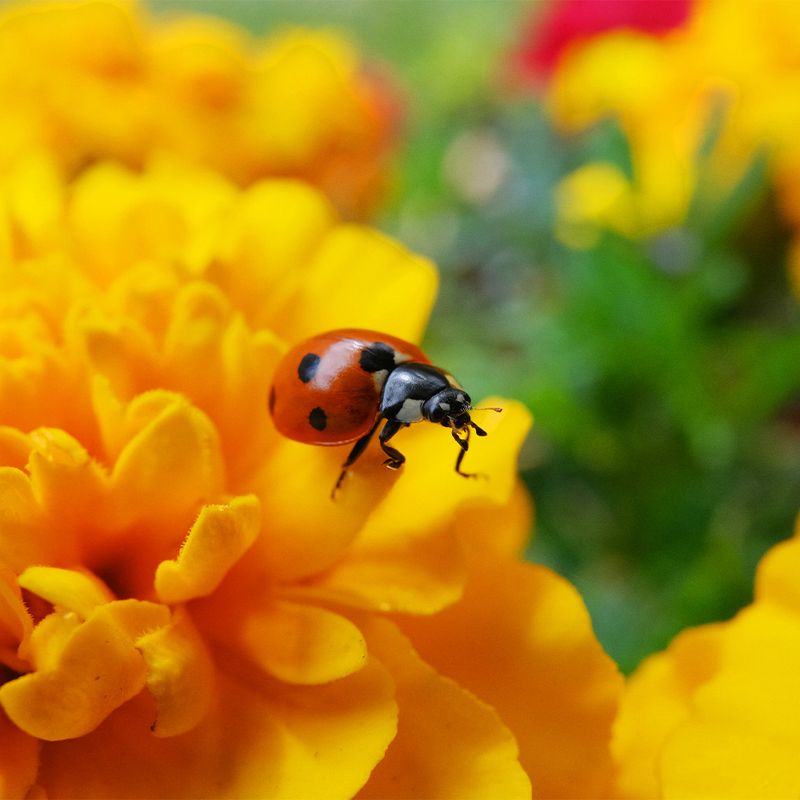
Adult ladybugs do not survive on pest insects alone. They also need nectar and pollen to fuel their energy, especially when prey is scarce.
That means the flowers in your garden matter just as much as the pests living on your plants. Choosing the right blooms can make a real difference in how many ladybugs visit and stay.
Your Texas Garden Changes Every Week. Your Plan Should Too.
Gardening in Texas changes quickly throughout the season. Every Friday you’ll receive a simple weekly plan showing exactly what to plant, prune, fertilize, harvest, and protect so you never miss the right timing.
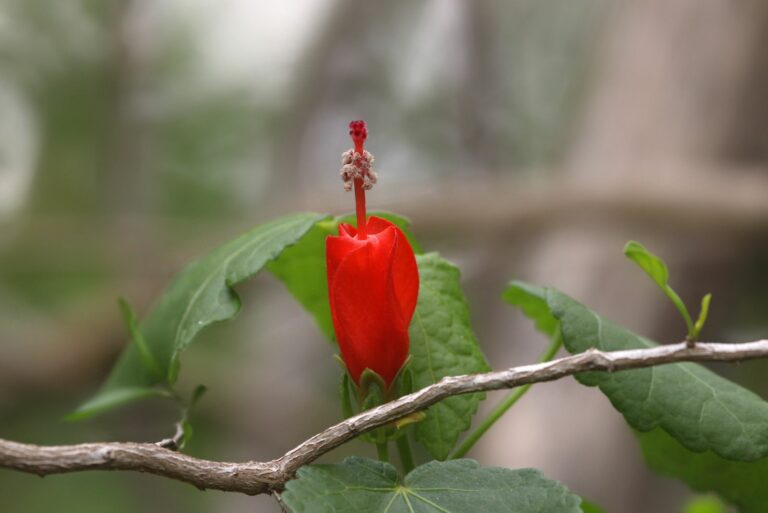
Ladybugs strongly prefer flowers with shallow, open faces that make nectar and pollen easy to reach. Their mouthparts are short, so deep tubular flowers like trumpet vine or salvia are not very useful to them.
Instead, focus on plants like sweet alyssum, cilantro, dill, fennel, yarrow, and marigolds. These plants produce clusters of tiny blooms that are perfectly suited for ladybugs to feed on.
One easy trick many Texas gardeners overlook is simply letting some of their herbs go to flower. Cilantro and dill bolt quickly in warm weather, and most people pull them out at that point.
Instead, leave a few plants to bloom. The flowers are small, flat, and absolutely loved by ladybugs and other beneficial insects.
Plant your flowers in clusters rather than scattered single plants. A group of sweet alyssum along a garden border creates a much stronger signal to passing ladybugs than one or two lone plants tucked into a corner.
Think of it like setting out a buffet instead of a single snack. Starting these plants from seed is affordable and easy in most Texas growing zones.
Many of them also reseed themselves, meaning you do less work each year while your garden becomes a more reliable ladybug magnet over time.
3. Keep Something Flowering Throughout The Growing Season
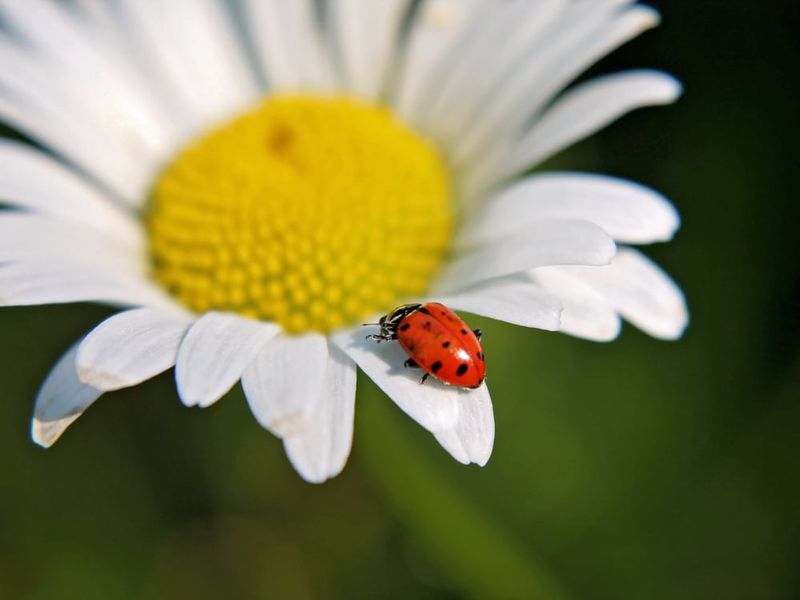
A single flush of flowers in spring is a nice start, but it will not support a steady population of beneficial insects through the entire Texas growing season. Ladybugs need consistent food sources, and when flowers disappear, they move on to find better conditions elsewhere.
Keeping nectar and pollen available from early spring all the way through fall gives ladybugs a reason to stay.
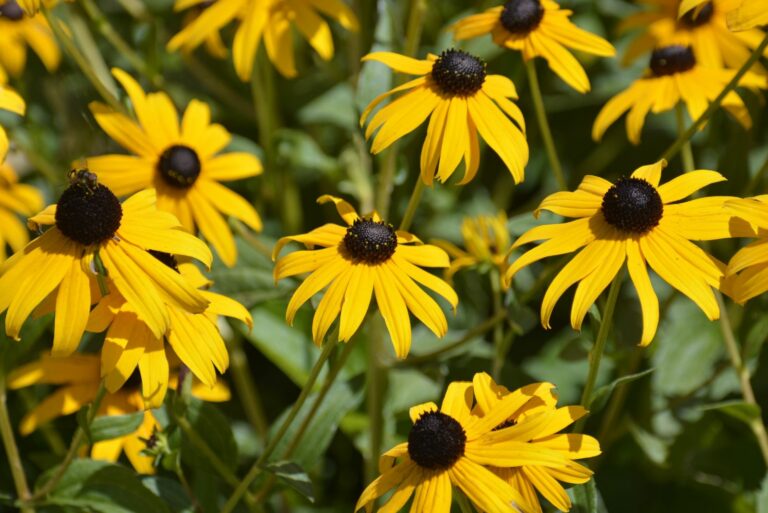
The key is layering plants that bloom at different times. Spring bloomers like alyssum and cilantro can give way to summer plants like zinnias, coreopsis, and black-eyed Susans.
Then fall-blooming plants like Mexican marigold and asters can carry beneficial insects through the cooler months. When you plan with succession in mind, there is rarely a gap that forces ladybugs to leave your yard.
Texas summers are brutal, and many plants struggle in the peak heat of July and August. Choose heat-tolerant bloomers like porterweed, gaillardia, and globe amaranth for those tough months.
These plants handle the Texas sun well and still produce the small, accessible flowers that ladybugs find useful.
A varied flowering garden also attracts a wider range of beneficial insects overall, which creates a more balanced ecosystem right in your backyard. Ladybugs are not the only predators working against spider mites.
Lacewings, minute pirate bugs, and predatory midges all help too, and they benefit from the same diverse planting strategy.
Even a modest-sized garden can support year-round blooms with a little planning. Start by mapping out what is currently flowering each month, then fill in the gaps with new plants to build a more complete and supportive habitat for ladybugs.
4. Do Not Eliminate Every Aphid Immediately
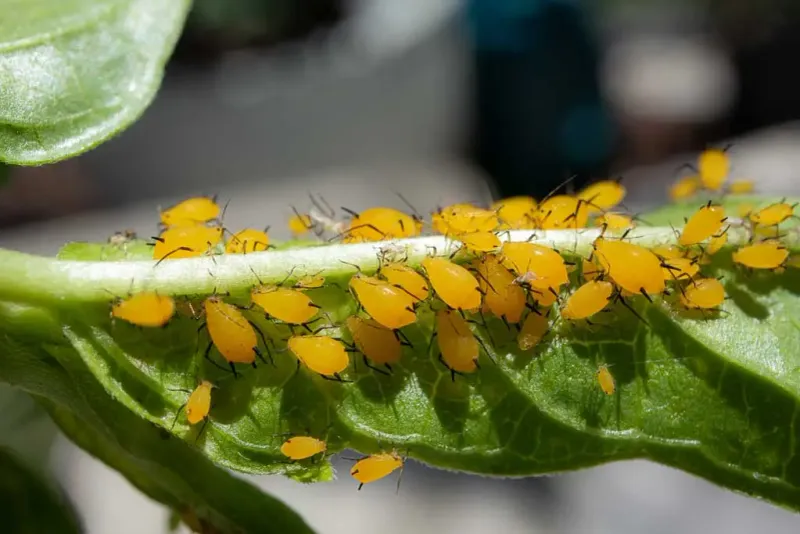
Spotting aphids on your plants can feel alarming, especially if you have worked hard to keep your garden healthy. The natural instinct is to grab a spray and wipe them out immediately.
But here is something worth knowing: a small, manageable aphid population is actually one of the best tools you have for attracting and keeping ladybugs around.
Ladybugs rely on aphids not just for food but also as a signal that a location is worth staying in. Female ladybugs lay their eggs near aphid colonies on purpose, so their larvae hatch right next to a food source.
If you spray every aphid the moment you see one, you are removing the very thing that draws ladybugs in and encourages them to reproduce in your garden.
The smarter approach is to monitor the situation before taking action. Watch the aphid colony over several days. Are the numbers growing fast? Is real plant damage occurring?
If the answer is no, hold off. Natural predators often show up within a week or two and begin reducing the population on their own without any help from you.
Intervene only when the infestation reaches a point where plant health is genuinely at risk. At that stage, a strong blast of water from a hose is often enough to knock aphids off stems without harming the beneficial insects nearby. Patience is a real strategy here, not just wishful thinking.
Learning to tolerate a low level of pest activity is a mindset shift for many gardeners. Once you see ladybugs arrive and start working, that shift becomes much easier to make and stick with long term.
5. Learn To Recognize Lady Beetle Larvae
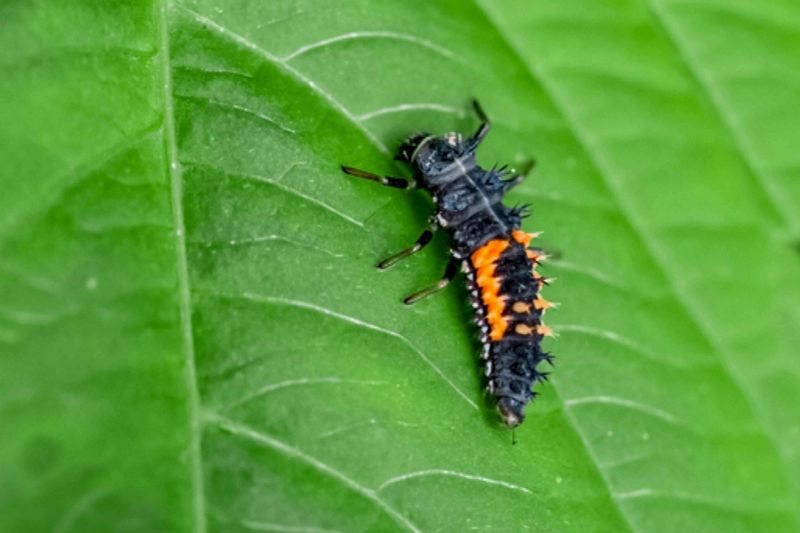
Most people can recognize a ladybug instantly. That bright red shell with black dots is one of the most familiar sights in any garden.
But very few gardeners know what a ladybug looks like before it reaches the adult stage, and that gap in knowledge leads to a costly mistake: accidentally removing or harming the very larvae that are doing the most pest-control work.
Lady beetle larvae look almost nothing like the adults. They are elongated, dark, and often covered with small spines or bumps.
Many species have orange or yellow markings along their bodies, giving them a rough resemblance to tiny alligators crawling across your leaves. They are not cute, and many gardeners mistake them for harmful pests and brush them off or spray them.
The eggs are equally easy to miss. Ladybug eggs appear as small clusters of pale yellow ovals, usually laid on the undersides of leaves near aphid or mite colonies.
They are tiny and easy to confuse with pest eggs if you are not looking carefully. Before removing any egg cluster you find, take a moment to look up what ladybug eggs look like in your region.
Protecting these immature stages is absolutely essential. Larvae are actually more aggressive feeders than adults in many cases.
A single larva can consume dozens of aphids or spider mites each day as it grows. Letting them complete their development means you end up with more adult ladybugs ready to reproduce and continue the cycle.
Spending a few minutes learning to identify these life stages is one of the highest-value investments a Texas gardener can make for long-term pest management success.
6. Reduce The Hot, Dry, And Dusty Conditions Spider Mites Favor
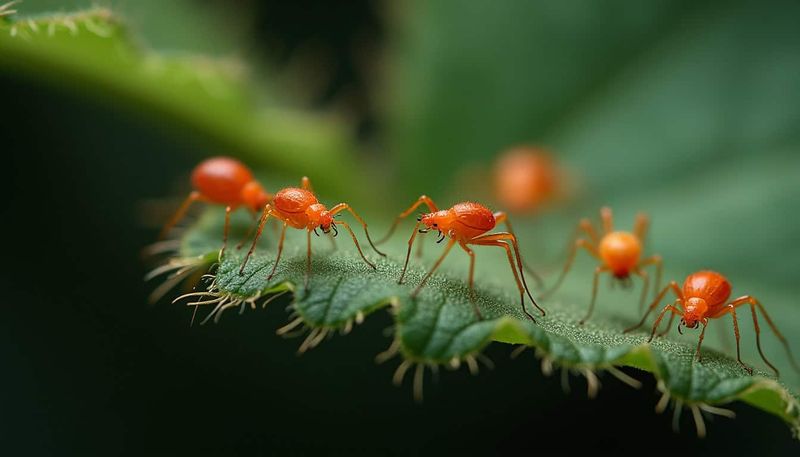
Spider mites are not random visitors. They show up and multiply fastest in specific conditions, and Texas summers deliver exactly what they love: heat, drought stress, and dusty foliage.
Understanding this connection gives you a practical way to fight back without reaching for chemicals at all.
When plants are stressed from lack of water, their natural defenses weaken and they become easier targets for mites. Keeping your plants properly hydrated according to their specific needs makes them more resilient.
Deep, consistent watering is better than shallow, frequent watering because it encourages stronger root growth and reduces overall stress on the plant.
Mulching around the base of your plants is another straightforward and effective step. A two to three inch layer of organic mulch helps retain soil moisture, keeps roots cooler during hot days, and reduces the amount of dust that kicks up and coats your leaves.
Dusty foliage is a known factor that helps mite populations explode, so reducing dust is a genuinely useful tactic.
For plants that tolerate it well, a firm spray of water in the early morning can physically knock spider mites off leaves. This works best when done consistently rather than just once.
Mites that land in moist soil are less likely to climb back up and re-infest the plant compared to mites displaced onto dry, cracked ground.
Making your garden less comfortable for spider mites does not require expensive products or complex routines.
Watering thoughtfully, mulching consistently, and occasionally rinsing foliage are habits that protect your plants while also creating a healthier environment that supports the beneficial insects already working on your behalf.
7. Create Habitat Instead Of Releasing Purchased Ladybugs
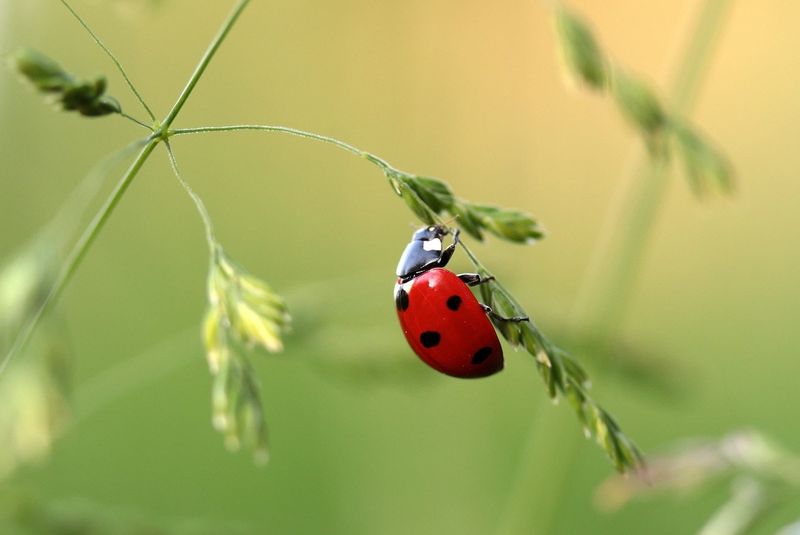
Buying a container of ladybugs from a garden center might seem like an instant fix for a pest problem. It is a satisfying idea: release the good guys, watch them eat the bad guys, problem solved.
But in reality, purchased ladybugs almost always fly away within a day or two of being released, and most of them never come back.
Here is why it happens. The ladybugs sold in garden stores are typically harvested from wild overwintering aggregations in mountain regions.
They have a strong biological urge to disperse when temperatures warm up, and releasing them into your yard does not override that instinct. Even if you water your plants first and release them at dusk as instructions often suggest, most will still leave by the next morning.
Building habitat for naturally occurring local ladybug species is a far more reliable and sustainable strategy.
Native ladybugs are already adapted to your specific region, and if your garden offers what they need, they will find it on their own. The goal is to make your yard the most attractive option in the neighborhood.
That means providing a diverse mix of plants at different heights, from low groundcovers to mid-size shrubs to taller flowering perennials. This variety gives ladybugs places to shelter during heat, hide from birds, and overwinter safely when temperatures drop.
Leaving some leaf litter and hollow stems in undisturbed corners of your yard adds even more usable habitat.
Every improvement you make to your garden’s diversity and structure builds a more welcoming environment. Over time, these changes add up to a yard that naturally supports ladybug populations season after season without repeated purchases or releases.