Most Florida Gardeners Think These 9 Plants Are Gone In Winter (But They Regrow In Spring)
Late winter in Florida has a way of making even confident gardeners feel uneasy. One week your yard is full of color and movement, and the next it looks strangely empty and still.
Bare stems, faded leaves, and quiet flower beds can make it seem like your landscape has given up for the season. Before you reach for pruners or start pulling plants out, take a breath.
Many Florida favorites don’t disappear when temperatures dip. They slow down, shed growth, and store energy below the surface while waiting for warmer days.
What looks like decline is often just a natural winter pause. Some of the most impressive spring returns come from plants that look completely quiet in January and February.
If your garden feels unusually calm right now, you may be closer to a fresh burst of color than you realize.
1. Hibiscus
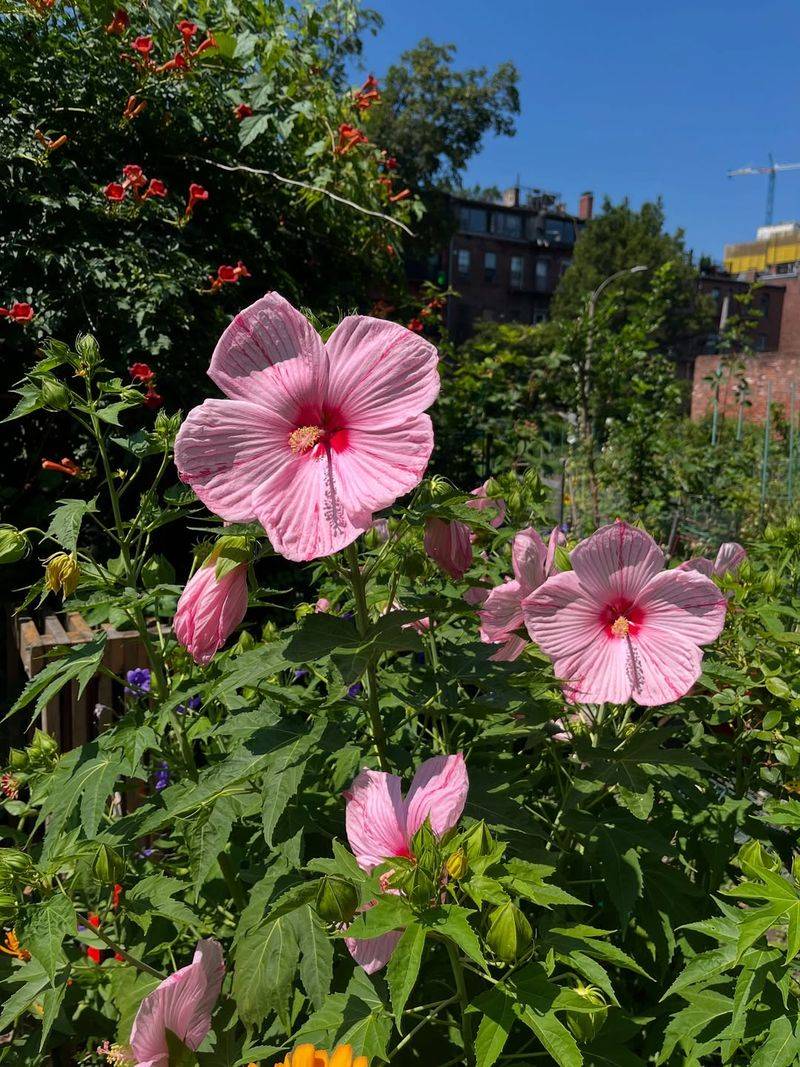
Your once lush tropical shrub now stands with bare branches and crispy brown leaves clinging to a few stems. Many gardeners see this sight in mid-winter and assume their hibiscus has finally given up.
In North Florida, cold snaps can strip every leaf and leave the plant looking completely lifeless by late December.
What you’re actually seeing is hibiscus entering a cold-stress slowdown phase. The plant pulls energy down into its roots and woody stems, sacrificing foliage to survive cooler temperatures.
Even in Central Florida, hibiscus will slow growth dramatically and drop leaves when nights dip into the low 40s.
Come late March or early April, you’ll notice tiny green buds emerging along those same bare stems. South Florida gardeners often see regrowth by mid-February, while North Florida may wait until late April.
Your hibiscus was never gone; it was simply conserving energy in its roots and woody stems, preparing for a vibrant spring comeback filled with blooms and bright green foliage once temperatures stay consistently warm again.
2. Bougainvillea
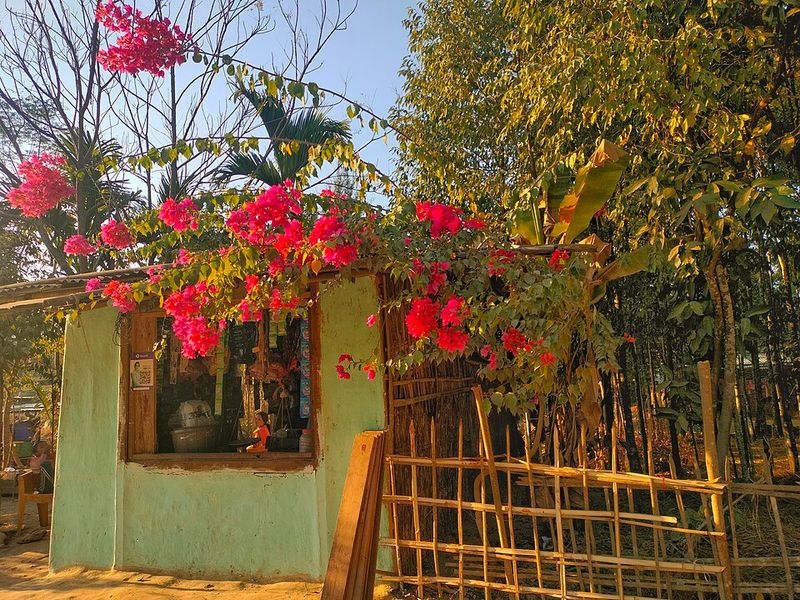
Those thorny vines that blazed with magenta and orange all summer now look like a tangle of sticks with barely a leaf in sight. First-time bougainvillea owners often panic when their plant goes from tropical showstopper to skeletal framework in just a few weeks.
The transformation can be startling, especially after a string of frosty mornings.
Bougainvillea responds to winter’s shorter days and cooler nights by shedding leaves and pausing growth. This isn’t damage; it’s a natural seasonal rhythm.
The plant redirects resources to its root system and waits for longer, warmer days. In South Florida, bougainvillea may only thin out slightly, but in North and Central Florida, expect near-total leaf drop by January.
As spring arrives and temperatures climb back into the 70s, you’ll see fresh green shoots popping from those bare stems. North Florida gardeners might not see regrowth until late April, while Central and South Florida can enjoy new growth by early March.
Your bougainvillea wasn’t struggling; it was simply waiting for the right moment to explode back into brilliant color and lush foliage.
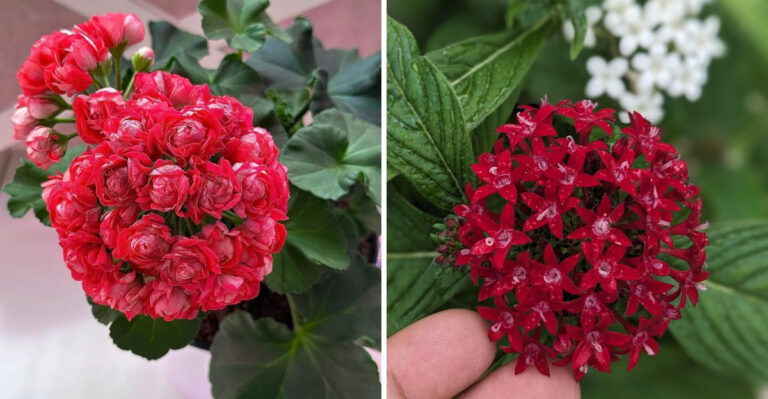
3. Pentas
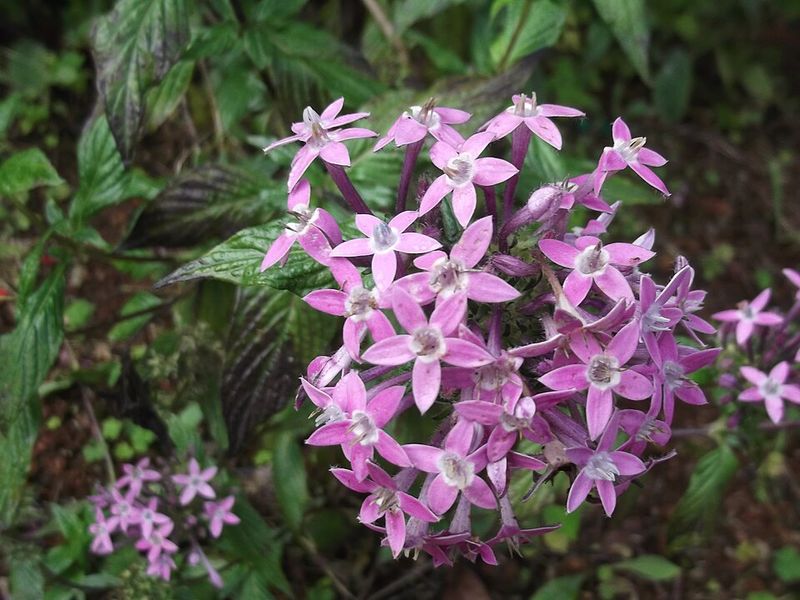
Clusters of star-shaped flowers that attracted butterflies all year suddenly disappear, leaving behind leggy stems and yellowing foliage. By late winter, your pentas bed might look so scraggly that you consider pulling everything out.
The plants seem tired, stretched, and completely spent after months of nonstop blooming.
Pentas don’t truly go dormant, but they do slow way down during Florida’s coolest months. Growth becomes sparse, flowering stops, and older leaves yellow and drop.
Cold snaps in North Florida can cause significant dieback, making the plant look almost beyond recovery. Even in milder Central Florida, pentas lose their compact shape and vibrant appearance.
When spring warmth returns in March and April, pentas bounce back with surprising speed. New shoots emerge from the base, and within weeks, the plant regains its bushy form and begins flowering again.
Many Florida gardeners give their pentas a hard pruning in late February to encourage this fresh growth. What looked like a failing plant in January becomes a pollinator magnet again by May, proving that patience pays off in Florida gardens.
4. Firespike
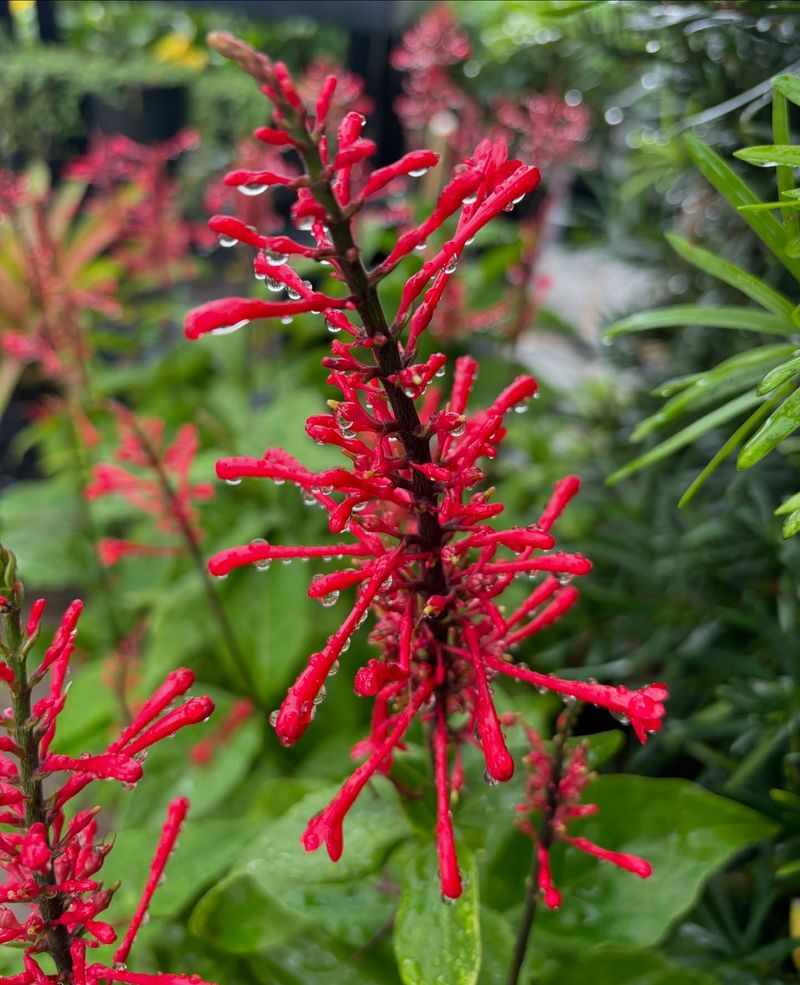
Tall stalks that once reached toward the sky with vibrant red blooms now stand brown and hollow looking. After a few cold nights, firespike can look completely wiped out, with blackened leaves and stems that snap easily.
North Florida gardeners especially see dramatic winter dieback that makes the plant appear totally gone by late January.
Firespike is a tropical perennial that behaves like a herbaceous plant in cooler parts of Florida. Frost and cold temperatures cause the aboveground portion to collapse, but the roots remain very much alive underground.
In South Florida, firespike may only lose some top growth, while in North and Central Florida, expect everything above the soil line to look finished.
Spring brings a remarkable transformation. As soil temperatures warm in late March and April, fresh green shoots push up from the root system.
North Florida gardeners may not see regrowth until mid-April, but once it starts, firespike grows quickly. By summer, your plant will be tall and blooming again, attracting hummingbirds just like it did before winter arrived.
The key is leaving those brown stems in place until you see new growth emerging from the base.
5. Porterweed
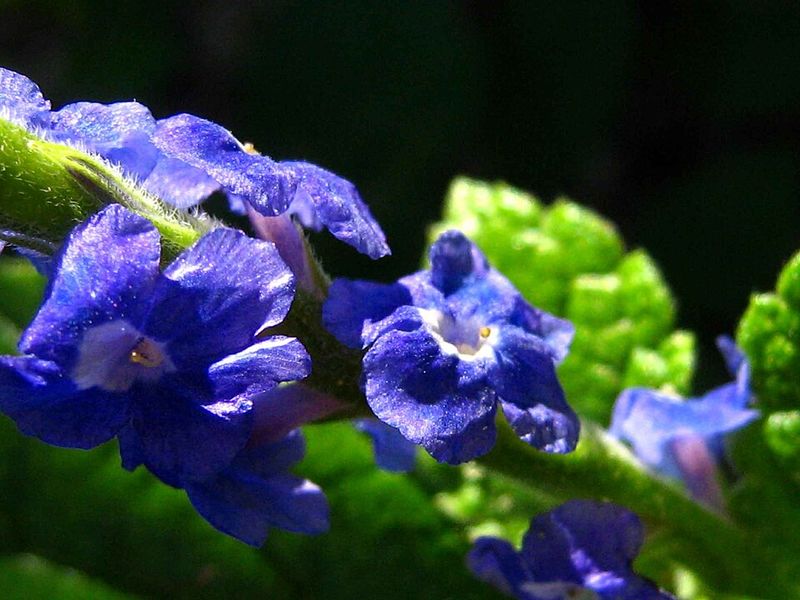
Blue or purple flower spikes that once covered your porterweed shrub vanish completely, and the plant itself looks ragged and bare. Many gardeners mistake this winter appearance for plant failure and remove porterweed from their landscape entirely.
The once bushy, blooming plant now looks like a collection of woody sticks with hardly any green left.
Porterweed naturally slows down during Florida’s winter, especially when temperatures drop below 50 degrees at night. The plant stops blooming, sheds leaves, and can experience significant dieback in North Florida.
Central Florida gardeners see moderate leaf loss, while South Florida porterweed may only thin out slightly. This seasonal slowdown and partial dieback is completely normal and expected.
As temperatures rise in spring, porterweed responds quickly. New growth emerges from the base and along existing stems, and flowering resumes by April or May.
A light pruning in late February or early March encourages bushier regrowth and more flower spikes.
What looked like a lost cause in January becomes a pollinator favorite again by late spring, proving that porterweed’s winter rest is just a temporary pause before another season of vibrant blooms and butterfly visits.
6. Blue Daze (Evolvulus)
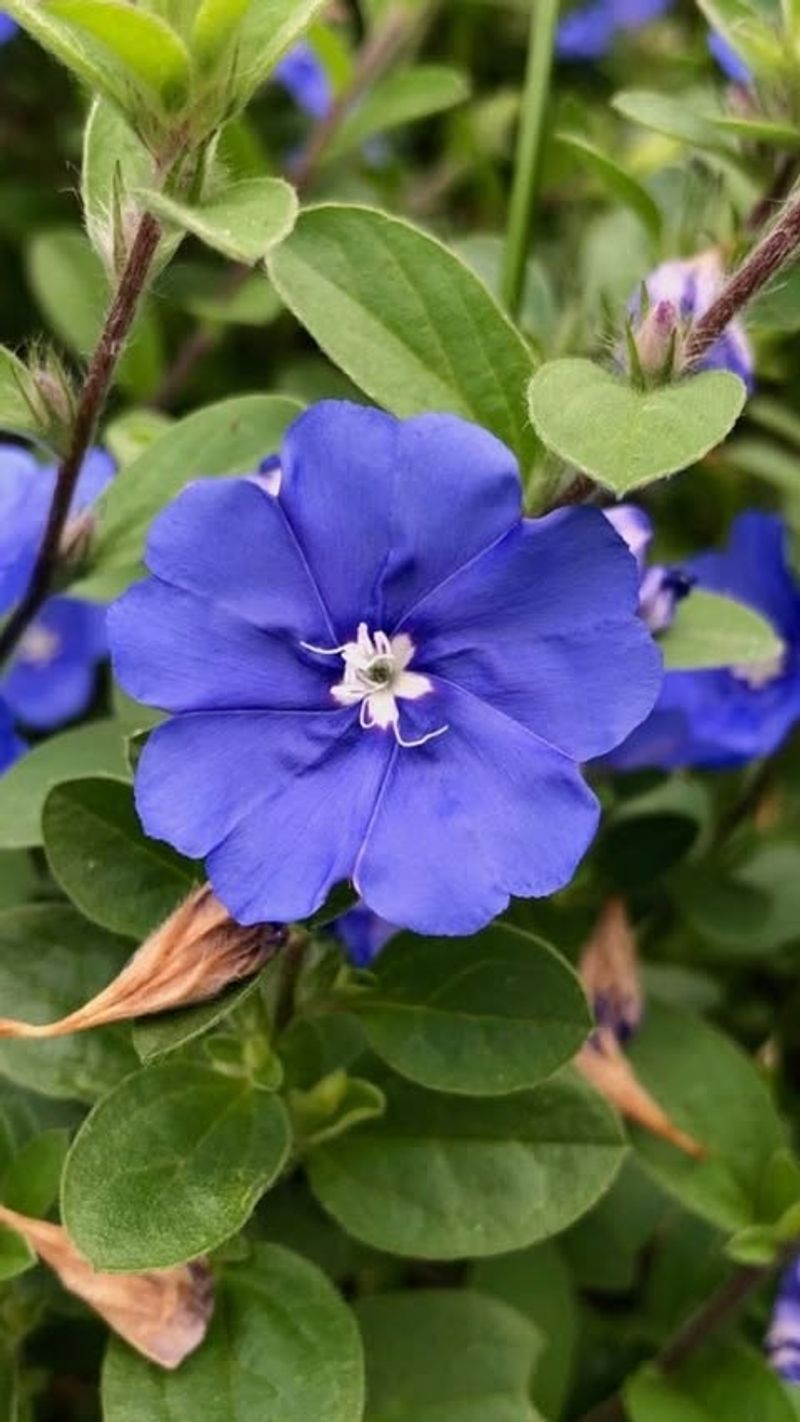
Delicate blue flowers that carpeted your garden bed in spring and summer completely disappear, and the low-growing foliage looks thin and faded. By mid-winter, blue daze often appears so sparse that gardeners assume the plant has finally run its course.
The once lush groundcover now shows patches of bare soil and straggly stems.
Blue daze is a warm-season perennial that struggles when temperatures drop. In North Florida, frost can cause the plant to wither to the ground completely.
Central Florida gardeners see thinning and reduced vigor, while South Florida blue daze may continue growing slowly through winter. The plant isn’t gone; it’s simply conserving energy during cooler months when growth conditions aren’t ideal.
When spring warmth returns and days lengthen, blue daze rebounds beautifully. New shoots emerge from the roots, and the plant quickly spreads to fill in bare spots again.
By late April or May, you’ll see those cheerful blue blooms opening each morning. South Florida gardeners enjoy earlier regrowth, often by late February, while North Florida may wait until mid-April.
Your blue daze was quietly waiting underground, ready to carpet your garden with color once again.
7. Tropical Milkweed
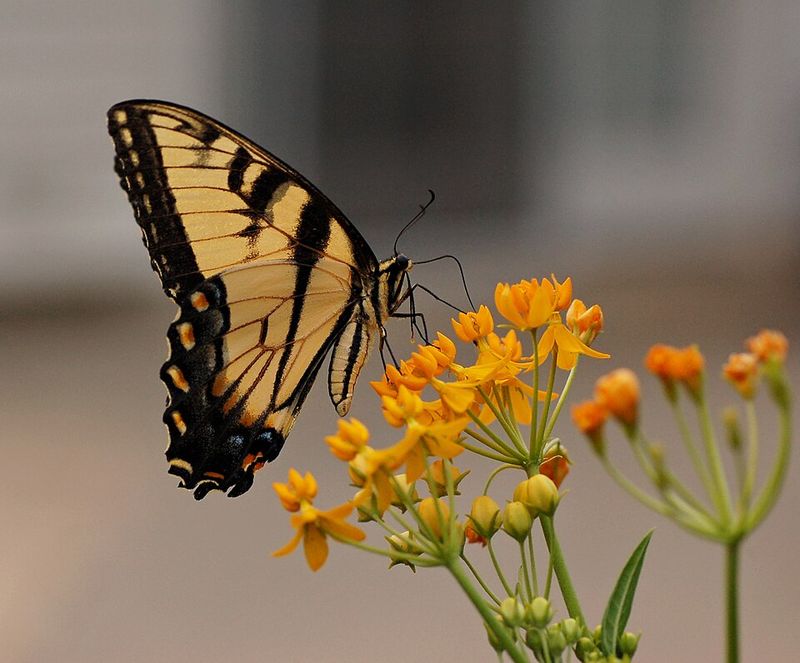
Bright orange and yellow blooms that fed monarch butterflies all season suddenly stop appearing, and the plant itself looks tired and scraggly. By late winter, tropical milkweed often shows yellowing leaves, aphid damage, and minimal new growth.
Many gardeners wonder if their milkweed has finally reached the end of its life cycle.
Tropical milkweed behaves differently across Florida’s climate zones. In North Florida, frost often destroys the plant back to the ground, which is actually beneficial because it interrupts disease cycles.
Central Florida gardeners see partial dieback, while South Florida milkweed may continue growing year-round. However, cutting the plant back in late winter is recommended statewide to promote healthy regrowth and reduce disease pressure on migrating monarchs.
Spring brings fresh, vigorous growth from the roots or from cut stems. New shoots appear in March or April, depending on your location, and the plant quickly develops healthy foliage free from pests and disease.
By late spring, tropical milkweed is blooming again and ready to support the next generation of monarch butterflies. What looked worn out in February becomes a vital butterfly host plant again by May.
8. Canna Lily
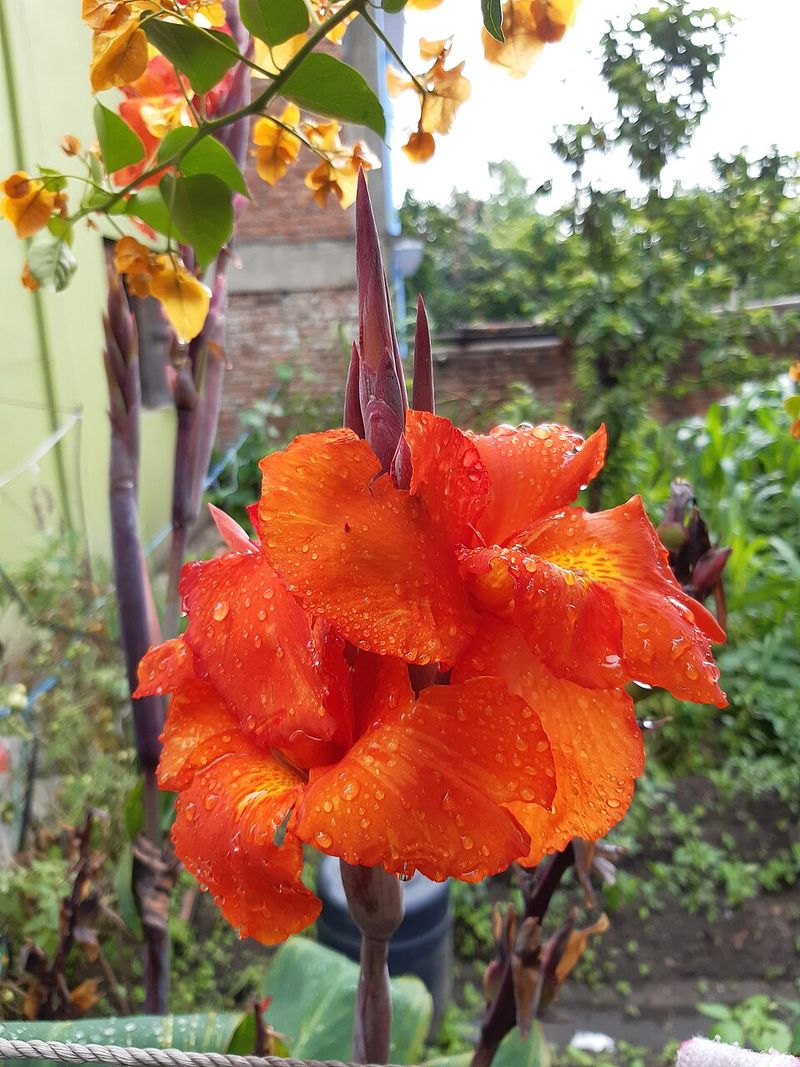
Bold tropical foliage and bright flower spikes vanish completely, leaving behind brown stalks and yellowing leaves that collapse to the ground. By late winter, your canna bed might look like an empty patch of dirt.
Many gardeners assume their cannas have finally succumbed to cold or disease, especially after a hard frost in North Florida.
Canna lilies are true perennials with underground rhizomes that survive winter even when all the foliage above ground disappears. Cold temperatures cause the leaves and stems to wither naturally.
In North Florida, expect total dieback by January. Central Florida cannas may hold some foliage longer, while South Florida plants often stay partially green through winter.
The rhizomes remain alive underground, storing energy for spring.
As soil warms in late March and April, fresh green shoots push up from those rhizomes. Growth is rapid once it starts, and by late spring, your canna bed will be lush and blooming again.
North Florida gardeners may not see shoots until mid-April, while South Florida cannas can start regrowing by late February. Your cannas were never gone; they were simply resting beneath the soil, ready to put on another spectacular show once warm weather returned to your Florida garden.
9. Mexican Petunia (Ruellia)
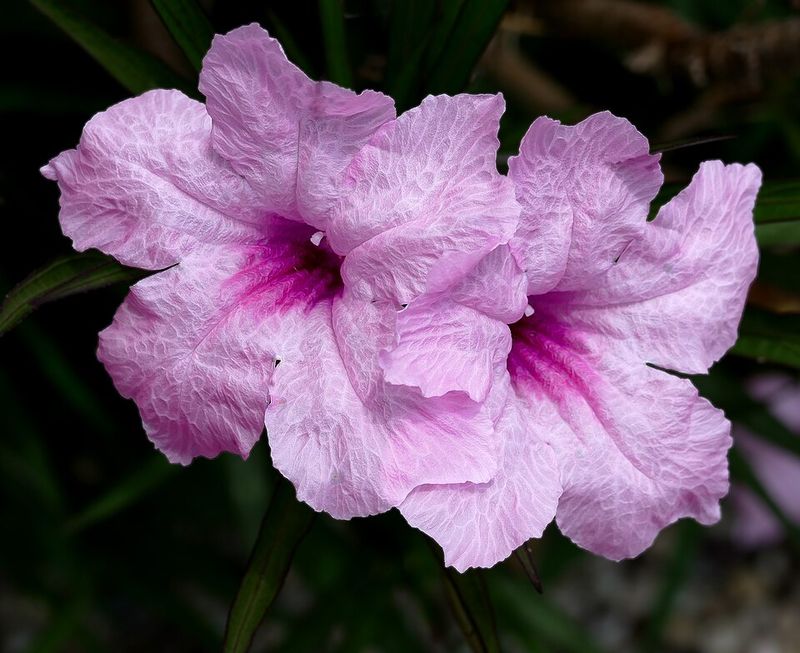
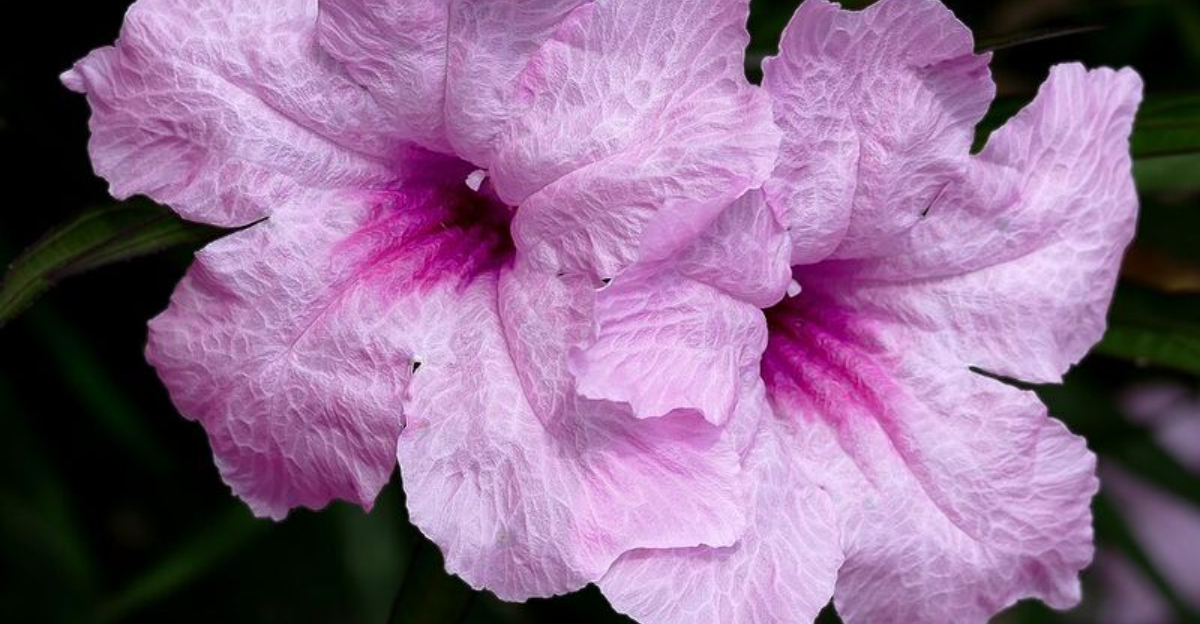
Purple blooms that opened daily throughout summer and fall suddenly stop, and the plant’s green stems turn brown and brittle. By late winter, Mexican petunia can look completely finished, especially in North Florida where frost causes significant dieback.
The once vigorous groundcover now appears as a patch of brown stems and bare soil.
Mexican petunia is an herbaceous perennial that withers to the ground in cooler parts of Florida. The roots remain alive underground, ready to send up new shoots when warm weather returns.
In South Florida, Mexican petunia may stay partially green through winter, while North and Central Florida gardeners see total aboveground dieback.
It’s important to note that only sterile, non-invasive cultivars approved by the University of Florida should be planted, as wild-type Mexican petunia is invasive in Florida.
Choose Florida-Friendly sterile selections to enjoy this plant responsibly.
Spring regrowth is fast and vigorous. Fresh green shoots emerge from the roots in March or April, and the plant quickly spreads to fill in empty spaces.
By late spring, Mexican petunia is blooming again with its signature purple flowers. North Florida gardeners see regrowth starting in mid-April, while South Florida enjoys new growth by late February.
Your Mexican petunia was simply resting underground, ready to return.
Regrowth timing varies slightly each year depending on winter severity and late cold snaps across Florida regions.