9 Most Overplanted Texas Shrubs (And Better Low-Maintenance Swaps)
Some shrubs are everywhere in Texas, and after a while, it is easy to see why. They are familiar, easy to find, and often marketed as the safe choice for almost any yard. But just because a shrub is popular does not mean it is the best option.
In fact, some of the most overplanted shrubs in Texas end up creating more work than homeowners expected, whether that means constant trimming, pest problems, messy growth, or plants that never quite look as good as promised.
That is where smarter swaps come in. Plenty of lesser-used shrubs can handle Texas heat, dry spells, and challenging soil without demanding so much attention. They still bring color, texture, privacy, or curb appeal, but they do it with a lot less fuss.
If your yard feels a little too predictable or you are tired of high-maintenance plants eating up your weekends, it may be time to rethink the usual choices. Sometimes the best-looking landscape starts with skipping the most obvious shrub on the lot.
1. Boxwood
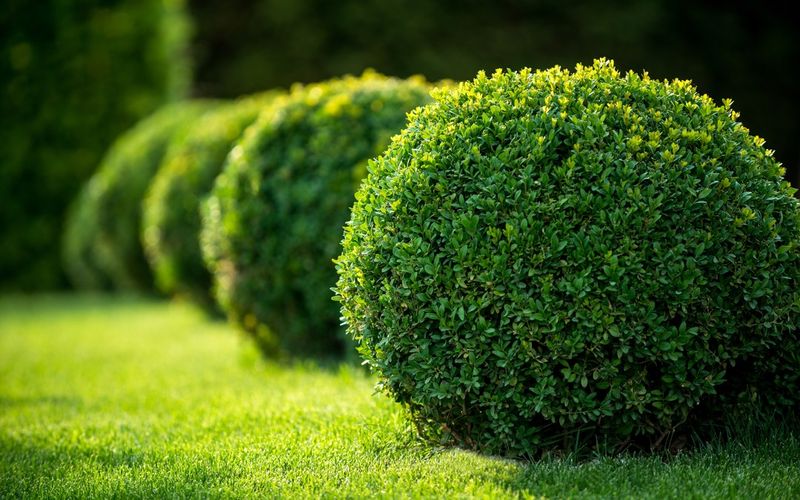
Boxwoods are one of the most popular shrubs sold at garden centers across Texas, but they are not exactly built for life here. These plants originally come from cooler climates, and the blazing Texas sun combined with high humidity creates a tough environment for them.
Boxwood blight and root rot are common problems that can spread quickly and leave your hedges looking rough.
On top of disease issues, boxwoods need frequent shaping to stay tidy. That means more time spent pruning and more money spent on upkeep. Many Texas homeowners end up replacing them every few years, which adds up fast.
A much smarter choice for Texas landscapes is the Dwarf Yaupon Holly. This native shrub is naturally compact, handles heat without missing a beat, and stays healthy without much intervention.
It tolerates drought, poor soils, and even occasional flooding. Birds love the small berries it produces in fall and winter.
You get a clean, attractive look with a fraction of the effort. Dwarf Yaupon Holly is widely available at Texas nurseries and fits perfectly into both formal and casual garden designs.
2. Nandina (Heavenly Bamboo)
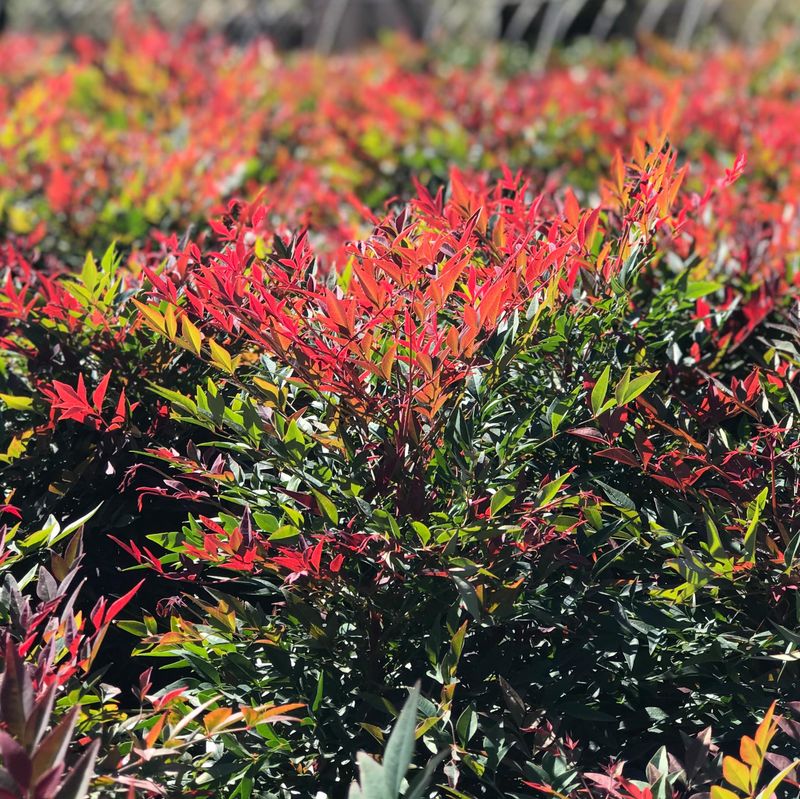
Nandina looks gorgeous in fall with its fiery red foliage and clusters of bright berries, which is probably why it ended up in so many Texas yards. But looks can be deceiving.
Nandina is considered invasive in parts of the South, including Texas, because birds eat the berries and spread seeds into natural areas. Once it gets going, it can be surprisingly hard to control.
The berries are also toxic to some birds, especially cedar waxwings, which can eat large amounts at once. That is a real concern for anyone who wants to support local wildlife in their yard.
Gulf Muhly grass is a fantastic native swap that offers just as much visual drama without any of the baggage. Every fall, it explodes into a cloud of rosy-pink plumes that catch the breeze beautifully.
It is incredibly drought-tolerant once established and thrives across most of Texas. Gulf Muhly needs almost no maintenance beyond an annual cutback in late winter.
It attracts birds and small wildlife, adds movement and texture to the garden, and looks stunning when planted in groups. For Texas gardeners wanting color without the headaches, this is a top-tier choice.
3. Indian Hawthorn (Rhaphiolepis Indica)
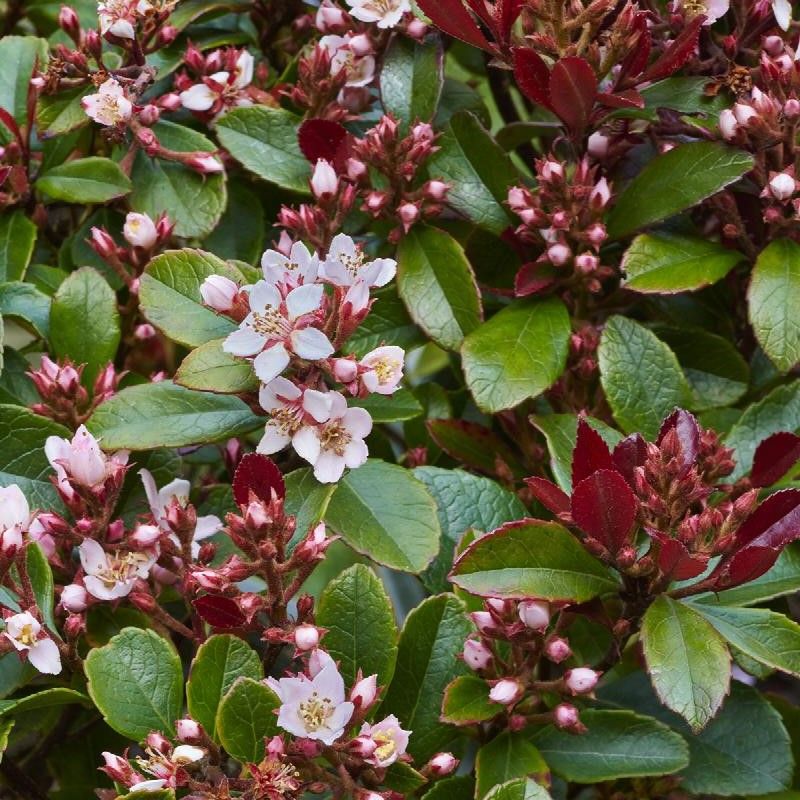
Indian Hawthorn was once considered a go-to foundation shrub for Texas homes. It has pretty spring blooms and a tidy growth habit, so it is easy to see why it became so popular.
However, a nasty fungal disease called Entomosporium leaf spot has become a widespread problem across the state, especially in areas with higher humidity like Houston and the Gulf Coast region.
Once leaf spot takes hold, the foliage turns blotchy and brown. The plant looks terrible and no amount of fungicide sprays fully solves the problem long-term.
Replacing infected plants only to have the disease return is a frustrating cycle many Texas gardeners know well.
Texas Sage, also known as cenizo, is one of the best alternatives you can plant instead. This tough native shrub thrives in the dry, hot conditions found across much of Texas.
It produces stunning purple blooms after rain events, almost like it is celebrating the moisture. Texas Sage handles poor soils, reflected heat from pavement, and long dry spells without complaint.
It requires almost zero watering once established and rarely needs pruning. For a low-effort, high-reward shrub that truly belongs in a Texas yard, it is hard to beat.
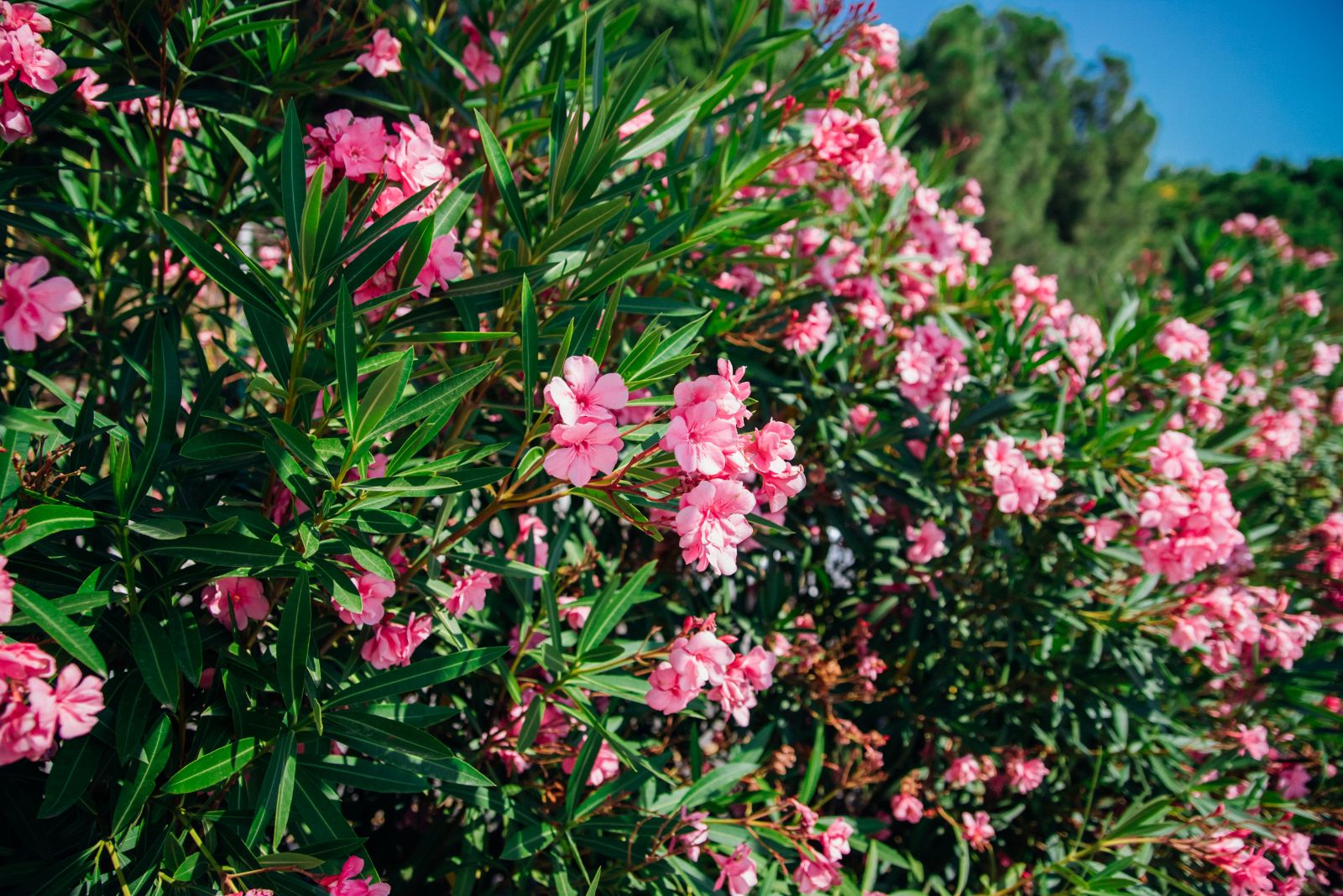
4. Oleander
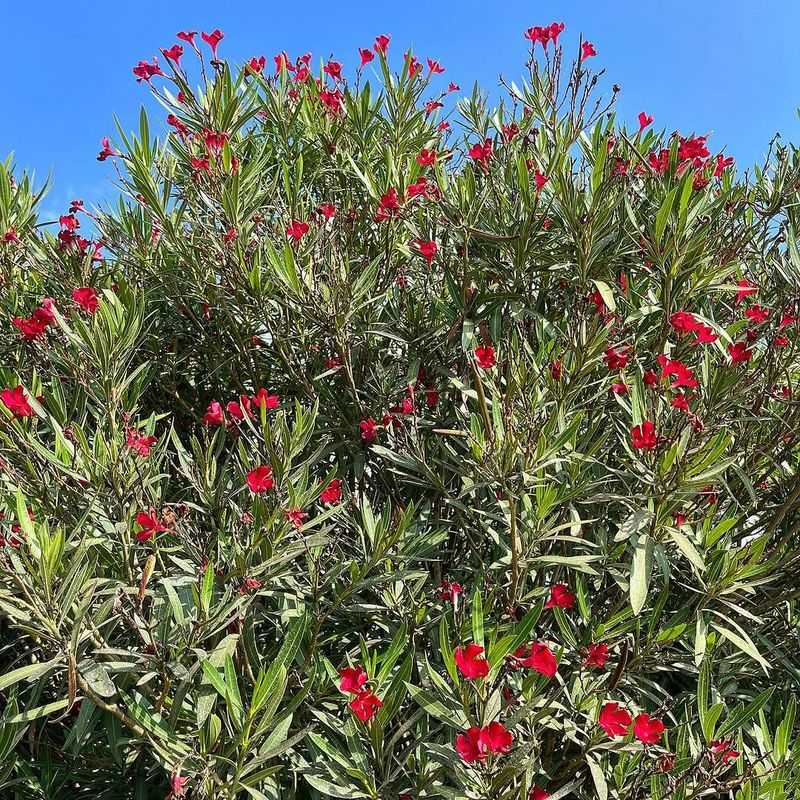
Oleander is a Texas classic, especially along the Gulf Coast where it has lined highways and decorated yards for generations. It handles heat and drought like a champ and puts on a colorful show.
However, there are some real downsides that make it a problematic choice for many homeowners across the state.
Every part of oleander is toxic to people, pets, and livestock. That alone makes it a risky pick for families with kids or animals.
In North Texas and other inland areas, a hard freeze can cause serious damage, leaving plants looking ragged until they recover. The cleanup from spent blooms and dry branches adds to the maintenance burden.
Esperanza, sometimes called yellow bells, is a wonderful native-friendly swap. It blooms heavily from summer through fall in brilliant shades of yellow and orange, attracting hummingbirds and butterflies like crazy.
Esperanza absolutely loves the Texas heat and actually performs better as temperatures climb. It handles drought well and bounces back quickly after a cold winter.
Unlike oleander, it is not toxic to animals or children. Plant it in a sunny spot with good drainage and it will reward you with months of nonstop color and pollinator activity throughout the Texas growing season.
5. Red Tip Photinia
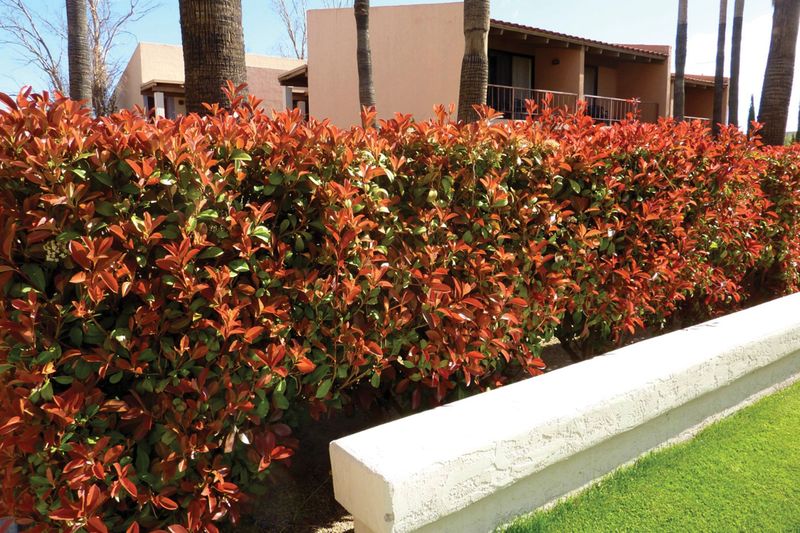
Few shrubs scream “Texas suburb from the 1980s” quite like Red Tip Photinia. Those bright red new leaves are genuinely eye-catching, and the plant grows fast, which made it a favorite for privacy hedges all across the state.
However, decades of overplanting have created a perfect storm for disease spread.
Entomosporium leaf spot hits Red Tip Photinia hard, especially when plants are crowded together. Once one plant in a hedge gets infected, the disease spreads quickly to its neighbors.
Pruning stimulates the red new growth people love, but it also creates fresh entry points for the fungus. Many Texas homeowners spend years fighting a losing battle trying to keep these hedges looking decent.
Wax Myrtle is a native Texas shrub that makes an excellent fast-growing hedge without all the drama. It grows vigorously, stays evergreen, and adapts to a wide range of Texas soil conditions including clay, sandy, and even wet areas.
The aromatic foliage smells wonderful when brushed against. Birds are especially fond of the small waxy berries.
Wax Myrtle can be shaped into a formal hedge or left to grow naturally. Either way, it stays healthy with minimal care and looks great year-round in Texas landscapes.
6. Ligustrum (Privet)
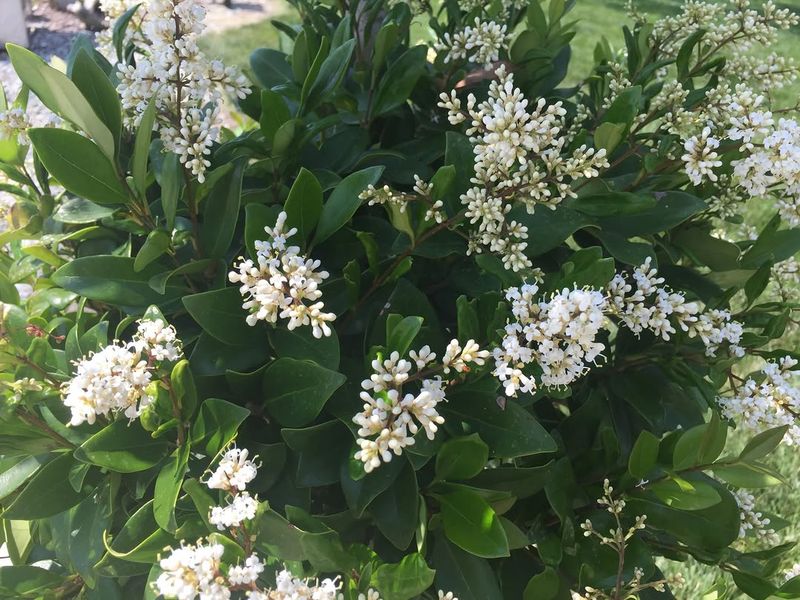
Ligustrum, commonly called privet, is one of the most aggressive shrubs ever planted in Texas. It grows at an almost alarming rate, which is why landscapers loved using it for quick hedges and screens.
However, fast growth means constant pruning, and ligustrum is not shy about taking over if you give it an inch.
Several ligustrum species are considered invasive in Texas. Birds spread the berries into natural areas where the plants crowd out native vegetation.
In wooded areas across Central and East Texas, you can see ligustrum taking over understories and pushing out the plants that local wildlife depend on.
Yaupon Holly is one of the best native replacements Texas has to offer. It is incredibly tough, adaptable, and comes in a wide range of sizes from compact dwarfs to large multi-stemmed trees.
Female plants produce small red or yellow berries that birds absolutely love. Yaupon Holly tolerates heat, cold, drought, flooding, and poor soil better than almost any other shrub.
It can be pruned into formal shapes or allowed to grow naturally. Maintenance needs are minimal compared to ligustrum, and you get all the screening and privacy benefits without the invasive headaches that come with privet.
7. Azaleas (Outside East Texas)
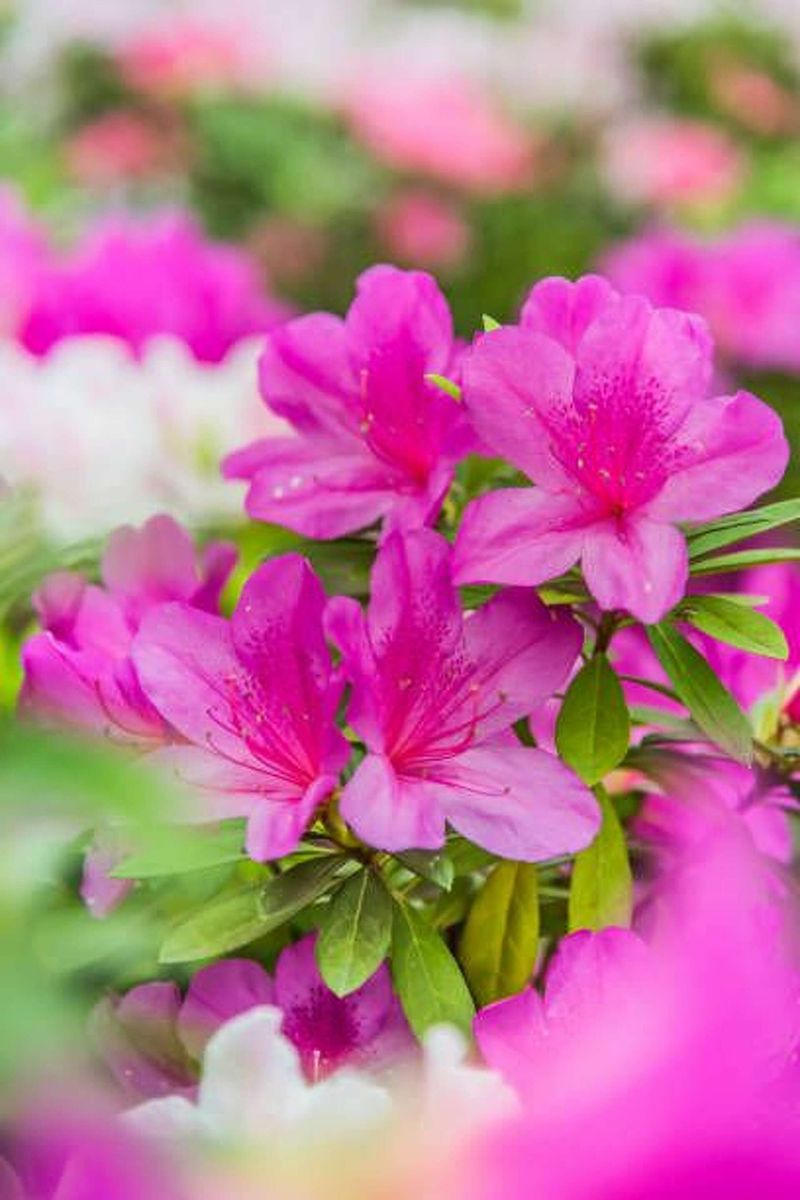
Azaleas are undeniably beautiful. Their spring blooms in shades of pink, red, and white are showstoppers.
In East Texas, where the soil tends to be more acidic and rainfall is higher, azaleas can thrive. But plant them in Central, West, or North Texas and you are setting yourself up for disappointment.
Most of Texas has alkaline soil, and azaleas need acidic conditions to absorb nutrients properly. Without the right pH, leaves turn yellow in a condition called chlorosis.
The plants look sick, grow slowly, and rarely bloom well. Keeping azaleas alive in the wrong part of Texas requires constant soil amendments, special fertilizers, and careful watering, which defeats the whole idea of low-maintenance gardening.
Autumn Sage is a native Texas shrub that blooms repeatedly from spring through fall with no fuss at all. It handles alkaline soils, full sun, and drought without complaint.
Hummingbirds and butterflies are drawn to its tubular red, pink, or coral flowers throughout the long Texas growing season. Autumn Sage stays compact and rarely needs pruning.
It is available at most Texas native plant nurseries and works well in garden beds, borders, and even containers. For reliable color without the soil chemistry struggles, this is the smarter pick.
8. Loropetalum
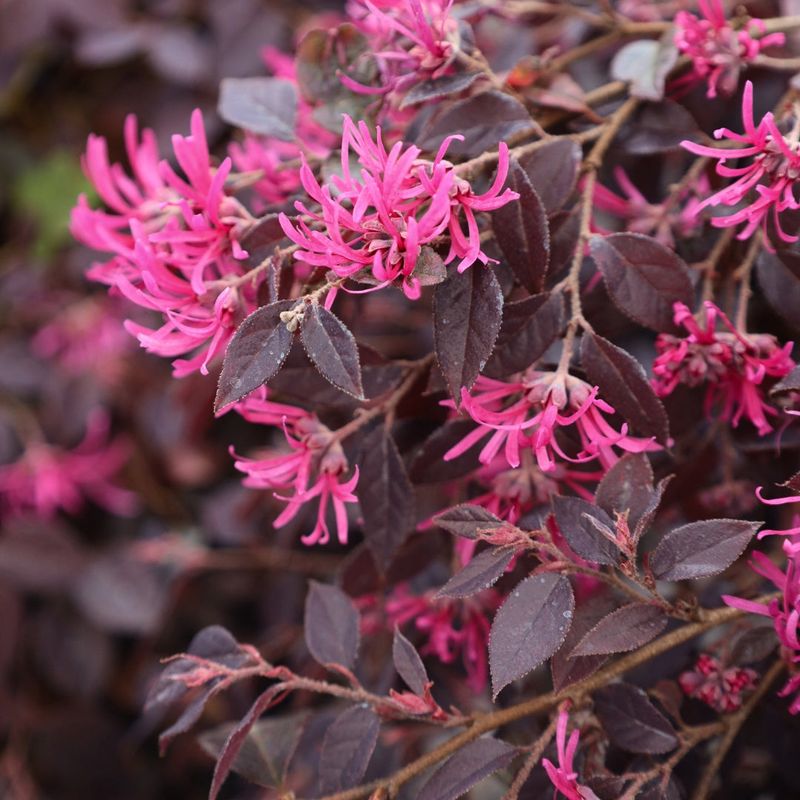
Loropetalum burst onto the Texas landscaping scene with its striking purple foliage and hot-pink fringe flowers, and for a while it seemed like every new home in the state had a few of them planted out front. The initial look is undeniably dramatic.
However, as these plants mature, they often get leggy, overgrown, and harder to manage than most homeowners expected.
Loropetalum can grow much larger than the tag at the nursery suggests. What was sold as a three-foot shrub sometimes reaches ten feet or more.
Heavy pruning is needed to keep it in check, and cutting it back hard often reduces flowering and makes the plant look choppy for a season. The purple foliage also fades to green in shady spots, losing much of its appeal.
American Beautyberry is a native Texas shrub that earns its name every fall when it erupts in clusters of vivid magenta-purple berries along every stem. It is genuinely one of the most eye-catching plants in a Texas garden during autumn.
Birds and other wildlife feast on the berries. Beautyberry grows easily in sun or part shade, handles Texas heat well, and needs almost no care beyond cutting it back in late winter. It is unique, wildlife-friendly, and effortlessly beautiful.
9. Box Honeysuckle
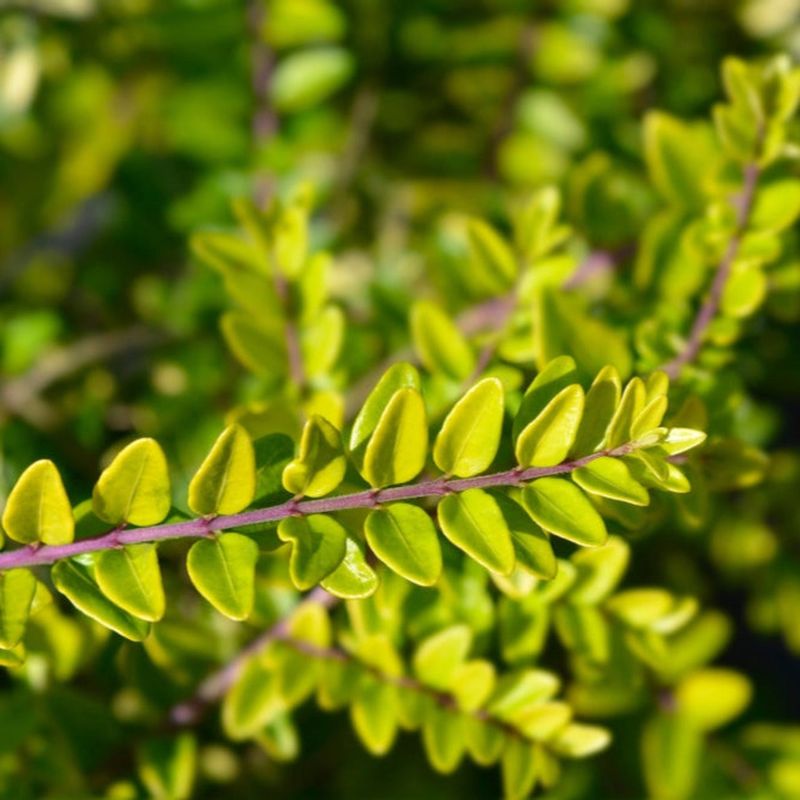
Box Honeysuckle shows up in Texas landscapes as a tidy, fast-growing hedge option. It stays evergreen, responds well to shearing, and looks neat in formal garden settings.
On paper, it sounds like a solid choice. In practice, it offers very little back to the local ecosystem and requires regular shaping to stay attractive.
Compared to native Texas shrubs, Box Honeysuckle does almost nothing for local wildlife. Bees, butterflies, and birds largely ignore it.
In a state as rich in native biodiversity as Texas, planting shrubs that contribute nothing to the ecosystem feels like a missed opportunity, especially when there are far better options readily available.
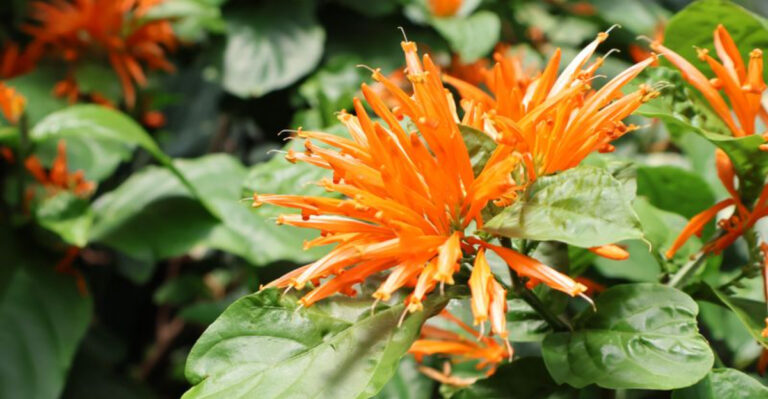
Flame Acanthus is a spectacular native replacement that earns its keep in any Texas yard. It produces masses of narrow, tubular orange-red flowers from summer through fall that hummingbirds simply cannot resist.
This tough shrub thrives in the intense Texas heat and handles drought conditions like a pro. It grows quickly, fills in well, and adds serious color to the landscape during the hottest months when many other plants look tired.
Flame Acanthus is low-maintenance, native to Texas, and provides real ecological value. Once you see hummingbirds hovering around it, you will never look back.