Must-Do Gardening Jobs For Texas Yards Before Spring Hits
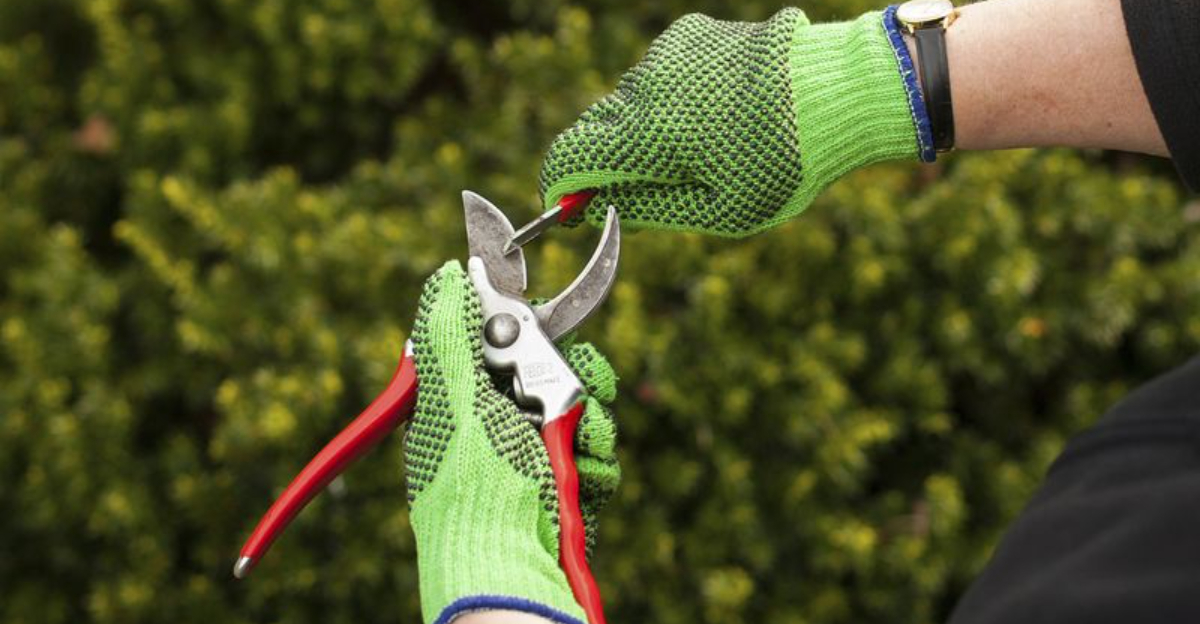
Spring may feel far away, but in Texas, the best gardens are built before the season even begins. What you do now can decide how healthy, colorful, and productive your garden will be later.
Many gardeners wait until warm weather arrives, then rush to plant and fix problems at the same time. That often leads to weak growth and extra work.
Taking care of a few important tasks ahead of spring helps prepare your soil, protect plants, and prevent common issues like pests and poor drainage. It also makes planting season smoother and far less stressful.
From cleaning up beds to getting tools ready and improving growing areas, small actions now can lead to big results later.
If you want stronger plants and better harvests this year, it starts with smart preparation before spring arrives.
1. Test And Amend Your Soil
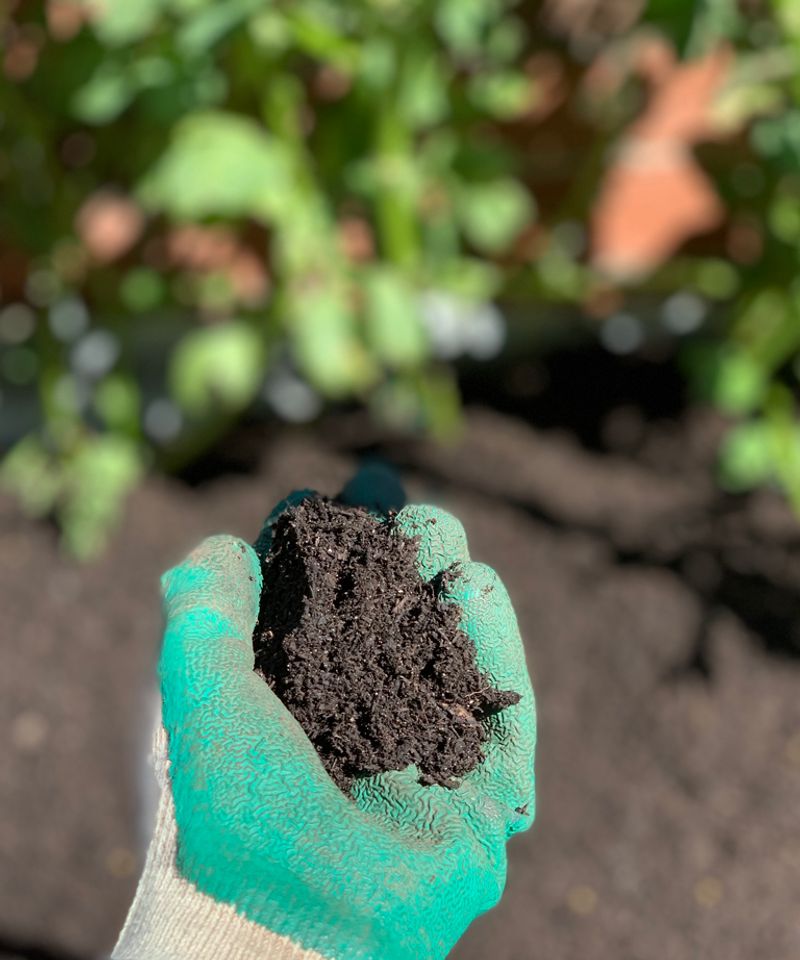
Healthy soil forms the backbone of any successful garden, and Texas gardeners face unique challenges with soil quality across different regions of the state.
Clay-heavy soil in North Texas, sandy conditions along the coast, and alkaline soils in Central Texas all require different approaches to create the ideal growing environment.
Before you plant anything this spring, understanding what your soil needs gives you a tremendous advantage.
Getting a soil test done through your local county extension office provides detailed information about pH levels, nutrient content, and organic matter. This simple step costs very little but reveals exactly what amendments your garden beds need.
Most Texas soils tend toward alkaline, which can limit nutrient availability for many plants, so knowing your starting point helps you make informed decisions.
Once you have your test results, you can add the right amendments to improve soil structure and fertility. Compost works wonders for nearly every soil type, adding organic matter that improves drainage in clay soils and increases water retention in sandy ones.
Sulfur helps lower pH if your soil is too alkaline, while lime raises it for the rare acidic spots. Work these amendments into the top six to eight inches of soil while the ground is still workable.
Timing matters when amending soil in Texas because you want everything well-mixed and settled before planting season arrives. February and early March offer ideal conditions for this work, giving amendments time to integrate with existing soil.
Your plants will establish stronger root systems and access nutrients more efficiently when you start with properly prepared soil.
2. Prune Trees And Shrubs
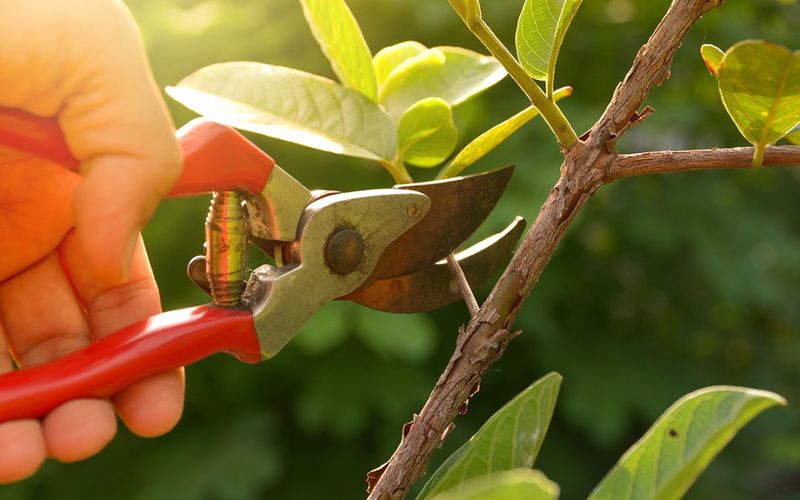
Late winter represents the perfect window for pruning most trees and shrubs in Texas gardens, right before new growth emerges but while plants remain dormant.
Pruning during this period allows you to see the branch structure clearly without foliage blocking your view, making it easier to identify which branches need removal.
Plants also experience less stress when pruned before their spring growth spurt begins.
Focus on removing damaged, or diseased branches first, which helps prevent problems from spreading to healthy parts of the plant. Crossing branches that rub against each other should also come out, as they create wounds that invite pests and diseases.
Shape your shrubs and trees by thinning crowded areas to improve air circulation, which becomes especially important during humid Texas summers.
Different plants have different pruning needs, so knowing what you are working with matters greatly. Spring-blooming shrubs like azaleas and forsythia should wait until after they flower, or you will cut off this year’s blooms.
Summer-blooming plants and most fruit trees, however, benefit from late winter pruning in Texas. Crape myrtles, a Texas favorite, need careful attention to avoid the dreaded crape murder that leaves ugly knobs on branches.
Always use clean, sharp pruning tools to make smooth cuts that heal quickly and reduce the risk of infection. Sterilize your blades between plants with rubbing alcohol, especially when working with diseased branches.
Proper pruning encourages vigorous spring growth, better flowering, and improved fruit production while keeping your Texas landscape looking neat and well-maintained throughout the growing season.
3. Clean Up Winter Debris And Weeds
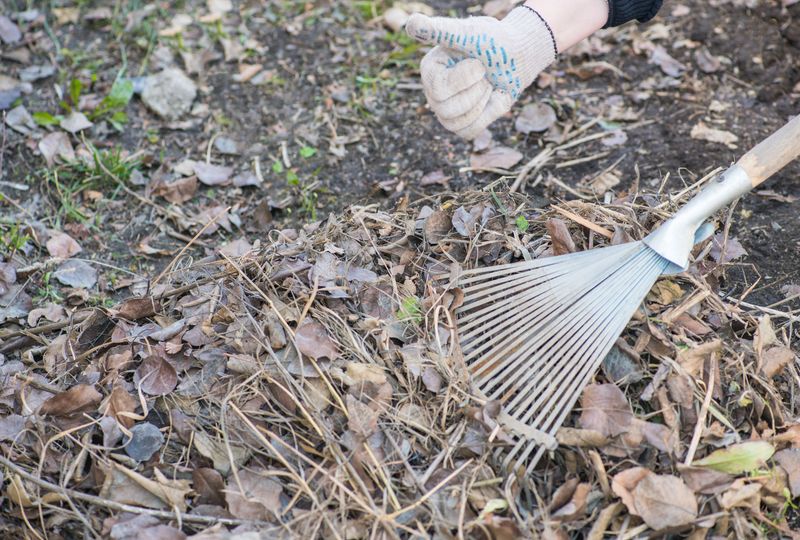
Winter leaves behind plenty of mess in Texas gardens, from fallen leaves and dry plant material to weeds that quietly established themselves during mild winter months.
Cleaning up this debris before spring arrives prevents pests and diseases from taking hold in your garden beds.
Many insects and fungal spores overwinter in plant litter, waiting for warm weather to emerge and attack your fresh spring plantings.
Start by raking out old mulch that has broken down and removing dry annuals from last season that you never got around to clearing. Pull weeds while they are still small and before they set seed, which saves you countless hours of weeding later.
Texas winters often stay mild enough for weeds like henbit and chickweed to thrive, so getting them out now stops them from competing with your desirable plants.
Check around the bases of perennials and shrubs for accumulated leaves and debris that can harbor slugs, snails, and other pests. Clearing this material away also improves air circulation around plant crowns, reducing the risk of rot when spring rains arrive.
Dispose of diseased plant material in the trash rather than composting it, which prevents spreading problems throughout your garden.
After cleaning, your garden beds should look tidy and ready for fresh mulch and new plantings. This cleanup work might seem tedious, but it dramatically reduces pest and disease pressure throughout the growing season.
Texas gardeners who skip this step often find themselves fighting problems all spring and summer that could have been prevented with a few hours of late winter work.
4. Apply Fresh Mulch To Garden Beds
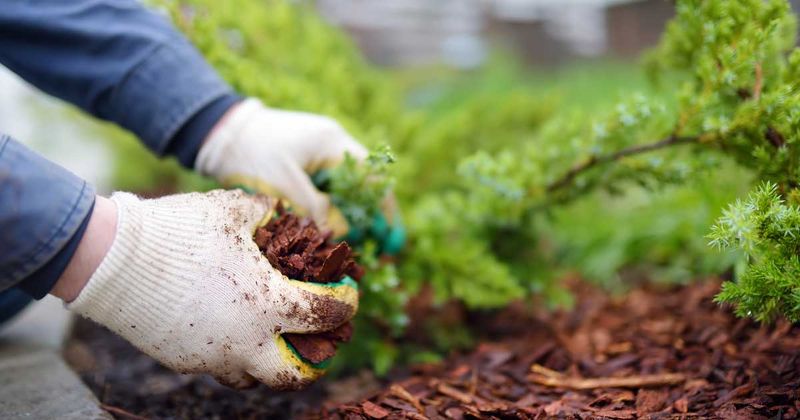
Mulch acts like a protective blanket for your Texas garden soil, and refreshing it before spring provides numerous benefits that last throughout the growing season.
A good layer of mulch suppresses weeds, retains soil moisture during hot Texas summers, regulates soil temperature, and breaks down over time to add organic matter.
Late winter offers the ideal time to apply fresh mulch before weeds germinate and new plants go in the ground.
Choose organic mulches like shredded hardwood, pine bark, or cedar, which all work well in Texas gardens and break down at different rates. Shredded hardwood stays in place better on slopes and breaks down moderately fast, adding nutrients to soil.
Pine bark lasts longer and works beautifully in ornamental beds, while cedar offers natural pest-repelling properties. Avoid dyed mulches if you are growing vegetables, as some dyes contain chemicals you do not want near food crops.
Apply mulch two to three inches deep around plants, keeping it pulled back a few inches from plant stems and tree trunks to prevent rot. Mulch piled against stems creates a moist environment where diseases thrive and gives rodents a cozy place to nest while they nibble on bark.
Spread mulch evenly across beds, extending it to the drip line of trees and shrubs for maximum benefit.
Fresh mulch makes your Texas garden look polished and well-maintained while providing practical benefits that reduce your workload all season long.
Properly mulched beds need less watering, have fewer weeds, and maintain more stable soil temperatures during temperature swings common in Texas springs. This simple task delivers impressive results for relatively little effort and expense.
5. Service And Sharpen Garden Tools
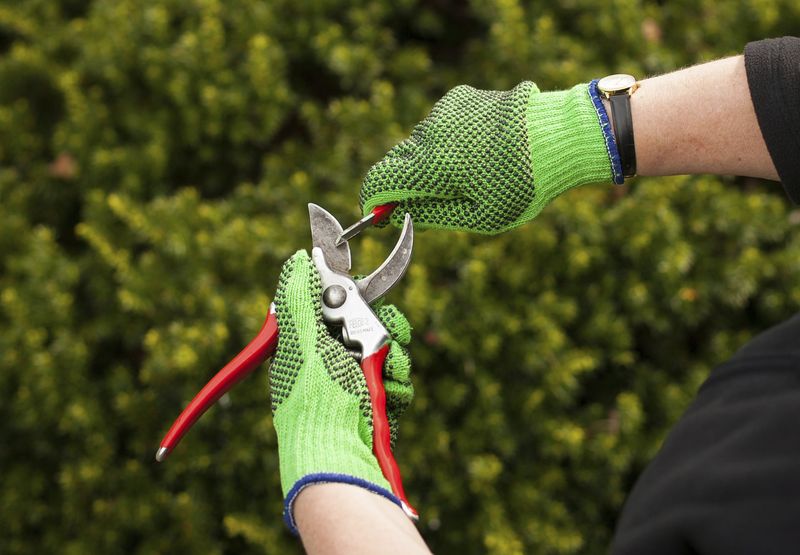
Your garden tools work hard throughout the growing season, and giving them attention before spring arrives ensures they perform at their best when you need them most.
Dull, rusty, or poorly maintained tools make gardening harder than it needs to be and can even damage plants. Sharp, clean tools make precise cuts that heal quickly and reduce the risk of introducing diseases.
Start by cleaning all your tools thoroughly, removing caked-on dirt and plant residue with a stiff brush and warm soapy water. Check metal parts for rust and remove it with steel wool or a wire brush, then apply a light coat of oil to prevent future rust formation.
Wooden handles benefit from sanding if they have developed splinters, followed by an application of linseed oil to prevent cracking and improve grip.
Sharpen blades on pruners, loppers, hoes, and shovels using a file or sharpening stone, following the existing bevel angle. Sharp tools require less effort to use and create cleaner cuts that are healthier for plants.
Replace any tools that have become too worn or damaged to repair, as struggling with broken equipment wastes time and energy you could spend actually gardening.
Check power equipment like mowers and trimmers too, changing oil and spark plugs according to manufacturer recommendations. Clean or replace air filters and sharpen or replace mower blades for the best cutting performance.
Texas lawns grow vigorously once spring arrives, so having your mower ready prevents scrambling when grass suddenly needs cutting.
Well-maintained tools last longer, work better, and make your gardening tasks more enjoyable throughout the busy spring and summer months.
6. Plan And Start Seeds Indoors
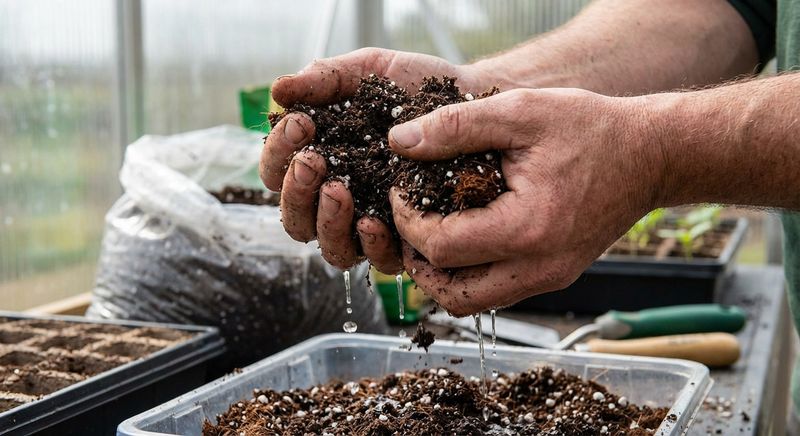
Texas gardeners can get a jump on the growing season by starting seeds indoors during late winter, giving plants a head start before outdoor conditions become suitable for transplanting.
Starting your own seeds opens up a world of variety beyond what local nurseries offer and costs far less than buying established transplants.
Tomatoes, peppers, and eggplants especially benefit from indoor starting since they need warm soil to germinate and a long growing season to produce well.
Begin by choosing varieties suited to Texas conditions, looking for heat-tolerant cultivars that can handle intense summer sun and high temperatures.
Calculate your planting dates by working backward from your last expected frost date, which varies across Texas from mid-February in southern regions to mid-March in northern areas.
Most warm-season vegetables need six to eight weeks of indoor growth before transplanting outdoors.
Use quality seed-starting mix rather than garden soil, which can be too heavy and may contain disease organisms that harm delicate seedlings. Plant seeds in clean containers with drainage holes, keeping them consistently moist but not waterlogged.
Place containers in a warm location with plenty of light, using grow lights if you do not have a sunny south-facing window. Seedlings need strong light to develop sturdy stems rather than becoming leggy and weak.
As seedlings grow, thin them to one strong plant per cell or pot, and begin fertilizing with diluted liquid fertilizer once true leaves appear. Harden off seedlings before transplanting by gradually exposing them to outdoor conditions over a week or two.
This preparation helps plants adjust to wind, direct sun, and temperature fluctuations they will face in your Texas garden, leading to better establishment and growth.
7. Check And Repair Irrigation Systems
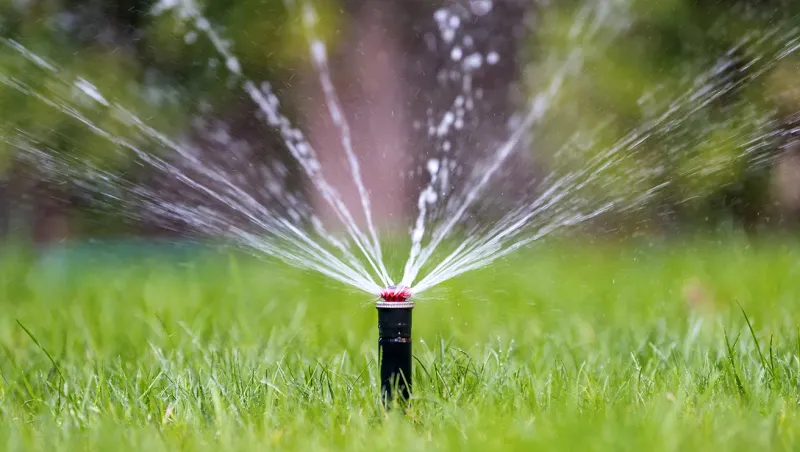
Water becomes precious in Texas gardens once summer heat arrives, making a properly functioning irrigation system essential for keeping plants healthy without wasting this valuable resource.
Late winter provides the perfect opportunity to inspect your irrigation setup, identify problems, and make repairs before you need the system running regularly.
Catching issues now prevents scrambling to fix leaks and broken sprinklers during the peak growing season.
Walk through your garden and turn on each irrigation zone, watching carefully for leaks, broken sprinkler heads, and clogged emitters in drip systems.
Look for areas where water pools or runs off rather than soaking in, which indicates you may need to adjust spray patterns or watering duration.
Check for sunken or tilted sprinkler heads that might have shifted over winter and no longer cover their intended areas properly.
Clean filter screens in drip irrigation systems and flush lines to remove any debris that accumulated during winter. Replace worn washers, cracked hoses, and damaged fittings before they fail completely.
Test your irrigation timer or controller to ensure it kept its programming and adjust watering schedules for the upcoming season. Texas spring weather can be unpredictable, so having a rain sensor installed prevents your system from running during storms and wasting water.
Consider upgrading to more efficient irrigation methods if your current system wastes water through overspray or poor coverage.
Drip irrigation and soaker hoses deliver water directly to plant roots with minimal waste, which matters tremendously during Texas drought conditions.
A well-maintained irrigation system conserves water, reduces your utility bills, and keeps your garden thriving even during the hottest, driest parts of summer.