8 Must-Have Annuals For A Beautiful Flower Garden In Pennsylvania
Perennials get a lot of well-deserved attention in Pennsylvania gardens, but annuals are the plants that actually let you go a little wild with color every single season.
There’s a creative freedom that comes with plants that give you a clean slate each year – you can change the color scheme, try something new, fill in gaps left by perennials, and keep the garden feeling fresh in a way that a purely perennial planting sometimes struggles to do.
The trick is knowing which annuals are genuinely worth your time and money in Pennsylvania’s specific climate.
Not every annual that looks stunning at the nursery in May is going to hold up through July humidity and August heat, and learning that lesson the hard way gets expensive quickly.
The annuals on this list earn their place in Pennsylvania gardens from the moment they go in the ground straight through to the first hard frost, delivering consistent, reliable color the entire time.
1. Petunias
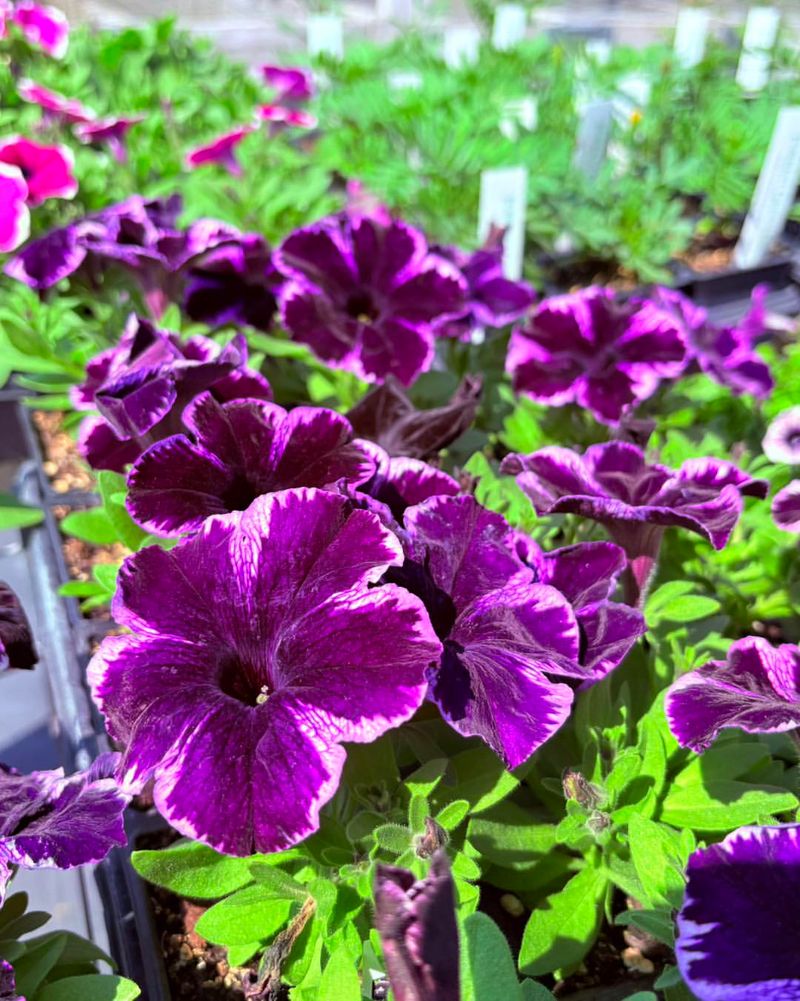
Few flowers put on a show quite like petunias. These cheerful bloomers have been a staple in Pennsylvania gardens for generations, and it is easy to see why.
From the moment warm weather settles in during late spring, petunias burst into color and simply do not stop until the first frost arrives in fall.
Petunias love full sun, so plant them where they will get at least six hours of direct sunlight each day. They grow well in garden beds, hanging baskets, and window boxes.
Water them regularly, especially during hot Pennsylvania summers, but make sure the soil drains well so the roots do not sit in standing water.
One of the best things about petunias is how low-maintenance they are. Deadheading spent blooms encourages even more flowers to grow.
If the plants start looking leggy by midsummer, trim them back by about one-third and they will bounce back quickly with fresh new growth.
Petunias come in dozens of colors including pink, purple, red, white, and even striped varieties. Wave petunias are especially popular in Pennsylvania because they spread wide and fill in garden spaces beautifully.
Whether you are a beginner or a seasoned gardener, petunias are one annual you will want to plant every single year.
2. Marigolds
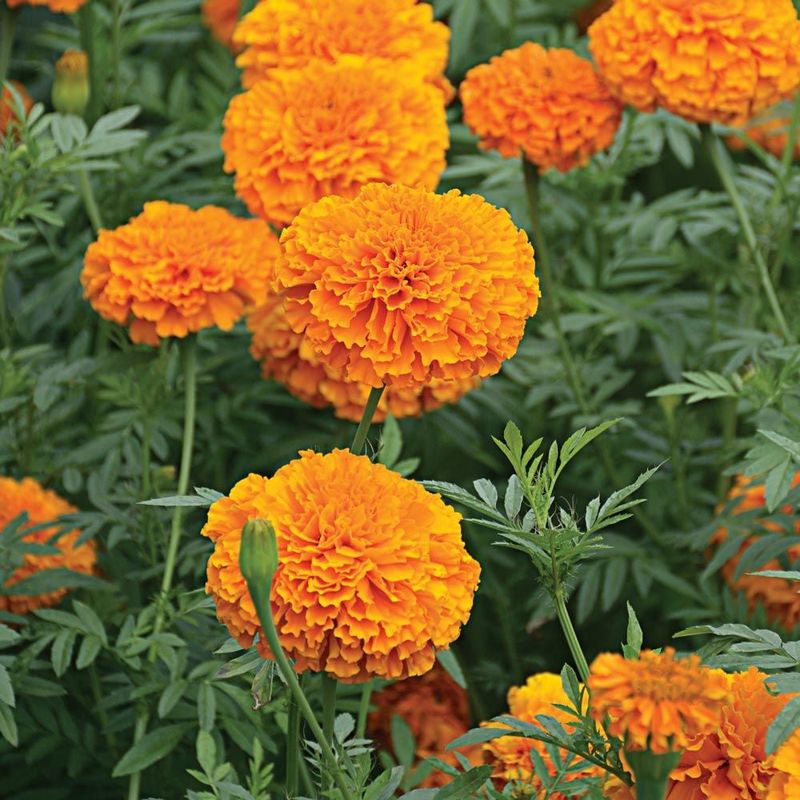
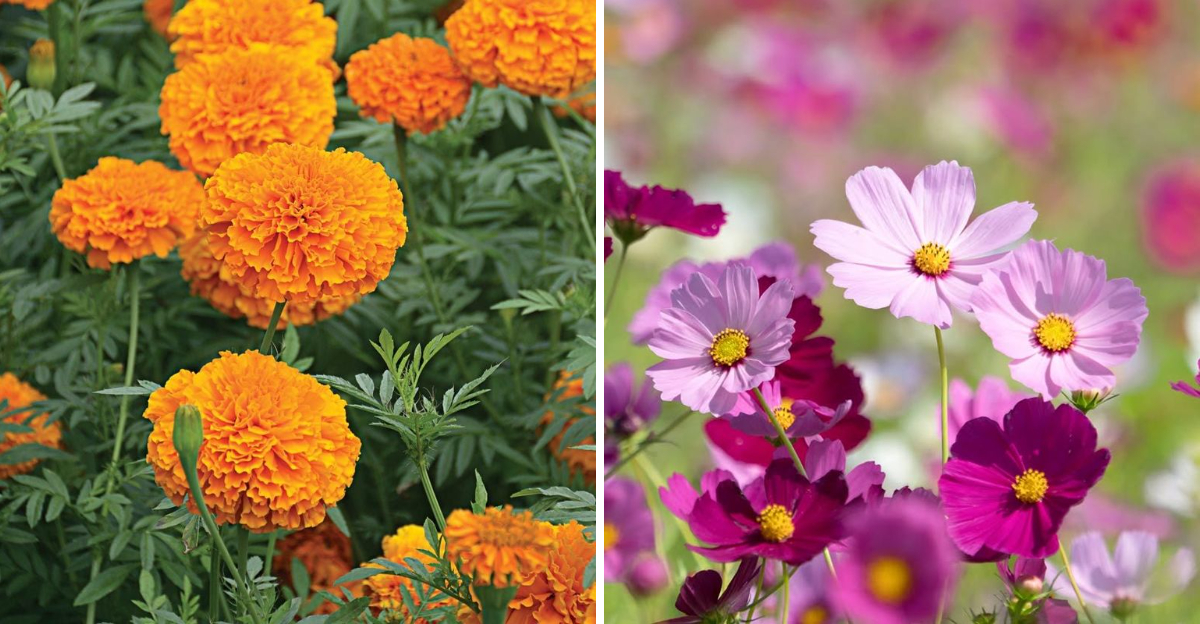
Marigolds are one of those flowers that just make a garden feel alive. Their bold orange, yellow, and red tones bring warmth and energy to any planting space, and they are one of the easiest annuals you can grow anywhere in Pennsylvania.
Even first-time gardeners find success with marigolds because they are so forgiving and tough.
One of the most talked-about benefits of growing marigolds is their ability to help deter common garden pests.
Many Pennsylvania gardeners plant them alongside vegetables like tomatoes and peppers because the strong scent of marigold foliage is believed to keep aphids, whiteflies, and even some nematodes at bay. It is a natural, simple solution that has been used for decades.
Marigolds thrive in full sun and handle the heat of a Pennsylvania summer with ease. They prefer well-drained soil and do not need much fertilizer. In fact, too much fertilizer can lead to more leaves and fewer flowers, so keep feeding light.
Your Pennsylvania Garden Changes Every Week. Your Plan Should Too.
Gardening in Pennsylvania changes quickly throughout the season. Every Friday you’ll receive a simple weekly plan showing exactly what to plant, prune, fertilize, harvest, and protect so you never miss the right timing.
Did you know marigolds have been used in celebrations and rituals across cultures for hundreds of years? Beyond their history, they are simply reliable garden workhorses.
Deadhead the faded blooms regularly to keep new flowers coming strong all the way through fall. Plant them in borders, containers, or mixed beds for bold, cheerful color all season long.
3. Zinnias
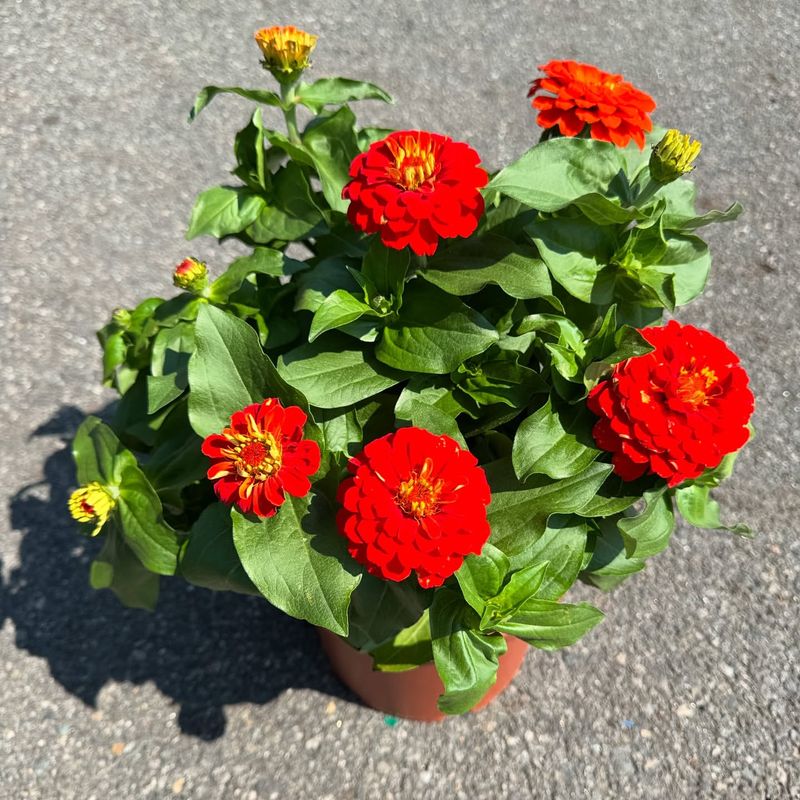
Zinnias grow fast, bloom big, and absolutely love the heat of a Pennsylvania summer. If you have ever wanted a flower that practically takes care of itself while delivering stunning color all season, zinnias are your answer.
They go from seed to bloom in as little as six to eight weeks, making them one of the most rewarding annuals to grow.
What really sets zinnias apart is how much they attract pollinators. Butterflies, bees, and hummingbirds are drawn to zinnia blooms like a magnet.
If you want to support local pollinators in Pennsylvania while also enjoying a gorgeous garden, a big patch of zinnias is one of the best things you can plant. The more you grow, the more wildlife you will see visiting your yard.
Zinnias prefer full sun and well-drained soil. They are drought-tolerant once established, which is a big plus during dry Pennsylvania summers.
Water at the base of the plant rather than overhead to help prevent powdery mildew, which can be an issue in humid conditions.
Cut zinnia flowers for bouquets and the plant will respond by producing even more blooms. They come in single, double, and semi-double flower forms in nearly every color imaginable.
From compact dwarf varieties for containers to tall cutting-garden types, there is a zinnia perfect for every corner of your Pennsylvania garden.
4. Impatiens
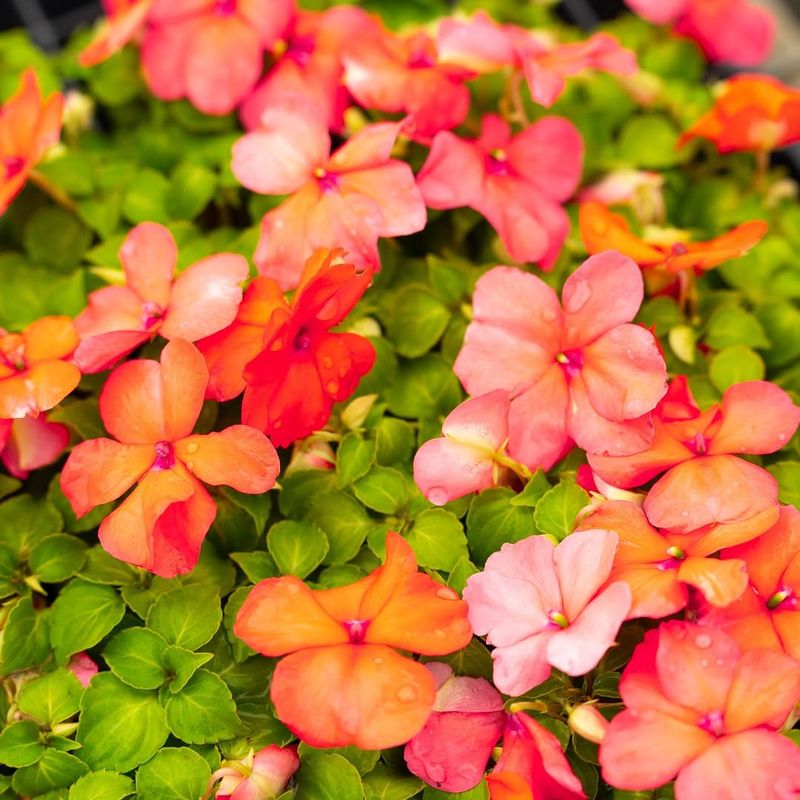
Most flowers want full sun, but what about those shady spots under trees or along the north side of your home? That is exactly where impatiens shine.
Pennsylvania yards often have areas that get little to no direct sunlight, and impatiens are practically made for those challenging spaces. They bring steady, reliable color to places where most other annuals simply would not survive.
Impatiens produce small but plentiful blooms that come in shades of pink, red, coral, white, and lavender. They bloom continuously from planting time all the way through fall without much effort on your part.
You do not even need to deadhead them because spent flowers drop on their own and new buds keep forming right behind them.
Keep the soil consistently moist since impatiens do not handle drought well. They also appreciate a bit of shade during the hottest part of the afternoon, especially in warmer parts of Pennsylvania.
Mulching around the base helps retain moisture and keeps the roots cool on warm days. One helpful tip is to look for impatiens varieties labeled as downy mildew resistant when shopping at your local Pennsylvania nursery.
A disease called downy mildew affected many impatiens plantings in recent years, but newer resistant varieties have largely solved that problem. Plant them in masses under trees or along shaded walkways for a lush, colorful display all summer.
5. Cosmos
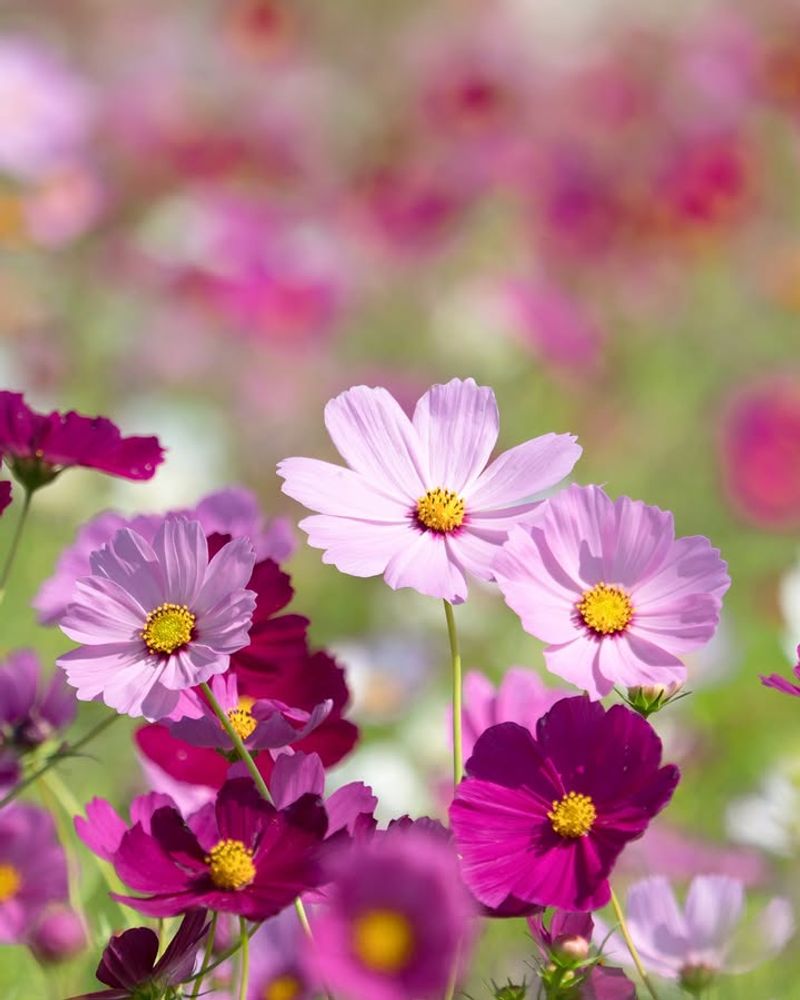
There is something almost magical about a field of cosmos swaying gently in a summer breeze. These light, airy flowers bring a relaxed, cottage-garden feel that is hard to match with any other annual.
Cosmos are incredibly easy to grow in Pennsylvania, and they reward even the most hands-off gardeners with armfuls of beautiful blooms.
Cosmos prefer full sun and actually thrive in poor to average soil. Adding too much fertilizer or planting them in rich soil tends to produce lots of leafy growth but fewer flowers.
So resist the urge to over-amend your garden beds. Just give them sunshine, occasional watering, and some room to spread out.
These flowers grow tall, sometimes reaching three to four feet in height, which makes them excellent as a background planting or a casual privacy screen along fences.
They bloom from midsummer through fall and attract butterflies and beneficial insects to your Pennsylvania garden. Deadheading spent flowers extends the bloom season significantly.
You can direct-sow cosmos seeds right into the garden after the last frost date in Pennsylvania, which typically falls in mid-April to mid-May depending on your region. They germinate quickly and establish fast.
Pink, white, lavender, and bicolor varieties are widely available. Once you grow cosmos, you will likely save the seeds and replant them every single year because they are just that easy and beautiful.
6. Begonias
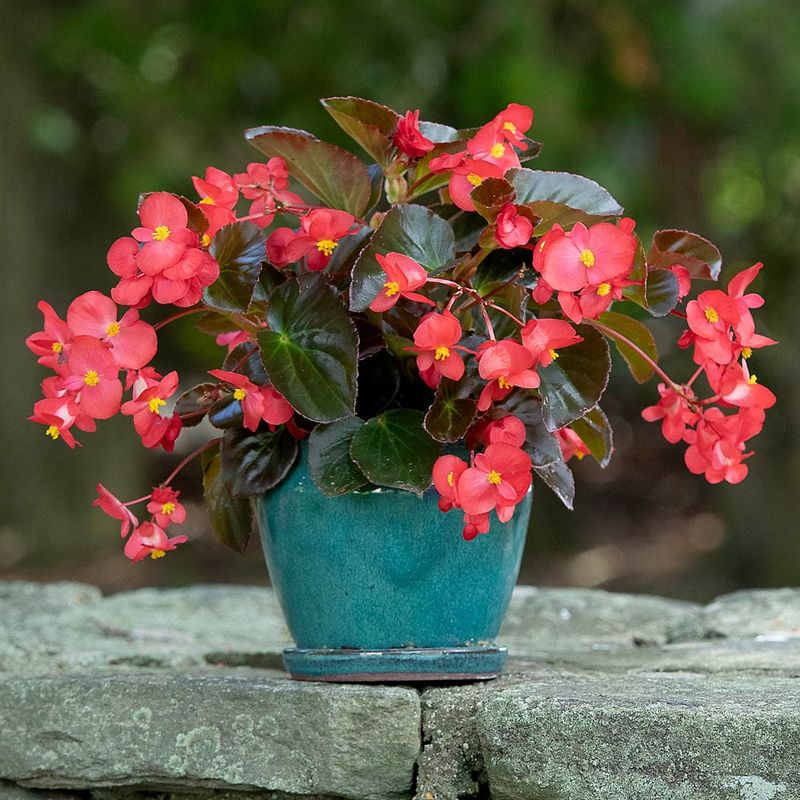
Begonias might just be the most dependable annual you can plant in a Pennsylvania garden. While other flowers can be finicky about weather, soil, or sunlight, wax begonias seem to handle just about anything the season throws at them.
They bloom steadily from late spring all the way through the first hard frost without asking for much attention in return.
One of the things that makes begonias so versatile is their ability to perform in both sunny and partially shaded locations. Not many annuals can claim that.
Whether your garden spot gets full morning sun or stays mostly shaded throughout the day, begonias will adjust and keep blooming. That flexibility makes them a go-to choice for Pennsylvania gardeners working with mixed light conditions.
Wax begonias come in red, pink, white, and bicolor flower options with either green or bronze-tinted foliage. The bronze-leafed varieties tend to handle more sun exposure better than the green-leafed types.
Either way, they stay compact, tidy, and attractive all season with almost no pruning or deadheading required.
Plant begonias in well-drained soil and water them when the top inch of soil feels dry. They do not like soggy roots.
In Pennsylvania, you can find begonias at nearly every garden center from late April onward. Use them as edging plants, fill containers with them, or mass-plant them in beds for a clean, polished look that lasts all summer long.
7. Salvia
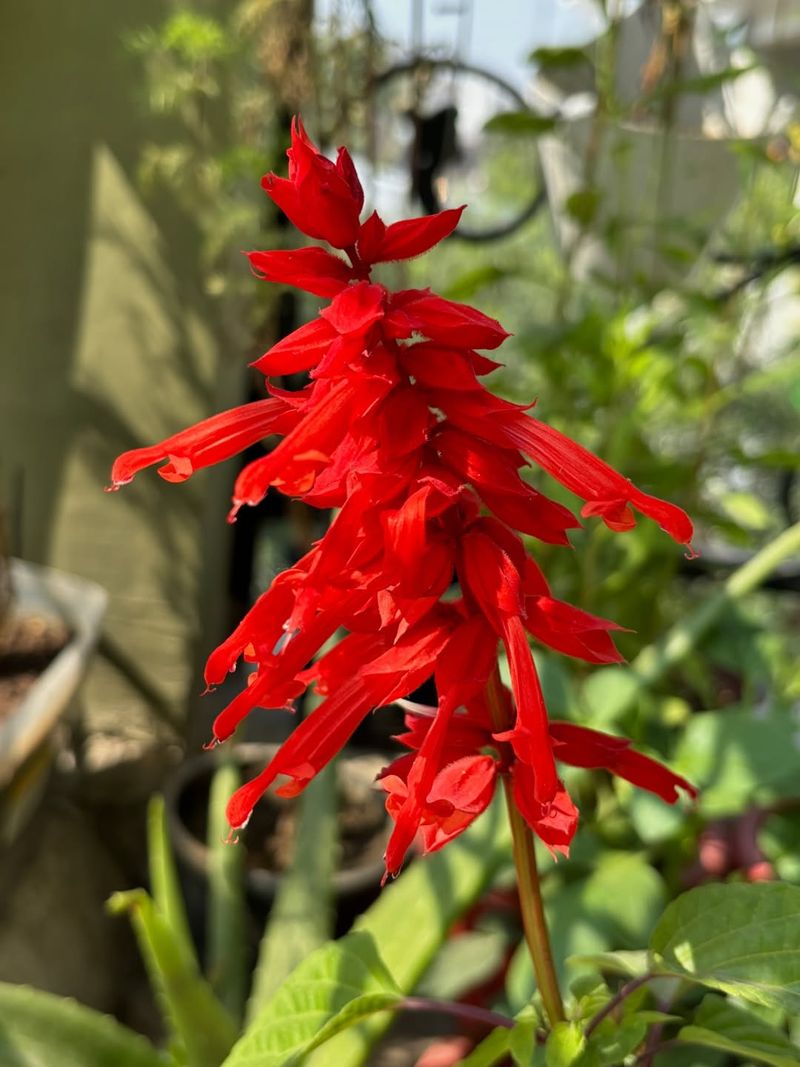
Bold, upright, and absolutely eye-catching, salvia brings a different kind of energy to a Pennsylvania flower garden. The tall spikes of color stand out among rounded and spreading plants, adding structure and drama to any planting design.
And if you love watching hummingbirds visit your yard, red salvia is one of the single best plants you can grow to attract them.
Salvia splendens handles heat well, which is a big advantage during the hot and humid summers that Pennsylvania gardeners know all too well. Once established, it holds up through heat waves that cause other annuals to wilt and struggle.
Plant it in a sunny location with well-drained soil, and it will reward you with color from early summer through fall.
While red is the classic and most popular color, salvia also comes in purple, salmon, white, and bicolor options. Mixing different colors together creates a striking display in beds and borders.
Salvia looks especially sharp when planted alongside silver-leafed plants or white flowers that help the bold tones pop even more.
Water salvia consistently while it is getting established in your garden. Once it has settled in, it becomes more drought-tolerant and needs less frequent attention.
Deadhead the spent flower spikes to encourage new growth and continued blooming. In Pennsylvania, salvia is widely available at nurseries and garden centers starting in late spring, making it easy to add to your seasonal planting plan.
8. Sweet Alyssum
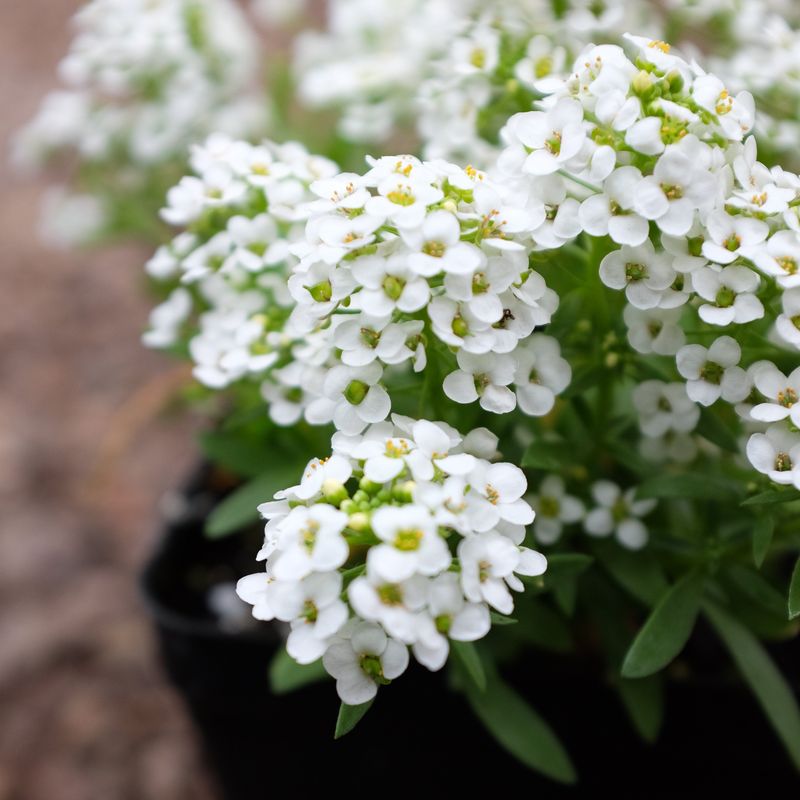
Sweet alyssum is proof that small flowers can make a huge impact. This low-growing annual forms a soft carpet of tiny blooms that spills beautifully over the edges of containers, fills gaps between larger plants, and creates a clean, finished look along garden borders.
But the real surprise is the fragrance. Sweet alyssum has a soft, honey-like scent that drifts through the garden on warm Pennsylvania afternoons.
Alyssum thrives in full sun to partial shade, which gives it a lot of flexibility in the garden. It prefers cooler temperatures and actually blooms most heavily in spring and fall in Pennsylvania.
During the hottest weeks of midsummer, it may slow down a bit, but a light trim will encourage a fresh flush of blooms as temperatures ease in late August and September.
This plant is a favorite among beneficial insects. Tiny parasitic wasps and hoverflies are especially attracted to alyssum blooms, and those insects help control common garden pests naturally.
Planting alyssum near vegetable gardens or around other flowering annuals is a smart and eco-friendly strategy for Pennsylvania gardeners.
Sweet alyssum is available in white, purple, pink, and rose shades. It grows only four to six inches tall, making it ideal as a ground cover or filler plant.
You can even direct-sow seeds in early spring since alyssum tolerates light frost. Once established, it often self-seeds and returns in the same spot the following year, giving you a head start on next season.