8 Native Ohio Flowers To Plant In May For Summer-Long Color
May in Ohio has a way of making gardeners feel behind. The season is already moving, the garden centers are packed, and everyone seems to know exactly what they are doing except you.
Most people grab whatever looks good at the moment without thinking much past the next few weeks. That is where a lot of Ohio gardens run out of steam by July.
The early color fades, nothing is ready to take over, and the yard spends the back half of summer looking like it gave up. Native flowers planted in May sidestep that problem entirely.
They are timed for this climate, built for Ohio summers, and once they get going they do not need much convincing to keep producing color straight through until fall.
1. Plant Butterfly Weed For Fiery Orange Summer Blooms
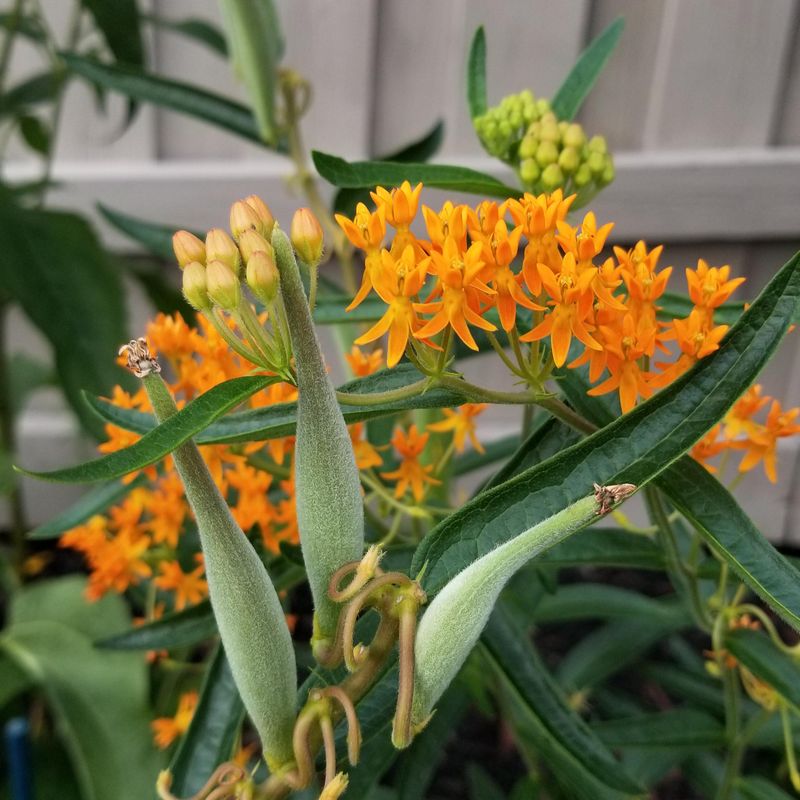
Few native plants stop people in their tracks quite like butterfly weed in full bloom.
Asclepias tuberosa lights up a sunny Ohio garden bed with clusters of vivid orange flowers that practically glow from midsummer onward.
The color is bold enough to anchor a whole planting, and it looks stunning paired with purple coneflower or black-eyed Susan.
Butterfly weed is native to Ohio and thrives in full sun with well-drained soil. Unlike swamp milkweed or tropical milkweed, this species prefers dry to average conditions and handles drought much better once it gets established.
Sandy or loamy soil is ideal, but it can manage in average garden beds as long as water does not pool around the roots.
One thing to keep in mind before you plant: butterfly weed has a deep taproot, which means it really dislikes being moved after it settles in. Pick your spot carefully in May, get it in the ground, and let it grow.
Moving it later often sets the plant back significantly.
On the pollinator side, the blooms attract monarch butterflies, swallowtails, and native bees throughout summer. Monarchs also use it as a host plant for their larvae.
Planting nursery-grown transplants in May gives you the best chance of seeing flowers that same summer. Expect blooms roughly from late June through August, depending on your part of Ohio.
2. Add Purple Coneflower For Long Lasting Pollinator Color
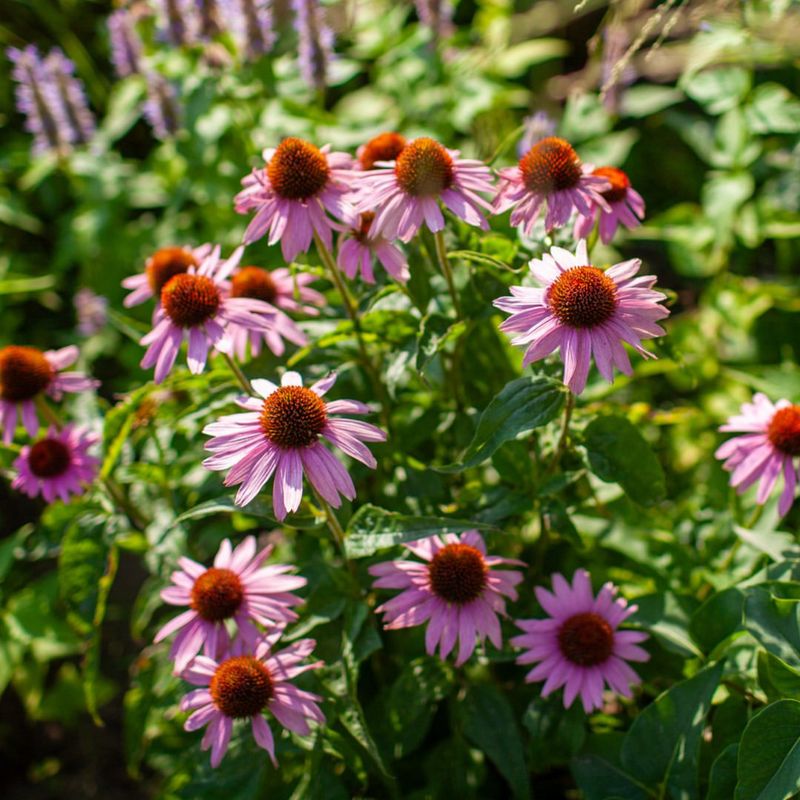
Purple coneflower is one of those Ohio natives that earns its spot in the garden every single year.
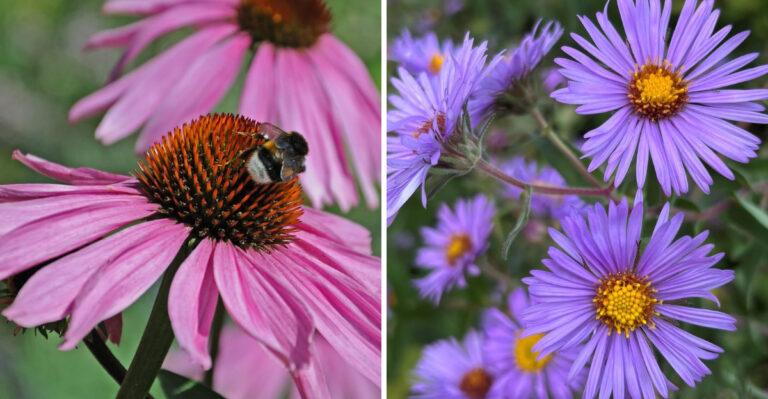
Echinacea purpurea produces cheerful purple-pink daisy-like flowers with raised, spiky orange-brown centers, and the blooms keep coming for a solid stretch of summer when the plant is healthy and well-sited.
Full sun to light shade works well for coneflower in Ohio gardens. Average, well-drained soil is the sweet spot, and established plants handle dry spells reasonably well once their roots are settled.
Planting nursery-grown transplants or plugs in May gives them time to establish before the heat of July, and most will reward you with flowers that first summer.
Pollinators absolutely love the blooms. Bumblebees, native bees, and butterflies visit throughout the flowering period, which typically runs from late June into August or even early September in some Ohio gardens.
Your Ohio Garden Changes Every Week. Your Plan Should Too.
Gardening in Ohio changes quickly throughout the season. Every Friday you’ll receive a simple weekly plan showing exactly what to plant, prune, fertilize, harvest, and protect so you never miss the right timing.
Deadheading spent flowers can encourage additional blooms, but leaving some seed heads later in the season gives goldfinches and other seed-eating birds a food source in fall.
Do not expect nonstop flowers without any attention. Plants in too much shade or overly wet soil may bloom less freely.
Spacing plants well to allow good airflow around the foliage helps keep the leaves looking clean. Purple coneflower is a reliable, beautiful, and genuinely useful plant for any Ohio pollinator garden.
3. Grow Black Eyed Susan For Bright Golden Flowers
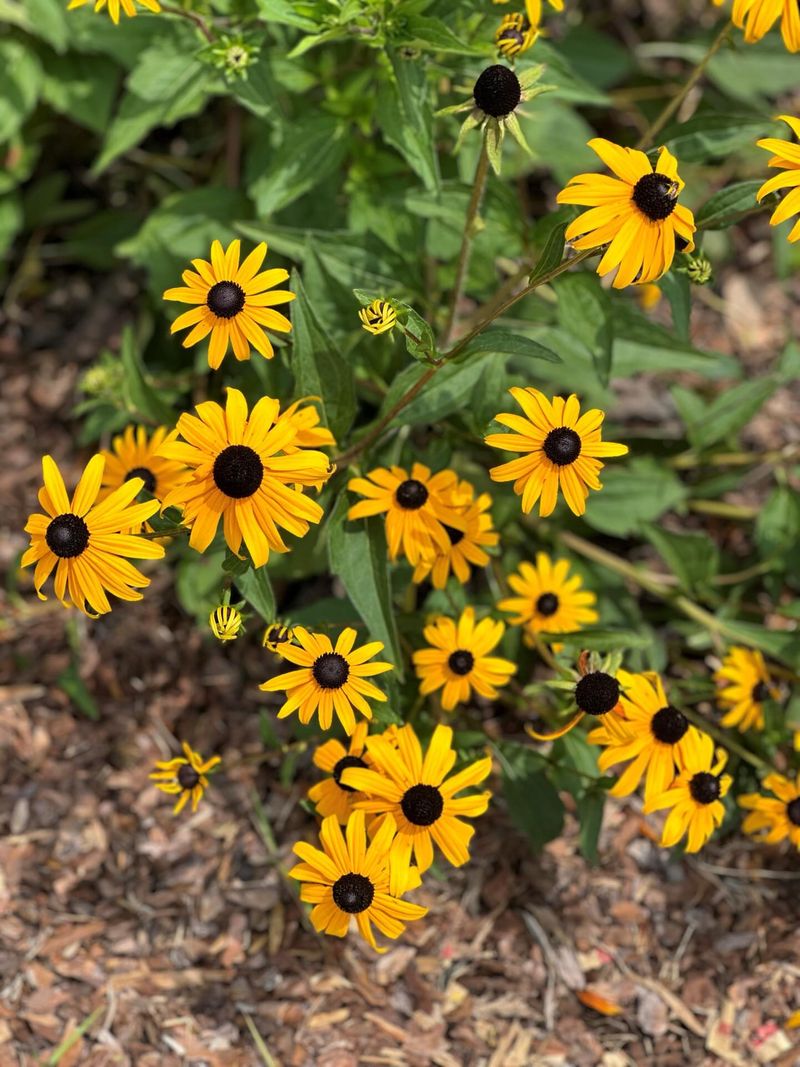
There is something undeniably cheerful about a patch of black-eyed Susans in a July garden. Rudbeckia hirta brings bold yellow-gold flowers with nearly black centers, and they bloom in generous numbers when the plant is happy in a sunny spot.
The color is warm and bright without being overwhelming, and it mixes well with almost anything.
Black-eyed Susan is native to Ohio and fits naturally into sunny beds, meadow-style plantings, and pollinator gardens. It behaves as a short-lived perennial or biennial in many Ohio gardens, meaning individual plants may not return every single year.
The good news is that it reseeds reliably where conditions suit it, so a well-placed patch tends to maintain itself over time.
For gardeners who want flowers this summer, buying nursery-grown transplants and planting them in May is the right move. Starting from seed in May is possible, but many plants grown that way will not bloom until their second season.
Transplants give you a head start and usually flower by midsummer.
Bloom time typically runs from late June through August across most of Ohio. Full sun and average to dry soil produce the strongest plants.
Overly rich or wet soil can cause floppy stems. Pollinators, including native bees and butterflies, visit the blooms regularly, making black-eyed Susan a practical and colorful addition to any Ohio native garden.
4. Tuck In Wild Bergamot For Lavender Blooms And Bees
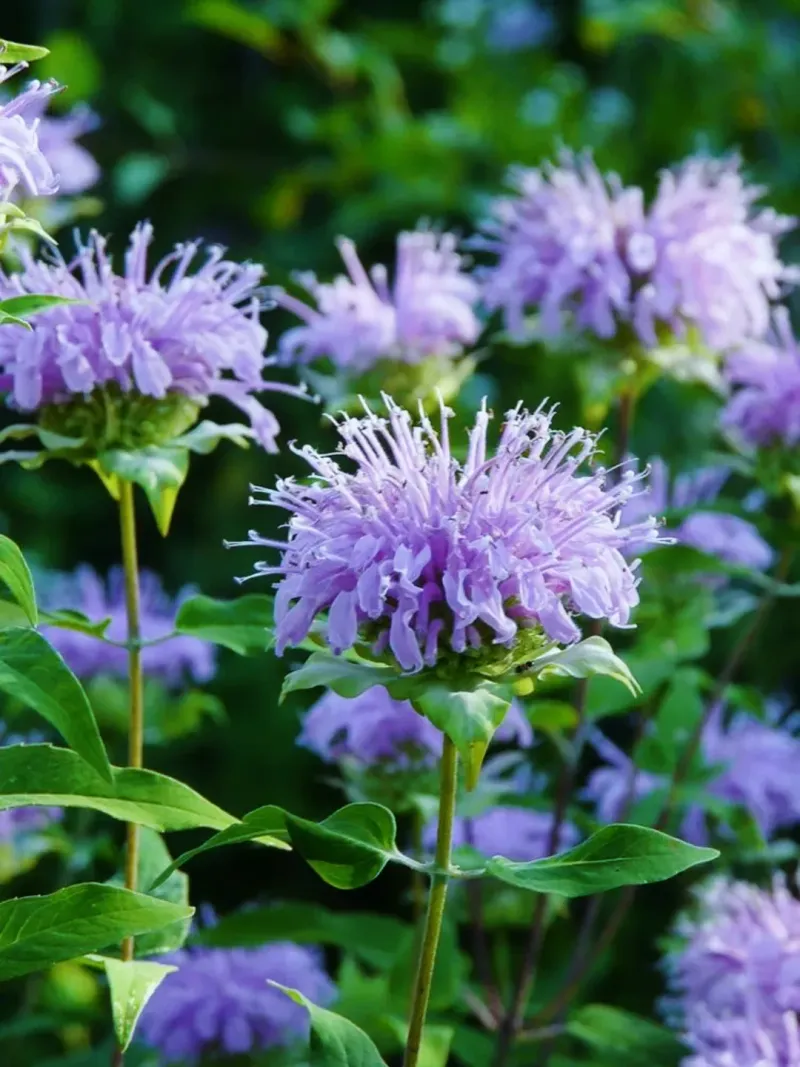
Walk past a patch of wild bergamot on a warm July afternoon and you will almost certainly hear it before you see it.
The lavender to pinkish-purple flower clusters of Monarda fistulosa buzz with bumblebees, native bees, and butterflies from midsummer onward, making it one of the most pollinator-rich plants you can add to an Ohio native garden.
Wild bergamot is native to Ohio and grows well in full sun to part sun with average to dry soil once established. Unlike some of its showier cultivated cousins, the straight native species handles lean conditions and dry stretches with real toughness.
Rich, moist soil can actually lead to floppy stems and more disease pressure.
Powdery mildew is a real concern with Monarda in Ohio’s humid summers. Giving plants plenty of space and planting in a spot with good airflow goes a long way toward keeping the foliage looking presentable.
The mildew rarely harms the plant seriously, but it can affect the look of the leaves later in the season.
Bloom time generally runs from late June through August. Nursery-grown transplants put in the ground during May should establish well and produce flowers that first summer.
The aromatic foliage has a pleasant oregano-like scent when brushed. Wild bergamot should not be confused with red bee balm cultivars, which are different plants with different site needs.
5. Choose Dense Blazing Star For Tall Purple Flower Spikes
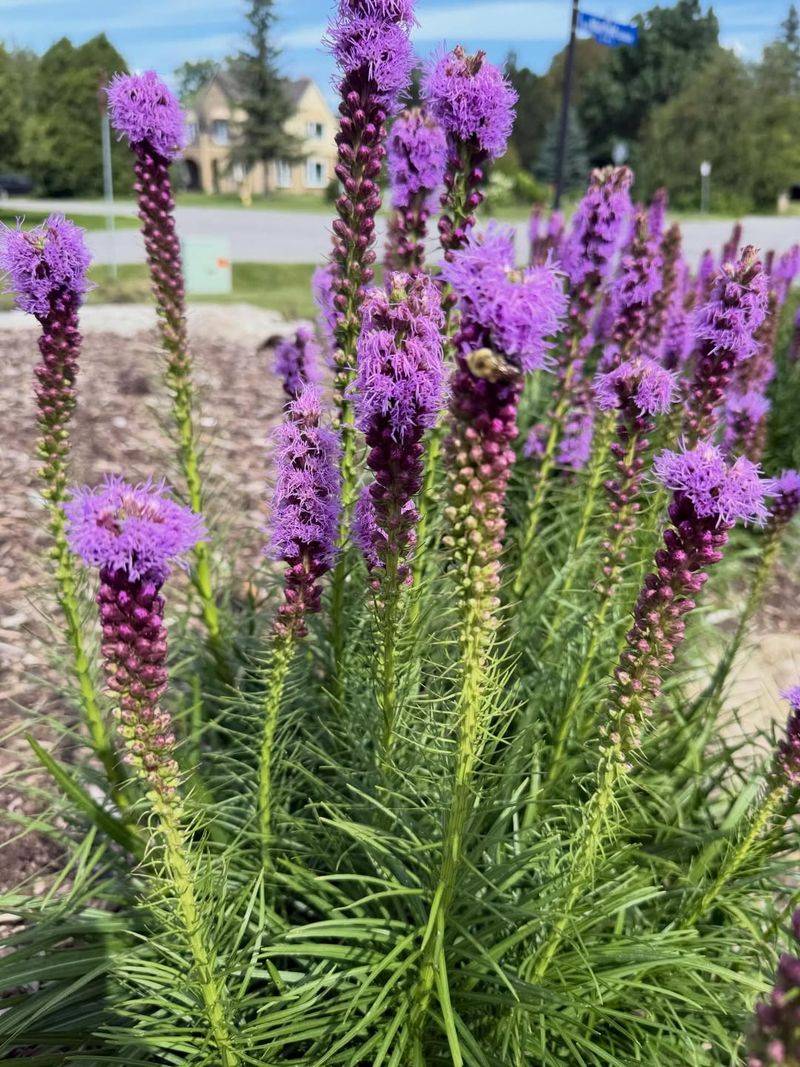
If your summer garden feels flat and needs some vertical drama, dense blazing star is the answer. Liatris spicata sends up tall, upright purple flower spikes that rise well above the surrounding foliage and create bold vertical color from midsummer into late summer.
The blooms open from the top of the spike downward, which is the opposite of most flowering plants and gives the whole display a distinctive look.
Dense blazing star is native to Ohio and grows best in full sun with moist to average soil.
Unlike some prairie natives that strictly prefer dry conditions, Liatris spicata actually tolerates consistently moist ground, making it a smart choice for rain gardens or beds that hold some moisture after heavy Ohio rains.
It does not do well in standing water, but it handles wet-dry cycles better than many plants.
Pollinators are strongly attracted to the purple spikes. Monarch butterflies, swallowtails, and native bees visit frequently during bloom.
The flowers typically appear from July into September, giving your garden rich color well after some earlier bloomers have faded.
Planting nursery-grown transplants or corms in May gives the plant time to settle in before summer heat arrives. Blazing star grows from a corm-like base and is very winter hardy across Ohio.
Once established, clumps can be divided every few years to keep plants vigorous and to share with other gardeners in your neighborhood.
6. Use Cardinal Flower For Red Color In Damp Spots
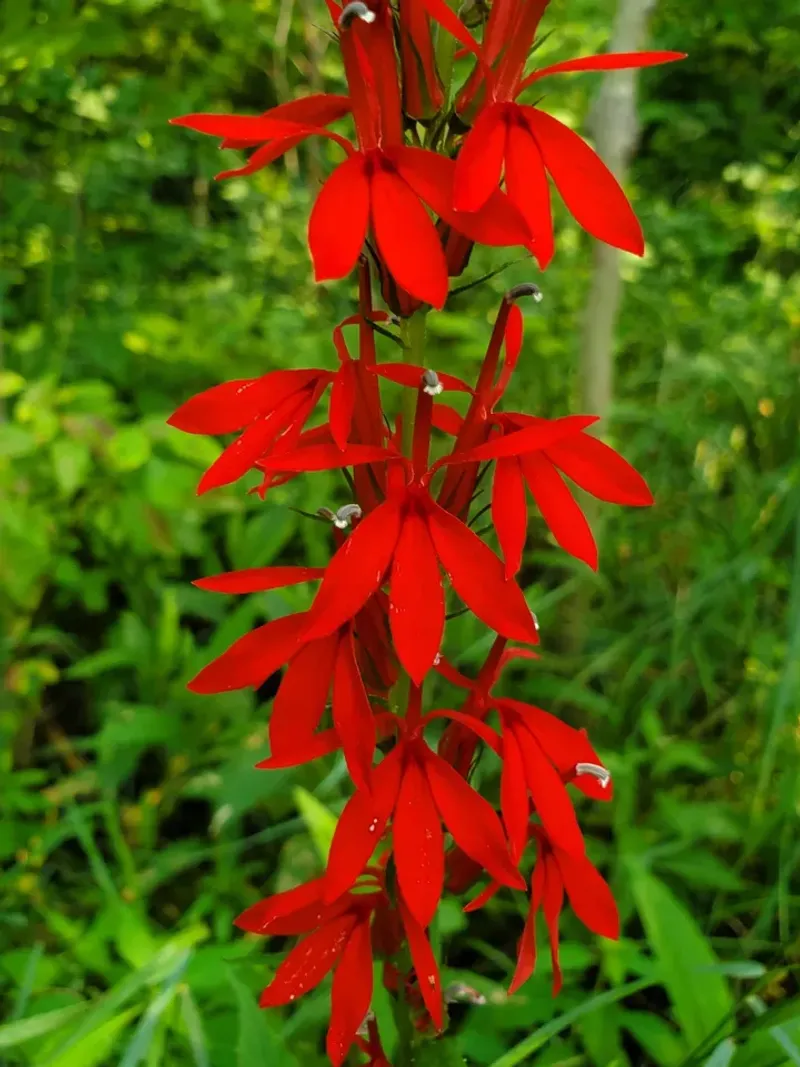
Bright red is not a color that shows up often in Ohio native plantings, which is exactly what makes cardinal flower so exciting.
Lobelia cardinalis produces tall spikes of vivid scarlet-red tubular flowers in summer, and they stand out against green foliage like nothing else in a shaded or moist garden corner.
Cardinal flower is native to Ohio and naturally grows along stream banks, pond edges, and wet meadows. In the garden, it thrives in consistently moist to wet soil with part shade to full sun.
Rain gardens, low spots that stay damp, and pond or stream edges are ideal placements. Hot, dry, sandy soil is not where this plant will be happy, so matching it to the right spot is essential for success.
Hummingbirds are the primary pollinators of cardinal flower, and the connection is remarkable to watch. The red tubular blooms are perfectly shaped for hummingbird bills, and once a hummingbird finds your planting, it will return throughout the flowering season.
Bloom time typically runs from July into September across Ohio.
Nursery-grown transplants placed in the ground during May will establish well if kept consistently moist during the first season.
Cardinal flower is a short-lived perennial that reseeds itself when conditions are right, so a well-placed grouping can persist in the garden for many years.
Allow some seed heads to mature at the end of the season to encourage natural self-seeding nearby.
7. Plant Ohio Spiderwort For Early Summer Purple Blooms
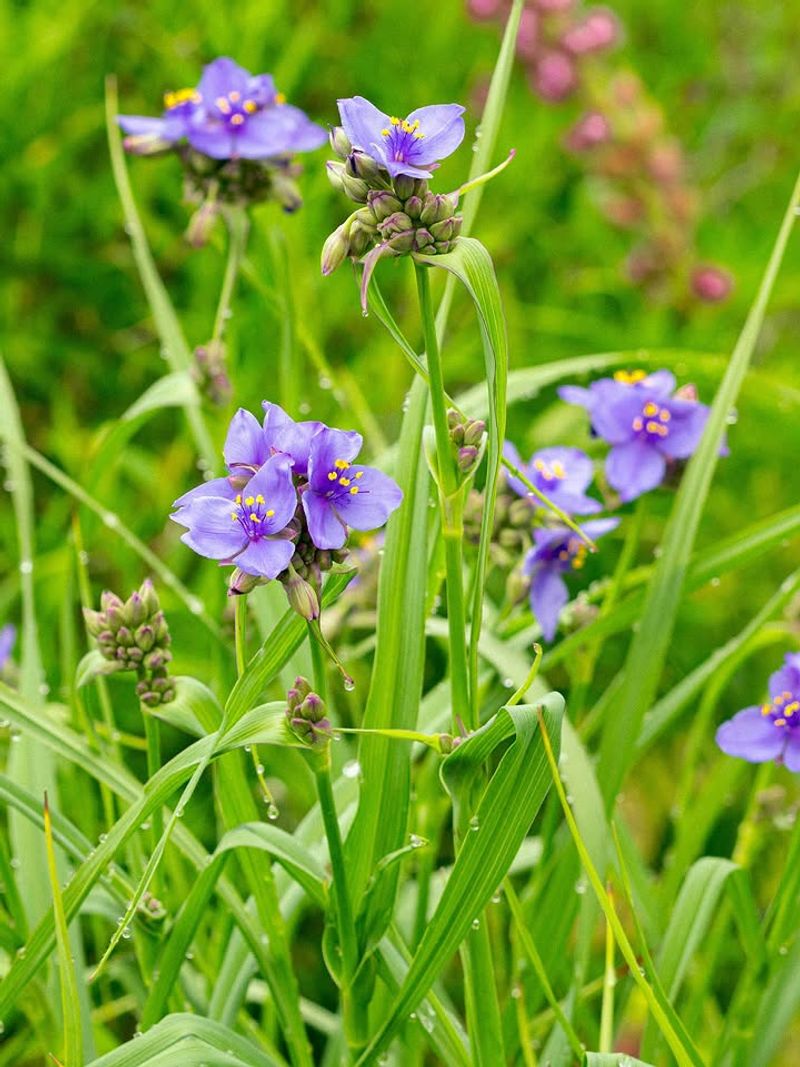
Every native garden needs a plant that bridges the gap between spring and summer, and Ohio spiderwort does exactly that job.
Tradescantia ohiensis opens its blue-purple three-petaled flowers in late spring and keeps blooming into early summer, filling the weeks before the heavy midsummer bloomers fully hit their stride.
Ohio spiderwort is genuinely native to Ohio, as the name suggests, and it adapts to a wider range of conditions than many native perennials. Sun to part shade and average garden soil suit it well.
It handles clay soil reasonably, which is great news for Ohio gardeners who deal with heavy clay in their beds and borders.
One thing that surprises new growers is that the flowers tend to close during the hottest part of the afternoon, especially on warm summer days. This is completely normal behavior and not a sign of stress.
Morning is when the blooms are fully open and most attractive, so plan to enjoy them early in the day.
Clumps of spiderwort can spread over time and may flop after blooming finishes in early to midsummer. Cutting plants back by about half after the main bloom period encourages fresh foliage and sometimes a second flush of flowers later in the season.
Planting nursery-grown transplants in May lets the plant settle in before its natural bloom window opens, so you can enjoy the full early summer show right away.
8. Add Obedient Plant For Late Summer Pink Flower Spikes
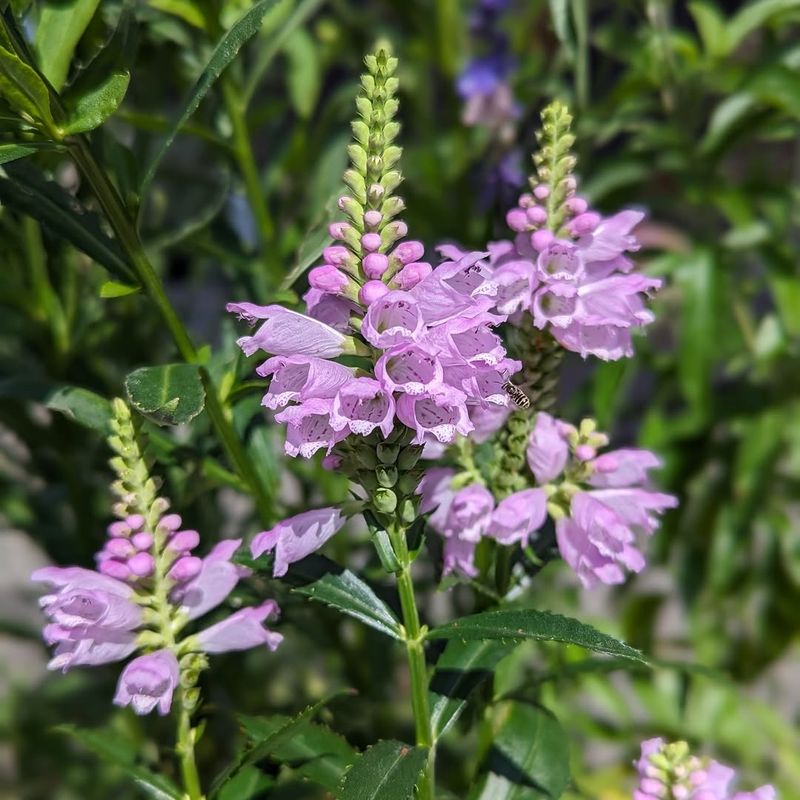
By late July and August, many earlier bloomers are winding down, and that is exactly when obedient plant steps up.
Physostegia virginiana sends up tall, upright spikes covered in tubular pink to soft lavender flowers, extending color in the garden well after coneflowers and black-eyed Susans have peaked.
For Ohio gardeners building a summer-long planting, late bloomers like this are worth their weight in gold.
Obedient plant is native to Ohio and grows well in sun to part sun with average to moist soil. It handles the wet-dry swings that are common in Ohio summers and performs especially well in beds that get consistent moisture.
Overly dry spots may reduce its vigor, so pairing it with cardinal flower or blazing star in a moister bed makes good sense.
The name comes from a quirky characteristic: individual flowers can be pushed to one side of the stem and will stay in that position, at least briefly.
Bees find the blooms very attractive during the late summer weeks when fewer flowers are available across the garden.
One honest note for Ohio gardeners: obedient plant can spread enthusiastically through underground stems in conditions it likes. Placing it where it has room to fill in, or dividing clumps every two to three years, keeps it from crowding neighbors.
It is not considered invasive in Ohio, but giving it space and managing the clumps occasionally keeps the planting tidy and healthy.