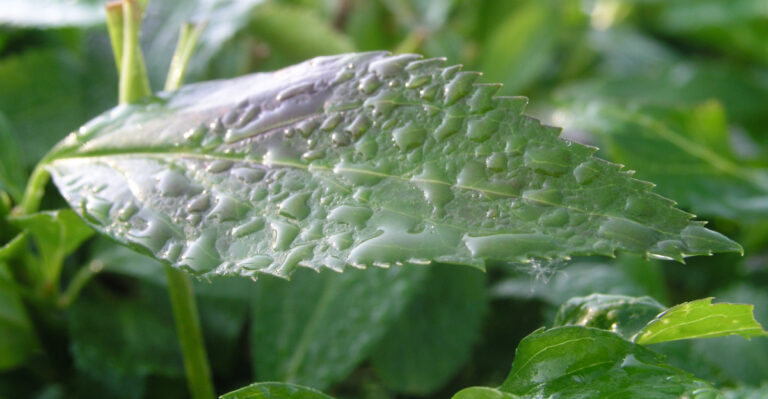
Native Georgia Shrubs To Replace Red Tip Photinia Hedges Full Of Leaf Spots
A red tip photinia hedge covered in dark red spots can look a little worse every time you walk by.
Those spots come from a fungal disease that has hit these hedges hard across much of Georgia. Once it settles in, leaves drop early and the hedge thins from the inside out.
Spraying can slow it down, but keeping a badly infected hedge looking full takes steady effort.
Many homeowners reach a point where pulling the photinia makes more sense than fighting it.
Replacing a whole hedge feels like a big decision when you want privacy back quickly. Native shrubs can fill that role and often hold up better against what ruined the old row.
Look closely at how much bare space your hedge shows from the street right now.
1. Wax Myrtle Fills Gaps With Fragrant, Olive-Green Foliage
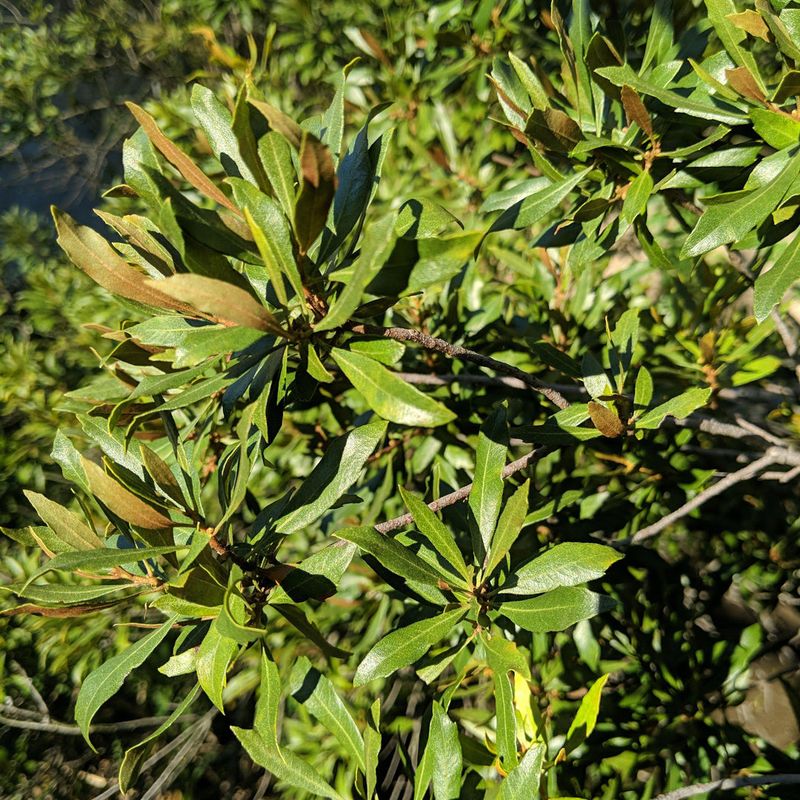
When a photinia hedge starts thinning out, wax myrtle can step in and close those gaps faster than most native shrubs. It grows quickly and often adds a couple of feet a year once its roots settle in.
The leaves are a soft olive green, and they give off a clean, spicy scent when you brush past them.
That fragrance is a big part of the charm. It turns a quick walk to the mailbox into something a little more pleasant, especially on warm mornings.
Wax myrtle is also tough about where it grows. It handles full sun or part shade and puts up with both soggy low spots and dry, sandy soil, which makes it a solid pick for yards all over Georgia.
Birds notice it too, since female plants produce small gray-blue berries that hang on through winter.
There are a couple of things to keep in mind before planting a whole row. Wax myrtle can send up suckers and spread wider than expected, so leave enough room or plan on trimming the edges.
Older plants may also get open near the base. A light yearly shaping keeps the hedge thick and healthy from top to bottom.
Give each plant enough room to develop its natural shape, especially if you want the screen to stay full without constant trimming.
With the right spacing, the row can settle into a dense, relaxed screen that looks less rigid than the photinia it replaced.
2. Yaupon Holly Handles Regular Clipping As A Screening Hedge
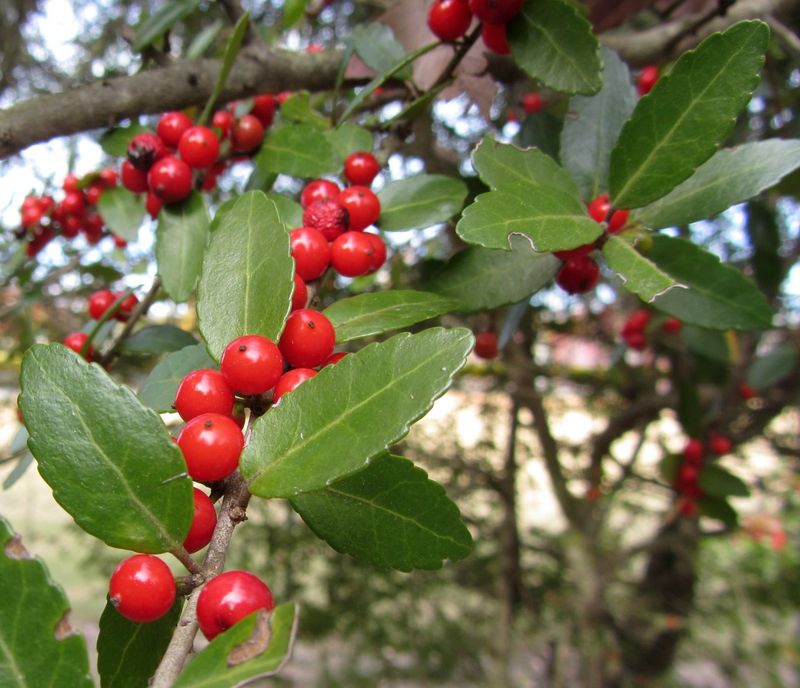
Yaupon holly is one of the easiest native shrubs to shape into a neat, formal hedge. Its small, glossy leaves sit close together, so the plant stays dense even after a hard trim.
That makes it a natural fit for anyone who liked the tidy look of a clipped photinia row.
Yaupon doesn’t mind regular pruning. You can shear it twice a year, and it pushes out fresh growth that fills in quickly.
It also shrugs off heat, drought, and poor soil once it’s established. Clay, sand, sun, or partial shade all seem to suit it, which is why it shows up in so many Georgia landscapes.
Your Georgia Garden Changes Every Week. Your Plan Should Too.
Gardening in Georgia changes quickly throughout the season. Every Friday you’ll receive a simple weekly plan showing exactly what to plant, prune, fertilize, harvest, and protect so you never miss the right timing.
Female plants add a bonus with bright red berries in fall and winter.
Those berries only form if a male plant grows nearby, so ask the nursery which kind you’re getting. If berries matter to you, a mix of plants is the safest bet.
Size depends mostly on the variety you choose. The straight species can reach 15 to 20 feet, while dwarf types stay low and rounded.
For privacy, pick an upright form and space plants 3 to 4 feet apart. Within a few seasons, they knit into one solid green wall.
A wider planting bed gives the roots room to spread and keeps the shrubs from competing too heavily as they mature.
Once established, the hedge can stay attractive with simple seasonal trimming instead of demanding constant attention.
3. Inkberry Makes A Compact Option For Lower Hedges
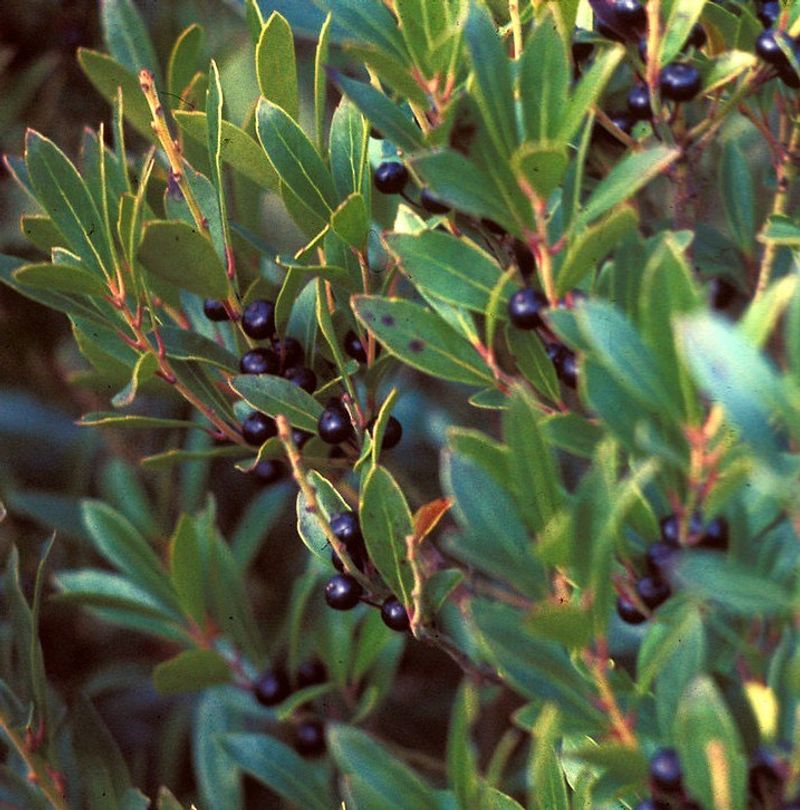
Not every hedge needs to block a second-story window. If your photinia lined a walkway, a patio, or the front of the house, inkberry can give you a lower, softer border that stays green all year long.
This native holly has narrow, shiny leaves and a naturally rounded, tidy shape.
Most plants top out somewhere between 4 and 8 feet, and compact varieties like ‘Shamrock’ often stay closer to 3 or 4 feet. That smaller size means less trimming and fewer battles with a hedge that keeps outgrowing its space.
Inkberry is happiest in moist, acidic soil, so it’s a great choice for damp spots where other shrubs sulk. It handles full sun to part shade and fits well in many parts of Georgia where soils run naturally acidic.
The name comes from the small black berries that form on female plants.
One quirk to watch for is that older inkberry shrubs can lose leaves near the bottom. Cutting a few of the oldest stems back each spring encourages fresh growth from the base.
Inkberry also spreads slowly by underground shoots. In a hedge, that habit helps the plants grow together into a fuller, more even row over time.
Once the plants begin filling in, their naturally rounded growth can create a softer edge than a tightly clipped hedge.
Leaving enough space between shrubs also helps each one stay fuller as the planting matures.
4. American Holly Grows Tall Enough For A Substantial Screen
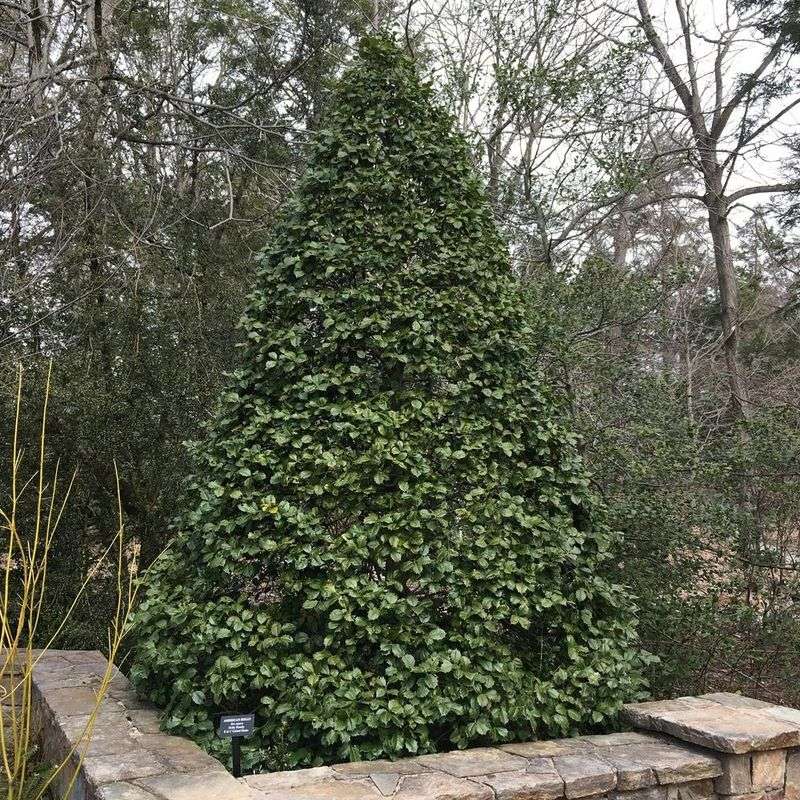
When you need a screen that blocks more than the fence line, American holly is worth a serious look. Mature trees can reach 30 feet or more, giving you real height and year-round cover.
The leaves are thick and glossy, with sharp spines along the edges.
Those spines make pruning a chore, but they also discourage people and animals from pushing through. A row of American holly feels like a living wall that nobody wants to test.
This tree grows slowly, especially in its first few years. Buying larger plants costs more up front but can save years of waiting.
It prefers well-drained, slightly acidic soil and does best in full sun or light shade. Since it grows wild in woods across Georgia, it settles into home landscapes without much fuss once established.
Bright red berries are a big part of its winter appeal.
Only female trees produce them, and they need a male holly nearby. Many gardeners plant one male for every few females to keep berries coming.
Give each tree plenty of room, around 8 to 10 feet apart, since American holly naturally grows into a broad pyramid. Crowding them leads to thin, shaded lower branches.
As the trees mature, their dense branching can provide dependable privacy even when many surrounding plants lose their leaves.
Giving them room from the start also preserves the broad shape that makes American holly such an effective screen.
5. Florida Anise Screens Shady Spots With Aromatic Foliage
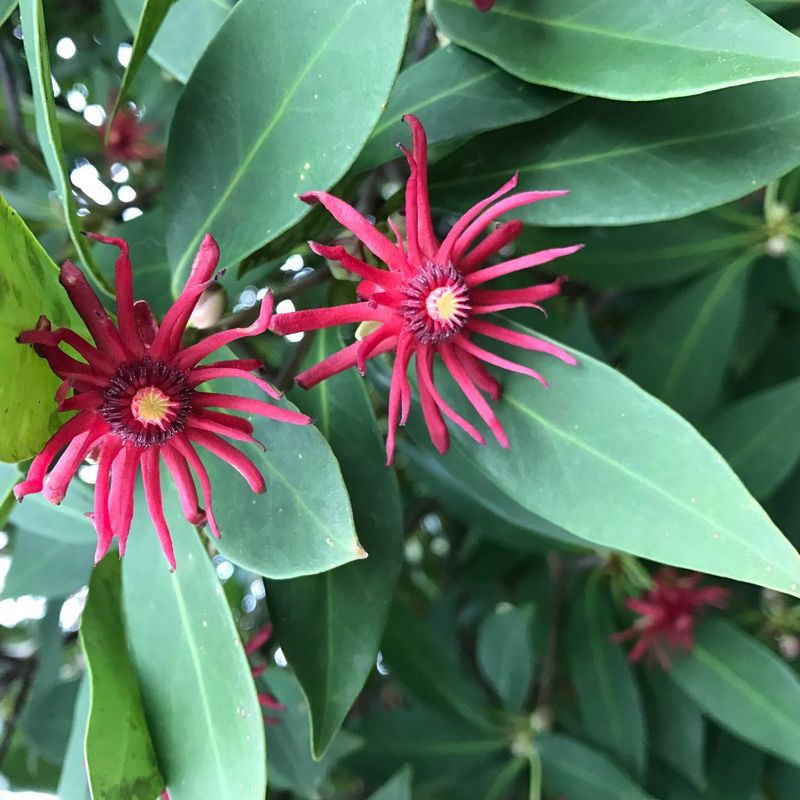
Shady corners can be tough on hedges, and photinia often struggles in them. Florida anise is different because it actually prefers those cooler, darker spots.
This native evergreen grows about 6 to 10 feet tall with long, leathery leaves that smell a bit like licorice when crushed.
That scent is a nice surprise when you brush against the plant or trim it back. Deer also seem to leave it alone, which helps where they browse freely.
In spring, Florida anise produces unusual star-shaped flowers in a deep maroon red. They aren’t showy from across the yard, but they add a fun detail up close.
It grows naturally along shady streams in the southern part of Georgia, so it loves moist, rich soil and protection from harsh afternoon sun.
Too much direct sun can scorch the leaves and turn them a sickly yellow.
Keep in mind that this plant is not the same as the star anise used in cooking. Its leaves and seeds are toxic, so plant it away from spots where kids or pets might nibble.
For a screen, set plants about 5 to 6 feet apart. They fill in steadily and soften dark areas under taller trees.
Once established, the dense foliage can hide bare walls, fences, or other features without making a shady area feel too formal.
Its naturally layered growth also gives the planting a relaxed look that works well beneath larger trees.
6. Florida Leucothoe Suits Lower Screens In Damp, Shady Areas
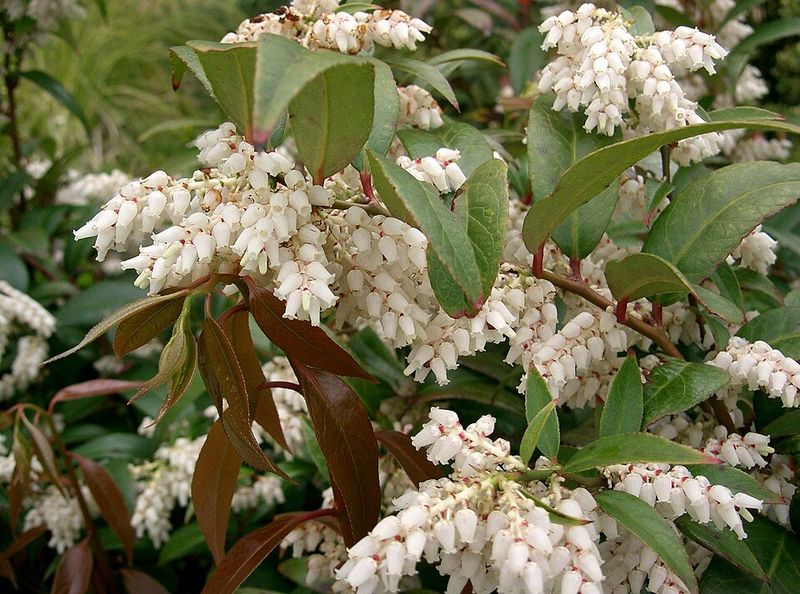
Some yards have that one damp, shady stretch where nothing seems to grow right. Florida leucothoe often thrives in exactly those conditions.
This native shrub has glossy green leaves on long, arching stems that give it a graceful, fountain-like shape.
In late spring, clusters of small white, bell-shaped flowers dangle along the branches. They carry a light, sweet fragrance that you’ll notice most on calm evenings.
Florida leucothoe naturally grows along swamps and stream banks in the coastal plain of Georgia, so wet soil doesn’t bother it at all. It does best in partial to full shade and rich, acidic soil.
Left alone, it can easily stretch to 8 feet or taller.
That’s where pruning comes in handy. It handles hard cutting very well, and cutting older stems back to the ground pushes out fresh growth that keeps the shrub full at a lower height.
This makes it a good pick for screening a patio, an air conditioning unit, or a shady side yard. It softens those spaces without feeling heavy or overly formal.
Plant it about 4 to 5 feet apart for a loose, natural hedge. Regular watering during dry spells helps young plants settle in quickly.
Once the shrubs fill out, their arching branches can cover awkward gaps while keeping the planting loose and natural.
A layer of mulch around the roots can also help the soil stay consistently damp during warmer stretches.
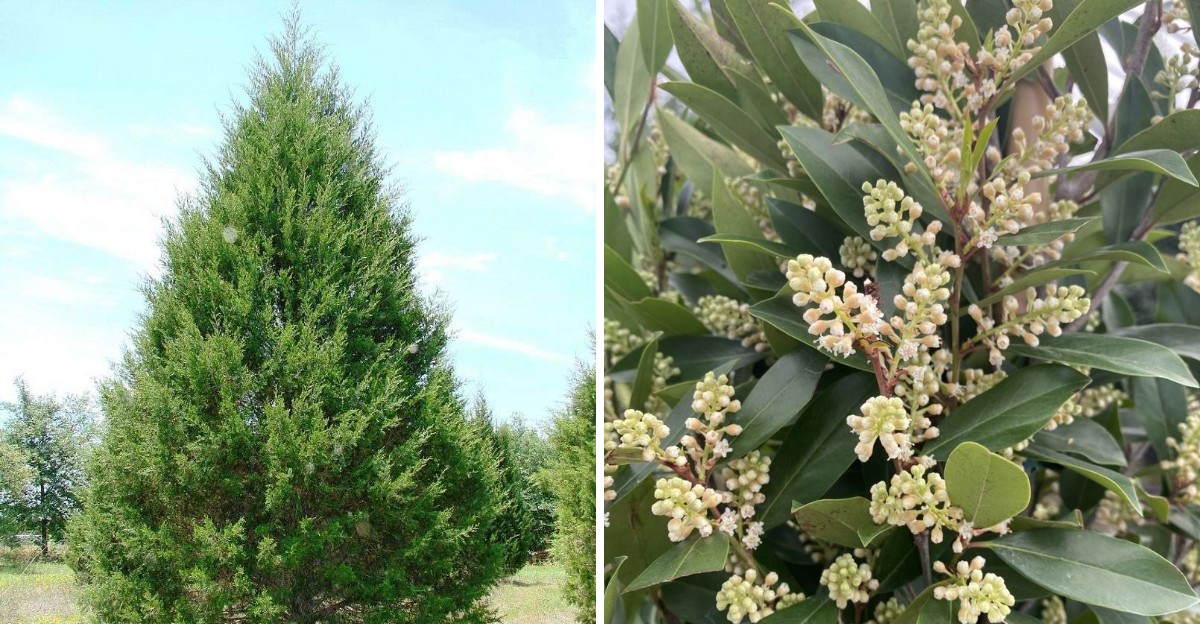
7. Eastern Red Cedar Works Well Where A Taller Screen Is Needed
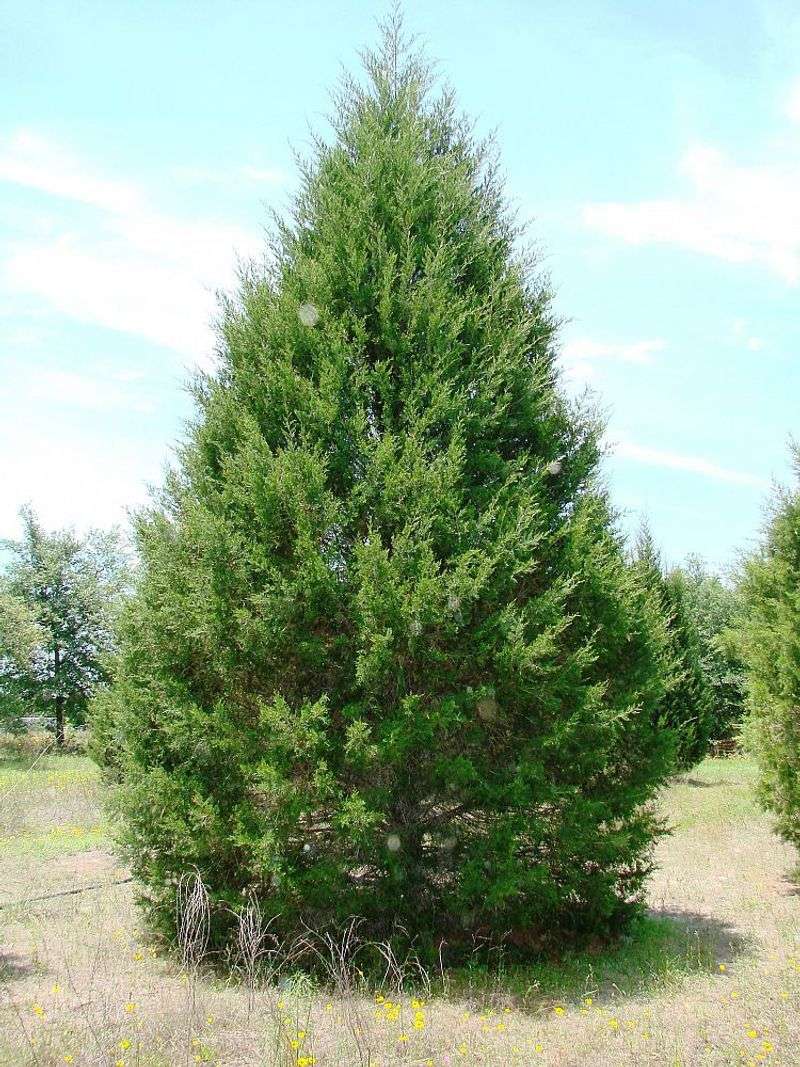
When privacy needs to reach well above a neighbor’s shed, eastern red cedar is a dependable choice. Mature trees often grow 30 to 40 feet tall, and narrow varieties stay slim enough for tighter spaces.
Its dense, scaly foliage stays green all winter and blocks wind as well as nosy views.
Few native evergreens handle tough conditions this well. Eastern red cedar puts up with heat, drought, poor soil, and even rocky ground once its roots are established.
It does need full sun to look its best, though. In shade, the lower branches thin out and leave the screen looking patchy near the ground.
Birds really love the small blue berry-like cones that appear on female trees, and the thick branches give them shelter during cold weather.
There’s one issue worth knowing about before planting. Eastern red cedar hosts cedar-apple rust, a disease that can damage nearby apple and crabapple trees, so think twice if you grow fruit in your yard.
This tree grows wild along fields and roadsides throughout Georgia, which shows just how adaptable it really is.
For a hedge, choose upright cultivars like ‘Taylor’ or ‘Brodie’ and space them about 6 to 8 feet apart.
As the trees gain height, their thick branching can create a strong backdrop for smaller shrubs and garden beds nearby.
Keeping enough room between them also helps sunlight reach the lower foliage so the screen stays full from top to bottom.
8. Carolina Cherry Laurel Grows Quickly But Can Reseed Nearby
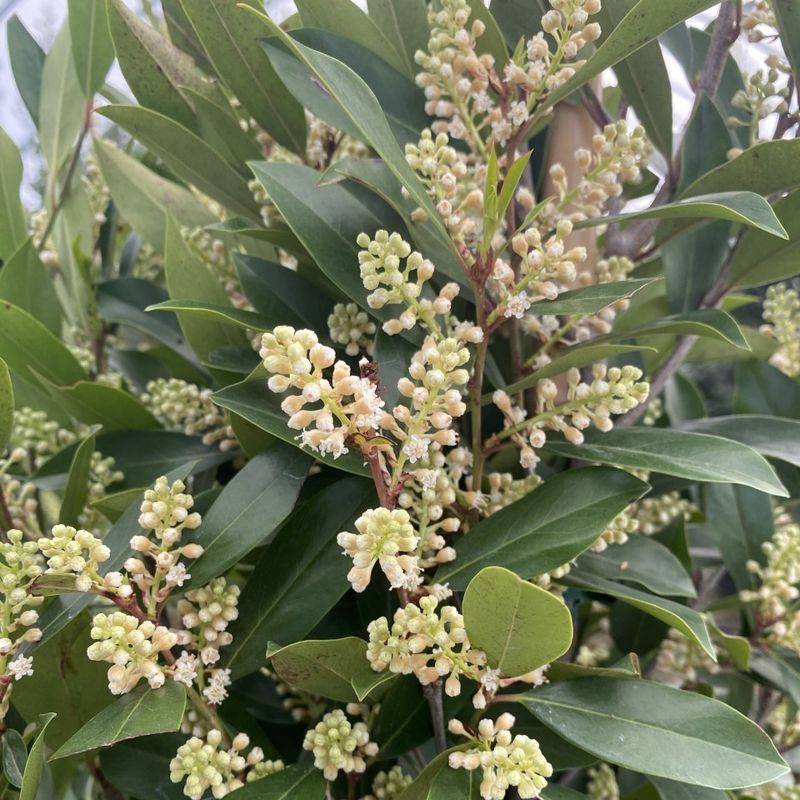
If you want a screen in a hurry, Carolina cherry laurel is hard to beat. It can grow 2 feet or more a year and eventually reach 20 to 30 feet tall.
The glossy, dark green leaves look a lot like photinia’s, minus the leaf spots.
In late winter and early spring, it covers itself with small, creamy white flowers that smell sweet. Bees buzz around them on warm days, adding a little life to the yard before most plants wake up.
The catch is what comes after those flowers. Small black fruits ripen in fall, and birds carry the seeds all over the neighborhood.
That means seedlings can pop up in flower beds, along fences, and under nearby trees.
Pulling them while small is easy, but ignoring them for a season or two makes real work. Some gardeners in Georgia find it spreading into wooded areas behind their homes.
Compact varieties like ‘Bright ‘n Tight’ tend to stay more manageable. They grow denser and need less trimming to look neat.
Carolina cherry laurel also prefers well-drained soil and doesn’t like standing water. Plant it 5 to 6 feet apart, and check beneath it each spring for new sprouts.
Regular checks around the base make it easier to catch unwanted seedlings before they become established.