Native Michigan Flowers That Bloom From June Through September With Almost No Care
A flower that blooms for one week and disappears is not carrying its weight in a Michigan garden. The season is short enough that every plant needs to earn its space, and native flowers that stay in active bloom from June through September are genuinely valuable.
These are not plants that need constant deadheading, supplemental watering, or rich amended soil to perform.
They evolved in Michigan’s specific conditions and bloom reliably through summer heat, dry stretches, and the humidity that settles in during July and August.
Many of them also support native bees, butterflies, and birds through their longest active period of the year.
Native flowers that bloom this long while asking for almost nothing are the backbone of a low maintenance garden, and the options available are more varied and visually impressive than most gardeners realize.
1. Wild Bergamot Keeps Michigan Pollinators Busy In Midsummer
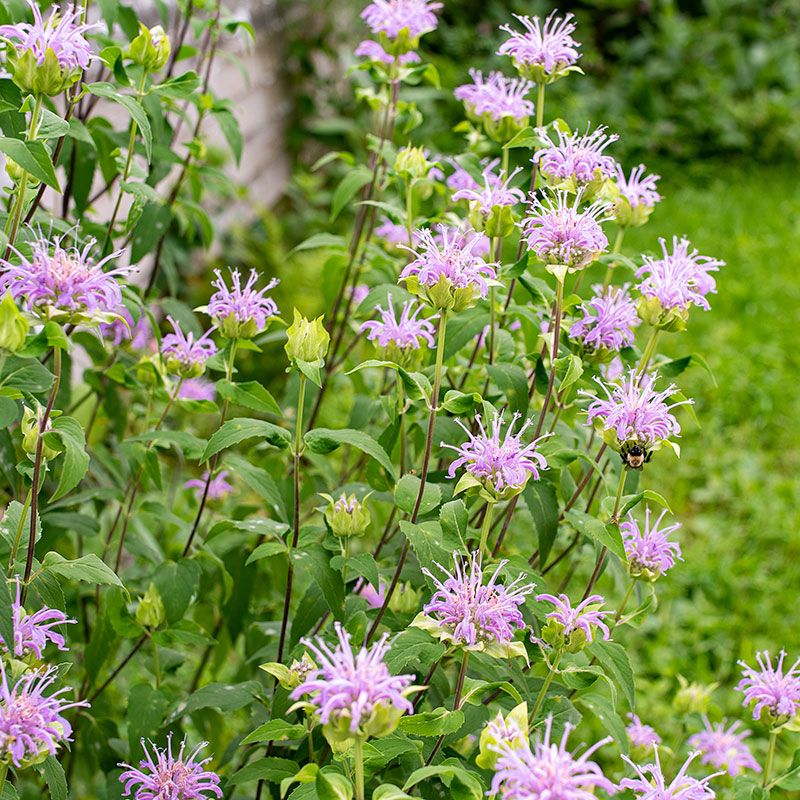
Few native plants throw a pollinator party quite like Wild Bergamot. From midsummer stretching well into late summer, this cheerful perennial bursts open with clusters of soft lavender blooms that bees, butterflies, and hummingbird moths simply cannot resist.
It is one of those plants that does serious ecological work while looking effortlessly beautiful.
Wild Bergamot grows best in full sun and handles average to dry soil with ease once it settles in. It is genuinely low maintenance, asking for almost nothing after its first season.
When you plant it, space plants about 18 to 24 inches apart to encourage good airflow between them. Michigan summers can bring humidity, and proper spacing helps prevent powdery mildew from becoming a problem on the foliage.
During its first growing season, water regularly to help roots establish. After that, rainfall usually takes care of things on its own.
Cutting plants back by about a third in late spring can produce sturdier, more compact growth that holds up better in wind.
Removing spent blooms extends the flowering season nicely, though leaving some seedheads standing at the end of summer gives birds a small bonus snack.
Wild Bergamot spreads gradually over time, filling in borders naturally and creating gorgeous drifts of color that feel right at home in any Michigan landscape.
2. Butterfly Weed Handles Dry Michigan Gardens With Almost No Fuss
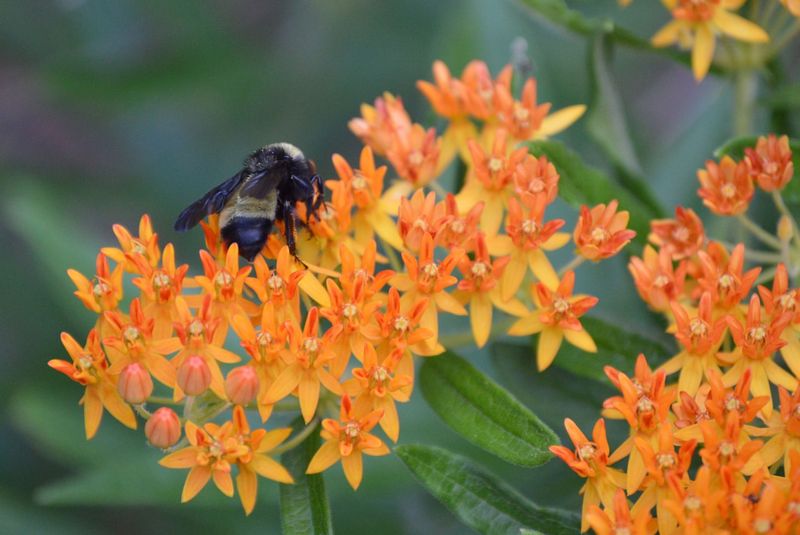
If your garden has a sunny spot with dry or sandy soil that most plants struggle in, Butterfly Weed was practically made for that space. Its vivid orange flower clusters blaze from June through August, turning heads and drawing monarch butterflies in like a magnet.
Monarchs rely on this plant as a host site for their eggs and as a critical food source during migration.
What makes Butterfly Weed so tough is its deep taproot, which drives far into the ground to access moisture that shallow-rooted plants never reach.
This is exactly why it handles drought so well and why overwatering is actually the biggest mistake gardeners make with it.
Plant it in well-drained soil and full sun, and then mostly leave it alone. Soggy soil will cause root problems far faster than any dry spell ever would.
Your Michigan Garden Changes Every Week. Your Plan Should Too.
Gardening in Michigan changes quickly throughout the season. Every Friday you’ll receive a simple weekly plan showing exactly what to plant, prune, fertilize, harvest, and protect so you never miss the right timing.
Choose your planting site carefully because Butterfly Weed does not transplant well once its taproot is established. Start from nursery transplants in spring, space plants about 18 inches apart, and water just enough during the first season to help roots get going.
After establishment, natural rainfall is usually all it needs.
One fun fact worth knowing: this plant is slow to emerge in spring, so mark its location to avoid accidentally disturbing it before it wakes up for the season.
3. Purple Coneflower Brings Long Summer Color To Garden Beds
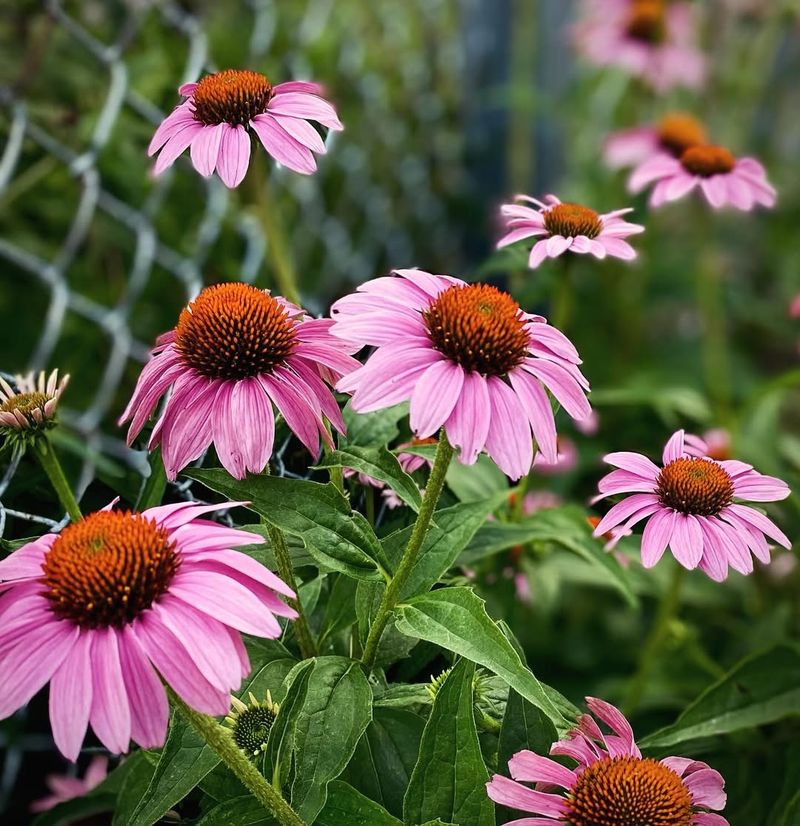
Purple Coneflower is probably the most dependable native perennial a Michigan gardener can grow, and it earns that reputation every single season. Blooms open from late June and keep going strong through August, with some plants pushing color into early September.
The rosy-purple petals sweep back from a spiky orange-brown center cone, creating a bold, eye-catching flower that looks stunning in both formal borders and casual cottage-style gardens.
Heat, humidity, cold winters, and stretches of dry weather do not slow this plant down once it is established. It grows well in full sun with average to slightly dry soil and rarely needs extra watering after its first year.
During establishment, water consistently for the first six to eight weeks to help roots anchor deeply. Space plants about 18 to 24 inches apart so air can move freely around the foliage.
Pollinators absolutely flock to Purple Coneflower. Bees, butterflies, and beneficial insects visit constantly throughout the blooming season.
When flowers fade, resist the urge to clean everything up immediately. Those spiky seedheads are a favorite winter food source for goldfinches and other seed-eating birds.
Deadheading some spent blooms during summer will encourage more flowers, but leaving a portion of seedheads standing rewards both wildlife and anyone who enjoys watching birds work through the garden on a crisp fall morning.
4. New England Aster Carries Gardens Into September
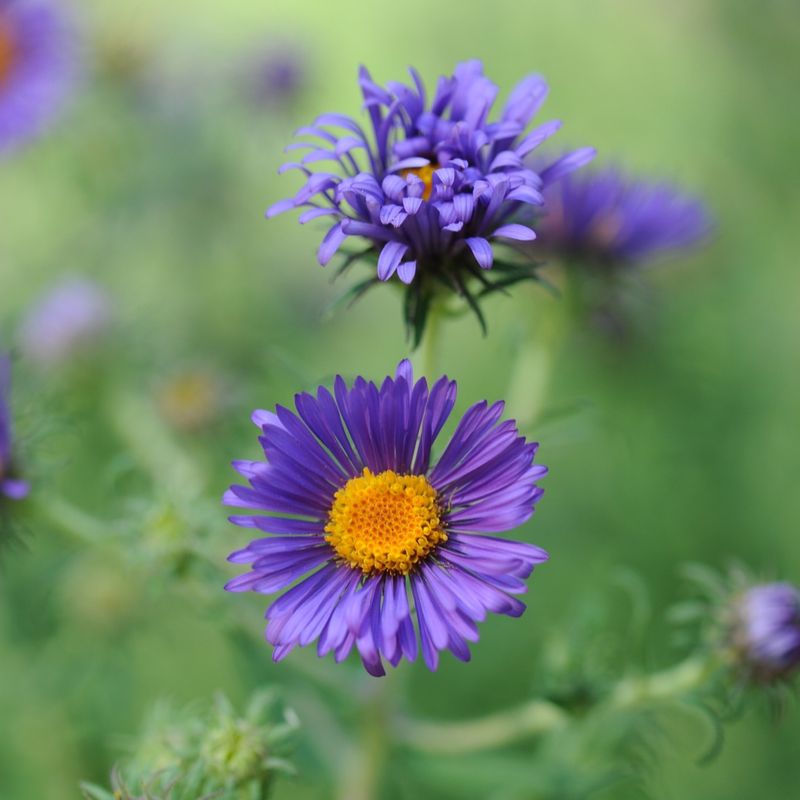
Just when most summer flowers start winding down, New England Aster steps in and saves the season.
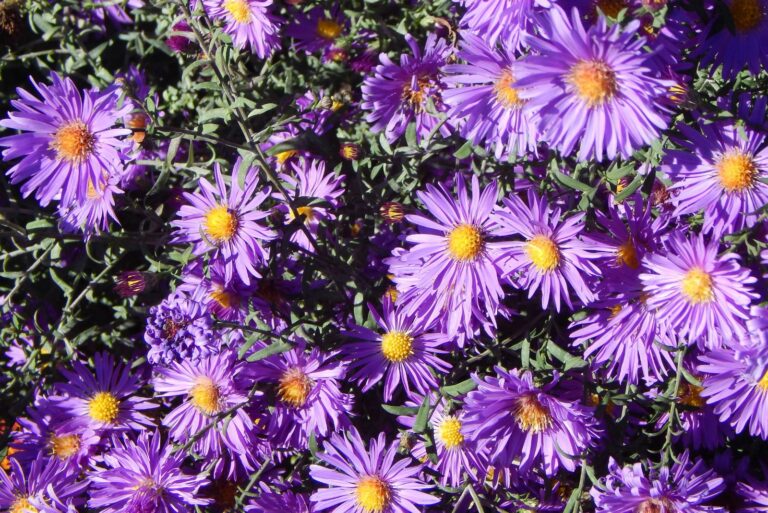
This native perennial bursts into bloom in late August and September, covering itself in rich purple flowers with bright yellow centers right when pollinators need late-season food most.
Bees preparing for winter and migrating monarchs depend heavily on this plant during fall, making it one of the most ecologically important flowers you can grow.
New England Aster grows best in full sun and handles average soil with reasonable moisture. It is a tall plant, often reaching four to six feet, so placing it toward the back of a border works well.
Space plants about two to three feet apart to allow for good airflow, which helps keep foliage healthy through Michigan’s sometimes humid late summers. Water consistently during the establishment period, then rely on natural rainfall once roots are settled.
Here is a useful tip that many gardeners swear by: pinch the growing tips back by about half in late May or early June. This simple step produces shorter, bushier plants that stand up better without staking and bloom even more abundantly.
Without pinching, tall plants can flop under their own weight by September.
New England Aster also spreads steadily over time, so dividing clumps every few years keeps plants vigorous and gives you extra starts to share with neighbors.
5. Black Eyed Susan Fills Gardens With Easy Late Summer Color
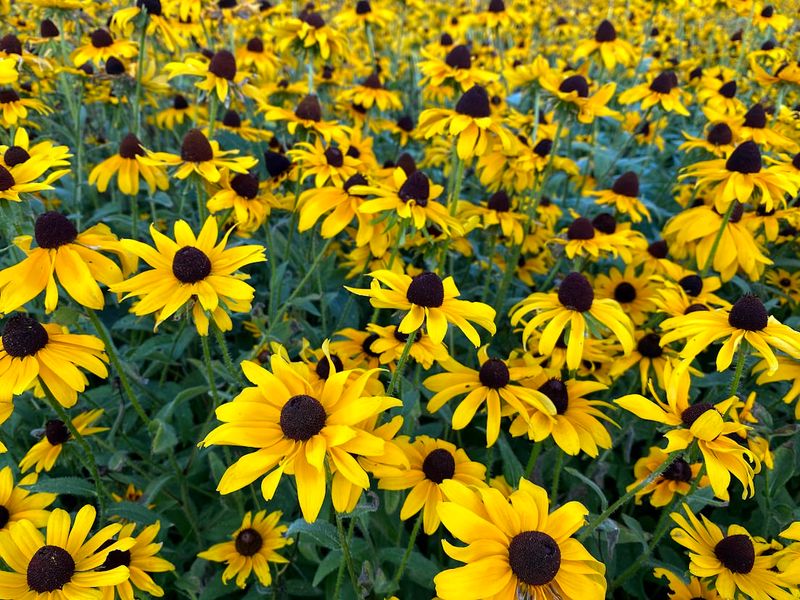
There is something genuinely cheerful about a garden full of Black Eyed Susans in late summer.
Those bright golden-yellow petals surrounding a rich dark brown center look like little suns scattered across the garden, and they bloom reliably from July right through September without asking for much attention at all.
This is a plant that rewards you generously for very little effort.
Black Eyed Susan thrives in full sun and average soil, handling Michigan’s summer heat and occasional dry spells without complaint. It is not picky about soil quality, which makes it an excellent choice for areas where fussier plants struggle.
Space transplants about 12 to 18 inches apart and water regularly during the first few weeks of establishment. After roots settle in, the plants handle dry periods surprisingly well on their own.
One of the most useful traits this plant has is its reseeding habit. Plants scatter seeds freely at the end of the season, filling in bare spots and gradually expanding your planting over time.
If you want to manage the spread, simply deadhead a portion of the spent flowers before seeds fully mature. Pollinators love the blooms throughout summer, and birds enjoy the seedheads in fall.
A quick trim of old growth in early spring keeps the planting tidy and ready for another season of easy, reliable color.
6. Joe Pye Weed Adds Tall Blooms To Moist Gardens
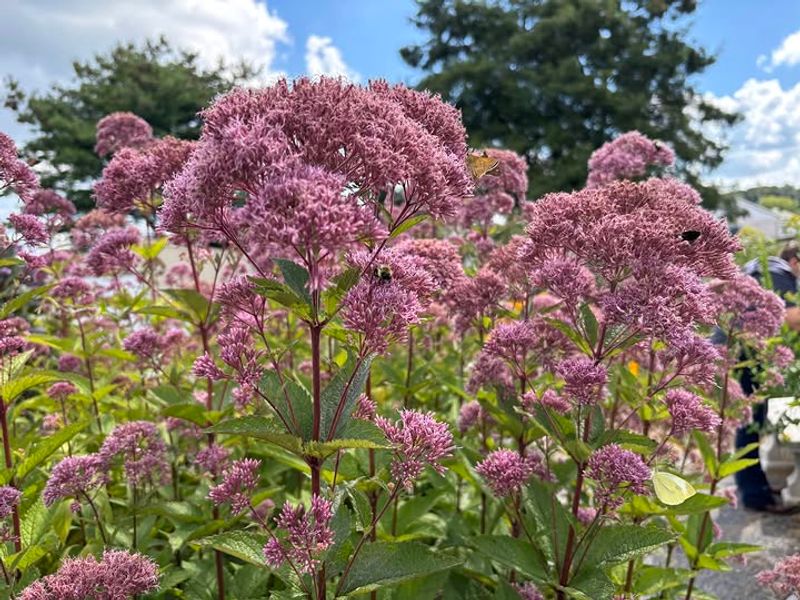
Walk past a stand of Joe Pye Weed in full bloom and you will immediately understand why pollinators go absolutely wild for it.
Those massive, dusty pinkish-purple flower clusters sit atop stems that can reach five to seven feet tall, creating a dramatic backdrop in any garden while butterflies, bees, and skippers feed from midsummer into late August.
It is bold, beautiful, and surprisingly easy to grow in the right spot.
Joe Pye Weed performs best in full sun to light shade with consistently moist soil. Rain gardens, low-lying areas, and borders near downspouts are ideal locations.
It naturally thrives in moist conditions, so placing it where water tends to collect is a smart move rather than a compromise. Space plants about three feet apart to accommodate their substantial size at maturity and to allow air to move through the planting.
Mulching around the base helps retain the steady moisture this plant loves, especially during dry summer stretches. Water during establishment and during any prolonged dry spells to keep it productive.
Maintenance is genuinely minimal once plants are settled. Cutting stems back to about six inches in early spring cleans things up nicely and makes way for fresh new growth.
Joe Pye Weed also attracts migrating butterflies in late summer, making it a spectacular anchor plant for anyone building a pollinator-friendly Michigan garden.
7. Swamp Milkweed Thrives In Damp Spots
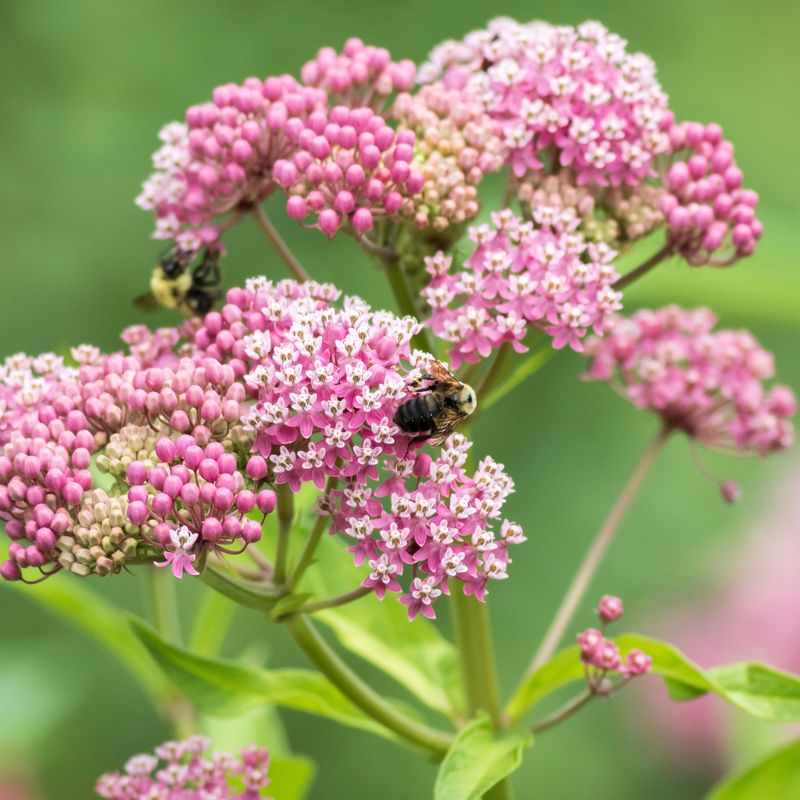
Swamp Milkweed is one of those plants that completely transforms a soggy, hard-to-plant garden spot into something genuinely beautiful.
From late June through August, it produces clusters of soft rosy-pink flowers that smell faintly sweet and draw monarch butterflies in from impressive distances.
Monarchs use it as a host plant for their eggs, making it one of the most conservation-important natives you can add to a Michigan garden.
Unlike its cousin Butterfly Weed, Swamp Milkweed genuinely prefers wet conditions. Rain gardens, moist borders, pond edges, and low areas where water lingers after rain are exactly the environments where this plant flourishes.
Dry sandy soil will stress it and reduce flowering significantly, so matching it to a moist site from the start makes a real difference. Plant in full sun for the best bloom production, spacing plants about 18 to 24 inches apart.
Water consistently during the first growing season to help roots establish, and maintain steady moisture throughout summer for peak performance. Once settled, plants in naturally moist areas rarely need supplemental watering at all.
Swamp Milkweed spreads slowly through underground rhizomes, gradually forming full, productive clumps over several years. Cutting stems back to the ground in early spring encourages strong new growth and keeps the planting looking tidy.
This plant is a genuine workhorse for wet Michigan garden spaces that other perennials simply cannot handle.
8. Culver’s Root Gives Gardens Tall White Summer Spikes
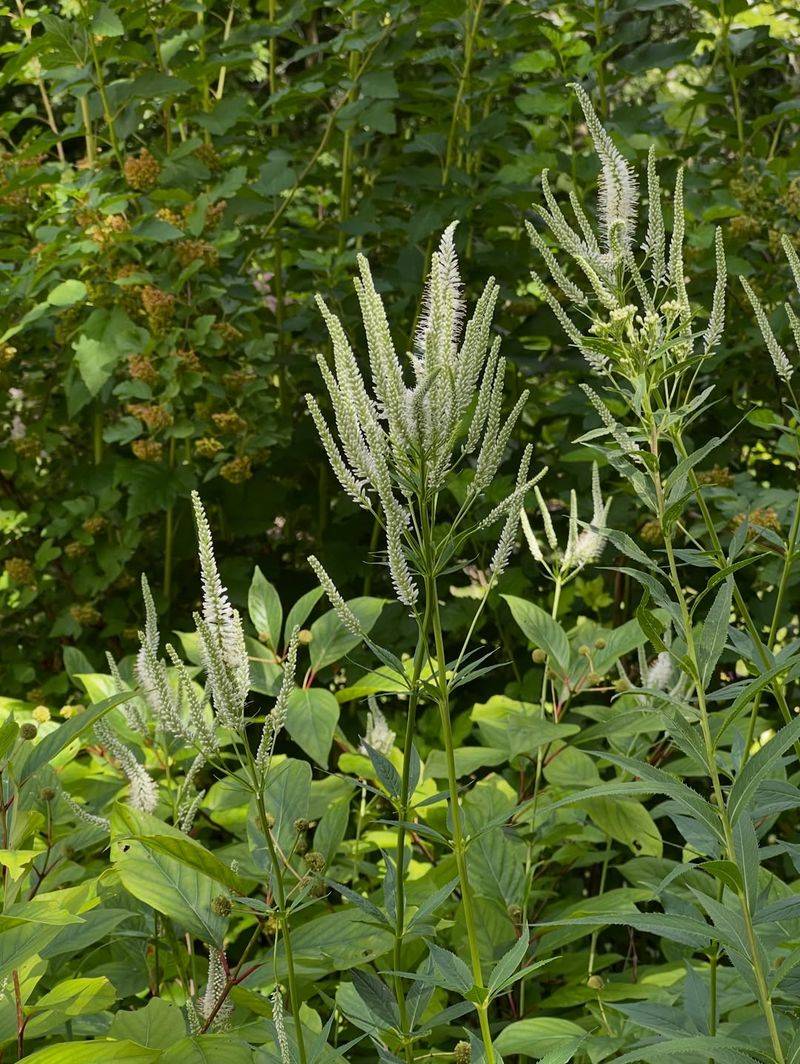
Culver’s Root is the kind of plant that makes garden visitors stop and ask what it is. Its tall, elegant white flower spikes rise four to six feet above the ground from July into August, creating a vertical accent that few other native perennials can match.
Up close, each spike is made up of hundreds of tiny white flowers packed together tightly, and pollinators, especially native bees, work those spikes from top to bottom all day long.
This plant suits sunny to partly sunny gardens with average to moist soil and performs reliably without much fuss once established.
It fits beautifully into natural-style borders, rain gardens, and prairie-inspired plantings where its upright habit creates structure among lower-growing plants.
Space plants about two to three feet apart to give them room to develop their full, impressive form over time.
Water regularly during the first growing season to help roots anchor deeply into the soil. After establishment, Culver’s Root is notably self-sufficient and handles average summer rainfall in Michigan without requiring extra attention.
It does not spread aggressively, which makes it a well-behaved choice for gardeners who want drama without chaos. Cutting old stems back in early spring keeps the planting clean and ready for new growth.
Culver’s Root is a genuinely underused native perennial that deserves far more attention in Michigan gardens for its architectural beauty and outstanding pollinator value.
9. Blue Vervain Brings Easy Color To Wet Garden Areas
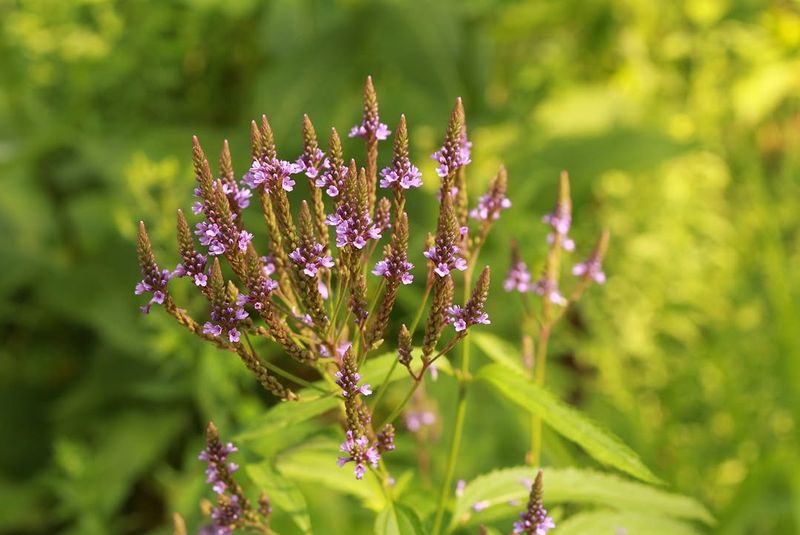
Blue Vervain has a quiet, understated beauty that grows on you the more time you spend around it.
Slender spikes of tiny purple-blue flowers open in rings from the bottom of each spike upward, creating a continuous blooming effect from July through September that keeps the garden looking active even as other plants slow down.
Bumblebees are especially fond of it, and you will often find them working the spikes steadily on warm summer mornings.
This native perennial is a natural fit for rain gardens, damp borders, pond edges, and any low area where moisture stays consistent.
It grows best in full sun with reliably moist to wet soil, and it genuinely struggles in dry conditions, so placing it in the right spot from the beginning is the key to success.
Space plants about 18 inches apart to allow them to develop fully without crowding each other out.
Water regularly during establishment to help young plants get rooted in properly. Once settled into a moist site, Blue Vervain is essentially self-sufficient and rarely needs supplemental watering.
It reseeds moderately, gradually filling in surrounding areas with new plants over time, which is a bonus in naturalistic garden designs. Removing spent spikes before seeds fully scatter gives you control over where it spreads.
Blue Vervain is an honest, hardworking native that fills wet Michigan garden spots with months of quiet, reliable color.
10. Sneezeweed Brightens Gardens Late In The Season
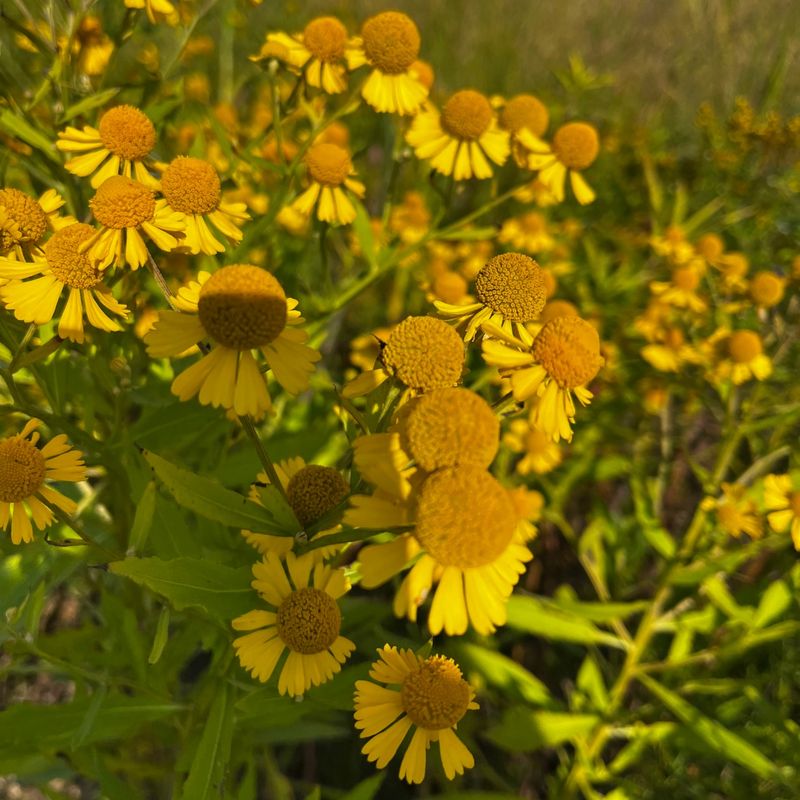
Do not let the unusual name fool you. Sneezeweed has nothing to do with allergies and everything to do with putting on a spectacular late-season show when most other flowers have already finished.
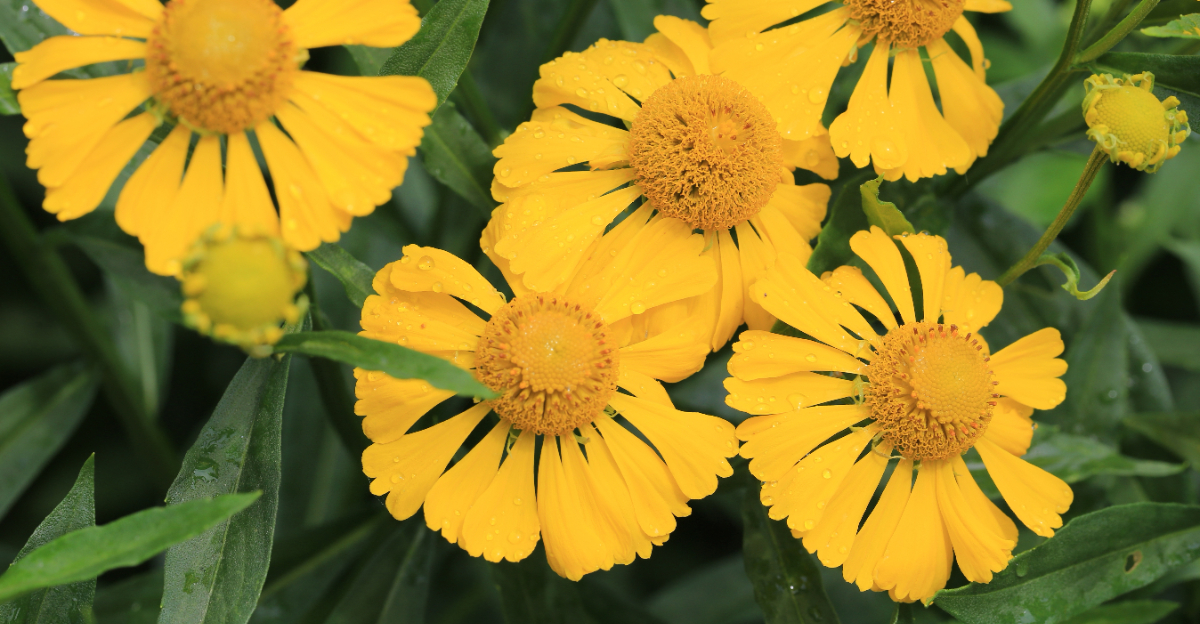
From August into September, it covers itself in cheerful yellow blooms with distinctive rounded, slightly greenish-yellow centers that give it a look unlike any other native flower in the garden.
Butterflies, bees, and other late-season pollinators visit the flowers constantly.
Sneezeweed performs best in full sun with moist, moisture-retaining soil. It is a natural companion for rain gardens, low-lying borders, and areas near water features where the ground stays consistently damp.
Dry soil causes stress and reduces flowering noticeably, so matching this plant to the right garden location is important. Space plants about 18 to 24 inches apart to allow good air circulation and room for the clumps to fill out over time.
Water consistently during the first growing season to establish roots, and provide supplemental watering during extended dry spells even after establishment to keep the plant blooming at its best.
Pinching stems back by about a third in late spring produces shorter, sturdier plants that hold themselves upright more reliably.
Sneezeweed is a fantastic solution for moist garden spots that need bold color late in the season, and it genuinely extends the beauty of a Michigan garden all the way to the first frost.