8 Plants You Should Never Grow Near Rosemary In Your Florida Garden
Rosemary is the kind of plant that likes things a certain way. Give it sun, sharp drainage, and a little breathing room, and it usually behaves like the low-maintenance herb everyone promised.
Put the wrong neighbors around it, though, and the trouble starts quietly. One plant wants rich, damp soil.
Another spreads too fast. Another crowds the roots or blocks airflow.
Before long, your rosemary looks tired, leggy, or downright annoyed. In Florida gardens, where humidity already makes this Mediterranean herb work harder, companion planting matters more than it might seem.
So before you fill that herb bed or tuck rosemary into a mixed border, take a closer look at what is growing beside it. Some plants simply ask for the opposite kind of care, and rosemary is not great at compromise.
1. Mint Spreads Too Fast For Rosemary’s Space
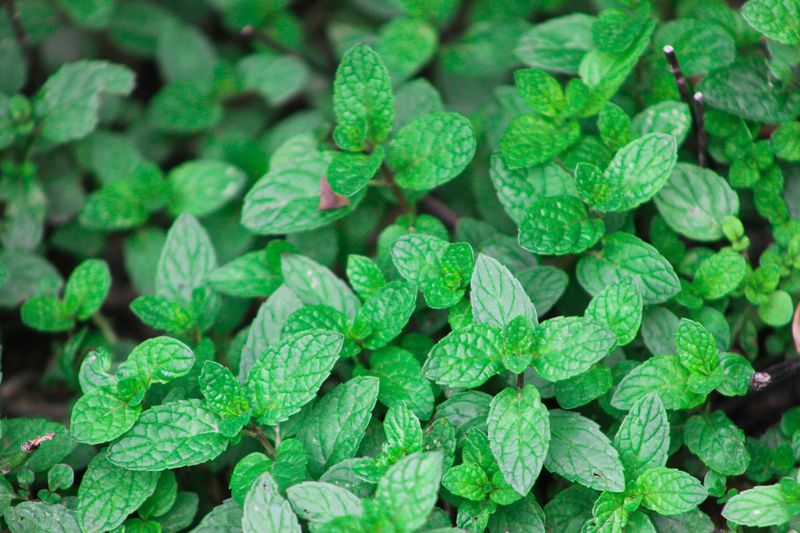
Few herbs are as enthusiastic as mint when it comes to taking over a planting area. Mint spreads by underground runners called rhizomes, and it can move quickly through a shared bed, wrapping around neighboring roots before you even notice.
Rosemary likes its space. It grows as a shrub with a defined shape, and it does best when airflow around its base stays open.
A fast-spreading neighbor like mint can crowd that base, trap moisture against the stems, and make it harder to manage either plant cleanly.
Beyond the space issue, mint also prefers more consistent moisture than rosemary does. If you water often enough to keep mint happy, the soil around rosemary stays wetter than it should.
Over time, that extra moisture can cause root problems for the rosemary.
The good news is that mint is actually easier to manage when it has its own container anyway. Planting mint in a pot by itself keeps its spreading habit under control and lets you water it separately on its own schedule.
You can still keep mint and rosemary in the same general area of your garden. Just give each one its own dedicated space rather than letting them share a bed or pot.
2. Parsley Wants More Moisture Than Rosemary Likes
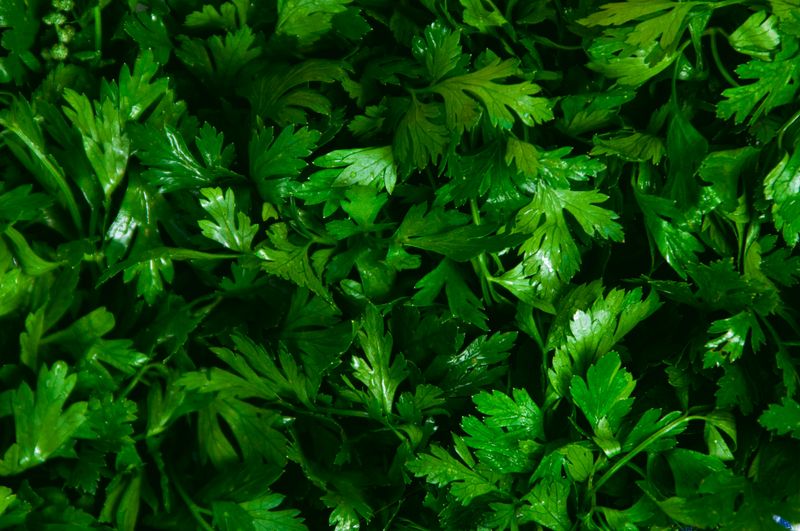
Parsley is a steady, reliable herb that earns its spot in most herb gardens. It grows well in warm climates during the cooler months and adds both flavor and greenery to a planting area.
The challenge is that parsley has a noticeably different relationship with water than rosemary does.
Rosemary prefers soil that dries out between waterings. Its roots are adapted to well-drained, even gritty conditions, much like the Mediterranean hillsides where it originates.
Parsley, on the other hand, performs better with more consistent soil moisture. It can show stress quickly if the soil gets too dry for too long.
Planting them together in the same pot or tight bed puts you in a tricky spot. Water enough for parsley, and rosemary sits in soil that stays too damp.
Water for rosemary, and parsley may not get what it needs to stay healthy and productive.
Your Florida Garden Changes Every Week. Your Plan Should Too.
Gardening in Florida changes quickly throughout the season. Every Friday you’ll receive a simple weekly plan showing exactly what to plant, prune, fertilize, harvest, and protect so you never miss the right timing.
A simple fix is to give parsley its own container or a separate section of the bed with its own watering routine. Both herbs can still grow near each other in the broader garden layout.
Keeping them in separate soil zones just makes it easier to meet each plant’s needs without compromising the other. Parsley grows well in containers, so this adjustment is easy to make.
3. Cilantro Struggles Beside A Dry-Loving Herb
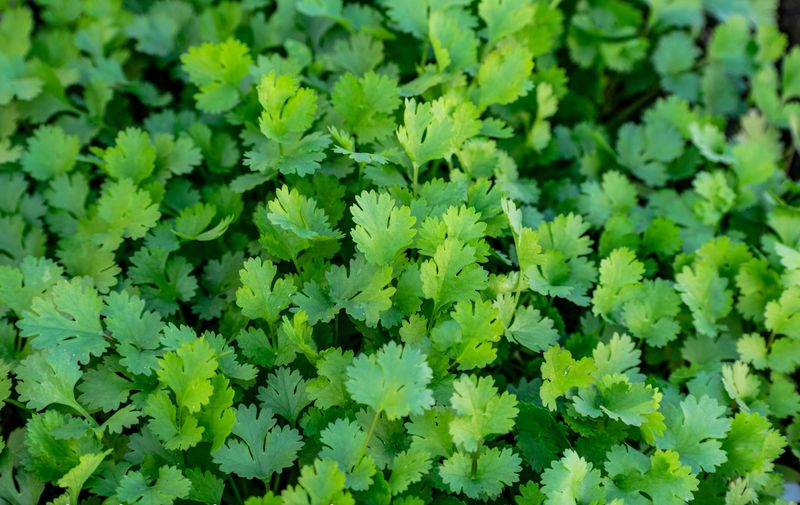
Cilantro has a reputation for being a little finicky, and part of that comes from how specific its preferred conditions are.
It tends to grow best during cooler parts of the year in warm-climate gardens, and it appreciates soil that holds some moisture without getting waterlogged.
That growing profile does not match rosemary at all. Rosemary thrives in full sun with sandy or sharply drained soil and low water input.
Cilantro planted in those same dry conditions often bolts quickly. It rushes to flower and seed before you get much leaf harvest from it.
Warm temperatures speed up bolting in cilantro even further. Planting it beside rosemary in a hot, sunny, dry spot is basically setting it up to struggle.
You end up either adjusting conditions away from what rosemary prefers or watching the cilantro underperform.
A smarter approach is to grow cilantro in a container where you can manage its moisture and position it in a spot with a bit more afternoon shade during warmer months.
Succession planting, where you sow small amounts every few weeks, also helps keep a steady supply going.
Cilantro and rosemary can absolutely coexist in the same garden area. Just do not ask them to share the same root zone or watering schedule.
4. Basil Needs Water That Rosemary Does Not Want
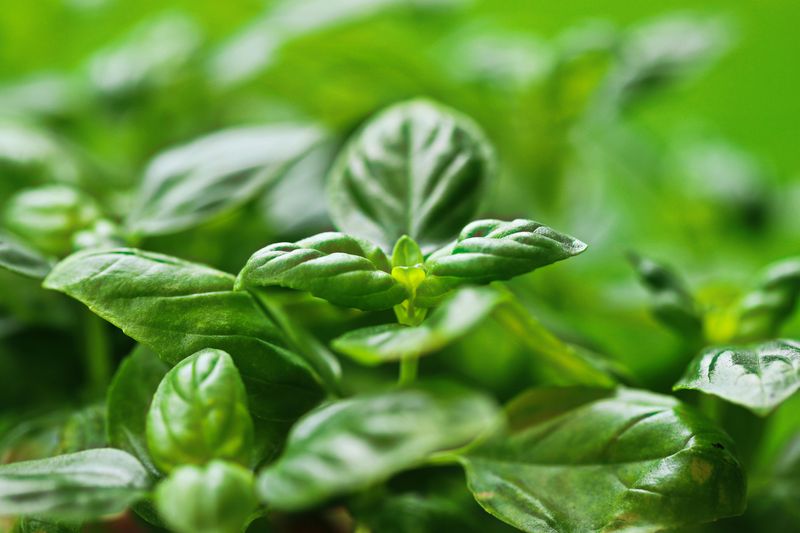
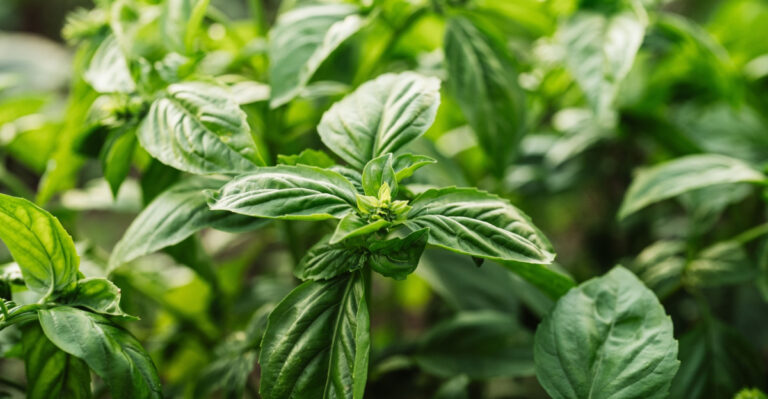
Basil and rosemary are both popular herbs in Florida, and it is easy to assume they would make natural companions in an herb bed. They both love sun, and they are both staples in cooking.
But their watering needs are genuinely different, and that difference matters a lot in a shared container or tight planting space.
Basil wilts fast when it gets too dry. It needs regular moisture to stay lush and productive, especially during the hottest parts of the year.
Letting basil dry out too much between waterings leads to drooping leaves, reduced flavor, and faster bolting.
Rosemary goes in the opposite direction. It is built for dry conditions and does not want consistently moist soil around its roots.
Overwatering rosemary leads to root stress and can cause the plant to decline over time.
Growing both in the same container puts you in a constant balancing act. You end up either overwatering rosemary or underwatering basil, and neither plant performs at its best.
The easy solution is to grow basil in its own pot with its own watering schedule. Basil actually does very well in containers, and keeping it separate lets you give it the regular moisture it craves without affecting rosemary at all.
Both plants can thrive when they each have the right setup.
5. Chives Can Crowd A Mediterranean Herb Bed
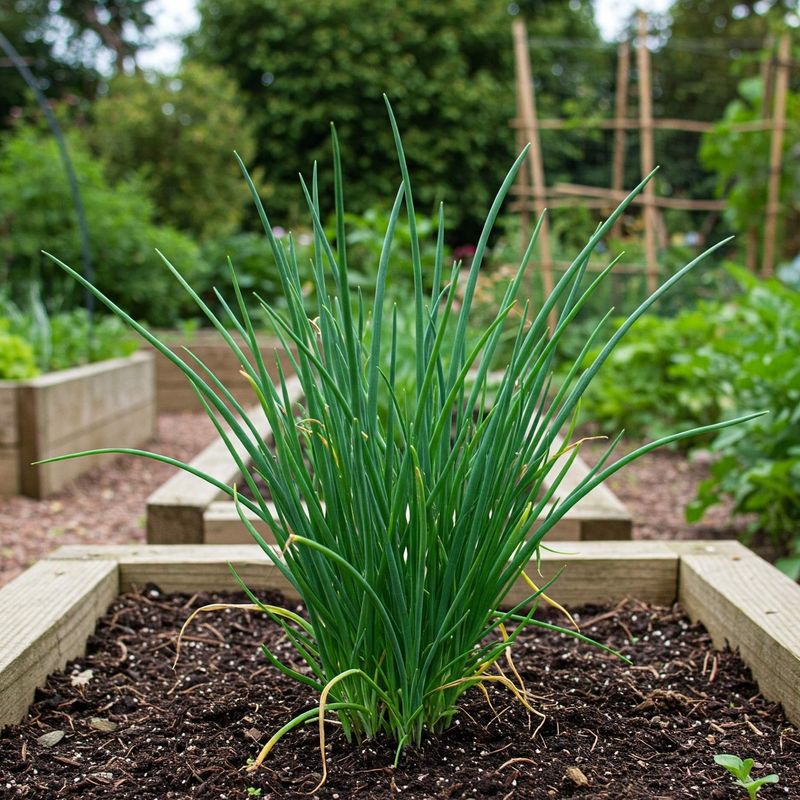
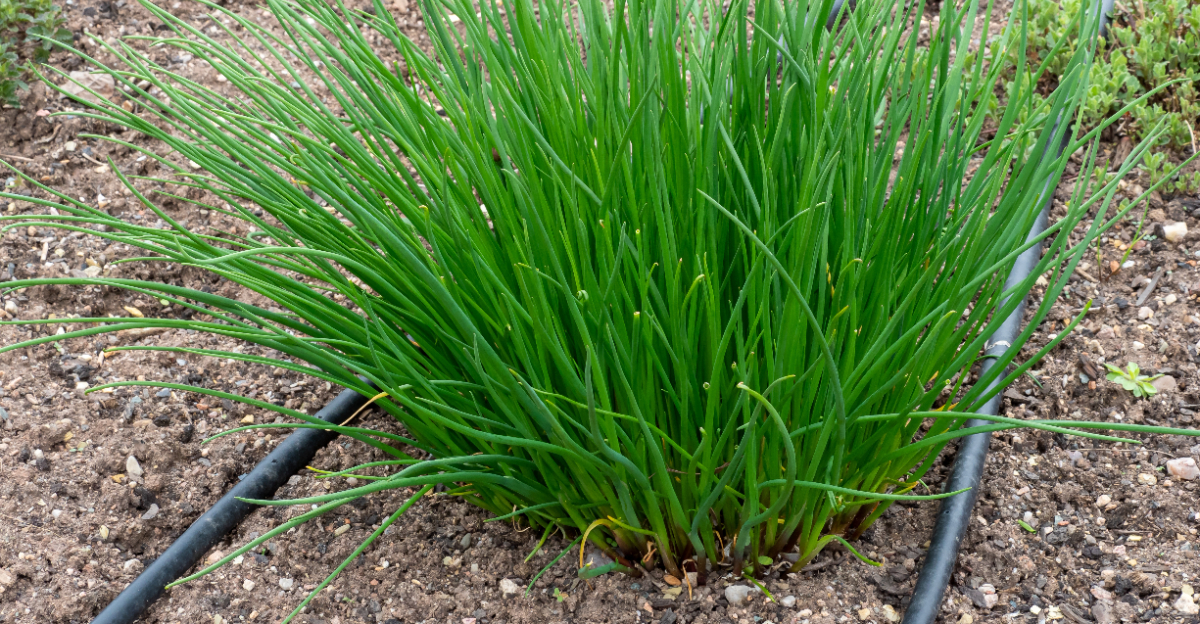
Chives are one of the most low-maintenance herbs around. They come back reliably, grow in tidy clumps, and produce pretty purple flowers that pollinators love.
For most herb gardens, they are a welcome addition. The issue comes up specifically when they share tight quarters with rosemary.
Chives grow in dense clumps that can expand over time. In a small raised bed or container, that clump can start pressing against the base of a rosemary plant, reducing airflow and making the soil around rosemary’s roots harder to manage.
Rosemary really does benefit from open space around its base and good air circulation.
Chives also prefer a bit more steady moisture than rosemary does. They are not as thirsty as basil or parsley, but they do better with more regular watering than the dry conditions rosemary prefers.
That slight difference in moisture preference becomes more significant when both plants share the same soil.
Giving chives their own container or a separate section of the herb bed solves this easily.
They are compact enough to grow well in pots, and keeping them apart from rosemary means you can water each on its own schedule.
Chives and rosemary can absolutely coexist in the same garden. Just leave some deliberate distance between them so neither one has to compete for space or soil conditions.
6. Lemongrass Grows Too Big Beside Rosemary
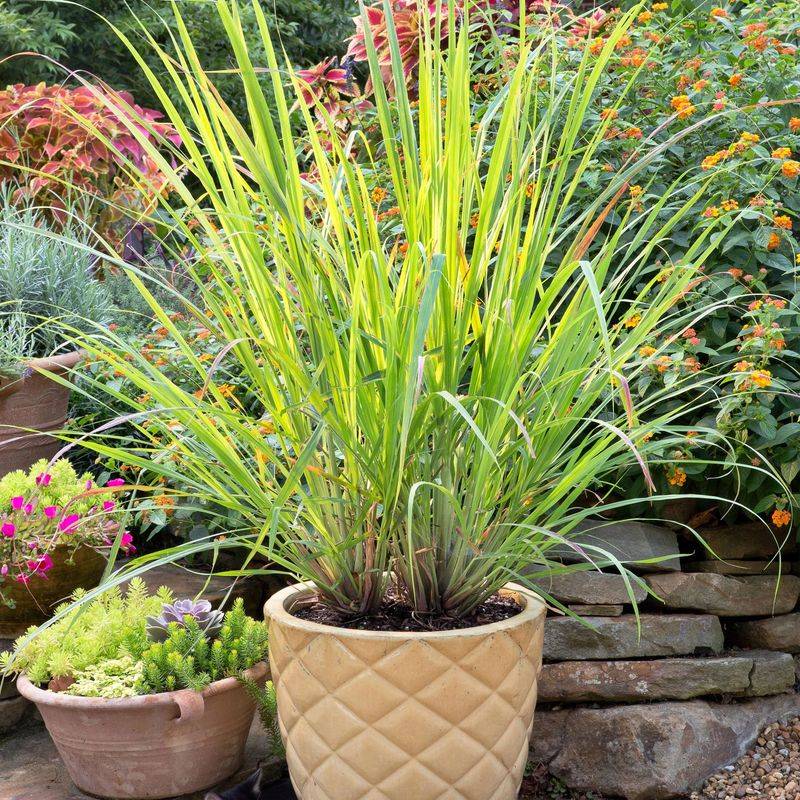
Lemongrass is a dramatic plant. It can grow several feet tall and wide in a single season, forming large, grassy clumps that fill a lot of space in a short amount of time.
In the right spot, it is a fantastic addition to a warm-climate garden. That spot just should not be right next to rosemary.
The size difference alone is a problem. A full-grown lemongrass clump can easily shade out a rosemary plant, blocking the full sun that rosemary needs to grow well and stay healthy.
Rosemary planted in too much shade tends to get leggy and may not produce the same flavor or fragrance as a sun-grown plant.
Root competition is another factor. Lemongrass develops a vigorous root system as the clump matures.
In a shared bed, those roots can compete directly with rosemary for space and resources, making it harder for the rosemary to establish and grow comfortably.
Lemongrass does best when it has a roomy spot all to itself, where it can spread without crowding neighbors. A large container or a dedicated section of the yard with full sun and good drainage works well for it.
Keep it at a comfortable distance from smaller herbs like rosemary so both plants can reach their full potential without getting in each other’s way.
7. Caladiums Prefer Shade While Rosemary Craves Sun
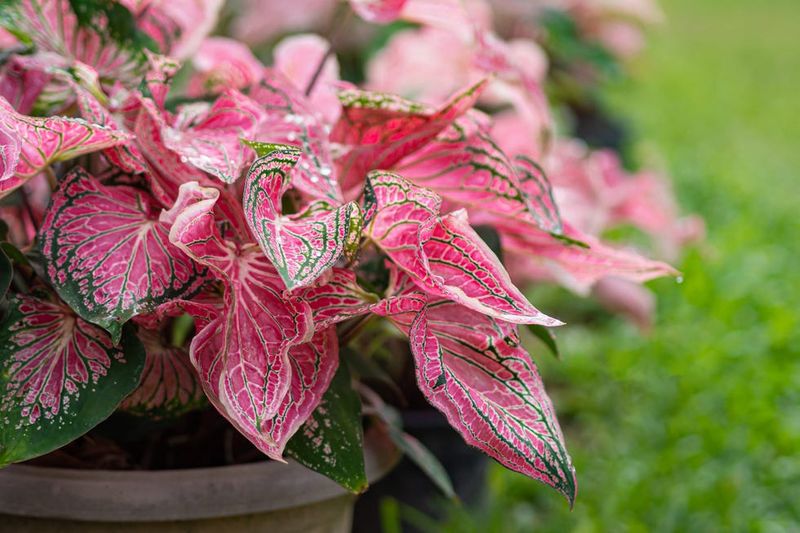
Caladiums are one of the most eye-catching plants you can add to a shaded garden area. Their large, colorful leaves in shades of red, pink, white, and green bring real visual impact.
They are a staple in warm-climate landscapes, especially in spots under trees or along shaded walkways.
The reason they do not belong near rosemary has everything to do with their opposite preferences. Caladiums actively prefer shade or filtered light and need soil that stays consistently moist.
Direct sun can scorch their leaves, and dry soil causes them to go dormant early.
Rosemary wants exactly what caladiums cannot tolerate: full sun and dry, well-drained soil. Planting them together means one of them will always be in the wrong conditions.
If the bed is sunny enough for rosemary, the caladiums will struggle. If it is shaded enough for caladiums, the rosemary will not perform well.
The good news is that both plants can look great in the same yard when placed thoughtfully in their own zones. Caladiums work beautifully under trees or in shaded borders, while rosemary shines in open sunny beds or containers on a bright Florida patio.
Treating them as plants for different garden rooms rather than companions in the same bed gives both of them the best chance to thrive and look their best.
8. Impatiens Need Moisture That Rosemary Cannot Stand
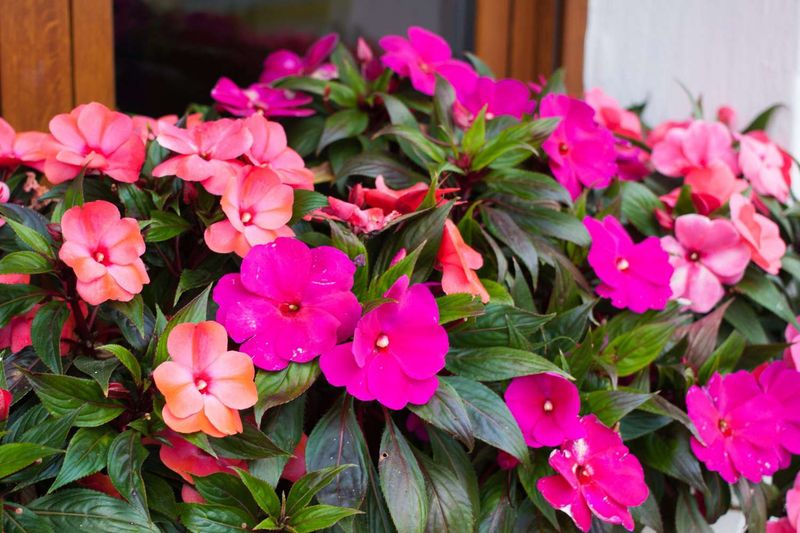
Impatiens are a go-to choice for adding color to shaded spots in warm-climate gardens. Their cheerful blooms come in a wide range of colors, and they are relatively easy to care for.
They need shade, regular moisture, and soil that does not dry out completely between waterings.
That care profile is essentially the opposite of what rosemary requires. Rosemary is a sun-loving, drought-tolerant herb that can struggle when its roots stay too wet.
A watering schedule set up for impatiens would keep the soil far too moist for rosemary to stay comfortable over time.
Light is the other major mismatch. Impatiens can burn or wilt badly in strong direct sun, especially during the hottest parts of the day.
Rosemary, on the other hand, needs that full sun exposure to grow compactly and produce its characteristic fragrance and flavor. There is no single light condition that makes both plants happy at the same time.
Keeping these two plants in separate areas of the garden is the practical solution. Use impatiens to brighten up shaded beds or borders where moisture stays consistent.
Give rosemary a sunny, well-drained spot all its own. Separating them by light zone and watering routine means both plants get exactly what they need, and your garden looks better for it overall.