Native North Carolina Shrubs That Outperform Azaleas In Full Sun Without Extra Watering
Azaleas are deeply embedded in the North Carolina garden tradition, and in the right conditions they deliver exactly what they promise. Full sun is not one of those conditions.
Gardeners who have pushed azaleas into open, sun-drenched borders know the look well: scorched leaf edges, thin foliage, and a bloom display that gets weaker every season until the shrub finally gives up the effort entirely.
Several native North Carolina shrubs not only survive full sun without supplemental watering but actively perform better in those conditions than they would with any additional coddling.
They bloom reliably, stay full through summer, and require none of the ongoing accommodation that struggling azaleas demand year after year.
1. New Jersey Tea
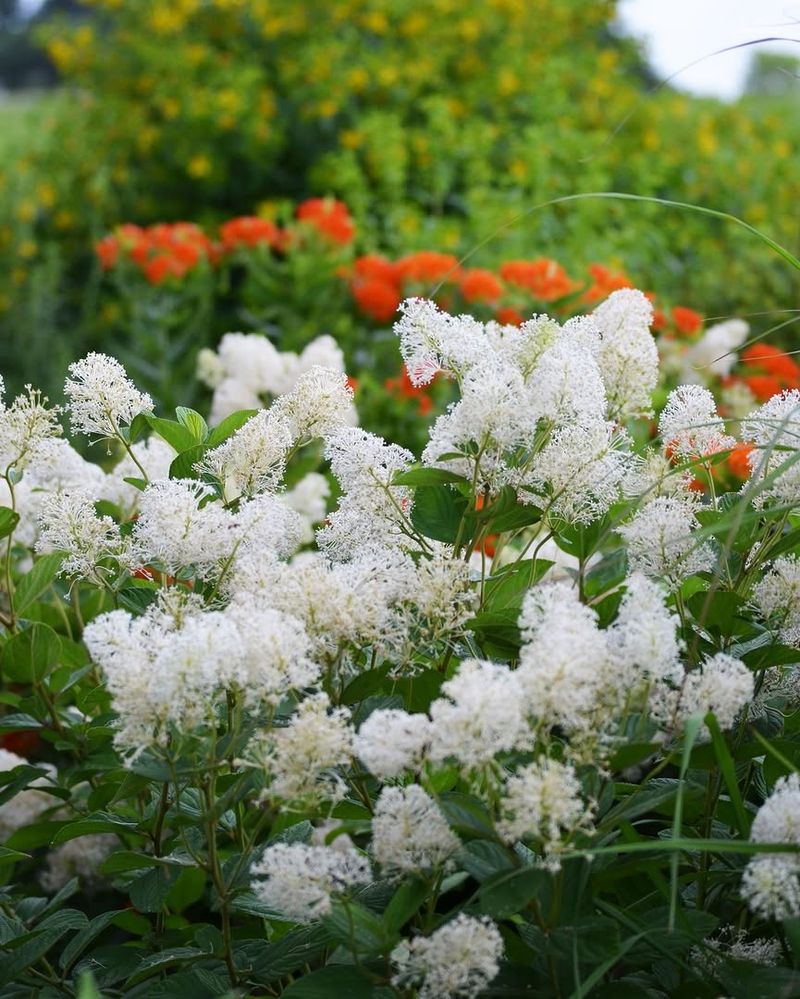
Not many shrubs can claim a role in American history, but New Jersey Tea was actually used as a tea substitute during the Revolutionary War.
Beyond that fun fact, this compact native shrub is one of the most underrated plants for sunny North Carolina yards.
It grows naturally across the state in dry, rocky, or sandy soils where other shrubs would quickly give up.
New Jersey Tea reaches about three to four feet tall and wide, making it a tidy, manageable size for most garden spaces.
In late spring to early summer, it bursts into fluffy clusters of creamy white flowers that smell lightly sweet and attract butterflies, bees, and other pollinators in impressive numbers.
Full sun brings out the best blooms, though it handles partial shade just fine. Once established, this shrub asks for almost nothing in return.
Its deep root system pulls moisture from well below the surface, making it genuinely drought tolerant without any extra watering from you.
Sandy, rocky, or well-drained soils are ideal, and it does not need rich or amended ground to thrive.
If you want a low-maintenance native that outshines azaleas in dry sunny spots while feeding your local butterfly population, New Jersey Tea belongs in your yard without question.
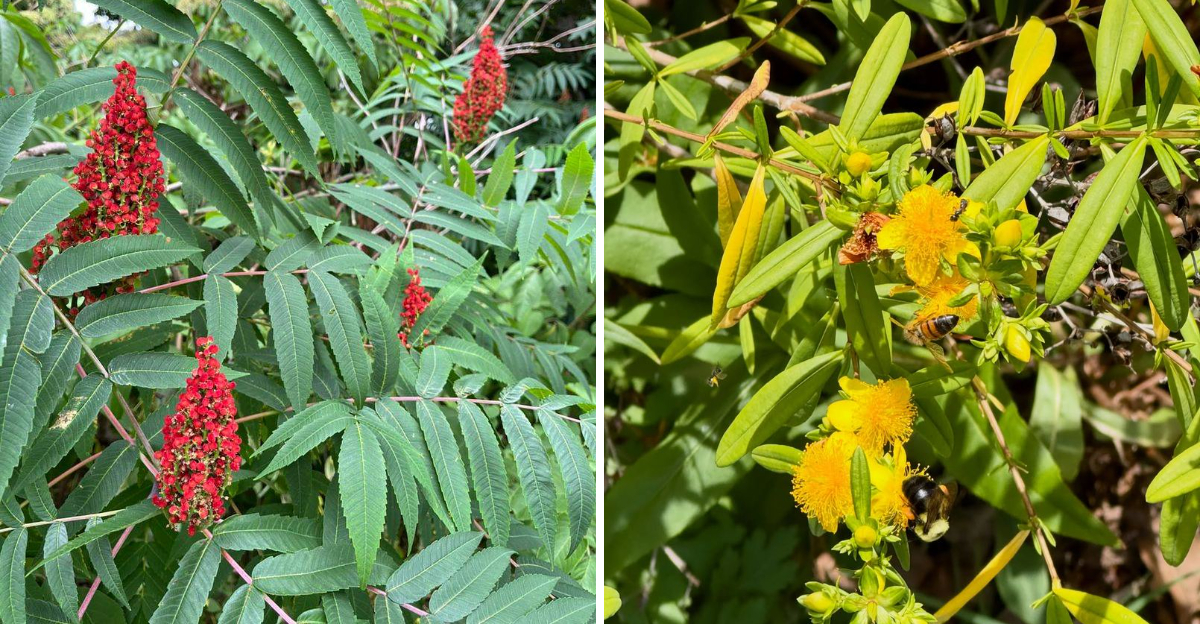
2. Fragrant Sumac
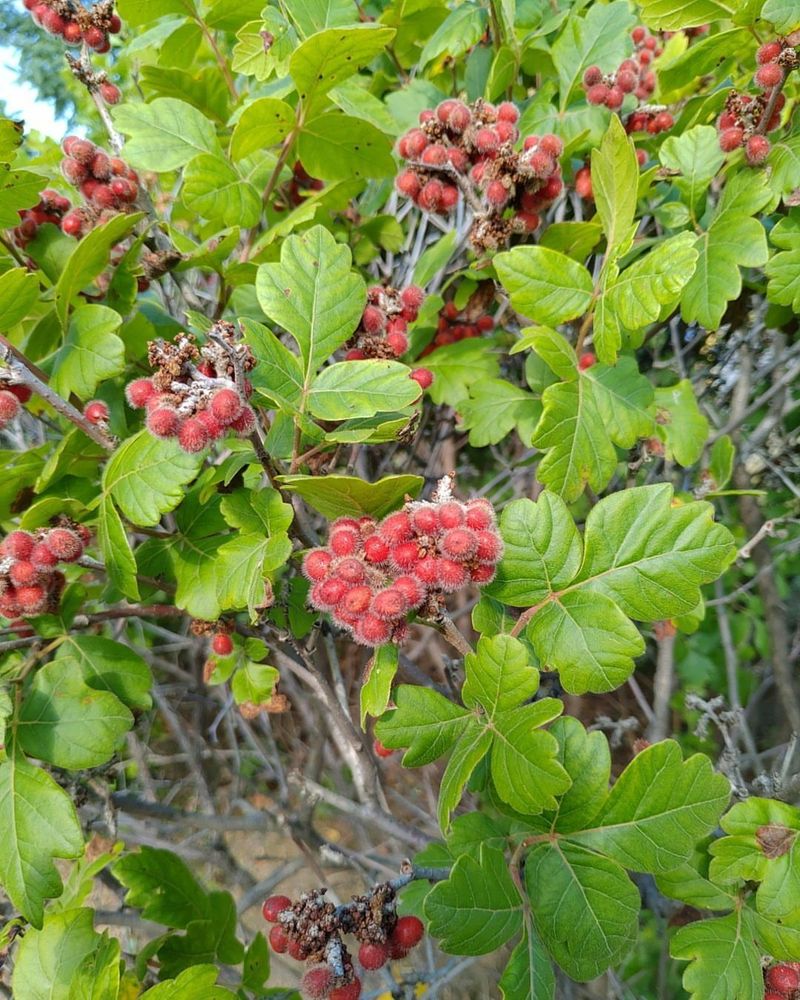
Fragrant sumac earns its name the moment you brush against its leaves and catch that sharp, citrusy scent.
This tough native shrub is built for the kinds of spots that challenge most plants, including steep slopes, dry banks, rocky ground, and even heavy clay soils that drain poorly in winter.
Azaleas would never survive those conditions, but fragrant sumac genuinely thrives in them.
Growing three to six feet tall and often wider than it is tall, fragrant sumac spreads by underground suckers to form a dense colony over time.
That spreading habit makes it a fantastic choice for erosion control on banks and slopes where you need roots holding the soil together fast.
Small yellow flowers appear in early spring before the leaves even open, giving pollinators an early season meal when food is still scarce.
Come fall, the show really begins. Leaves turn brilliant shades of orange, red, and purple that rival any ornamental shrub you could plant.
It handles poor soil, drought, shallow rocky ground, and even occasional wet spells without complaint.
Your North Carolina Garden Changes Every Week. Your Plan Should Too.
Gardening in North Carolina changes quickly throughout the season. Every Friday you’ll receive a simple weekly plan showing exactly what to plant, prune, fertilize, harvest, and protect so you never miss the right timing.
Because it does spread, fragrant sumac works best in larger natural areas, native borders, or hillside plantings where you have room to let it roam.
For those spaces, it is one of the most rewarding and hardworking native shrubs North Carolina has to offer.
3. Yaupon Holly
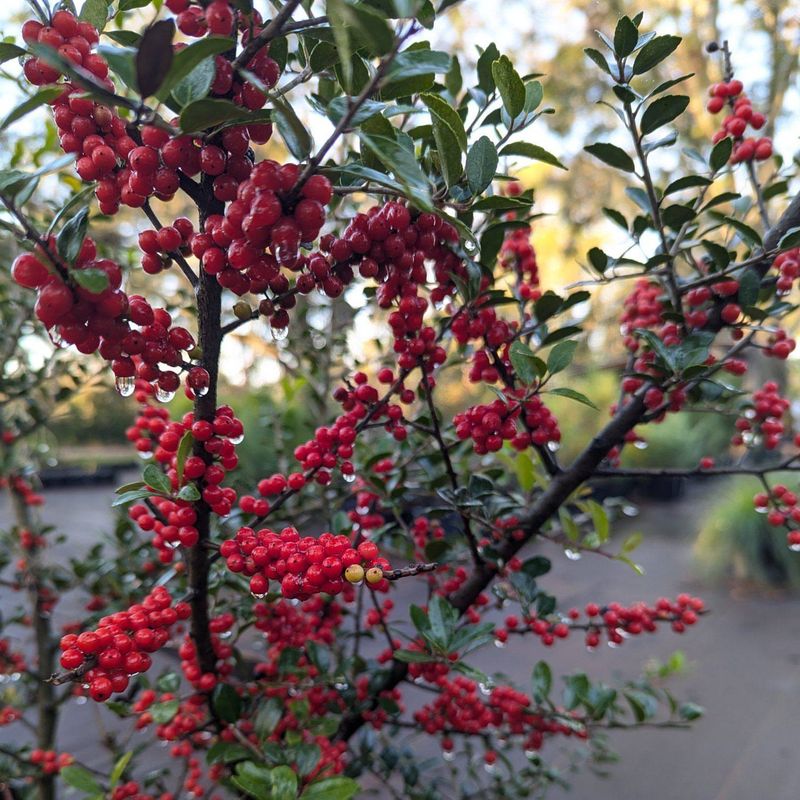
Yaupon holly might just be the most versatile native shrub in North Carolina, and it is wildly underused in home landscapes.
While azaleas demand the right soil, the right moisture, and just the right amount of shade, yaupon holly handles almost everything you throw at it without skipping a beat.
Full sun, partial shade, sandy soil, clay, drought, salt spray, occasional flooding, it handles all of it.
This tough evergreen grows naturally along the North Carolina coast and into the Piedmont, where it forms dense thickets that provide year-round cover for birds.
In the garden, it can be shaped into a formal hedge, left natural as a wildlife screen, or pruned into an interesting specimen with character.
Female plants produce clusters of small red berries that birds absolutely love through fall and winter, adding color and life to the yard long after other shrubs have gone quiet.
Yaupon holly is also one of the few North American plants that contains caffeine, making it a genuinely fascinating piece of botanical history right in your backyard.
It grows at a moderate pace and responds well to heavy pruning, so you stay in control of its shape and size.
For gardeners who want reliable evergreen structure in full sun without constant watering or soil amendments, yaupon holly outperforms azaleas in nearly every measurable way.
4. Wax Myrtle
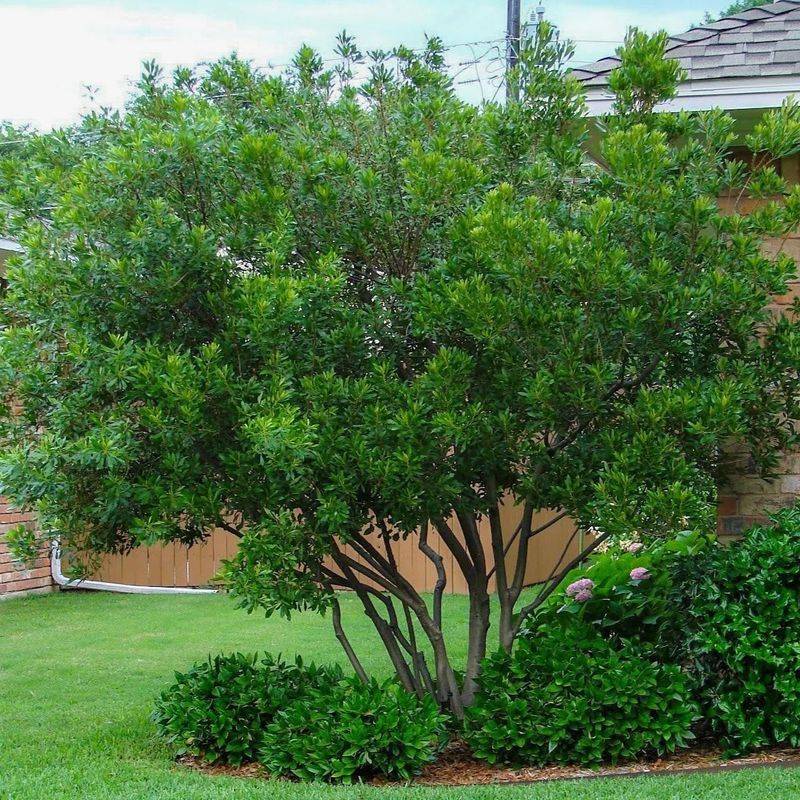
Wax myrtle grows fast, smells amazing, and handles conditions that would stress most landscape shrubs into a sad decline.
Crush a leaf between your fingers and you get a clean, spicy, bayberry-like fragrance that instantly makes this plant memorable.
Native across North Carolina from the coast to the Piedmont, wax myrtle is one of those shrubs that seems to thrive no matter what the weather does.
It grows in full sun to partial shade and adapts to an impressive range of soil conditions once it gets established.
Wet coastal sites, dry upland banks, salty air, and strong winds are all within its comfort zone.
That kind of flexibility is rare in the shrub world and makes wax myrtle especially valuable for yards that have challenging spots where other plants keep failing.
It can reach ten to twelve feet tall, making it genuinely useful as a privacy hedge or screening plant along property lines.
The waxy blue-gray berries that appear in fall and winter attract dozens of bird species, including yellow-rumped warblers that rely on them as a key food source during migration.
Wax myrtle also fixes nitrogen in the soil, which means it actually improves the ground around it over time.
For a fast-growing, fragrant, wildlife-friendly native that thrives in full sun without extra irrigation, wax myrtle is a standout choice for any North Carolina yard.
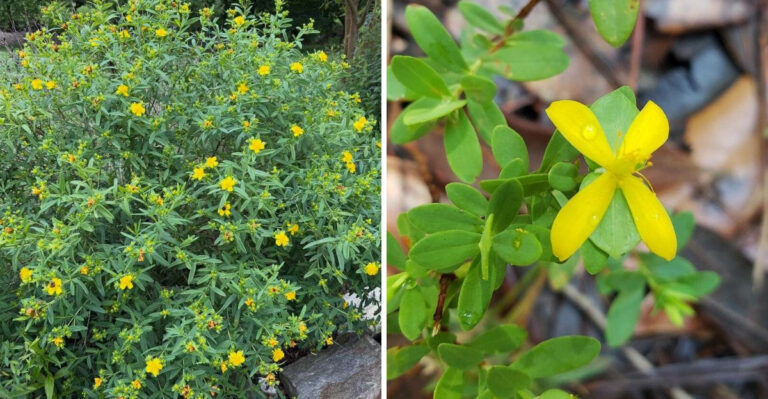
5. Shrubby St. Johns Wort
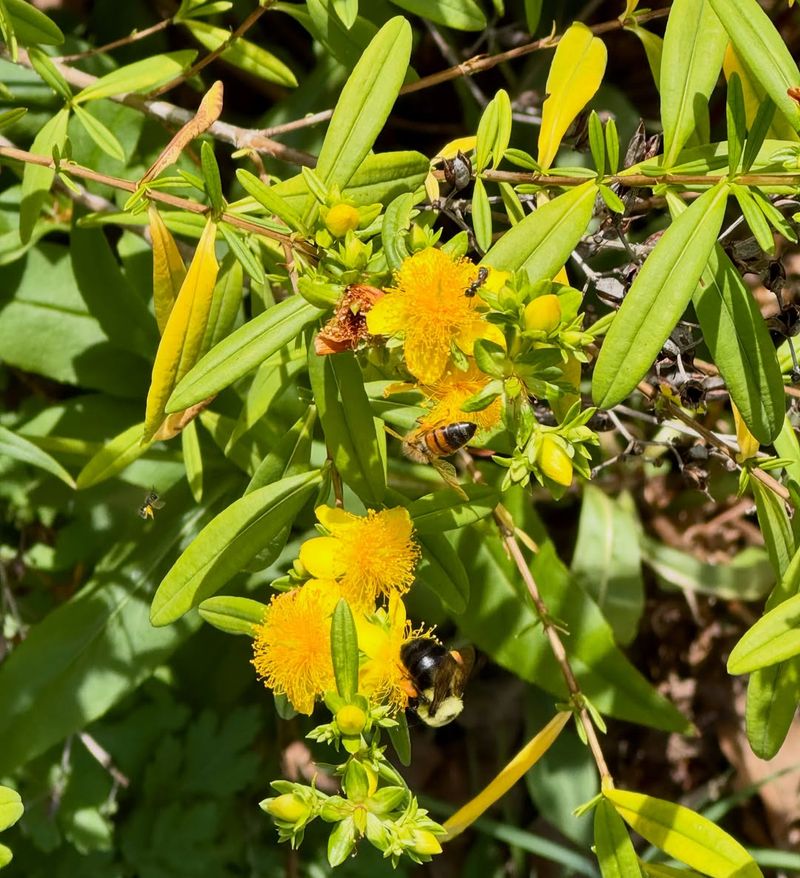
Bright golden flowers in the heat of summer are not something most shrubs deliver, but shrubby St. Johns Wort does exactly that.
While azaleas are long past their spring blooming window and sitting quietly in the garden, this native shrub puts on a cheerful yellow show from midsummer into early fall.
It fills a blooming gap that most landscapes desperately need. Shrubby St. Johns Wort grows naturally in open woodlands, rocky slopes, and stream banks across North Carolina, which tells you a lot about how adaptable it is.
In the garden, it performs best in full sun, where it blooms most heavily and keeps a tighter, more attractive shape. Partial shade works too, though the flower count drops noticeably.
It prefers moist, well-drained soil but handles dry conditions once its roots are settled in, making it a solid performer through summer dry spells.
Growing two to four feet tall and wide, it fits neatly into mixed borders, rain garden edges, or sunny foundation plantings without taking over the space.
The flowers attract native bees and other pollinators that are active during the hot summer months when many other blooms have faded.
It requires very little maintenance once established, needing only an occasional trim in late winter to keep its shape tidy.
For sunny North Carolina beds that need reliable summer color without constant watering, this native shrub absolutely delivers.
6. American Beautyberry
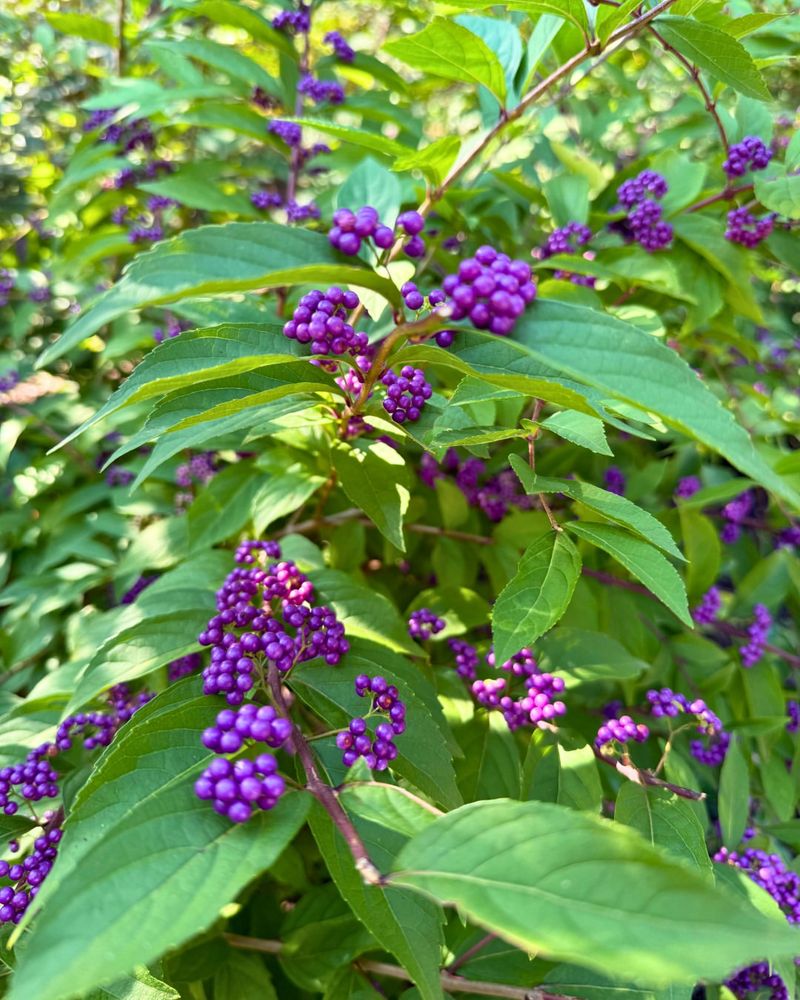
Nothing in the fall garden stops visitors in their tracks quite like American beautyberry.
The clusters of electric purple berries that line every arching stem look almost unreal, like someone painted them on.
Native across North Carolina, this shrub brings a level of late-season drama that azaleas simply cannot match, and it does it without demanding extra water or fussy soil conditions.
American beautyberry grows best in full sun to part shade, and full sun is where it really shines.
More light means more flowers in early summer and more of those showstopping berries come fall.
It adapts to many soil types as long as drainage is decent, and once established it handles dry stretches without showing much stress.
You can expect it to reach four to six feet tall and wide, with gracefully arching branches that give it a relaxed, natural look. Wildlife absolutely love this plant.
Birds, deer, and small mammals feed heavily on the berries throughout fall and into winter, making it one of the most ecologically valuable shrubs you can add to a North Carolina yard.
The small pink to lavender flowers in summer are subtle but attract pollinators reliably. If a hard freeze cuts the stems back, the plant bounces back vigorously from the roots each spring.
For gardeners who want jaw-dropping fall color and genuine wildlife value in a sunny spot, American beautyberry is nearly impossible to beat.
7. Sparkleberry
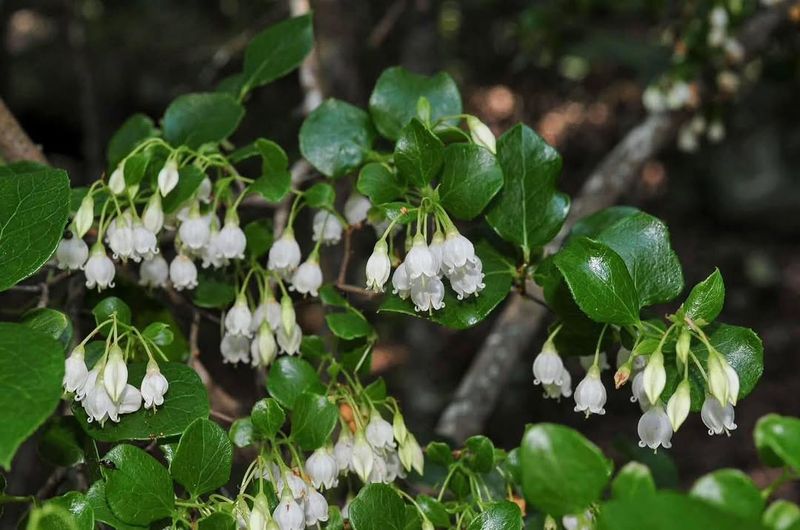
Sparkleberry lives up to its name in every season. In spring, it covers itself with tiny white bell-shaped flowers that dangle in clusters and attract early pollinators with reliable enthusiasm.
By summer, small dark berries ripen along the branches and birds move in quickly to claim them.
Come fall, the leaves shift into deep reds and purples that make this shrub look like it belongs in a painting.
Growing natively across North Carolina in dry, rocky, or sandy soils, sparkleberry handles the kind of heat and drought that sends azaleas into a spiral.
It thrives in full sun and tolerates partial shade, making it flexible enough for a variety of spots in the yard or garden edge.
Depending on conditions and pruning, it can grow anywhere from a large multi-stemmed shrub to a small tree reaching up to fifteen feet, giving gardeners real options for how to use it.
The twisted, peeling bark on older stems adds winter interest after the leaves have dropped, so this plant earns its space in the garden year-round.
It is especially valuable in hot, dry sites with poor soil where other shrubs struggle to get established at all.
Sparkleberry asks for almost nothing once its roots are settled in, and it gives back beauty, food for wildlife, and four seasons of interest in return.
For North Carolina gardeners dealing with challenging sunny sites, this native gem deserves far more attention than it currently gets.
8. Red Chokeberry
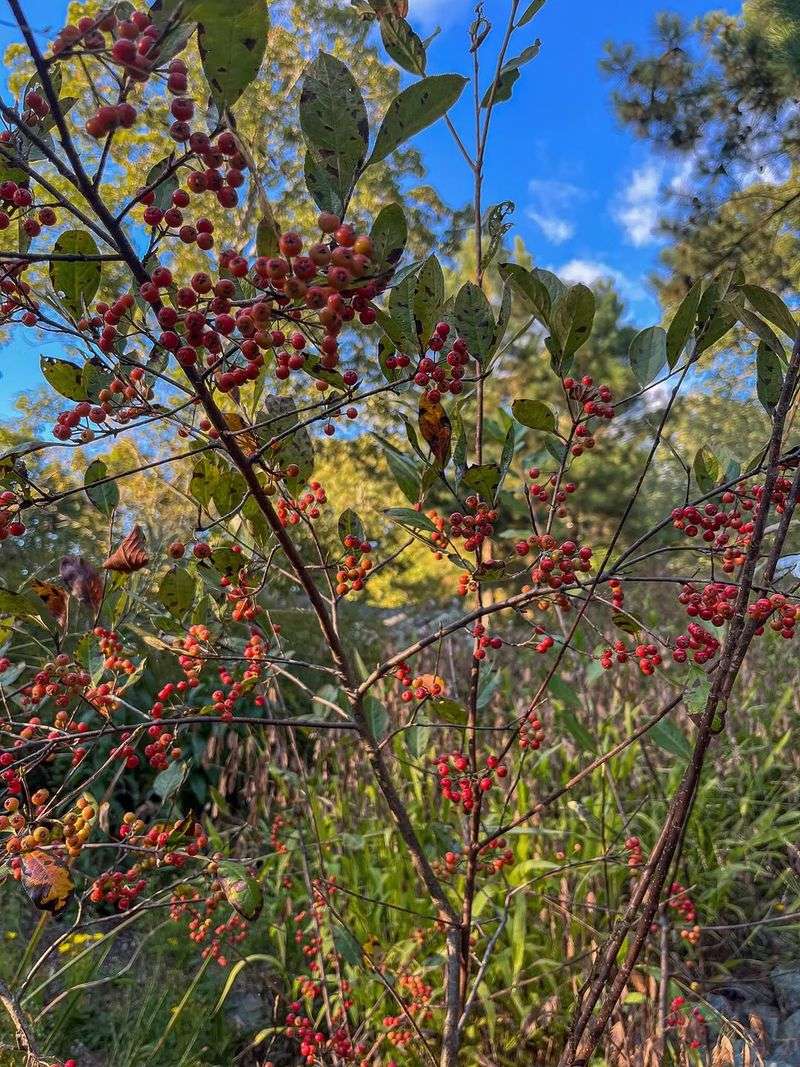
Red chokeberry is a three-season powerhouse that most North Carolina gardeners have not discovered yet, and that is honestly a shame.
In spring, clusters of small white flowers with rosy centers open up and attract pollinators at a time when the garden is just waking up.
Those flowers then develop into vivid red berries that hang on the branches well into winter, giving the yard color and feeding birds long after most shrubs have gone bare. Full sun brings out the absolute best in red chokeberry.
More light means heavier flowering, brighter berry color, and more intense fall foliage, which turns a brilliant red-orange that rivals any ornamental shrub on the market.
It tolerates a wide range of soil types, from consistently moist rain garden edges to moderately dry garden beds, and it is listed as drought tolerant once established.
That flexibility makes it genuinely useful across many different yard conditions.
Growing four to six feet tall, red chokeberry works well in native borders, pollinator gardens, or as a back-of-bed accent where its fall display can really be seen and appreciated.
It also spreads slowly by suckers to form a natural colony, which is great for filling in a larger area over time.
For open, sunny North Carolina beds where azaleas would need babying through summer heat, red chokeberry steps in and thrives with almost no help from you at all.
9. Winged Sumac
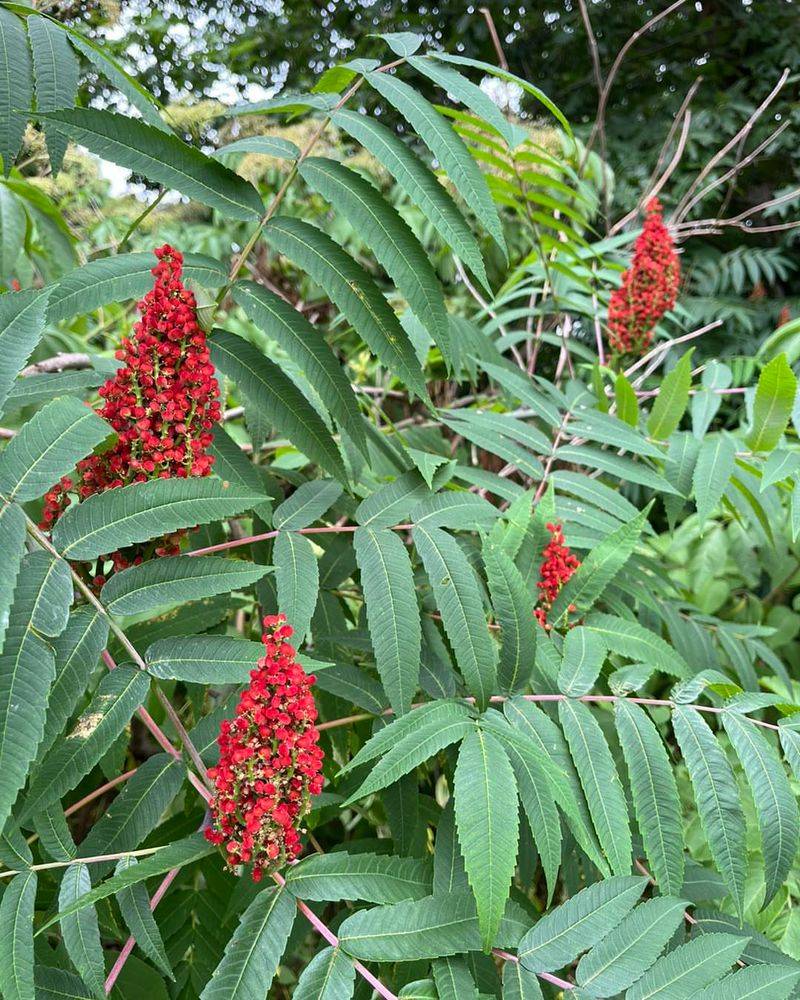
Winged sumac gets its name from the distinctive flat, wing-like ridges that run along each stem, making it easy to identify even in winter when the leaves are gone.
This bold native shrub is built for exactly the kind of hot, dry, sunny conditions where azaleas struggle most.
Poor soil, drought, and full summer sun are not problems for winged sumac. They are practically its preferred living conditions.
It grows best in full sun and handles a range of soil types from moist and fertile to dry and rocky without complaint.
Once established, its deep root system makes it genuinely drought tolerant, meaning you can plant it and mostly forget about it through summer heat waves.
In late summer, it produces upright clusters of small greenish-yellow flowers that mature into dark red, fuzzy berry clusters that birds and small mammals feed on through fall and winter.
The real spectacle comes in autumn, when the leaves shift to blazing shades of red and orange that make a sunny hillside or open border look absolutely stunning.
Winged sumac does spread by root suckers, so it works best in larger natural areas, open slopes, or native meadow edges where you have room for it to expand.
For dry, sunny, problem spots where spreading is welcome and low maintenance is a must, winged sumac handles the job better than almost any other plant you could choose.
10. Carolina Rose
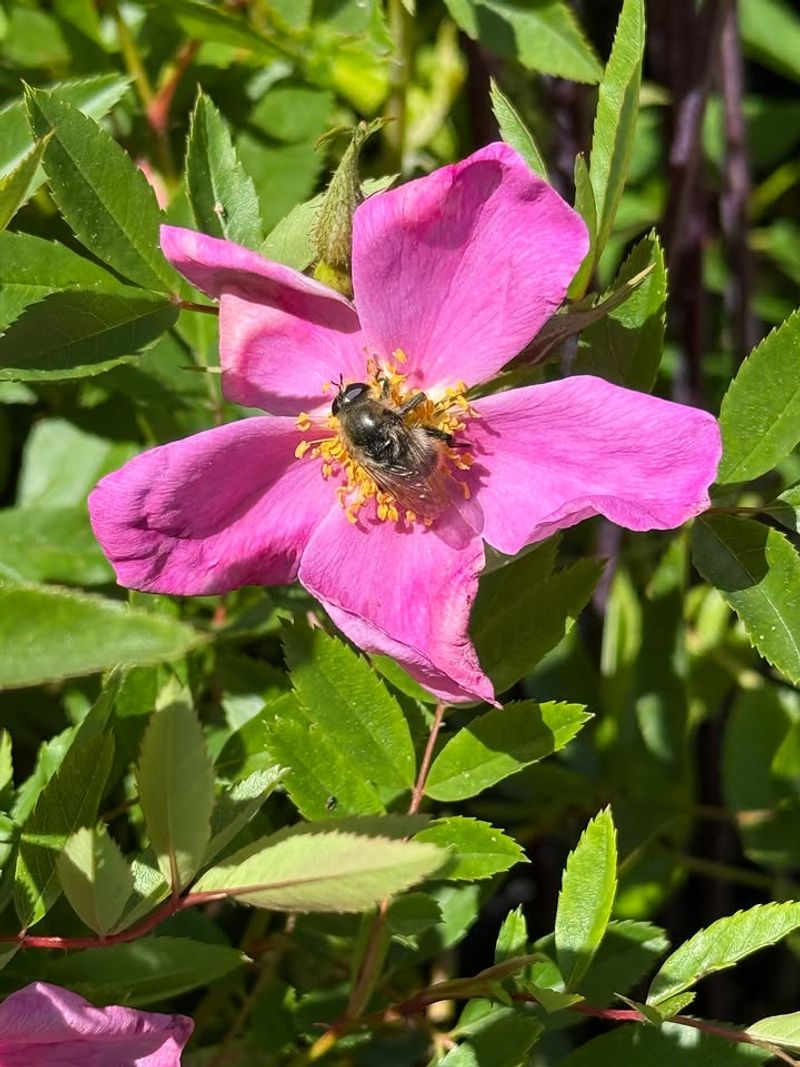
Carolina rose is the kind of plant that makes a garden feel wild and alive in the best possible way.
Soft pink flowers with golden centers open in late spring and early summer, drawing in native bees, bumblebees, and butterflies with their open, accessible bloom shape.
After the flowers fade, bright red rose hips develop and hang on the stems through fall and winter, feeding birds and adding a warm pop of color to the garden during the colder months.
This native rose flowers most heavily in full sun and handles heat better than most garden roses you would find at a nursery.
It grows in an impressive range of soils, including clay, loam, sand, shallow rocky ground, and even very dry conditions once it gets established.
Occasional dry spells do not set it back much, making it a solid performer in sunny yard edges and open borders where moisture is inconsistent through summer.
Carolina rose typically grows three to five feet tall and spreads gradually by suckers to form a loose, natural-looking thicket.
That habit makes it a wonderful informal hedge along a fence line, a property edge, or a sunny garden border where structure and wildlife value both matter.
Pollinators are drawn to it consistently throughout its blooming season, and the hips provide food that carries wildlife through lean winter months.
For sunny spots where azaleas ask for too much shade and moisture, Carolina rose steps in beautifully and asks for very little in return.