The Meaning Behind Black-Eyed Susans Taking Over Ohio Gardens In August
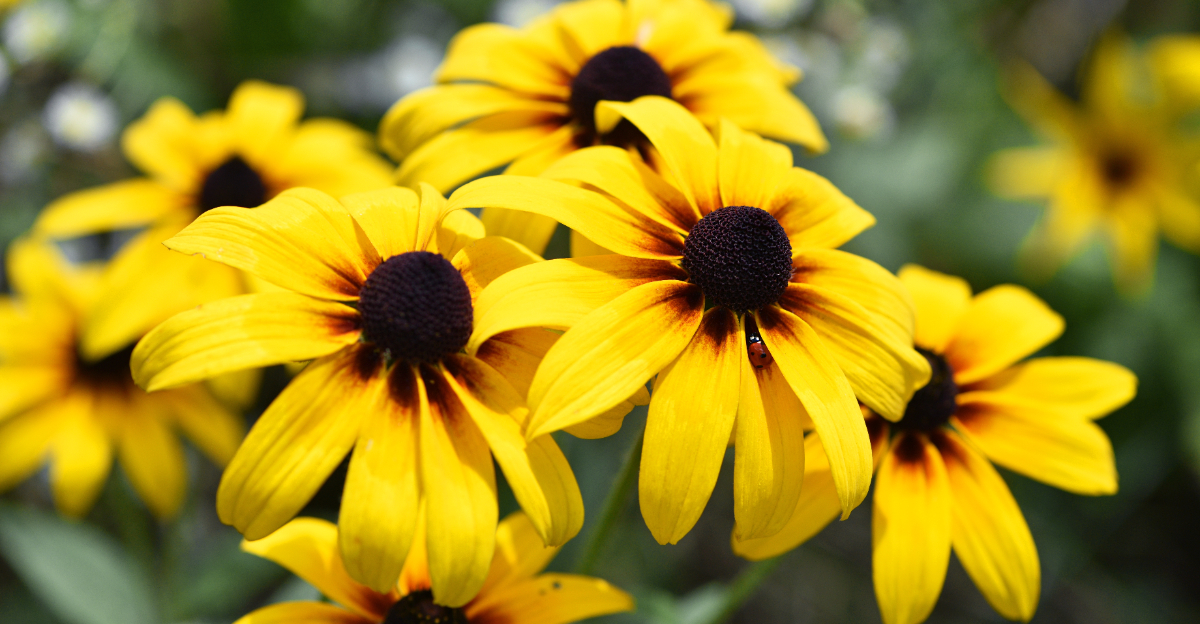
A black-eyed Susan planted in one spot and now appearing three feet in every direction is not a problem. It is a report card.
One of the better ones an Ohio garden can receive in August. Black-eyed Susans spread when conditions suit them.
Soil health, moisture balance, sunlight. A garden that gets taken over by them has gotten something fundamentally right.
The spread tells a specific story about what is happening underground and at ground level in that bed. It points to exactly where the garden is performing best.
Most volunteers that get pulled from the wrong spots are not weeds. They are signals.
The difference between the two is worth figuring out before anything gets pulled.
1. August Blooms Make Every New Plant Stand Out
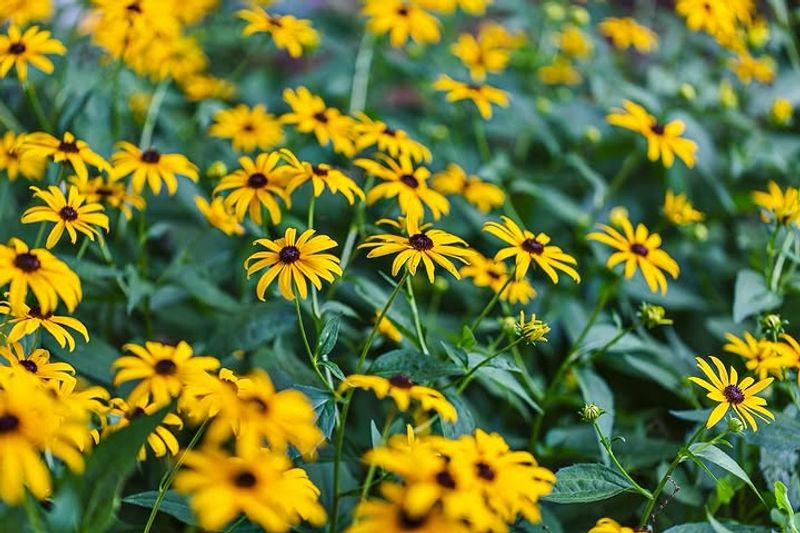
Dozens of yellow flower heads opening at once can make a familiar garden corner look completely transformed. That sudden visual shift is one of the most common reasons gardeners feel their black-eyed Susans have taken over.
However, the actual number of plants may not have changed much.
Rudbeckia hirta typically reaches peak bloom from late June through September across much of its native range. In many Ohio gardens, August often delivers the most concentrated display.
Before flowers open, young stems and low rosettes blend easily into surrounding greenery. A plant that was invisible last month becomes impossible to miss once its petals spread wide.
Each flower head features yellow ray florets surrounding a central disk that ranges from deep brown to a very dark purplish-brown. Not every disk appears fully black, despite the common name, so expect some variation in color across your patch.
A showy flower display does not reveal how the plants arrived or spread. Some may have grown from seeds, while others could be side shoots from an older crown.
Walk through the bed and crouch down to inspect the base of individual plants. Look at the spacing between stems and check whether roots connect or sit separately.
That ground-level observation gives you far more useful information than the flower display alone ever could.
2. Open Soil Gives Fallen Seeds Room To Sprout

Tiny seedlings showing up in bare patches or mulch gaps are often the first sign that last year’s seed heads did their job. Rudbeckia hirta produces seeds in the dark, cone-shaped heads that remain after the ray petals fall.
Those seeds can be carried short distances by wind or simply drop to the ground near the parent plant.
Exposed or lightly covered soil tends to support more seedlings than a thick plant canopy where competition is heavy.
Garden activities like digging, weeding, moving perennials, or pulling back old mulch can create just enough open space for seeds to settle and sprout.
Mulch reduces germination in many cases, but it does not block every seed, especially if the layer is thin or uneven.
Seedlings can appear several feet away from the original clump, which sometimes surprises gardeners who assumed the patch stayed put. Keep in mind that not every small rosette near your black-eyed Susans belongs to the same species.
Your Ohio Garden Changes Every Week. Your Plan Should Too.
Gardening in Ohio changes quickly throughout the season. Every Friday you’ll receive a simple weekly plan showing exactly what to plant, prune, fertilize, harvest, and protect so you never miss the right timing.
Wait until the plant develops enough leaves to show clear identifying features before deciding what to do with it.
Young seedlings are easy to remove by hand when the soil is moist. You can also transplant them to a more suitable spot in your yard.
Avoid moving plants from natural areas or roadsides, since that can disturb local ecosystems.
3. Short Lived Plants Replace Themselves Through Seed
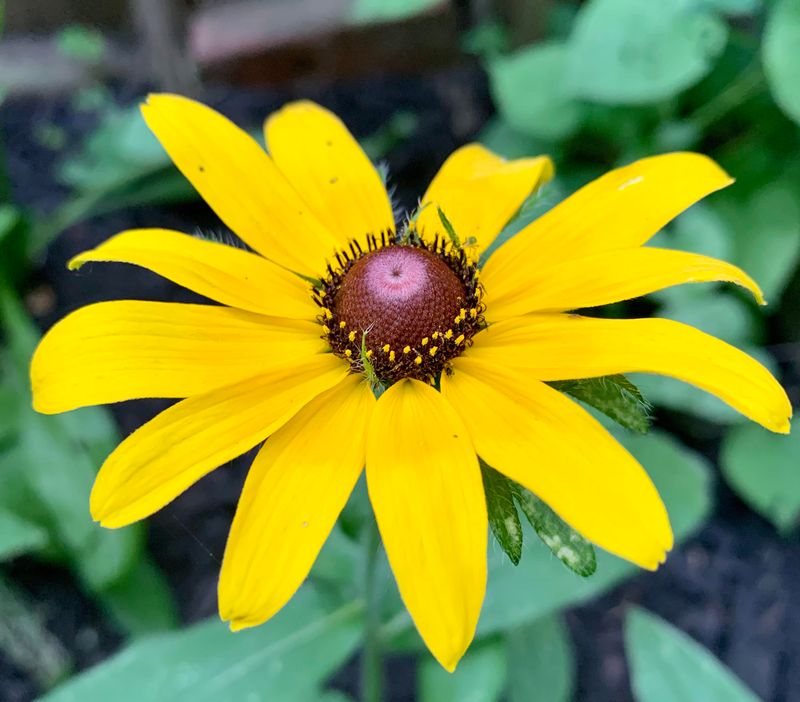
Picture a tall flowering plant standing beside several low, leafy rosettes hugging the ground nearby. That scene captures exactly how Rudbeckia hirta keeps a colony going even though individual plants may not survive for many years.
The species commonly behaves as a biennial or short-lived perennial, meaning a single plant may flower for one to a few seasons before it fades.
New seedlings fill the gap left by older plants, so the patch can appear permanent even when its members are constantly being replaced.
Colony persistence and individual plant longevity are two very different things, and mixing them up leads to confusion about how fast the patch is actually growing.
Seed-grown plants often spend their first season producing only a leafy rosette before flowering in their second year, though conditions vary.
Trimming spent flower heads can reduce the number of seeds that reach the soil, but some seeds may ripen and fall before you get around to cleanup.
Removing every seed head does not guarantee a seedling-free bed the following spring.
Gardeners have two reasonable choices here. Leave selected seed heads in place to allow natural renewal of the colony, or remove them consistently to gradually reduce the number of new seedlings.
A combination of both approaches, saving a few heads and removing the rest, gives you a middle path worth trying.
4. Perennial Types Expand Beyond The Original Clump
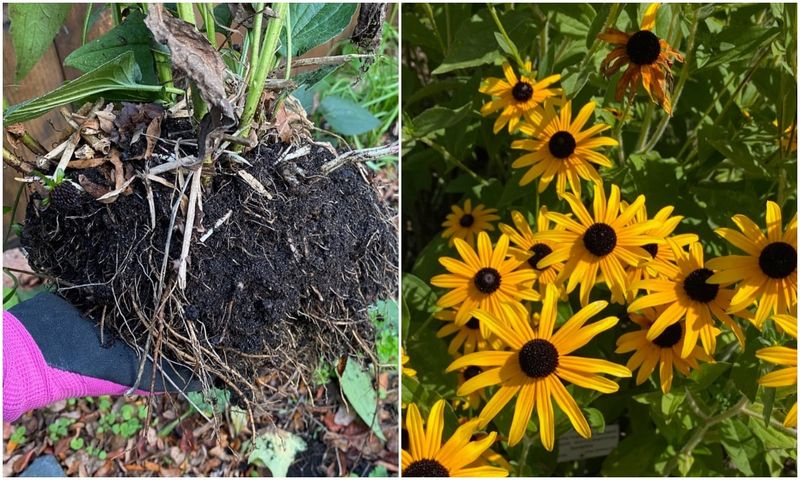
Several shoots pushing up from one shared base tell a different story than scattered seedlings across open ground.
Some plants sold under the black-eyed Susan name are longer-lived perennial types that form expanding clumps rather than relying mainly on seed to persist.
Rudbeckia fulgida, for example, is a perennial species commonly sold at Ohio nurseries that spreads steadily through crown and rhizome growth.
Most reliable horticultural sources do not consider Rudbeckia hirta strongly rhizomatous. Therefore, a patch of the straight species is less likely to be spreading rapidly underground.
It is more likely renewing itself through seed. Knowing which plant you actually have matters a great deal before you decide on a management approach.
Clump expansion, separate seedlings, rhizomatous shoots, and nursery plants placed close together can all produce a crowded look above ground. Telling them apart requires a careful look at the root zone.
Gently clear away soil around the base to see whether stems share a connected crown or emerge from separate root systems. Avoid tearing apart roots during this check.
Dividing a flowering plant during the heat of August is hard on the plant and rarely successful. Mark any perennial clump you want to manage and wait until early spring when the ground is workable and temperatures are cooler.
Spring division gives new sections the best chance to settle in before summer stress arrives.
5. Sunny Beds Encourage A Bigger Flowering Display
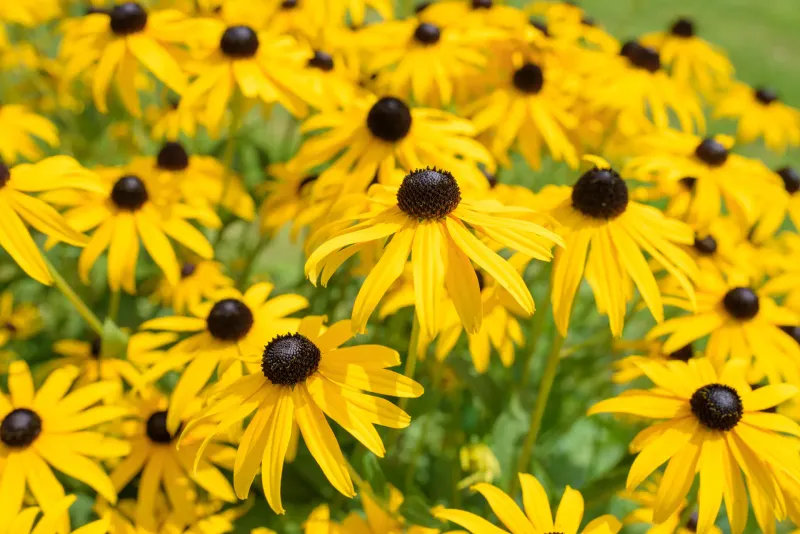
Walk along a bed that gets full sun on one side and partial shade on the other, and the difference in flower density can be striking.
Rudbeckia hirta grows best in full sun and tolerates a range of well-drained soil types without needing rich amendments or heavy fertilizer.
More sunlight generally encourages more flower production, which makes the patch look larger and more dominant than it might in a shadier corner.
Open ground with reduced competition from neighboring plants also helps seedlings establish. When surrounding perennials thin out or annual beds are left bare after spring cleanup, exposed soil becomes available for germination.
That combination of good light and open space can produce a noticeably denser display by midsummer.
Established Rudbeckia hirta plants handle dry spells reasonably well once their roots are settled, but new seedlings still need consistent moisture to develop properly.
Assuming that drought tolerance applies to every stage of growth is a mistake that can lead to disappointing results with young plants.
Judging a patch accurately means looking at both flower density and plant density. A sunny bed with ten well-spaced plants in full bloom may look just as full as a shadier bed with twenty plants producing fewer flowers.
Count stems at the base rather than flower heads at the top to get a more accurate picture of how much the colony has actually grown.
6. Pollinator Traffic Reveals Their Late Summer Value
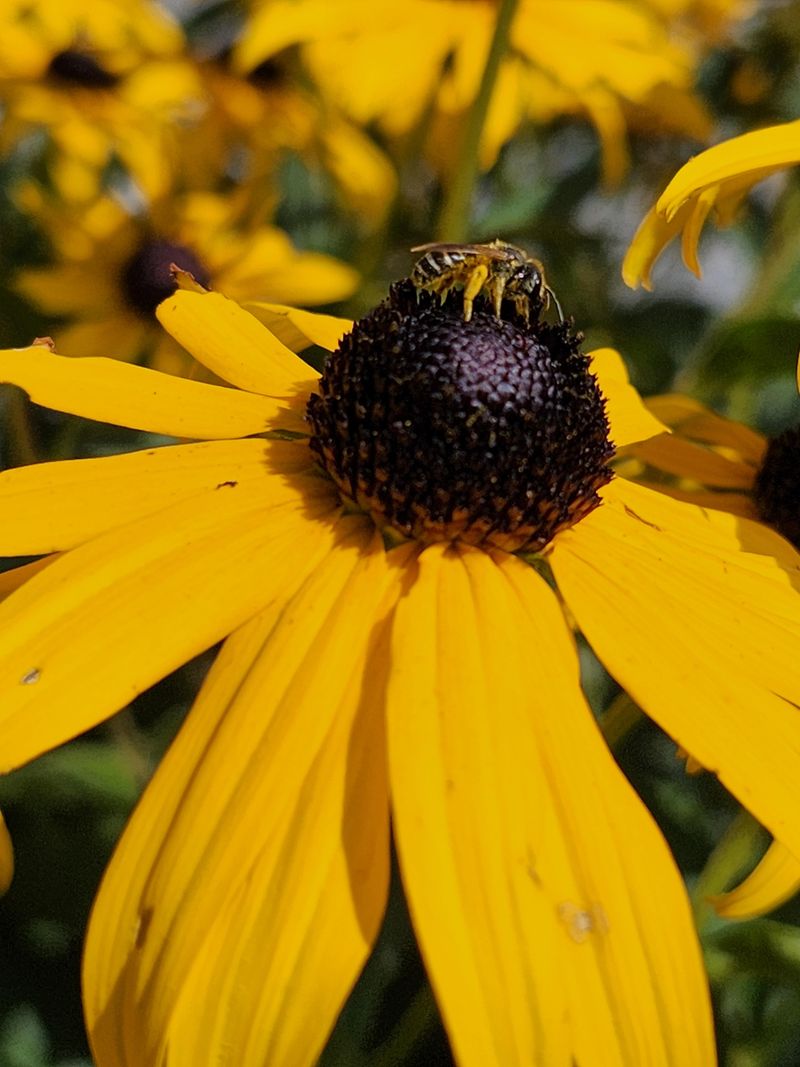
Watch any open patch of black-eyed Susans on a warm August afternoon and you will likely notice a steady stream of visitors moving between the flower heads. Bees, beetles, and butterflies can provide pollination.
They may also supply important late-season foraging resources after many other summer flowers have finished blooming. A large number of open flowers concentrated in one area tends to attract more visible insect activity simply because the reward is easy to find.
Ohio native bees are among the groups most commonly observed visiting Rudbeckia hirta. Pollen and nectar availability can support late-season foraging for a variety of species, though not every insect that lands on a flower head acts as a pollinator.
Observation is worthwhile, but avoid drawing conclusions about population support from a single garden patch.
Insect activity on your flowers is not evidence that the plants recently spread. It simply reflects the natural attraction between open blooms and foraging insects during a period when food sources may be less abundant than in early summer.
Avoid applying pesticides to open blooms whenever possible. If a pest problem requires treatment on nearby plants, correct identification comes first, followed by strict label compliance.
Gardeners can manage unwanted spread in one area of the yard. At the same time, they can leave other sections in full flower to support late-season visitors through the rest of the growing season.
7. Seed Heads Prepare The Garden For Next Year
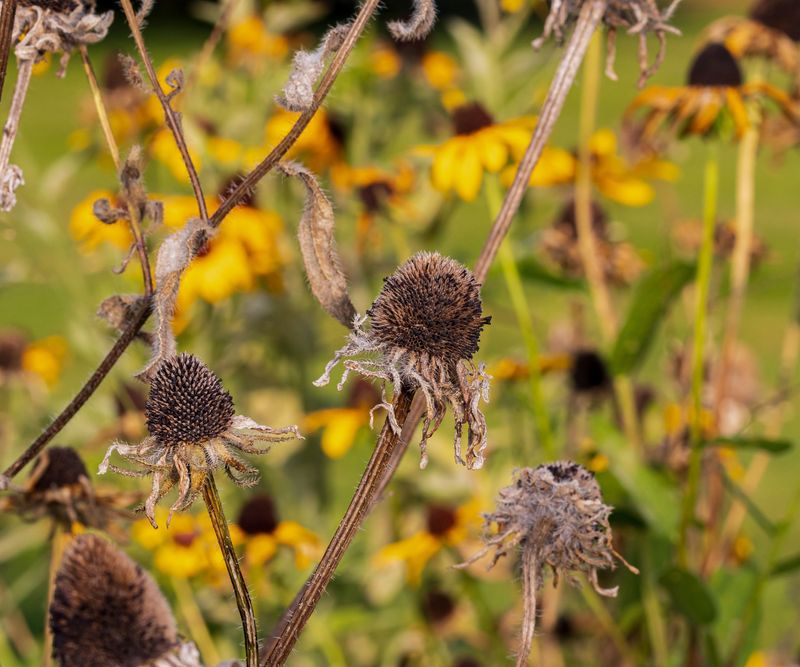
Once the bright yellow rays begin to fade and fall away, dark cone-shaped seed heads take their place on every stem. Those cones are where next year’s seedlings begin their story.
Seeds mature inside the cone over several weeks after flowering ends, and they can be released gradually as the structure dries and opens.
Not every seed produces a plant. Germination depends on a combination of factors including soil moisture, light availability, competition from neighboring plants, weather patterns, and seed viability.
A cone holding hundreds of seeds may contribute only a handful of new plants to the garden the following year, or none at all if conditions are not right.
Leaving seed heads on the stems through late fall and winter may provide food for seed-eating birds. However, the species involved and their use of Rudbeckia seeds should be verified for your region.
This should be done before making strong claims about wildlife benefits. Removing heads before seeds fully mature reduces but does not eliminate future seedlings, since some seeds may have already fallen earlier in the season.
Practical timing matters here. If you want to collect seeds for replanting elsewhere in your own yard, wait until the cones feel dry and firm, then store seeds in a cool, dry location.
Avoid spreading seeds beyond your own property, since even Ohio native plants can become unwanted in neighboring spaces or natural areas.
8. Early Control Keeps Welcome Color From Spreading Too Far

Young rosettes popping up along a garden path or crowding a smaller perennial are a clear signal that some management is overdue.
Addressing the situation early is much easier than dealing with a fully established colony that has had two or three seasons to settle in.
Fortunately, the right approach depends on how the patch is actually spreading, so a correct diagnosis saves effort in the long run.
Seedling removal is the most straightforward option when self-seeding is the main cause. Pull young rosettes by hand while the soil is moist and the roots are shallow.
Transplant any you want to keep into a more suitable location within your yard. Trimming flower heads before seeds fully ripen can reduce the number of new seedlings the following year, though earlier seeds may already be on the ground.
For perennial types that spread through expanding crowns, thinning the clump by division in spring is more effective than surface-level cleanup. Edging along bed boundaries can slow lateral spread from connected roots.
Dense planting of other suitable species in open areas may reduce available germination sites over time, though it will not stop every seed from finding a foothold.
Chemical control is rarely the first reasonable response to a manageable patch of an Ohio native flower. Keep the plants where their August color adds value.
Then, address the seedlings before they crowd paths, smother low-growing neighbors, or occupy space reserved for something else.