8 Native Pennsylvania Shrubs That Reduce Road Noise Better Than You’d Expect
Living near a busy road has a way of wearing on you over time. It starts as background noise you tell yourself you’ll get used to, and then months later you’re sitting on your porch trying to have a conversation and realize you’ve been half-shouting the whole time.
Traffic noise has a genuine impact on how much you enjoy your outdoor space, and most of the obvious solutions, like solid fencing or masonry walls, cost a fortune and don’t always deliver the results you’re hoping for. Here’s what a lot of Pennsylvania homeowners don’t know.
The right combination of dense native shrubs can do a surprisingly effective job of absorbing and breaking up road noise, often better than a fence at a fraction of the cost.
And when those shrubs are native to Pennsylvania, they come with built-in resilience, wildlife value, and very little maintenance demand on top of everything else. Some of these results will genuinely surprise you.
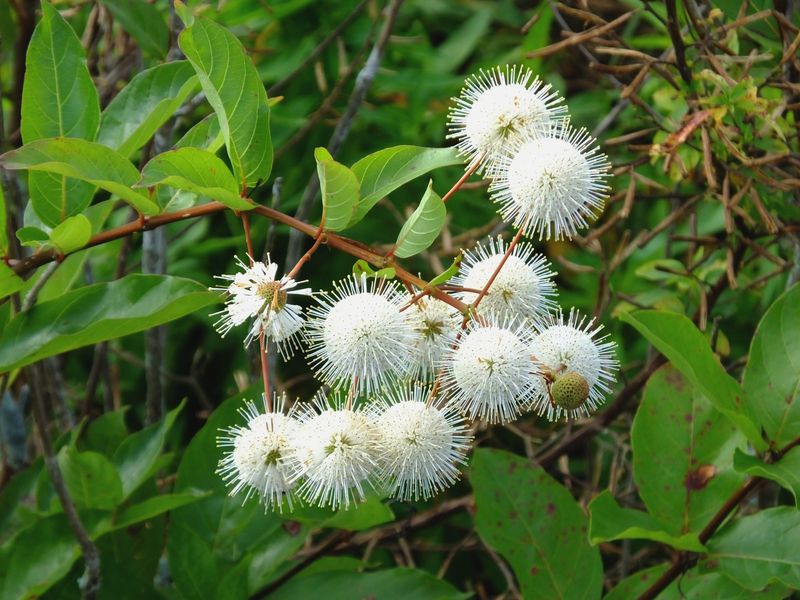
1. Buttonbush (Cephalanthus Occidentalis)
Most homeowners walk right past buttonbush at the nursery without giving it a second glance. That is a big mistake.
Buttonbush is one of Pennsylvania’s most underrated native shrubs, and it has real noise-reduction potential that surprises almost everyone who plants it.
It grows 6 to 12 feet tall and develops a thick, densely branched structure that physically interrupts sound waves traveling from the road toward your home.
The more layers of stems and leaves a shrub has, the better it absorbs and scatters noise. Buttonbush delivers both in abundance.
It thrives in moist areas, making it a perfect fit for low spots along roadsides, drainage swales, or wet property edges that other shrubs struggle with.
Pennsylvania has plenty of those soggy corners, and buttonbush fills them beautifully. Plant several in a row and you have a dense, impenetrable wall of foliage.
As a bonus, buttonbush produces some of the most unique flowers in the native plant world. Its round, spiky white blooms look almost like tiny fireworks, and pollinators absolutely swarm them all summer long.
Bees, butterflies, and hummingbirds all visit regularly. Come fall, the seed heads provide food for ducks and shorebirds. Buttonbush is a true multi-tasker that earns every inch of space you give it in your Pennsylvania yard.
2. Inkberry Holly (Ilex Glabra)
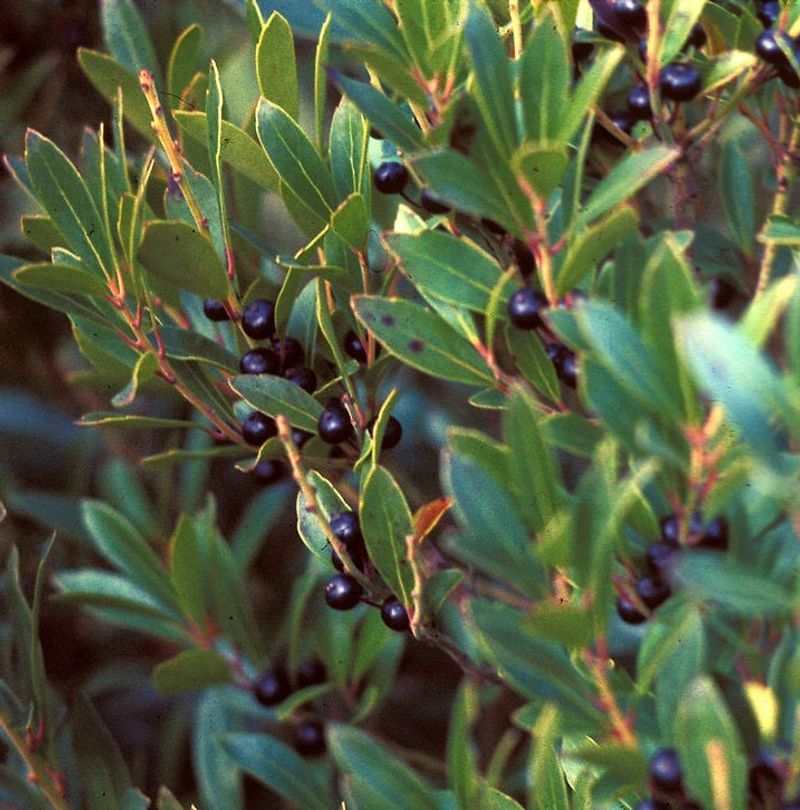
When road noise does not take a break for winter, your sound barrier should not either. That is exactly why inkberry holly deserves a top spot on this list.
Unlike many native shrubs that drop their leaves and leave your yard exposed to noise for months, inkberry is a true evergreen.
It holds its glossy, dark green foliage all the way through Pennsylvania’s harshest winters, providing consistent noise buffering 365 days a year.
That year-round coverage is genuinely hard to find in a native plant, and it makes inkberry one of the most practical choices for road-facing borders.
It grows into a dense, multi-stemmed mass typically reaching 5 to 8 feet tall and just as wide.
Your Pennsylvania Garden Changes Every Week. Your Plan Should Too.
Gardening in Pennsylvania changes quickly throughout the season. Every Friday you’ll receive a simple weekly plan showing exactly what to plant, prune, fertilize, harvest, and protect so you never miss the right timing.
The thick, tightly packed foliage creates an excellent physical barrier that absorbs and scatters sound before it reaches your windows and patio. Plant a row of inkberry hollies close together and the effect is remarkable.
Inkberry adapts well to a wide range of Pennsylvania soils, including wet and poorly drained areas where many other shrubs would struggle. It tolerates both full sun and partial shade with ease.
Small black berries appear in fall and persist through winter, providing critical food for dozens of bird species. Robins, bluebirds, and waxwings are frequent visitors. For a no-fuss, high-performing native sound barrier, inkberry holly is genuinely hard to beat.
3. Highbush Blueberry (Vaccinium Corymbosum)
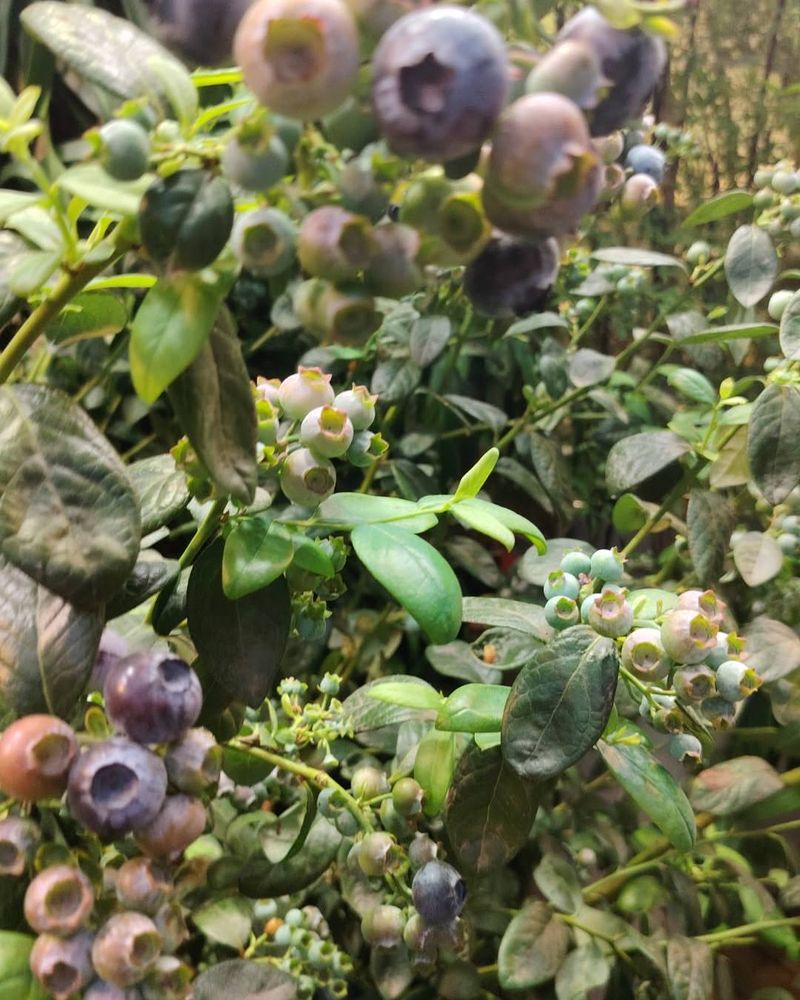
Imagine planting a shrub that buffers road noise, feeds your family, and turns brilliant red and orange every fall. Highbush blueberry does all three, and it does them well. Few native Pennsylvania plants offer this kind of triple value in a single planting.
Growing 6 to 12 feet tall with a dense, multi-stemmed branching structure, highbush blueberry creates a surprisingly effective sound barrier when planted in a row along a road-facing property line.
The thick tangle of stems and leaves interrupts and absorbs sound waves before they travel across your yard.
Pennsylvania’s naturally acidic soils are ideal for highbush blueberry, which means less soil amendment work for you.
It thrives in full sun to partial shade and handles the state’s freeze-thaw cycles without complaint. Once established, it is a remarkably low-maintenance shrub.
Plant at least three to five plants in a staggered row for the best noise reduction results. Spacing them about 4 to 5 feet apart encourages the plants to grow together into a continuous hedge over time.
The denser the planting, the more sound it absorbs. Spring brings clusters of small white bell-shaped flowers that bees adore. Summer delivers buckets of sweet blueberries.
Fall turns the whole planting into a fiery display of red, orange, and purple foliage. This is one of the most rewarding native shrubs any Pennsylvania homeowner can plant.
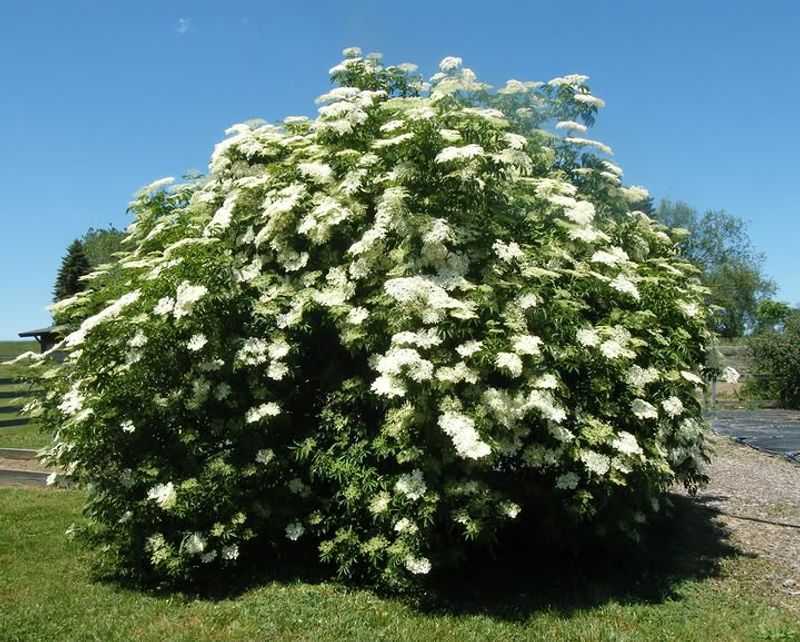
4. American Elder (Sambucus Canadensis)
Speed matters when you are trying to block road noise. Nobody wants to wait a decade for their sound barrier to fill in.
American elder is one of the fastest-growing native shrubs in Pennsylvania, and it wastes absolutely no time getting to work.
Under good conditions, it can put on several feet of growth in a single season, quickly filling in gaps along a road-facing border. It reaches 5 to 12 feet tall and spreads into a broad, lush thicket over time, naturally increasing its noise-buffering capacity as it matures.
The sheer volume of large, compound leaves that American elder produces creates a thick, layered wall of foliage that is genuinely impressive at absorbing and deflecting road noise.
Taller shrubs with wide canopies are especially effective because they block sound at multiple heights simultaneously.
In late spring and early summer, massive flat-topped clusters of creamy white flowers appear, attracting clouds of native bees and butterflies.
By late summer, those flowers give way to heavy drooping clusters of dark purple berries that birds, foxes, and other wildlife feast on eagerly.
American elder adapts to a wide range of Pennsylvania soils and moisture levels, from dry upland sites to wet roadside ditches. It is also very tolerant of air pollution, which is a real advantage for plants growing near busy roads.
For fast, effective, and wildlife-friendly noise buffering, American elder is an outstanding choice.
5. Arrowwood Viburnum (Viburnum Dentatum)
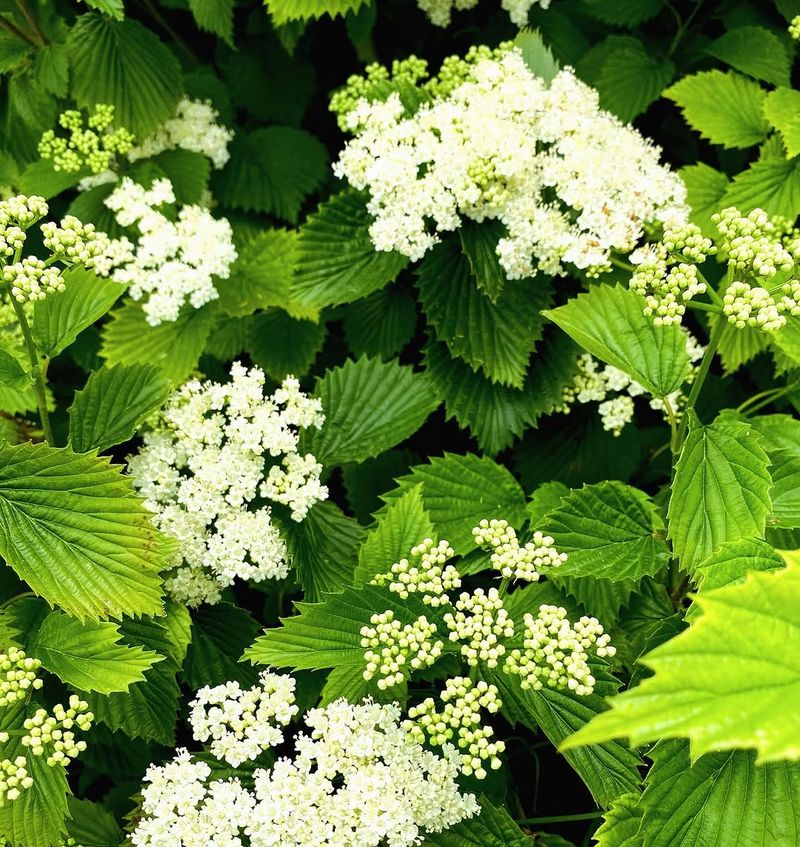
Ask any experienced Pennsylvania native plant gardener which shrub they would choose for a road-facing border, and arrowwood viburnum comes up again and again. There is a reason for that. This shrub is practically built for the job.
It grows into a dense, upright, multi-stemmed form reaching 6 to 10 feet tall, with thick, overlapping foliage that physically blocks and absorbs road noise with impressive efficiency.
The upright growth habit is especially useful because it creates a tall, narrow wall of sound-absorbing foliage without taking up too much horizontal space in your yard.
Arrowwood viburnum is one of the most adaptable native shrubs in Pennsylvania. It handles clay soil, sandy soil, wet conditions, dry conditions, full sun, and heavy shade without missing a beat.
That kind of flexibility makes it easy to work into almost any landscape situation along a noisy road.
Spring brings flat-topped clusters of small white flowers that attract native bees and beetles. By late summer, clusters of blue-black berries ripen and quickly disappear into the beaks of migrating birds.
Arrowwood is considered one of the top native fruiting shrubs for bird habitat in the region. Fall color is another standout feature, with leaves turning shades of red, orange, and burgundy that rival many ornamental shrubs.
When you combine noise reduction, wildlife value, adaptability, and seasonal beauty, arrowwood viburnum is simply one of the best all-around native shrubs Pennsylvania has to offer.
6. Witch Hazel (Hamamelis Virginiana)
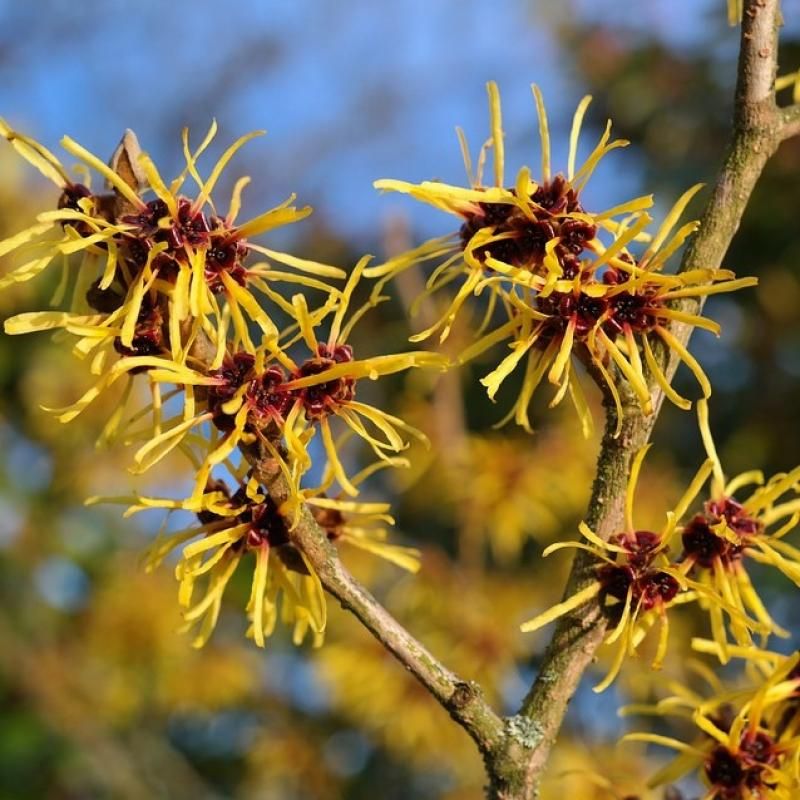
There is something almost magical about a shrub that blooms when everything else has gone bare and brown for winter.
Witch hazel does exactly that, and Pennsylvania homeowners lucky enough to have one in their yard never forget the first time they see those spidery yellow flowers opening in November.
But witch hazel is far more than a quirky late bloomer. It grows into a large, wide-spreading shrub reaching 10 to 15 feet tall with an equally wide canopy of broad, textured leaves.
During the growing season, that dense canopy provides excellent noise buffering for properties along busy Pennsylvania roads.
The large surface area of witch hazel’s leaves is particularly effective at absorbing sound energy. Bigger, broader leaves tend to outperform small narrow ones when it comes to sound absorption.
Witch hazel’s foliage is among the broadest of any native Pennsylvania shrub, which gives it a real acoustic advantage.
It is an extremely tough plant that adapts to a wide range of Pennsylvania soils, from rocky hillsides to moist woodland edges. It tolerates both full sun and deep shade, making it useful in spots where other shrubs might struggle.
Fall foliage turns warm shades of yellow and orange before the leaves drop, revealing those famous yellow ribbon-like flowers shortly after. Birds and small mammals also use witch hazel for shelter and foraging.
For a stunning, functional, and utterly unique native sound barrier in Pennsylvania, witch hazel stands in a category of its own.
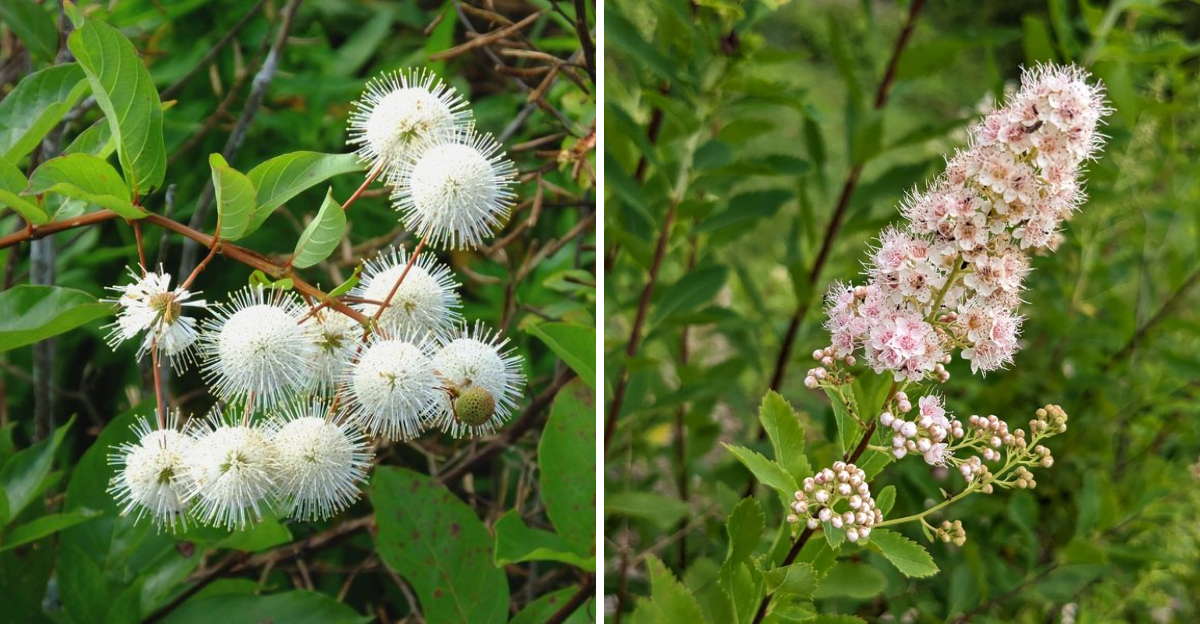
7. Meadowsweet (Spiraea Alba)
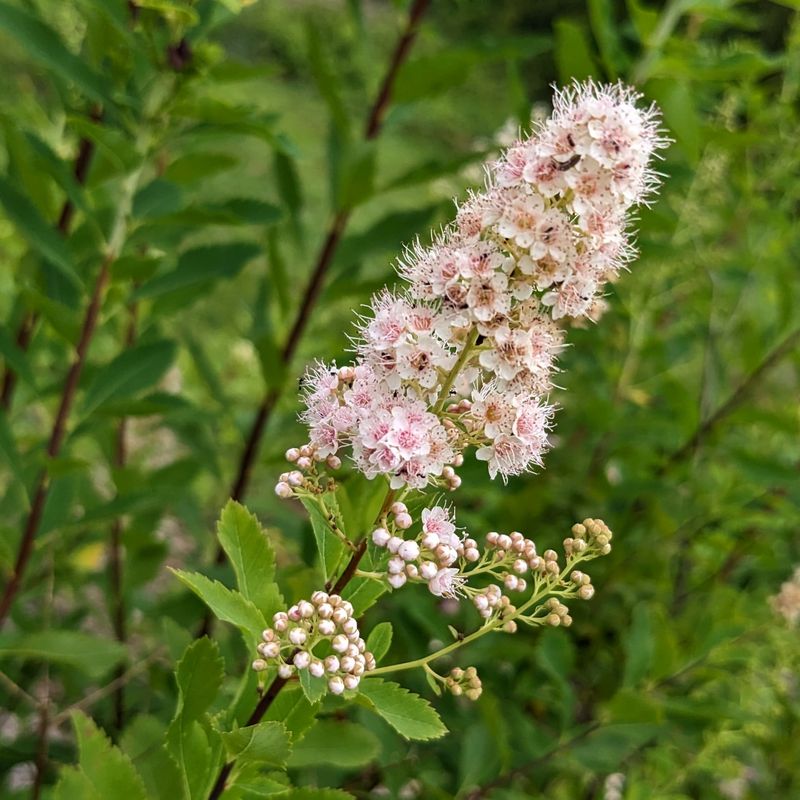
Do not let the delicate name fool you. Meadowsweet is a tough, scrappy native Pennsylvania shrub that punches well above its weight when it comes to blocking road noise.
It may be smaller than some of the other plants on this list, but what it lacks in height it makes up for in density and persistence.
Growing 3 to 5 feet tall, meadowsweet forms thick colonies over time by spreading through its root system.
A single plant becomes two, then five, then a full stand of densely packed, upright stems that creates an increasingly effective noise buffer along road-facing borders. The longer you leave it, the better it works.
Its twiggy, dense structure provides meaningful sound absorption even in winter when the leaves have dropped.
Many homeowners are surprised to find that a mass planting of meadowsweet still noticeably reduces road noise in January and February. That off-season performance is a real bonus in Pennsylvania winters.
In summer, meadowsweet produces beautiful creamy white flower spikes that native bees and other pollinators visit enthusiastically. The flowers last for several weeks and add a lovely soft texture to the landscape border.
Meadowsweet thrives in moist to wet soils, making it an excellent choice for low-lying road edges, drainage areas, and soggy property lines that are common throughout Pennsylvania. It is low maintenance, deer resistant, and genuinely easy to establish.
For filling in tough spots along noisy roads, meadowsweet is a smart and reliable native choice.
8. Pasture Rose (Rosa Carolina)
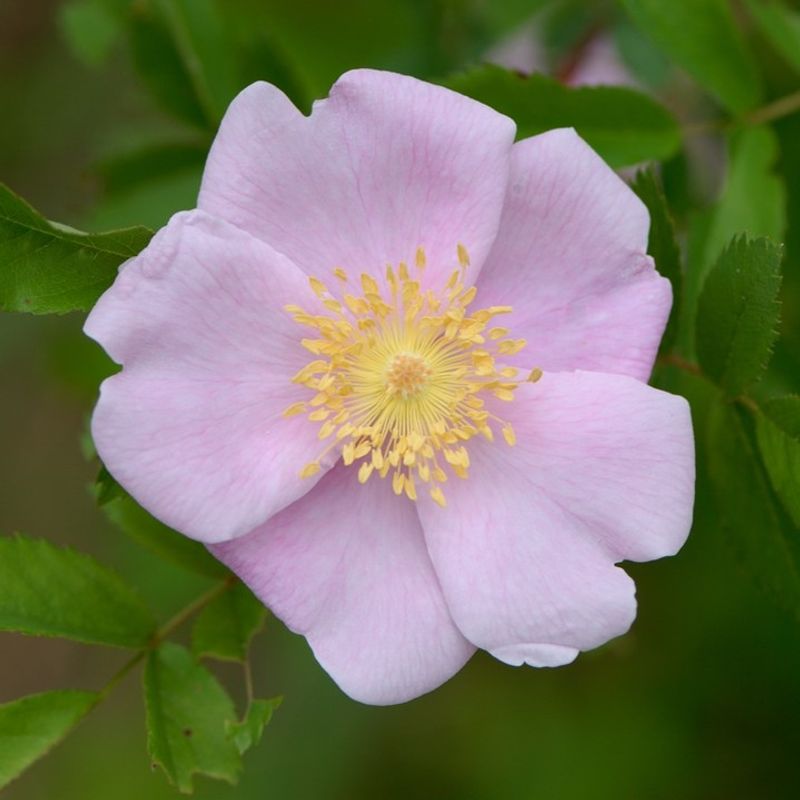
Few native shrubs in Pennsylvania are as unapologetically tough as pasture rose. Over time it builds a dense, thorny thicket that is not just effective at blocking road noise but also virtually impossible for people, deer, or stray animals to push through.
That combination of acoustic and physical barrier is hard to match with any other plant on this list.
Pasture rose typically grows 3 to 6 feet tall and spreads outward through suckers to form an increasingly dense colony. The more it spreads, the more effective it becomes as a noise buffer.
A well-established stand of pasture rose along a busy Pennsylvania road can make a genuinely noticeable difference in how much traffic noise reaches your yard.
In early summer, the whole planting bursts into soft pink flowers that seem almost too pretty for such a tough plant.
Native bees and butterflies flock to the blooms, and the sweet fragrance is noticeable from several feet away. It is one of those plants that earns admiring comments from every visitor who sees it.
By fall, the flowers give way to bright red rose hips that persist well into winter, providing critical food for birds including mockingbirds, catbirds, and cedar waxwings. The dense branching structure also offers excellent winter shelter for small birds and mammals.
Pasture rose thrives in full sun and tolerates a wide range of Pennsylvania soils, including dry and rocky sites where other shrubs struggle. It is native, tough, beautiful, and genuinely effective at reducing road noise.