The Best Way To Keep Lemongrass Thriving Through Arizona Summer
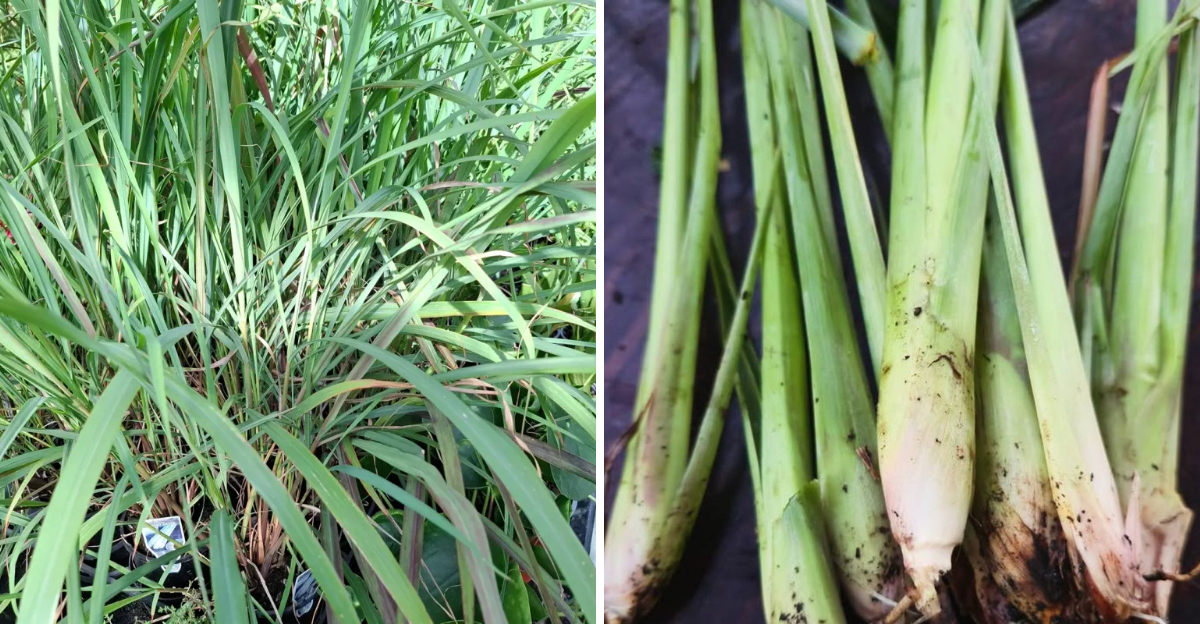
Lemongrass has a way of looking full and fresh in Arizona at first, then slowly losing that thick, upright growth once the real heat settles in. Stalks start spacing out, tips dry back, and that dense look fades even when care seems consistent.
Arizona summer puts pressure on moisture, roots, and airflow all at once. What worked earlier in the season can suddenly feel off, and small details begin to show up fast in how the plant responds.
Keeping lemongrass strong through that stretch comes down to adjusting before stress builds up, not after it shows.
When the setup is right, growth stays steady, color holds, and the plant keeps its full shape instead of thinning out halfway through the season.
1. Plant In Full Sun For Strong Growth
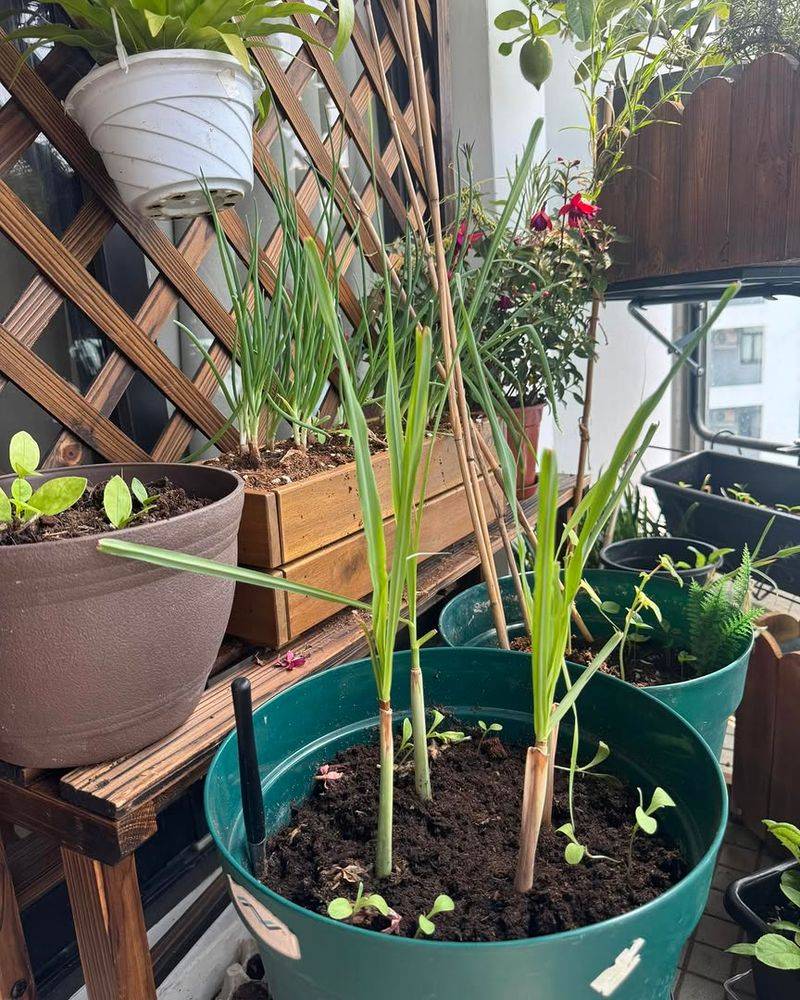
Lemongrass absolutely loves sunlight, and Arizona has plenty of it. Planting it in a spot that gets at least six to eight hours of direct sun each day gives it the energy it needs to push out thick, sturdy stalks.
Without enough light, the plant tends to grow tall and floppy rather than dense and healthy.
In places like Mesa or Gilbert, where summer sun is relentless from morning to evening, lemongrass placed along a south- or west-facing wall often does remarkably well. The warmth radiating off nearby pavement or walls actually mimics the tropical conditions this plant prefers.
Just make sure airflow is decent so heat doesn’t build up to dangerous levels around the base.
One thing worth knowing is that young transplants need a little adjustment time before they can handle full Arizona sun without stress. Planting in late spring rather than midsummer gives roots a chance to anchor before peak heat arrives.
A newly planted clump set out in July can struggle to establish, so timing really does matter here.
Once it’s established, lemongrass in full sun grows aggressively. Stalks can reach five to six feet tall by late summer if watering keeps pace with sun exposure.
2. Water Deeply And Consistently In Heat
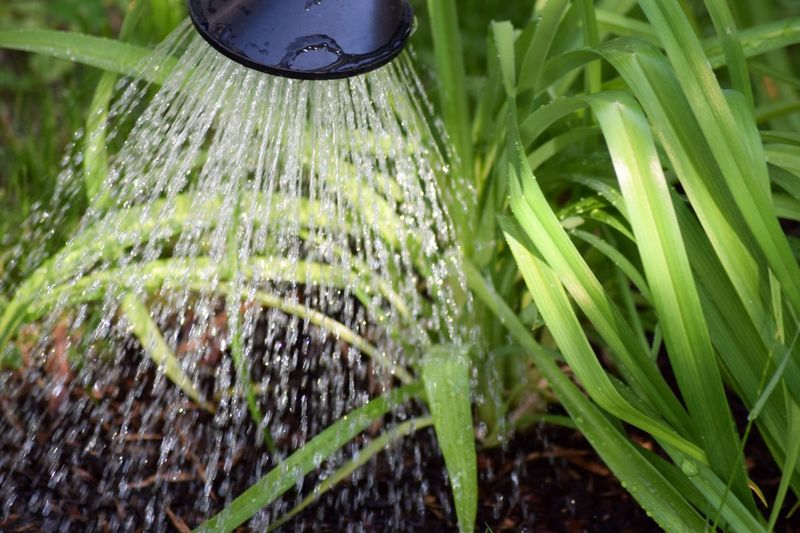
Shallow watering is one of the biggest mistakes Arizona gardeners make with lemongrass in summer. When only the top inch of soil gets wet, roots stay near the surface where temperatures can exceed 140°F on a hot afternoon.
Deep watering encourages roots to push down where soil stays cooler and more stable.
Aim to water deeply two to three times per week during peak summer, especially in areas like Phoenix or Chandler where triple-digit heat can last for weeks. A slow, steady soak at the base for several minutes does far more good than a quick spray over the top.
Drip irrigation set on a timer works great and keeps moisture consistent without wasting water.
Lemongrass is thirstier than many desert-adapted plants, and that surprises some Arizona gardeners who are used to low-water landscaping. During a heat wave, the plant may need daily watering to stay upright and green.
Wilting leaves that perk back up after watering are a normal sign of heat stress, not permanent damage.
Your Arizona Garden Changes Every Week. Your Plan Should Too.
Gardening in Arizona changes quickly throughout the season. Every Friday you’ll receive a simple weekly plan showing exactly what to plant, prune, fertilize, harvest, and protect so you never miss the right timing.
Morning watering is generally best because it gives the plant moisture before the hottest part of the day hits.
3. Use Well Drained Soil To Prevent Root Issues
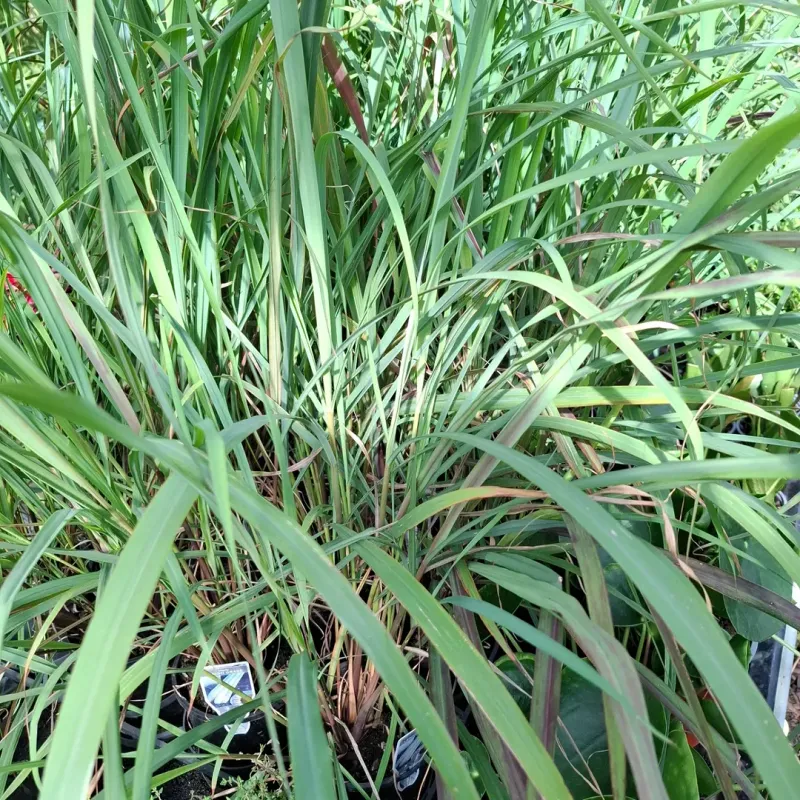
Waterlogged roots are a real problem for lemongrass, even in a place as dry as Arizona. Heavy clay soil or compacted ground can trap moisture around the roots after deep watering, and that creates exactly the kind of soggy conditions that lead to rot.
Well-draining soil lets water move through quickly while still holding enough moisture for the plant to access.
Sandy loam amended with compost is a solid choice for growing lemongrass in Arizona. Pure sand drains too fast and doesn’t hold nutrients well, while straight compost can become dense and waterlogged.
A blend of the two gives you drainage plus enough organic matter to keep the plant fed and the soil structure loose.
Raised beds are popular among Tucson and Tempe gardeners for exactly this reason. Building up the growing area even six to eight inches gives you full control over soil composition and naturally improves drainage.
Container growing is another option, as long as the pot has multiple drainage holes at the bottom.
Avoid planting lemongrass in low spots where water collects after rain or irrigation. Even a few hours of standing water around the base can cause problems during Arizona’s monsoon season, when heavy rainfall arrives quickly and unexpectedly.
4. Mulch Lightly To Help Hold Moisture
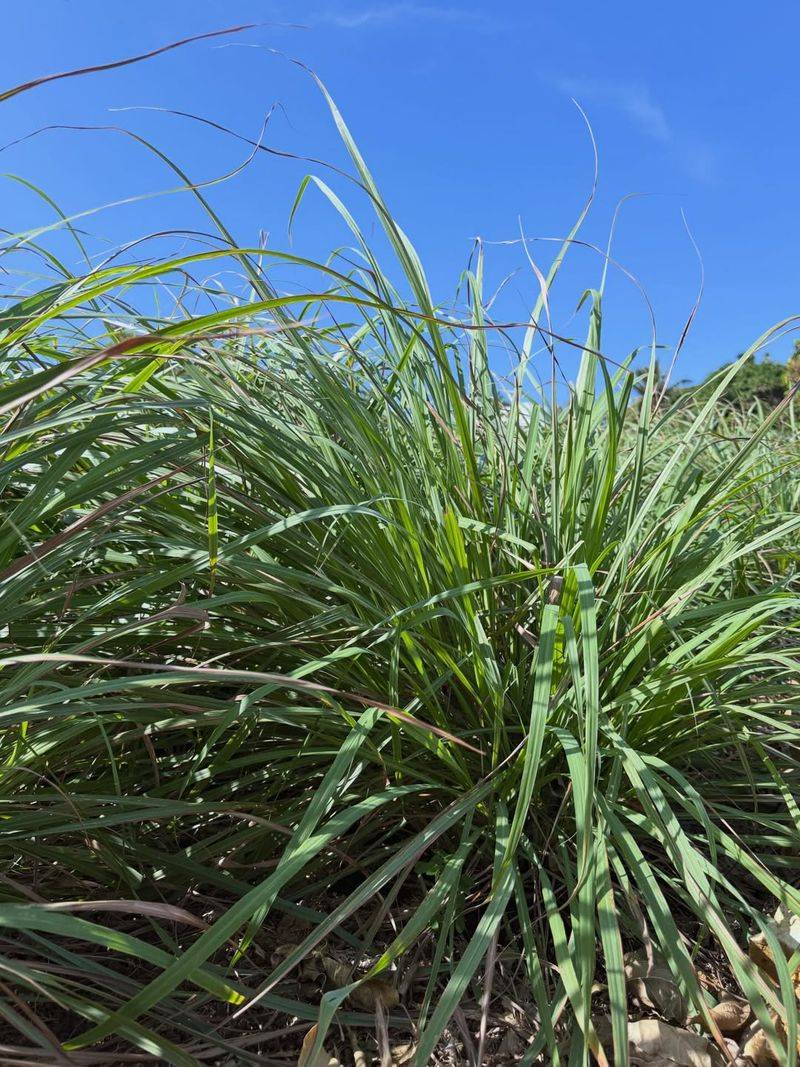
Bare soil in an Arizona summer bakes fast, and that heat radiates upward and stresses plant roots more than most people realize.
A light layer of mulch around the base of lemongrass acts like a blanket that slows moisture evaporation and keeps soil temperature from spiking during the hottest part of the afternoon.
Straw, wood chips, or shredded bark all work well as mulch for lemongrass. Spread it two to three inches deep around the base, but keep it pulled back an inch or so from the actual stalks.
Piling mulch directly against the stems can trap moisture and encourage rot right where the plant is most vulnerable.
Organic mulch also breaks down slowly over time, adding a bit of nutrition back into the soil as it decomposes.
In Arizona’s intense heat, decomposition happens faster than in cooler climates, so you may need to top off the mulch layer a couple of times through the summer.
That’s a small effort compared to how much water it saves you over those long, hot months.
Gardeners in Scottsdale and Peoria have found that mulching lemongrass can cut watering frequency noticeably during July and August. Soil under mulch stays measurably cooler and retains moisture longer after each deep watering session.
5. Avoid Letting Soil Dry Out Completely
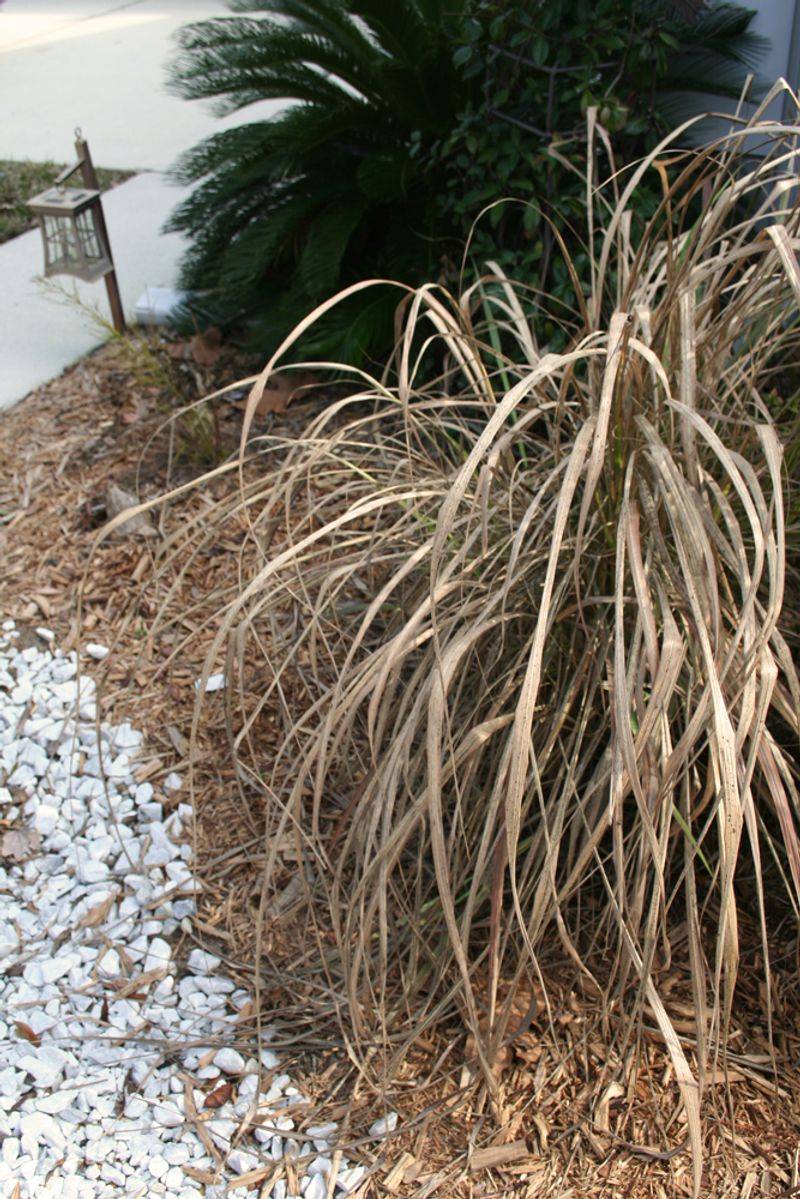
Completely dry soil is one of the fastest ways to set lemongrass back during an Arizona summer. Once the root zone goes fully dry in triple-digit heat, the plant shifts into stress mode and stops putting energy into new growth.
Getting it back to healthy after a severe dry-out can take several weeks, even with consistent watering afterward.
Stick your finger two inches into the soil near the base of the plant every day or two. If it feels completely dry at that depth, it’s time to water immediately.
Lemongrass needs moisture accessible at the root level, not just at the surface where it evaporates within hours in Arizona’s dry summer air.
Yellowing leaf tips are usually the first visible signal that the plant has been too dry for too long. By the time you see that kind of stress, the roots have already been struggling for a while.
Catching dryness early, before visible symptoms appear, is what keeps lemongrass looking full and productive through the hottest months.
Container-grown lemongrass in places like Tempe or Glendale dries out significantly faster than in-ground plants because pots heat up quickly in direct sun. Checking containers daily during a heat wave is not excessive.
6. Harvest Regularly To Encourage New Growth
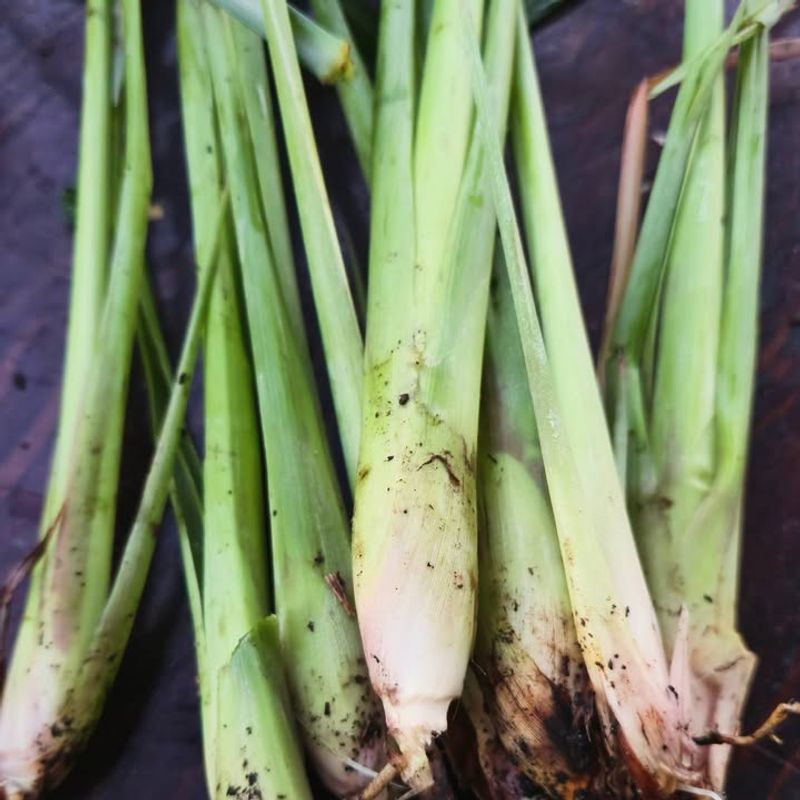
Regular harvesting is something a lot of first-time lemongrass growers skip, assuming the plant needs to be left alone to get bigger. Cutting stalks actually stimulates the plant to push out fresh new growth from the center of the clump.
An untouched plant can get woody and dense in the middle, which slows overall production through the summer.
Harvest outer stalks that are at least a half-inch thick at the base by cutting or snapping them off close to the ground. Leaving the inner stalks untouched lets the clump keep expanding outward.
In Arizona’s growing season, a well-maintained lemongrass clump can produce harvestable stalks every few weeks from late spring through early fall.
Frequent harvesting also improves airflow through the clump, which matters in humid monsoon conditions. Dense, overcrowded growth in the center can trap moisture and heat in ways that create problems during Arizona’s late summer rainy season.
Thinning the plant out with regular harvests keeps it open and healthy.
Fresh lemongrass is fantastic in cooking, teas, and homemade lemongrass oil. Growing your own in Phoenix or Tucson means you have access to incredibly fragrant, flavorful stalks whenever you need them.
7. Provide Afternoon Shade In Extreme Heat
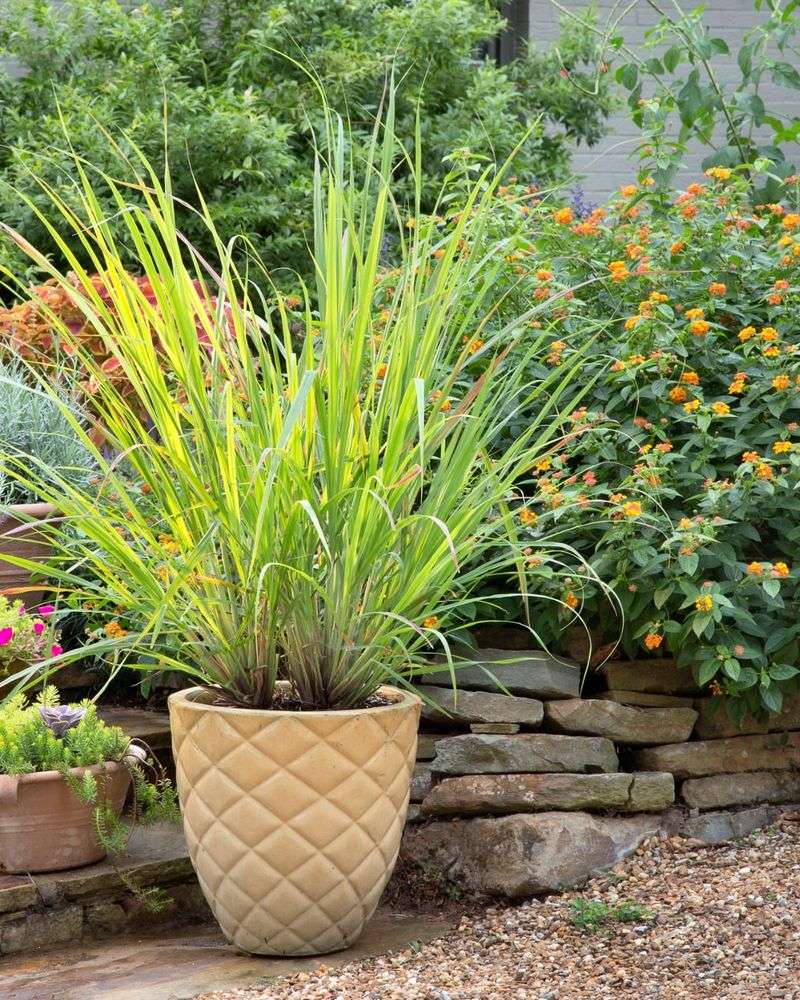
Even a plant that loves full sun has its limits, and in Arizona, afternoon heat can push well past what lemongrass can comfortably handle.
When temperatures hit 112°F or higher in areas like Phoenix or Yuma, a few hours of afternoon shade can be the difference between a thriving plant and one that browns out fast.
Shade cloth rated at 30 to 40 percent works well without blocking too much light.
Shade from a wall, a trellis, or a nearby larger plant can provide natural afternoon relief without any extra equipment. West-facing sun in Arizona is especially harsh between 2 and 5 p.m., and blocking just that window of intense light reduces heat stress significantly.
Lemongrass that gets morning sun and afternoon shade often looks healthier in August than plants in full unblocked exposure.
Setting up a temporary shade structure during extreme heat events is a practical option many Arizona gardeners use. It doesn’t have to be permanent.
A piece of shade cloth clipped to stakes or a fence for a few weeks during the worst of summer does the job without major effort or expense.
Afternoon shade also slows soil moisture evaporation, meaning you may not need to water quite as frequently.