Native Plants Perform Better Than Non Natives In Texas Lady Bird Johnson Wildflower Center
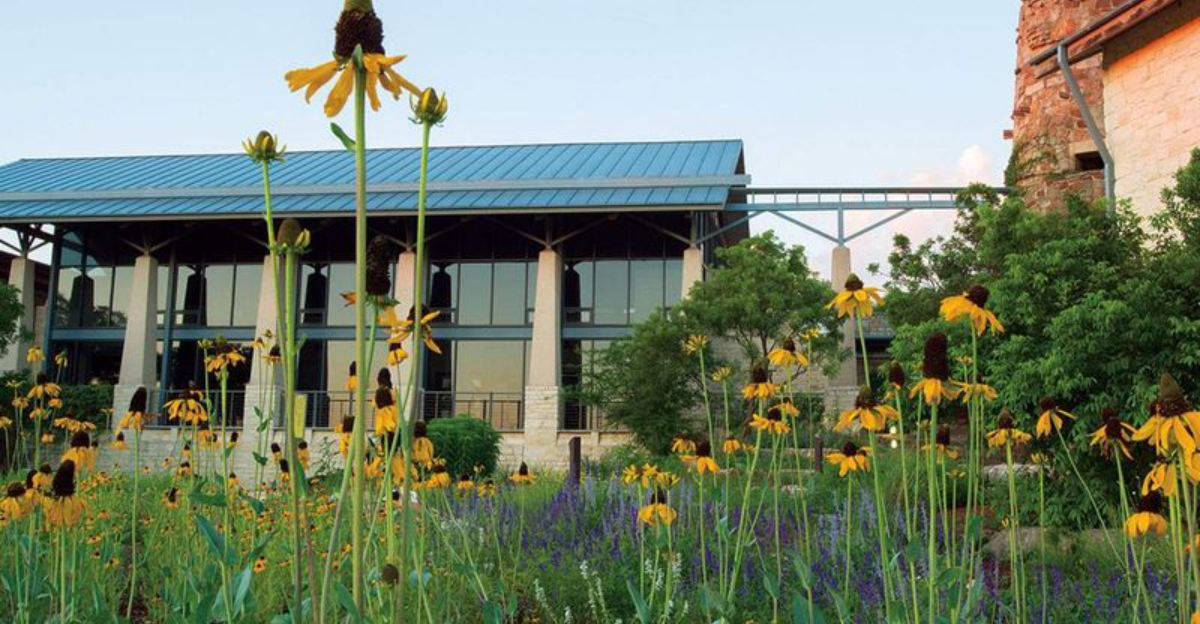
Texas gardens face a challenge like no other: sun that scorches, summer heat that seems relentless, and soil that refuses to cooperate.
Choosing the right plants can make the difference between a vibrant, low-maintenance yard and a constant battle with wilted leaves and wasted effort.
Native plants rise to the occasion, thriving in local conditions, weathering drought, and standing strong against pests that leave other species struggling.
They provide steady color, texture, and resilience, turning outdoor spaces into landscapes that feel effortless yet alive.
Beyond beauty, they attract birds, butterflies, and pollinators, creating yards that buzz with life and energy.
The Wildflower Center proves this through extensive gardens and research programs that test how different plants perform in real Texas landscapes.
1. Why The Lady Bird Johnson Wildflower Center Promotes Native Plants In Texas
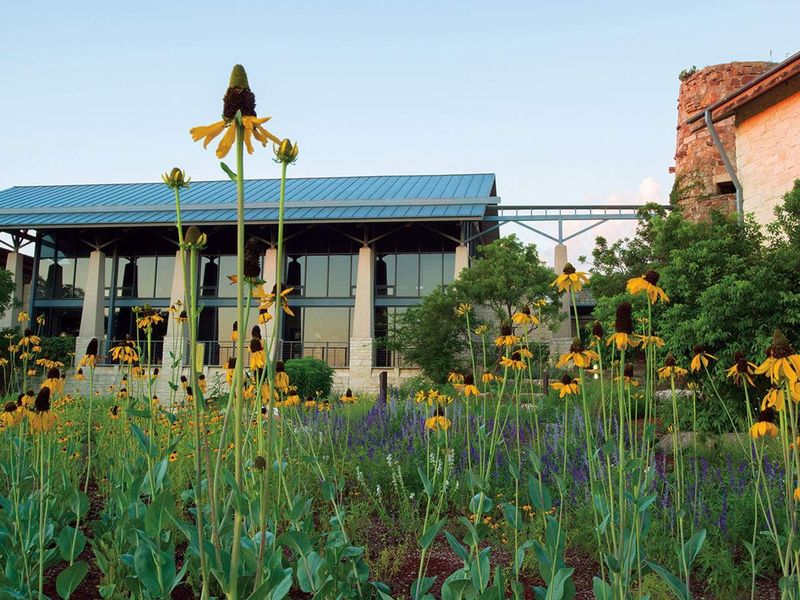
Former First Lady Lady Bird Johnson founded this center with a mission to protect and celebrate native plants.
Her vision was to educate people about the beauty and benefits of plants that naturally belong in Texas.
The center opened in 1982 and has grown into a leading research facility and public garden.
Staff members work every day to show Texans why native plants make better choices for gardens, parks, and landscapes.
They conduct scientific studies, host educational programs, and maintain demonstration gardens that prove native species outperform imports.
Visitors can walk through acres of gardens showcasing hundreds of Texas native plants in realistic landscape settings.
The center partners with universities, government agencies, and conservation groups to spread knowledge about native plant benefits.
Their research helps landscape professionals, homeowners, and policymakers make informed decisions.
Through plant sales, workshops, and online resources, they make it easy for anyone to start using native plants.
The center’s promotion of natives comes from solid evidence gathered over decades of observation and testing.
Their work honors Lady Bird Johnson’s belief that native plants create healthier, more sustainable communities across Texas.
2. How Native Plants Are Adapted To Texas Climate And Soils
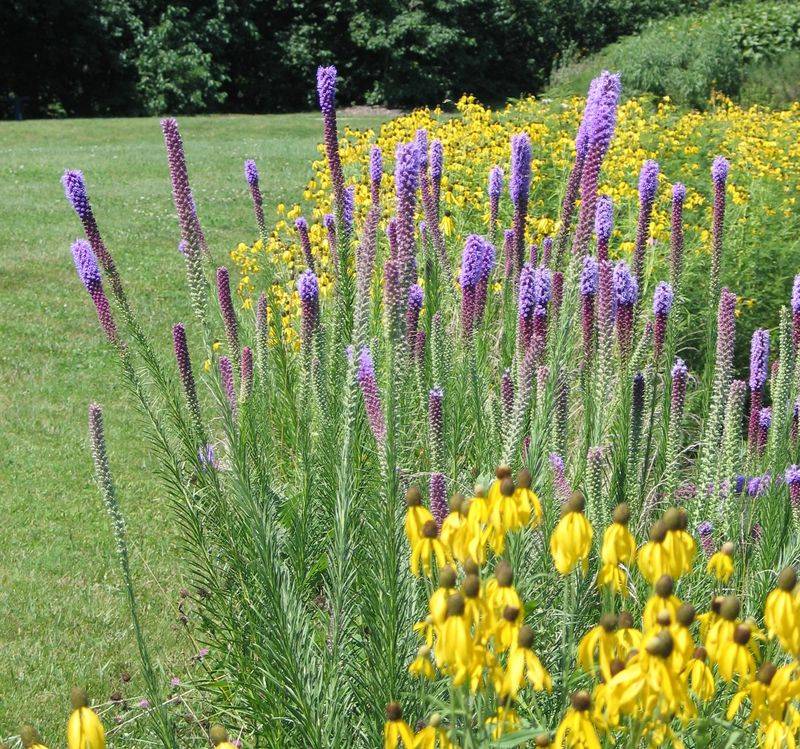
Texas weather throws everything at plants: scorching heat, sudden freezes, flash floods, and long droughts.
Native plants developed special features over thousands of years to handle these extreme conditions.
Their roots grow deep into the ground, sometimes reaching down ten feet or more to find water during dry spells.
Many native species have small, thick leaves coated with waxy surfaces that reduce water loss in blazing summer heat.
Some Texas natives can tolerate alkaline soils with high pH levels that would harm plants from other regions.
Others thrive in the state’s clay-heavy soils that drain poorly and become rock-hard when dry.
Non-native plants often struggle because they evolved in different climates with different soil types.
A plant from the Pacific Northwest expects cool, moist conditions and acidic soil, which Texas rarely provides.
Native bluebonnets, black-eyed Susans, and flame acanthus bloom reliably because Texas conditions match their genetic programming.
The Wildflower Center’s gardens demonstrate this adaptation advantage every season.
While imported plants wilt and struggle, natives flourish with minimal help, proving that local evolution creates the best fit for local conditions.
3. Lower Water And Maintenance Needs Of Native Species
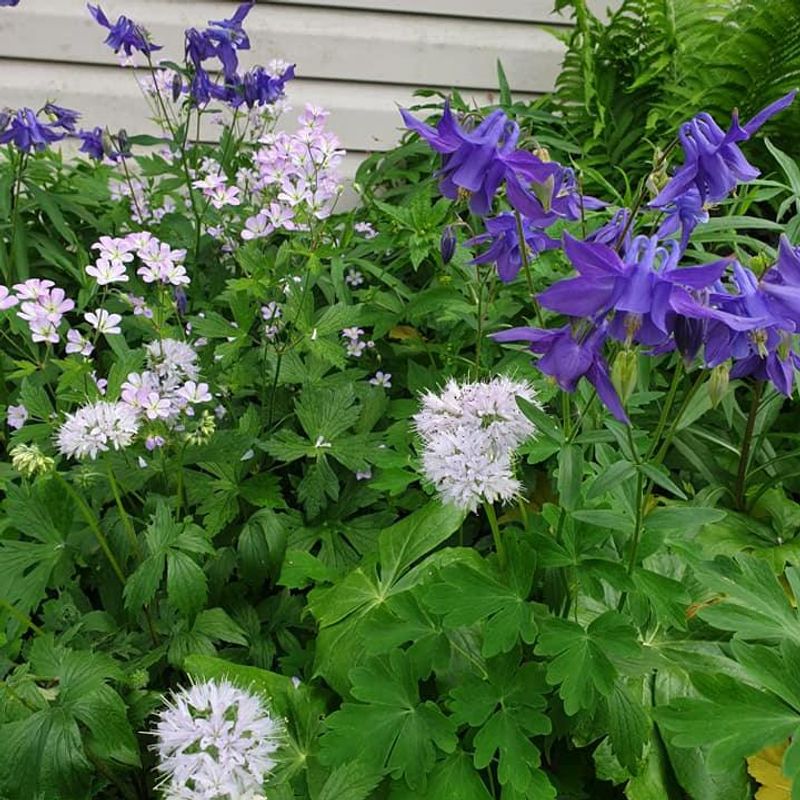
Water costs money, and Texas faces frequent drought restrictions that limit outdoor watering.
Native plants offer a practical solution because they need far less water than non-native species.
Once established, many Texas natives survive on rainfall alone, even during dry months.
The Wildflower Center’s research shows natives use 50 to 75 percent less water than typical lawn grasses and imported ornamentals.
This water savings translates directly into lower utility bills for homeowners and businesses.
Maintenance requirements also drop dramatically with native plantings.
These plants rarely need fertilizers because they evolved in Texas soils with natural nutrient levels.
They don’t require constant pruning, staking, or special care to look good throughout the year.
Non-natives often demand regular feeding, frequent watering, and careful attention to stay healthy in Texas conditions.
The center’s demonstration gardens show how native landscapes can look beautiful with minimal intervention.
Gardeners spend less time and money on upkeep while still enjoying colorful flowers, attractive foliage, and seasonal interest.
For busy families, schools, and municipal properties, this low-maintenance advantage makes native plants the smart, practical choice for sustainable landscaping throughout Texas.
4. Resistance To Local Pests And Diseases Compared To Non-Natives
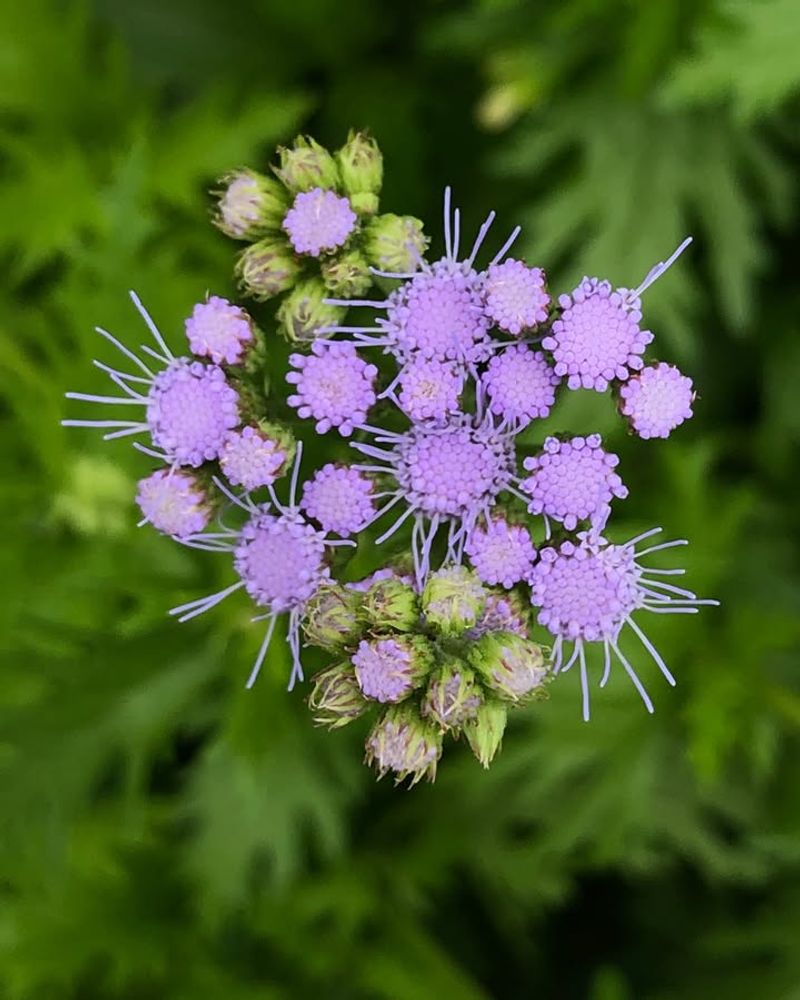
Every region has its own insects, fungi, and diseases that attack plants.
Texas natives evolved alongside local pests and developed natural defenses against them.
Many produce chemical compounds in their leaves that taste bad to local insects or repel them altogether.
Others have tough leaf surfaces or hairy textures that make them less appealing to hungry bugs.
The Wildflower Center’s long-term observations show native plants suffer far fewer pest problems than imports.
Non-native species often lack these natural defenses because they evolved in different ecosystems with different threats.
When pests attack non-natives, gardeners typically reach for chemical pesticides to save their plants.
These chemicals cost money, require careful application, and can harm beneficial insects like bees and butterflies.
Native plants rarely need such interventions because their built-in resistance keeps pest damage minimal.
Disease resistance follows the same pattern, with natives showing better tolerance to Texas fungal infections and bacterial problems.
The center’s research gardens demonstrate this advantage season after season.
While imported roses and ornamentals battle black spot and powdery mildew, native plants stay healthy and vigorous without chemical treatments, making them safer for families, pets, and the environment.
5. How Native Plants Support Texas Wildlife And Pollinators
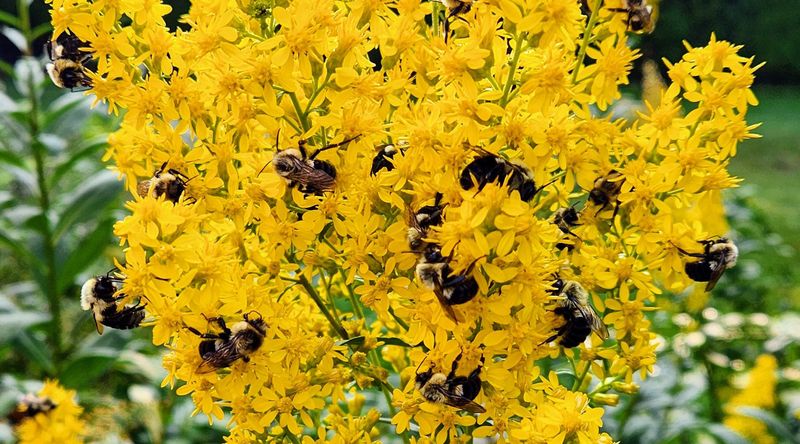
Birds, butterflies, and bees evolved alongside native plants, creating partnerships that benefit both.
Texas natives provide the specific food sources that local wildlife needs to survive and reproduce.
Monarch butterflies lay eggs only on native milkweed species because their caterpillars can only eat those plants.
Native bees prefer native flowers because their tongue lengths and body shapes match perfectly with native bloom structures.
The Wildflower Center’s pollinator gardens buzz with activity because native plants attract diverse beneficial insects.
Hummingbirds seek out native coral honeysuckle and red salvia because these flowers offer the nectar they need.
Songbirds eat seeds from native grasses and sunflowers, and they feed insects from native plants to their babies.
Non-native plants often fail to support wildlife because local creatures don’t recognize them as food sources.
Some imported ornamentals produce flowers that look pretty but offer no nectar or pollen to hungry pollinators.
Research at the center proves that yards with native plants support five times more butterfly species than those with only non-natives.
Creating habitat for wildlife becomes simple when gardeners choose native species that naturally fit into Texas ecosystems and food webs.
6. What Better Performance Means In Texas Landscapes
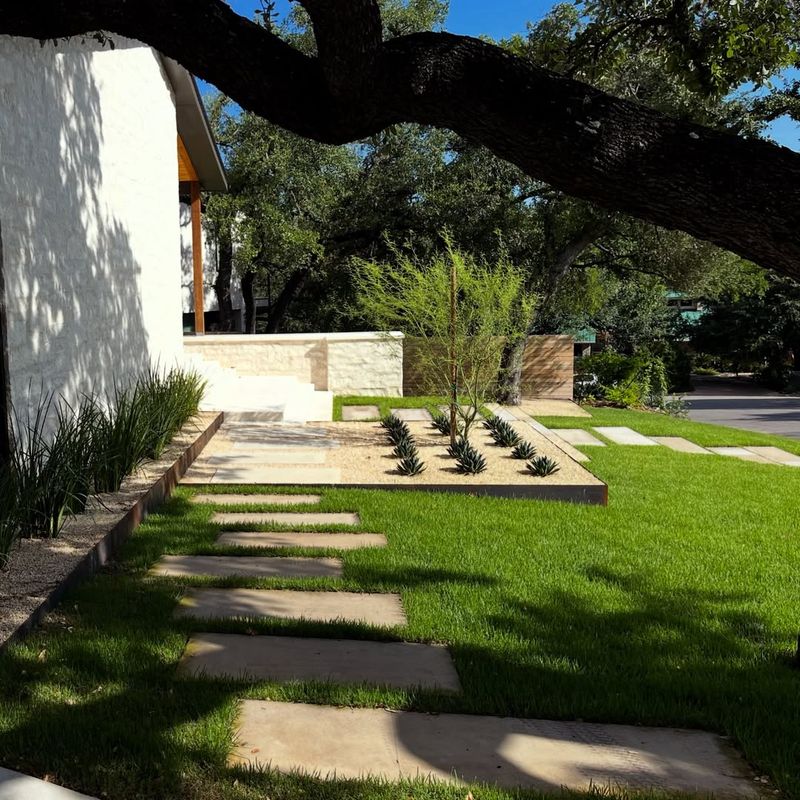
Performance means different things depending on what gardeners value most in their landscapes.
For some people, performance means beautiful flowers that bloom reliably without constant care.
Others measure success by how well plants survive summer heat or winter cold snaps.
The Wildflower Center defines better performance through multiple factors that matter to Texas gardeners.
Native plants establish faster, develop stronger root systems, and reach mature size more quickly than non-natives.
They maintain good appearance through all four seasons, not just during spring bloom time.
Performance also includes environmental benefits like reducing water consumption, eliminating chemical use, and supporting beneficial wildlife.
Economic performance matters too, with natives costing less to maintain over their lifetime.
The center’s gardens prove that native plants deliver superior performance across all these measures simultaneously.
Visitors see landscapes that look attractive, stay healthy year-round, and require minimal resources to maintain.
Better performance ultimately means plants that fit naturally into Texas conditions and deliver multiple benefits without demanding constant attention.
This comprehensive definition of performance makes native plants the clear winners for creating successful, sustainable landscapes throughout the Lone Star State.