9 Native Shrubs That Thrive In Florida Heat And 5 To Avoid
Florida summer doesn’t play fair. One week without rain, triple-digit heat indexes, blazing sun all day long and suddenly your yard looks tired, scorched, and stressed.
Meanwhile, a few neighbors somehow manage to keep their landscapes green, flowering, and full of life no matter how brutal the weather gets. The secret is not watering more.
It is planting smarter. Some shrubs are built for Florida’s heat, humidity, sandy soil, and intense sunlight.
Others look great at the garden center but slowly decline once real summer arrives. Picking the wrong plants means wasted money, constant watering, and endless frustration.
If you want a yard that stays colorful, attracts birds and pollinators, and actually survives Florida summer instead of barely hanging on, this list will save you time, effort, and disappointment. These native shrubs thrive when temperatures soar and rain disappears, plus several popular plants that struggle badly in Florida conditions.
1. Firebush (Heat-Proof Native Favorite)
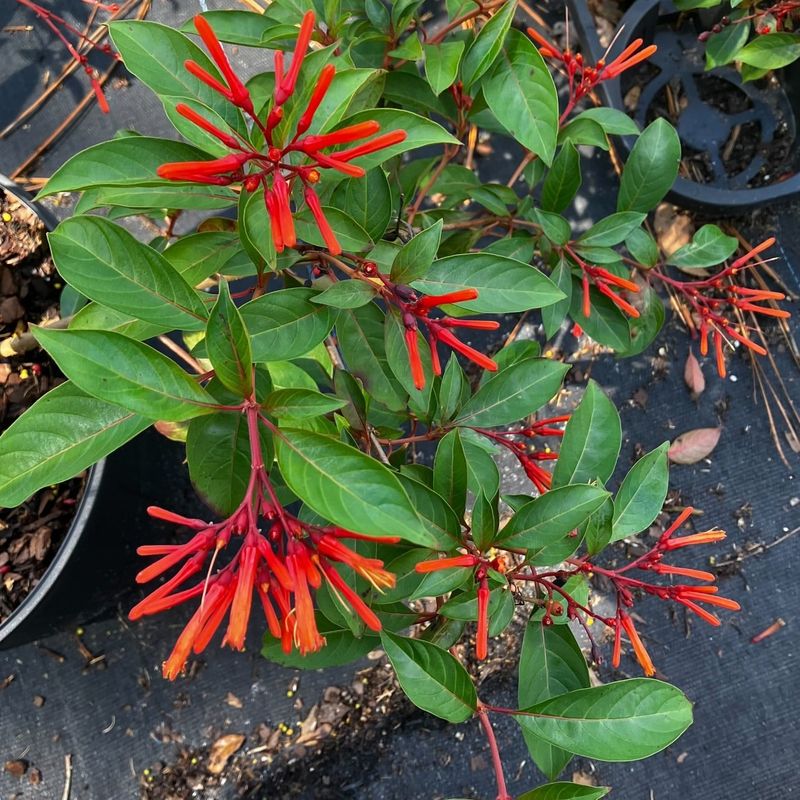
Walk past any thriving Florida yard in July, and you’ll likely spot a shrub covered in bright orange-red tubular flowers that hummingbirds can’t resist. Firebush earns its reputation as one of the toughest native shrubs you can plant, handling full sun exposure without missing a beat.
Its leaves stay vibrant green even when temperatures soar above ninety-five degrees, and it blooms continuously from spring through fall.
You can plant native firebush varieties in sandy soils across South, Central, and North Florida with equal success. Some tropical nursery cultivars are less cold tolerant, so choosing Florida native selections provides the best long-term performance.
It tolerates drought once established, though occasional watering during extreme heat keeps blooms coming strong. Expect rapid growth that fills in bare spots quickly, reaching four to eight feet tall depending on how much you prune.
Butterflies, bees, and migrating hummingbirds visit firebush daily during peak bloom season. Homeowners appreciate how little maintenance this shrub demands compared to non-native alternatives.
It bounces back from occasional freezes in North Florida and thrives year-round in warmer regions, making it a reliable choice for anyone wanting color without constant care.
2. Simpson’s Stopper (Tough Coastal Performer)
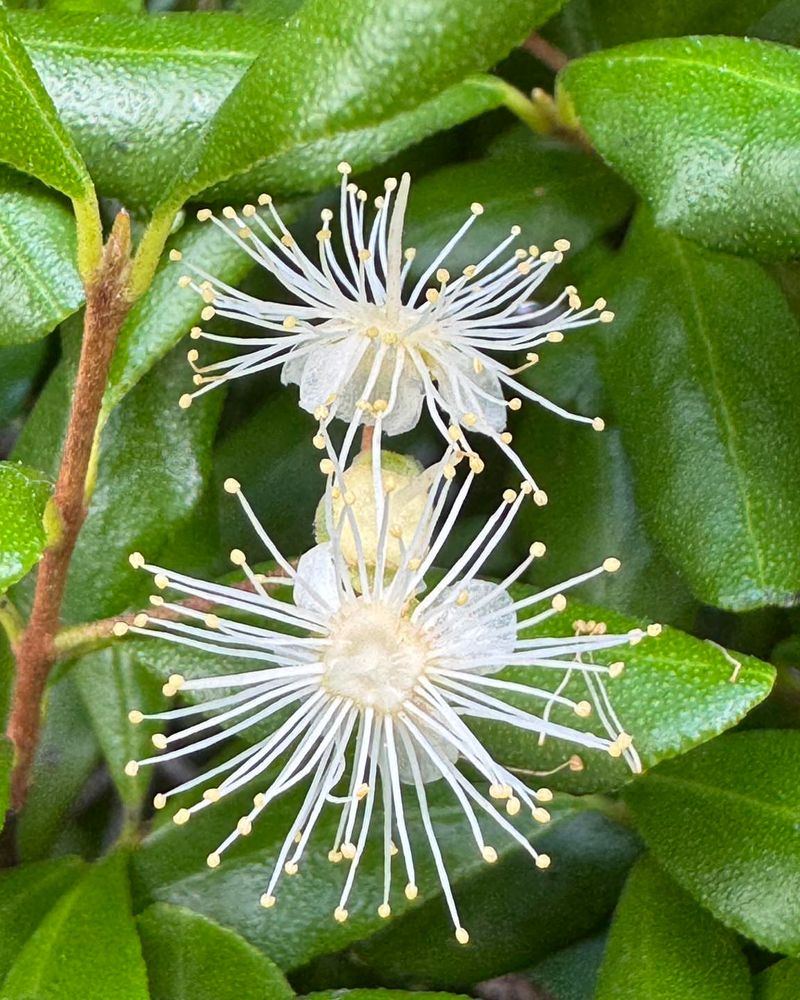
Coastal homeowners know the struggle of finding shrubs that can handle salt spray, sandy soil, and blistering sun all at once. Simpson’s stopper thrives in exactly those conditions, making it a go-to choice for properties near the beach or in areas with salt-laden winds.
Its small, glossy leaves stay dense and attractive even when other shrubs start looking ragged by midsummer.
This native evergreen grows slowly but steadily, reaching six to ten feet tall if left unpruned. You can shape it into a compact hedge or let it develop into a natural, rounded form that provides excellent privacy screening.
White flowers appear in spring and summer, followed by small berries that birds enjoy throughout fall and winter.
Simpson’s stopper adapts well to both full sun and partial shade, making it versatile for different landscape situations. It needs minimal watering once roots establish, and it rarely suffers from pest problems that plague non-native alternatives.
South and Central Florida gardeners find this shrub especially reliable, and it performs admirably in North Florida’s warmer microclimates as well.
3. Beautyberry (Bird-Loving, Sun-Tolerant Shrub)
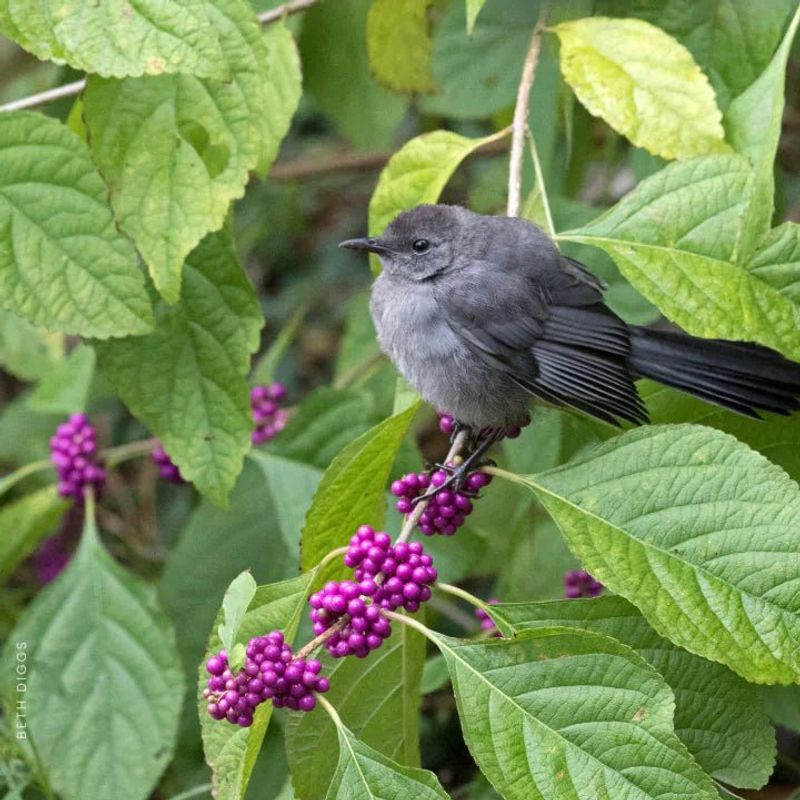
Few native shrubs put on a show quite like beautyberry when its bright purple berries appear in late summer and fall. The clusters of vivid berries practically glow against the green foliage, creating a spectacle that stops people in their tracks.
Birds flock to beautyberry once the fruit ripens, making your yard a hotspot for cardinals, mockingbirds, and other feathered visitors.
Beautyberry handles Florida heat remarkably well when planted in well-drained soil, especially in locations that receive morning sun and afternoon shade. It also performs fine in full sun if you water it during the driest weeks of summer.
Expect this deciduous shrub to reach four to six feet tall and equally wide, with arching branches that give it a graceful, informal appearance.
Central and North Florida gardeners love how beautyberry looks in naturalized landscape designs, where it blends beautifully with other native plants. South Florida homeowners can grow it successfully in slightly cooler microclimates or areas with partial shade.
Pruning in late winter encourages bushier growth and more berry production, and the shrub requires almost no fertilizer to thrive.
4. Walter’s Viburnum (Low-Maintenance Heat Survivor)
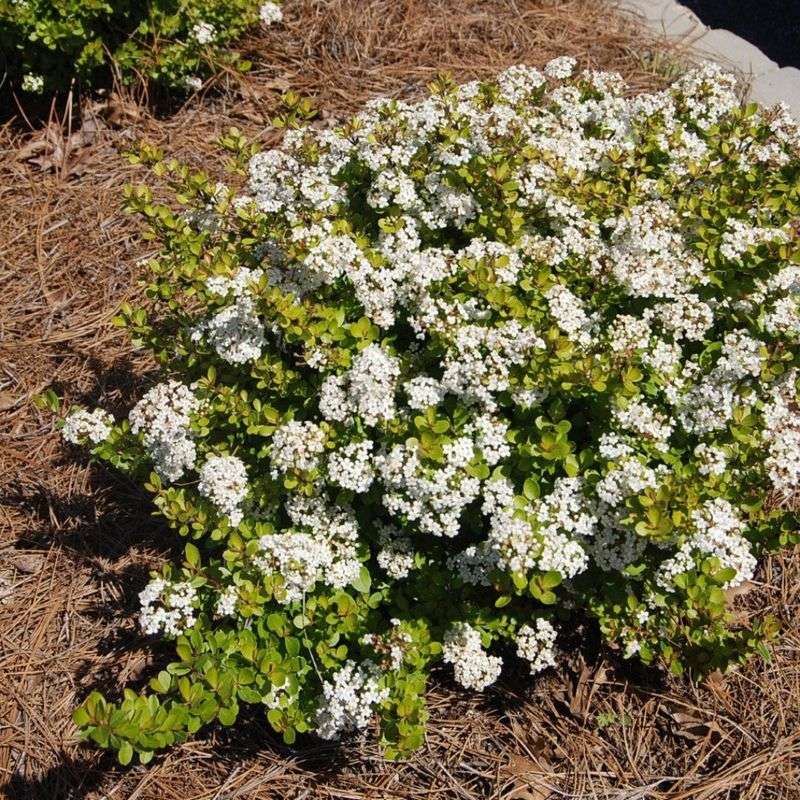
Some shrubs seem designed specifically for Florida homeowners who want beauty without endless chores, and Walter’s viburnum fits that description perfectly. Its glossy, dark green leaves stay attractive through the hottest months, and it produces clusters of white flowers in spring that attract pollinators from across the neighborhood.
By fall, the flowers turn into bright red berries that birds devour within weeks.
Walter’s viburnum tolerates both full sun and partial shade, though it performs best with some afternoon relief in South Florida’s most intense heat. It grows at a moderate pace, reaching six to twelve feet tall depending on growing conditions and pruning.
Sandy soils don’t bother this native shrub, and it handles drought well once established.
North and Central Florida gardeners appreciate how Walter’s viburnum stays evergreen through mild winters, providing year-round structure in the landscape. South Florida homeowners find it equally reliable, especially in areas where other viburnums struggle with heat stress.
You’ll rarely need to fertilize or spray this shrub, making it ideal for low-input landscapes that still look polished and intentional.
5. Yaupon Holly (Florida-Strong Evergreen)
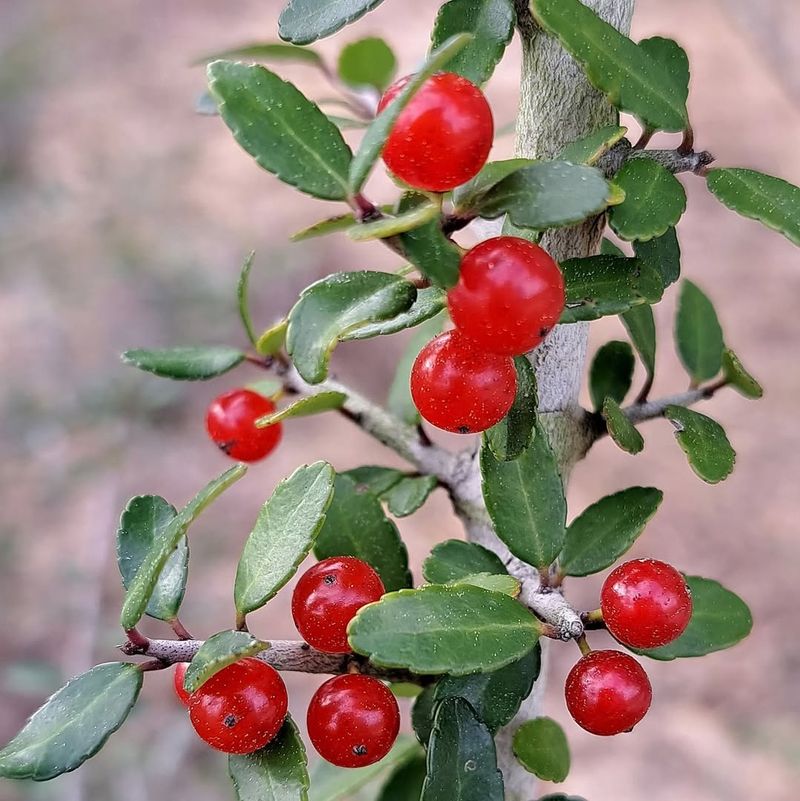
Evergreen shrubs that can handle full sun, sandy soil, and occasional drought are worth their weight in gold for Florida gardeners. Yaupon holly delivers on all three fronts, offering dense, fine-textured foliage that stays green and attractive year-round.
Small white flowers appear in spring, followed by bright red berries on female plants that create stunning visual interest through fall and winter.
You can grow yaupon holly as a multi-trunk shrub, prune it into a formal hedge, or even train it into a small tree form. It adapts to a wide range of soil types and thrives in full sun or partial shade.
Coastal properties benefit from yaupon’s salt tolerance, and inland gardens appreciate how little water it needs once roots establish.
North Florida homeowners love yaupon holly for its cold hardiness and heat tolerance, while Central and South Florida gardeners enjoy its reliable performance in their regions as well. Birds visit regularly to feed on the berries, and the dense foliage provides excellent nesting habitat.
Expect minimal pest problems and almost no disease issues, making this native holly one of the easiest evergreens you can grow.
6. Wax Myrtle (Storm-Resistant Native Workhorse)
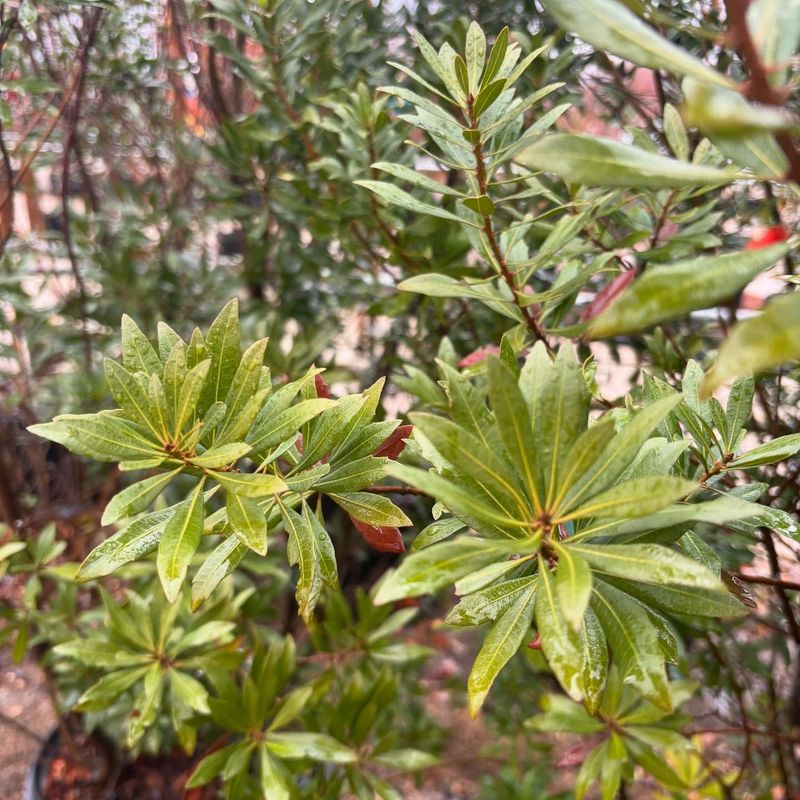
After a hurricane passes through, wax myrtle is often one of the few shrubs still standing strong while others lie broken or uprooted. This native workhorse handles wind, salt spray, flooding, and drought with equal toughness, making it a favorite for homeowners who want reliable performance no matter what weather throws at them.
Its aromatic, olive-green leaves stay attractive year-round, and it grows quickly to fill in gaps in the landscape.
Wax myrtle adapts to almost any soil type, from wet, boggy areas to dry, sandy sites. It thrives in full sun but tolerates partial shade, and it grows into a large shrub or small tree reaching twenty to twenty-five feet tall if left unpruned.
You can shape it into a hedge, screen, or windbreak with regular trimming.
Birds love wax myrtle berries, which appear on female plants in fall and winter. South, Central, and North Florida gardeners all find this native shrub incredibly easy to grow, and it rarely needs fertilizer or pest control.
Homeowners appreciate how wax myrtle provides quick privacy screening without the maintenance demands of non-native alternatives.
7. Buttonbush (Pollinator Magnet That Loves Heat)
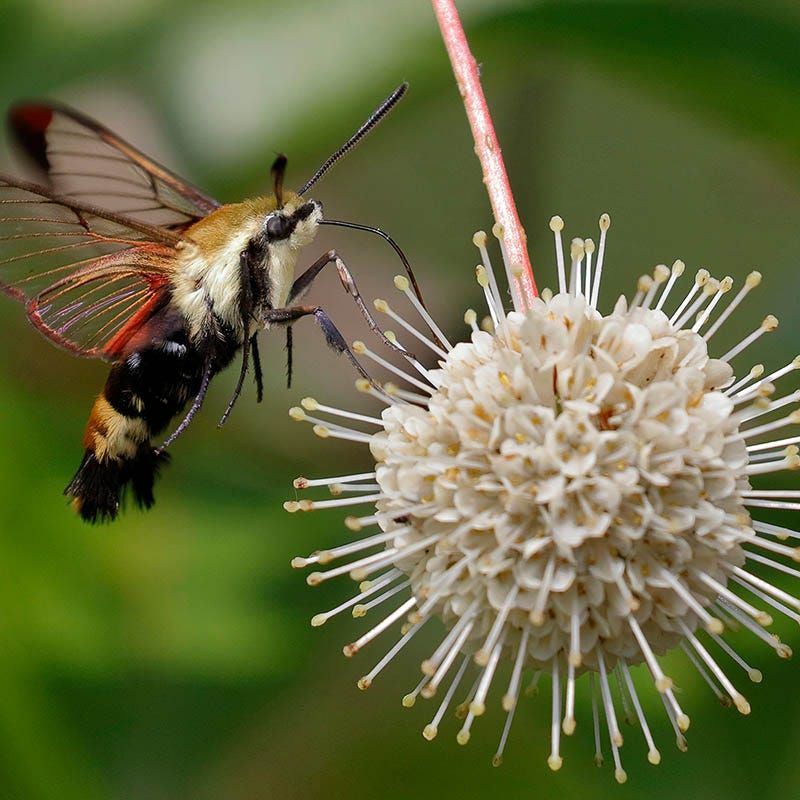
Picture a shrub covered in round, white flower balls that look like something out of a Dr. Seuss book, and you’ve got buttonbush. These unique spherical blooms appear throughout summer, attracting bees, butterflies, and hummingbirds in impressive numbers.
Buttonbush thrives in Florida’s heat and humidity when planted in moist or periodically wet soil, especially near ponds, rain gardens, or wetlands.
This native shrub grows best in full sun to partial shade and tolerates wet conditions that would drown most other plants. It reaches six to twelve feet tall and equally wide, creating a bold presence in the landscape.
Buttonbush works beautifully in rain gardens, along pond edges, or in low-lying areas where water collects after heavy rains.
Central and North Florida gardeners find buttonbush especially easy to grow, and South Florida homeowners enjoy success with it in wetland restoration projects or naturalized areas. The flowers bloom continuously from late spring through fall, providing months of pollinator activity.
Birds eat the seeds in fall and winter, adding another layer of wildlife value to this already impressive native shrub.
8. Coontie (Ultra-Tough Native “Living Fossil”)
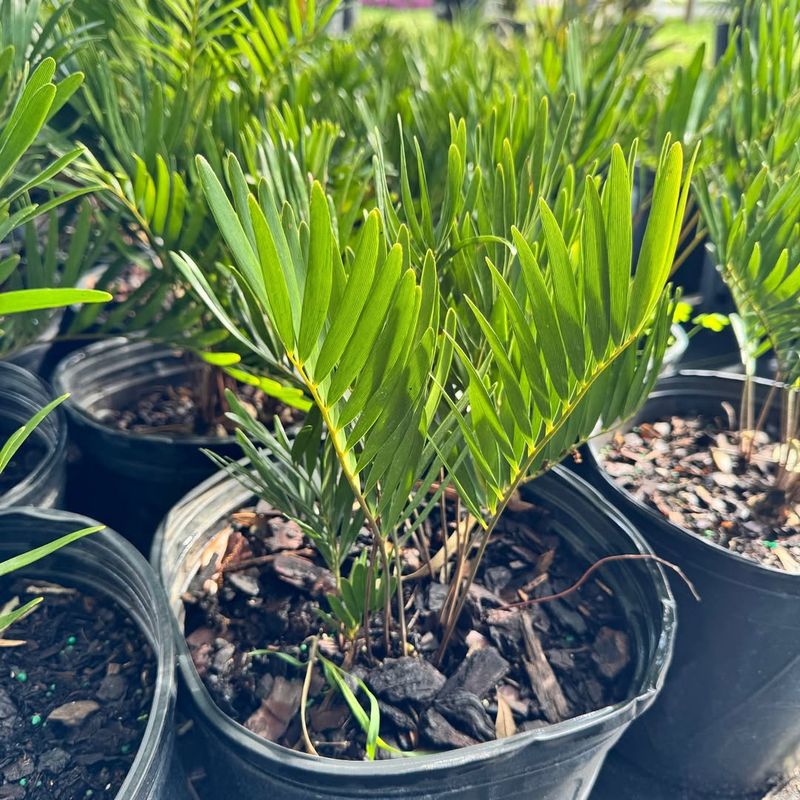
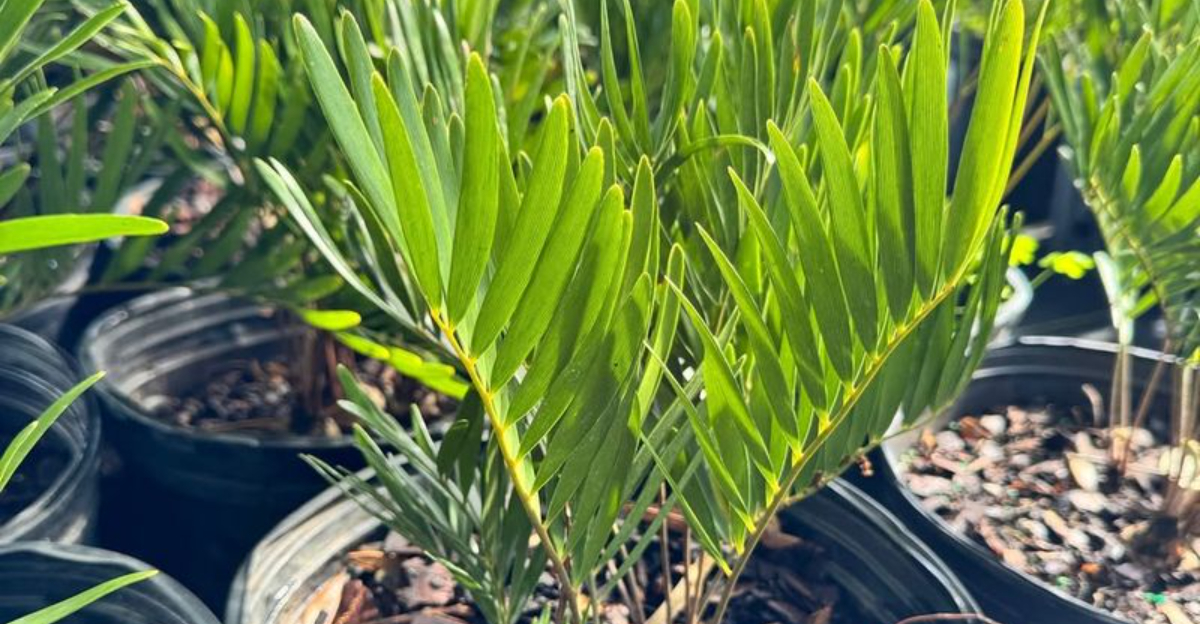
Coontie has been growing in Florida for millions of years, predating dinosaurs and surviving every climate shift the planet has thrown at it. This ancient cycad handles modern Florida heat just as well as it did prehistoric summers, making it one of the toughest, most drought-tolerant plants you can grow.
Its stiff, feathery fronds stay dark green year-round, creating bold texture in the landscape.
You can plant coontie in full sun or deep shade, and it adapts to sandy, rocky, or clay soils with equal ease. It grows slowly, reaching two to three feet tall and wide, making it perfect for foundation plantings, borders, or understory areas beneath larger plants.
Coontie needs almost no water once established and never requires fertilizer.
South, Central, and North Florida gardeners all find coontie incredibly reliable, and it’s one of the few plants that rarely suffers from pest or disease problems. Atala butterflies lay eggs on coontie foliage, and their colorful caterpillars feed on the leaves without harming the plant’s long-term health.
Homeowners love how coontie looks good year after year with virtually no maintenance required.
9. Saw Palmetto (Native That Laughs At Florida Sun)
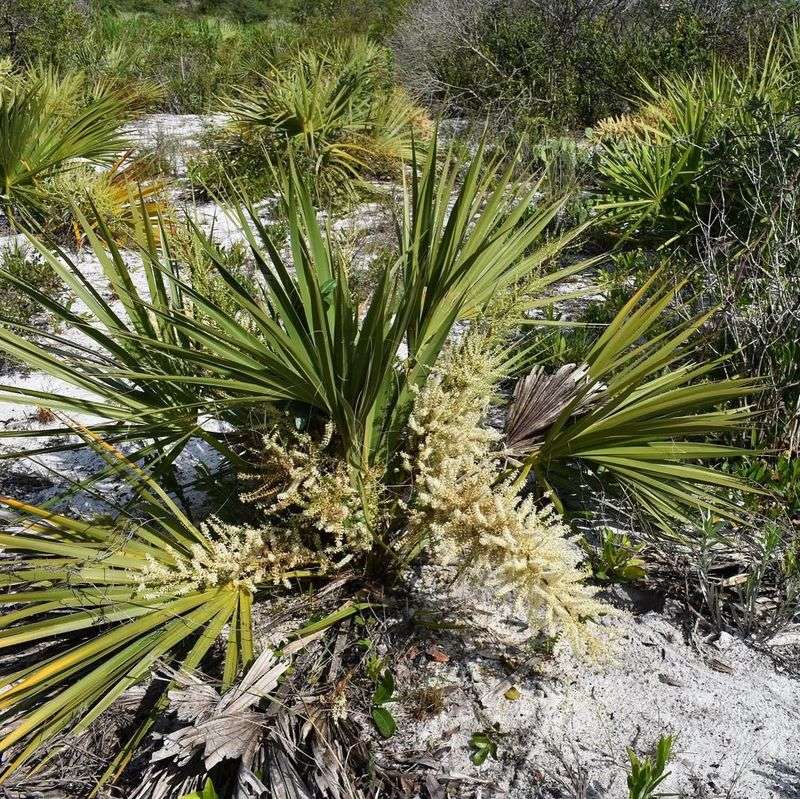
Saw palmetto defines Florida toughness, growing wild across the state in the harshest conditions imaginable. Full sun, sandy soil, drought, salt spray, and extreme heat don’t phase this native palm one bit.
Its fan-shaped fronds create bold, architectural interest in the landscape, and it spreads slowly to form dense clumps that provide excellent habitat for wildlife.
This low-growing palm typically reaches three to six feet tall and spreads gradually through underground stems. You can plant saw palmetto in full sun or partial shade, and it thrives in almost any soil type.
Once established, it needs little to no supplemental watering and rarely requires fertilizer or pest control.
South Florida homeowners use saw palmetto in naturalized landscapes and coastal plantings where few other plants survive. Central and North Florida gardeners appreciate its cold hardiness and year-round evergreen foliage.
Birds, butterflies, and small mammals rely on saw palmetto for food and shelter, making it an important ecological choice for wildlife-friendly yards. Homeowners who want a truly low-maintenance landscape find saw palmetto hard to beat for reliability and toughness.
10. Boxwood (Buxus) Struggles In Florida Humidity
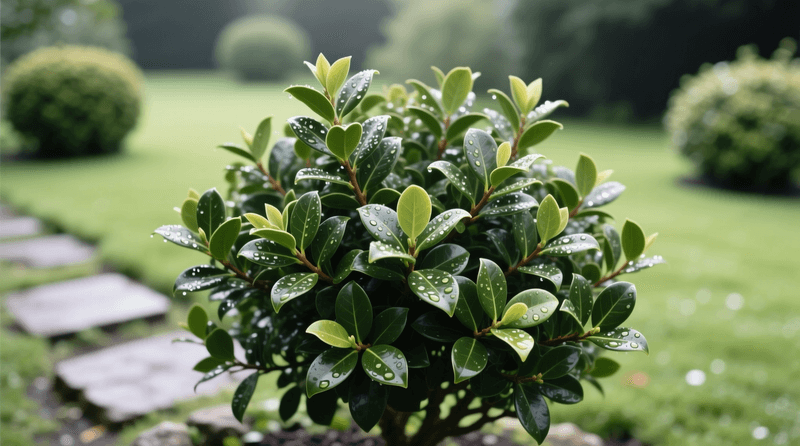
Boxwood looks perfect in photos of formal gardens and classic landscapes, which is why so many homeowners plant it hoping for that neat, manicured look. Unfortunately, Florida’s combination of intense heat and high humidity creates the perfect environment for fungal diseases that plague boxwood varieties.
Within months, you’ll notice brown patches, leaf drop, and stunted growth that no amount of care seems to fix.
Boxwood prefers the cooler, drier climates found in the upper South and northeastern United States, where summer nights cool down and humidity stays lower. Florida’s relentless humidity keeps boxwood foliage wet for extended periods, encouraging blight and other diseases that spread rapidly through the plant.
Even with fungicide treatments and careful pruning, boxwood rarely looks healthy for long in Florida landscapes.
Instead of fighting a losing battle with boxwood, consider planting Simpson’s stopper or yaupon holly for a similar formal hedge appearance. Both native shrubs offer dense, fine-textured foliage that responds well to shaping, and they thrive in Florida’s climate without constant disease problems.
Your landscape will look better, and you’ll spend far less time and money trying to keep struggling plants alive.
11. Hydrangea Wilts Fast In Florida Heat
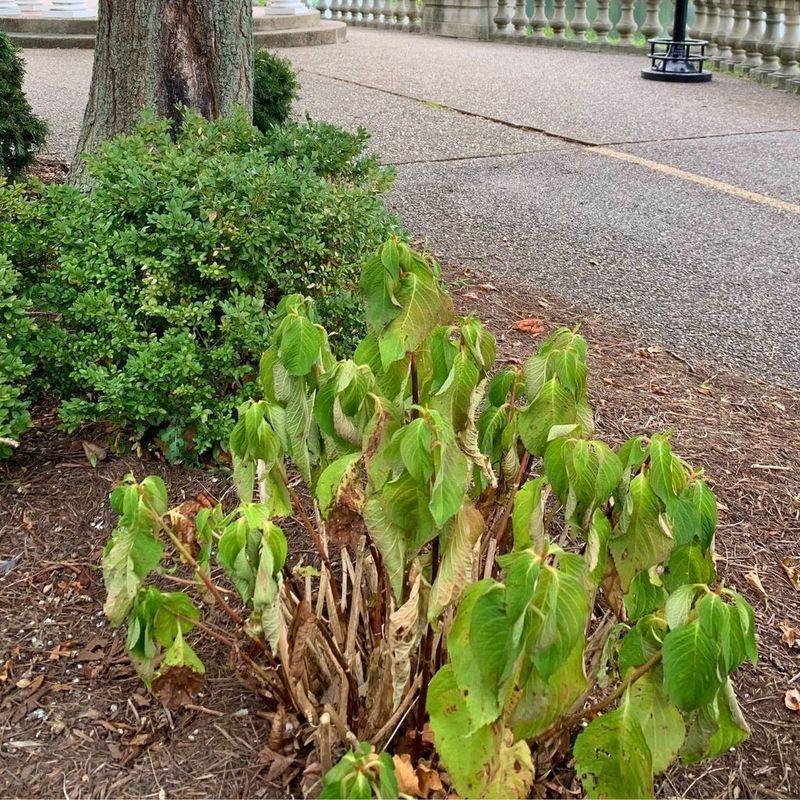
Hydrangea’s massive, colorful flower clusters look stunning in garden catalogs and inspire many Florida homeowners to give them a try. The problem starts when afternoon temperatures climb above ninety degrees and hydrangeas wilt dramatically, even when you water them regularly.
Their large leaves lose moisture faster than the roots can replace it, creating a cycle of stress that weakens the plant over time.
These popular shrubs evolved in cooler climates with moderate summers and consistent moisture. Hydrangeas perform best in North Florida and shaded Central Florida landscapes, but struggle in South Florida and in full sun locations statewide.
South Florida heat proves especially challenging, and even in North and Central Florida, hydrangeas usually need afternoon shade and consistent moisture to look their best. You’ll spend considerable time watering, fertilizing, and trying to provide enough shade to keep hydrangeas looking presentable.
Rather than struggling with hydrangeas, plant beautyberry or Walter’s viburnum for showy flowers and attractive foliage that handles heat without wilting. Both natives offer beautiful blooms, colorful berries, and foliage that stays healthy through Florida summers.
You’ll enjoy better results with far less effort, and your landscape will look lush when hydrangeas in neighboring yards are drooping by noon.
12. Azalea Suffers In Hot Afternoon Sun
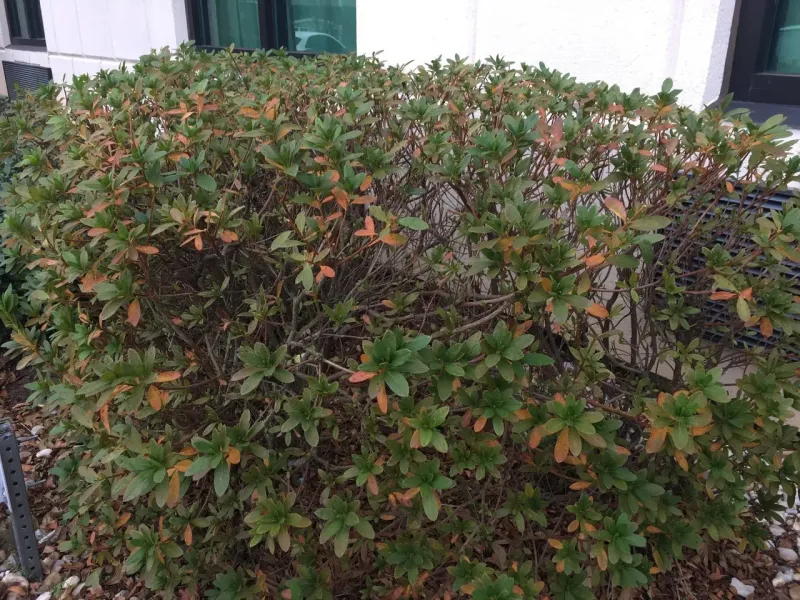
Azaleas bloom beautifully in spring, covering themselves in pink, white, or red flowers that brighten shady areas across the South. Many Florida gardeners plant azaleas expecting the same performance, only to watch them struggle through summer when afternoon sun and heat stress the plants beyond recovery.
Leaves develop brown edges, flowers become sparse, and the shrubs never achieve the lush appearance seen in cooler climates.
These popular shrubs need acidic soil, consistent moisture, and protection from intense afternoon sun to perform well. Florida’s soil and climate can make azaleas challenging long-term, especially in areas with higher pH (often coastal and South Florida), periods of drought, and intense summer heat.
In North Florida and shaded Central Florida landscapes, azaleas can perform well with proper soil preparation and irrigation, but they struggle in South Florida heat and in full sun locations statewide.
For similar spring color without the struggle, plant native firebush or beautyberry instead. Both offer beautiful flowers, attract pollinators and wildlife, and thrive in Florida heat without constant attention.
You’ll spend less time worrying about soil pH and watering schedules, and your landscape will look vibrant through all seasons rather than just a few weeks in spring.
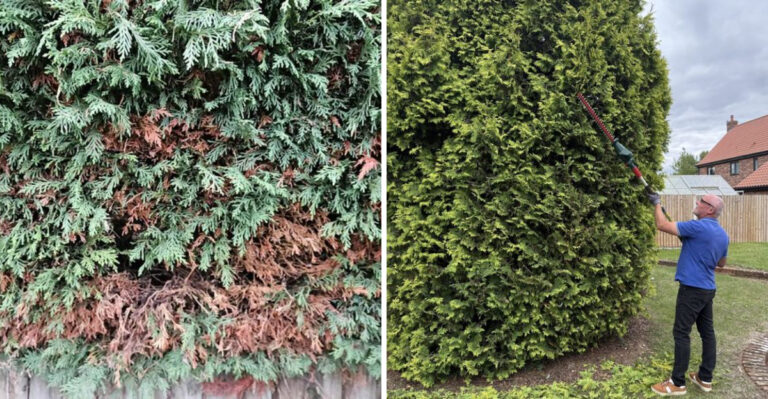
13. English Laurel Burns And Declines In Florida Summers
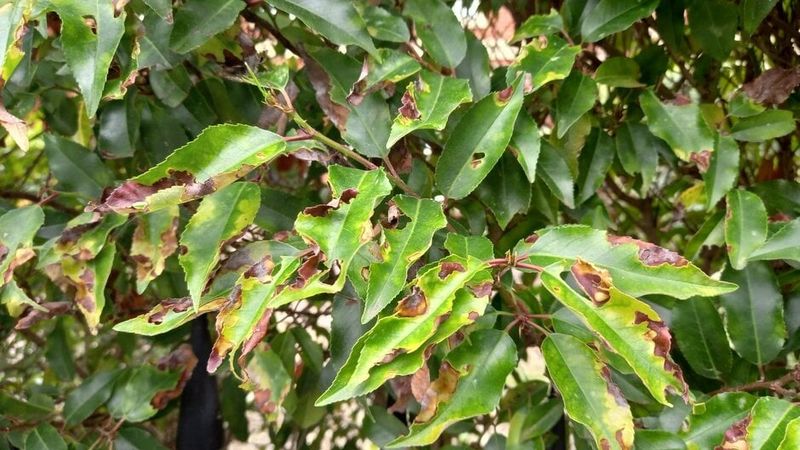
English laurel’s glossy evergreen leaves and fast growth rate make it a popular privacy screen in cooler climates, leading some Florida homeowners to try it for quick hedging. Within the first summer, you’ll notice leaf scorch, brown tips, and overall decline as Florida’s heat and humidity overwhelm this cool-climate shrub.
English laurel simply can’t handle the combination of intense sun, high temperatures, and humid air that defines Florida summers.
This European native thrives in the Pacific Northwest and other regions with mild summers and cool nights, conditions that don’t exist anywhere in Florida. The shrub’s large leaves lose moisture rapidly in heat, and its roots can’t absorb water fast enough to keep up.
Fungal diseases also attack stressed English laurel plants, accelerating their decline and creating an unhealthy-looking mess in the landscape.
Swap English laurel for wax myrtle or Simpson’s stopper if you need a fast-growing evergreen screen. Both native shrubs grow quickly, tolerate pruning well, and thrive in Florida’s climate without the leaf scorch and disease problems that plague English laurel.
Your privacy screen will look healthy year-round, and you’ll avoid the frustration of watching expensive plants decline within months of planting.
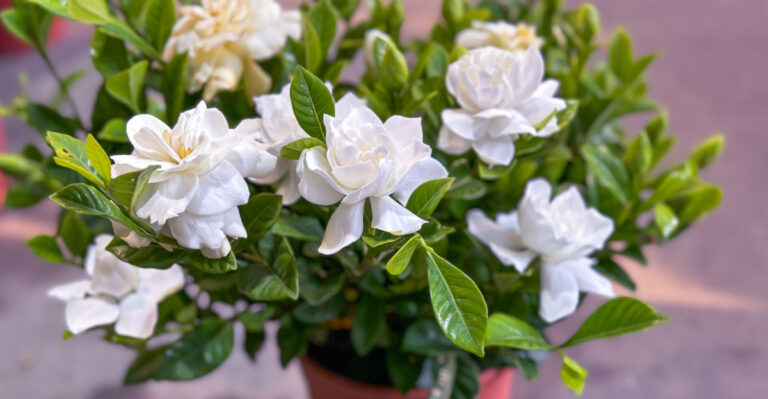
14. Gardenia Stresses Easily In Heat And Humidity
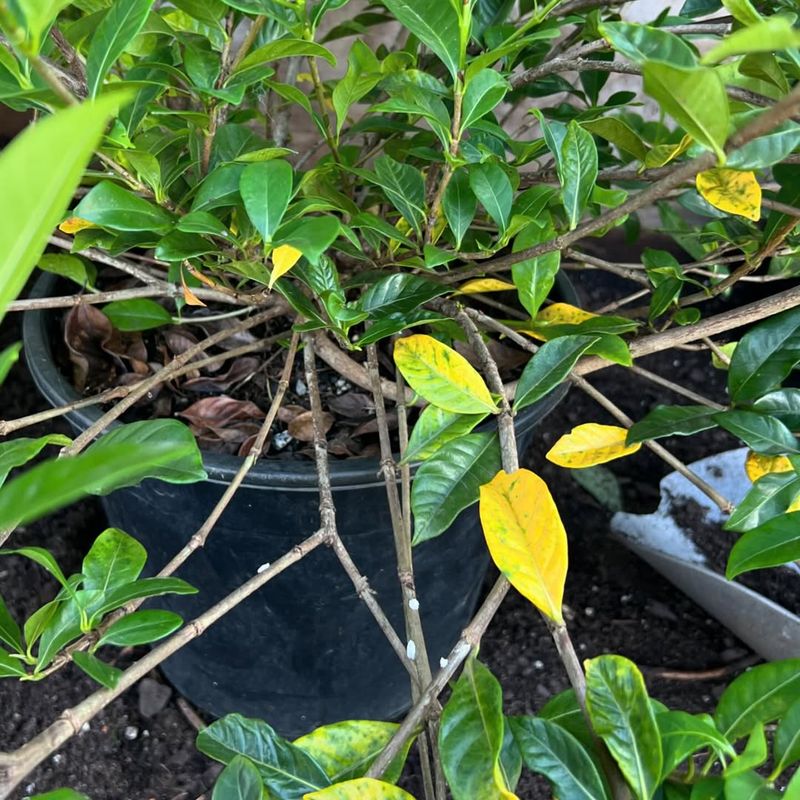
Gardenia’s intoxicating fragrance and creamy white flowers tempt many Florida homeowners to plant them despite warnings about their finicky nature. The reality hits when gardenias struggle through summer, battling whiteflies, sooty mold, and general heat stress that leaves foliage yellowed and flowers sparse.
These shrubs demand specific soil pH, consistent moisture, regular fertilization, and pest control that most gardeners find exhausting to maintain.
While gardenias can survive and even thrive in parts of Florida with proper care, they require acidic soil, afternoon shade, regular pest management, and consistent moisture to perform well. South Florida’s extreme heat proves especially challenging, and even Central and North Florida gardeners find gardenias require more attention than most other shrubs.
The combination of pest problems and environmental stress makes gardenias a high-maintenance choice that often disappoints.
For fragrant white flowers without the headaches, consider planting Simpson’s stopper or Walter’s viburnum instead. Both native shrubs produce beautiful white blooms, handle heat without stress, and resist pest problems that plague gardenias.
You’ll enjoy attractive foliage and flowers without spending every weekend treating for insects or adjusting soil chemistry, making your landscape both beautiful and manageable year-round.