8 Natural Boxelder Bug Repellents You Can Make At Home
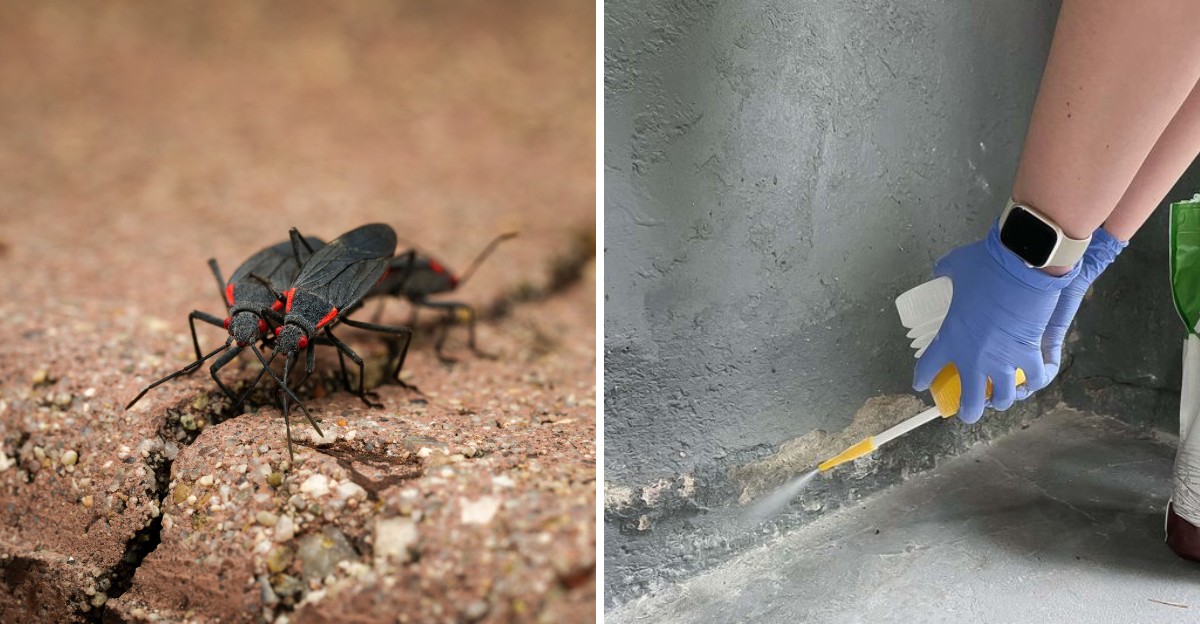
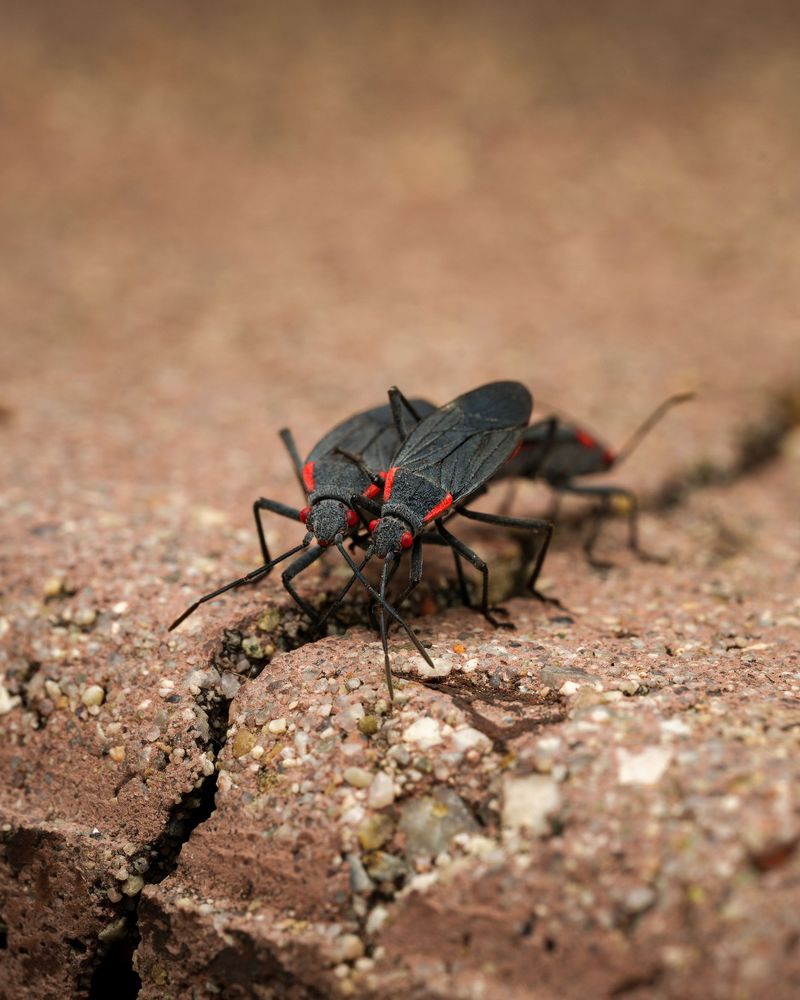
Thousands of red-striped insects can crowd onto one sunny wall each fall, yet they rarely breed indoors. They mostly sip juices from the seeds of female maple relatives, then hunt for warm cracks before winter.
South and west-facing walls soak up afternoon heat, so those sides of the house attract the biggest crowds. Squish one by accident, and you get a sour smell plus an orange stain on your curtains.
I skipped the harsh sprays last autumn and tried mixing my own remedies from the kitchen cabinet instead. A few worked far better than I expected, while others turned out to be more hype than help.
You might notice the crowds thin out quickly once you know which simple homemade recipes actually earn a spot. Which humble pantry staples truly deserve a place in your trusty garden spray bottle this year?
1. Dish Soap Spray Stops Boxelder Bugs On Contact
My first batch of soapy water knocked a cluster of bugs off the siding faster than my morning coffee cooled. Ordinary dish soap breaks down the waxy coat on soft insects, and boxelder bugs dry out without it.
University of Minnesota Extension lists soapy water as a simple way to handle bugs gathered on outside walls. It only works on contact, so the spray must hit the insects directly rather than coating clean siding.
Mix about two tablespoons of plain liquid dish soap into one gallon of water for a reliable batch. Pour some into a clean spray bottle, then give it a gentle swirl so the bubbles stay manageable.
Aim for the clusters on sunny afternoons, when the bugs sit still and soak up warmth on the wall. A good soaking matters here, since a light mist rarely reaches enough of each insect to make a difference.
I like this method because it avoids squashing, which leaves smelly orange stains on painted trim and fabrics. Skip scented degreasers and heavy detergents, because harsh formulas can spot paint and scorch nearby flower beds.
Rinse any soapy drips off delicate leaves with the hose afterward, just to keep your plants comfortable. Test the mix on a hidden patch of siding first, especially on stained wood or older painted surfaces.
Expect to repeat the treatment for several days, since new bugs keep arriving throughout the fall migration indoors. Soapy water costs pennies per gallon, so you can keep a bottle ready by the back door all season.
2. White Vinegar Spray Around Window Frames
Vinegar smells sharp enough to make my eyes water, so I figured boxelder bugs might dislike it too. Many gardeners swear by it, though university research on vinegar as a boxelder bug repellent remains pretty thin.
Its best use is cleaning, because bugs leave behind scent cues that may draw more of their friends. Wiping sills with vinegar removes grime and odors, which can make favorite gathering spots a bit less inviting.
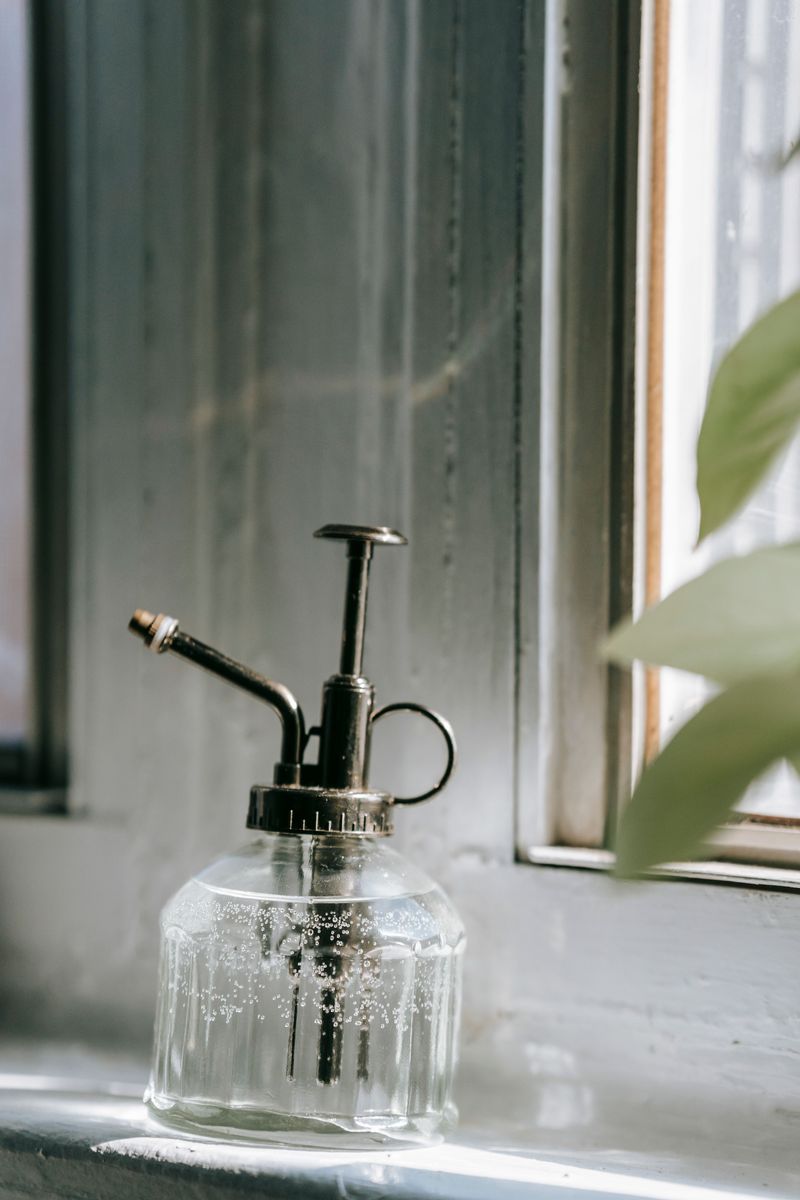
Combine equal parts white vinegar and water in a spray bottle, then shake it well before each use. White vinegar is the better pick, since apple cider types can leave sticky residue on light colored trim.
Spray window frames and door edges, then wipe the surfaces dry with an old cotton rag or towel. Direct hits may bother the bugs briefly, but soapy water does a far better job of actually controlling them.
Keep vinegar away from your lawn and flower beds, because its acid can brown grass blades and tender leaves. Natural stone like marble or limestone can also etch, so test any countertop or step before spraying freely.
Reapply every few days and after rain, since the strong scent fades much faster than most people expect. I pair vinegar wipes with fresh caulk, which handles the real job of blocking tiny gaps around windows.
Treat this one as a helpful cleanup partner rather than a miracle cure for crowded autumn siding. Your windows will sparkle either way, and that small win makes the effort feel worthwhile to me.
3. Peppermint Oil Spray For Doorways And Sills
Peppermint oil turns a stuffy mudroom into something that smells like a candy cane shop on a winter morning. Plenty of homeowners use it near entry points, hoping the strong scent nudges boxelder bugs toward other shelters.
Scientific proof for essential oils against boxelder bugs is limited, so treat this as a mild deterrent. It may help most around doors and sills, where the aroma stays concentrated in small, sheltered spaces.
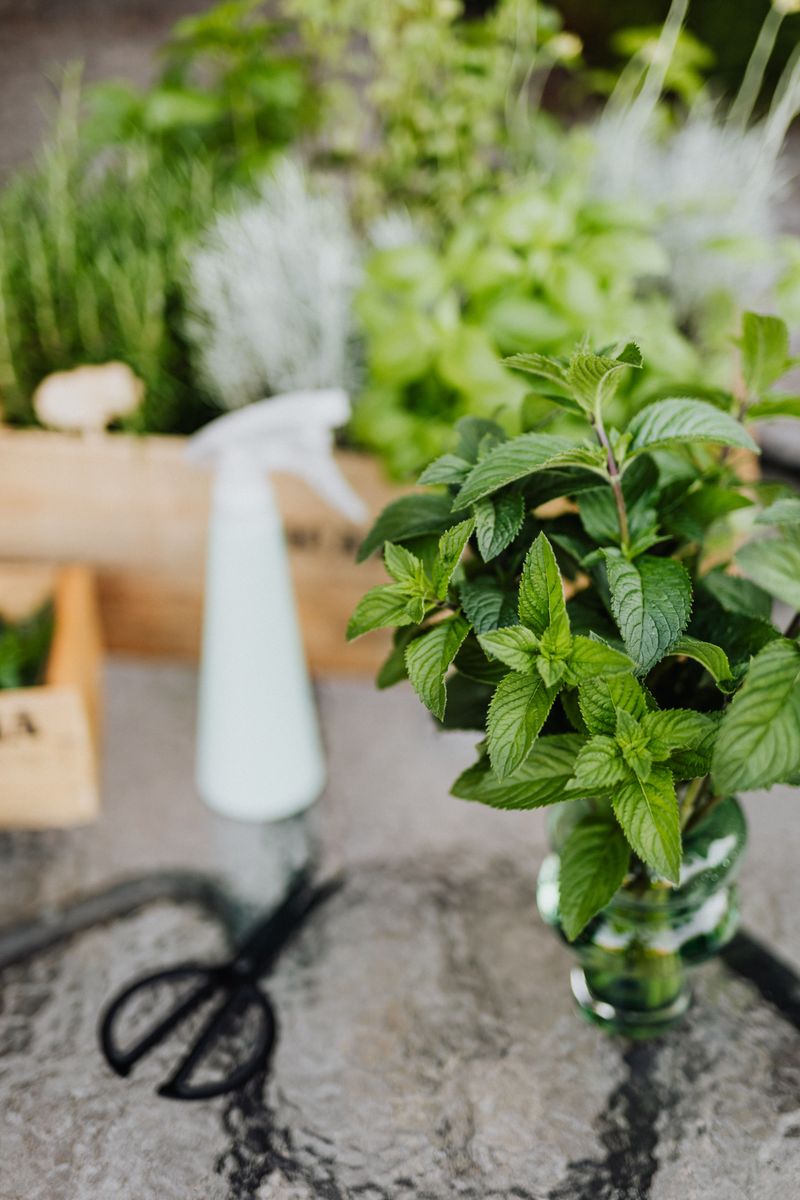
Add about fifteen drops of peppermint oil to one cup of water in a small glass spray bottle. A few drops of dish soap help the oil blend, since oil and water separate quickly without help.
Shake the bottle before every spray, then mist door frames and window corners where bugs like to slip inside. Clove or spearmint oils can work as substitutes if peppermint feels too strong for your nose indoors.
Pet owners should take extra care, because cats are especially sensitive to many concentrated essential oils. Keep sprays away from food bowls and bedding, and ask your veterinarian if you have any doubts.
Reapply every few days, since the scent fades quickly once warm sunshine and fresh breezes reach treated spots. I refresh mine on weekends, and the whole front hall smells cleaner for hours after each round.
Pair this spray with weatherstripping, because even a pleasant scent struggles to stop bugs at wide gaps. A tight door seal plus a minty finish makes the entryway feel tidy and a lot less crowded.
4. Diatomaceous Earth Along The Home Foundation
Every pinch of diatomaceous earth holds the fossil shells of tiny algae called diatoms from ancient lake beds. Under a microscope, those shells look like delicate glass lace, and their edges scratch the waxy coat on insects.
Once that coating gets scuffed, bugs lose moisture and slowly dry out after crawling through the dusty powder. Results take time with larger insects, so expect gradual help rather than instant relief on a busy wall.
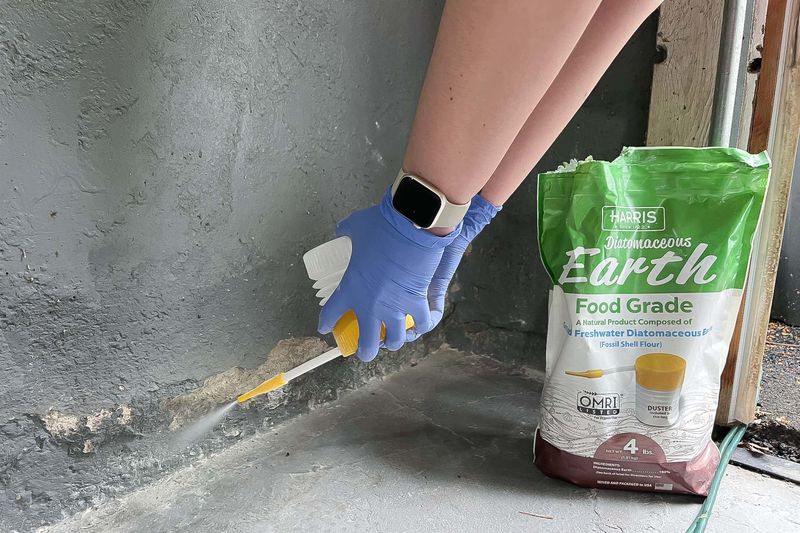
Buy food grade diatomaceous earth, not the pool filter type, which is processed differently and is unsafe to breathe. Even the food grade kind can irritate lungs, so a dust mask and gloves make sense during application.
No mixing is needed, since you simply shake a thin, even line along cracks and foundation edges. A light film works better than thick piles, because bugs tend to walk around heavy mounds of dust.
Focus on dry places like window wells and the gap where siding meets the concrete foundation outside. Moisture weakens its scratchy action, so reapply after rain or heavy morning dew soaks the treated line.
I use a small squeeze duster, which puffs out a neat stripe without coating my shoes and pants. Pick a calm day, because even a gentle breeze can carry the fine powder into your face.
Insects cannot easily build resistance to physical scratching, which makes this a handy tool for many seasons ahead. Keep it away from flowering plants, though, since foraging bees can pick up the dust on their bodies.
5. Garlic Spray For Shrubs Near The House

Chopping garlic for supper gave me the idea, because my whole kitchen smelled strong enough to clear a room. Garlic spray is a classic garden repellent, though proof that it works on boxelder bugs remains mostly anecdotal.
Its punch comes from sulfur compounds, released when cloves get crushed and allicin forms within a few seconds. Those odors may discourage some insects from settling on treated leaves, at least until the smell fades away.
Crush about six garlic cloves and soak them overnight in two cups of water inside a covered jar. Strain the liquid through a coffee filter, then add a few drops of mild dish soap before spraying.
Spray shrubs and perennials growing close to your foundation, where bugs often rest before seeking a way indoors. Cover the undersides of leaves too, since many insects prefer shady hideouts beneath the foliage during warm afternoons.
Try a small patch first and wait two days, watching for brown spots or curled edges on leaves. Spray during cool mornings or evenings, because strong sun on wet leaves can sometimes cause scorched patches.
Store leftovers in the fridge and use them within a week, since homemade garlic water spoils fairly fast. Label the jar clearly, unless you want someone in the family pouring it into soup by mistake.
Reapply weekly or after rain, because the scent washes off leaves sooner than most gardeners would like. As a bonus, many folks use the same spray to discourage aphids on roses and other soft growth.
6. Hot Pepper Spray For Boxelder Bug Hangouts

One whiff of simmering cayenne taught me to open every kitchen window before starting this spicy little project. Capsaicin, the compound that makes peppers hot, irritates many creatures and may encourage bugs to move along elsewhere.
Hard research on pepper sprays for boxelder bugs is scarce, so think of this as a gentle experiment. It works best as a deterrent on plants and surfaces, rather than a quick fix for big crowds.
Stir two tablespoons of cayenne powder into one quart of warm water, then let it steep overnight. Strain through cheesecloth, add a few drops of mild soap, and pour the liquid into a labeled bottle.
Gloves are a must, because pepper oils cling to skin and sting badly if you rub your eyes. Safety glasses help too, since a sudden gust can blow spicy mist straight back toward your face.
Spray ornamental shrubs and outdoor surfaces where bugs gather, but skip vegetables you plan to harvest soon. Lingering heat on lettuce or herbs makes for a very surprising bite at the dinner table later.
Test a few leaves first, because some tender plants react poorly to pepper residue in strong sunlight. Reapply after rain or watering, since capsaicin rinses off fairly quickly from smooth leaves and painted surfaces.
Keep the bottle far from curious kids and pets, and mark it clearly with a bold permanent marker. I store mine on a high garage shelf, right beside the garden gloves I reserve for spicy jobs.
7. Vegetable Oil And Soap Spray For Clustered Bugs
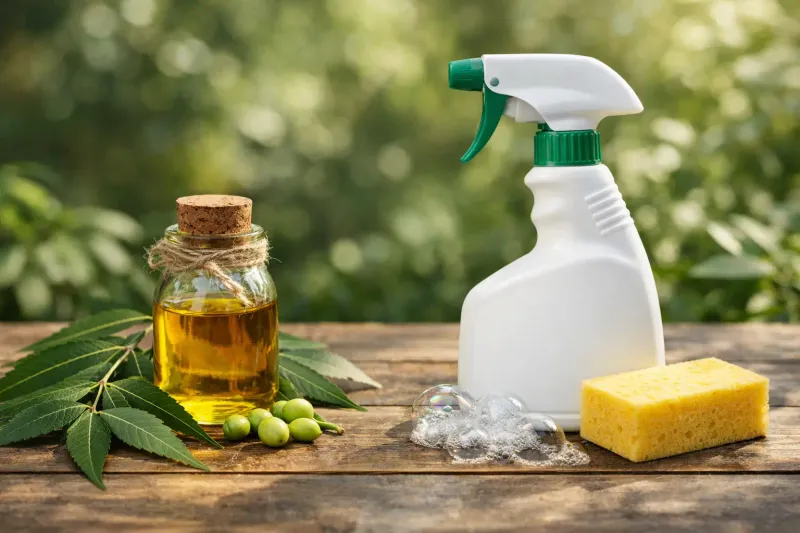
A splash of cooking oil seems like an odd pest tool, yet it works on soft insects with surprising efficiency. The oil coats their bodies and blocks tiny breathing pores called spiracles, which leaves the bugs struggling quickly.
Like soapy water, this spray acts only on contact, so leftover film offers little protection against new arrivals. Boxelder bugs have tougher shells than aphids, which means thorough coverage matters more than with softer garden pests.
Mix one cup of vegetable oil with one tablespoon of mild liquid soap to make a basic concentrate. Shake the jar hard until the mixture turns cloudy, then store it somewhere cool and out of sunlight.
For each spray session, blend about two teaspoons of concentrate into one cup of water in your bottle. Shake often while spraying, since the oil drifts to the top within minutes and the mix turns uneven.
Hit clusters directly on tree trunks or fence posts, rather than coating painted siding and window glass. Oily residue attracts dust and can leave greasy streaks, which nobody wants on a freshly washed house.
Skip this spray when temperatures climb above ninety degrees, because oil plus heat can burn tender leaves. Test a small branch first, and wait a couple of days before treating a whole shrub or bed.
Mix fresh concentrate every few weeks, since cooking oil can turn rancid and smell pretty unpleasant over time. I keep a small batch labeled in the shed, ready for those warm afternoons when clusters appear.
8. Citrus Peel Spray Made From Kitchen Scraps

Orange peels headed for my compost bin got a second career, and the house smelled like a sunny fruit stand. Citrus rinds contain limonene, an oil found in some commercial insect products, which gives this spray its zesty edge.
Homemade peel water is much weaker than those products, so expect a mild repellent rather than strong control. Still, the scent is pleasant, and reusing kitchen scraps makes the whole project feel thrifty and satisfying.
Simmer peels from three oranges or lemons in two cups of water for about fifteen minutes on low. Let the pot cool overnight with the lid on, so more fragrant oils settle into the liquid.
Strain out the rinds, add a few drops of dish soap, and pour the mixture into a spray bottle. Spray window sills and door frames outdoors, where bugs gather on warm afternoons before searching for winter shelter.
Undiluted citrus oil can irritate some plants and skin, so keep this mild version for surfaces instead. Pets, especially cats, may react to citrus oils, so let treated areas dry before animals wander nearby.
Refrigerate leftovers and use them within a week, because peel water grows cloudy and sour fairly fast. Reapply every few days, since the bright scent fades quickly once sunshine warms the treated wood and trim.
Remember that boxelder bugs rarely harm plants or people, so a calm approach usually works better than panic. Seal the cracks first, then enjoy that fresh citrus smell while the busy season slowly settles down.