9 Natural Smells That Help Keep Critters Away From Georgia Gardens
Georgia gardens can start looking rough fast once critters decide they like the yard more than people do.
Fresh bites out of vegetables, dug up flower beds, and missing blooms get irritating quickly, especially after everything finally starts filling out for the season.
Checking the garden in the morning stops feeling exciting once new damage keeps showing up overnight.
Harsh repellents are not always the answer either. Strong chemical smells can make patios and backyard spaces feel less enjoyable than before.
Natural scents have started catching more attention because they feel easier to use around everyday garden spaces without making everything smell overpowering.
Warm weather always seems to bring more unwanted visitors around the yard. Finding simple ways to make gardens less inviting starts sounding a whole lot better once the same problems keep showing up week after week.
1. Mint Leaves Leave Strong Smells Around Garden Edges
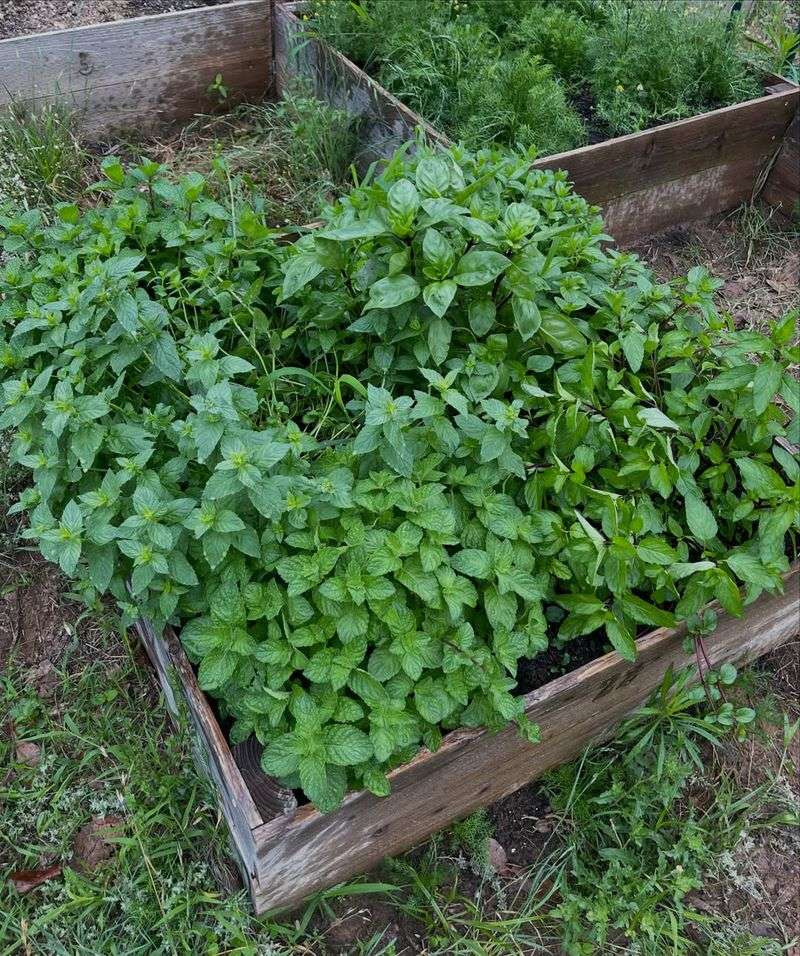
Walk past a patch of mint on a hot Georgia afternoon and you will understand immediately why animals want nothing to do with it. That sharp, almost aggressive scent hits you fast, and it hits critters even harder.
Animals like deer and rabbits rely heavily on smell to feel safe around food, and mint throws that sense into overdrive.
Planting mint along garden borders is a practical move many gardeners swear by. It spreads quickly, which means it naturally fills in gaps along edges without much effort.
Just keep it contained in pots or use buried edging, because mint will take over a bed if left unchecked.
Spearmint and peppermint both work well in humid climates. Peppermint tends to carry a stronger scent, especially after a warm rain when the oils release into the air.
Crushing a few leaves near entry points can give the scent an extra boost when critter pressure is high. Refreshing the crushed leaves every few days helps maintain the barrier during peak garden season.
Mint also attracts pollinators once it flowers, which gives gardeners an extra benefit beyond simply helping discourage unwanted critters around vegetables and flower beds.
The effect is strongest in the early morning and late evening when moisture in the air helps carry the scent further through the garden.
Over time, that constant background aroma can make treated areas far less appealing for repeated visits.
2. Lavender Fragrance Can Make Animals More Cautious
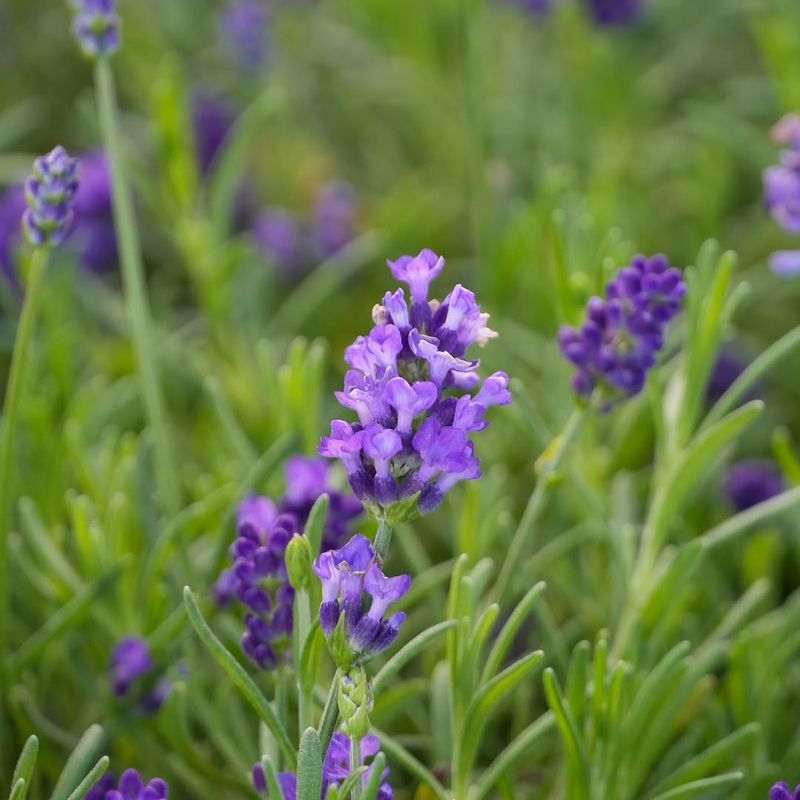
Lavender smells wonderful to most people, but deer and rabbits tend to disagree strongly. Something about its concentrated floral oils triggers caution in animals that depend on scent to assess danger, and gardeners have noticed this effect season after season.
Planting lavender near vulnerable beds creates a scent wall that many critters simply choose to avoid.
Georgia summers are hot and long, which actually works in lavender’s favor. Heat draws out the essential oils in lavender plants, making the fragrance stronger and more persistent throughout the day.
Even on still evenings, the scent hangs in the air around the plants, creating a natural buffer zone that requires no maintenance once established.
Your Georgia Garden Changes Every Week. Your Plan Should Too.
Gardening in Georgia changes quickly throughout the season. Every Friday you’ll receive a simple weekly plan showing exactly what to plant, prune, fertilize, harvest, and protect so you never miss the right timing.
English lavender varieties tend to perform well across much of the region, though they appreciate good drainage since clay-heavy soils can hold too much moisture. Raised beds or amended soil help lavender thrive long enough to do its job.
Planting it near tomatoes, peppers, or leafy greens gives those vulnerable crops an aromatic shield without any chemical input.
Dried lavender bundles placed near garden entrances can also extend the repellent effect beyond where live plants grow.
3. Garlic Scent Lingers Near Tender Vegetables
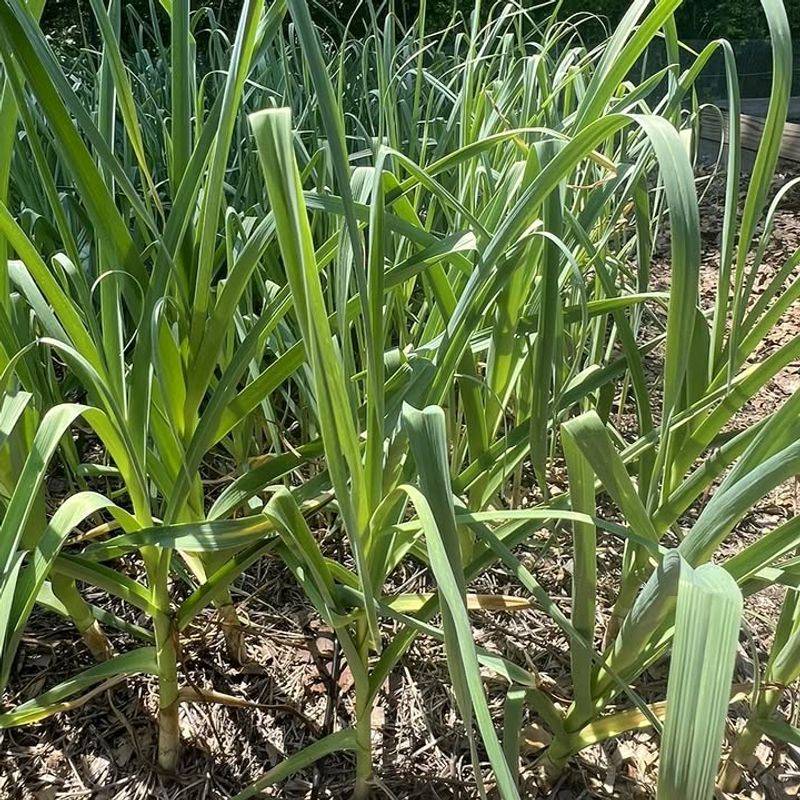
Few smells in a garden are as persistent as garlic, and that staying power is exactly what makes it useful. Animals that rely on their nose to find food treat strong sulfur-based scents as warning signals, and garlic delivers those signals in abundance.
Gardeners growing tender crops like lettuce, beans, and squash often plant garlic nearby as a first line of defense.
Garlic can be grown directly in garden beds or used as a spray. Crushing several cloves into water, letting it steep overnight, and then spraying it around vulnerable plants creates a liquid barrier that works surprisingly well.
Reapplication after frequent summer rains is necessary to keep the scent strong enough to matter.
Hardneck garlic varieties handle winters better than softneck types in some regions, so checking with a local extension office about timing can improve results.
Planting garlic in fall and letting it overwinter means it will be actively growing and releasing scent just as spring critter activity picks up.
That timing is no accident among experienced gardeners. Even garlic powder sprinkled around bed edges offers a short-term deterrent when fresh cloves are not available.
4. Rosemary Releases Sharp Herbal Notes In Heat
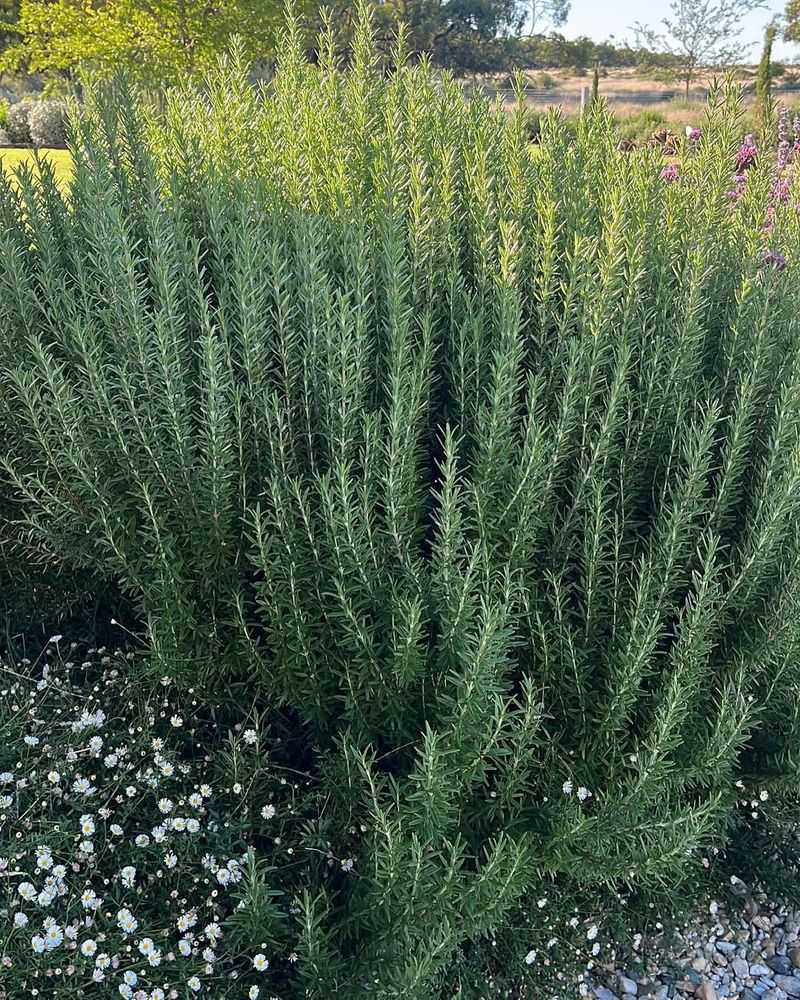
Rosemary has a scent that is hard to ignore, and that is the whole point. On a hot Georgia afternoon, a mature rosemary shrub releases waves of sharp, resinous fragrance that animals find deeply off-putting.
Deer in particular seem to avoid areas where rosemary is well established, likely because the intensity of its oils signals unfamiliar territory.
One practical advantage rosemary has over other scent-based repellents is its durability. Once established in Georgia’s climate, rosemary grows into a woody, drought-tolerant shrub that requires very little care.
It does not wash away in rain, and it does not need to be reapplied. The plant simply keeps producing its strong herbal oils season after season with minimal input from the gardener.
Placing rosemary at garden corners or along walkways that critters use as entry points puts the scent right where it is most needed. Pruning the plant occasionally releases a fresh burst of fragrance and keeps growth compact.
Upright varieties like Tuscan Blue tend to grow tall enough in Georgia’s climate to create a visible and aromatic border.
Pairing rosemary with other strong-smelling herbs like sage amplifies the repellent zone around the most vulnerable parts of the garden.
5. Marigolds Give Off A Distinct Garden Aroma
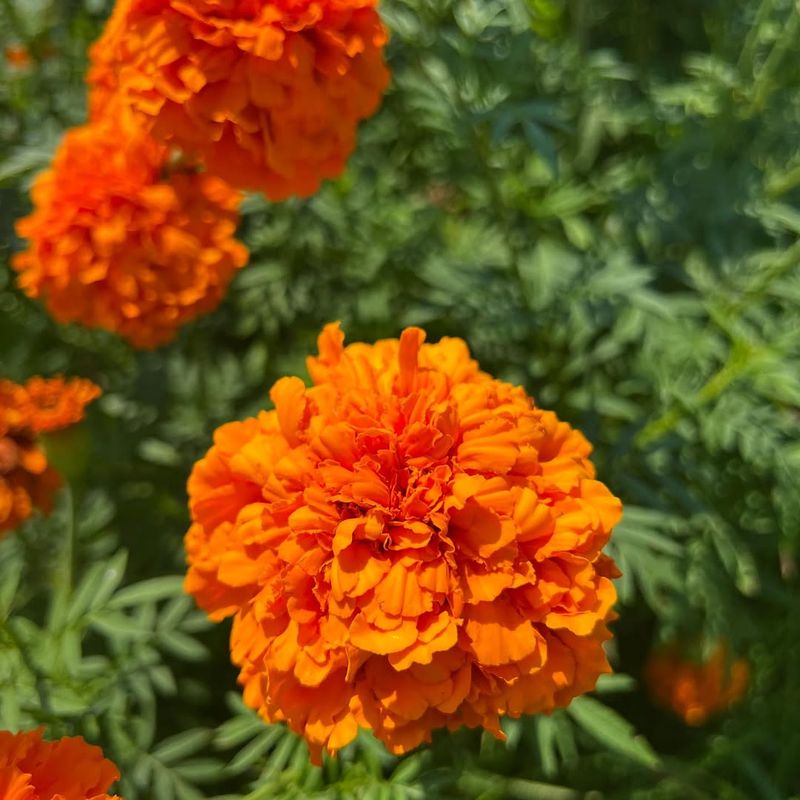
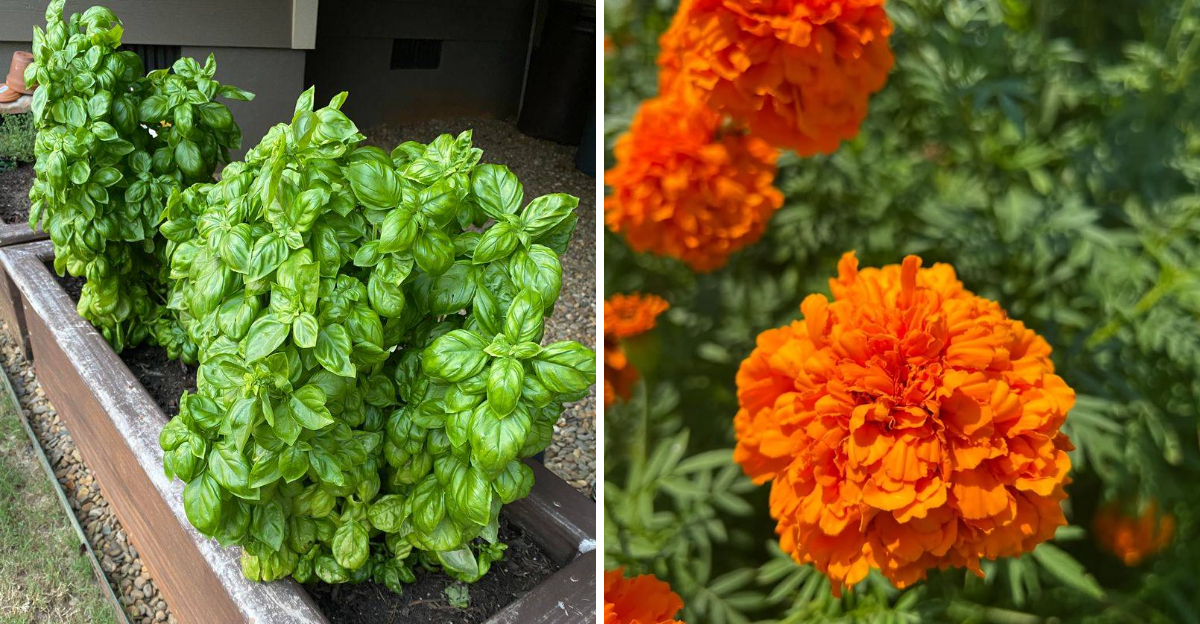
Marigolds are one of those plants that pull double duty in a Georgia garden. They look cheerful and colorful, but underneath that bright exterior is a smell that many animals and insects find genuinely unpleasant.
The scent comes from compounds in the leaves and stems rather than just the flowers, which means the repellent effect is present even before blooms appear.
African marigold varieties tend to produce the strongest fragrance and grow well in Georgia’s long warm season.
Planting them as a border around vegetable beds creates a scented perimeter that discourages rabbits, deer, and even some insects from crossing into the garden.
The taller the marigold variety, the more scent surface area it provides.
Marigolds also do well in containers, which makes them flexible for gardeners who want to move protection around as needed.
Placing pots near entry points or around newly transplanted seedlings gives young plants a chance to establish before critter pressure builds.
Deadheading spent blooms regularly encourages more flower production and keeps the plant actively releasing its scent compounds.
Georgia’s heat and humidity actually intensify marigold fragrance, making summer the most effective season for using them as a natural deterrent around the garden.
6. Citrus Peels Leave Oils Across Loose Soil
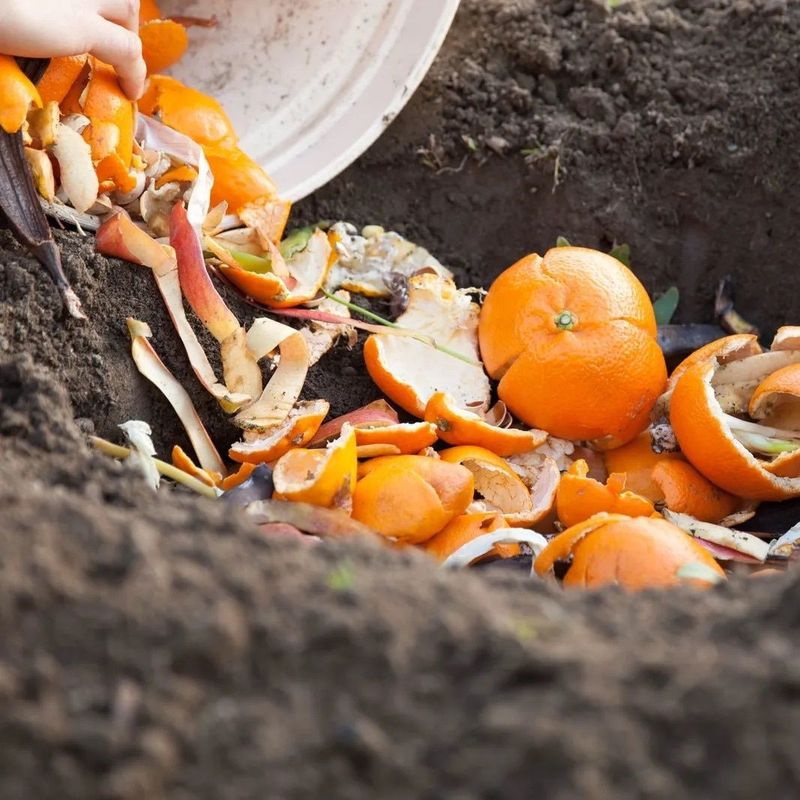
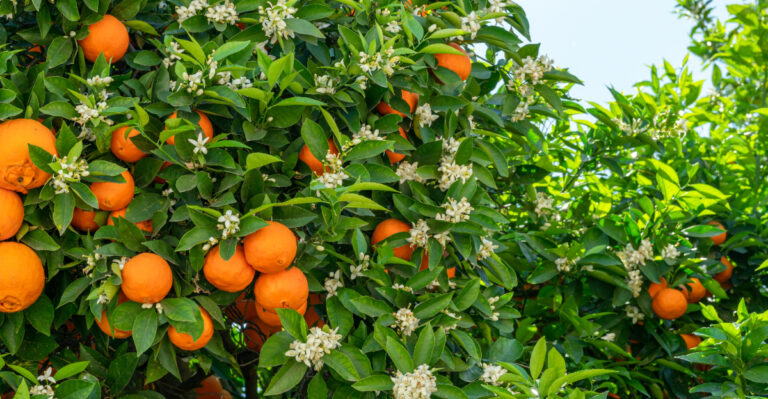
Tossing citrus peels into the garden might seem casual, but there is real logic behind it. Citrus rinds contain concentrated oils that many animals find sharp and irritating to their sensitive noses.
Squirrels, cats, and rabbits are particularly put off by the smell, and gardeners dealing with these specific critters often find citrus peels to be one of the easiest free solutions available.
Orange, lemon, grapefruit, and lime peels all work, with fresher peels releasing more oil than older dried ones. Scattering them around the base of plants or along bed edges puts the scent right where animals are most likely to sniff before entering.
Replacing peels every few days keeps the barrier active, especially after Georgia’s frequent summer rains wash the oils deeper into the soil.
Chopping or grating the peels slightly before placing them releases more oil and extends the effective scent range. Mixing them into the top layer of mulch can also help the scent last a bit longer between replacements.
One thing worth noting is that citrus peels do break down and add organic matter to the soil as they decompose, which is a small bonus on top of the repellent benefit for gardeners working to improve their soil over time.
7. Basil Produces Noticeable Fragrance In Humid Weather
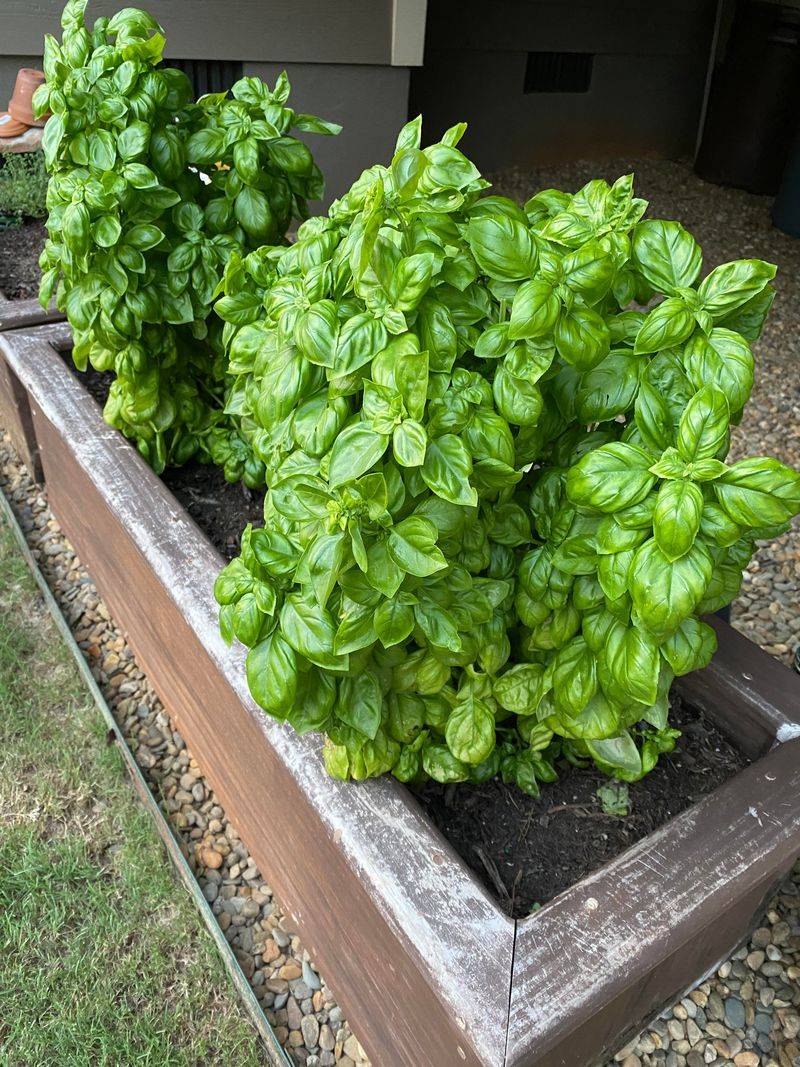
Basil is a summer staple in Georgia kitchens, but its role in the garden goes beyond cooking. On a humid afternoon, basil releases a spicy, clove-like fragrance that intensifies with every breeze.
Animals that approach a dense basil planting often hesitate, likely because the concentrated scent overwhelms their ability to detect other food sources nearby.
Sweet basil and Thai basil both produce strong aromas, though Thai basil tends to have a sharper edge that some gardeners find more effective as a deterrent.
Planting basil between rows of vegetables like tomatoes and peppers creates fragrant corridors that make the entire bed less appealing to foraging animals.
It also benefits the vegetables directly by attracting pollinators when it flowers.
Georgia’s heat and humidity are actually ideal for basil production, which means the plants grow quickly and fill in gaps fast.
Pinching off flower buds regularly keeps basil in its most fragrant leafy stage longer, which extends the repellent benefit through the growing season.
Watering basil at the base rather than overhead prevents leaf damage and keeps the foliage intact and aromatic. A few plants near garden entrances or along fence lines where critters tend to enter can make a noticeable difference without any extra cost or effort.
8. Eucalyptus Carries Potent Menthol Like Notes
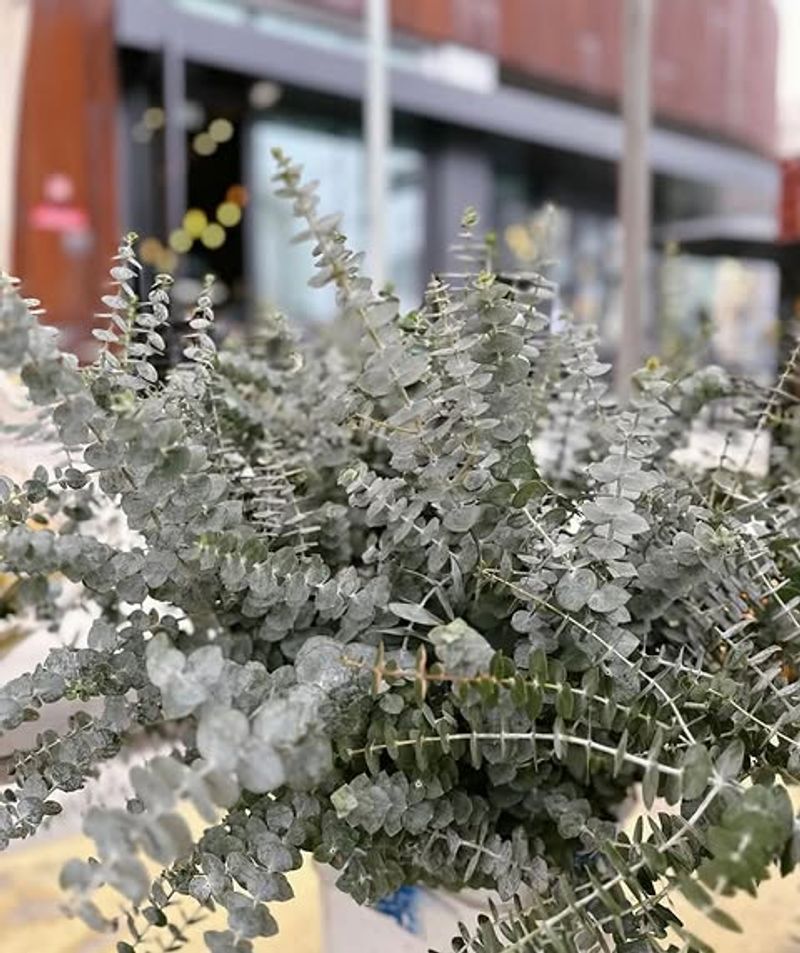
Eucalyptus has one of the most recognizable scents in the plant world, and that intensity is exactly why animals tend to keep their distance.
The menthol-like compounds in eucalyptus leaves are so strong that even a small amount of fresh foliage or dried leaves placed around a garden can create a noticeable deterrent zone.
Gardeners dealing with persistent deer pressure often keep eucalyptus on hand for exactly this reason.
Growing eucalyptus directly in Georgia is possible in the warmer southern parts of the state, but in cooler northern regions, using cut branches or dried leaves from a florist or garden center is a more practical approach.
Dried eucalyptus holds its scent for weeks, making it a low-maintenance option that does not need constant replacement.
Hanging small bundles near garden entry points or tucking branches into dense plantings keeps the scent active without much effort.
Eucalyptus oil diluted in water and sprayed around garden perimeters is another option that works well between branch applications.
The oil concentration in commercial eucalyptus products is often higher than what fresh leaves provide, so a small amount goes a long way.
Reapplying after heavy rains keeps the barrier consistent during the rainy stretches that are common from late spring through early fall.
9. Onion Plants Smell Stronger After Watering
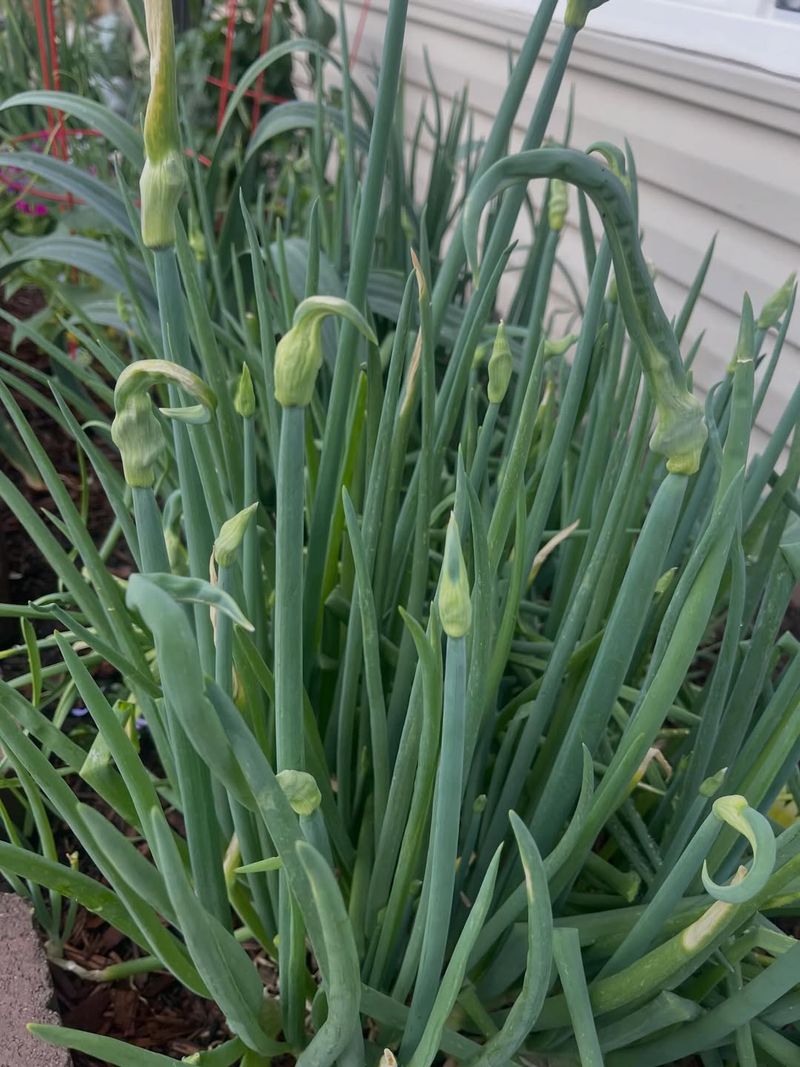
Rain or a good watering session does something interesting to onion plants: it releases their sulfur compounds into the surrounding air in a way that dry conditions simply cannot match.
That sharp, eye-stinging smell that rises from a wet onion patch is the same scent that sends many critters in the opposite direction.
Gardeners who water in the evening often notice that animal activity near onion beds drops off noticeably by morning.
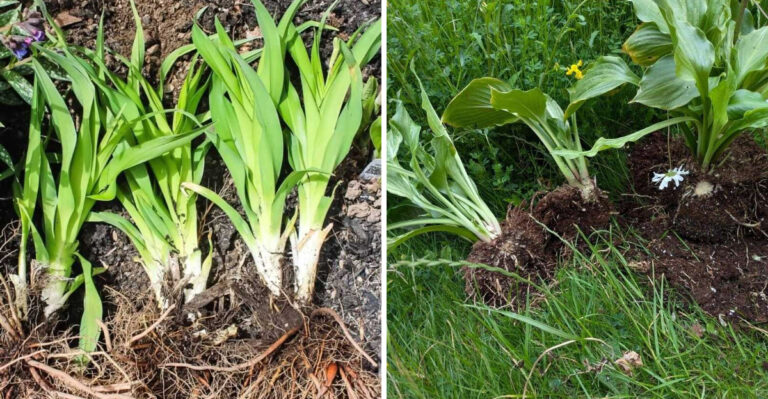
Green onions and bunching onions are quick to establish and easy to tuck into gaps around the garden. They do not need dedicated bed space to be effective.
Planting them along the edges of vegetable rows or around the perimeter of raised beds puts their scent exactly where it is most needed without sacrificing much growing space.
Chives work similarly and are worth mentioning because they are perennial in many areas, meaning they come back year after year without replanting.
A well-established chive border keeps releasing scent through spring and summer with very little maintenance required.
Cutting chives back occasionally encourages fresh growth and a stronger fragrance. Between onions and chives, gardeners have a reliable, low-cost scent barrier that also doubles as a useful kitchen herb throughout the growing season.