Be On The Lookout For Squash Vine Borers In Your Michigan Garden This May
Squash vine borers are among the most destructive pests Michigan vegetable gardeners face, and they are easy to miss until the damage is already severe.
A squash plant that looks strong and healthy one morning can collapse within days once a borer has worked its way into the stem.
May is the right time for Michigan gardeners to start preparing, especially as squash plants begin growing and pest pressure builds with warmer weather.
Adult squash vine borer moths may not become active in every part of Michigan this early, but waiting until symptoms appear later in the season often means the larvae are already inside the stems, where they are much harder to reach.
Gardeners who protect their squash successfully are usually the ones who start watching early, rather than reacting after plants begin declining in summer.
Knowing what to look for and when to act can make the difference between a productive squash harvest and a season that ends far too soon.
1. Squash Vine Borers Usually Arrive In Michigan Gardens Earlier Than Gardeners Expect
Many gardeners assume they have plenty of time before serious pests appear, but squash vine borers often prove that assumption wrong.
The adult moth, known scientifically as Melittia cucurbitae, emerges once conditions are warm enough and begins laying eggs near the base of susceptible squash plants.
Once adults appear, egg laying can happen quickly. That narrow window between moth activity and larval damage moves faster than many gardeners expect.
Squash plants in the genus Cucurbita are the main targets. Cucurbita pepo, which includes zucchini, summer squash, acorn squash, and many traditional pumpkins, is especially vulnerable.
Cucurbita maxima, which includes Hubbard squash and some large pumpkin varieties, can also be attacked. Adult moths are most active during warm, sunny parts of the day, flying low around the base of squash plants as they search for egg-laying sites.
Gardeners who wait until plants are already wilting often discover that eggs have hatched and larvae have already burrowed inside the stems. Starting your monitoring routine in May gives you an advantage.
Walk your squash beds every few days, look closely at the base of each stem, and pay attention to any unusual insect activity around your plants. Early awareness is one of your strongest tools for protecting a summer squash harvest in Michigan.
2. Squash Vine Borers Attack Some Squash Types More Than Others
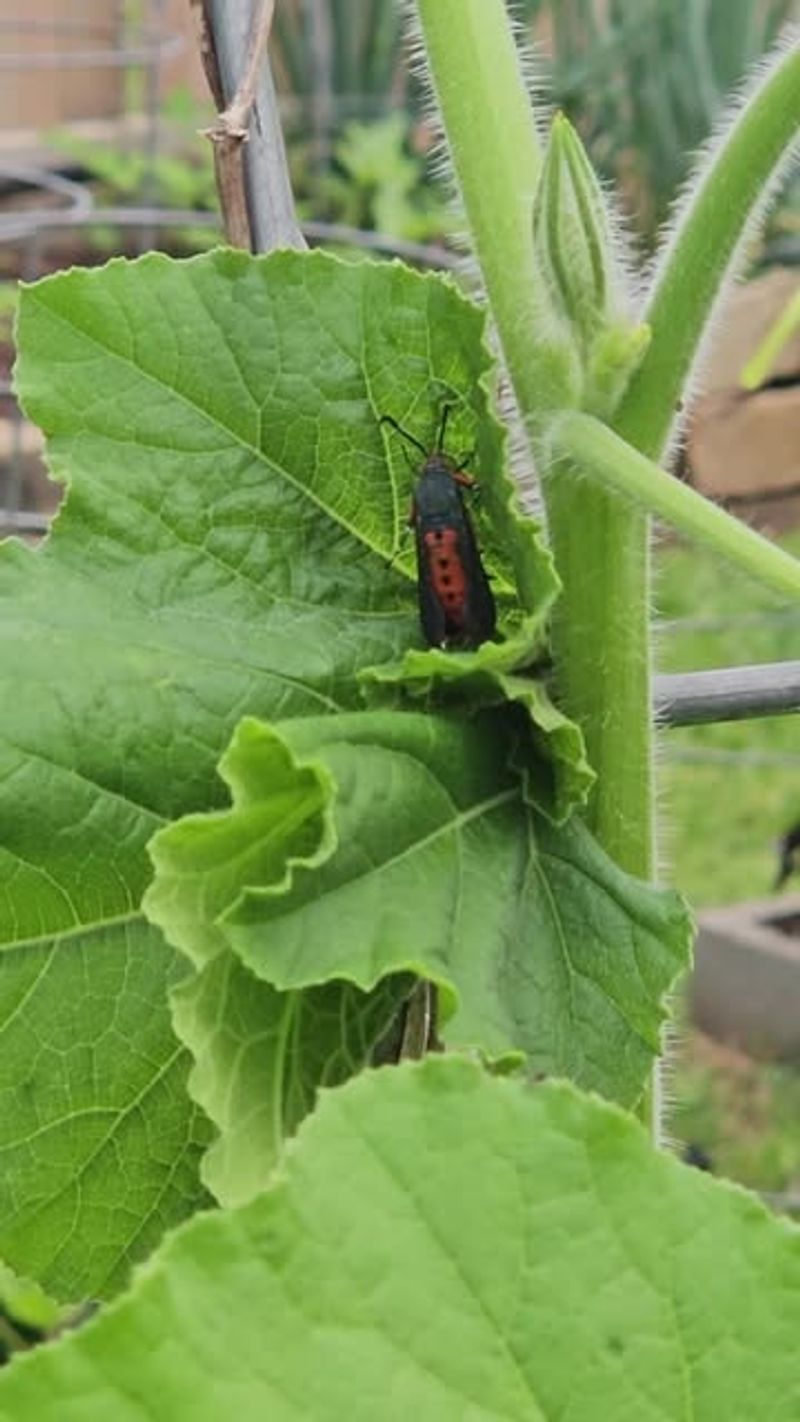
Not every squash plant faces the same level of risk from Melittia cucurbitae, and understanding those differences can help you plan your garden more strategically.
Varieties of Cucurbita pepo, including zucchini, acorn squash, summer squash, and many traditional pumpkins, are usually among the most vulnerable.
These plants are highly attractive to egg-laying moths, and once the larvae hatch, they can burrow into the main stem quickly. On the other hand, Cucurbita moschata varieties, such as butternut squash, tend to show better resistance.
Butternut squash has denser, harder stems that make it more difficult for young larvae to penetrate successfully. Cucurbita maxima varieties, such as Hubbard squash and some large pumpkins, fall somewhere in the middle.
Your Michigan Garden Changes Every Week. Your Plan Should Too.
Gardening in Michigan changes quickly throughout the season. Every Friday you’ll receive a simple weekly plan showing exactly what to plant, prune, fertilize, harvest, and protect so you never miss the right timing.
Their risk depends on the variety, plant health, and local squash vine borer pressure. Smart Michigan gardeners often use this knowledge to reduce losses.
Planting a mix of vulnerable and more resistant squash types can provide a backup harvest in years when squash vine borers are especially active.
Growing a few butternut squash plants alongside zucchini, for example, gives you a better chance of harvesting something even if the more vulnerable plants struggle.
Knowing your squash varieties by their botanical names can help you make better planting decisions every season.
3. The Adult Squash Vine Borer Looks More Like A Wasp Than A Moth
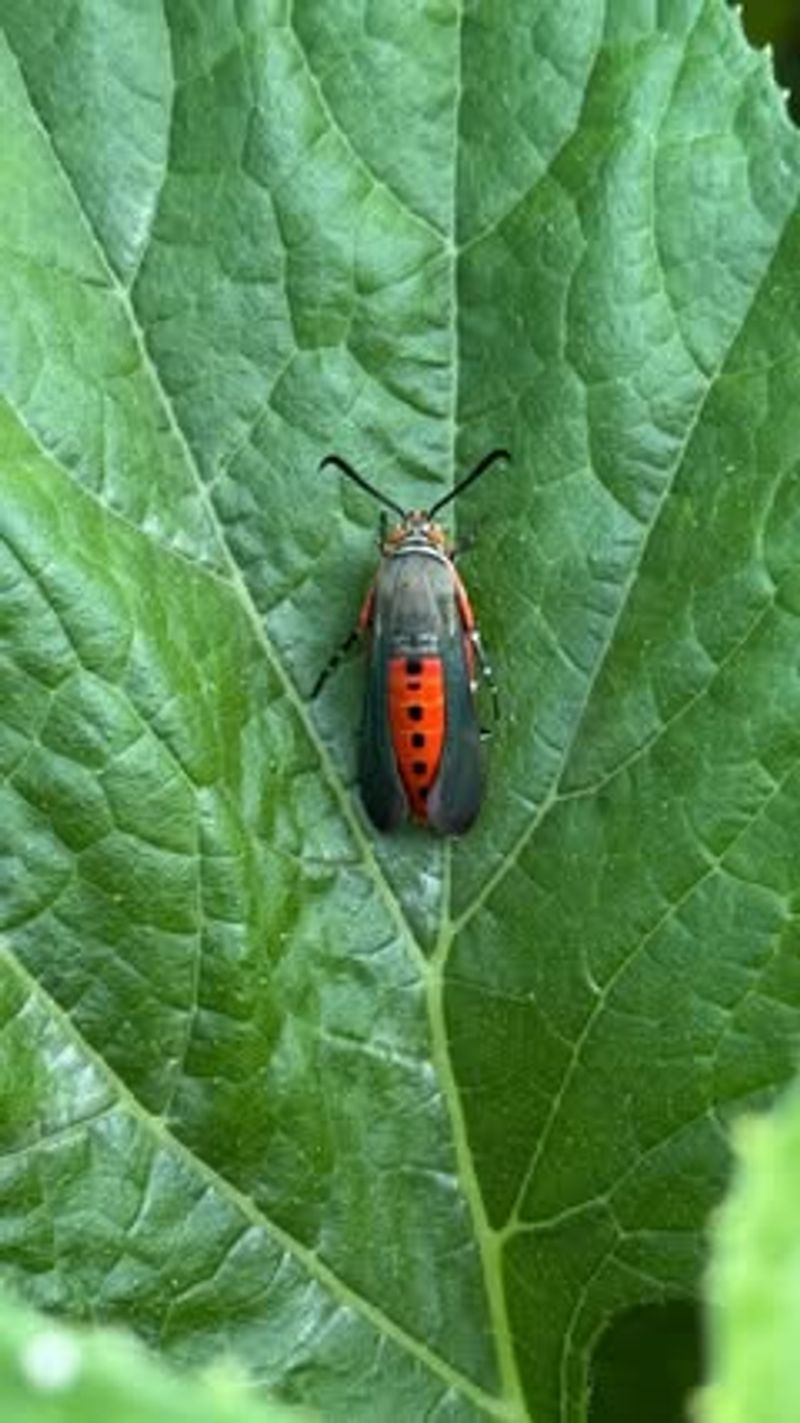
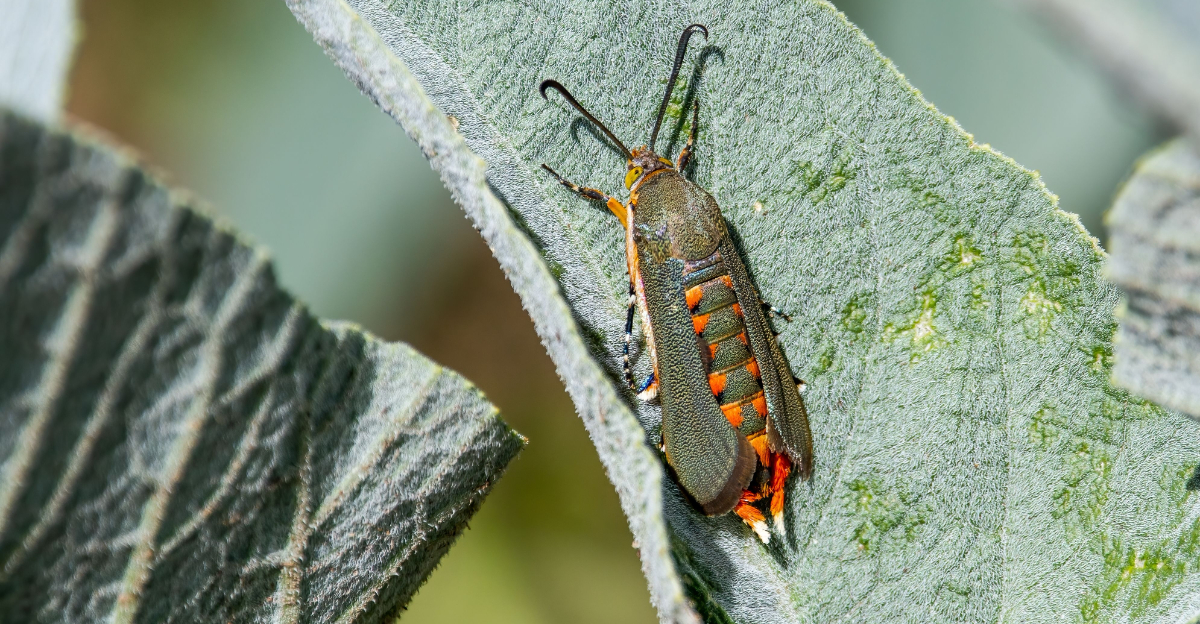
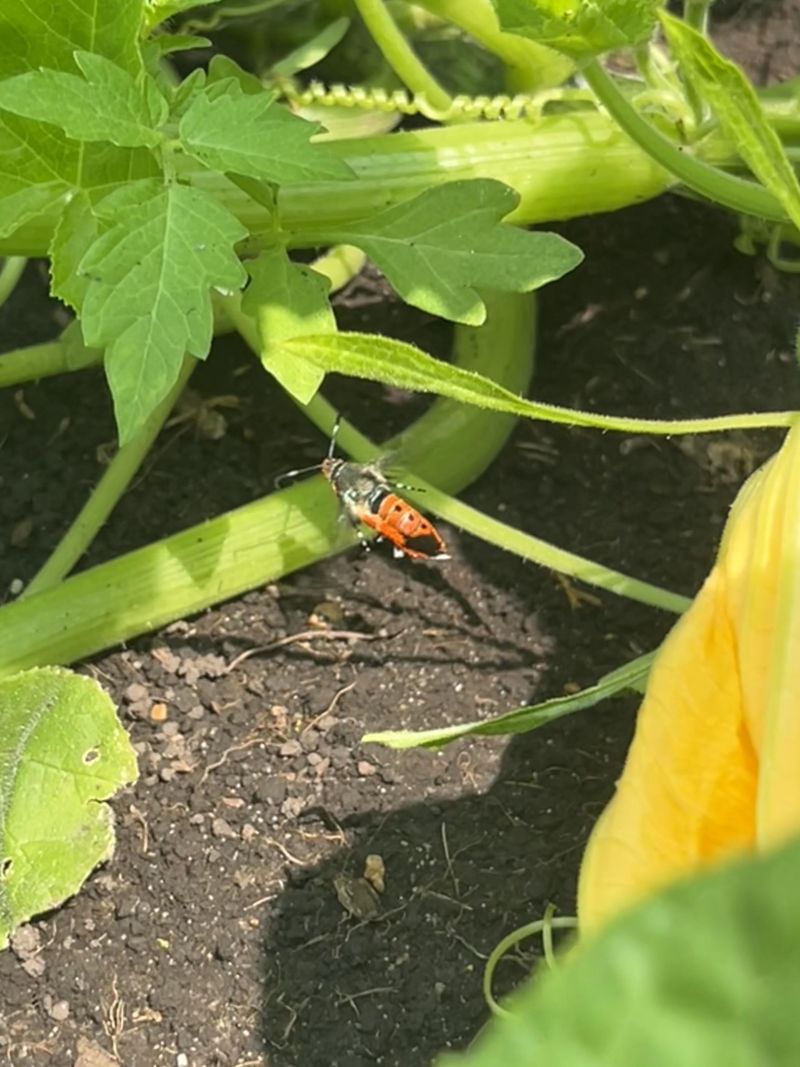
One thing that confuses gardeners every year is that the adult squash vine borer does not look like a typical moth. Melittia cucurbitae is a clearwing moth with a striking orange-and-black body, and it flies during the day instead of at night.
At a quick glance, many people mistake it for a small wasp. Because of that mistaken identity, the adult moth often gets plenty of undisturbed time to lay eggs near squash stems.
Adults are most active on warm, bright days, often hovering low and moving quickly between plants. They rarely land for long, so gardeners may only get a few seconds to notice them.
Once you know what to look for, spotting them becomes easier. Watch for fast-moving, orange-bodied insects near the base of squash plants on sunny days.
Training yourself to pause and identify any wasp-like insect around your squash beds can help you catch a problem before it becomes serious.
4. Tiny Bronze Colored Eggs Often Appear Near The Base Of Squash Stems
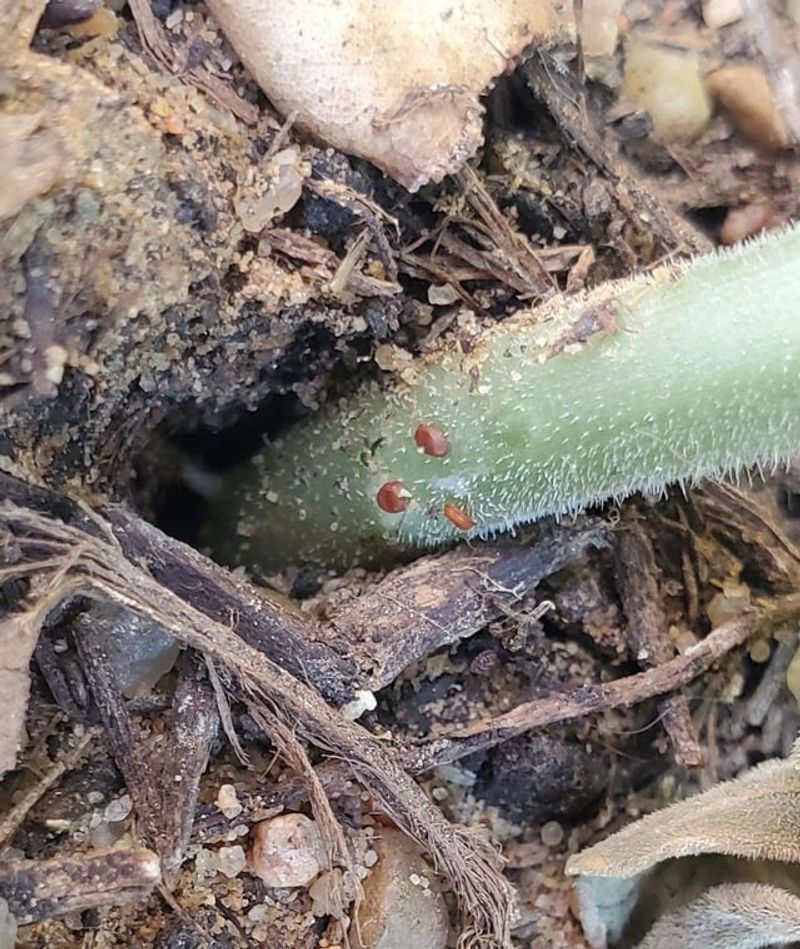
Catching squash vine borers at the egg stage is one of the best outcomes for any gardener. Female Melittia cucurbitae moths lay eggs individually, usually on the lower stems of vulnerable Cucurbita plants.
The eggs are tiny, flat, and reddish-brown to bronze in color. They are roughly the size of a sesame seed and can blend into the stem surface surprisingly well.
Most eggs are laid within the first few inches above the soil line, though some may appear higher on the main stem or on leaf stalks close to the base of the plant.
A single female can lay many eggs, so populations can build quickly in a garden that is not being checked regularly.
Making stem inspection part of your routine takes only a few minutes and can pay off enormously. Gently check the lower few inches of each squash stem every few days.
If you find eggs, scrape them off carefully with your fingernail or the edge of a small tool. Removing eggs before they hatch stops the damage before it begins.
5. Sudden Wilting Is One Of The Earliest Signs Of Squash Vine Borer Damage
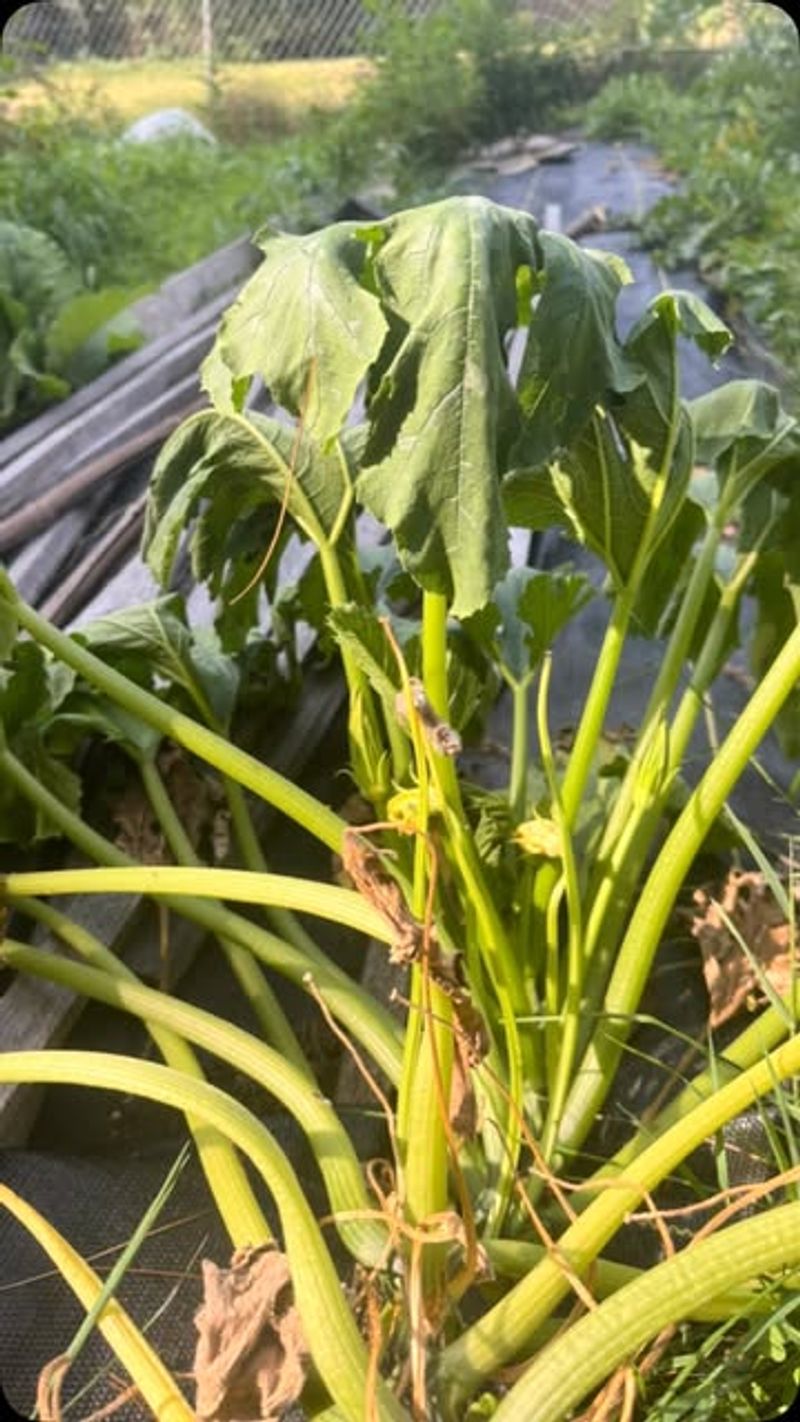
A wilting squash plant on a hot afternoon might not seem alarming at first. Many plants droop slightly during high heat.
But when a Cucurbita plant wilts severely in the morning or stays collapsed even after watering, something more serious may be happening.
Sudden, unexplained wilting during warm weather is one of the clearest warning signs that Melittia cucurbitae larvae may already be feeding inside the stem.
After the eggs hatch, the larvae chew into the squash stem and begin feeding on the soft tissue inside. This internal feeding disrupts the plant’s ability to move water and nutrients from the roots to the leaves.
Even if the soil is moist, the damaged stem cannot move water properly. The result is rapid, dramatic wilting that can look almost identical to drought stress.
If you notice this kind of wilting, check the base of the stem right away. Look for small entry holes, discoloration, soft spots, or sawdust-like material near the soil line. Catching larvae while they are still small gives you a better chance of saving the plant.
6. Sawdust Like Material Near The Stem Is A Major Warning Sign
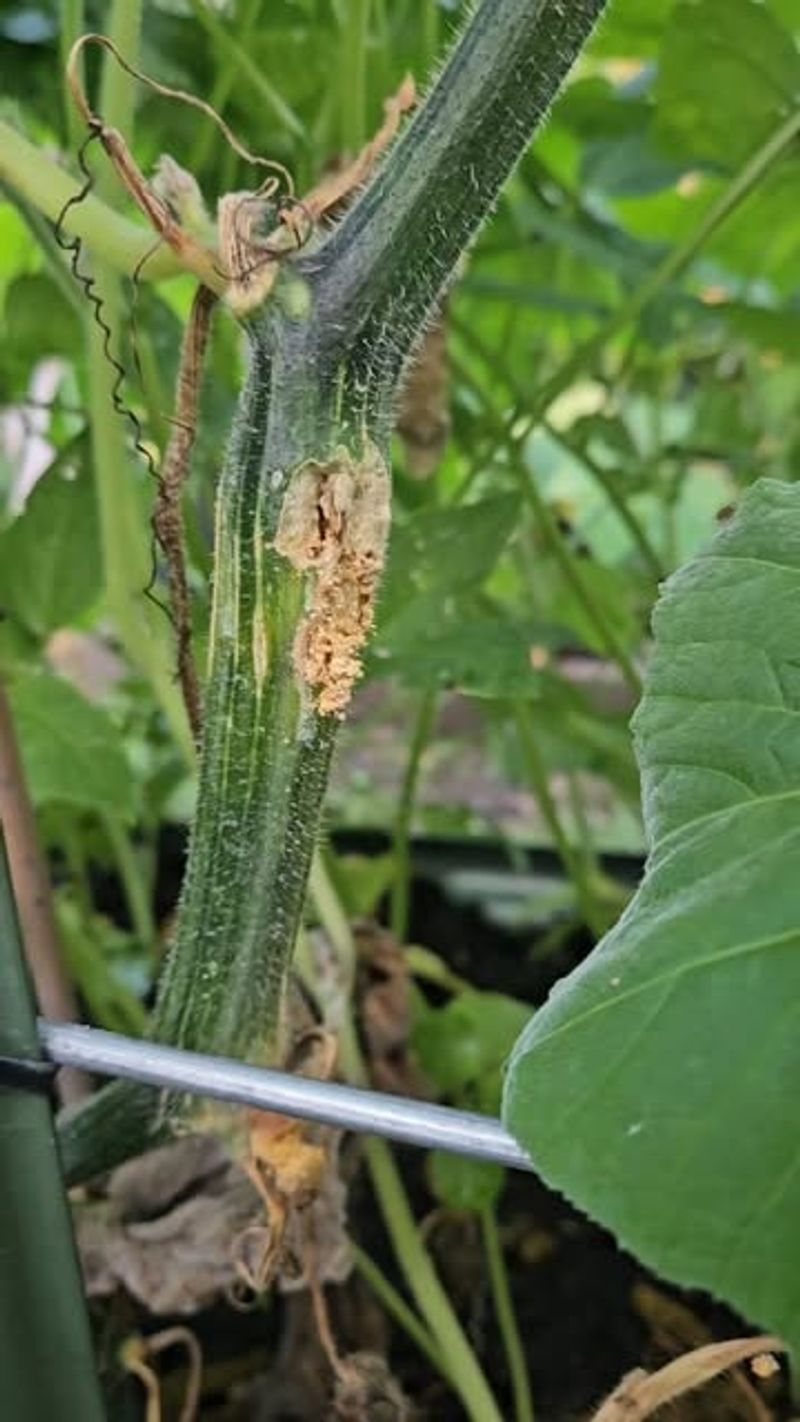
Few garden sights are more frustrating than finding a damp, grainy pile of greenish-yellow material at the base of a squash plant.
That sawdust-like substance is called frass, and it is waste pushed out by Melittia cucurbitae larvae as they feed inside the stem of a Cucurbita plant.
Frass is one of the most reliable signs that larvae are already active and causing internal damage. Fresh frass often looks moist and sticky, collecting in small clumps where the stem meets the soil.
As the larvae grow and continue feeding, the amount of frass usually increases. Some gardeners describe it as looking like wet cornmeal or damp sawdust.
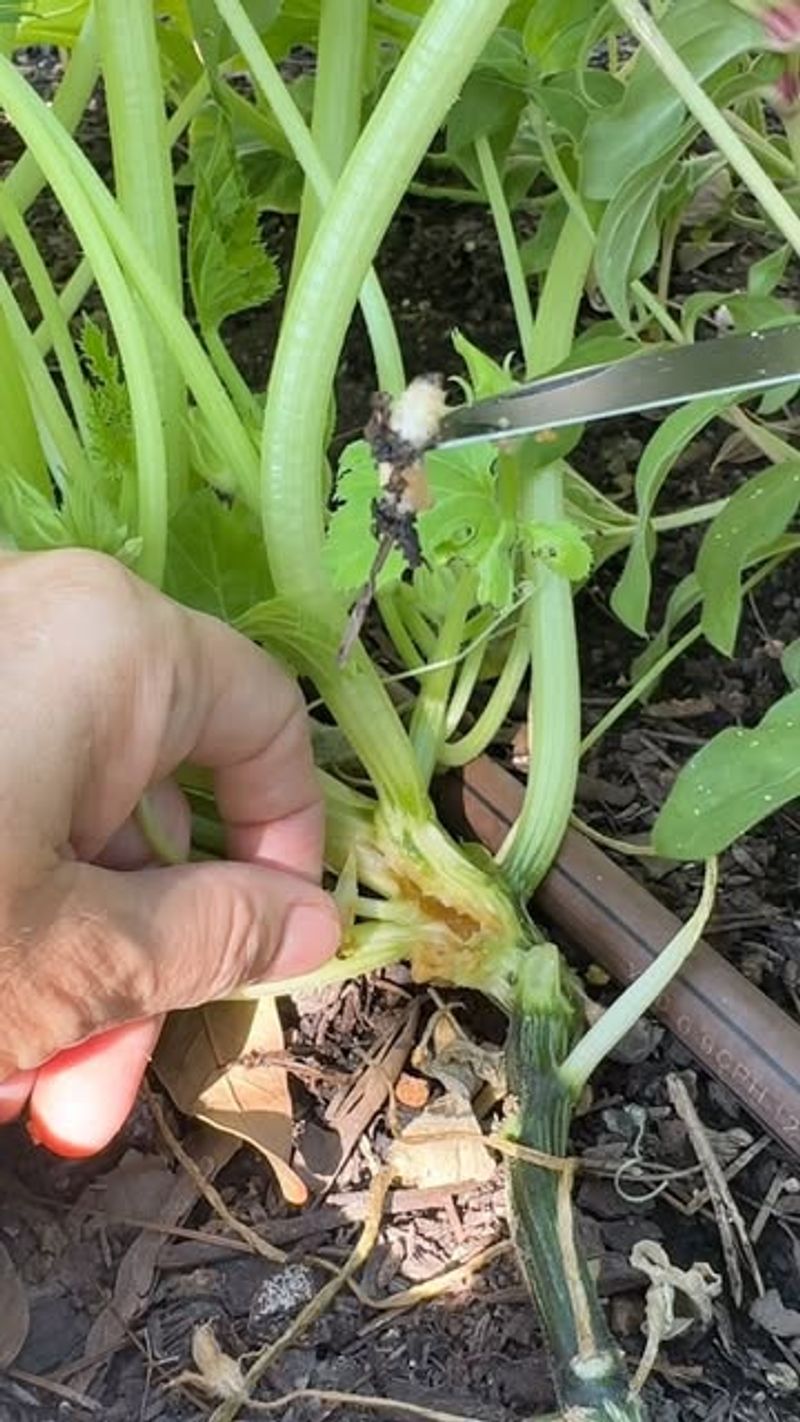
If you spot frass early, the larvae may still be young and close enough to the surface for intervention to work. Once you find frass, act the same day if possible. Gently probe the stem near the frass with a thin wire or toothpick to locate the entry hole.
Some experienced gardeners carefully make a small lengthwise cut along the stem, remove the larva by hand, and then cover the wounded area with moist soil to encourage new root growth above the damaged section.
Speed matters. The longer the larvae feed unchecked, the more damage they cause inside the squash vine.
7. Row Covers Work Best Before Squash Plants Begin Flowering
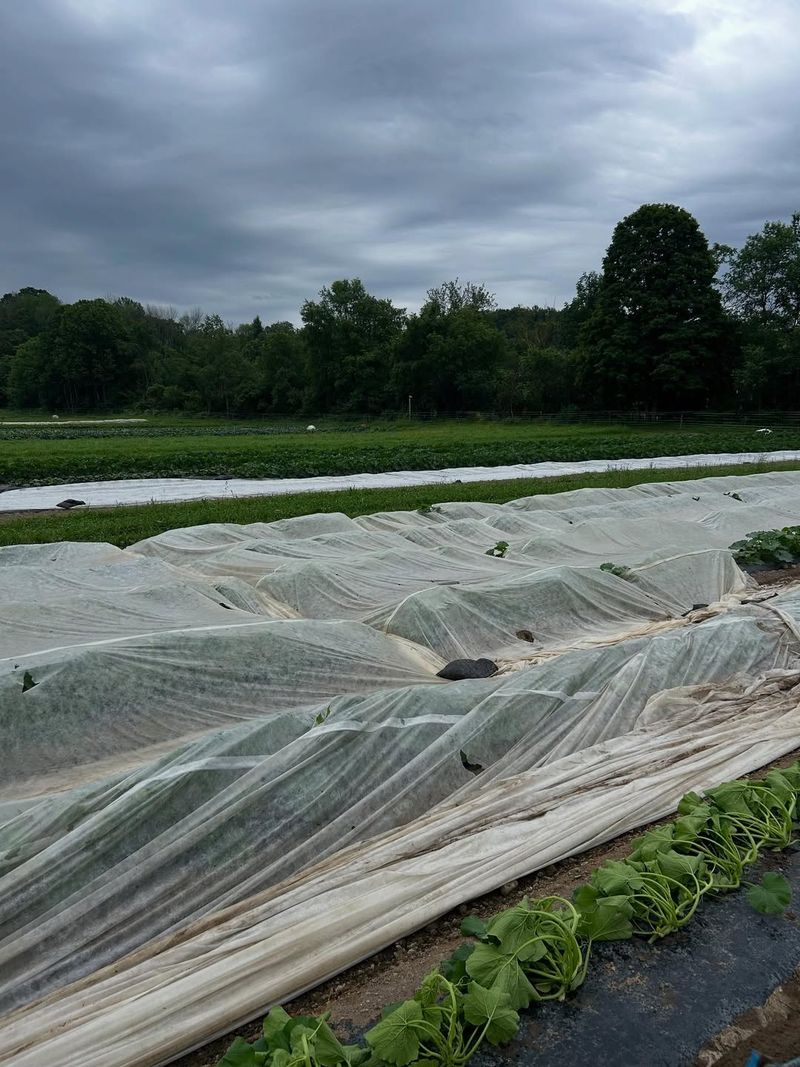
Physical barriers are one of the most reliable chemical-free ways to protect squash from Melittia cucurbitae.
Lightweight floating row covers, sometimes called garden fabric or frost cloth, work by blocking adult moths from reaching Cucurbita plants during the egg-laying period.
When installed early and correctly, row covers can prevent many infestations before they begin. Timing is everything.
Row covers should go on soon after transplanting or shortly after seedlings emerge, before adult moths are active in your area. In Michigan, May is a good time to have row covers ready and to use them on young squash plants.
Secure all edges firmly with soil, rocks, or garden staples so moths cannot slip underneath. Even a small gap can give them access.
The main trade-off is that row covers also block pollinators, and squash plants need pollination to produce fruit. Once plants begin flowering, covers need to be removed during the day so bees can reach the blossoms.
Some gardeners remove covers in the morning and replace them in the evening during periods of high pest pressure. Watching your plants closely as they move into flowering helps you balance pest protection with successful pollination.
8. Healthy Michigan Squash Plants Recover Better From Minor Damage
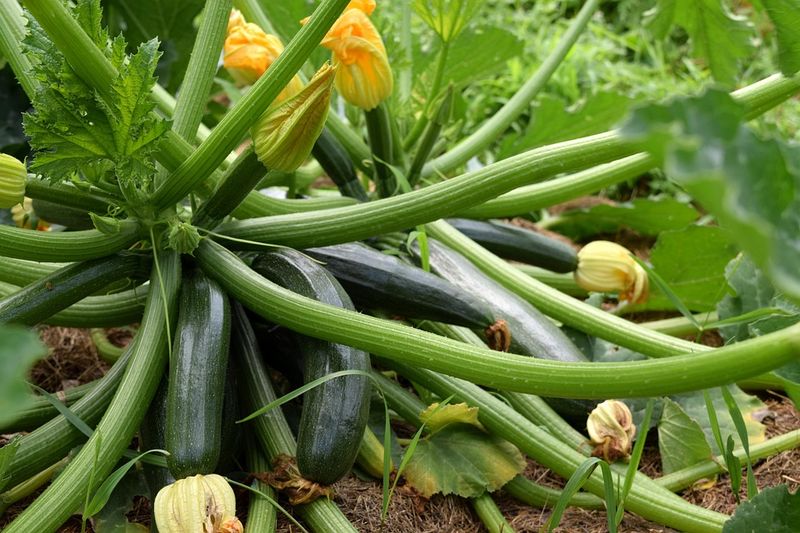
A strong, well-nourished squash plant has a much better chance of surviving minor pest damage than one that is already stressed.
When Cucurbita plants are growing vigorously in healthy soil with consistent moisture, they may be able to compensate for limited feeding damage by producing new growth and additional roots along the vine.
Plant health acts as a buffer against moderate pest pressure. Steady, deep watering is one of the most important things you can do for squash during summer.
Shallow, irregular watering stresses plants and makes them less resilient when pests appear.
Mulching around the base of each plant with straw, shredded leaves, or wood chips helps hold soil moisture, regulate soil temperature, and reduce water stress during hot Michigan weather.
A two- to three-inch layer of mulch can make a noticeable difference in overall plant vigor. Feeding squash with a balanced fertilizer early in the season can also support strong root and stem development.
Avoid overdoing nitrogen, which can push lush leafy growth at the expense of sturdy stems and fruit production.
Gardeners who build healthy soil with compost and proper pH management often see their squash plants handle minor damage better than plants growing in depleted or compacted soil.
9. Michigan Gardeners Often Miss The Best Window For Prevention
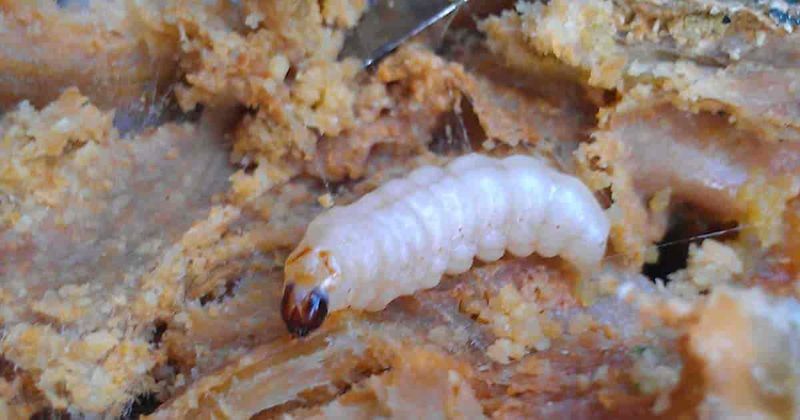
Prevention is not only easier than treatment; it is much more effective. By the time a Cucurbita plant collapses from squash vine borer damage, the larvae are often already deep inside the main stem, beyond the reach of most surface treatments.
Waiting for visible symptoms usually means the best window for control has already passed. In Michigan, the timing of adult moth activity can vary by region and weather.
Southern parts of the state generally see activity earlier than northern areas, where cooler conditions can delay development.
That is why May is a smart time to begin preparing, inspecting plants, and setting up protective measures, even if peak moth activity comes later.
The most useful prevention window is the period before eggs hatch and larvae enter the stems. This is when row covers, egg removal, regular inspections, and strong plant care can make the biggest difference.
Gardeners who mark their calendars, check their plants consistently, and treat squash vine borer prevention as a scheduled task usually protect their harvests far better than those who wait and hope for the best.
10. Crop Rotation Helps Reduce Future Squash Vine Borer Problems
Planting squash in the same garden bed year after year can make squash vine borer problems worse over time.
Squash vine borer pupae overwinter in the soil, and when Cucurbita plants return to the same spot the following season, emerging adults may find a convenient host nearby.
Repeating that cycle can allow local pest pressure to build from year to year. Crop rotation helps break the cycle by moving squash and other susceptible cucurbits to a different part of the garden each season.
A three- to four-year rotation, where squash does not return to the same bed for several years, can reduce the chance that overwintering pupae emerge right next to new host plants.
Even moving squash 10 to 15 feet away from last year’s planting area can help, though greater distance is better.
End-of-season cleanup also matters. Remove old squash vines, stems, and root material from the garden after harvest.
This eliminates plant debris that may shelter pests near the soil. Lightly cultivating the soil in fall can also expose pupae to cold temperatures and predators.
When combined with crop rotation, good cleanup gives Michigan gardeners a practical long-term strategy for keeping squash vine borer pressure more manageable season after season.