Naturally Deter Mosquitoes And Gnats With These 8 Mississippi Plants
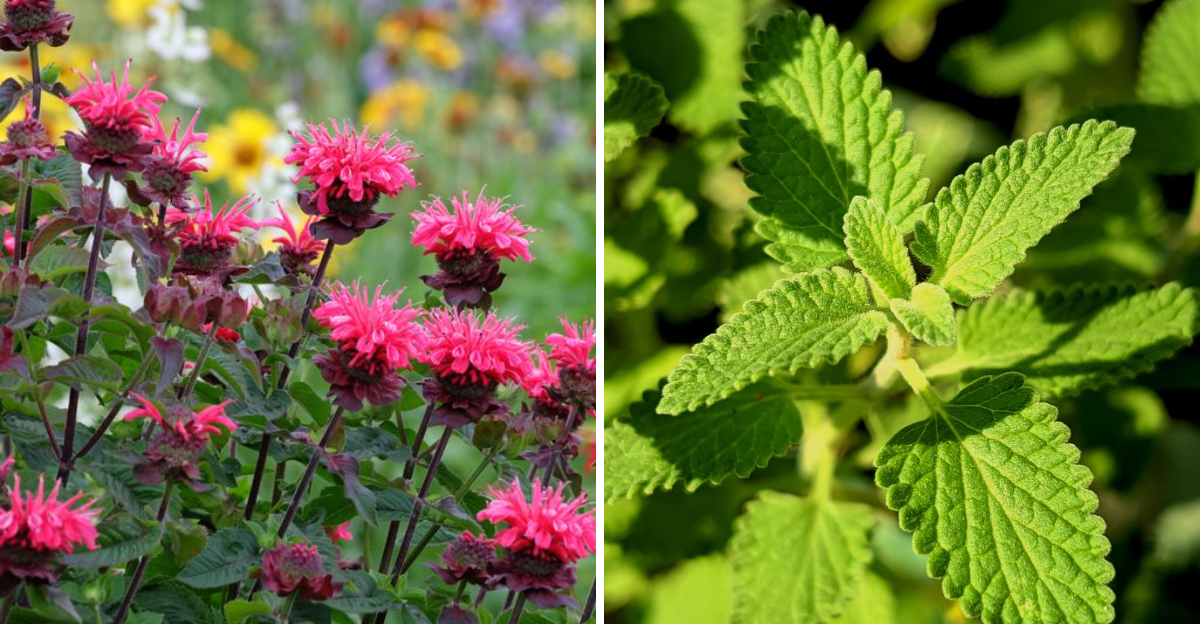
You step outside and it starts immediately. The buzzing. The biting. The swatting that does nothing.
Mississippi summers are stunning, but the insects are relentless. What if your garden could fight back? Not with chemicals.
Not with citronella candles that barely make a dent. With living plants that work around the clock, in the heat, in the humidity, right through the long Southern summer.
Plants that mosquitoes and gnats want nothing to do with. Plants that belong in this climate and thrive here without much fuss.
These plants deter mosquitoes and gnats naturally, and growing them is easier than you think.
One important note before you plant: These herbs work best when you interact with them. Crush or brush the leaves before sitting outside.
The repellent compounds are released when the leaves are disturbed. A growing plant alone offers limited passive protection.
Think of each one as a renewable, on-demand source of natural bug deterrent right outside your door.
1. Basil
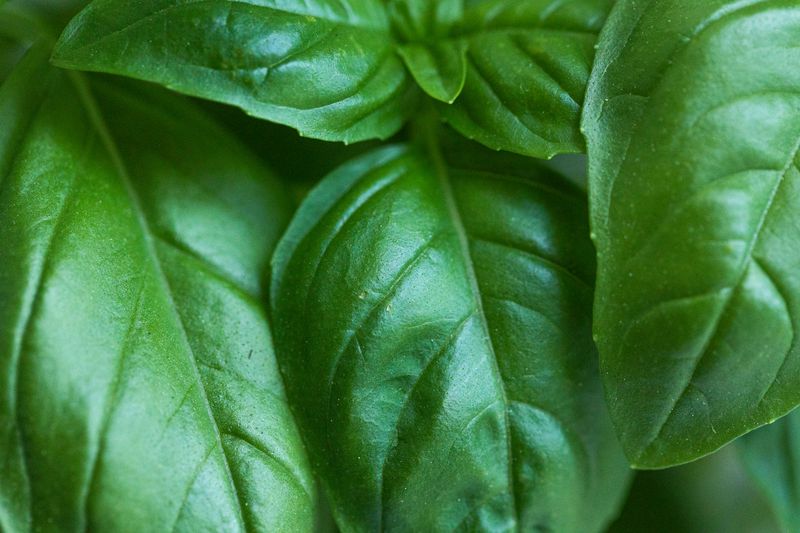
Basil does not just belong in your pasta sauce. This fragrant herb has well-documented repellent properties against mosquitoes and gnats lurking around your yard.
The volatile oils in basil leaves, including linalool and estragole, deter biting insects naturally. You do not need sprays or chemicals to use it effectively.
Plant basil in containers near doorways, patios, or outdoor dining areas. It grows fast in Mississippi heat and loves full sun with regular watering.
Crush a few fresh leaves and rub them on your skin for a quick, natural layer of protection. The scent is pleasant to humans but off-putting to insects.
Lemon basil varieties, with their higher citral content, are often cited as especially effective. Mixing varieties adds fragrance and visual interest to your garden.
Basil also attracts pollinators like bees and butterflies, making your garden more lively. It is one of the hardest-working plants you can grow in a Southern yard.
Harvest leaves regularly to encourage bushier, fuller growth throughout the season. A well-maintained basil plant stays productive from late spring through early fall in Mississippi.
Pair basil with other repellent plants for maximum effect outdoors. Once you add it to your garden lineup, you will always have a natural deterrent within arm’s reach.
2. Rosemary
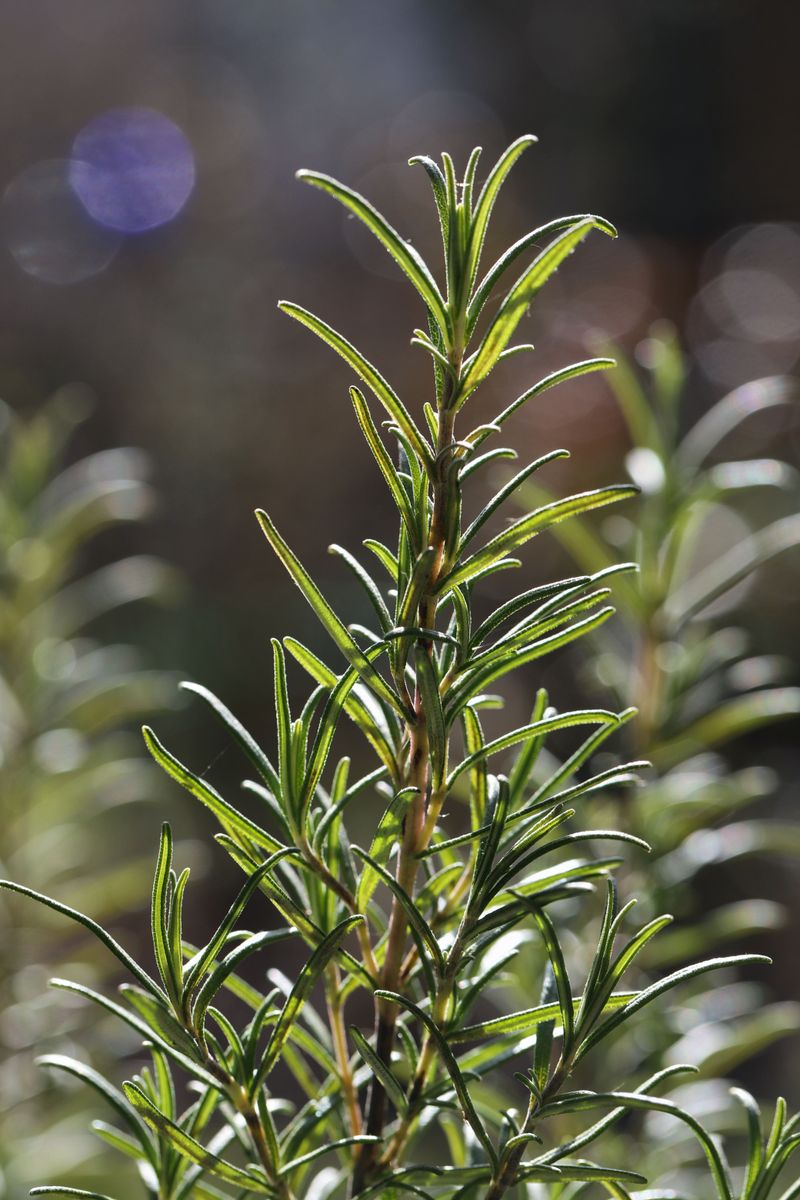
Rosemary smells like a cozy kitchen, but mosquitoes want nothing to do with it. This tough, woody herb thrives in Mississippi heat and well-drained soils with very little fuss.
The camphor-like compounds in rosemary leaves are documented insect deterrents. Insects avoid spaces where the scent is concentrated.
Plant rosemary along walkways, fence lines, or near seating areas for the best results. Brushing against the plant as you walk releases its natural oils into the air.
In the northern part of the state, rosemary appreciates a sheltered spot or light winter mulch during colder years. In Zone 7b through 8b, it is reliably hardy with minimal care.
Rosemary is drought-tolerant once established, making it well suited to Mississippi summers. It loves well-drained soil and full sun, two things the South offers in abundance.
Your Mississippi Garden Changes Every Week. Your Plan Should Too.
Gardening in Mississippi changes quickly throughout the season. Every Friday you’ll receive a simple weekly plan showing exactly what to plant, prune, fertilize, harvest, and protect so you never miss the right timing.
You can also toss a few sprigs onto a backyard fire or grill. The smoke carries the repellent compounds into the surrounding air, creating a natural barrier for the whole gathering.
Burning rosemary bundles near outdoor seating keeps the area more comfortable. Guests notice the pleasant aroma long before they notice the insects have backed off.
Rosemary grows into a decorative shrub over time, adding structure and year-round beauty to your landscape. Some varieties even produce lovely blue-purple flowers that attract beneficial pollinators.
3. Catnip
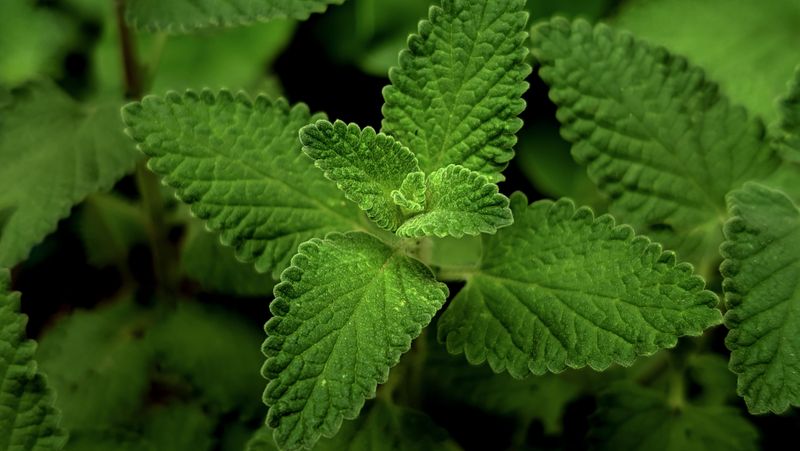
Here is a fact worth knowing: catnip outperformed DEET in some laboratory studies conducted by Iowa State University researchers. This understated backyard plant is one of the most scientifically supported natural pest deterrents available.
The active compound nepetalactone is what makes catnip so effective against biting insects. Mosquitoes and gnats find the scent strongly off-putting.
Catnip grows readily in Mississippi gardens with very little effort from you. It self-seeds aggressively and can naturalise beyond your garden boundaries, so container planting is the most responsible approach for most yards.
Place pots of catnip near your back door, deck, or garden seating area. Brush the leaves occasionally to release the repellent oils as you move through the space.
Crush the leaves between your fingers for a stronger burst of repellent oil. Rubbing the bruised leaves on your arms and legs adds an extra layer of protection.
Fair warning: if you have cats, they will find your catnip plants irresistible. Elevated containers help protect the plants from feline attention.
Catnip blooms with small white flowers in summer, adding a quiet charm to your garden. Bees love the flowers, so you get pest deterrence and pollinator support from the same plant.
Letting catnip self-seed in a contained area means a free crop of pest-deterring plants every season. Once established, this low-maintenance plant keeps working year after year.
4. Lemon Balm
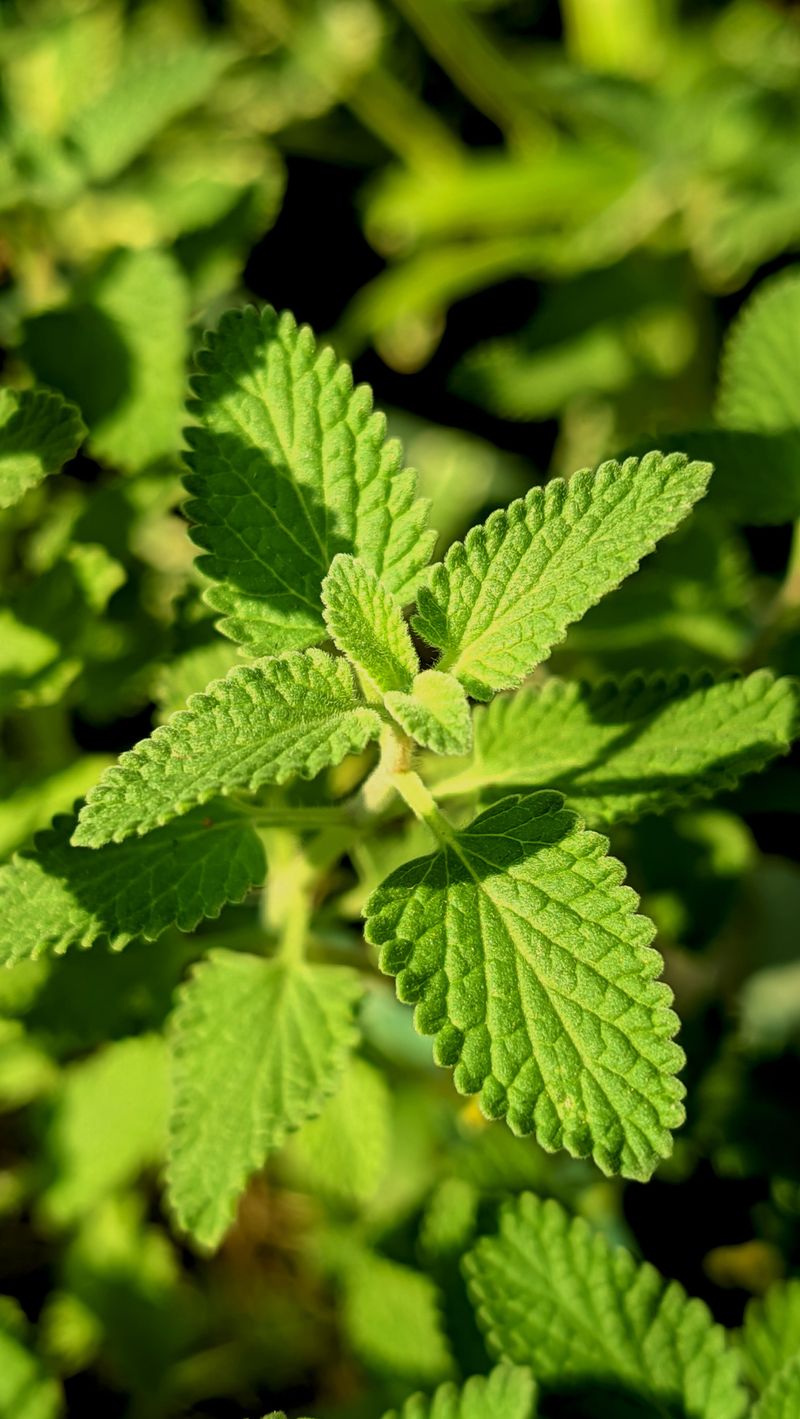
Lemon balm smells like sunshine and citrus, which is part of why insects avoid it. This cheerful herb has been used for generations as a companion plant in herb gardens.
Some varieties of lemon balm contain notable concentrations of citronellal, the same family of compounds found in citronella, which contributes to their insect-deterring properties.
Look for higher-citronellal varieties such as Quedlinburger Niederliegende if repellency is your primary goal.
Lemon balm grows quickly in Mississippi’s warm weather and is hardy through Zones 4 to 9. It prefers partial shade, which makes it useful for spots other sun-loving herbs tend to avoid.
Tuck lemon balm into shadier corners of your yard where mosquitoes tend to gather. Crush the leaves as you pass by to release the citronellal and get the most from the plant.
Dry the leaves to make mosquito-deterring sachets for your porch or patio. Hang small bundles near doorways to discourage insects from drifting into your living spaces.
Lemon balm also makes a calming herbal tea that helps with stress and sleep. It earns its keep both outdoors and in.
One important note: lemon balm is listed as a noxious weed or invasive plant in some areas. It spreads vigorously by both seed and root. Container planting is strongly recommended to keep it where you want it.
Harvest leaves regularly to keep the plant full and fragrant all season long. A healthy, well-trimmed lemon balm plant is one of the more pleasant natural deterrent options you can grow.
5. Signet Marigold
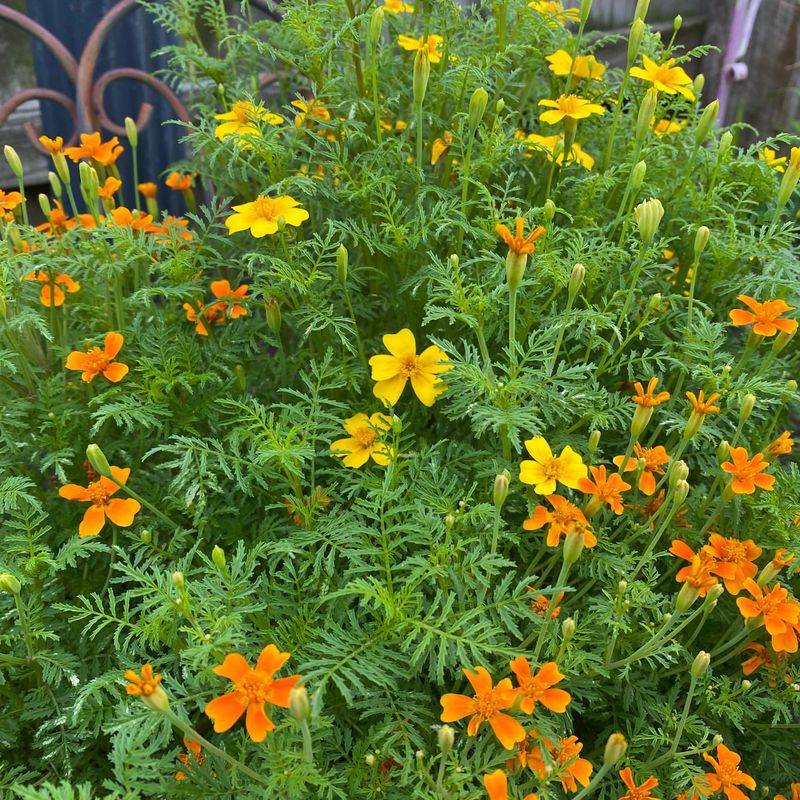
Signet marigolds are the compact workhorses of the pest-deterring plant world. Smaller than their showier cousins, these tidy flowers bring real insect-deterring value to a Southern garden.
Their lemon-scented foliage contains insect-deterring compounds including thiophenes and terpenes. Mosquitoes and gnats tend to steer clear of spaces where signet marigolds are blooming.
Unlike common marigolds, signet varieties have edible, citrus-flavored petals that make attractive salad garnishes. You get pest deterrence and a culinary bonus from the same cheerful plant.
Plant signet marigolds along garden borders, in pots, or tucked between vegetable rows. They bloom from late spring through the first frost, giving you months of fragrance and color.
Mississippi heat suits signet marigolds perfectly since they love long, warm growing seasons. They need very little water once established, making them a good fit for busy gardeners.
Remove spent blooms regularly to encourage continuous flowering throughout summer. More flowers mean more fragrance, which adds to the natural deterrent effect around your yard.
These marigolds also deter aphids, whiteflies, and soil nematodes in vegetable gardens. Planting them near tomatoes, peppers, or squash gives your food crops a natural layer of protection.
Their bright orange and yellow blooms attract butterflies and beneficial insects all season. Signet marigolds prove that small plants can deliver real value in a Southern garden.
6. Lemongrass
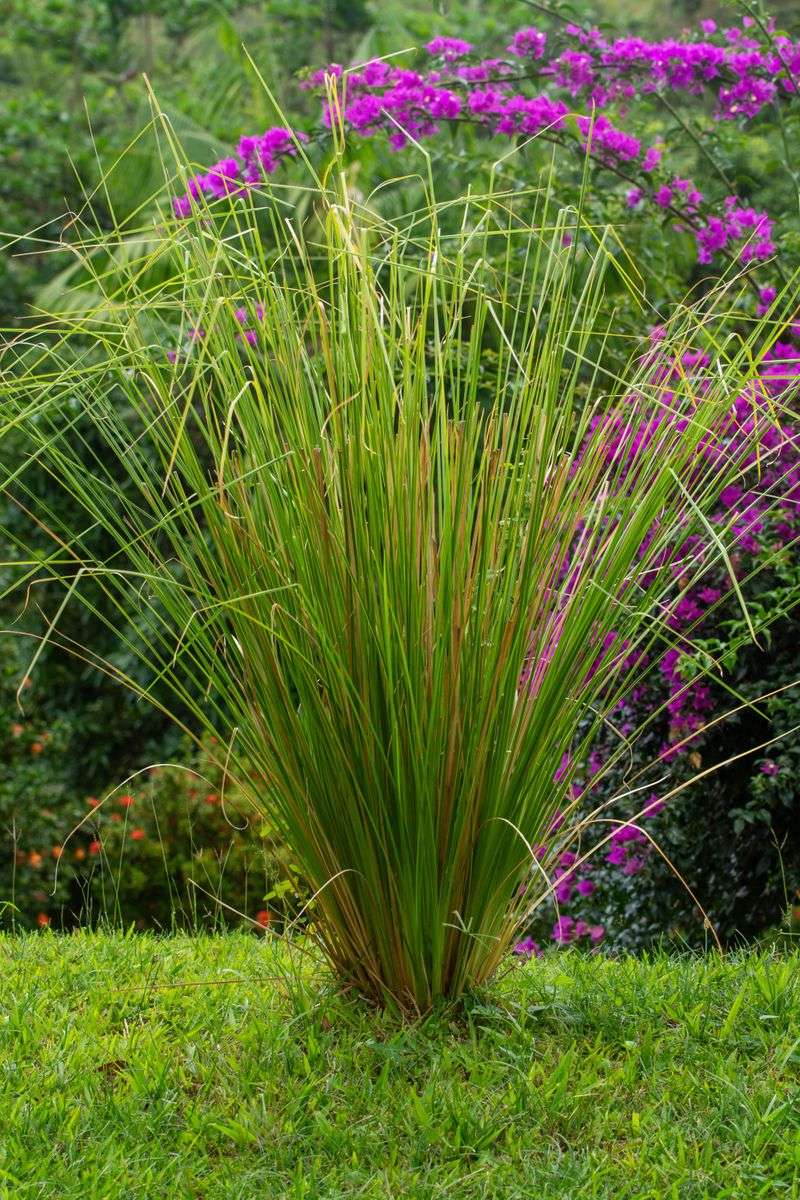
Lemongrass is the source of citronella oil, the active ingredient behind many mosquito repellent products on the market. Having it growing in your yard means you always have a fresh source on hand.
The stalks contain citronella compounds that are released when the plant is bruised or crushed. Run your hand along the base of a stalk before sitting outside for a quick, natural burst of repellent.
Lemongrass loves Mississippi heat and humidity, making it one of the easier tropical plants to grow here. It can reach four to six feet tall in a single season with enough sun and water.
Plant it in large containers or directly in the ground near patios, pools, or outdoor kitchens. Its bold, architectural shape adds a striking tropical look to any outdoor living space.
Lemongrass stalks are also edible and used widely in Southeast Asian cooking. You get a handsome landscape plant, a culinary ingredient, and a source of natural repellent all in one.
Bring potted lemongrass indoors before the first frost to overwinter it successfully. Replant it outside each spring for a strong start on the season.
Few plants combine visual impact and practical function as well as lemongrass. Keep a pot near your most-used seating area and reach for it every time you head outside.
7. Oregano

Oregano may be the most overlooked deterrent plant in the herb garden. Most people grow it purely for cooking, completely unaware of its insect-repelling abilities.
The essential oils carvacrol and thymol in oregano disrupt insect nervous systems, making it an effective natural deterrent. Mosquitoes and gnats avoid plants that contain these compounds in concentration.
Oregano grows easily in Mississippi gardens with well-drained soil and plenty of sunshine. It is drought-tolerant and produces more aromatic oils when grown in slightly dry conditions.
Place oregano containers near your outdoor seating or along the edges of your porch. Brush the leaves as you walk past to release the compounds that keep insects at bay.
Make a simple spray by steeping fresh oregano in boiling water and letting it cool. Strain the liquid into a spray bottle and apply it to your skin or outdoor furniture for more direct protection.
Greek oregano and Italian oregano both offer strong repellent properties and culinary versatility. Growing two or three varieties gives you a wider range of flavors and a broader deterrent effect.
Oregano also deters spider mites, aphids, and cabbage moths in vegetable gardens. Tucking it between your food crops creates a protective ring that keeps multiple pests at bay.
Harvest stems frequently to prevent flowering and keep the plant producing fresh, potent leaves. A regularly harvested oregano plant stays compact, fragrant, and effective all summer long.
8. Bee Balm
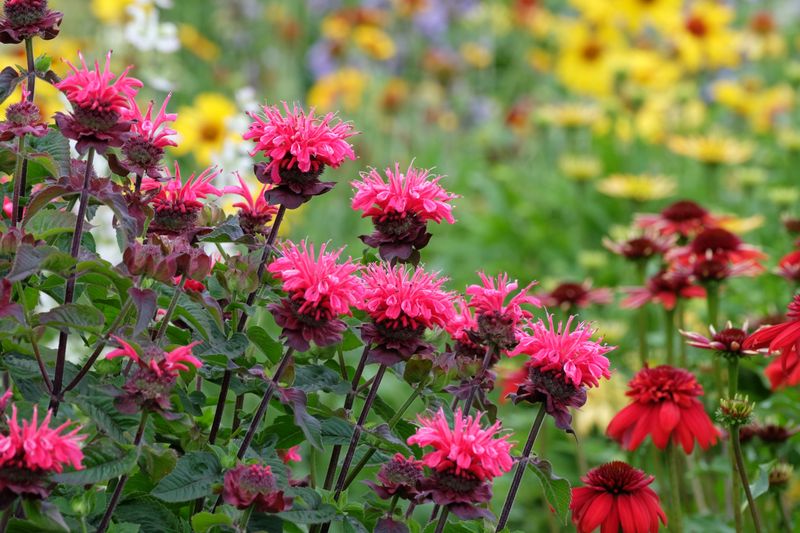
Bee balm stops you in your tracks with its wild, layered blooms. Behind that display is a plant that brings genuine insect-deterring value to a Southern garden.
The leaves and stems of bee balm contain thymol, the same compound found in thyme and oregano. This natural compound is a well-documented insect deterrent with antifungal properties as well.
Bee balm is a native North American plant that grows well across most of Mississippi. Gardeners in the warmer, more humid southern part of the state should choose mildew-resistant cultivars and ensure good air circulation around the plants.
Plant it in borders, rain gardens, or naturalized areas where mosquitoes tend to breed. Its spreading habit fills in larger spaces over time, creating a wide zone of fragrant coverage.
Rubbing crushed bee balm leaves on your skin creates a quick, pleasant-smelling deterrent. The scent is bold and herbal, nothing like chemical sprays, and fades gently over time.
Hummingbirds, bees, and butterflies flock to bee balm blooms throughout summer. While it deters pest insects, it actively invites the beneficial ones in.
One thing to plan for: bee balm spreads via underground runners and can take over a bed if left unchecked. Dividing clumps every two to three years keeps it productive, healthy, and where you want it.
Bee balm rounds out a full garden strategy for natural mosquito and gnat deterrence. Plant it alongside lemongrass or catnip, crush the leaves as you pass, and let your whole yard work harder for you.