Never Ignore Harlequin Bugs On North Carolina Collards Or They Will Ruin Your Harvest
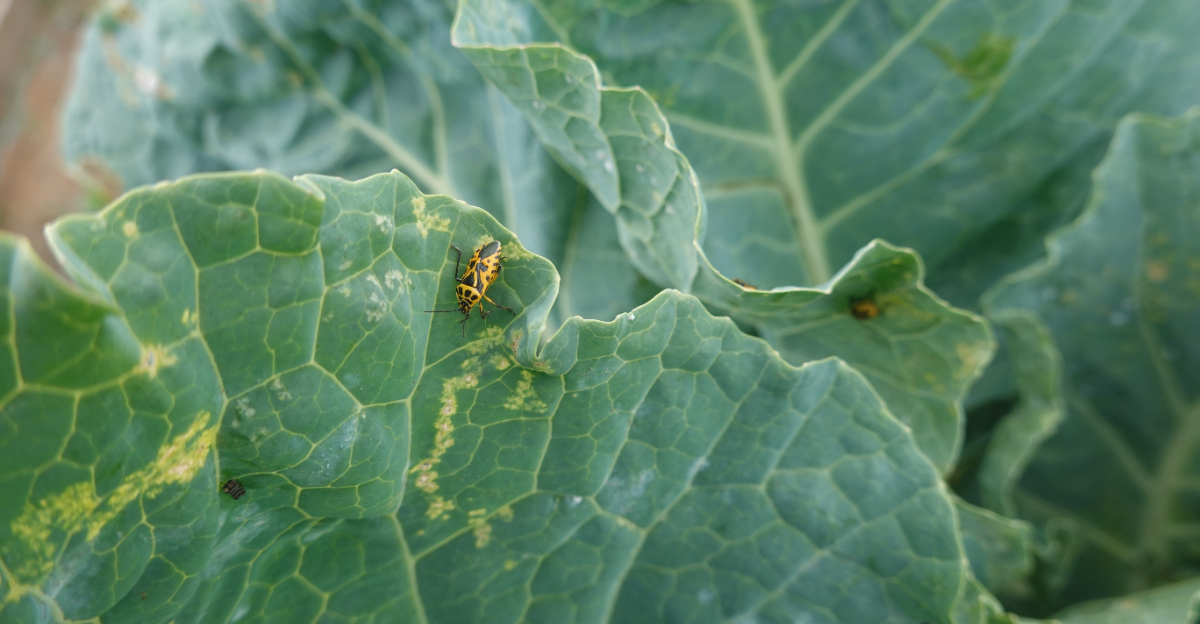
Those bright orange and black markings might catch your eye in the garden, but don’t let the harlequin bug’s good looks fool you. This is one of the most stubborn pests North Carolina collard growers face, and it doesn’t waste any time causing trouble.
They show up in groups, feed aggressively, and can leave a once-thriving row of collards looking sad and shriveled in a surprisingly short amount of time.
What makes them especially frustrating is how easily they blend into the excitement of a healthy garden, right up until the damage becomes impossible to ignore.
Whether you’re tending a few backyard plants or managing a larger patch, catching these pests early is the difference between a minor nuisance and a full blown infestation.
The trick is knowing exactly what to look for and acting before the population explodes. These eight reasons lay out why harlequin bugs deserve your attention now, and what happens if you let them stick around too long.
1. They Drain The Life Out Of Your Collard Leaves
Harlequin bugs feed by poking their sharp, straw-like mouths into collard leaves and sucking out the plant juices. Each little bite pulls away the food and water the plant needs to grow strong.
After a few days of this, you will notice pale yellow or white spots dotting the leaves. Gardeners call this stippling, and it is a clear warning sign. The more bugs you have, the faster those spots spread across the whole plant.
What starts as a few tiny marks quickly turns into large blotchy patches. The leaves lose their deep green color and begin to look tired and washed out. Collards that should be full and leafy end up thin and weak instead.
Since North Carolina has warm springs and long falls, harlequin bugs get plenty of time to feed. They can work on your plants for weeks if nobody stops them. That steady feeding wears the collards down bit by bit.
Checking your leaves often helps you catch trouble before it grows. Flip a few leaves over and look closely for pale specks or clusters of bugs. Early morning is a good time because the bugs move slower in cooler air.
When you spot damage, act right away instead of waiting. Pick off the bugs by hand and drop them into a bucket of soapy water. Staying ahead of the feeding keeps your collards green, healthy, and ready to enjoy at harvest.
2. They Multiply Faster Than You Expect
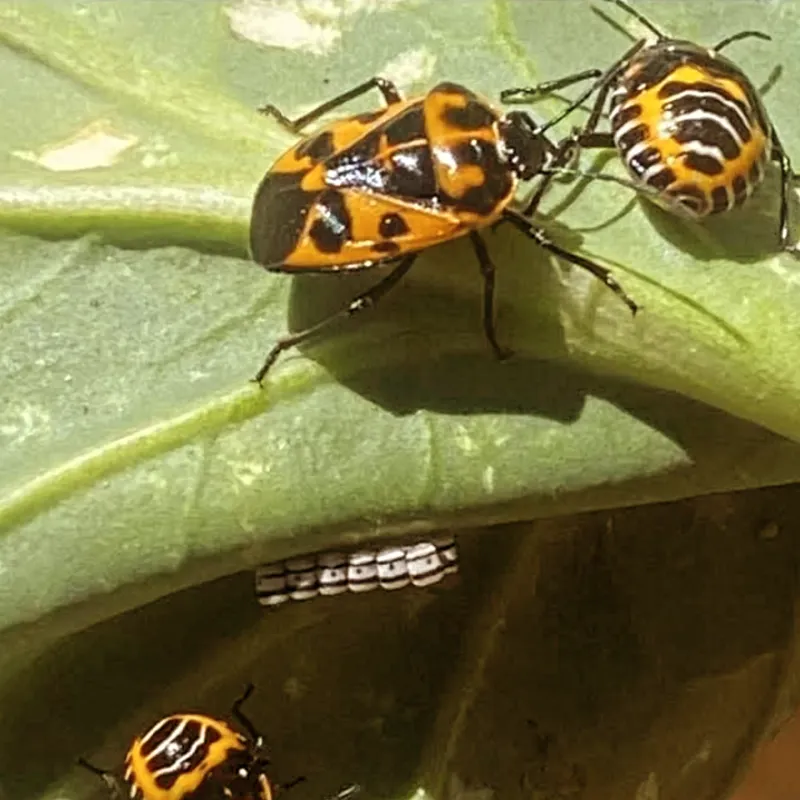
One or two harlequin bugs might not seem scary, but they do not stay small in number for long. A single female can lay dozens of eggs at a time, and she does this again and again through the season.
The eggs are easy to spot once you know what to look for. They sit in neat little rows on the underside of leaves and look like tiny black and white barrels. Each cluster holds about twelve eggs.
In North Carolina’s warm weather, those eggs hatch quickly. The young bugs, called nymphs, start feeding almost right away. Within weeks they grow up and lay eggs of their own.
Your North Carolina Garden Changes Every Week. Your Plan Should Too.
Gardening in North Carolina changes quickly throughout the season. Every Friday you’ll receive a simple weekly plan showing exactly what to plant, prune, fertilize, harvest, and protect so you never miss the right timing.
Because of this fast cycle, a small problem can explode into a full invasion in no time. What looked like a couple of harmless bugs on Monday can become a swarming crowd by the weekend.
The good news is that catching eggs early stops the whole chain. When you flip leaves and find those barrel-shaped clusters, simply squish them or scrape them into soapy water. Removing eggs means fewer bugs later.
Make egg hunting part of your weekly garden walk. Focus on the shady lower leaves where females like to hide their eggs. A few minutes of searching saves you from a much bigger battle down the road.
Staying watchful keeps the population low and manageable. When you break the breeding cycle, your collards get the peace they need to thrive.
3. They Attack Young Seedlings The Hardest
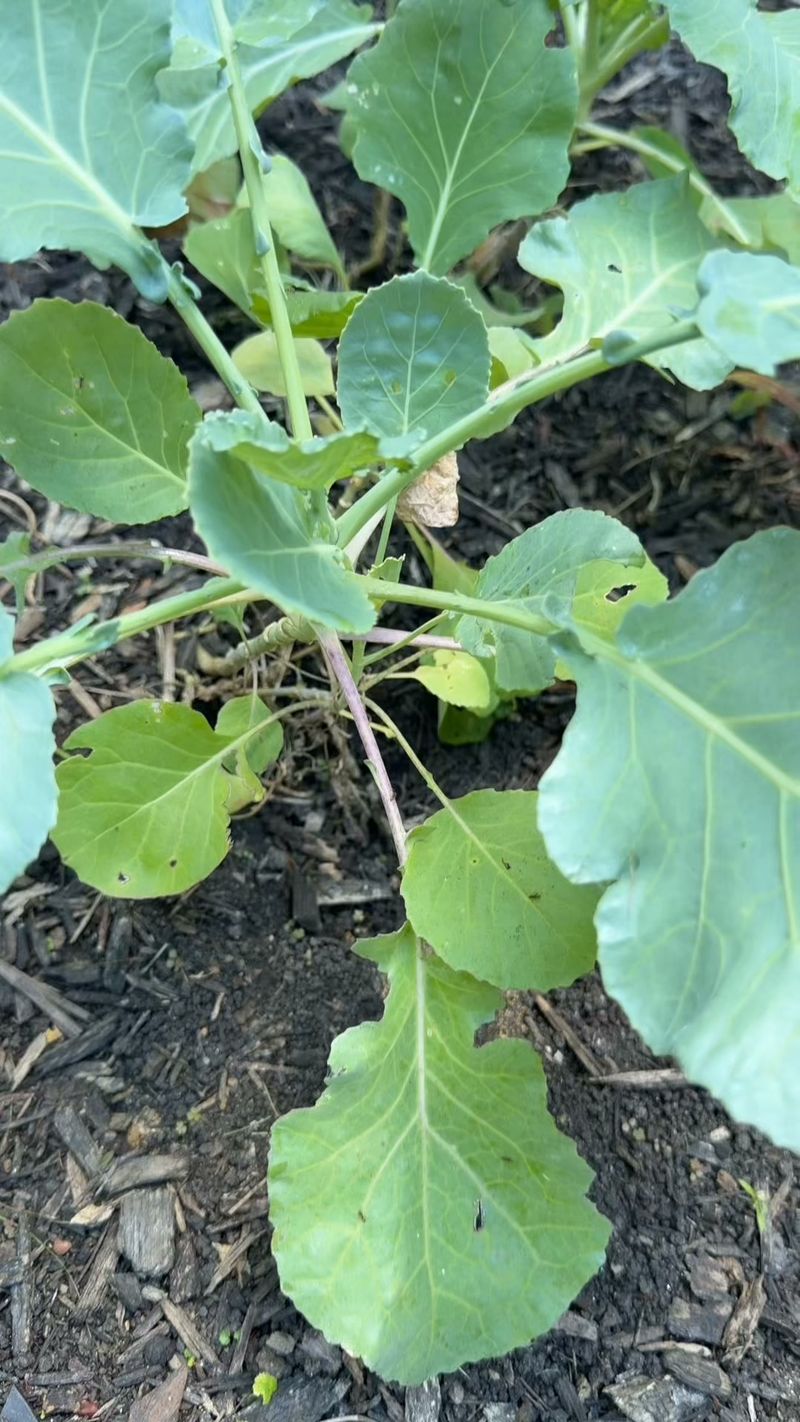
Baby collard plants have soft, tender leaves that harlequin bugs absolutely love. A young seedling has very little to spare, so even a few bugs can cause serious harm fast.
When these pests feed on small plants, the leaves may curl, wilt, or turn brown at the edges. Sometimes the whole seedling collapses because it simply cannot recover from the stress.
Older, established collards can take a few bites and bounce back. Seedlings do not have that strength yet, which makes them the perfect easy target for hungry bugs.
In North Carolina, gardeners often plant collards in early spring and again in late summer. Both of these planting times line up with periods when harlequin bugs are active and looking for food.
Protecting your youngest plants pays off in a big way. Covering seedlings with lightweight row covers keeps the bugs from reaching them at all. The covers let in sun and rain while blocking pests.
Check under the covers every few days just to be safe. If any bugs sneak in, remove them by hand before they settle in and start feeding.
Giving seedlings a strong start means healthier plants later on. Once they grow big and tough, they can handle pressure much better than fragile young sprouts.
Think of early protection as an investment in your whole harvest. A little effort at the seedling stage sets your collards up for a full and rewarding season ahead.
4. They Make Your Collards Look Ugly And Unsellable
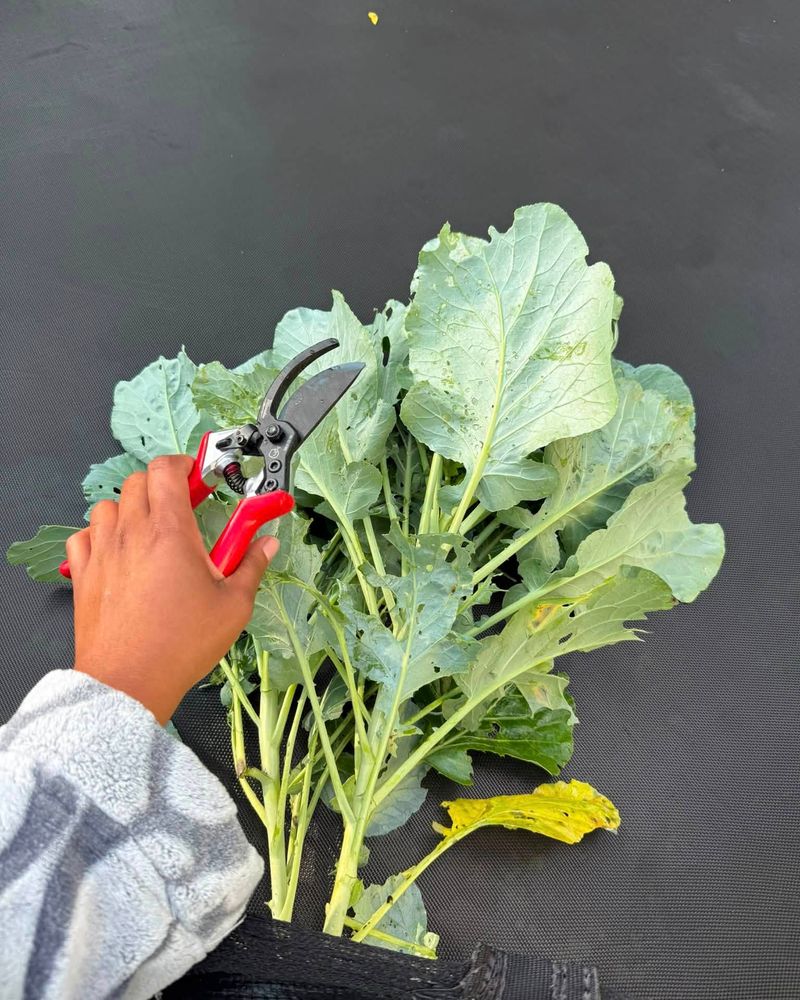
Nobody wants to bring home a bunch of collards covered in yellow spots and ragged holes. Harlequin bug feeding leaves behind marks that make your greens look far from fresh.
The stippling pattern from their bites turns crisp green leaves into blotchy, spotted ones. Even if the collards are still safe to eat, they just do not look appetizing anymore.
For gardeners who sell at farmers markets or share with neighbors, looks matter a lot. Customers reach for the prettiest, greenest bunches every single time.
Damaged leaves also tend to wilt faster after picking. That means shorter shelf life and greens that do not stay fresh as long in the fridge.
Around North Carolina, homegrown collards are a beloved part of many family meals. Serving up a plate of spotty, sad-looking greens takes away from all your hard work in the garden.
Keeping bugs in check protects both the taste and the beauty of your harvest. Regular scouting and quick removal help your leaves stay smooth and vibrant.
When you notice early damage, trim off the worst leaves and treat the plant right away. Removing badly marked leaves also cuts down on hiding spots for more bugs.
Healthy, glossy collards are a source of real pride. They taste better, store longer, and make every meal feel a little more special.
A clean, spotless bunch shows off the care you put into growing it. Protecting appearance is really about protecting all your effort.
5. They Come Back Every Season If You Let Them
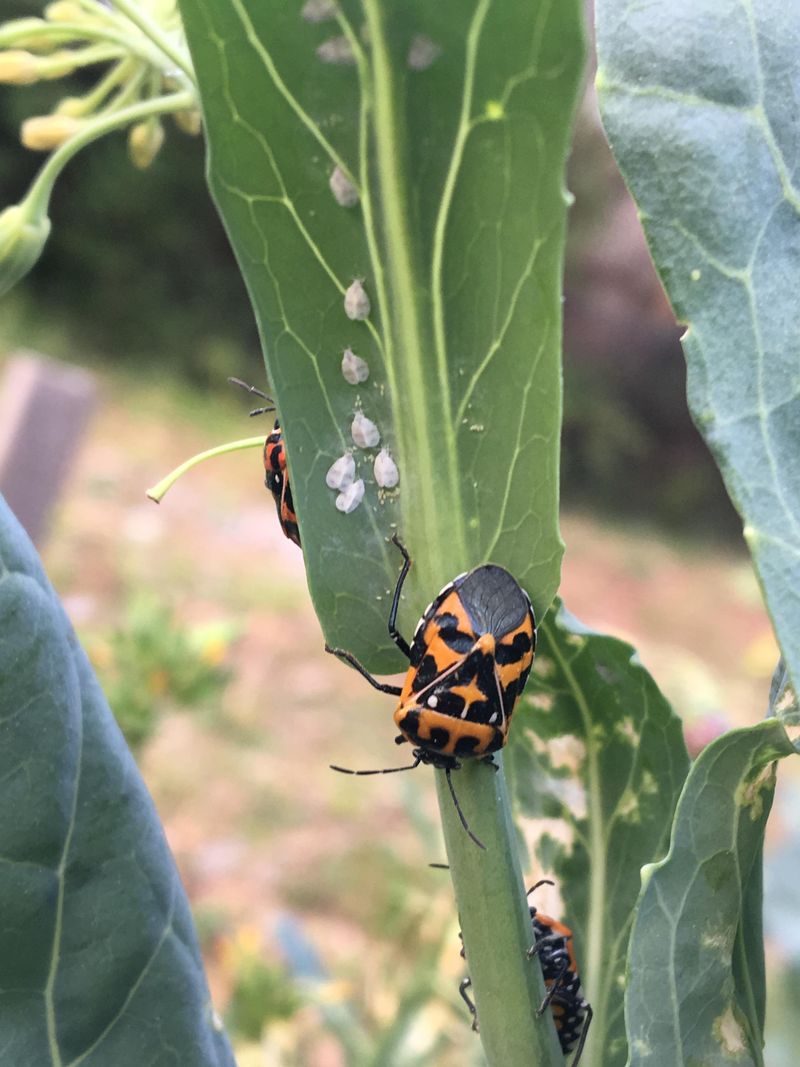
Harlequin bugs do not just disappear when the growing season ends. Adults find cozy hiding spots and wait out the cold, ready to return when warm weather comes back.
They tuck themselves under fallen leaves, old plant stems, and piles of garden trash. These sheltered spots keep them safe through the chilly North Carolina winter months.
Once spring warms the soil, the survivors crawl out hungry and ready to breed. If your garden gave them a good home last year, they will show up again this year.
Leaving old collard stalks and weeds standing basically invites them to stay. That leftover mess becomes the perfect winter hideout for the whole crowd.
Cleaning up your garden beds at the end of the season breaks this cycle. Pull out spent plants, rake away debris, and toss it far from your growing area.
Weeds in the mustard family, like wild radish, also feed and shelter these bugs. Keeping those weeds pulled removes another safe spot they rely on.
Rotating where you plant collards helps too. Moving your greens to a new bed each year makes it harder for overwintering bugs to find them.
A tidy garden in fall means fewer surprises in spring. The less shelter you leave behind, the smaller next year’s bug crowd will be.
Think of cleanup as your first line of defense for the coming season. A clean slate gives your new plants the fresh, bug-free start they deserve.
6. They Spread To Your Other Garden Plants
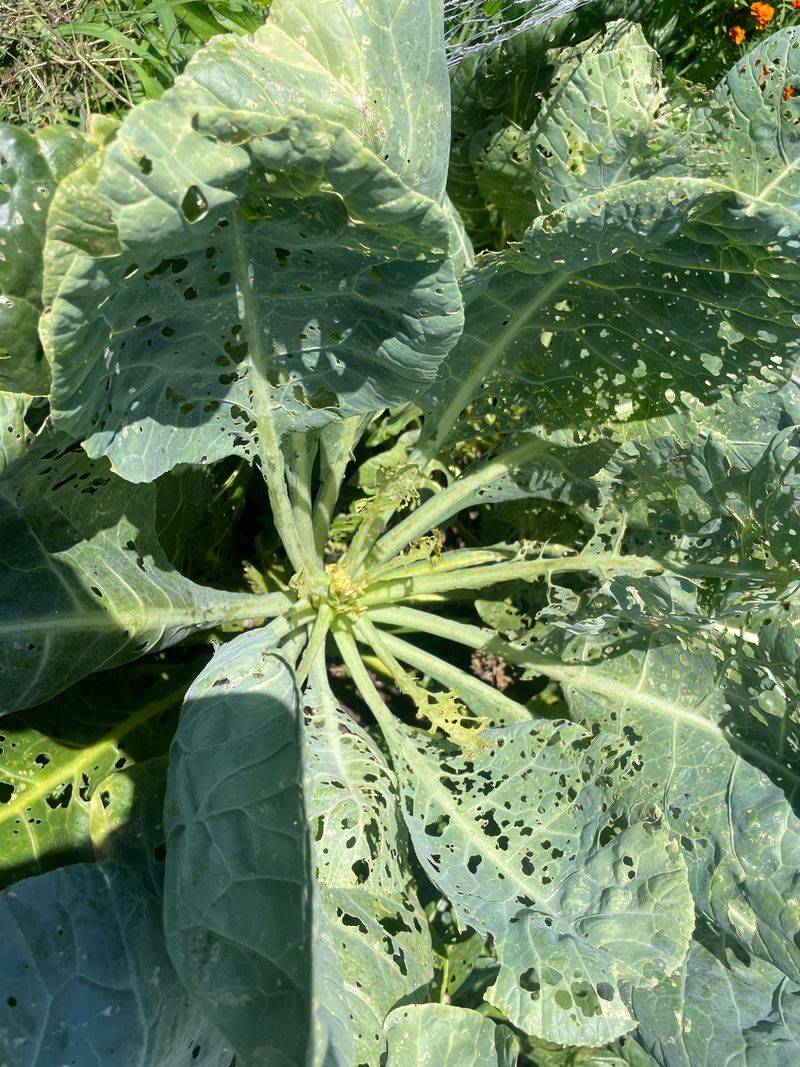
Collards may be their favorite, but harlequin bugs happily move on to other plants nearby. Once your greens get crowded, the bugs go looking for the next tasty target.
They especially love plants in the cabbage family, which gardeners call brassicas. Broccoli, cabbage, kale, turnips, and radishes all end up on their menu.
If you grow a mix of these veggies, one infested collard row can spark trouble everywhere. The bugs simply walk or fly to whatever grows closest.
This spreading habit turns a small local problem into a garden-wide headache. Suddenly you are fighting bugs on several crops at once instead of just one.
Keeping an eye on all your brassicas helps you catch the spread early. When you find bugs on collards, check the neighboring plants right away too.
Spacing your cabbage-family crops apart can slow the bugs down. Mixing in plants they dislike, like onions or herbs, may also help confuse them.
In North Carolina gardens where many greens grow side by side, this matters even more. Tight plantings give bugs an easy highway from one crop to the next.
Treating the source quickly protects everything else you grow. The faster you clear the collards, the less chance the bugs have to wander off.
Watching your whole garden as one connected space is smart. Protecting a single crop really means protecting the entire harvest around it.
7. They Are Easy To Control When You Act Early
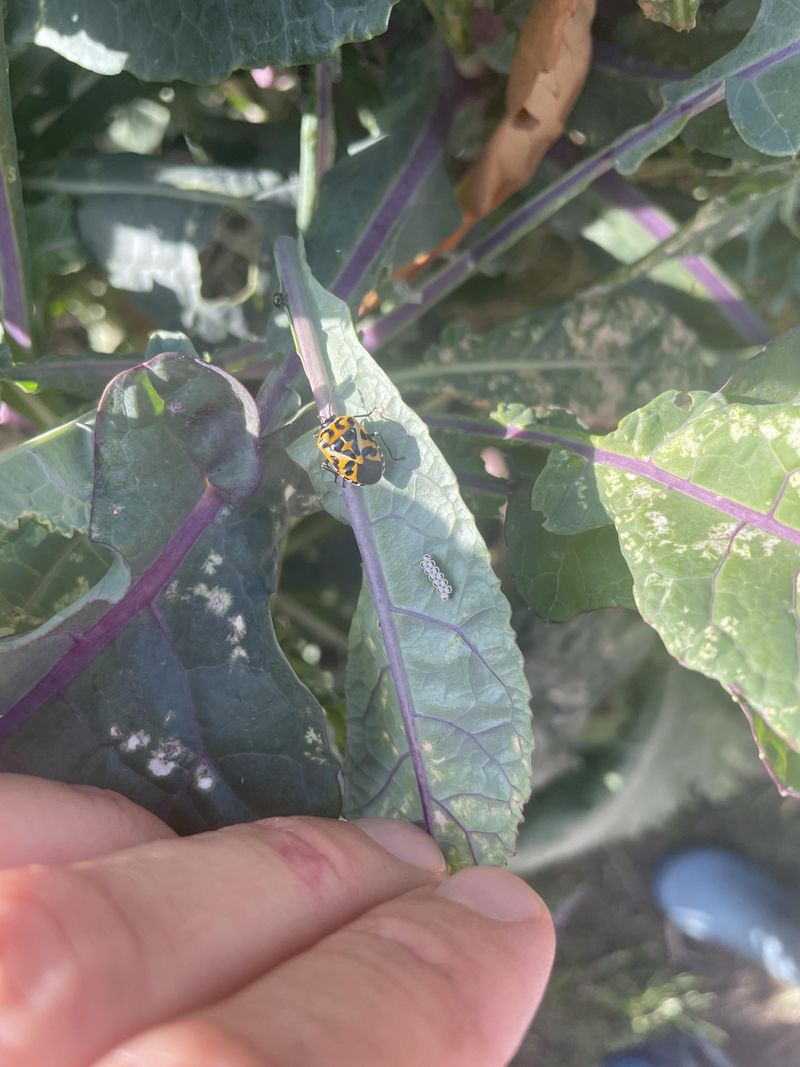
Here is the good news in all of this: harlequin bugs are simple to handle if you catch them soon. Waiting is what turns a small chore into a huge struggle.
Hand-picking is one of the best tricks for a home garden. Just grab the bugs, drop them into soapy water, and repeat every few days.
Because these bugs are big and brightly colored, they are easy to see. Their orange and black shells stand out clearly against green collard leaves.
Insecticidal soap works well too when bugs get more numerous. Spray it right on the pests and the underside of leaves for the best results.
Row covers block bugs from ever landing on your plants. Put them on early, and you stop the problem before it even starts.
Some gardeners plant a trap crop like mustard nearby. The bugs flock to the mustard, and then you can remove them all in one spot.
Checking your plants a couple times each week keeps you in control. Quick action beats any big spray job you might need later.
In North Carolina’s long growing season, staying consistent really pays off. A few minutes of scouting keeps the bug numbers low all season.
The bugs may be stubborn, but they are no match for an alert gardener. Steady attention turns a scary pest into a manageable one. Acting early always beats scrambling later. A little effort now saves your whole crop down the line.
8. They Can Wipe Out Your Whole Harvest If Ignored
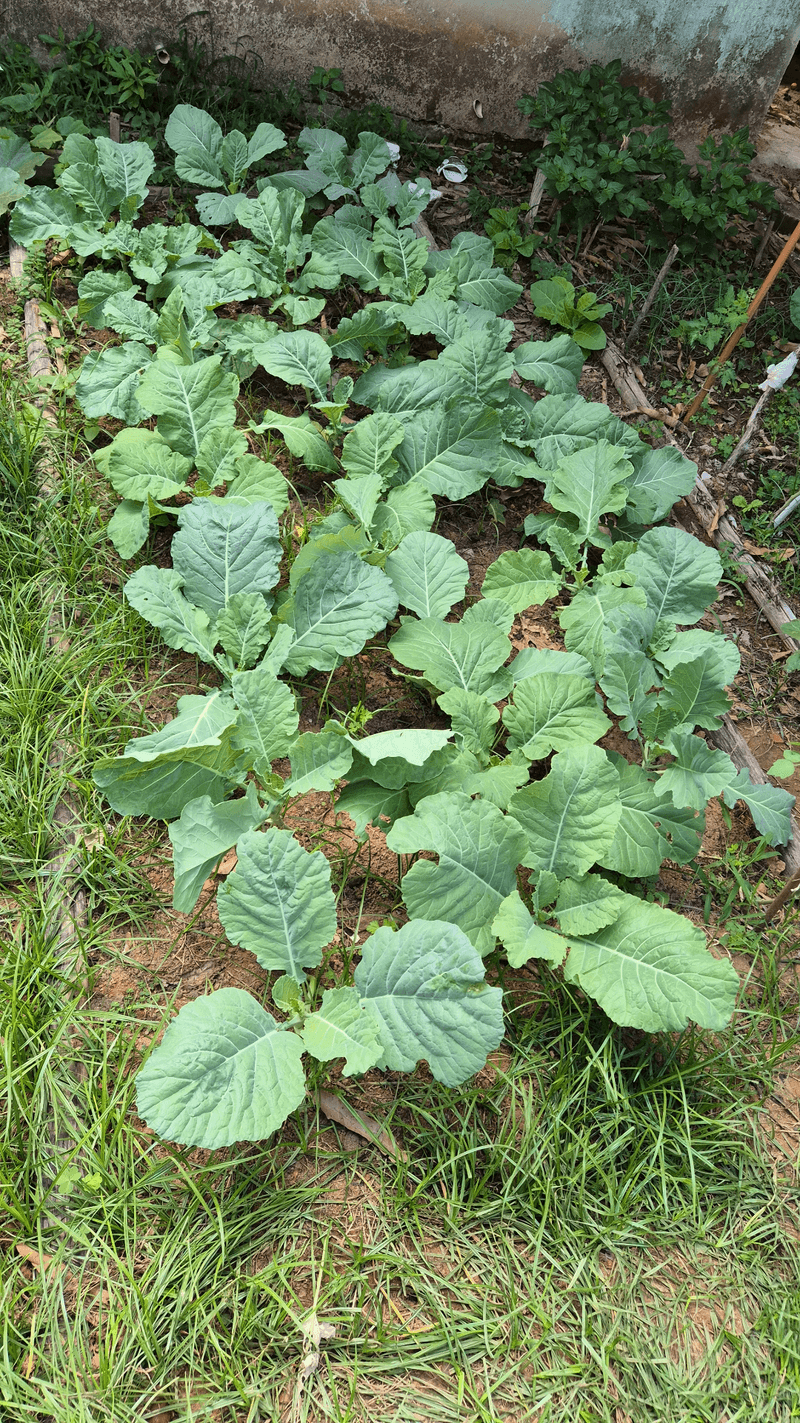
The scariest part about harlequin bugs is how much damage they cause when left alone. A patch of collards you ignore for a couple weeks can end up completely ruined.
When the bug crowd grows large enough, they feed nonstop on every leaf. The plants lose so much juice that they wilt, brown, and stop growing.
At that point, there may be almost nothing left worth harvesting. All those weeks of watering, weeding, and waiting can go to waste.
Small gardens are especially at risk because they have fewer plants to spare. Losing even a handful of collards feels like a big blow.
In North Carolina, collards are a treasured crop for holiday meals and family dinners. Watching them get destroyed is a real disappointment for any gardener.
The worst outcomes almost always come from ignoring the early warning signs. Those first few bugs and egg clusters are your chance to step in.
Paying attention throughout the season is the surest way to protect your food. Regular checks and quick action keep small problems from ever becoming big ones.
Remember that these bugs work slowly at first, then all at once. The longer they stay, the harder they become to stop.
Treat every bug you spot as a signal to take action. Your future self will thank you when harvest day arrives with baskets full of healthy greens.
Protecting your collards is really about protecting your hard work, your table, and your pride as a gardener.