The Pennsylvania Wildflowers Now Considered Illegal To Grow
A pretty flower can hide a serious problem.
That is the tricky part about some garden favorites. They arrive with colorful blooms, fast growth, and the promise of an easy landscape upgrade.
Then something changes. The plant spreads farther than expected. Native flowers disappear. Wildlife loses important habitat.
Have you ever seen a plant growing along a roadside or pond edge and wondered if it belonged there? Some of Pennsylvania’s most concerning invaders started with a simple garden decision.
A few species on the state’s restricted list are still admired for their flowers. That makes them easy to overlook. Their beauty creates the perfect disguise.
But gardens are connected to forests, streams, fields, and wetlands. A plant that behaves nicely in one corner of a yard can become a much bigger issue once seeds or fragments travel.
Knowing what to avoid is one of the easiest ways to protect Pennsylvania’s landscapes. The right plant choice does more than improve your garden. It helps keep the surrounding environment balanced.
Some flowers deserve a spot in your yard. Others are better left out completely.
1. Lesser Celandine Is Illegal To Plant
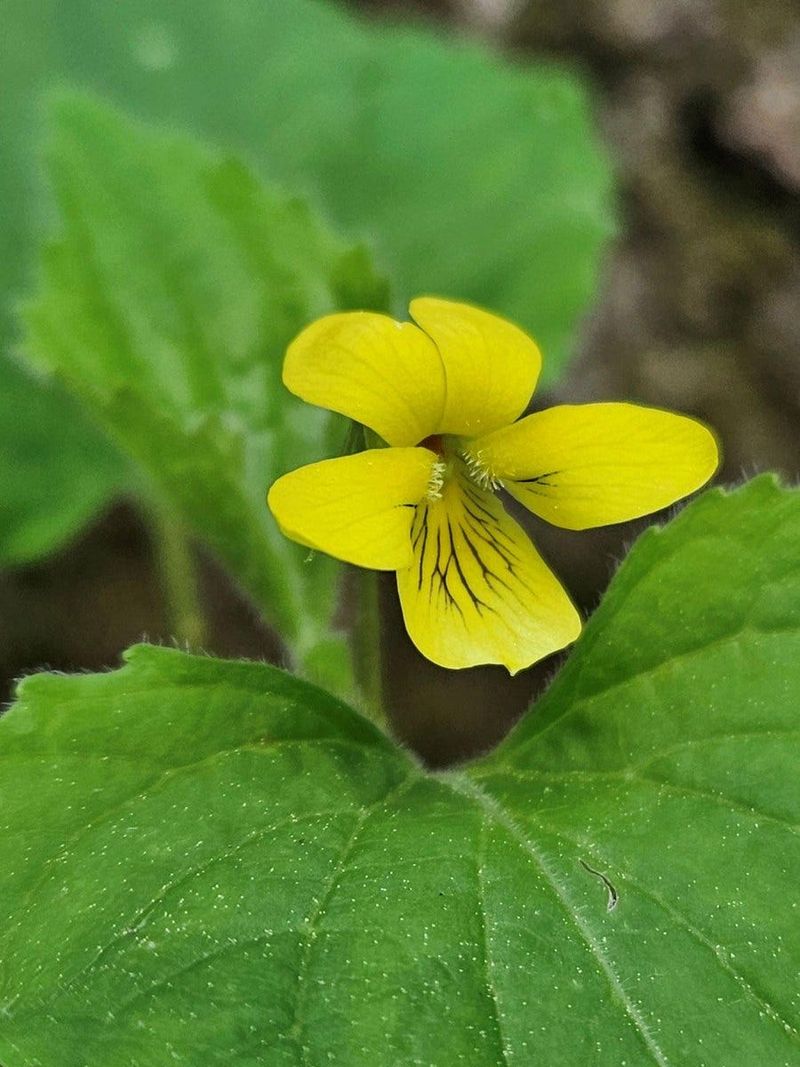
A bright yellow carpet in early spring can look like a welcome surprise. Then the problem reveals itself.
Lesser celandine is one of Pennsylvania’s most troublesome invasive flowering plants. Its cheerful buttercup-like blooms appear before many native woodland plants wake up, giving it a major advantage.
The plant spreads through underground structures called tubers and bulblets. Those small pieces can break apart easily during digging or removal. A tiny leftover fragment may become the beginning of another patch.
That is why pulling it casually can create more frustration. Gardeners may think they are clearing the problem, only to discover new growth returning nearby.
Lesser celandine is especially damaging in moist woodland areas and floodplains. It forms thick patches that block sunlight from reaching native spring wildflowers.
Plants that normally support local insects and wildlife can struggle when this invasive ground cover takes over.
If you find it in your yard, careful removal matters. Avoid spreading soil fragments to other areas. Bag plant material instead of adding it to compost piles.
The good news is that Pennsylvania gardens have plenty of better choices. Native ground covers like wild ginger or golden Alexanders can bring spring interest while supporting local ecosystems.
A yellow spring display is nice. A healthy woodland full of different plants is even better.
2. Purple Loosestrife Cannot Be Propagated
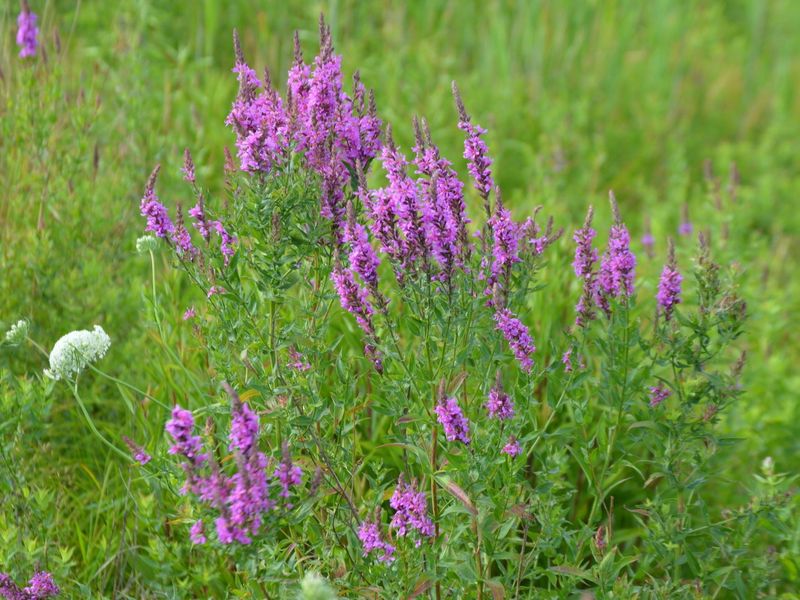
Purple loosestrife knows how to attract attention.
Tall flower spikes covered in bright purple blooms can look impressive along ponds and wetlands. The problem starts when that beauty begins replacing the plants that belong there.
This invasive species spreads quickly through seeds. A single mature plant can produce large numbers of tiny seeds that move easily through wind and water. Wetland areas make the perfect highway for expansion.
Once established, purple loosestrife can create dense stands that crowd out native wetland plants. Those native species provide food and shelter for birds, insects, and other wildlife.
Your Pennsylvania Garden Changes Every Week. Your Plan Should Too.
Gardening in Pennsylvania changes quickly throughout the season. Every Friday you’ll receive a simple weekly plan showing exactly what to plant, prune, fertilize, harvest, and protect so you never miss the right timing.
A wetland filled with one dominant plant may look colorful, but it loses much of its natural variety.
Pennsylvania restricts planting and propagation of purple loosestrife because of these ecological impacts. Even some cultivated forms marketed as less aggressive deserve caution because unwanted spread can still happen.
Homeowners with ponds or wet areas should be especially careful. A plant that starts in a decorative water feature can eventually move beyond the garden boundary.
Native alternatives can provide the same vibrant color without the same risks. Swamp milkweed, blue flag iris, and other regional plants offer beautiful blooms while supporting Pennsylvania wildlife.
Purple flowers have their place. The smartest garden designs make sure those flowers belong there first.
3. Giant Hogweed Is A Class A Noxious Weed
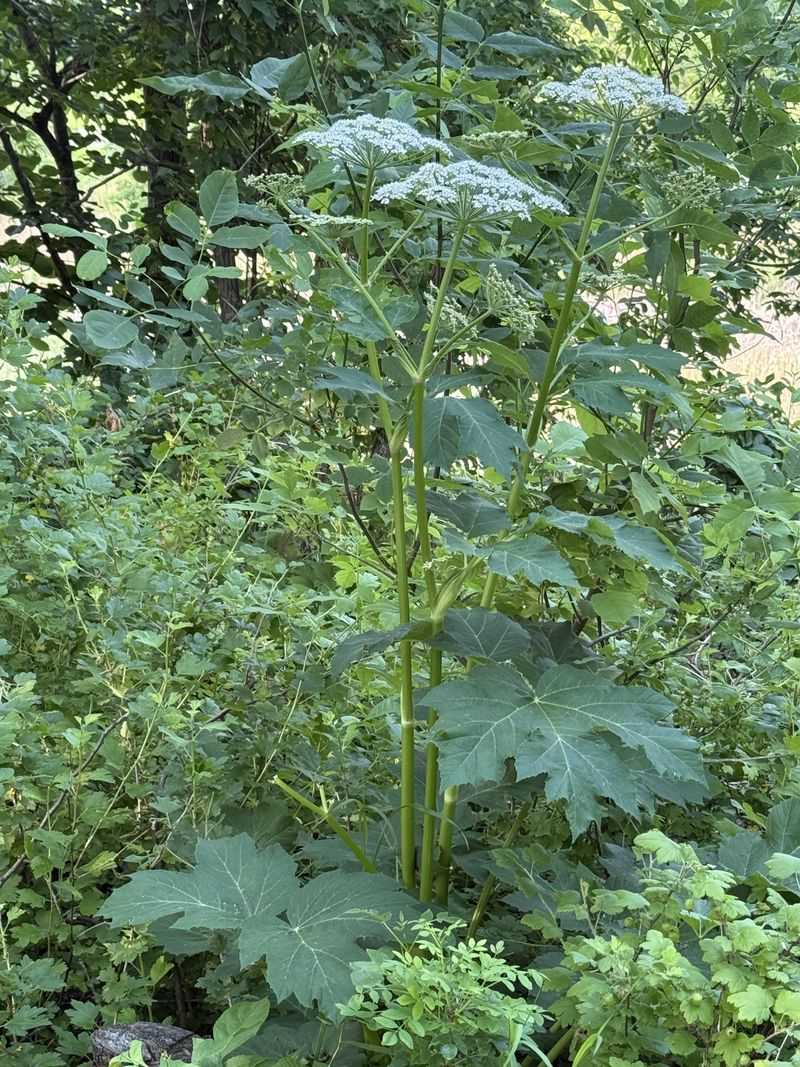
Some plants demand attention for the wrong reasons.
Giant hogweed looks dramatic. It can tower over smaller plants with huge flower clusters and thick stems. At first glance, someone unfamiliar with it might mistake it for an impressive ornamental.
That mistake can create problems.
Giant hogweed is a restricted noxious weed in Pennsylvania, and handling it requires serious caution. The plant contains sap that can react with sunlight and cause severe skin irritation. Contact with the eyes is especially dangerous.
Identification matters. Giant hogweed can grow several feet tall and has large white flower clusters that resemble other members of the carrot family. The size is one of its biggest clues. This plant is much larger than many look-alikes.
The safest approach is simple. Do not touch it with bare skin. Do not try to remove a large patch without proper protection and knowledge. Reporting suspected sightings helps trained professionals respond appropriately.
Giant hogweed became a problem after being introduced as an ornamental plant. Its story is a reminder that a plant’s appearance does not always reveal its impact.
Many gardeners want unusual flowers and dramatic plants. That curiosity is understandable. The key is choosing species that bring interest without creating new problems.
A giant plant can make a big statement. The best garden statements are the ones that help the landscape around them, too.
4. Goatsrue Cannot Be Planted
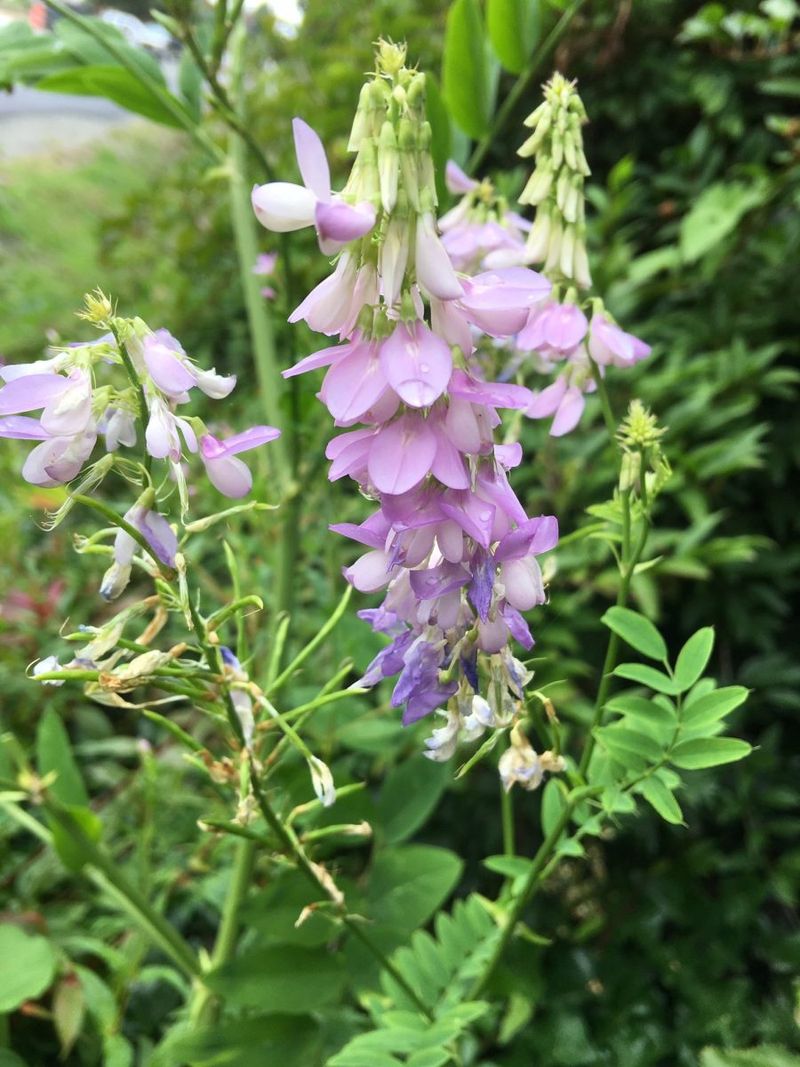
Goatsrue is not a plant most homeowners recognize right away. It does not have the same fame as purple loosestrife or giant hogweed, but Pennsylvania still treats it as a serious invasive threat.
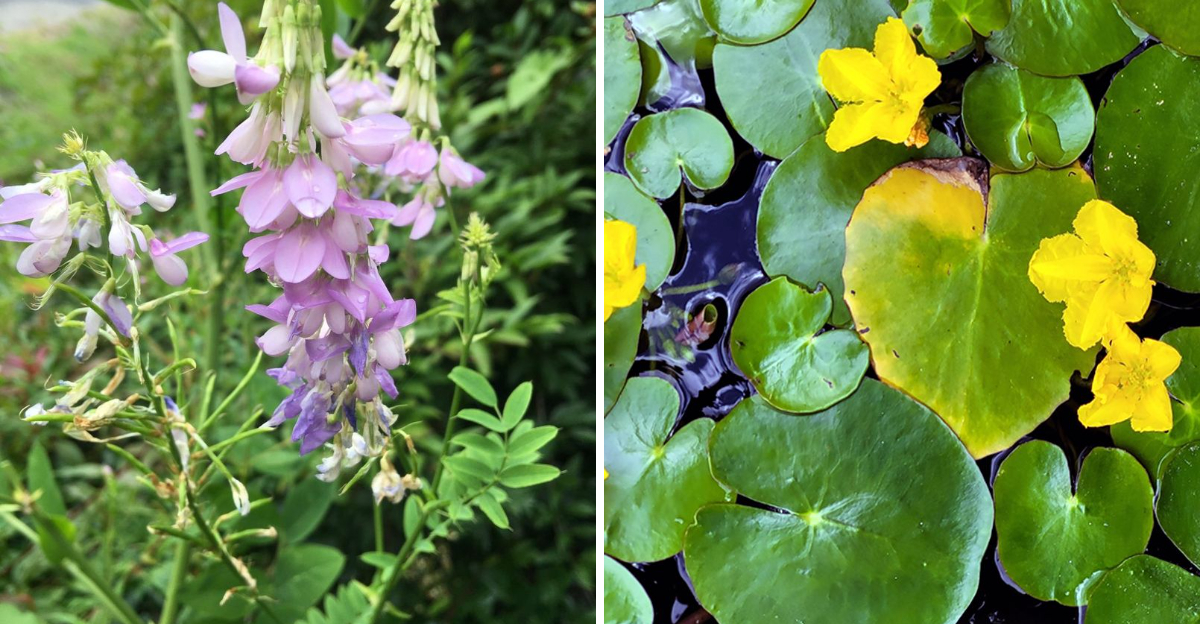
The plant produces attractive clusters of pink and lavender flowers that can make it look like a harmless garden addition. That appearance is part of the challenge. Some invasive plants arrive looking like they belong.
Goatsrue was originally introduced from Europe and Asia as a possible forage crop. The idea seemed useful at the time, but the plant created new problems.
It spreads aggressively through seeds and can form dense patches in fields, roadsides, and disturbed areas.
For farmers, goatsrue creates extra concerns because it can be harmful to grazing animals. Certain compounds in the plant may cause health issues for livestock, especially when animals consume large amounts.
The root system also makes management difficult. Repeated cutting may not solve the issue because the plant can continue returning from underground growth.
Seeds can remain in the soil for years, allowing new plants to appear long after the original patch was noticed.
Pennsylvania landowners who find goatsrue should avoid letting it flower and produce more seed. Early action makes control much easier.
Gardeners looking for pink or purple blooms have many safer options. Native plants can bring similar color while supporting local insects and wildlife instead of competing with them.
Goatsrue is a good example of why plant labels matter. A pretty flower is only part of the story. The real question is how that plant behaves once it settles into the landscape.
5. Wild Chervil Is On The Class A List
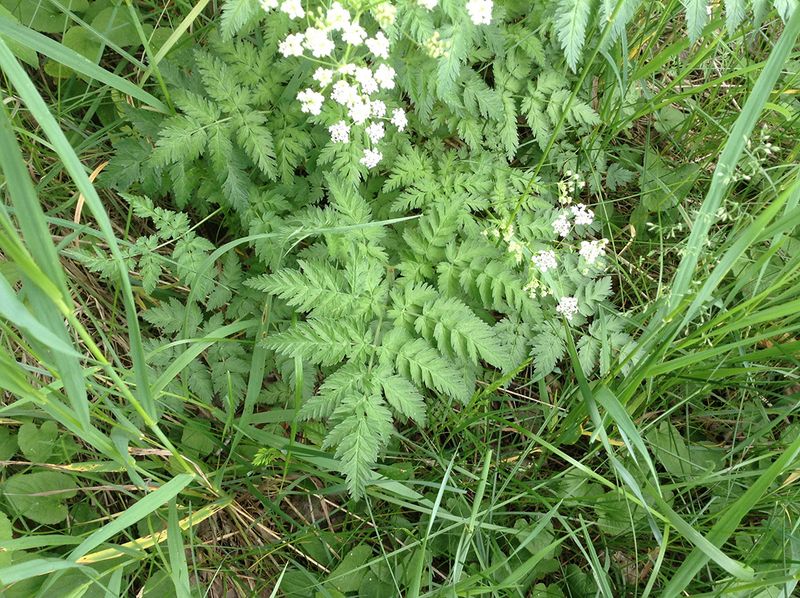
Wild chervil can fool even experienced gardeners.
Its delicate white flower clusters and fern-like leaves give it a soft, elegant appearance. Along Pennsylvania roadsides and field edges, it can look like a charming wildflower.
The problem is that wild chervil does not stay politely in one place.
This invasive plant spreads through seeds that can travel by mowing equipment, vehicles, water movement, and other disturbances. A small patch can expand into larger areas when seeds move into new locations.
Wild chervil prefers moist, partly shaded areas such as roadsides, stream edges, and meadow borders. Those conditions are common across Pennsylvania, which gives it many opportunities to spread.
The plant is classified as a noxious weed in the state, making planting and propagation illegal. Landowners may also need to manage existing populations to prevent further spread.
Identification is especially important because wild chervil resembles several other plants. Some look similar enough that removing the wrong species can become a frustrating mistake. Take time to confirm what you have before reaching for tools.
Management works best before seeds develop. Once the plant begins producing seeds, the problem becomes much harder to contain.
For gardeners who enjoy delicate white flowers, Pennsylvania has better choices. Native plants can create that same light, airy feeling without bringing unwanted consequences.
Wild chervil shows why appearances can be misleading. A plant can look gentle while still causing major changes behind the scenes.
6. Water Primrose Is Prohibited
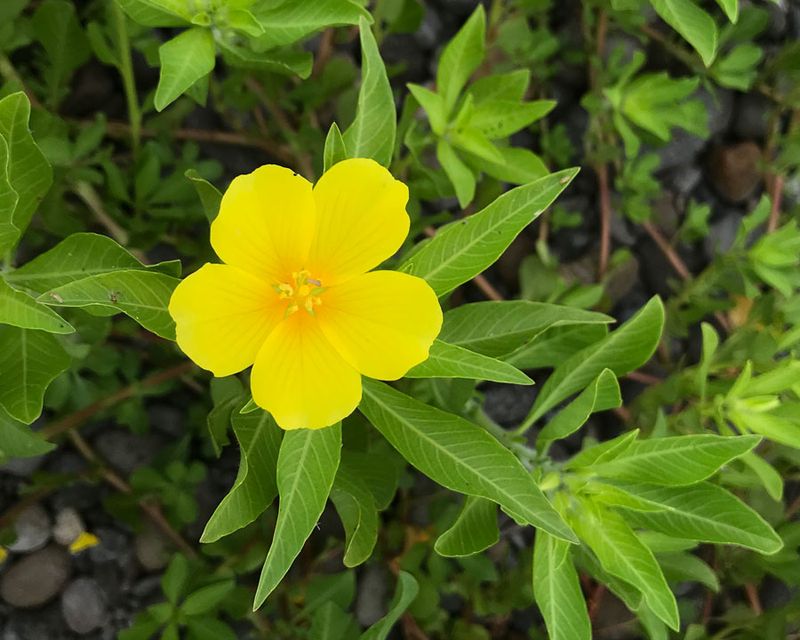
A pond covered with bright yellow flowers sounds beautiful. Then the floating leaves start spreading, and the picture changes.
Water primrose is an aquatic invasive plant that can create serious problems in Pennsylvania waterways. Several Ludwigia species are regulated because of their ability to spread quickly and disrupt aquatic environments.
The plant moves through water in a way that makes control difficult. Small pieces of stems can break away, float downstream, and create new colonies in another location.
Once established, water primrose can form thick mats across the surface of ponds, streams, and wetlands. Those mats block sunlight from reaching underwater plants and can affect the balance of the aquatic ecosystem.
A decorative water garden can become an unexpected starting point. Some aquatic invasives enter natural areas after people empty pond plants or water into nearby streams. A simple action can create a much larger issue.
This is why responsible water gardening matters. Plants that look beautiful in a backyard pond may not belong in Pennsylvania’s natural waterways.
Homeowners can choose native aquatic plants instead. Pickerelweed and blue flag iris provide color and habitat while fitting naturally into local ecosystems.
If you notice unfamiliar floating plants in a pond or stream, avoid moving them. Early identification gives conservation groups a better chance to respond.
Water plants can transform a garden. The best choices add beauty while keeping the surrounding waterways healthy.
7. Yellow Floating Heart Is Prohibited
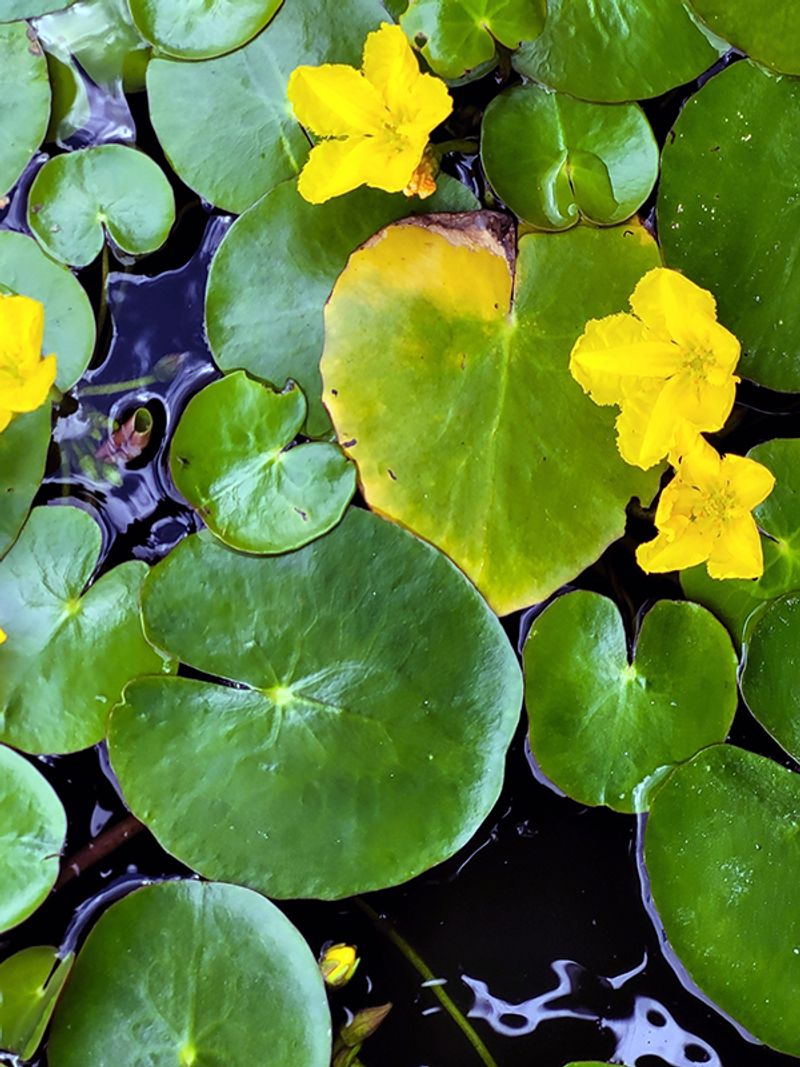
Yellow floating heart has one of the most charming names in the plant world.
The small yellow flowers and round floating leaves can make a pond look like a peaceful garden scene. That visual appeal is exactly why this plant became popular in ornamental water gardens.
The problem begins when it escapes.
Yellow floating heart is restricted in Pennsylvania because it can spread aggressively through aquatic environments. It grows in ponds, lakes, and slow-moving waterways where it forms dense surface mats.
Those mats can create several problems. They reduce sunlight reaching native aquatic plants below the surface and can change conditions for fish and other organisms living in the water.
The plant spreads through fragments that break away and move with water. A small piece can travel downstream and establish a new population somewhere else.
This makes disposal especially important. Never release unwanted pond plants into natural waterways. A quick cleanup decision can prevent a long-term environmental issue.
Gardeners who love floating plants still have good options. Native water lilies and other regional aquatic plants can provide beauty without the same invasive concerns.
Yellow floating heart is a reminder that even small plants can create large impacts. A few leaves floating on a pond may seem harmless, but nature often tells a much bigger story.
The best water gardens do more than look good. They work with the environment around them.