10 New Plants Arriving At Texas Garden Centers Next Year
Texas garden centers are lining up some exciting new plants for next year, and a few of them already have me imagining fresh spots in the yard.
These upcoming arrivals are made for heat, long summers, and the kind of growing challenges Texas gardeners know firsthand.
If plant shopping has started to feel predictable, this new lineup could be the spark that makes next season feel exciting again.
1. Sunset Horizon Agastache
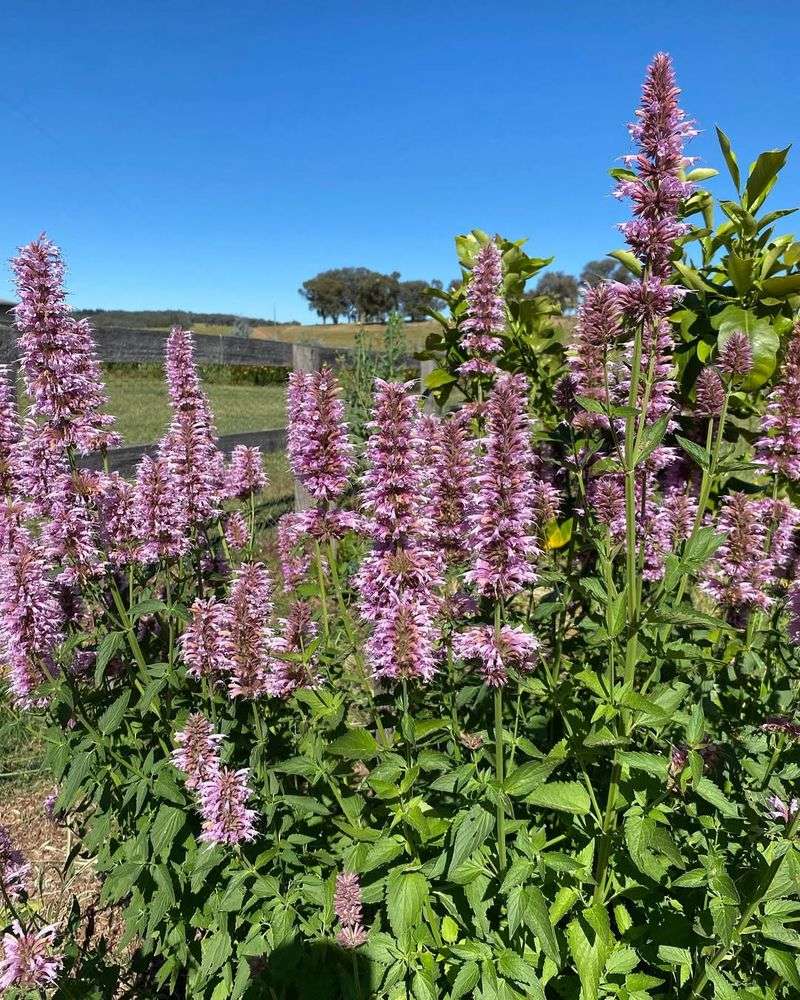
Pollinators will absolutely love this stunning newcomer that produces waves of coral-orange flowers from late spring through the entire fall growing season here.
Sunset Horizon Agastache brings a fresh twist to traditional hyssop varieties with its compact growth habit and incredibly long blooming period in gardens.
Texas gardeners appreciate plants that can handle intense summer heat without constant watering, and this beauty delivers exactly that kind of reliable performance.
Hummingbirds and butterflies find the tubular flowers irresistible, creating a lively show of activity that entertains throughout the warmest months of year.
Reaching about two feet tall, it fits perfectly into mixed borders or container gardens without overwhelming smaller companion plants around it everywhere.
The aromatic foliage releases a pleasant minty fragrance when brushed against, adding another sensory dimension to your outdoor living spaces in state.
Drought tolerance makes this variety especially valuable during our unpredictable weather patterns and occasional water restrictions that happen across Texas regions regularly.
Plant breeders developed this cultivar specifically for southern climates, ensuring it thrives in our alkaline soils and challenging environmental conditions beautifully.
2. Moonlight Sonata Salvia
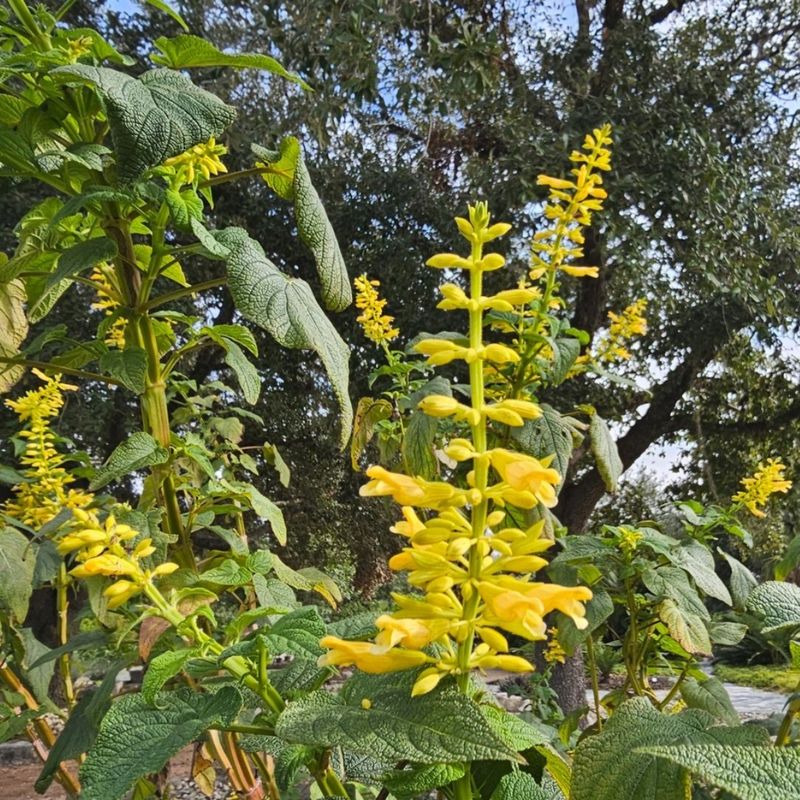
Creamy white blooms with subtle yellow undertones create an elegant moonlit effect that stands out beautifully against darker foliage in evening garden settings.
Moonlight Sonata Salvia represents a breakthrough in breeding efforts, combining exceptional heat tolerance with a color palette rarely seen in salvias before now.
Garden centers throughout Texas will stock this variety because it solves a common problem: finding pale-colored flowers that actually survive our brutal summers.
Unlike many white-flowering plants that scorch and fade quickly, this cultivar maintains its pristine appearance even during the hottest weeks of August here.
Standing approximately three feet tall, it creates a vertical accent that draws the eye upward while providing structure to informal cottage-style plantings.
Bees and beneficial insects visit the flowers constantly, contributing to a healthier garden ecosystem and improved pollination for nearby vegetable and fruit crops.
Established plants develop woody bases over time, returning reliably each spring to provide years of enjoyment without needing replacement in Texas landscapes.
Pairing this variety with purple or burgundy companions creates stunning contrasts that photograph beautifully and impress visitors to your outdoor spaces always.
3. Ruby Slippers Penstemon
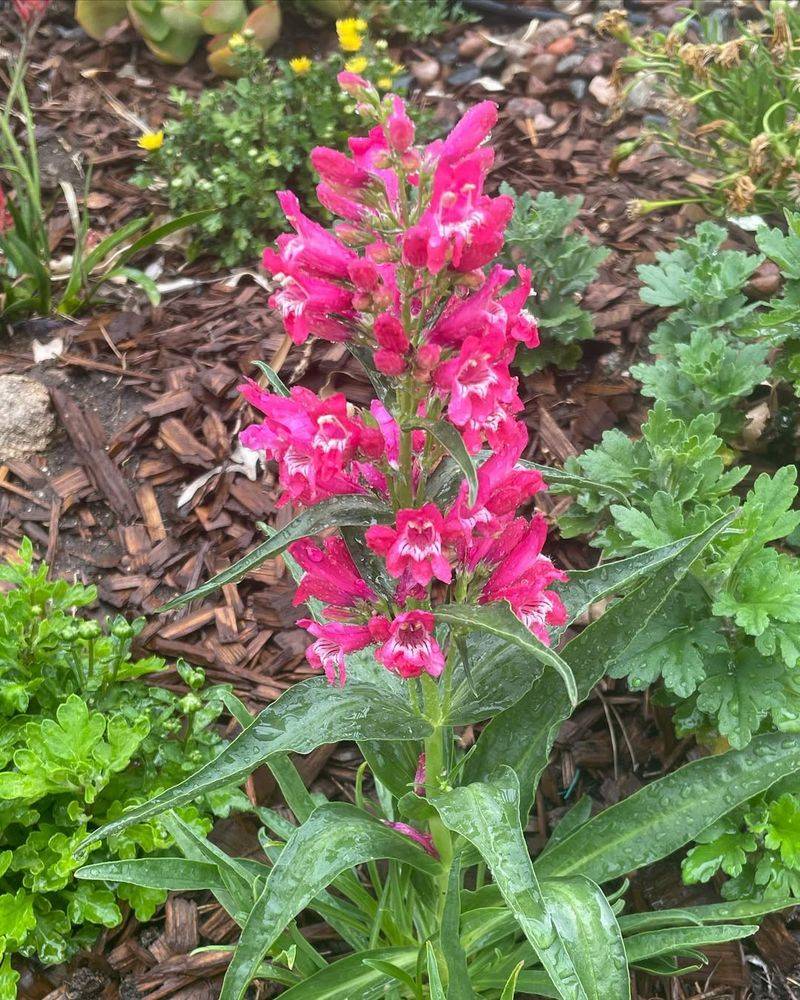
Deep ruby-red tubular flowers cascade along upright stems, creating a dramatic display that native plant enthusiasts have been requesting from breeders for years.
Ruby Slippers Penstemon combines the best traits of wild Texas natives with improved garden performance, making it ideal for both naturalistic and formal designs.
Water-wise gardeners celebrate this introduction because it requires minimal irrigation once established, even during extended dry periods common across our state regions.
Hummingbirds seem to prefer these rich red blooms over many other flower colors, making this plant a must-have for anyone creating wildlife habitats.
The foliage stays attractive throughout the growing season, maintaining a tidy appearance without developing the ratty look some perennials get during summer.
Reaching about eighteen inches in height, it works beautifully as an edging plant along pathways or massed in drifts for maximum visual impact.
Texas soils often challenge gardeners, but this penstemon actually prefers our alkaline conditions and thrives where other perennials struggle to establish themselves successfully.
Flowering begins in mid-spring and continues for several weeks, providing reliable color during that transition period between spring bulbs and summer annuals.
4. Golden Sunset Esperanza
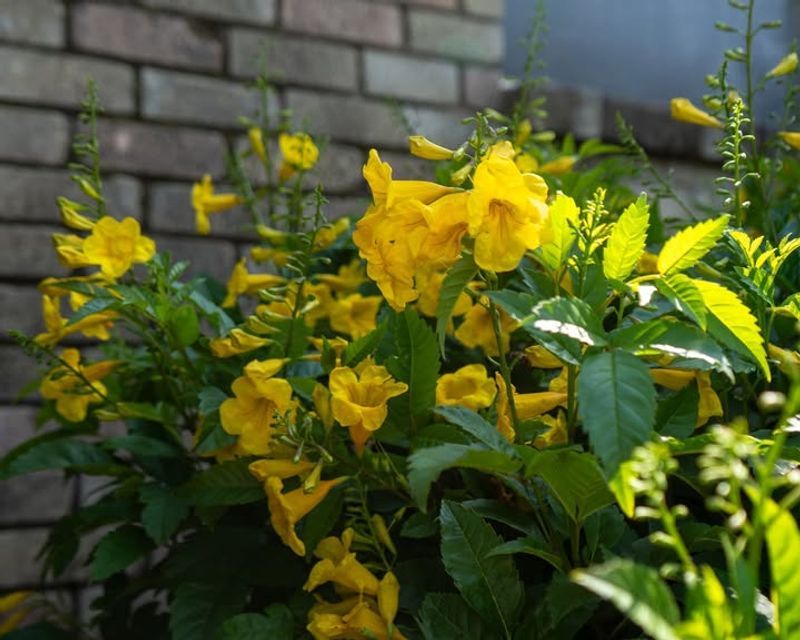
Bright golden-yellow trumpet flowers appear in abundance from early summer until the first frost arrives, delivering months of cheerful color to landscapes.
Golden Sunset Esperanza represents an improved selection of tecoma that Texas gardeners have grown for decades, but with larger blooms and better branching.
Heat actually encourages more flowering rather than slowing it down, making this shrub perfectly suited to our intense summer conditions across the state.
Growing four to five feet tall and wide, it creates a substantial presence in the landscape without requiring constant pruning or maintenance.
Butterflies and occasional hummingbirds visit throughout the day, adding movement and life to gardens while helping pollinate other plants growing nearby in beds.
The glossy foliage provides an attractive backdrop even when flowers take a brief rest, ensuring the plant always contributes to overall garden aesthetics.
Container gardening enthusiasts can grow this variety in large pots, bringing vibrant color to patios and poolside areas where in-ground planting is impossible.
Texas landscapes benefit from plants that look tropical but handle our climate, and this esperanza delivers exactly that combination of beauty and toughness.
5. Midnight Marvel Hibiscus
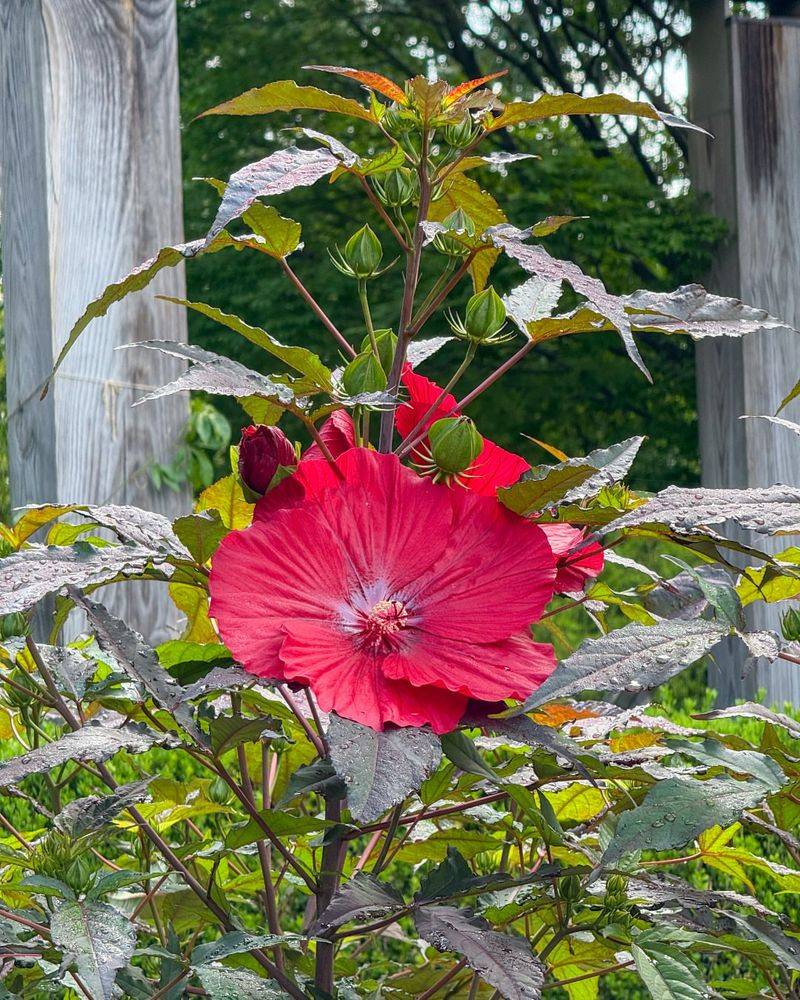
Dinner-plate-sized crimson blooms emerge against nearly black foliage, creating one of the most dramatic color combinations available in perennial hibiscus varieties today.
Midnight Marvel Hibiscus makes a bold statement in gardens, with flowers reaching eight to ten inches across that stop visitors in their tracks.
Texas gardeners often struggle to find plants with dark foliage that maintain their color intensity, but this cultivar keeps its burgundy leaves all season.
Each flower lasts only a single day, but the plant produces so many buds that fresh blooms open continuously from midsummer through September.
Standing about four feet tall, it provides mid-border height without the sprawling habit that makes some hibiscus varieties difficult to manage in beds.
Despite its exotic appearance, this perennial proves remarkably cold-hardy, returning reliably each spring even after harsh winters in northern Texas regions successfully.
Moisture-loving by nature, it thrives in areas of the garden that stay slightly damper than other spots, solving problems for those tricky locations.
Pairing this variety with chartreuse or silver foliage plants creates stunning contrasts that elevate the entire planting scheme to professional landscape designer levels.
6. Desert Jewel Lantana
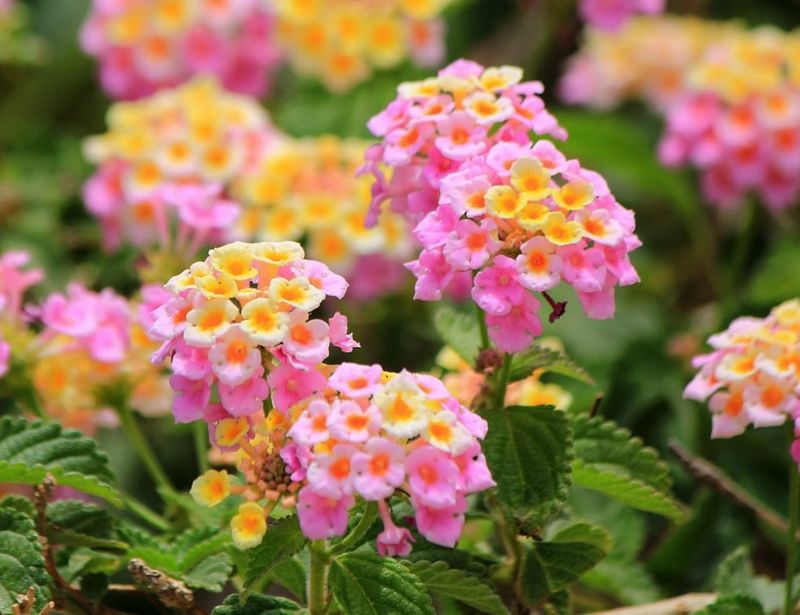
Multicolored flower clusters transition from soft pink to vibrant orange and golden yellow, creating a kaleidoscope effect that changes as blooms mature.
Desert Jewel Lantana represents a sterile hybrid that produces abundant flowers without setting seed, meaning more energy goes into blooming rather than reproduction.
Butterfly magnets like this attract dozens of species throughout the growing season, turning gardens into living butterfly sanctuaries that delight children and adults.
Texas heat brings out the best in this variety, with flowering actually intensifying during July and August when many other plants take a break.
Compact growth reaches about thirty inches tall and spreads slightly wider, making it ideal for smaller gardens or tight spaces between existing plantings.
Deer typically avoid lantana, giving gardeners in rural areas a reliable option that survives without protective fencing or constant replacement after browsing damage.
The sterile nature also means this variety stays tidier without developing the weedy seedlings that traditional lantanas spread throughout garden beds everywhere.
Container combinations look spectacular when this lantana serves as the thriller element, surrounded by complementary trailing and filler plants in mixed pots.
7. Blue Horizon Plumbago

Sky-blue flowers appear in graceful clusters from late spring through fall, offering a cooling color that feels refreshing during hot summer months.
Blue Horizon Plumbago brings improved cold hardiness compared to older varieties, surviving winters in more Texas regions than traditional plumbago selections could tolerate.
Gardeners searching for true blue flowers often feel frustrated by the limited options available, making this introduction especially welcome in local garden centers.
Reaching about three feet in height, it works beautifully as a foundation plant, mixed border component, or even as an informal low hedge.
Light afternoon shade helps it perform best in the hottest parts of Texas, though it tolerates full sun in cooler northern regions successfully.
The arching growth habit creates a soft, billowing effect that contrasts nicely with more rigid, upright plants in mixed landscape designs around homes.
Butterflies and bees find the nectar-rich blooms throughout the growing season, contributing to garden biodiversity and supporting declining pollinator populations across our state.
Pruning in late winter encourages fresh growth and more flowering stems, though the plant performs adequately even without regular trimming or special care.
8. Fireworks Gaillardia
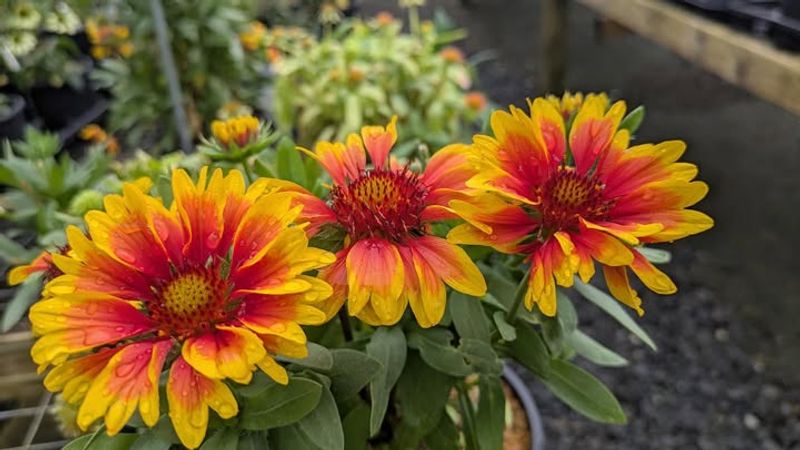
Bicolor blooms feature fiery red petals tipped with bright yellow, resembling miniature fireworks exploding across the garden from spring through first frost.
Fireworks Gaillardia represents a breakthrough in blanket flower breeding, combining traditional toughness with significantly larger flowers and better plant vigor than before.
Texas native plant enthusiasts appreciate improved selections of our regional wildflowers that maintain authentic character while offering enhanced garden performance throughout seasons.
Drought tolerance makes this variety practically indestructible once established, requiring almost no supplemental watering even during extended dry spells across our state.
Growing about fifteen inches tall, it fits perfectly into front-of-border positions where its cheerful blooms remain visible and create maximum impact visually.
Deadheading spent flowers encourages additional blooming, though even neglected plants continue producing flowers throughout the entire growing season without special attention or care.
Butterflies, native bees, and other beneficial insects visit constantly, making this plant an important component of ecologically responsible gardens supporting local wildlife populations.
Poor soils actually suit this gaillardia better than rich, amended beds, making it ideal for those challenging spots where other perennials refuse to thrive.
9. Lavender Lace Vitex
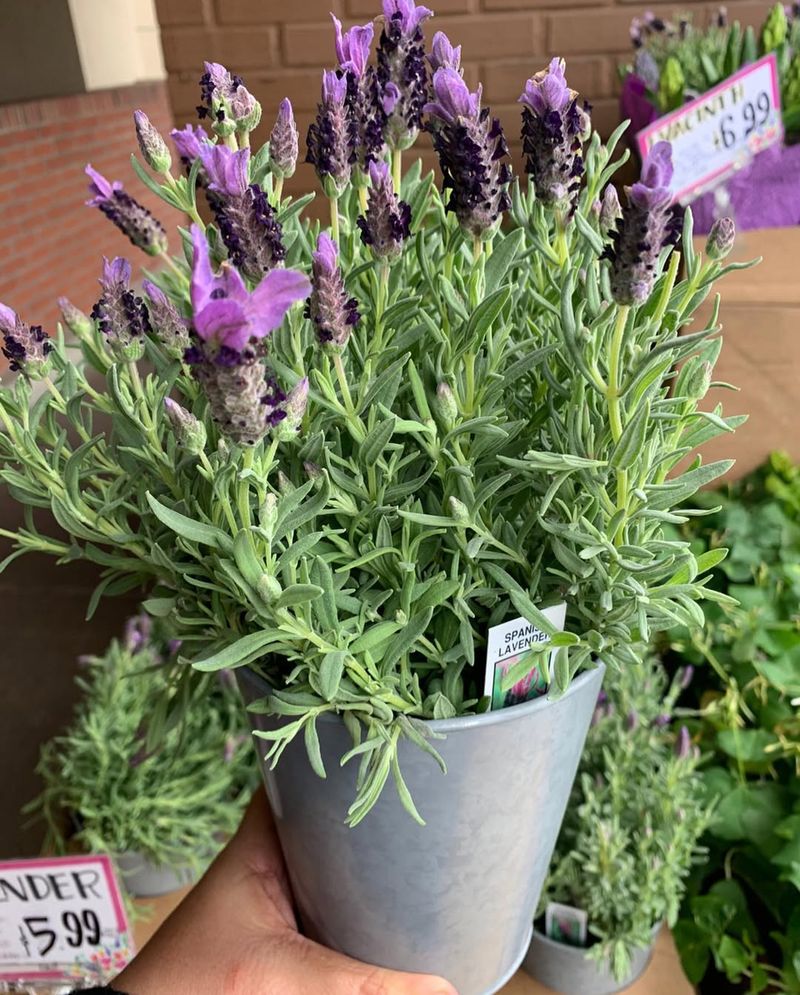
Fragrant lavender-purple flower spikes appear in early summer, attracting butterflies and bees while releasing a pleasant scent that drifts across the garden.
Lavender Lace Vitex grows as a small multi-trunk tree, reaching about twelve feet tall and providing valuable vertical interest in Texas landscapes.
Gardeners needing small trees for tight spaces or under power lines find this variety perfect, as it maintains a manageable size without aggressive growth.
Heat and drought tolerance rank exceptionally high, making this vitex ideal for low-water landscapes and areas where irrigation access remains limited or restricted.
The compound leaves create a fine-textured appearance that contrasts beautifully with bold-leaved plants, adding visual interest even when flowers finish for the season.
Blooming occurs in waves throughout summer, with the heaviest flush appearing in June and sporadic flowering continuing into early fall across most regions.
Texas soils rarely challenge this tough tree, which adapts readily to alkaline conditions and clay without developing the nutrient deficiencies that plague finicky species.
Pruning in late winter maintains shape and encourages vigorous new growth that produces the most abundant flowering during the upcoming growing season ahead.
10. Sunset Celebration Cuphea
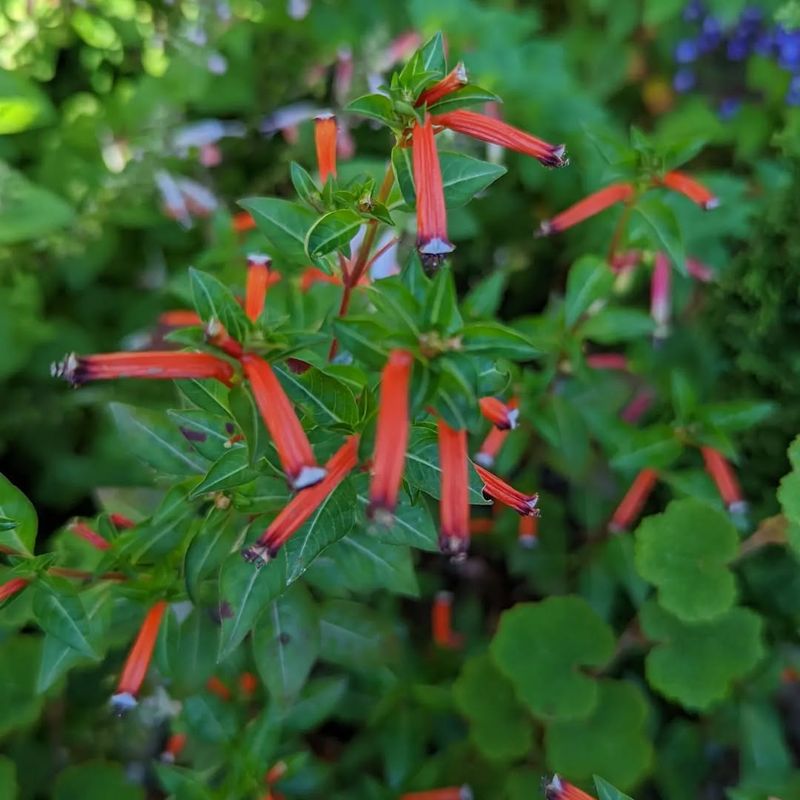
Tiny tubular flowers in shades of orange and red create a constant display from late spring until frost, never taking a break throughout summer.
Sunset Celebration Cuphea offers a compact growth habit that makes it perfect for containers, border edges, or filling gaps between larger perennials.
Hummingbirds discover these flowers quickly and return repeatedly throughout the day, providing endless entertainment for anyone watching from nearby windows or patios.
Texas gardeners appreciate plants that bloom reliably without deadheading, and this cuphea delivers exactly that kind of low-maintenance performance in challenging conditions.
Growing about eighteen inches tall and wide, it maintains a tidy mounded shape without requiring constant pruning or pinching to look presentable.
Heat actually improves flowering rather than diminishing it, making this variety increasingly valuable as summer temperatures climb into the triple digits regularly.
The fine-textured foliage provides a delicate backdrop for the bright flowers, creating an airy appearance that lightens heavy planting schemes throughout garden beds.
Pairing this cuphea with bold architectural plants creates interesting contrasts, while grouping several together produces a stunning mass of color that draws attention immediately.