New York Gardeners Are Swapping Burning Bush For These Native Shrubs
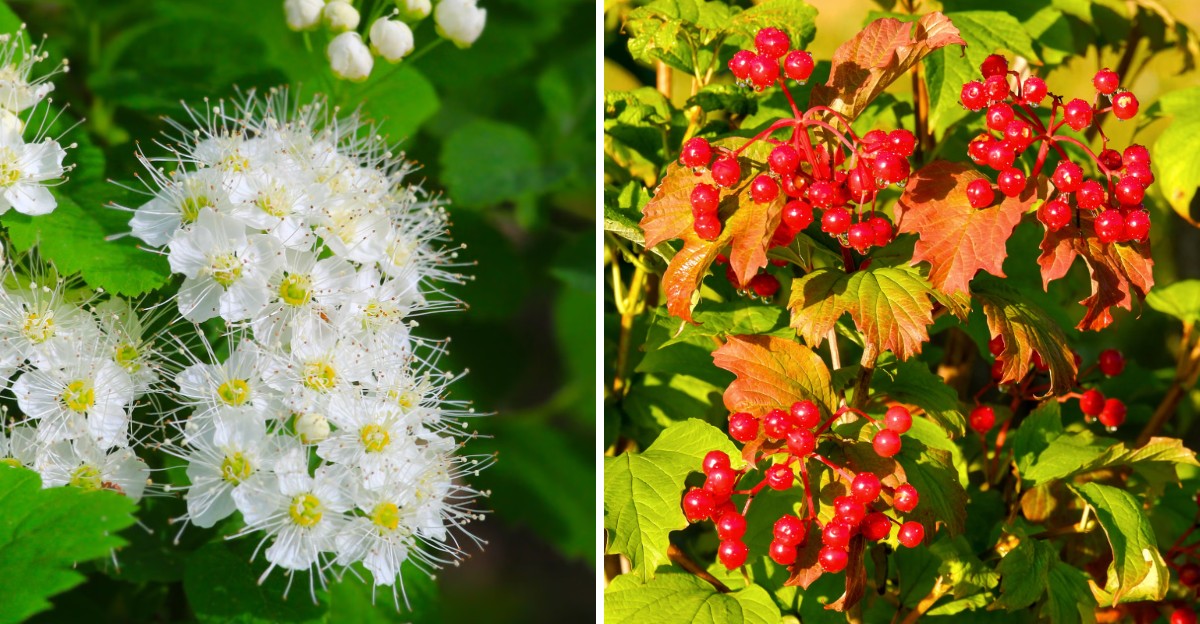
New York law requires a famous red hedge plant to carry a tag warning shoppers that it is invasive. That little label surprised me the first time I spotted it on a nursery shelf last October.
Birds gobble its berries each fall and drop the seeds deep inside forests far from any garden. Thick carpets of seedlings then crowd out native wildflowers and young trees across shady woodland floors statewide.
I loved that scarlet blaze for years, so pulling mine felt a little like breaking up with an old friend. After I tested a few local shrubs instead, the regret faded faster than the leaves themselves.
You can still have fiery autumn color in New York without sending trouble into the woods next door. Here are the homegrown shrubs that earned a spot in my yard, including the one that surprised me the most this year.
1. Virginia Sweetspire
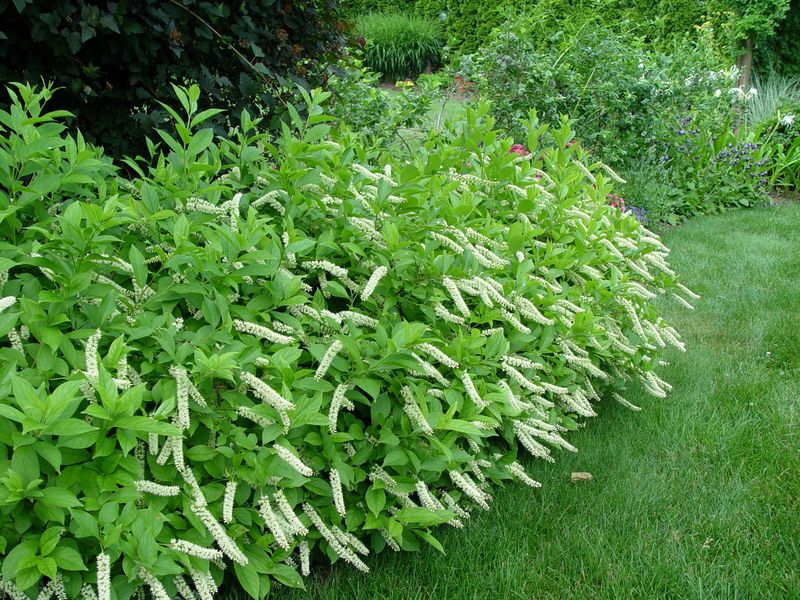
Grab a sweetspire leaf in late October and you might swear someone dipped it in cranberry juice overnight. The color often hangs on into early winter, long after nearby maples have dropped their show.
In early summer, the shrub drapes itself in drooping white flower spikes that smell faintly sweet on warm evenings. Bees and butterflies crowd those spikes, and I love watching them work from my shady porch.
One honest note belongs here, since sweetspire grows wild mainly in the Southeast and reaches north into southern New Jersey. It is native to the eastern United States, though not to wild New York forests.
Plants typically reach three to six feet tall and spread slowly by suckers into a loose, friendly patch. That habit makes it handy for filling a soggy corner or holding soil along a gentle slope.
Sweetspire tolerates full sun to fairly deep shade, but more sun usually means richer autumn color on the leaves. Moist, acidic soil suits it best, and it even shrugs off brief flooding after heavy storms.
October is a fine time to plant one, because cool air and warm soil help roots settle before frost. Water deeply once a week until the ground freezes, then let the winter season take over.
Deer mostly leave it alone, which matters in suburbs where hungry herds treat gardens like open buffets. Cultivars like Henry’s Garnet are easy to find and hold strong color in Zone 5 gardens.
2. Black Chokeberry
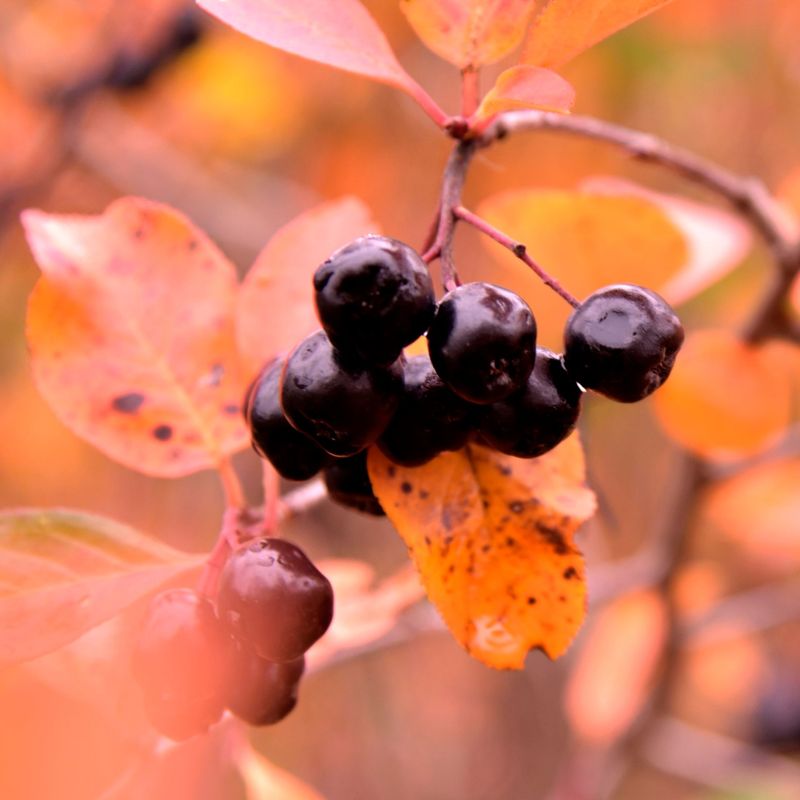
Take one bite of a raw chokeberry and your mouth will pucker like you just licked a lemon peel. Birds feel differently, and they happily strip the dark fruit once winter food grows scarce.
This tough little native grows wild in soggy bogs and on dry rocky ridges across much of New York. That split personality means it handles heavy wet clay or sandy dry spots with surprising ease.
Expect a compact shrub, usually three to six feet tall, with stems that sucker into a tidy clump. White spring flowers attract early bees, and glossy black berries ripen by the end of summer.
Your New York Garden Changes Every Week. Your Plan Should Too.
Gardening in New York changes quickly throughout the season. Every Friday you’ll receive a simple weekly plan showing exactly what to plant, prune, fertilize, harvest, and protect so you never miss the right timing.
Autumn is when chokeberry steals the spotlight, as its leaves glow wine red and bright orange together. Full sun brings out the best color and the heaviest fruit, though partial shade still works fine.
I planted mine near a downspout where nothing else would grow, and it shrugged off the constant puddles. Urban gardeners like it too, because it tolerates road grit and city pollution better than many shrubs.
Deer do nibble chokeberry, so young plants may need a simple wire cage during their first winter outdoors. Once the shrub fills out, a little browsing rarely causes lasting harm to its overall shape.
Curious about eating the berries yourself before the birds claim their share each autumn in your yard? Cook them into jam or bake them into muffins, since sugar tames that sharp, drying taste nicely.
3. Redosier Dogwood
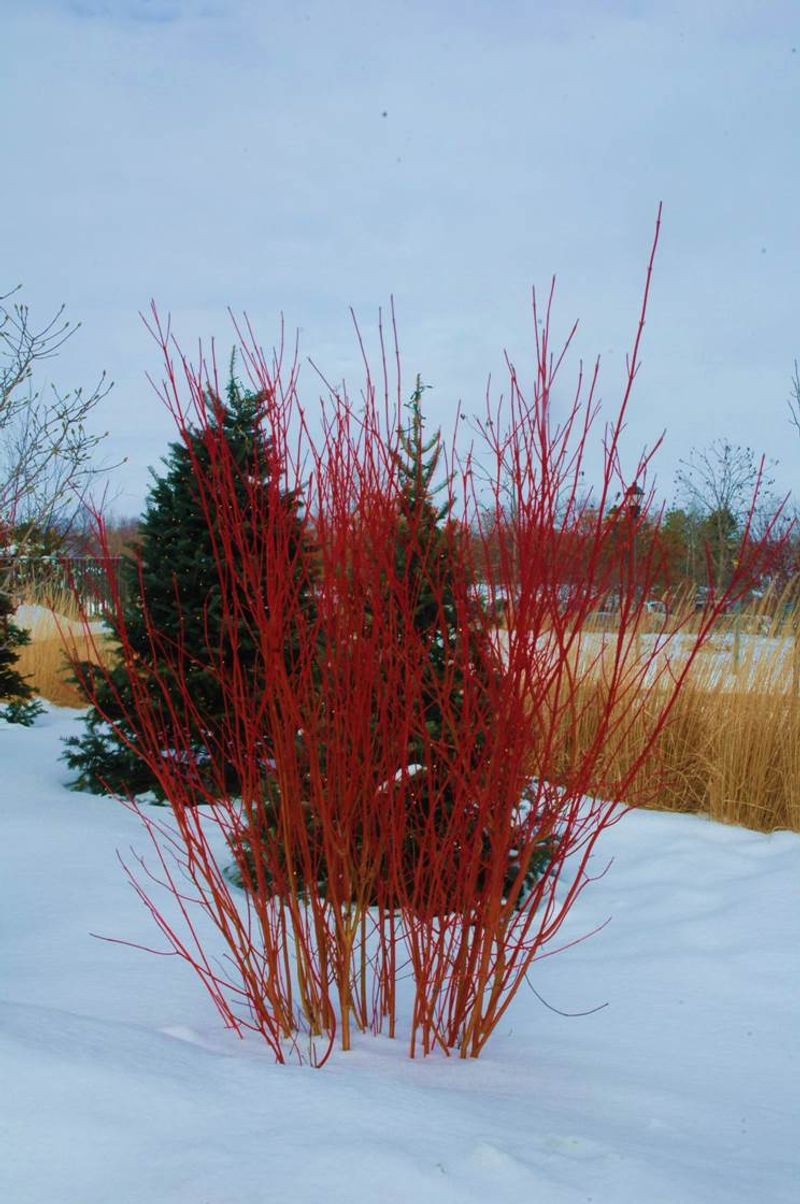
Snow makes this shrub look like someone stuck bright red pipe cleaners straight into the frozen ground. Those glowing stems are its best trick, and they shine hardest from late fall through early spring.
Redosier dogwood grows wild along streams and wet meadows across the Northeast and much of North America. It usually reaches six to nine feet tall and spreads wider through creeping stems that root easily.
Flat clusters of small white flowers open in late spring, then turn into white berries by late summer. Many songbirds snap those berries up quickly, so enjoy the pale fruit while it lasts on branches.
Right now in October, the leaves shift toward purple and deep red before dropping to reveal the bark. I make a habit of walking past mine every few days, just to catch that colorful switch happen.
Moist soil is the secret, and this dogwood thrives where lawns stay soggy for days after heavy rain. Full sun to light shade gives the reddest stems, because shady plants tend to look washed out.
Older stems fade to dull brown, so prune about a third of the oldest canes each spring. That simple habit keeps fresh red growth coming year after year without much fuss or special tools at all.
Stream restoration crews love this plant, since its spreading roots grip muddy banks and slow down erosion. If your yard has a wet ditch or rain garden, this shrub may solve that problem beautifully.
4. Common Ninebark
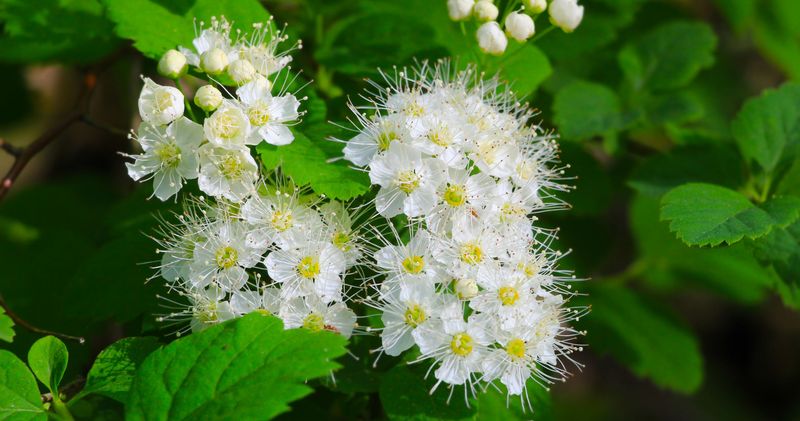
Peel back the old bark on a ninebark stem and you will find layers of cinnamon and tan underneath. Those shaggy trunks give the shrub real winter interest after its leaves fall away each autumn.
Ninebark is native to much of New York, often growing along riverbanks and rocky lake shorelines. Wild plants usually stand five to ten feet tall, with long arching branches that spill outward gracefully.
Rounded clusters of white or pale pink flowers cover the branches in late spring and early summer. Bees swarm those blooms, and small reddish seed capsules follow and often hang on well into winter.
Fall color on the plain green form is modest, usually a warm yellow or soft bronze by October. Purple-leaved cultivars like Diabolo add drama, though their autumn tones lean toward muted red and brown.
This shrub is a tough customer that handles heavy clay and dry summers once its roots settle in. Full sun gives the most flowers, but it still performs nicely in partial shade along a fence line.
Deer browse ninebark readily, so protect young plants with fencing if herds visit your yard on winter nights. Powdery mildew can show up on some purple types, so give each plant room for good airflow.
Moth caterpillars feed on its leaves, and those caterpillars then feed hungry nesting birds every spring season. I like knowing my ninebark quietly supports a whole food web while asking for little care in return.
5. Highbush Blueberry
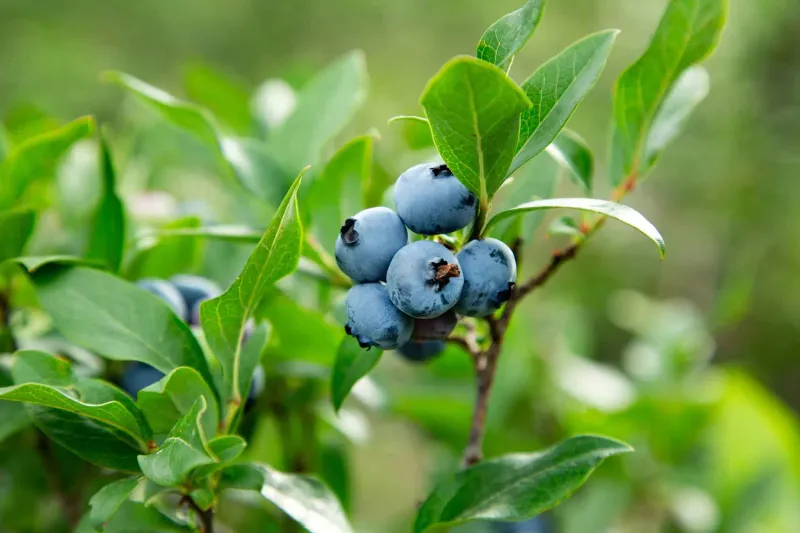
Who knew a fruit bush could blaze as brightly as any ornamental shrub on the block each October? Highbush blueberry leaves flare scarlet and orange, and the show easily rivals that famous invasive hedge.
This shrub grows wild in swamps and acidic woods across New York, so it feels right at home here. Mature plants usually reach six to twelve feet tall, with a pleasing rounded and multi-stemmed shape.
Small white bell-shaped flowers dangle in spring, feeding bumblebees and other native bees on cool mornings. Summer brings the berries, and you will compete with catbirds and chipmunks for every ripe handful.
Acidic soil matters more than anything else, ideally with a pH somewhere between 4.5 and 5.5 for best growth. A simple soil test this fall tells you whether to add sulfur before planting next spring.
Plant at least two different varieties near each other for better pollination and noticeably bigger summer harvests. Full sun gives the sweetest fruit, though plants still grow well in light afternoon shade too.
Mulch with pine needles or wood chips to keep shallow roots cool and moist through long dry spells. Those roots dislike hoeing, so pull weeds by hand rather than scraping the soil around the stems.
Deer may nibble twigs over winter, and birds will grab berries unless you add netting in summer. Honestly, I share a fair amount with the robins, and the trade feels pretty reasonable to me.
6. American Cranberrybush Viburnum
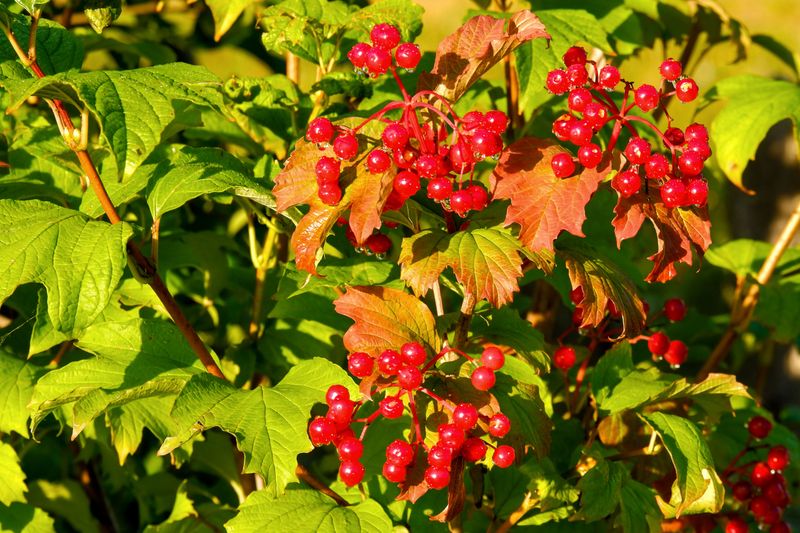
Despite the name, this shrub has no connection to the cranberries in your holiday sauce at all. It earned the nickname from its glossy red fruit, which looks remarkably similar hanging in heavy clusters.
Botanists now often list it as Viburnum opulus var. americanum, though nurseries still sell it as Viburnum trilobum. Make sure the tag says American, since the European cousin spreads aggressively in some regions.
Lacy white flower clusters open in late spring, with showy outer blooms circling tiny fertile flowers inside. The three-lobed leaves look a lot like small maple leaves, which surprises plenty of first-time visitors.
Autumn turns the foliage reddish purple, and the translucent berries ripen bright red around this time of year. They often persist into winter, becoming food for hungry birds once other fruit runs out.
Most plants grow eight to twelve feet tall and wide, forming a dense green screen along property lines. Moist, well-drained soil in full sun or partial shade gives the strongest growth and heaviest fruit.
One pest deserves attention, because viburnum leaf beetle has spread across New York in recent decades. Check twigs this fall for small capped egg sites, and prune infested twigs before larvae hatch next spring.
I scan my plants every October with a warm cup of tea in hand, snipping any suspicious twigs. That small habit keeps the shrub healthy and keeps beetle numbers low the following growing season.
7. Spicebush
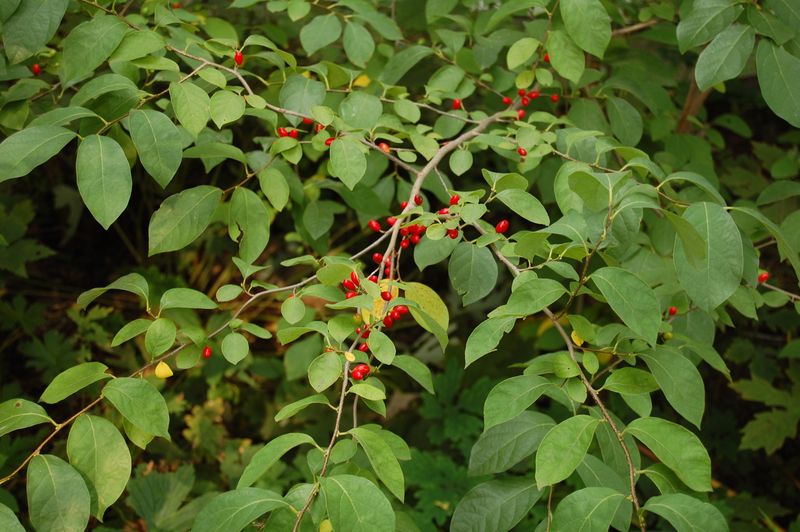
Crush a spicebush leaf between your fingers and a citrusy, peppery scent jumps right out at you. I do it every time I walk past, and visiting kids find the trick irresistible too.
Native across much of New York, spicebush grows wild in moist woods and along shady stream banks. It usually reaches six to twelve feet tall, with a loose rounded shape that suits woodland gardens.
Tiny yellow flowers cover bare branches in early spring, often weeks before most other shrubs wake up. Early bees welcome that meal when very little else is blooming in the chilly woods nearby.
October brings buttery yellow leaves and shiny red berries on female plants, a cheerful combo in shade. Plants are male or female, so grow several to make sure some of them produce fruit.
Those berries are packed with fat, which makes them prized fuel for migrating thrushes and other songbirds. Birds often clear the branches quickly, so enjoy the red show while it lasts each fall.
Spicebush swallowtail caterpillars feed on the leaves, folding them into tiny shelters held together with silk. Older caterpillars sport fake eyespots that make them look like small snakes, which is wonderfully weird.
Partial shade and moist soil suit it best, though full sun brings noticeably richer golden fall color. Deer usually skip the aromatic foliage, which makes this shrub a smart pick for browse-heavy suburbs.
8. Nannyberry
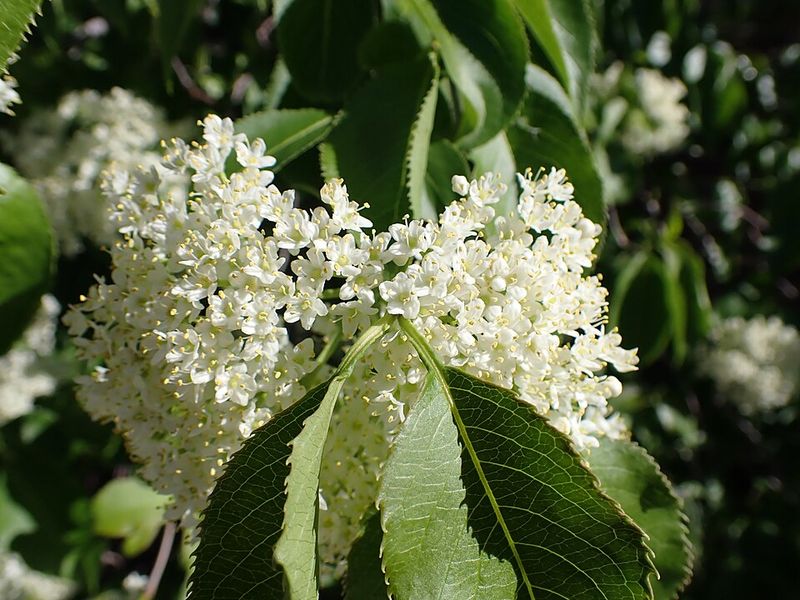
Snack-loving hikers sometimes nibble nannyberry fruit, which tastes a little like sweet prunes when fully ripe. The berries are edible, though they carry large flat seeds, so expect more spitting than chewing.
This viburnum grows wild along woodland edges and stream banks throughout much of the state and region. It can become a small tree, often twelve to twenty feet tall, so give it space to stretch.
Creamy white flower clusters appear in late spring, drawing butterflies and many kinds of native bees. Glossy leaves follow summer with autumn shades of purplish red, especially on plants grown in full sun.
Fruit ripens from green to pink and finally blue-black, often clinging to branches well into winter. Robins and cedar waxwings rely on that late food after most insects have disappeared for the season.
Nannyberry handles both dry banks and soggy low spots, which makes it remarkably forgiving for busy gardeners. Full sun to partial shade works, and established plants shrug off brief flooding after big storms.
Plants spread by root suckers over time, building a thicket that birds love for safe nesting cover. Snip unwanted suckers each year if you prefer a single tidy trunk in a smaller suburban yard.
Viburnum leaf beetle may also feed here, so inspect twigs alongside your other viburnums this fall. Planting now gives roots a head start, and you might be tasting berries within a few seasons.