New York Homeowners, Don’t Rush To Repot Your Christmas Cactus. Here’s Why
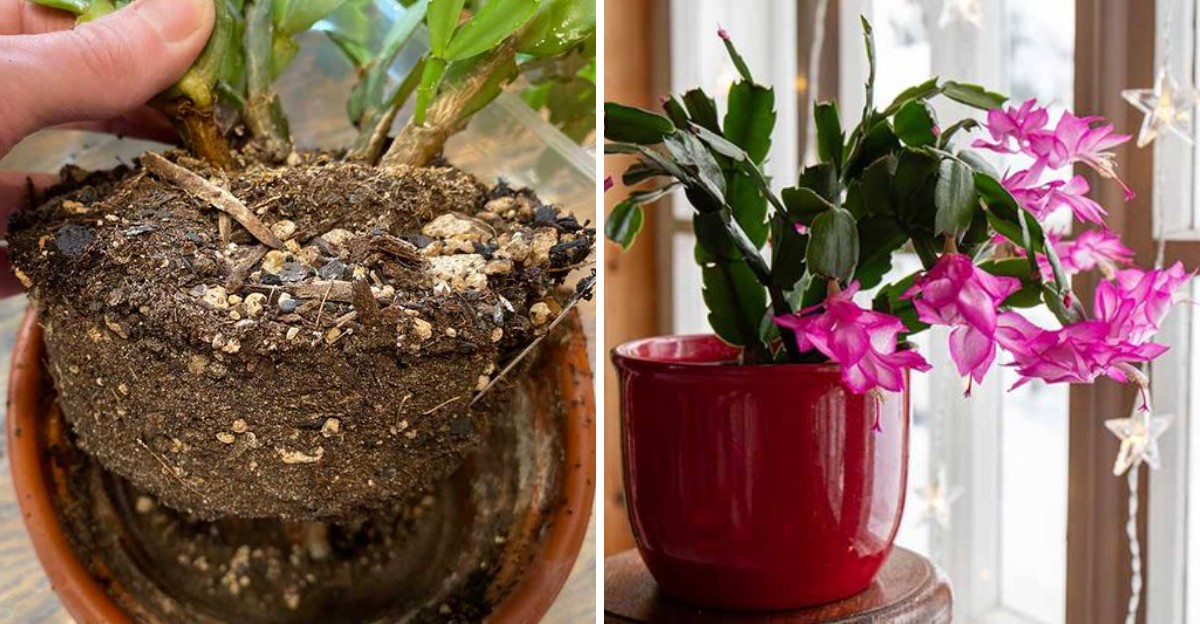
Your Christmas cactus has a secret wish, and it’s hiding right under the soil. Those flat green segments and bright holiday blooms depend on roots tucked inside a cozy pot.
Over time, that pot gets crowded and the soil breaks down. In New York homes, dry radiator air and chilly windowsills add even more stress.
A smart repot can turn a tired plant into a lush showpiece again. It’s easier than it looks, and you don’t need fancy tools or a greenhouse.
You just need good timing, the right soil, and a few gentle habits. Spring after blooming is the best window, and a slightly snug pot actually helps flowering.
Get those pieces right, and the plant can bloom for decades!
1. Spring After Blooming Is The Ideal Window
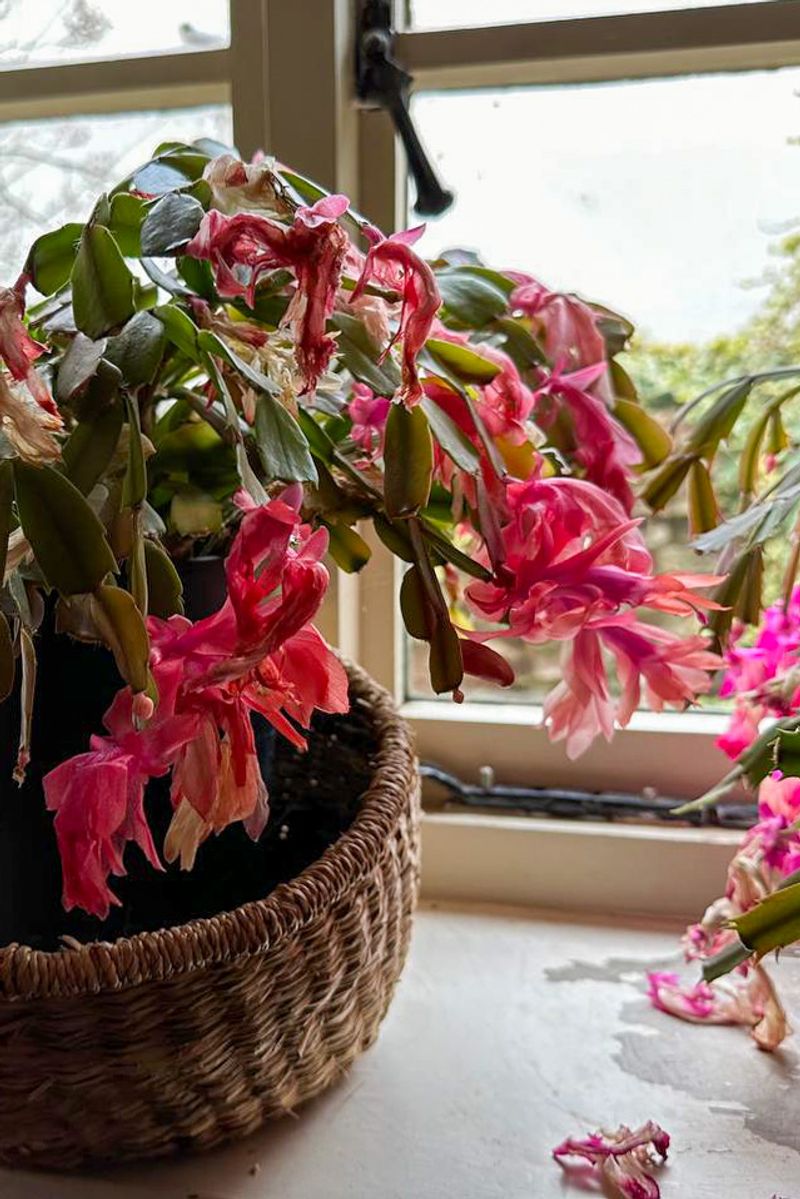
Picture your cactus in February, its last pink petals drifting onto the windowsill like confetti. Believe it or not, that quiet moment is your signal to start planning a fresh pot.
Once the flowers fade, the plant slips into a short rest before new growth begins. Repotting during this pause gives the roots time to settle in before the busy season arrives.
For most growers in New York, the sweet spot falls between February and April. Days are getting longer, and the plant is ready to push out bright new segments soon.
Timing matters because a stressed plant can hold a grudge for months. Disturbing the roots at the wrong moment may lead to dropped buds when the holidays roll around again.
Spring repotting works almost like a reset button for the whole year. Roots can spread through fresh mix all summer and build strength for a strong autumn bloom.
Here is a handy tip from experienced growers who love their holiday cacti. Mark your calendar for two weeks after the final flower drops, then check the roots that weekend.
Watch for small signs that your plant is waking up from its winter rest. Tiny new segments at the tips usually mean the cactus is ready for a gentle move.
Fun fact: in its Brazilian rainforest home, this plant blooms as days shorten in late autumn, around May. North of the equator, those same short days arrive near Christmas, which is how it earned its name.
2. Every Two To Three Years Is Enough
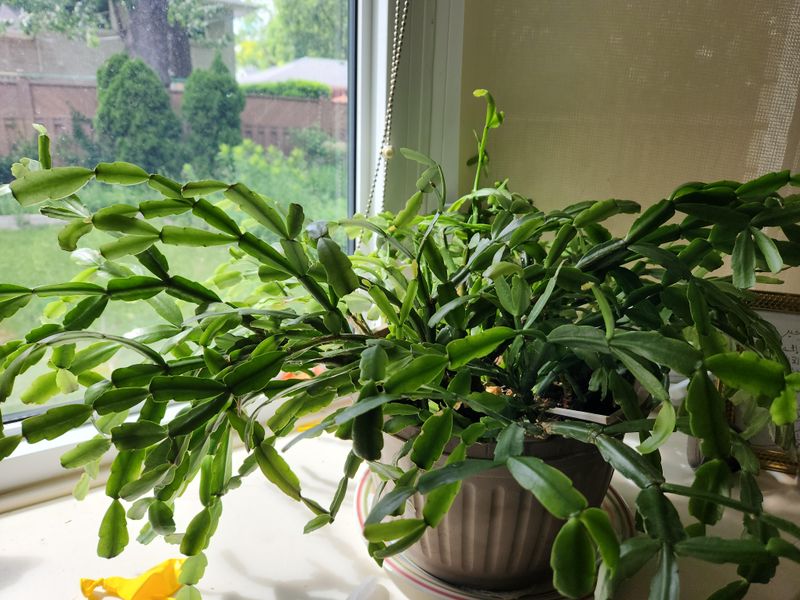
Good news for busy plant parents: this cactus does not want a new home every year. In fact, it seems happiest when its roots feel a little snug and settled.
Most growers repot every two to three years, and some wait even longer. Older plants with healthy growth can sometimes go three to five years between moves without trouble.
Repotting too often can actually slow down blooming. A plant busy filling a roomy new pot puts energy into roots instead of those gorgeous holiday flowers.
So how do you know when the time has come? Roots creeping out of the drainage holes are a clear clue that space is running out.
Other hints include slower growth, yellowing segments, or pieces dropping off for no obvious reason. Soil that dries out within a day or two may also mean roots have crowded out the mix.
Your New York Garden Changes Every Week. Your Plan Should Too.
Gardening in New York changes quickly throughout the season. Every Friday you’ll receive a simple weekly plan showing exactly what to plant, prune, fertilize, harvest, and protect so you never miss the right timing.
Even a plant that looks fine benefits from fresh soil every few years. Old mix breaks down, packs tightly, and loses the airy texture that roots love so much.
Try this quick check during your spring cleaning routine. Gently tip the plant out and look at the root ball; if roots circle the bottom, it is moving day.
Keep a little note taped under the pot with the last repotting date. Many New York plant lovers swear by this trick, especially when caring for cacti passed down through families.
3. A Slightly Bigger Pot Is All It Needs
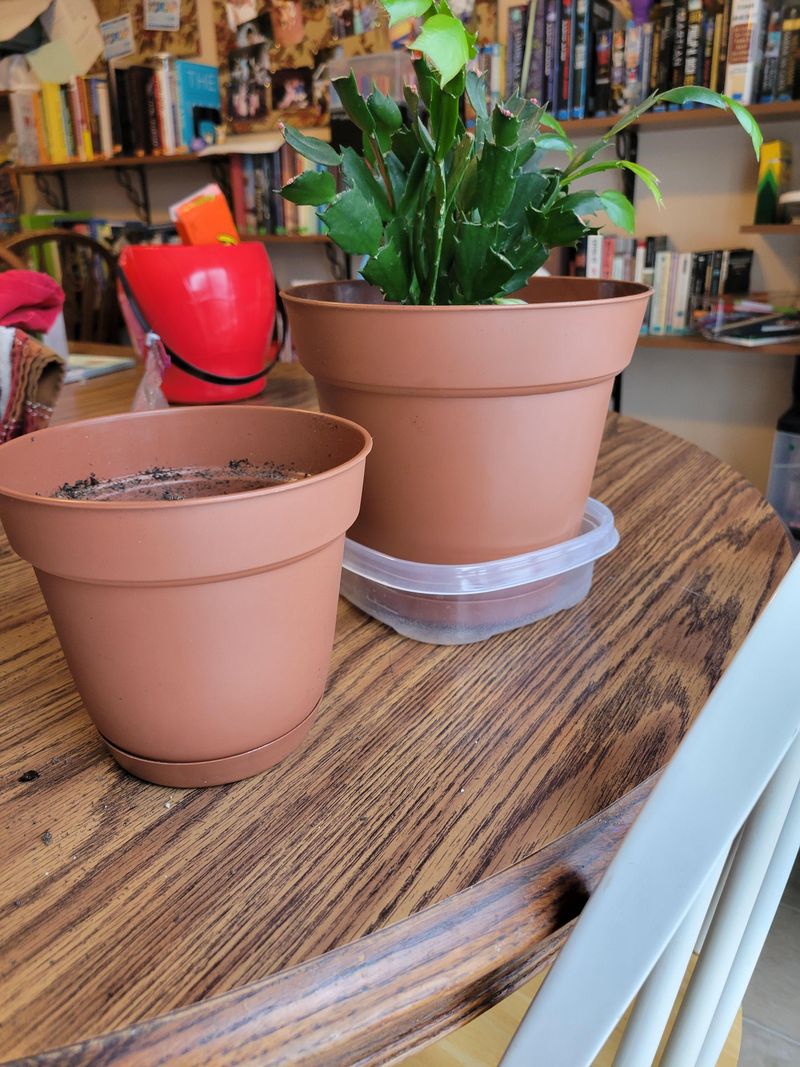
Bigger is not better when it comes to Christmas cactus pots. Think of it like shoes: a pair three sizes too large just leaves you tripping.
Choose a new container only one to two inches wider than the old one. That small upgrade gives roots fresh room without leaving pockets of soggy, unused soil behind.
An oversized pot holds far more water than the roots can drink. Extra moisture lingers around the root ball and invites rot to sneak in quietly.
Roomy pots can also delay flowering for a season or two. Your plant blooms best when roots feel cozy, so a modest step up keeps the flower show on schedule.
Depth is less important than width for this plant. Its roots stay fairly shallow, so a wide, low pot often looks better and works better too.
Terracotta makes a smart pick for many growers. The clay breathes and pulls extra moisture from the soil, which helps prevent the mix from staying wet too long.
Plastic pots work well in dry apartments with blasting winter heaters. They hold moisture a bit longer, which can balance out the parched air in many New York homes.
Whatever material you choose, peek underneath before buying. A pot without a hole is a pretty trap, no matter how charming the glaze looks on the shelf.
4. Cactus Mix With Perlite Drains Quickly
Here is a surprise for many new growers: the Christmas cactus is not a desert plant at all. It grows on tree branches in the Brazilian rainforest, tucked into moss and leaf litter.
Because of that background, it needs soil that drains fast yet still holds a little moisture. Regular potting soil is usually too heavy and stays damp for far too long.
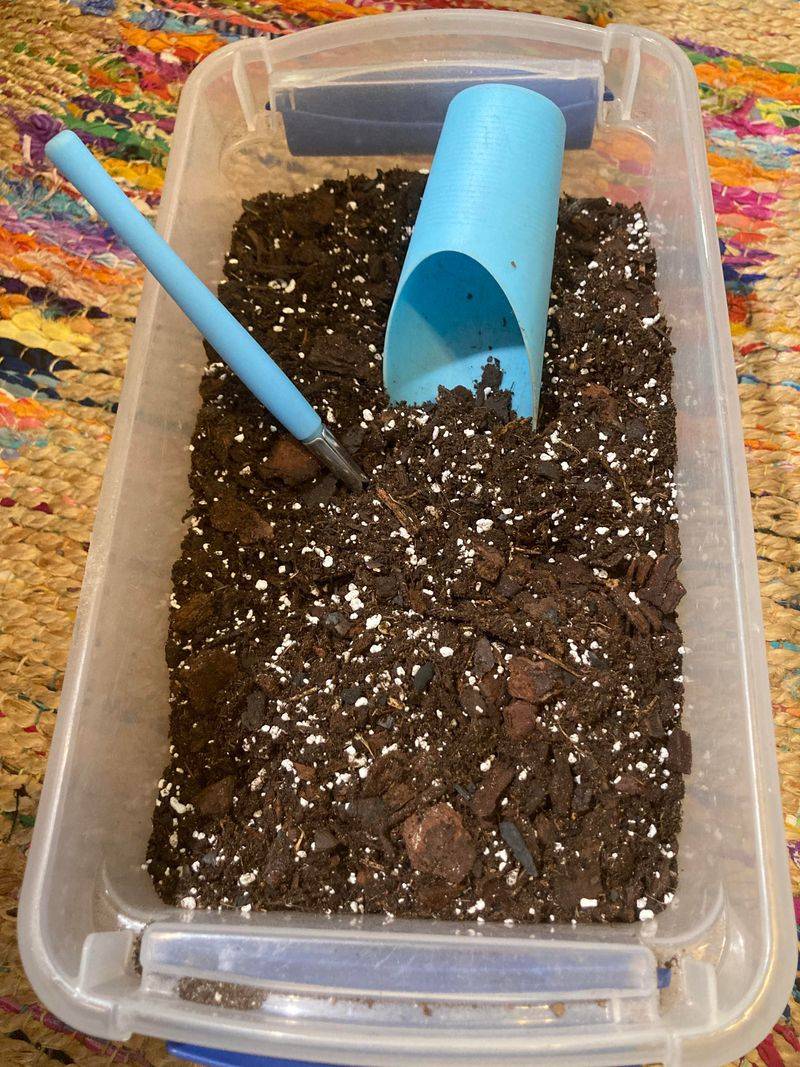
A store-bought cactus or succulent mix makes a great starting point. Stir in extra perlite, and you will have a blend that feels light and fluffy in your hands.
Perlite is the white, popcorn-like material you see in many bags of soil. It creates tiny air pockets so roots can breathe and water can flow through freely.
Want to mix your own at home? Try two parts potting soil, two parts coarse sand, and one part perlite for a dependable recipe.
Some growers add a handful of orchid bark for an extra boost. The chunky pieces mimic the tree bark this plant clings to in its wild home.
Do a quick squeeze test before you plant. Grab a moist handful; if it crumbles apart easily, the texture is just right for your cactus.
Skip garden soil from the backyard, even if it looks rich and dark. It packs down hard in containers and may carry pests that hitch a ride indoors.
5. Drainage Holes Protect Against Rot
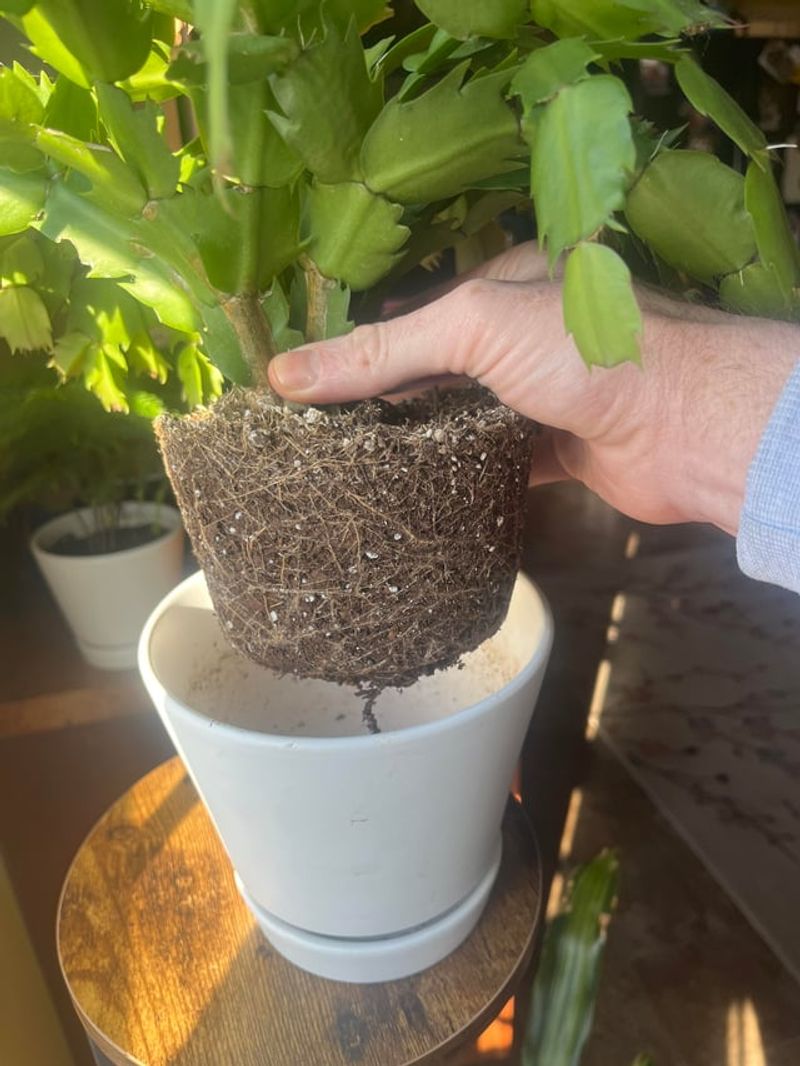
Soggy roots are the number one troublemaker for a Christmas cactus. Even careful waterers can run into problems if extra water has nowhere to escape.
A simple hole at the bottom of the pot changes everything. Excess water drains out, air moves back in, and the roots stay fresh and firm.
Remember, this plant clings to tree branches in the wild. Rain runs right past its roots, so they are not built to sit in puddles for days.
Root rot often hides below the surface until damage is serious. Watch for mushy stems, limp segments, yellow color, or a sour smell rising from the soil.
Love a pretty pot that lacks a hole? Keep your cactus in its plastic nursery pot and simply set it inside the decorative one.
Lift the inner pot out when you water and let it drip in the sink. Once the dripping stops, slide it back into its stylish cover pot.
Saucers deserve attention too, since they quietly collect runoff. Empty them about fifteen minutes after watering so the roots are not soaking from below.
A layer of gravel at the bottom of a pot does not fix poor drainage. Experts say it can actually raise the wet zone closer to the roots, so skip that old trick.
6. A Gentle Root Trim Helps The Transition
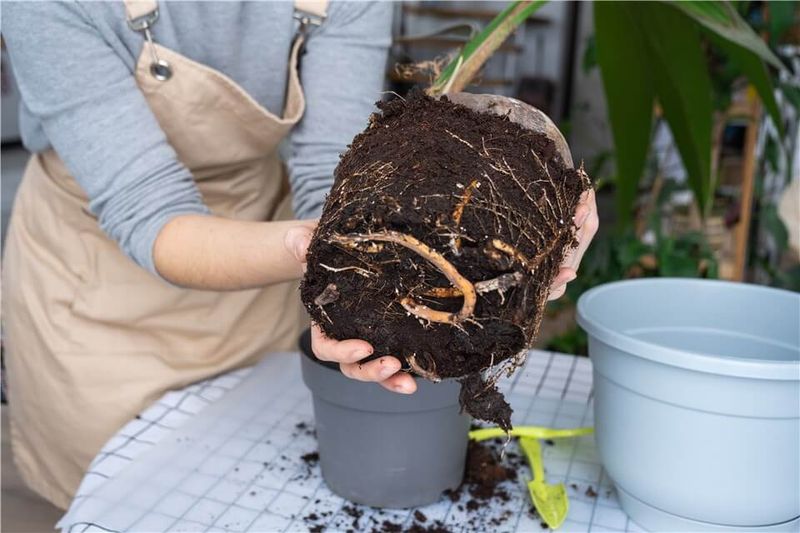
Think of this step as a spa day for your plant. A little tidying below the soil can help it move into its new pot feeling refreshed.
Start by squeezing the sides of a plastic pot to loosen the root ball. For clay pots, slide a butter knife around the inside edge to free things up.
Tip the plant out while supporting the base of the stems. Pulling by the segments can snap them off, so let your palm do the heavy lifting.
Now take a close look at the roots. Healthy ones look white or light tan, while troubled roots appear brown, soft, or stringy.
Grab clean scissors and snip away only the damaged sections. Wiping the blades with rubbing alcohol first keeps germs from spreading into fresh cuts.
If roots circle tightly around the bottom, gently tease them apart with your fingers. Loosening them encourages new growth outward into the fresh soil.
Set the plant at the same depth it grew before, about an inch below the rim. Fill around it with mix and press lightly to remove large air pockets.
Bonus tip for curious gardeners: any segments that break off can become new plants. Let them dry for a day, then tuck them into damp mix to root and share with friends.
7. A Light Watering Settles The New Mix
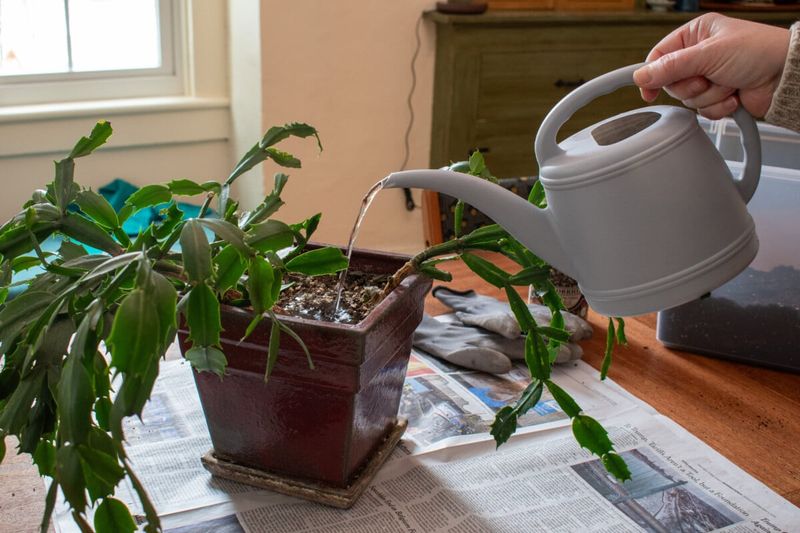
Your plant just moved into a brand-new home, and it might feel a bit rattled. A small, gentle drink can help it relax and settle into its surroundings.
Light watering helps the fresh mix snuggle around the roots. It fills tiny gaps and gives the plant steady support in its new container.
Notice the word light, because a flood is not the goal here. Roots trimmed or bruised during repotting are tender and can rot if they stay soaked.
Some growers prefer to wait a week or even two before watering. The pause gives small root wounds a chance to heal and seal over safely.
Either approach can work well, depending on your home. A dry, heated New York apartment may call for an earlier sip than a cool, humid room.
After that first drink, let the top inch or two of soil dry out. Poke a finger into the mix; if it feels dry at your first knuckle, water again.
Keep your freshly potted cactus out of direct sun for about a week. Bright, filtered light helps it recover without extra stress on tired roots.
Hold off on fertilizer for roughly a month as well. Fresh mix already offers nutrients, and tender roots need time before handling plant food.
8. Budding Plants Should Stay Put Until Spring
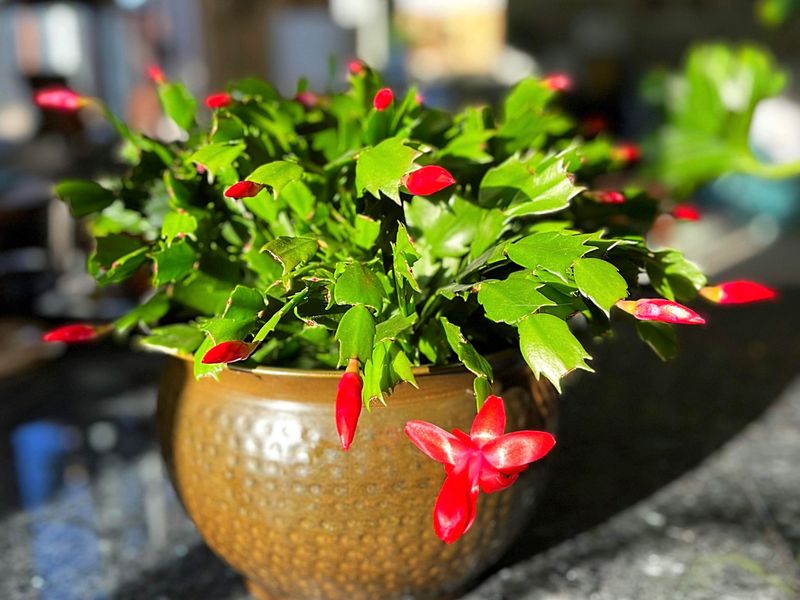
Few things sting like watching tiny pink buds tumble onto the floor. Sadly, repotting during bud season is one of the fastest ways to make that happen.
Bud drop happens when the plant feels stressed. Disturbing roots, changing pots, or even moving rooms can push it to shed its developing flowers.
Once buds form, the plant actually orients itself toward its light source. Turning or shifting the pot can confuse it and cause buds to fall away.
So if your cactus looks crowded in November, resist the urge to fix it right away. Enjoy the flowers first, then plan the move for late winter or early spring.
Pick a permanent spot for your plant before buds appear in fall. Once they show up, leave the pot exactly where it is until blooming ends.
Other things can trigger bud drop as well. Sudden temperature swings, dry air, too much water, or heavy feeding may all upset this sensitive plant.
Keep it away from drafty doors and blasting radiators, both common in older New York buildings. Steady conditions help those buds swell into full, glowing blossoms.
Patience pays off with this plant in a big way. A few months of waiting often means a crowded pot bursting with color by the holidays.
9. Summer Shade Keeps Segments From Scorching
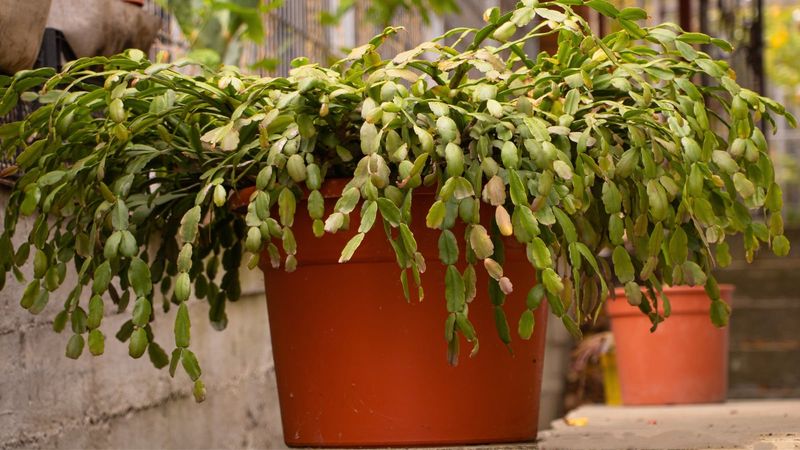
Imagine strolling through a rainforest, sunlight flickering through layers of leaves overhead. That soft, dappled glow is exactly the light your Christmas cactus craves.
Bright, indirect light keeps the plant healthy and growing strong. Harsh afternoon sun, however, can bleach or burn those flat green segments quickly.
Hot summers can be especially tough on this plant. Watch for segments turning reddish purple, pale, or yellow, since those colors often signal too much sun.
Your cactus may enjoy a summer vacation outdoors once nights stay above 50 degrees. A shaded porch, patio, or spot under a leafy tree makes a lovely retreat.
Morning sun with afternoon shade works beautifully for many growers. Gentle early light encourages growth without the intense heat of midday rays.
Indoors, a sheer curtain can soften strong sunlight from south or west windows. East-facing windows often provide just the right amount of brightness.
Outdoor plants usually need water more often than indoor ones. Check the soil every few days, especially during heat waves and breezy afternoons.
Bring the plant inside before temperatures dip near 45 degrees in early fall. A gradual move back indoors helps it adjust without shock or segment drop.
10. Cool, Dark Fall Nights Bring Back The Blooms
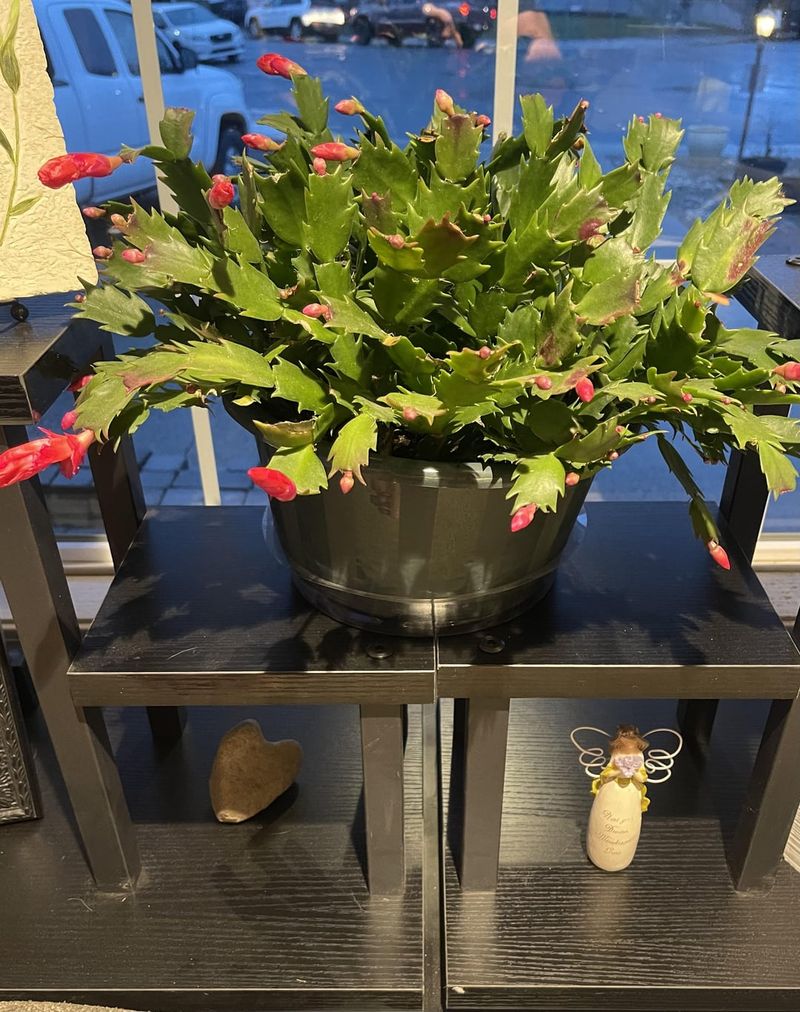
Here is the magic trick behind those holiday blossoms: darkness. Your Christmas cactus is a short-day plant, which means long nights tell it to start making flowers.
Starting in mid-September or early October, give it 12 to 14 hours of darkness nightly. Keep this routine going for about six to ten weeks.
Even a quick flash of lamp light can interrupt the process. Many growers tuck their plant into a spare room or closet each evening.
Cool temperatures matter just as much as darkness. Nights between 50 and 65 degrees encourage buds to form along the segment tips.
Luckily, crisp autumns make this step easier than you might expect. A cool bedroom or enclosed sunporch can provide the perfect natural chill.
During the day, the plant still needs bright, indirect light. Water a bit less during this period, letting the soil dry slightly more between drinks.
Once tiny buds appear, return your cactus to its usual display spot. Resume regular watering and enjoy watching the flowers swell week after week.
Did you know some Christmas cacti in families have bloomed for over 100 years? With smart repotting and these fall habits, yours could become a treasured heirloom too.