When To Aerate Your New York Lawn For Best Fall Results
Compacted soil can hold back your lawn even while you water it. Summer traffic from kids, dogs, and the neighbor who cuts across compressed your soil. Water runs off instead of soaking down. Your fertilizer sits on top, unused.
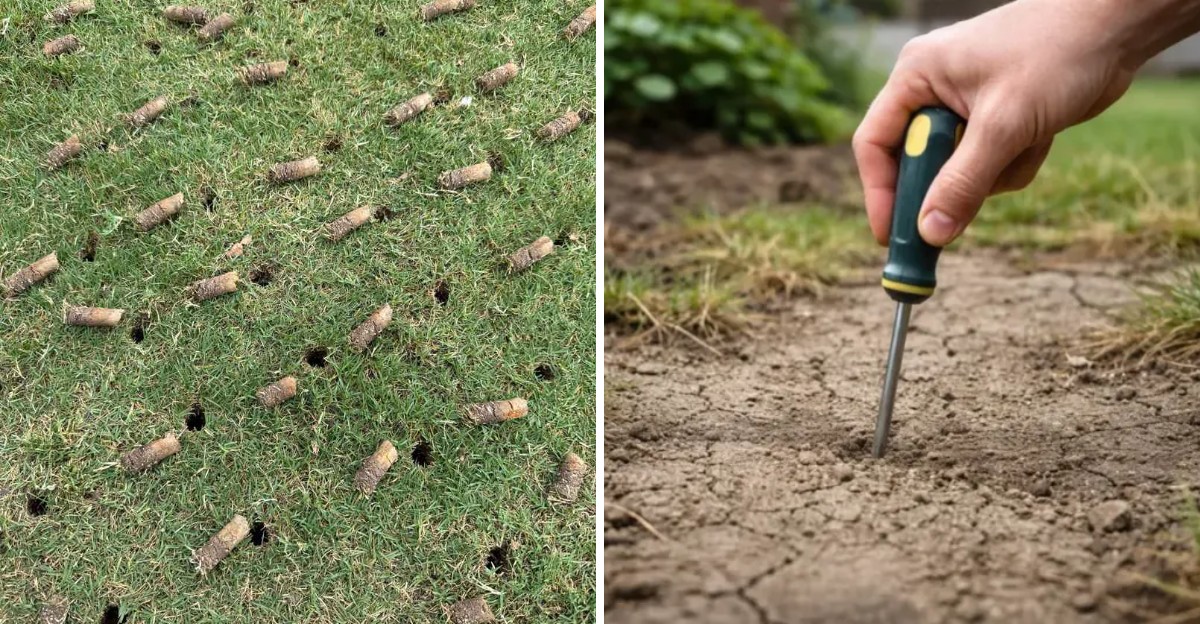
Luckily, core aeration loosens packed ground. This process pulls small soil plugs, opening channels for oxygen and nutrients.
Timing matters more than the machine you rent. In New York, cool-season grasses like bluegrass and fescue recover especially well in early fall.
Warm soil and cooler air push roots deeper while weeds slow down. Aerate too early, and heat slows recovery.
Wait too long, and frost arrives before seedlings settle. You want early fall, timed to your local frost.
Nail it, and New York winters work in your favor. By spring, you step onto thick, cushioned grass that shrugs off backyard games.
1. Check Whether Your Fall Window Is Still Open
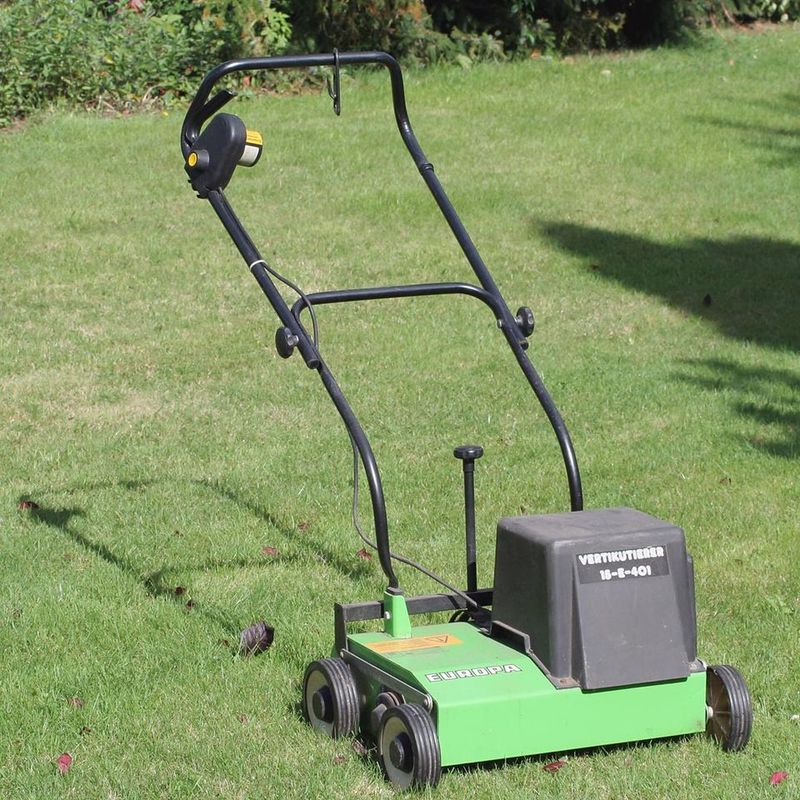
Early October is here, and the classic aeration window has mostly passed for much of the state. That does not mean your lawn missed its chance this year.
Cool-season grasses like Kentucky bluegrass, tall fescue, and perennial ryegrass dominate yards across New York. They grow hardest when days stay warm and nights turn cool.
Late August through mid September remains the ideal stretch, giving roots several weeks of steady growth before winter. Grass needs roughly four weeks after aerating to fill in the holes.
Downstate lawns still have room to work. Long Island, Westchester, and the five boroughs can often aerate through early October while ocean air keeps soil warm.
Upstate yards face a tighter squeeze. Near Buffalo, Syracuse, or Plattsburgh, frost may arrive within weeks, so check soil temperature before renting anything.
Readings above 50 degrees mean roots can still grow and heal. If numbers keep slipping lower, a spring pass or next fall makes more sense.
Spring aeration can work, but weeds enjoy those fresh openings as much as grass does. Crabgrass seeds sprout fast in warming spring soil and grab the space first.
Fall still flips that script in your favor. Summer weeds are winding down now, so your grass claims the room with far less competition.
If this season slips away, plan ahead instead. Mark late August on next year’s calendar so the window does not vanish during the busy back-to-school weeks.
Rent a machine early, too, since hardware stores run short quickly in September. Lawn services book up fast each September, so reserving a date in early summer locks in your spot.
2. Watch For Soil Temperatures Between 50 And 65 Degrees
Grass roots care more about the dirt than the weather app on your phone. Soil temperature tells you when roots are ready to grow and heal.
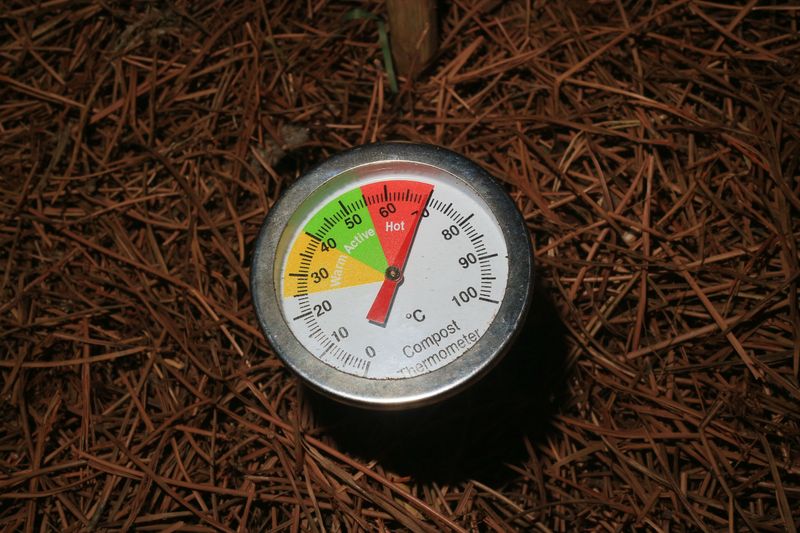
The sweet spot for cool-season grass is roughly 50 to 65 degrees at about four inches deep. In that range, roots stretch out quickly and fill aeration holes fast.
A soil thermometer is inexpensive and easy to find at many garden centers. Push it into the lawn in the morning and read it after a minute or two.
Your New York Garden Changes Every Week. Your Plan Should Too.
Gardening in New York changes quickly throughout the season. Every Friday you’ll receive a simple weekly plan showing exactly what to plant, prune, fertilize, harvest, and protect so you never miss the right timing.
Check a few spots, since sunny slopes warm up faster than shady corners near the house. Take an average so you get a fair picture of your yard.
Record your readings in a notebook or phone app for a week or so. Watching the trend matters more than a single reading on a random afternoon.
Cornell’s NEWA network, paired with the NYS Mesonet, shares weather and soil data statewide. Gardeners can peek at those numbers online to spot local trends.
Once readings dip under 50 degrees for several days, root growth slows way down. Aerating after that point still loosens soil, but grass has little time to fill the holes before winter.
By October, soil above 65 degrees is fairly uncommon outside a warm spell. Falling readings now matter more than any lingering summer heat.
Think of the thermometer as a friendly coach whispering when to get off the bench. Trust those numbers, and your timing will feel much less like guesswork.
3. Check Soil Moisture Before You Start
Ever tried pushing a straw into a frozen smoothie? Aerating bone-dry soil feels a lot like that, only louder and more tiring.
Core aerators need soft ground so the hollow tines can pull out neat plugs. Hard, dry dirt makes the machine bounce and skip across the lawn.
On the flip side, soaking wet soil turns into a muddy mess. The tines smear the holes shut, and your shoes collect half the yard.
The best moment usually comes a day after a good rain. You can also water about one inch the day before if skies stay clear.
Try the squeeze test to check conditions. Grab a handful of soil, squeeze it, and see if it crumbles apart gently.
If it drips water, wait another day or two. If it falls apart like dry sand, grab the sprinkler and give it a drink.
A simple tuna can placed on the lawn helps measure watering. Once it fills to about one inch, you have watered enough.
Water early in the morning so less moisture evaporates before it soaks in. Mark sprinkler heads, shallow cables, and septic lines with small flags before you start. Tines can snag hidden objects buried just below the surface.
Getting moisture right means deeper, cleaner holes and fewer extra passes with a heavy machine. Your back, and your rental budget, will thank you.
4. Adjust Timing For Upstate And Downstate Regions
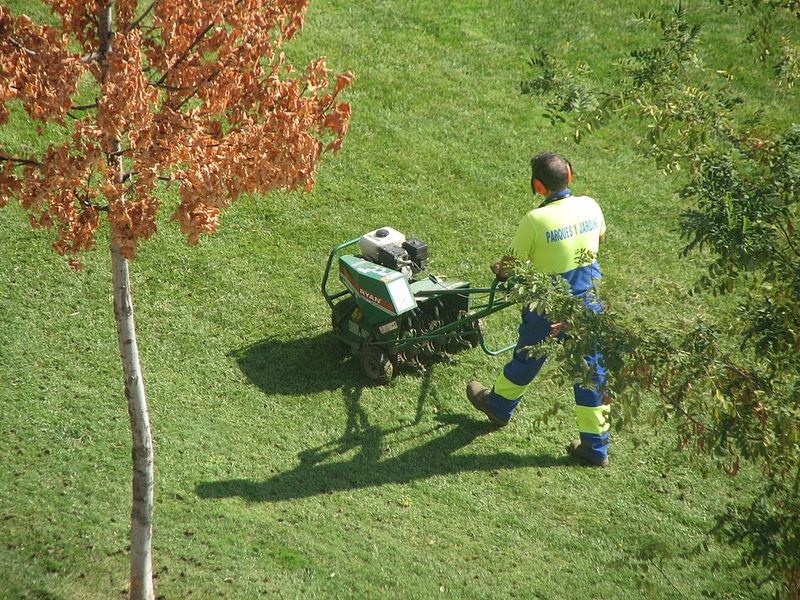
New York stretches from salty Montauk beaches to snowy Adirondack peaks. A single calendar date struggles to fit yards across such a varied state.
Upstate lawns near Buffalo, Syracuse, or Plattsburgh cool off sooner in the fall. Homeowners there typically aerate by early September, so this October requires extra caution.
The North Country and higher hills often see frost by late September. Aerating there this month may leave grass little time to recover.
The Southern Tier and Finger Lakes region fall somewhere in between. Valleys there can trap cold air, so low spots may chill faster than hillsides.
Downstate yards in Westchester, Long Island, and the five boroughs enjoy a longer growing season. Ocean breezes keep soil warm well into October.
Folks there can still aerate during the first half of October. Some Long Island lawns handle mid October just fine in mild years.
The Hudson Valley sits in the middle, both on the map and in timing. Early October there calls for a quick soil check before you rent.
Lake Erie and Lake Ontario shape weather too, giving nearby towns slightly milder autumns. Lake-effect snow later on, however, can blanket lawns quickly.
Chat with neighbors who have great lawns, or call your county Cooperative Extension office. Local advice outshines general rules when frost dates vary by weeks.
5. Pair The Job With Overseeding Right Away
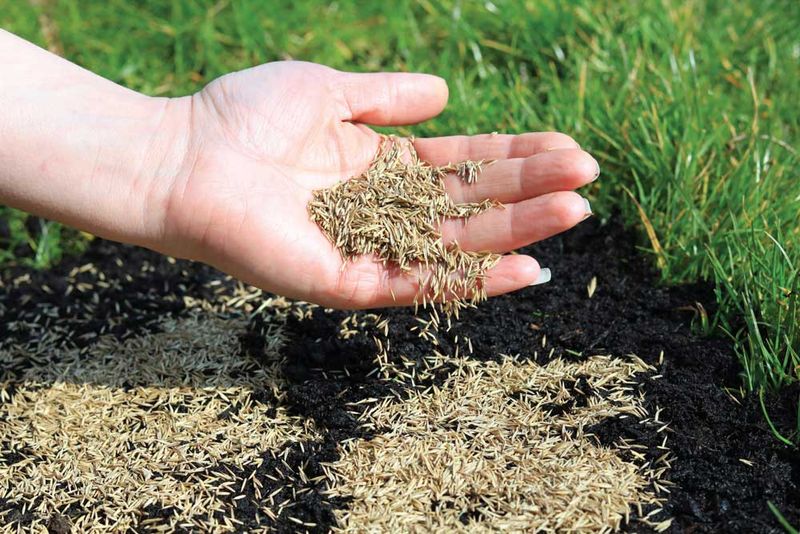
Those thousands of little holes are basically tiny seed beds waiting for guests. Leaving them empty feels like hosting a party and forgetting to send invitations.
Overseeding right after aerating is a highly effective step for homeowners. Seeds drop into the openings and touch soil directly, which boosts sprouting.
Pick a seed blend suited for your yard, like tall fescue for sun or fine fescue for shade. This late in the season, faster ryegrass and fescue outpace slow bluegrass.
Check the seed bag label for germination rates and weed seed content. Quality seed costs a bit more but produces a cleaner, thicker stand.
Spread the seed the same day or the next morning at the latest. A broadcast spreader gives even coverage without clumps or bare stripes. Split the seed into two batches and crisscross your passes across the lawn.
Follow up with a starter fertilizer made for new grass. It feeds young roots with the nutrients they crave in their early weeks.
Keep the top layer of soil moist for about two to three weeks. Light watering once or twice a day usually does the trick.
Limit heavy foot traffic while seedlings are tiny and tender. Kids and pets may need a different play spot for a little while.
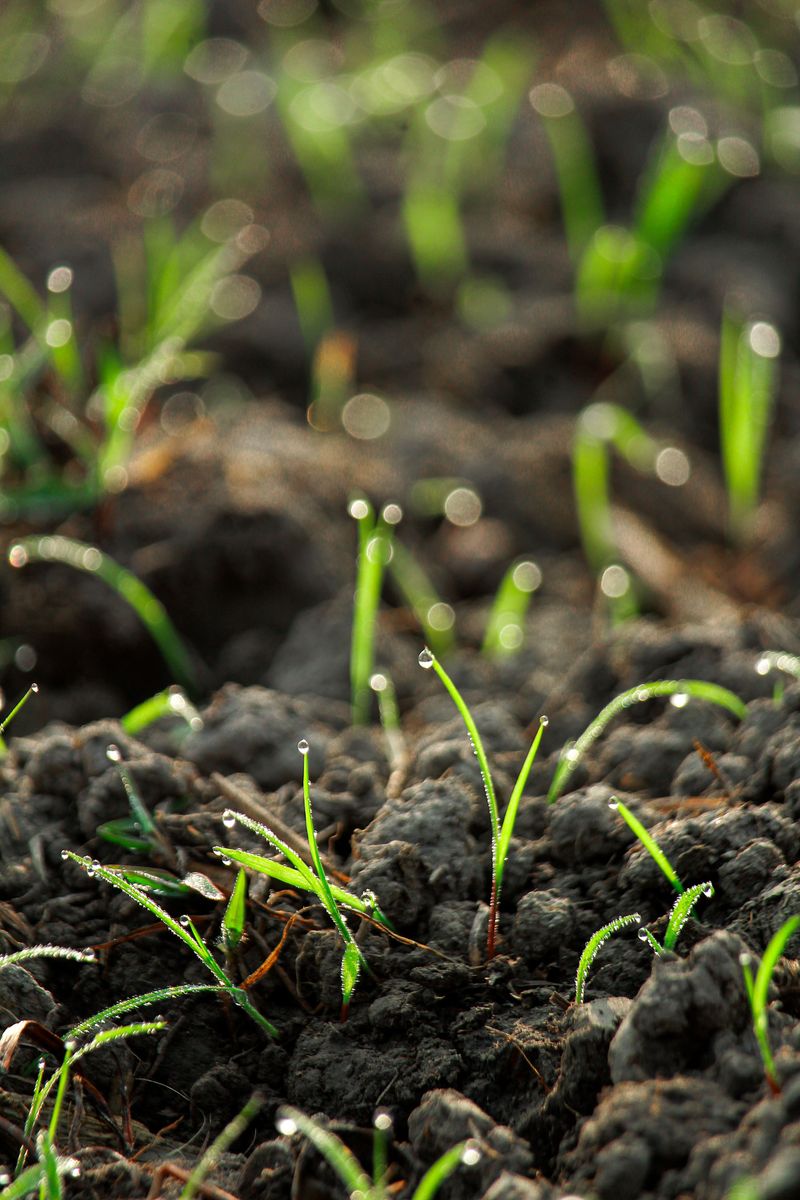
Soon after, you should see fuzzy green sprouts filling thin areas. Come spring, those patches will blend in with the rest of the yard.
6. Skip Aerating During Drought Or Heat Waves
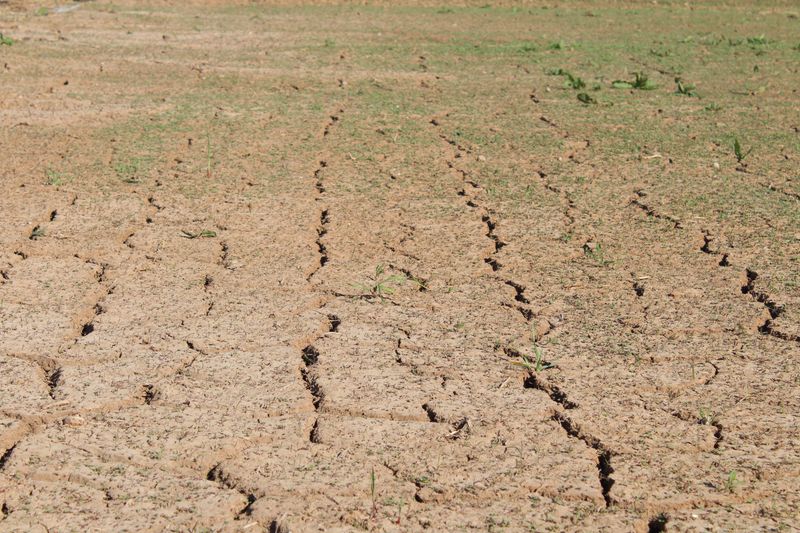
October in New York sometimes clings to summer like an uninvited houseguest. Temperatures in the 80s and crunchy brown grass are clear signs to hold off.
Aerating heat-weary grass is a bit like asking someone with a cold to run a race. The lawn lacks the energy to recover from the extra wear.
During drought, grass often goes dormant to protect itself. Those tan blades are resting, and heavy machines can stress the crowns underneath.
Open holes also let soil moisture escape faster in hot, windy weather. That can leave roots even thirstier than before you started.
Watch the forecast for a stretch of milder days with highs in the 60s or 70s. A few showers mixed in make conditions even better.
If your town has watering limits, respect them and wait for natural rain. Nassau County, for example, requires residents to follow odd and even watering days year round.
Dormant grass usually greens up within a week or two after steady rain returns. Fresh growth is your signal that the lawn is ready for work.
A short delay is usually harmless this month, while rushing can slow your results. Use the waiting time to sharpen mower blades and pick up seed. You will be ready to roll the moment the weather finally cooperates.
7. Test For Compaction With A Simple Screwdriver
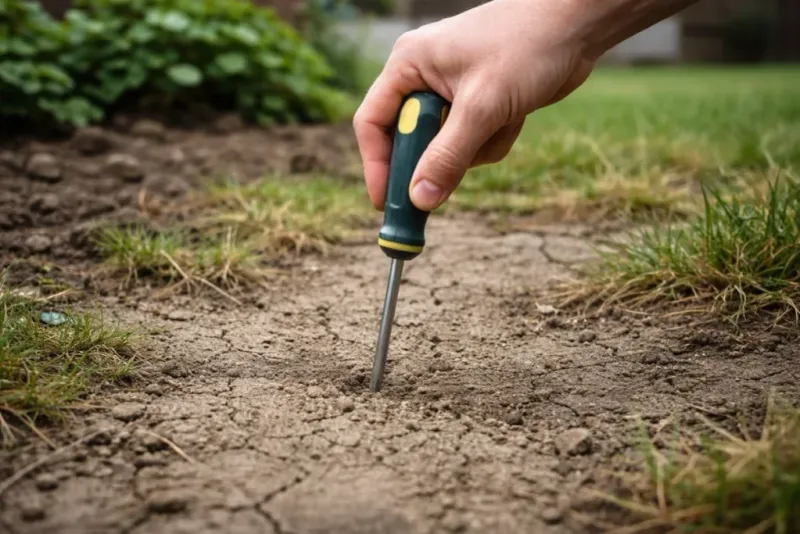
Grab the longest screwdriver in your junk drawer and head outside. That humble tool can tell you whether your lawn actually needs aerating this year.
Test a day after rain or watering, then push it straight down using steady hand pressure. If it slides in about six inches, your soil is probably in good shape.
If it stops after an inch or two, you are dealing with packed soil. That is a strong clue to schedule aeration this fall.
Test several spots, especially along paths, play areas, and where cars sometimes park. Those zones usually get pressed hardest during busy summers.
Other hints include puddles that linger after rain and grass that thins year after year. Wiry weeds like plantain also love hard, compacted ground.
Thick thatch can hide compaction too. Pull back the grass and look for a spongy brown layer thicker than half an inch.
Heavy clay soil, common in parts of western New York, packs down quickly. Those lawns may benefit from aerating each fall.
Sandy soil on Long Island drains faster and compacts less often. Many of those yards do fine with aeration on a two or three year cycle.
Doing this quick test today helps you plan ahead with real confidence. It takes five minutes and saves money on a job you might not need.
8. Finish Before The First Hard Frost Arrives
One frosty morning, you will step outside and hear the grass crunch under your boots. By then, the aeration window has quietly closed for the year.
Grass needs roughly four weeks of active growth after aerating to heal and fill in. Working backward from your frost date helps you pick a safe finish line.
Many upstate towns see their first hard frost between late September and mid October. Downstate areas often stay frost free until late October or even November.
The National Weather Service and many garden websites publish average frost dates for your area. A quick search gives you a helpful target date.
Frozen or near-frozen soil makes aerating hard on machines and less helpful for roots. Plugs pull out in chunks, and holes stay open all winter.
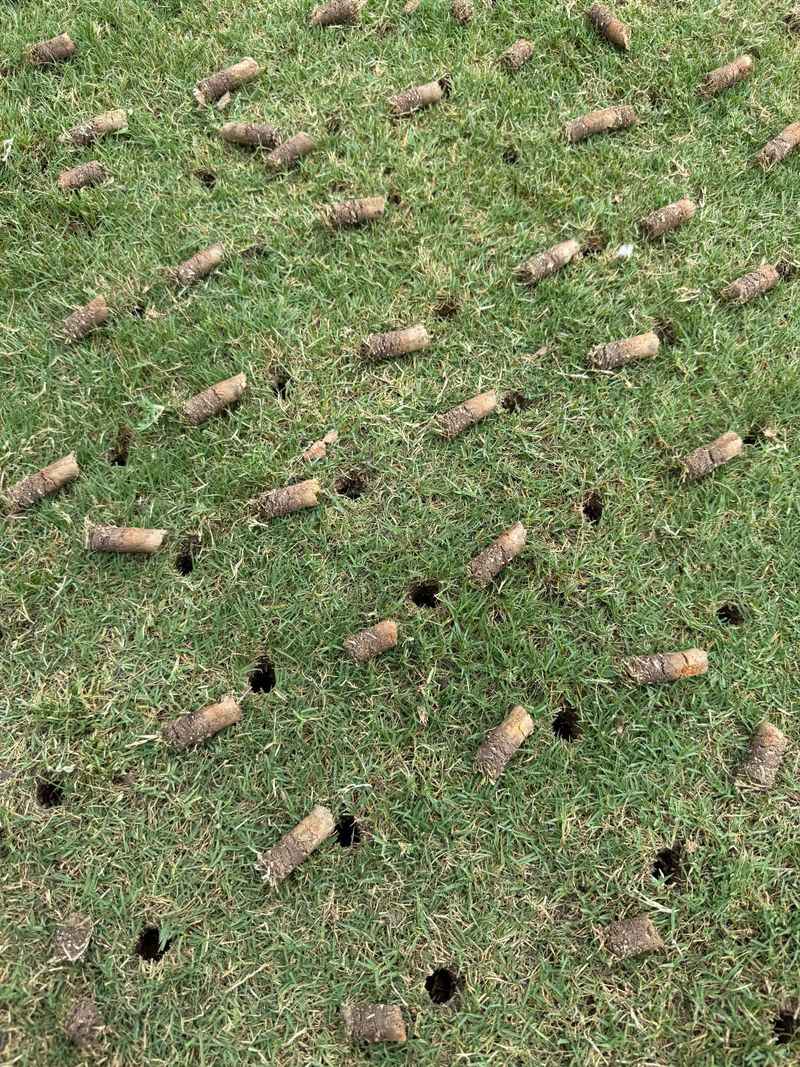
Leave soil cores on the lawn instead of raking them away. They usually break down within a few weeks and return nutrients to the ground.
Mowing over dried plugs speeds things along, though it may dull your blades a little. The blades crumble them into fine soil that settles back between the grass.
Keep mowing as usual until growth stops, lowering the blade slightly for the last cut. Shorter grass helps reduce snow mold during long New York winters.
Finish ahead of the frost, and your lawn heads into winter strong and well fed. Come April, your lawn may be the one neighbors stop to admire.