9 Surprising Things No Mow May Does To A Virginia Lawn In Just 30 Days
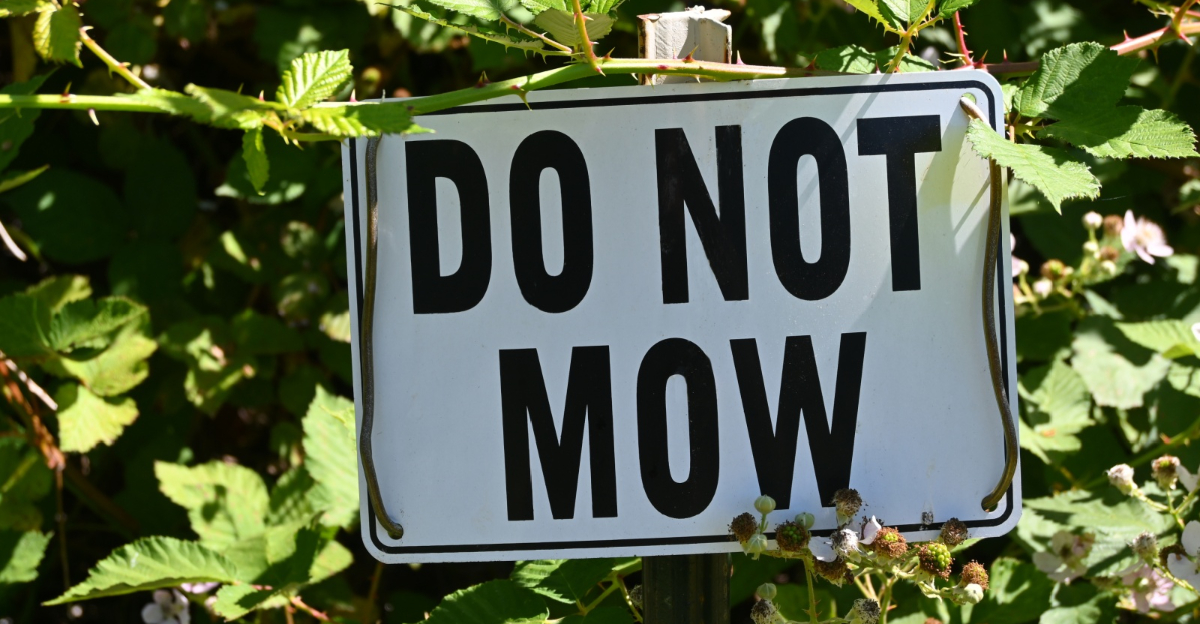
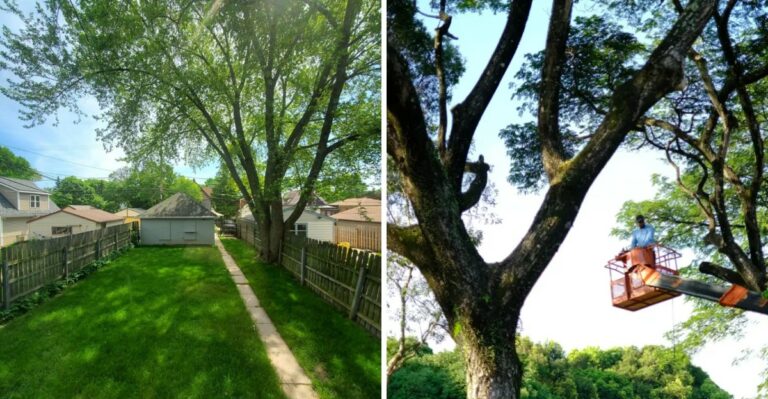
Something quietly rebellious was happening on my street last spring, and it had nothing to do with neighborhood drama. Lawns that were usually razor-sharp and Pinterest-perfect were suddenly looking a little… feral.
Tall grass swayed in the breeze. Dandelions stood proud like they owned the place.
And bees were showing up to the party like they had been waiting for this invitation their whole lives. That was my first real encounter with No Mow May, a movement that asks homeowners to do the unthinkable: put the mower away for an entire month and just let nature do its thing. No trimming.
No edging. No apologizing to your neighbors.
Just wildflowers and clovers. Virginia turned out to be one of the most compelling places to watch this experiment play out. With its lush native meadows, woodland edge ecosystems, and deeply rooted lawn care culture, the state becomes a living laboratory.
That happens when humans simply step back and give nature a little breathing room. The results are surprising, a little messy, and honestly more beautiful than most people expect. Let me dig in.
1. Your Grass Shoots Up Fast
Scroll through any Virginia neighborhood Facebook group in late April and brace yourself, because things are about to get spicy.
Someone posts a photo of their shaggy lawn with a proud caption. Then another neighbor chimes in.
Then someone’s aunt who lives three towns over weighs in with a strong opinion about property values. Then a beekeeper shows up out of nowhere defending dandelions like they are personal friends.
The idea is simple: skip mowing for the entire month of May.
By doing that, you give early-blooming plants a chance to flower and feed pollinators that are just waking up after winter.
Virginia’s spring climate makes May especially important for bees and butterflies that need food fast.
A lot of homeowners I spoke with said they joined mostly out of curiosity.
They had heard about it online, figured one month was manageable, and decided to try.
What surprised most of them was how much actually changed in just a few weeks.
Some joined for environmental reasons, others just wanted a break from yard work.
Either way, Virginia proved to be a great state for watching the results up close.
The combination of warm temps, spring rain, and native plant diversity makes the transformation more visible here than almost anywhere else.
2. Clover And Dandelions Steal The Show
Most people expect chaos.
What actually happens is more interesting than that.
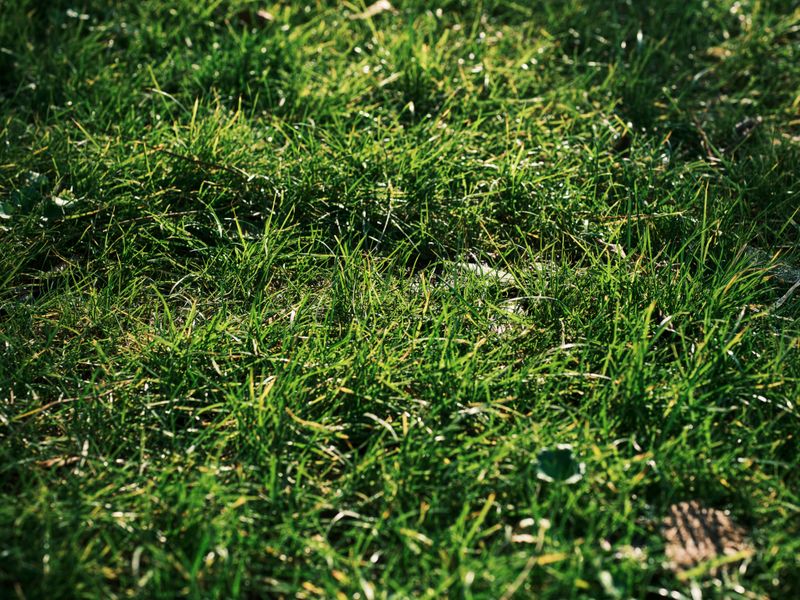
Your grass does not just grow straight up like a wall. It spreads, leans, and starts showing you what it is really made of.
Hidden layers of your lawn begin waking up like characters in a story you never knew was being written right under your feet.
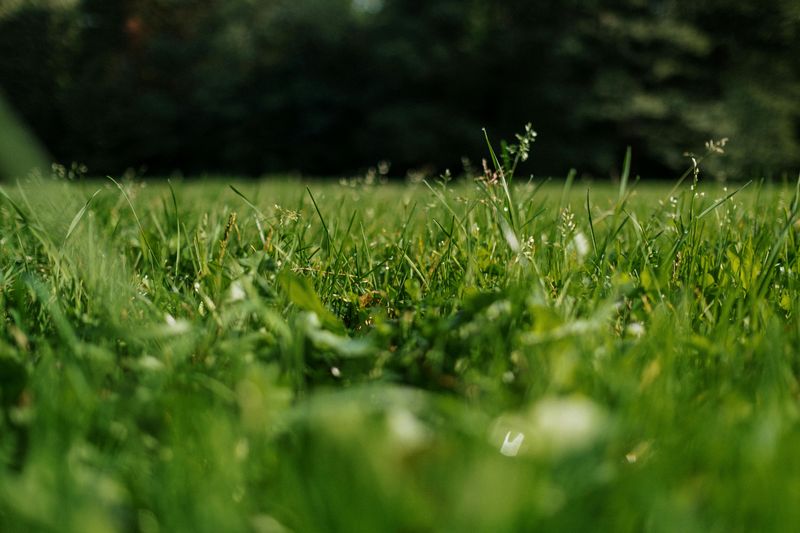
Here, a typical lawn left alone in May will grow anywhere from four to ten inches, depending on the grass type and how much rain falls.
Your Virginia Garden Changes Every Week. Your Plan Should Too.
Gardening in Virginia changes quickly throughout the season. Every Friday you’ll receive a simple weekly plan showing exactly what to plant, prune, fertilize, harvest, and protect so you never miss the right timing.
Fescue and bluegrass, which are common across Virginia, tend to push up seed heads by mid-month.
Those seed heads are actually a food source for birds and small insects.
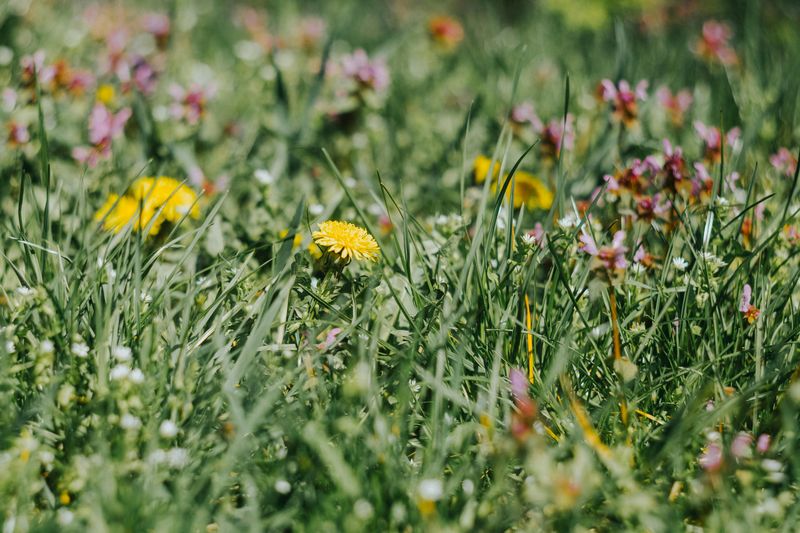
Clover, dandelions, and wild violets also start appearing fast.
Many homeowners are surprised to find these plants were already living in their lawn, just too short to notice.
Without the mower cutting them back, they finally get a chance to bloom.
The lawn also starts to feel different underfoot.
It gets spongy, layered, and alive in a way a freshly cut yard never does.
Moisture stays in the soil longer, which can actually benefit your grass roots during dry spring stretches.
It is not a mess. It is a lawn doing what lawns want to do when left alone.
In Virginia, where native meadows and woodland edges once defined the landscape, your yard is simply remembering what it was always meant to be.
3. Bees Come Back Almost Overnight
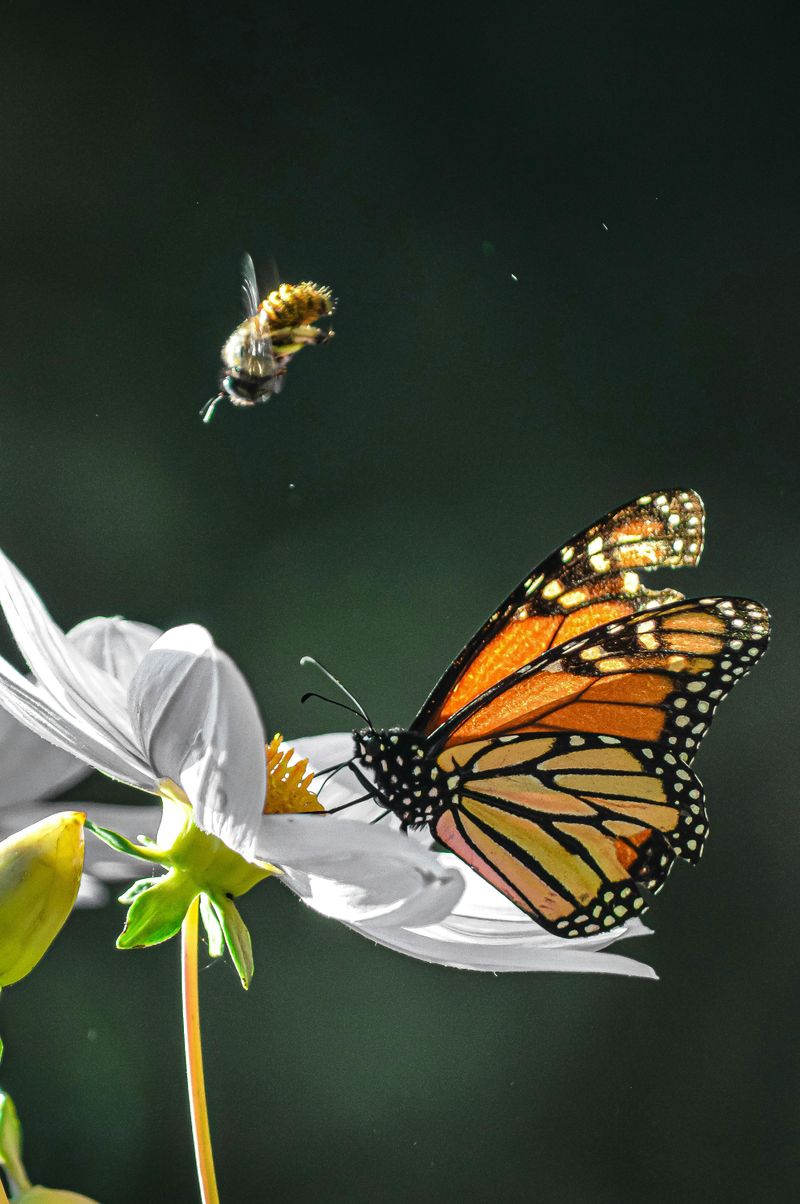
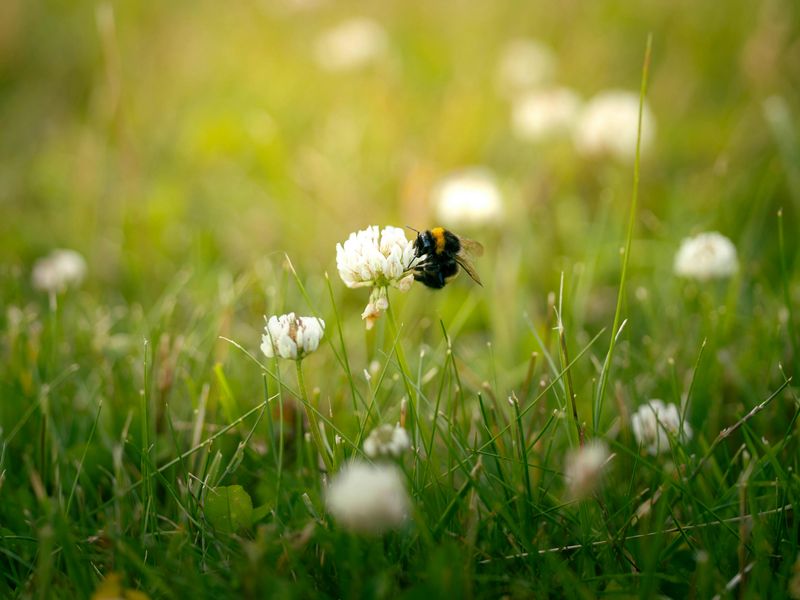
The first week I skipped mowing, I noticed more bees than I had seen in years.Not honeybees specifically, but native bumblebees, mining bees, and tiny sweat bees working through the clover like they owned the place.
Virginia is home to over 400 native bee species, and May is one of their busiest months.
Butterflies showed up too.Eastern tiger swallowtails, cabbage whites, and common sulphurs were moving through the yard by the second week.
They were drawn in by the dandelions and wild violets that had finally been allowed to bloom.
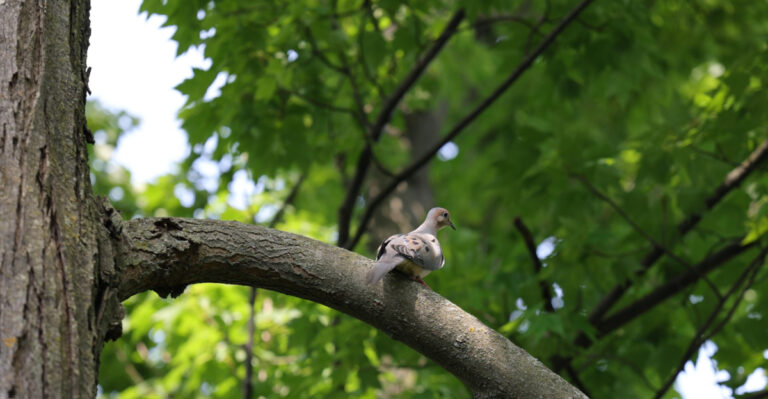
Birds changed their behavior as well.Robins, sparrows, and Carolina wrens started spending more time in the tall grass, hunting for insects and seeds.
A yard that was once quiet suddenly had a whole food chain operating in it.
Even fireflies seemed more active at the edges of the unmowed areas by late May.Virginia has several native firefly species that depend on tall grass and leaf litter for their larval stage.
Letting the lawn grow even for one month gives those larvae a small but meaningful habitat boost.Seeing that much life appear so quickly honestly caught me off guard.
4. Hidden Weeds Reveal Themselves
Let me be honest with you, weeds move fast.
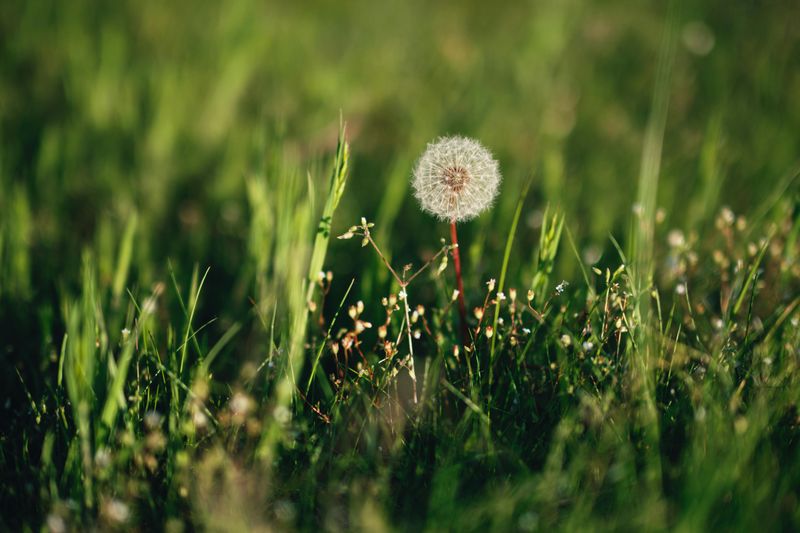
Within the first two weeks of skipping mowing in Virginia, you will likely see plants you do not recognize pushing up through the grass.
Some are harmless. Others are a little harder to manage later.
Chickweed, henbit, and hairy bittercress are some of the first to appear in lawns.
They were already there, hiding low, just waiting for the mower to stop.
Once they get height and light, they spread quickly and set seed before June even arrives.
Garlic mustard is another one to watch.
It is an invasive species that thrives in disturbed areas, and a neglected lawn edge near a tree line is exactly the kind of spot it loves.
If you see it, pull it before it seeds. Garlic mustard is also allelopathic, meaning it releases chemicals into the soil that suppress native plant growth.
The chemicals break down the underground fungal networks that trees and wildflowers depend on to survive. This is good reason to pull it the moment you spot it.
The good news is that most common lawn weeds in Virginia are not permanent problems.
Once you mow again in June and resume a regular schedule, the grass typically reclaims its space.
The weeds that do stick around are usually the ones that were already well-established before May started.
Knowing what is growing in your yard helps you decide which ones to manage and which ones to leave alone.
5. Ticks Get More Places To Wait
Nobody talks about this part enough.
No Mow May sounds great on paper, and for the most part it is, but there are real trade-offs that Virginia homeowners should know going in.
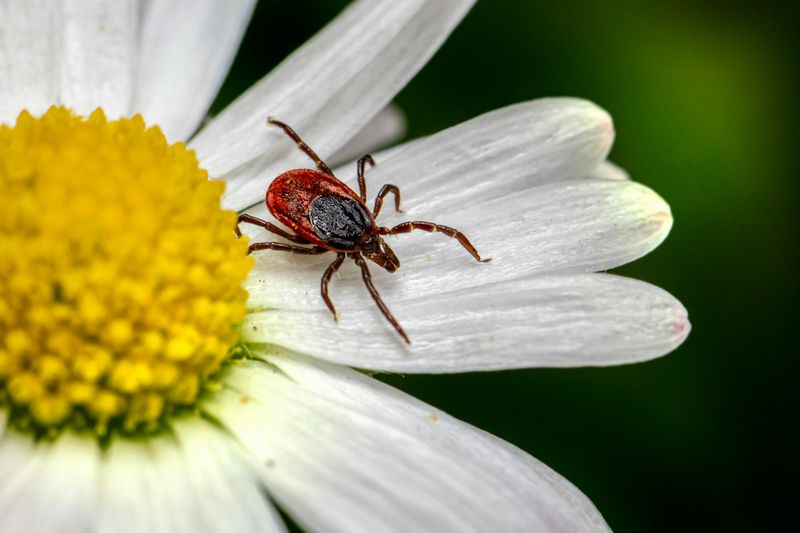
The biggest one is ticks.
Virginia has a serious tick population, including the black-legged tick that carries Lyme disease.
Tall grass is prime habitat for ticks waiting to latch onto a passing animal or person.
If you have kids or pets who spend time in the yard, this is not something to brush off.
Tall grass also creates hiding spots for other unwanted guests.
Snakes, though mostly harmless, do move into overgrown areas.
Voles and mice can establish runways through dense grass, which sometimes leads to bigger pest problems down the line.
HOA rules are another real concern.
Many Virginia neighborhoods have lawn height restrictions, and skipping May mowing could land you a notice or a fine.
Checking your HOA guidelines before committing to the full month is a smart move.
Some municipalities have also started creating exemptions for No Mow May participants, so it is worth asking.
Going in with eyes open makes the experience far less stressful and helps you plan around the downsides rather than being caught off guard.
6. Your Lawn Starts Holding Moisture Better
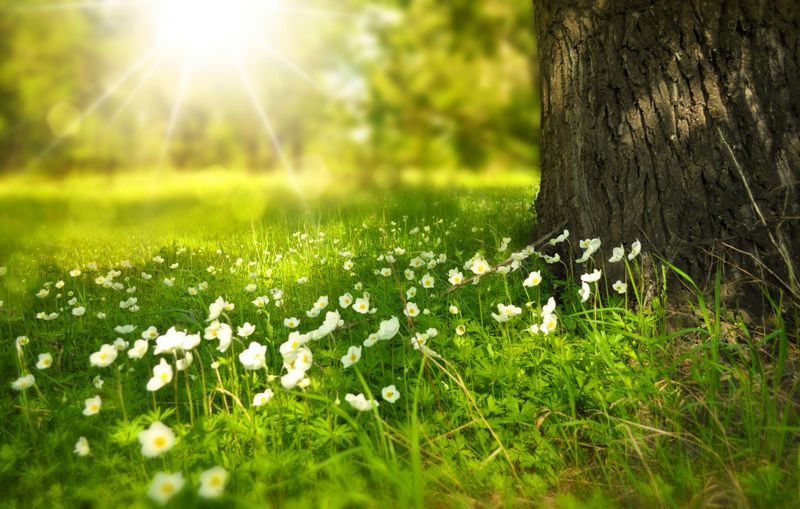
By the last week of May, the yard looks like a different place entirely.
It is not just taller. The colors change, the textures layer up, and there is a kind of softness to it that a mowed lawn never has.
Virginia’s spring light hitting a field of tall grass and clover is genuinely beautiful.
Wild violets create purple patches near shaded areas.
Clover forms dense white clusters that hum with bee activity on warm afternoons.
Grass seed heads catch the light and move with every breeze, giving the yard a meadow-like feel that most people have never experienced in their own backyard.
The edges of the yard near fences and trees tend to look the most dramatic.
That is where native plants get the most room to establish and where the contrast with neighboring mowed lawns is sharpest.
A few Virginia homeowners I know started adding small wildflower seed mixes to those border areas to lean into the look.
Even the soil tells a different story by month’s end.
It is darker, cooler, and more moist than it would be under a short-cut lawn.
The root systems of the grass have gone deeper in search of water, which actually builds a stronger turf for summer.
Summers here can be brutal, and that deeper root system pays off.
7. Pollinators Get A Much-Needed Food Break
Researchers have been asking this question seriously for a few years now, and good news, the science is actually on the side of the lazy mower.
The short answer is yes.
Homeowners should understand a few important nuances before canceling their lawn service and fully committing to a backyard wildlife documentary.
One month of growth helps, but it is not a silver bullet for pollinator populations.
Studies from the UK and parts of the US show that No Mow May lawns support significantly more bee species and higher flower counts than regularly mowed lawns.
In Virginia specifically, the presence of clover, dandelions, and wild violets provides real early-season nutrition for native bees emerging from winter.
Those early calories matter a lot for colony survival.
The impact is most meaningful when multiple neighbors participate.
A single unmowed lawn creates a small island of habitat.
But when several yards on a street skip mowing together, the connected habitat becomes large enough to genuinely support pollinator movement and feeding.
Long-term impact requires more than one month a year.
Pollinator advocates encourage homeowners to follow No Mow May by reducing pesticide use in June and July, leaving some lawn edges unmowed through summer, and planting native species in garden beds.
No Mow May is a fantastic first date with nature, but one month alone will not sweep Virginia native bees and butterflies off their feet.
If you really want to impress them, you are going to have to commit to something a little more serious than just putting your mower in timeout every spring.
8. One Yard Helps, But A Whole Block Helps More
Going all-in on No Mow May is not the only option, and honestly, nobody is handing out medals for the tallest lawn on the block.
For Virginia homeowners juggling HOA rulebooks, tiny humans running through the yard, or a completely reasonable fear of ticks, a partial approach can deliver most of the benefits with far fewer neighborhood side-eyes.
Small changes add up faster than most people realize.
One of the most effective strategies is creating a designated no-mow zone.
Pick a corner of the yard, a border strip, or the area around a tree and let just that section grow through May.
Even a five-by-five-foot patch of tall grass and clover provides meaningful foraging space for native bees.
Another option is switching to a less frequent mowing schedule.
Instead of weekly cuts, mowing every two to three weeks through May still allows flowers to bloom between sessions.
You get pollinator benefits without the dramatic overgrowth that worries some neighbors.
Planting native groundcovers is a longer-term move worth considering.
Creeper, wild ginger, and creeping phlox are all low-maintenance native options that support pollinators without requiring a mowing pause at all.
One note on Virginia creeper: its berries are toxic to humans, dogs, and cats if eaten.
The sap can cause skin irritation in sensitive individuals, so plant it in spots that are out of reach of young children and pets.
They fill in lawn edges beautifully and reduce the total area of turf you need to maintain.
Thinking beyond just one month and toward a year-round habitat mindset is where homeowners tend to see the biggest payoff for local wildlife.
9. June’s First Mow Gets Ugly Fast
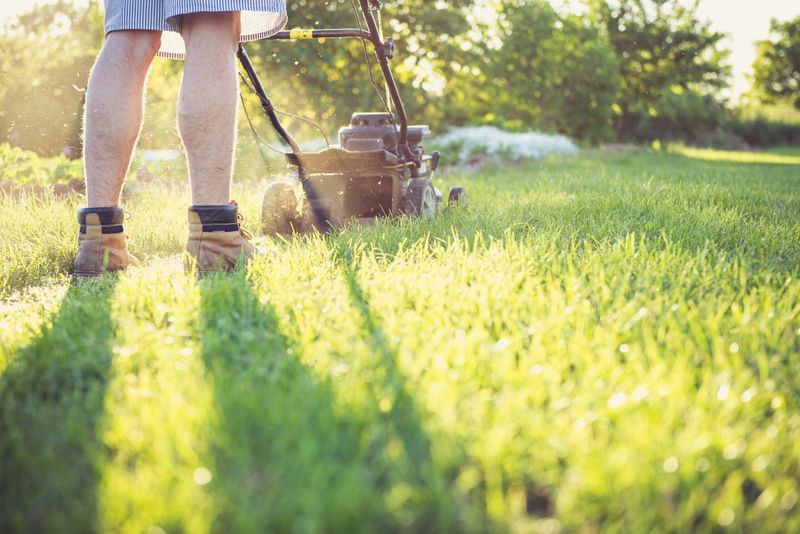
June 1st hits and suddenly the lawn looks like it has been living its absolute best life without you.
Now, you have to have the awkward conversation that it is time to come back to reality.
That first mow after a month of growth is not like a regular Saturday morning chore. It is more like a negotiation between you, your mower, and a lawn that has clearly forgotten who is in charge.
In Virginia, where May rain can be generous, some lawns come out of the month looking more like a hayfield than a yard.
The biggest mistake people make is going straight to the lowest blade setting.
Cutting more than one-third of the grass height at once puts serious stress on the turf.
For lawns that grew eight or ten inches, that means mowing in two or three passes over several days.
The mower itself takes a beating too.
Wet, dense grass clumps under the deck and can bog down or overheat a standard push mower.
Cleaning the underside of the deck after each pass keeps things running smoothly and prevents rust buildup.
Bagging the clippings on that first cut is a good idea rather than mulching.
The volume of material is too high for mulching to work well, and leaving thick clumps on the lawn can smother the grass underneath.
Once you are back to a manageable height, switching back to mulching is fine.
Most Virginia homeowners who push through that first mow say it is absolutely worth it, just plan for it to take longer than usual.