No Sun, No Problem: These Flowering Bushes Are Perfect For Texas Shade
Shade can feel like a gardening end, especially when you live in Texas and every plant tag seems to brag about loving full sun. It is easy to look at that darker corner of the yard and assume your options are limited to plain greenery and not much else.
But that is not the case at all. Some flowering bushes actually prefer a little protection from the harsh afternoon heat, and they can bring just as much beauty and color as their sun-loving neighbors.
That is what makes the right shade shrubs such a smart choice. They can brighten up porches, soften fence lines, and give those overlooked parts of the yard a fuller, more finished look.
For Texas gardeners, that matters even more because intense sun can be tough on plants that are not built for it. A shaded space can turn into an advantage when you pick shrubs that are happy there.
With the right choices, those low-light spots can feel lush, colorful, and far more interesting than you might expect.
1. Turk’s Cap
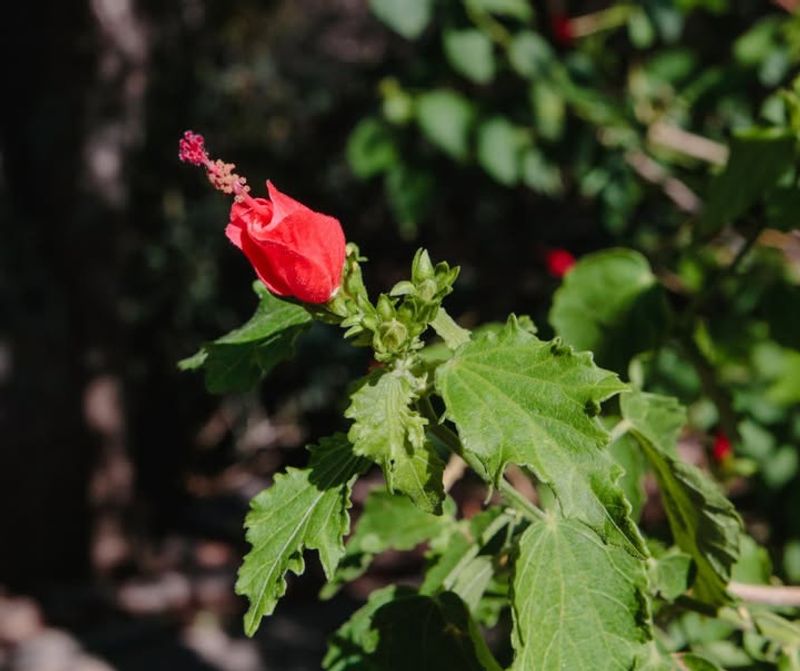
Hummingbirds absolutely love this plant, and once you see it in bloom, you will too. Turk’s Cap is one of the most reliable flowering shrubs you can grow in Texas shade.
Its twisted, bright red blooms look like tiny hibiscus flowers that never fully open, giving them a fun and unique appearance.
Native to Texas and other parts of the South, this shrub handles the brutal Texas summer heat without breaking a sweat. It thrives in partial to full shade, making it one of the few plants that actually performs better away from direct sun.
You can find it growing naturally along creek banks and under large oak trees across the state.
Turk’s Cap typically grows two to three feet tall in shadier spots, but in ideal conditions it can shoot up to nine or ten feet. It spreads out nicely over time and can fill a large garden bed with minimal effort. Pruning is easy and helps keep it looking tidy.
Butterflies and bees also visit the blooms regularly, making your garden feel alive with movement and color. The plant is drought-tolerant once established, which is a huge bonus in Texas. You do not need to water it constantly or fuss over it much at all.
Planting Turk’s Cap near a patio or walkway is a great idea because it creates a colorful, welcoming feel. It pairs well with ferns and other shade-loving plants. For any Texas gardener looking for low-maintenance beauty, this shrub is a top pick.
2. Oakleaf Hydrangea
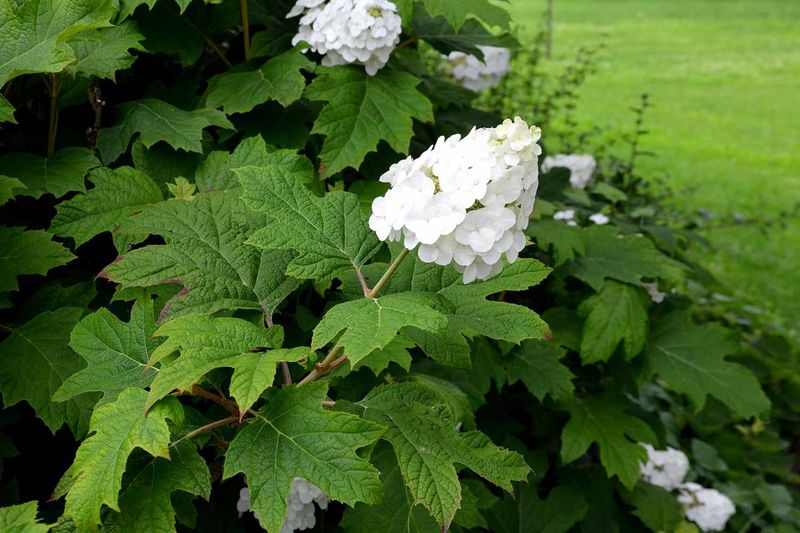
If you want a shrub that puts on a show in more than one season, the Oakleaf Hydrangea is hard to beat. It blooms with big, cone-shaped clusters of white flowers in late spring and early summer.
As the season changes, those blooms shift to a soft pinkish-brown, adding even more visual interest.
East and Central Texas gardeners have a real winner with this shrub. It thrives in dappled shade, which is exactly the kind of light you get under large pecan or oak trees.
The large, lobed leaves look similar to oak leaves, which is exactly how this plant got its name.
Come fall, the foliage turns deep shades of red, orange, and burgundy. That means your garden gets a second burst of color just when most other plants are winding down.
It is one of the few flowering shrubs that looks just as striking in autumn as it does in summer.
Oakleaf Hydrangea grows about four to eight feet tall and wide, so it needs a bit of space to spread out comfortably. It prefers rich, moist, well-drained soil and benefits from a layer of mulch to keep the roots cool.
Watering during dry spells in Texas is important, especially during the first year after planting.
This shrub requires very little pruning. Just remove any old or damaged wood in late winter. With a little patience and the right spot, it becomes a stunning focal point in any shaded Texas yard.
3. American Beautyberry
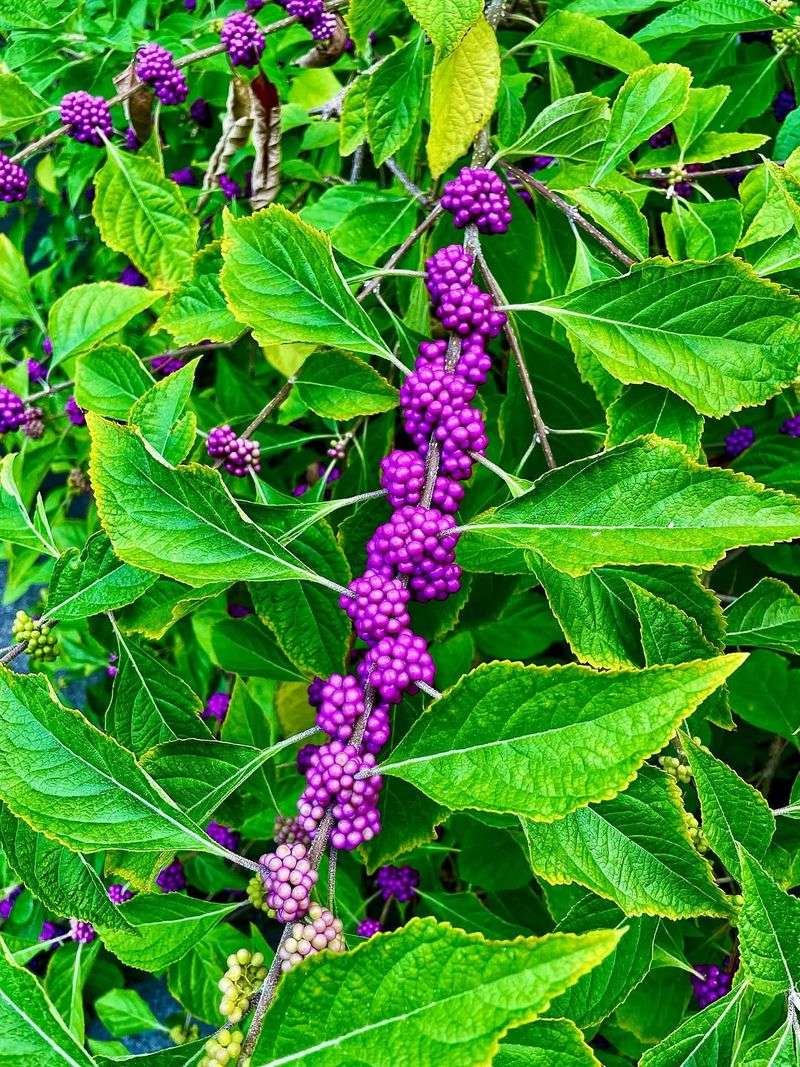
Nothing quite prepares you for the first time you see American Beautyberry in full berry mode. The clusters of bright purple berries wrap tightly around each stem like little jeweled bracelets.
It is one of the most eye-catching native shrubs in the entire state of Texas. American Beautyberry is a true Texas native, and it shows. This shrub handles shade, heat, and even poor soils without much complaint.
It grows naturally in woodland edges and forest understories, which means it is perfectly comfortable in the shadiest corners of your yard.
In spring and early summer, it produces small pink or lavender flowers that are modest but charming. The real magic happens in late summer and fall when those vivid purple berries appear.
Birds and other wildlife flock to the plant to feed on the berries, making your garden a lively spot for nature watching.
American Beautyberry grows three to six feet tall and has a loose, arching shape that gives it a relaxed, natural look. It works beautifully in naturalized garden areas where you want something that looks like it belongs there without much fuss.
Trimming it back hard in late winter encourages fresh, vigorous new growth each spring. Gardeners across Texas appreciate this shrub because it truly asks for so little. Once established, it rarely needs extra watering or fertilizing.
If you want a plant that rewards you with spectacular color while practically taking care of itself, American Beautyberry is the one to plant.
4. Azalea
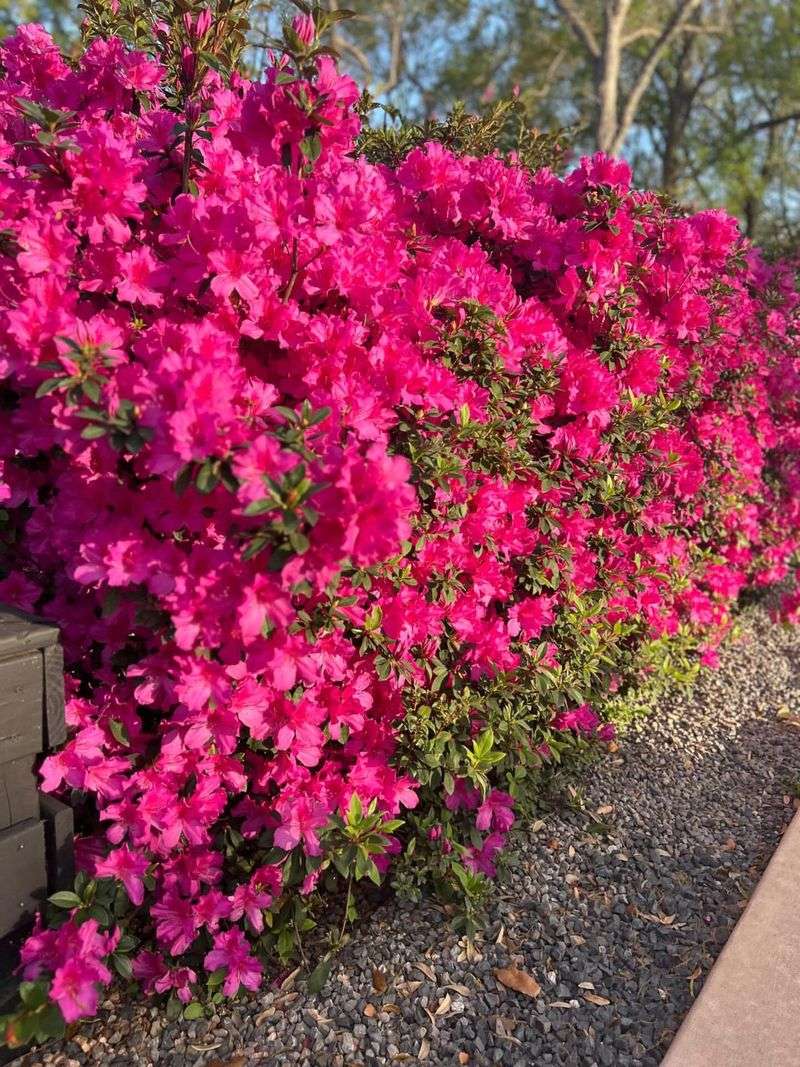
Few sights in a spring garden are as jaw-dropping as a row of azaleas in full bloom. These classic shrubs explode with color in shades of pink, red, white, purple, and coral, often covering the entire plant with flowers.
In Texas, they are especially beloved in the eastern and coastal regions where the humidity and acidic soils suit them perfectly.
Azaleas prefer filtered sunlight, which makes them ideal for planting under tall pines or hardwood trees. Too much direct afternoon sun in Texas can scorch the leaves and reduce blooming.
A spot that gets morning light and afternoon shade is the sweet spot for keeping these plants happy and healthy.
Soil preparation matters a lot with azaleas. They love slightly acidic, well-drained soil with plenty of organic matter mixed in.
Adding pine bark mulch around the base helps maintain moisture and keeps the soil chemistry just right. In areas of Texas with heavier clay soils, raised beds can make a big difference.
Azaleas are relatively low-maintenance once they are settled in. Light pruning right after blooming helps shape the plant and encourages more flowers the following year. Avoid pruning in late summer or fall because you will cut off next year’s flower buds.
Did you know that azaleas have been grown in Texas gardens for over a century? Many historic homes in East Texas feature massive, decades-old azalea plants that have become true landmarks.
Planting one today means you might be starting a family tradition that lasts for generations.
5. Carolina Jessamine
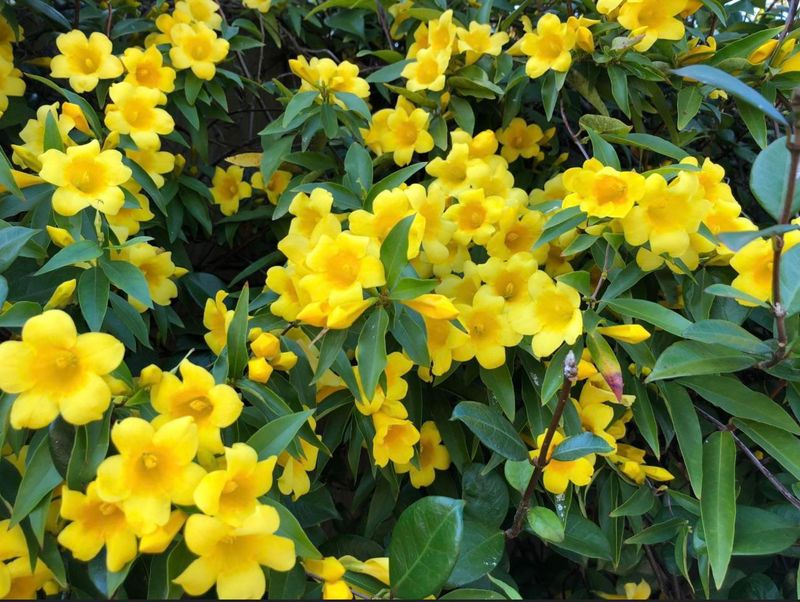
Bright yellow flowers in late winter or early spring are a welcome sight after months of dull, gray days, and Carolina Jessamine delivers them reliably every year.
Most people know this plant as a climbing vine, but with regular pruning, it can be shaped into a compact, mounding shrub. That flexibility makes it a surprisingly versatile choice for Texas gardens.
Carolina Jessamine is native to the southeastern United States, including Texas, which means it is already adapted to the local climate. It tolerates partial shade well and can handle the hot, humid summers that are common across much of the state.
The sweet fragrance of the blooms is a bonus that fills the garden with a pleasant scent each spring.
Growing Carolina Jessamine as a shrub takes a little more attention than letting it vine freely. Regular trimming after the blooming season keeps it compact and bushy.
Without pruning, it will naturally want to climb, so staying on top of it is key if you prefer the shrubby look.
This plant is evergreen in most parts of Texas, meaning it holds its glossy green leaves through winter.
That makes it a great choice for adding structure and greenery to a shaded garden even during the cooler months. Pairing it with other shade-tolerant plants creates a layered, interesting garden bed.
One important note: all parts of Carolina Jessamine are toxic if eaten, so plant it thoughtfully in yards with small children or pets. With that in mind, it is a stunning and rewarding shrub for any Texas shade garden.
6. Dwarf Yaupon Holly
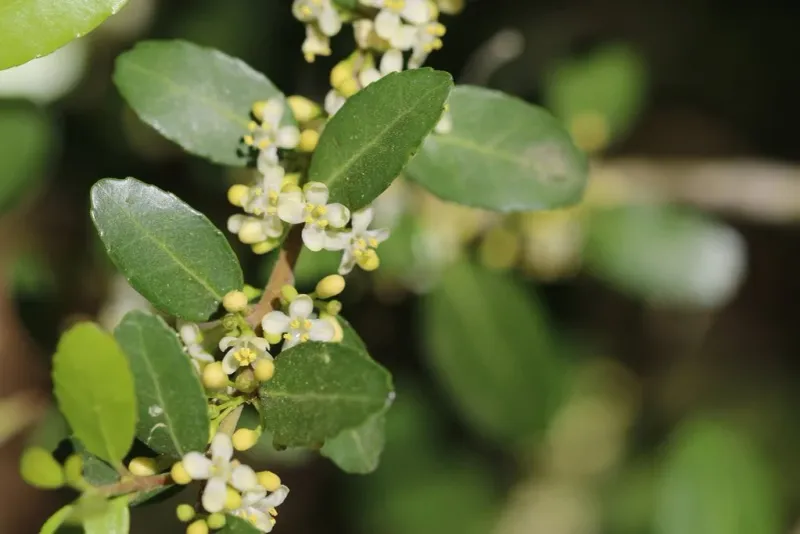
Tough, reliable, and always good-looking, Dwarf Yaupon Holly is the kind of shrub that earns its place in a Texas garden through sheer consistency. It is a native evergreen that handles shade, drought, poor soils, and even occasional flooding without missing a beat.
If you want a plant that simply works no matter what Texas weather throws at it, this is a top contender.
The plant grows in a naturally rounded, compact shape that rarely needs much pruning. Its small, dark green leaves stay glossy and attractive year-round, giving your garden structure even when other plants are bare.
In spring, it produces tiny white flowers that are modest but do attract pollinators. Dwarf Yaupon Holly stays relatively small, usually reaching two to three feet tall and about the same width.
That makes it a great choice for edging garden beds, lining pathways, or filling in gaps under trees. It is also commonly used as a low hedge in shaded landscapes across Texas.
One of the best things about this shrub is how little it demands. Once established, it rarely needs supplemental watering and does not require fertilizer to stay healthy. It is a truly low-effort plant that still delivers great results season after season.
Interestingly, Yaupon Holly is the only native North American plant known to contain caffeine. Indigenous people across Texas and the Southeast used it to make a ceremonial tea for centuries.
That fun piece of history makes this humble little shrub a lot more fascinating than it might first appear.
7. Wax Myrtle
Speed and toughness are two qualities every Texas gardener can appreciate, and Wax Myrtle brings both to the table.
This fast-growing native shrub can put on several feet of new growth in a single season, making it one of the quickest ways to create a privacy screen or fill a large shaded area. It thrives across much of Texas, from the Gulf Coast to the Hill Country.
Wax Myrtle tolerates partial shade and is not picky about soil quality at all. It grows in sandy soils, clay soils, wet areas, and dry slopes with equal ease.
That kind of adaptability is rare and makes it incredibly useful for challenging spots in the yard where other plants struggle.
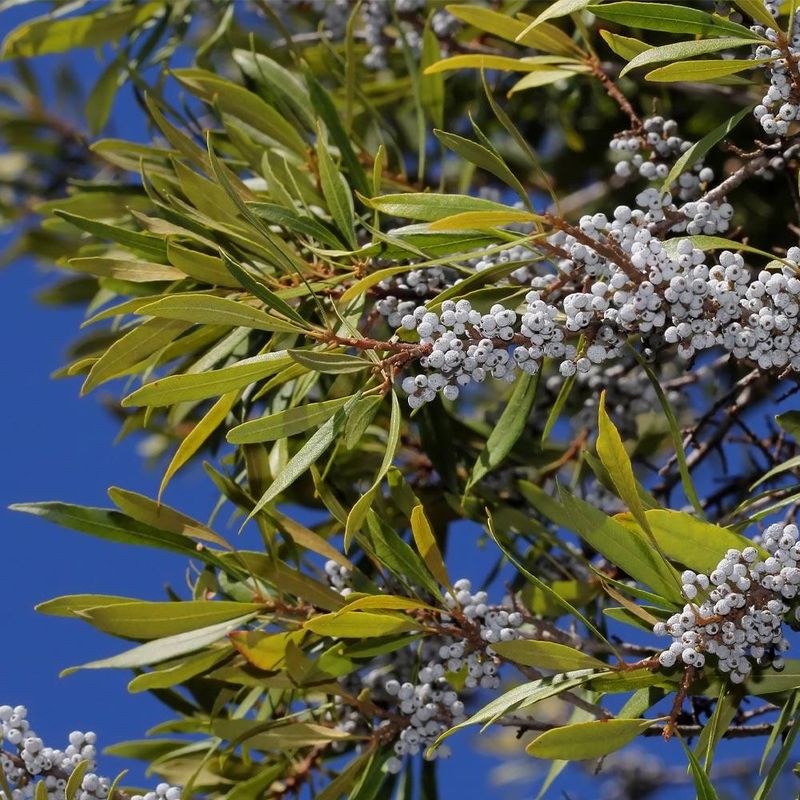
The foliage has a pleasant, spicy aroma when brushed or crushed. Small, waxy gray-blue berries appear on female plants in fall and winter, attracting birds like yellow-rumped warblers that rely on them as a food source.
The flowers are subtle and not flashy, but they still contribute to the overall charm of the plant.
Wax Myrtle can grow anywhere from six to twenty feet tall if left unpruned. Regular trimming keeps it at whatever height and shape you prefer.
It responds well to pruning and can even be shaped into a small multi-trunk tree if you remove the lower branches over time.
For Texas homeowners who want fast, natural-looking privacy in a shaded area, Wax Myrtle is one of the smartest choices available. It is native, wildlife-friendly, and incredibly hard to go wrong with.