North Carolina Gardeners Should Cut Back Japanese Spirea Before Spring
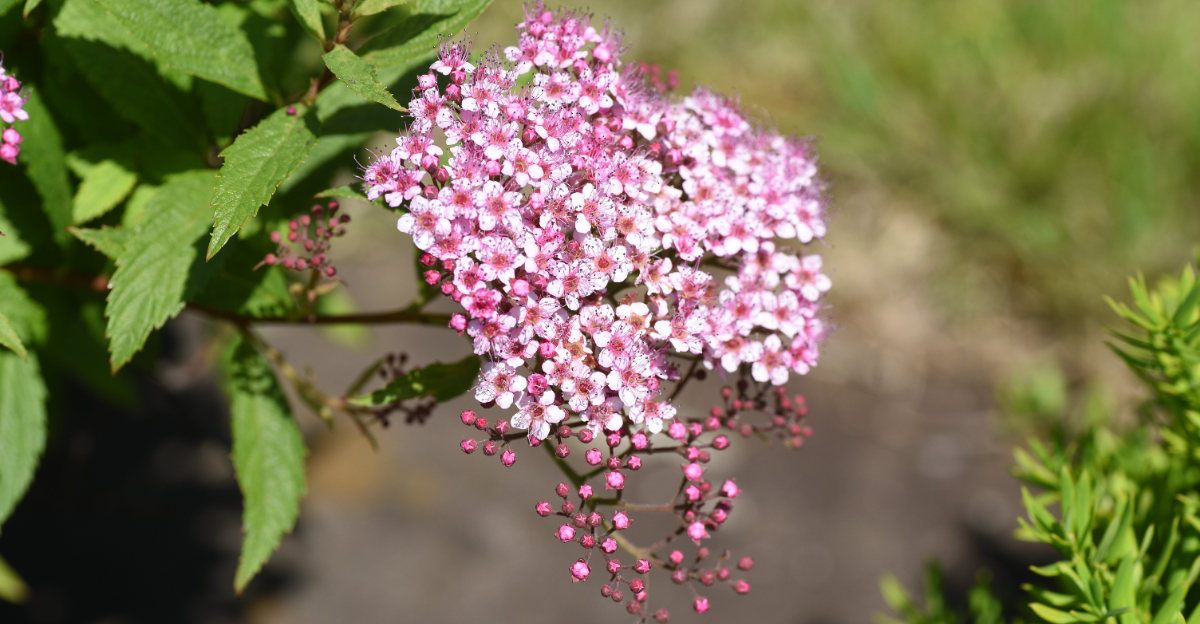
Some shrubs quietly do their job in the garden, but Japanese Spirea knows how to put on a show. When summer arrives in North Carolina, this compact shrub fills with bright pink and red blooms that light up borders, walkways, and foundation beds.
With the right care, it becomes one of the most reliable bursts of color in the landscape. Across the Piedmont, Coastal Plain, and parts of the Mountain region, Japanese Spirea thrives in the state’s warm growing season.
One of the biggest secrets to keeping it looking its best happens long before the flowers appear. A careful cutback in late winter helps shape the plant and encourages stronger new growth once spring begins.
Gardeners who prune at the right time often see fuller shrubs and far more blooms later in the season.
With a simple trim before spring arrives, North Carolina yards can enjoy a brighter and more vibrant summer display.
1. Japanese Spirea Blooms On New Wood
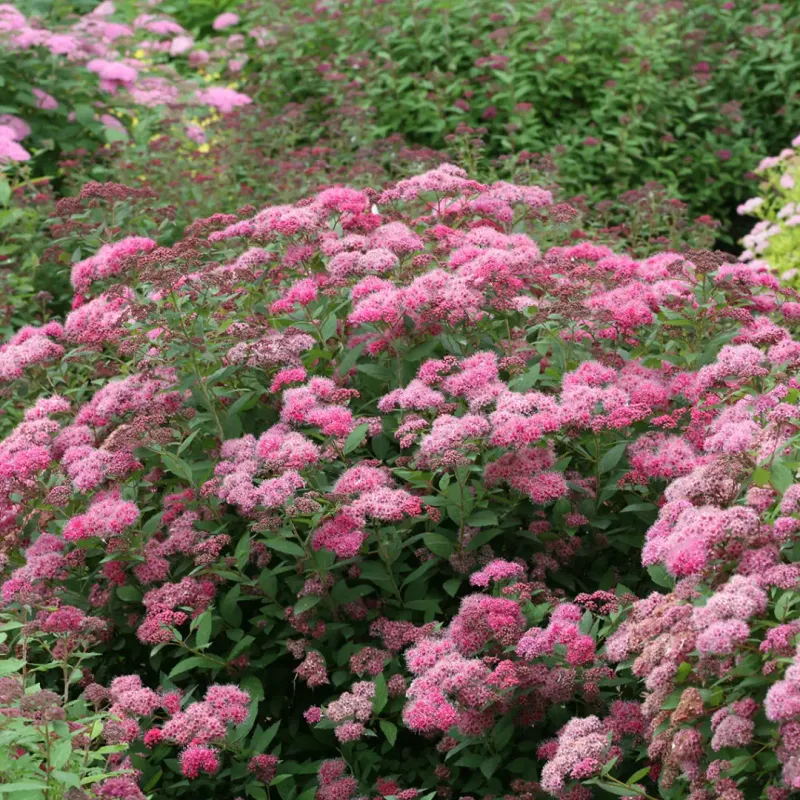
Most flowering shrubs have a secret, and Japanese Spirea’s secret is a pretty useful one. Unlike some plants that bloom on older branches, Spiraea japonica produces all of its flowers on brand new stems that grow each season.
That means the more fresh growth you encourage, the more flowers you get come summertime.
When North Carolina gardeners prune in late winter, they are essentially setting the stage for a spectacular show.
Cutting the shrub back before new leaves appear signals the plant to push out vigorous new shoots once warmer temperatures arrive.
Those new shoots become the flower-bearing stems that fill your garden with color from June through August. Skipping the prune means the plant wastes energy on old, woody stems that produce fewer blooms.
Over time, an unpruned spirea becomes a tangle of tired branches with smaller, less impressive flower clusters.
North Carolina’s warm growing season gives spirea plenty of time to bounce back after pruning, making late winter the perfect moment to act.
Grab your pruning shears in February and give your plant the fresh start it needs to reward you with a summer full of gorgeous blooms.
2. Early Pruning Encourages Fuller Plants
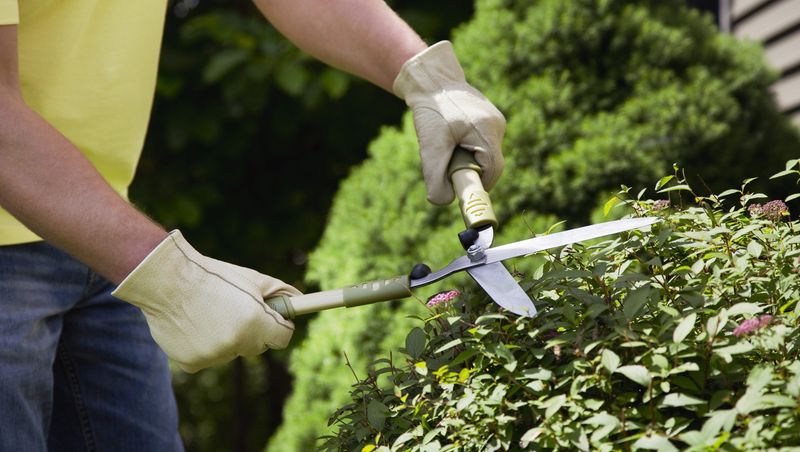
Imagine opening your front yard to a perfectly rounded, lush spirea shrub instead of a leggy, uneven mess.
That kind of full, bushy shape does not happen by accident. It starts with a well-timed prune before spring growth kicks in across North Carolina.
When you cut Japanese spirea back hard in late winter, you push the plant to send up multiple new stems from the base.
Instead of a few tall, sparse branches reaching upward, you get a dense cluster of new growth spreading outward in a compact, attractive form.
Garden borders and landscape edges look so much more polished when the shrubs filling them are tight and full rather than open and unruly.
The trick is cutting stems down to around six to twelve inches from the ground, depending on how overgrown the shrub has become.
New growth will emerge quickly once North Carolina temperatures begin climbing in March and April.
Within a few weeks, you will see a thick flush of green stems pushing upward, and by early summer those stems will be covered in blooms.
Gardeners who skip this step often end up with shrubs that look fine from a distance but fall apart up close. Early pruning is the simplest way to keep your spirea looking its absolute best all season long.
3. Removing Old Stems Improves Flower Production
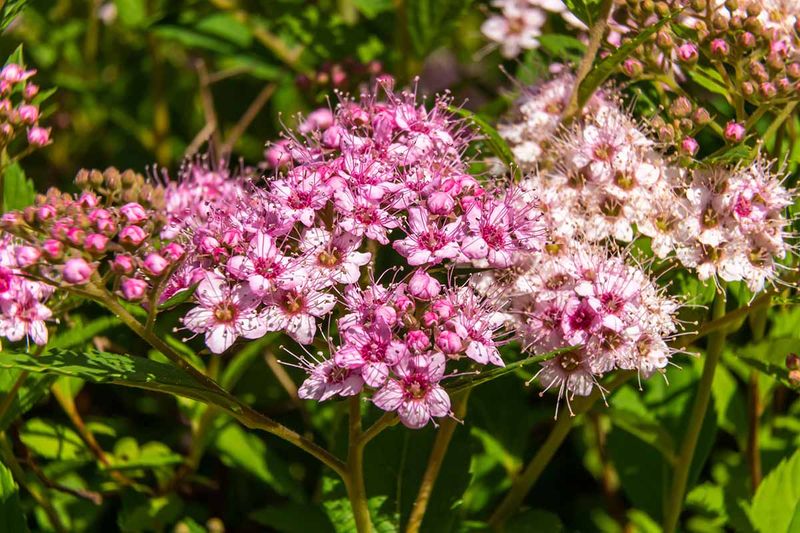
Old wood on a Japanese Spirea is a bit like a traffic jam on a busy highway. It slows everything down and keeps the good stuff from getting through.
When older stems crowd the base of the plant, they compete with younger growth for nutrients, water, and sunlight, and the younger stems almost always lose that battle.
Removing those older, woodier stems before spring gives the plant a clear path to direct its energy where it really counts.
Fresh shoots that emerge after pruning are the ones that carry the most vibrant flower clusters, typically in shades of pink, rose, or deep red depending on the variety.
North Carolina gardeners growing popular cultivars like Little Princess or Goldflame will notice a clear improvement in bloom density after clearing out old growth.
You do not need to remove every stem to see results. Focus on stems that are noticeably thicker, darker, and less flexible than the newer ones.
A good rule of thumb is to remove about one-third of the oldest stems each year, working your way around the plant evenly. Over a few seasons, this approach completely renews the shrub from the inside out.
The payoff is a spirea that produces fuller, more colorful flower clusters each summer, making your North Carolina garden look professionally maintained without a lot of extra effort.
4. Late Winter Is The Safest Pruning Time
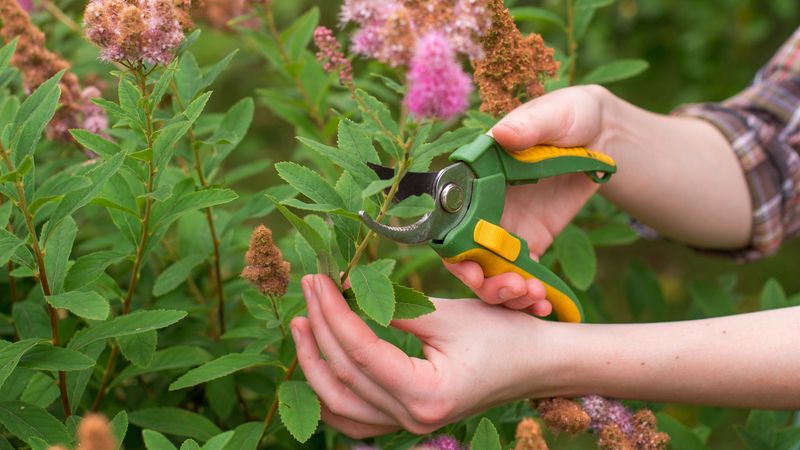
Timing really is everything when it comes to pruning Japanese spirea, and North Carolina’s climate gives gardeners a reliable window to get it right.
Late winter, roughly from mid-February to early March, sits right in that sweet spot before new buds begin to swell and open. Pruning during this window is the safest choice you can make for your shrub.
Cutting too early in deep winter, when hard freezes are still possible, can leave fresh cut stems vulnerable to frost damage.
Waiting too long, into mid-spring, risks cutting off new growth that has already started forming.
In North Carolina, late winter temperatures are usually mild enough to work outdoors comfortably, and the shrubs are still fully dormant, making it easy to see exactly what you are cutting.
Pruning wounds made during dormancy also heal faster than cuts made during active growth. The plant seals those wounds quickly as temperatures rise, reducing the chance of disease or pest issues getting started before the growing season.
North Carolina summers can bring humid conditions that encourage fungal problems, so getting pruning done cleanly in late winter gives the shrub its best defense heading into warmer months.
Mark your calendar for late February and treat it like a garden appointment you simply cannot miss. Your spirea will thank you with a stunning summer performance.
5. Pruning Helps Maintain A Compact Shape
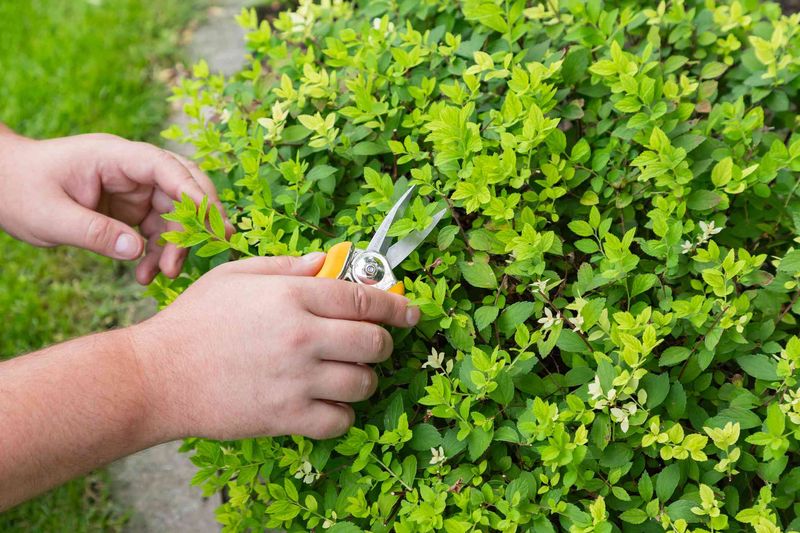
Japanese Spirea has a natural tendency to spread and stretch over time, especially in North Carolina’s long growing season where warm temperatures keep pushing new growth well into fall.
Without regular pruning, even a well-placed shrub can turn into a sprawling, uneven mound that throws off the whole look of your yard.
Annual pruning before spring is the most reliable way to keep that rounded, tidy shape intact. When you cut the plant back consistently each late winter, you reset its growth pattern and encourage stems to emerge in an even, balanced way.
The result is a shrub that looks intentional and well-cared-for rather than something that just happened to grow in your garden.
Compact spirea shrubs are especially valuable in smaller North Carolina yards where space is limited. They work beautifully as low hedges, border plants, or accent shrubs near walkways and driveways, but only when they stay within their intended size.
A spirea that has been allowed to grow unchecked for two or three seasons can reach three to four feet tall and wide, which is much larger than most gardeners expect.
Getting ahead of that growth each February keeps the plant in proportion with the rest of your landscape.
You spend less time correcting problems later and more time simply enjoying the beautiful blooms that a well-shaped spirea delivers every single summer.
6. Thinning Improves Air Circulation
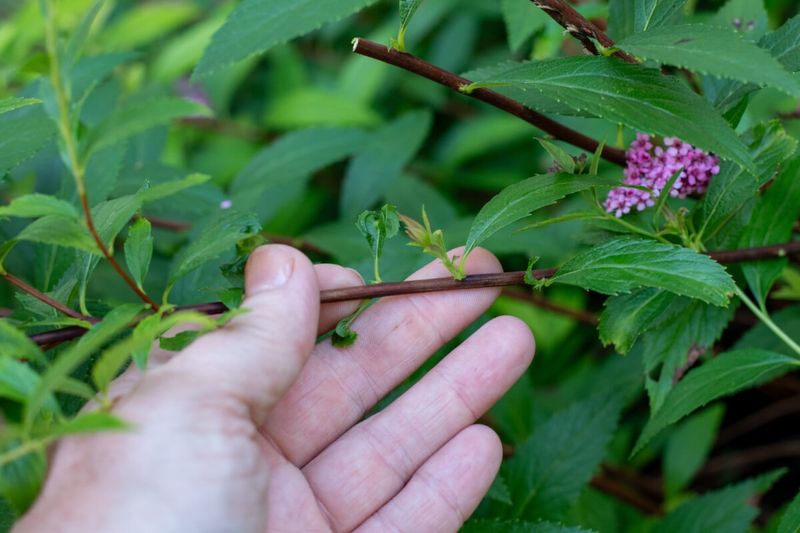
North Carolina summers are notoriously hot and sticky, and that humidity creates the perfect conditions for fungal diseases to take hold in dense, crowded shrubs.
Japanese Spirea is not immune to these problems, but you can dramatically reduce the risk by thinning the plant before spring growth begins.
Thinning means selectively removing some of the weaker or most crowded stems from the interior of the shrub, not just cutting everything back uniformly. When you open up the center of the plant, air moves through much more freely.
Better airflow means moisture does not sit on leaves and stems as long after rain or morning dew, which is exactly the kind of condition that powdery mildew and other fungal issues need to get established.
A well-thinned spirea also receives more sunlight deep into its center, which encourages stronger growth throughout the entire plant rather than just on the outer edges.
Gardeners in the Piedmont and Coastal Plain regions of North Carolina will especially appreciate this benefit, since those areas tend to experience the highest humidity levels during the growing season.
When you thin your spirea in late February, you are essentially building a healthier, more resilient plant from the inside out.
It is one of those small steps that pays off all season long, keeping your shrub looking vibrant and full without the setbacks that disease and moisture problems can cause.
7. Cutting Back Promotes Stronger Stems
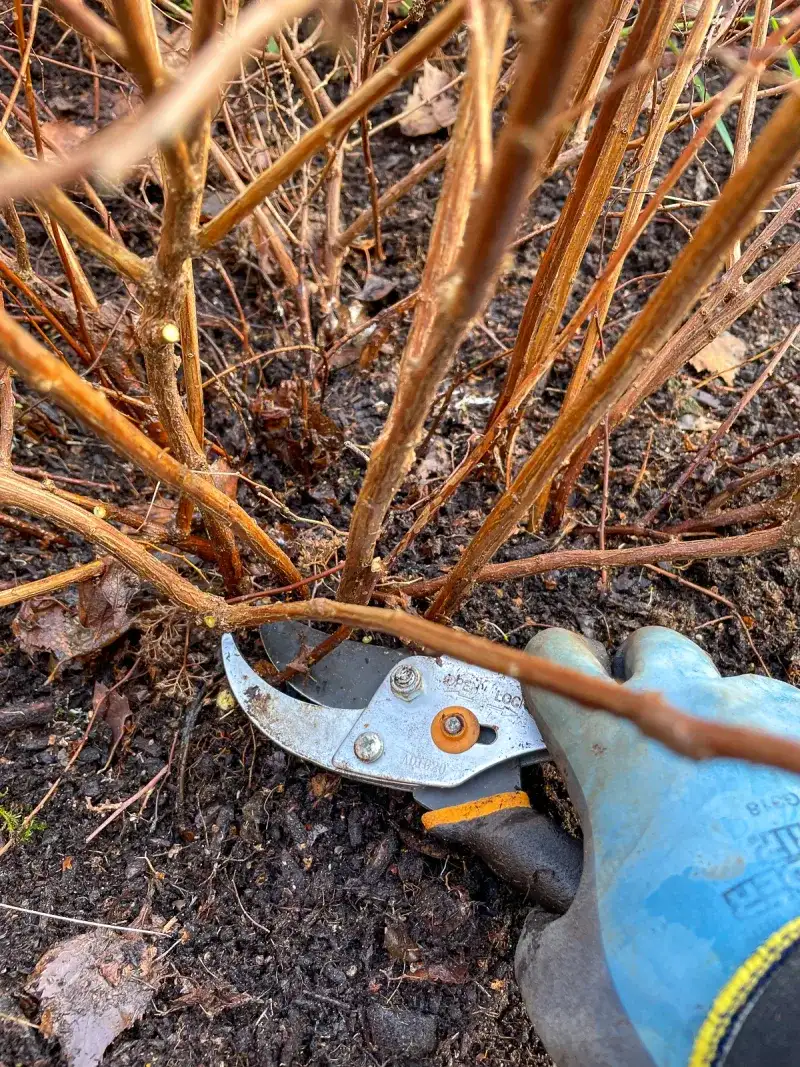
There is something almost surprising about how much stronger a plant can become after you cut it back.
It seems counterintuitive, but pruning Japanese Spirea before spring actually pushes the plant to produce stems that are thicker, more upright, and far better at supporting heavy flower clusters through the summer months.
When old or weak stems are removed, the plant channels its resources into fewer, stronger growing points.
Those new stems grow quickly once North Carolina’s spring warmth kicks in, and they develop the structural strength needed to hold up clusters of flowers without flopping over or bending under their own weight.
Unpruned spireas often develop long, arching stems that look attractive at first but tend to spread outward and eventually drag along the ground, especially after summer rainstorms.
Stronger stems also mean a shrub that holds its shape better throughout the entire growing season.
In North Carolina, where summer storms can bring heavy rain and gusty winds, a spirea with robust new growth stands up to the weather far better than one with older, weaker branches.
The difference between a pruned and unpruned spirea becomes most obvious by midsummer, when the pruned plant is standing tall with dense flower clusters while the unpruned one is leaning and sprawling.
A few minutes with pruning shears in late winter sets your plant up for months of strong, upright, flower-filled performance.
8. Early Pruning Prepares The Plant For Spring Growth
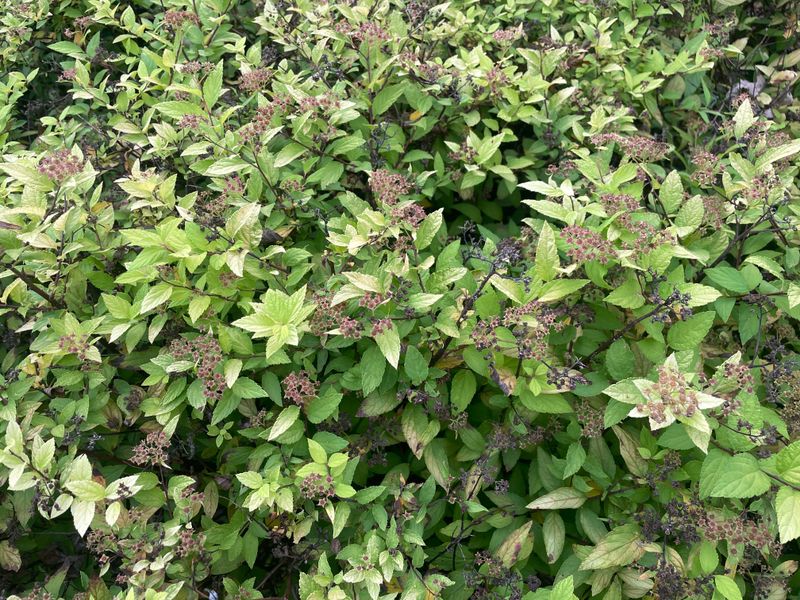
Think of pruning as clearing the runway before a big takeoff.
When you trim Japanese Spirea before spring arrives in North Carolina, you remove the old growth that would otherwise slow the plant down, giving it a clean, clear path to channel all of its energy into fresh new shoots the moment temperatures begin to climb.
Plants coming out of winter dormancy have a burst of stored energy ready to go, and how you manage the shrub at that moment determines how well it uses that energy.
A pruned spirea pushes that energy directly into vigorous new growth from the base upward. An unpruned one splits that same energy across dozens of old stems, producing weaker, slower growth overall.
North Carolina’s spring season moves quickly, with temperatures often jumping significantly between February and April.
Getting your pruning done before that warming trend begins means your spirea is already positioned to take full advantage of every warm day.
Gardeners who wait until they see new leaves emerging have already missed the best window, because cutting into active growth stresses the plant unnecessarily.
Late February is the sweet spot in most parts of North Carolina, from the mountains to the coast.
When you prune at the right time, you will watch your spirea transform from a bare, cut-back shrub into a lush, full, flowering plant in just a matter of weeks.
That kind of rapid, rewarding transformation is exactly why early pruning is worth every minute.