North Carolina Gardeners Who Skip This In May Lose Tomato Harvest By August
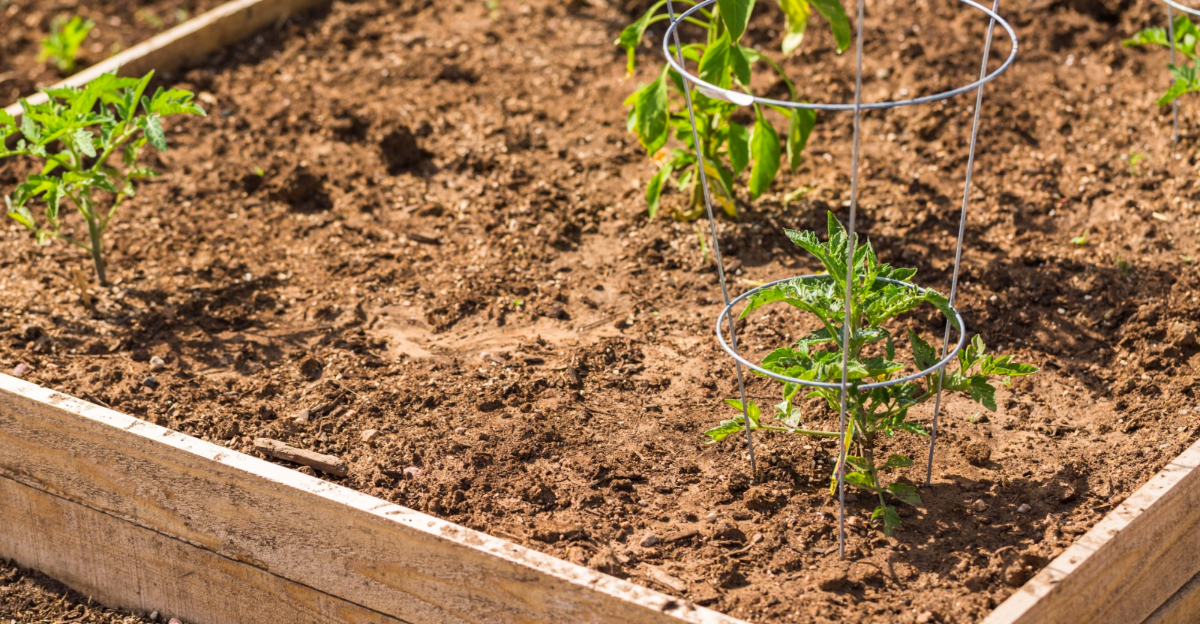
May has a way of making tomato gardeners feel wildly optimistic. The plants are finally in the ground, the weather is warming up, and every little bit of new growth feels like a sign that a huge summer harvest is on the way.
That is usually when attention goes straight to watering and fertilizer, while one very practical step gets pushed aside. Tomato support is not the flashy part of gardening, but it can save a lot of trouble later.
In North Carolina, plants can grow fast once warm weather settles in, and a tomato that looked neat and manageable in May can turn into a sprawling mess surprisingly quickly.
Getting cages or stakes in place early helps keep plants off the ground and makes the whole season easier to handle.
It is not glamorous, but neither is untangling a tomato jungle in July.
1. Early Support Keeps Tomatoes Growing Cleanly
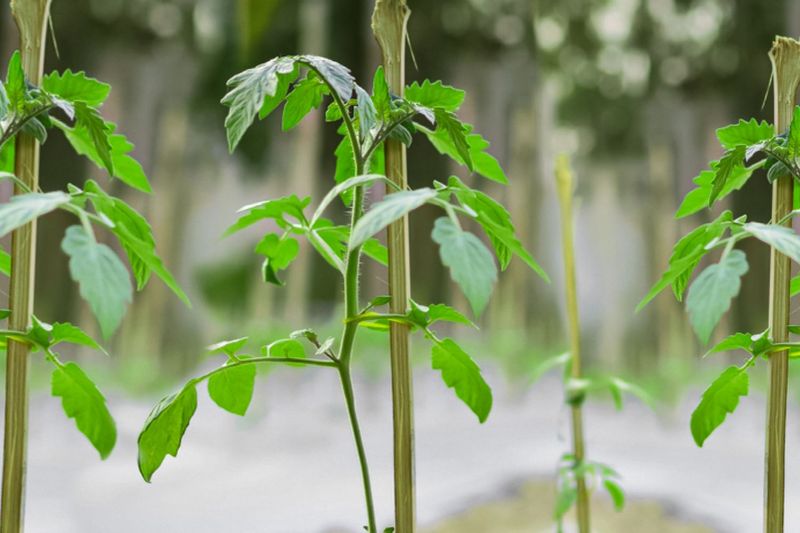
Tomato plants in North Carolina can surprise you with how fast they take off once warm spring temperatures settle in. One week you have a small transplant, and the next week you have a plant reaching for anything it can grab.
Without something to guide that growth early, stems start leaning, sprawling, and heading in directions that become difficult to correct later in the season.
Putting support in place right after planting gives the plant a clear path to grow upward from the start.
When a tomato grows vertically along a stake or inside a cage, the stems stay cleaner, the leaves get better airflow, and the whole plant is easier to check during routine garden visits.
In North Carolina gardens, where humidity can build through late spring, keeping plants off the ground and well-aired can help reduce conditions that favor fungal problems.
Early support also means you are not wrestling with a heavy, leafy plant later in summer when temperatures are at their peak. Setting up a cage or stake while the plant is still small takes only a few minutes and requires very little effort.
That small investment of time in May tends to pay off through cleaner growth, tidier garden rows, and a tomato season that feels much more manageable from start to finish across North Carolina backyards and raised beds alike.
2. Tomato Cages Work Best Before Plants Get Wild
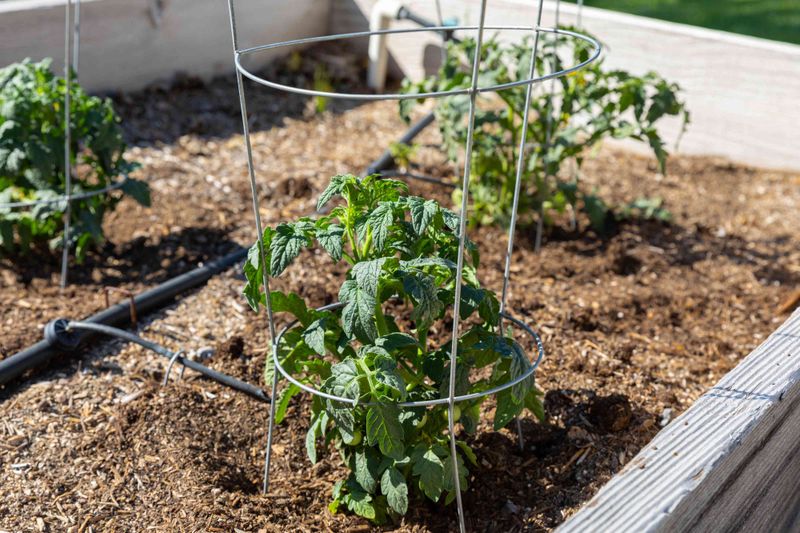
Anyone who has tried to fit a tomato cage over a plant that has already grown two feet tall and spread in every direction knows how frustrating that experience can be. Branches catch on the wire, leaves tear, and the cage never quite sits the way it should.
That is one of the most common problems North Carolina gardeners run into when they wait too long to set up support.
Cages are designed to guide growth as it happens, not to tame growth that has already gone sideways. When you place a cage around a small transplant shortly after planting in May, each new branch has room to grow through the wire openings naturally.
Your North Carolina Garden Changes Every Week. Your Plan Should Too.
Gardening in North Carolina changes quickly throughout the season. Every Friday you’ll receive a simple weekly plan showing exactly what to plant, prune, fertilize, harvest, and protect so you never miss the right timing.
The plant essentially builds itself inside the structure rather than being forced into it after the fact.
This matters especially in North Carolina, where spring can shift into hot summer weather quickly, and tomato plants can put on several inches of growth in a single week under the right conditions.
Varieties that produce heavy fruit clusters or grow tall can become particularly difficult to cage once they are large.
Getting the cage in place while the plant is still compact and manageable is one of those small habits that experienced tomato growers tend to stick with because the difference it makes through the season is genuinely noticeable in both plant health and overall garden tidiness.
3. Late Staking Creates More Work Than Expected
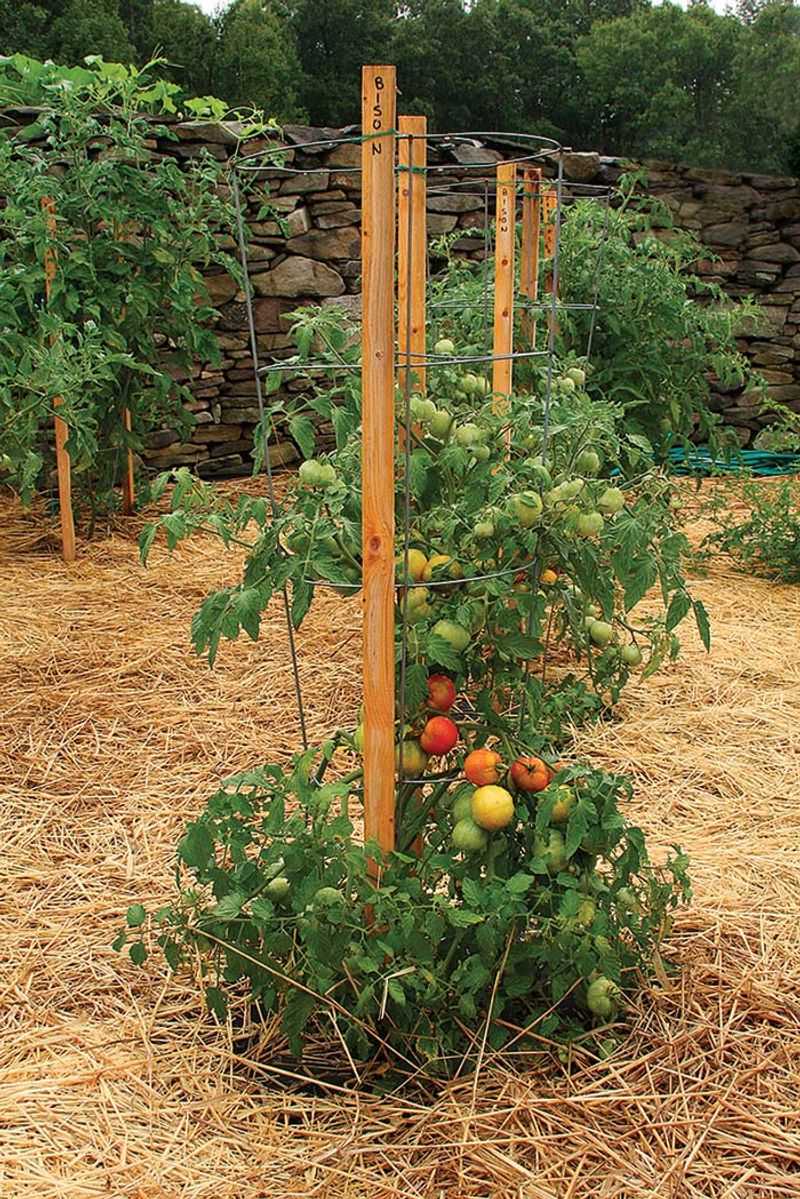
Waiting until June or July to stake tomatoes might seem like no big deal, but gardeners who have done it know it quickly turns into a bigger project than expected.
By that point in North Carolina, tomato plants have often grown tall, spread out, and developed heavy stems that do not bend easily without risking damage.
Trying to lift and tie those stems to a stake without snapping branches takes real patience.
Late staking also means the roots near the base of the plant are more established and spread out through the soil. Driving a stake into the ground close to a mature plant risks cutting through roots that the plant has spent weeks developing.
That kind of root disturbance can stress a plant at exactly the time it needs to be channeling energy into fruit production rather than recovery.
Beyond root concerns, late staking just takes more time. You end up tying multiple heavy stems, adjusting the stake several times, and sometimes realizing the plant has grown in a direction that no longer lines up with where a single stake makes sense.
In North Carolina, where summer garden days can be hot and humid, spending extra time fixing a support problem that could have been avoided in May is not the most enjoyable way to spend a morning.
Early staking keeps the whole process simple and straightforward from the beginning.
4. Strong Plants Need Strong Support Early
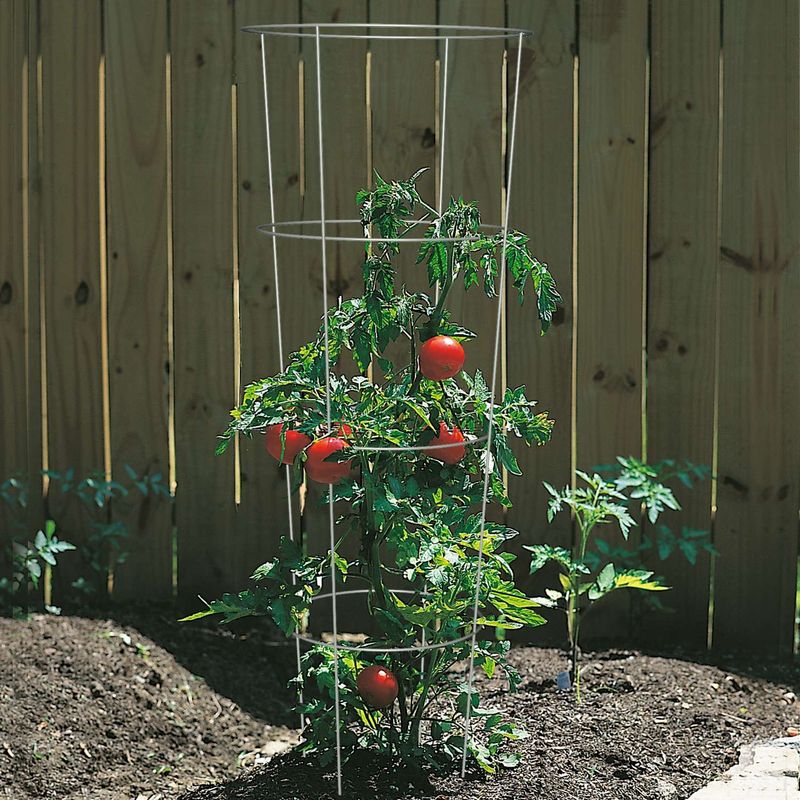
There is a tendency to look at a small tomato transplant and assume it has plenty of time before it needs any real support.
That thinking makes sense on the surface, but tomato plants in North Carolina can grow deceptively fast once warm soil and longer days come together.
A plant that looks manageable in early May can be a thick-stemmed, heavily leafed specimen by the end of the month.
Vigorous tomato varieties, especially indeterminate types that keep growing all season long, can put on a significant amount of height and weight in a short window of time.
When that growth happens without support in place, the main stem can start to lean under its own weight.
That lean becomes harder to correct the longer it goes unaddressed, and a leaning plant is more likely to stay low, sprawl across the garden bed, and become difficult to work around.
Matching the strength of your support to the size of the variety you are growing is worth thinking about before planting day in North Carolina.
Heavier, larger varieties may do better with tall metal stakes or heavy-duty cages rather than lightweight wire options.
Getting the right support in place early, while the plant is still small enough to handle easily, sets the foundation for a strong growing season and gives your tomatoes the structure they need to carry fruit through a long North Carolina summer.
5. Caging Early Helps Summer Care Stay Simpler
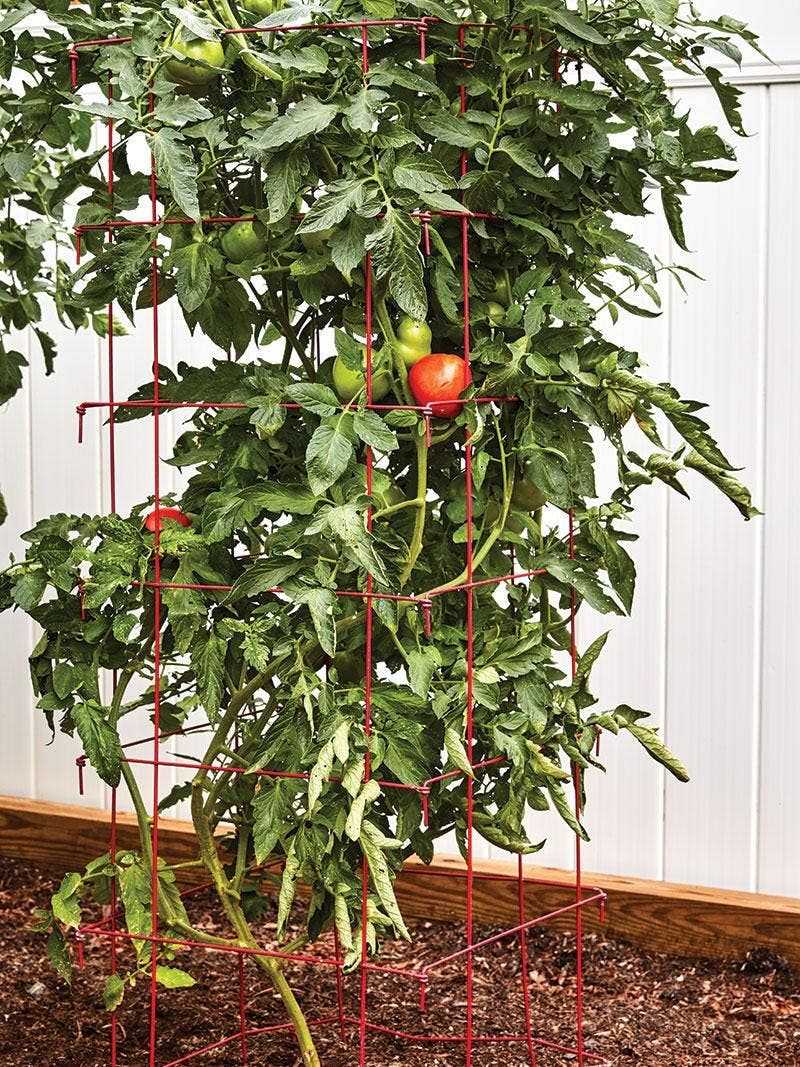
Summer in North Carolina comes with heat, humidity, and a garden that seems to grow overnight.
Tomato plants that have been caged since May tend to stay much more organized through that busy season compared to plants that were left to sprawl for weeks before any support went in.
That organization makes every garden task easier, from checking for pests to pruning suckers to harvesting ripe fruit.
When tomato plants grow upright inside a cage from an early point, the fruit tends to hang in more accessible positions.
You can see what is ripening, reach in to harvest without digging through a tangle of stems, and spot any issues like blossom end rot or pest damage before they spread.
That visibility is one of the practical advantages that experienced North Carolina gardeners often mention when talking about why they cage their tomatoes early.
Caged plants also tend to stay in their own space better, which matters if you are growing multiple tomatoes in raised beds or backyard rows with limited room between plants.
Without cages, neighboring plants can grow into each other and create a crowded, difficult-to-manage thicket by midsummer.
Keeping each plant upright and within its own structure from the start reduces that overlap and keeps the garden looking and functioning the way you planned when you set it up back in May.
That kind of order makes summer care feel less like damage control and more like routine maintenance.
6. Supported Tomatoes Are Easier To Pick And Manage
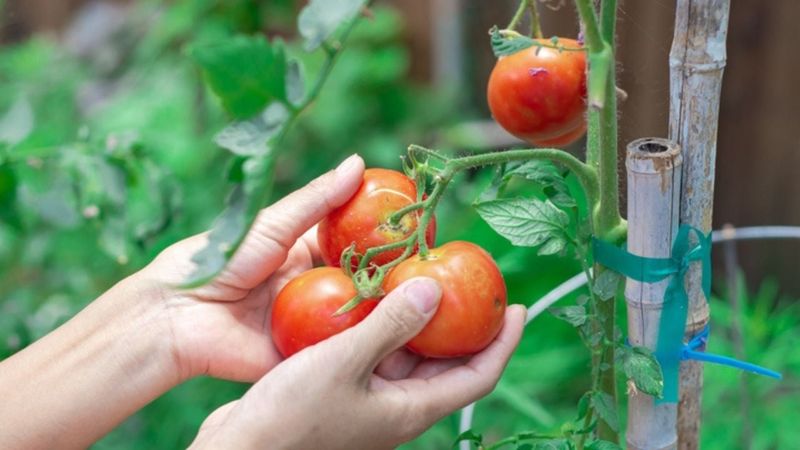
Harvest time should be one of the most rewarding parts of the tomato season, and for North Carolina gardeners who staked or caged their plants early in May, it usually is.
Fruit hangs at a comfortable height, stems stay off the ground, and ripe tomatoes are easy to spot among the leaves.
Picking a tomato from a well-supported plant takes only a moment and rarely requires bending awkwardly or hunting through tangled growth.
Plants that were never properly supported tend to tell a different story by August. Stems that have been lying on or near the soil can develop issues related to moisture and soil contact.
Fruit that rests on the ground or gets buried in dense foliage may be harder to find before it overripens. That can lead to missed harvests and more fruit going to waste than most gardeners would like to see after months of care and attention.
Managing a supported plant is also just more straightforward throughout the season, not only at harvest.
Pruning, tying, checking for pests, and adjusting growth are all tasks that go more smoothly when you can clearly see the plant structure and access different parts without fighting through a pile of stems.
In North Carolina, where the tomato season can stretch from late spring through early fall depending on variety and conditions, having plants that stay organized from the start makes the entire growing experience more enjoyable and productive.
7. One Early Step Helps The Whole Season
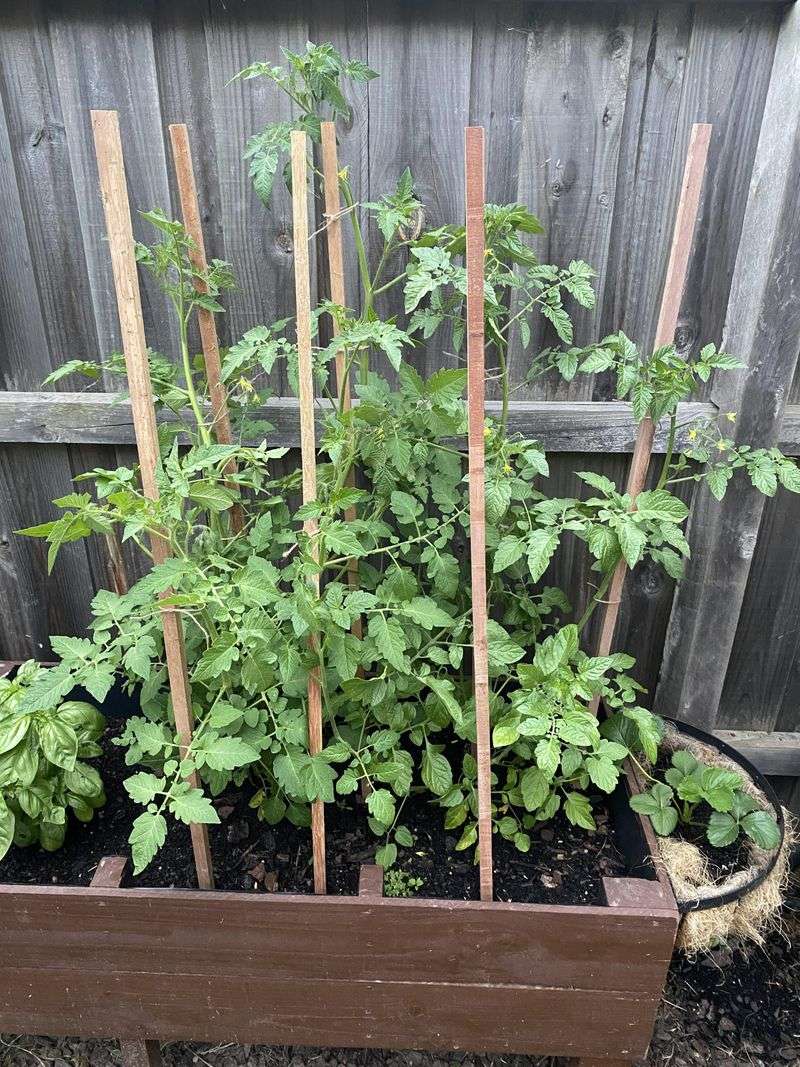
Few gardening habits have as much impact across an entire season as getting tomato support in place early.
The few minutes it takes to set a cage or drive a stake in May can shape how the plant grows, how easy it is to care for, and how productive the harvest turns out to be months later.
That kind of return on a small early effort is hard to match with almost any other single gardening task.
North Carolina tomato growers who make early support a consistent part of their spring planting routine often find that their summer garden visits are shorter and less stressful.
There is no need to spend time lifting fallen stems, retying branches that have grown too heavy, or trying to redirect growth that has already spread across a garden path.
The plant simply grows the way it was guided from the beginning.
Of course, results can vary depending on the tomato variety, the type of support used, local weather patterns, and how much space each plant has to grow. No single technique works exactly the same in every North Carolina garden.
But the general principle holds across many growing situations: getting support in place early gives tomato plants a better structure to build on.
That structure pays dividends through the long summer growing season, making everything from routine watering to final August harvests feel more manageable and satisfying than it would without that one early step.
8. Good Tomato Support Starts In May
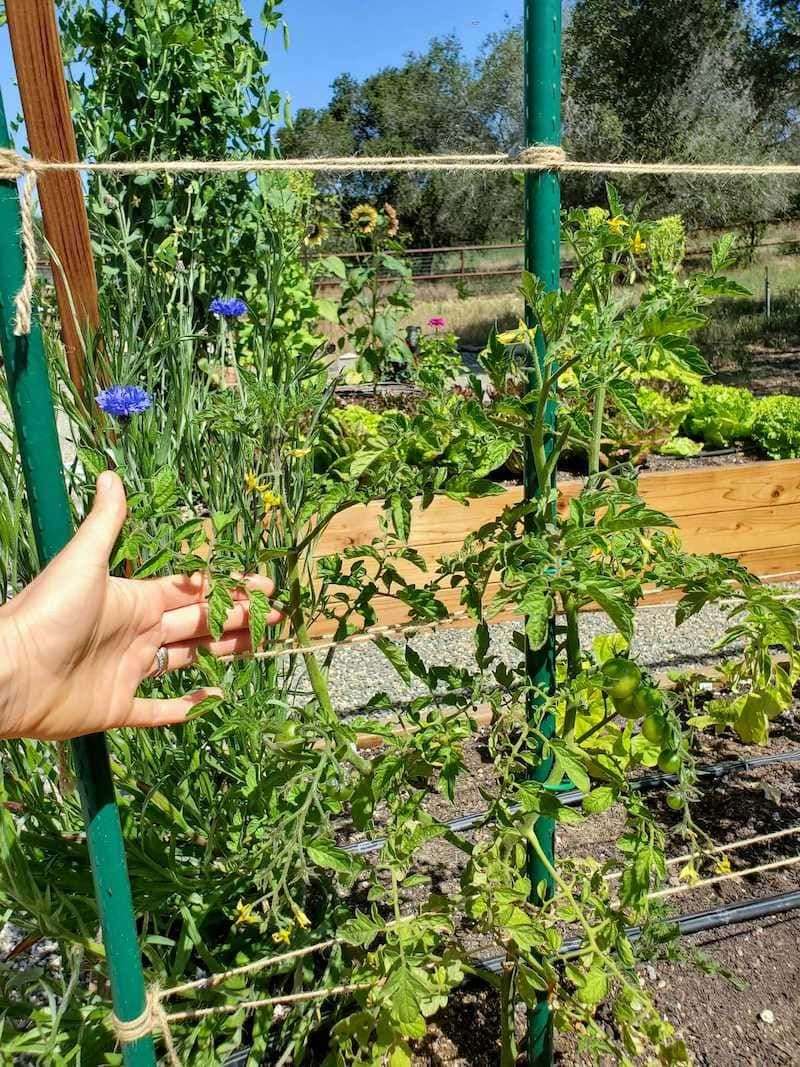
May is the month when tomato support decisions really matter in North Carolina.
The plants are young enough to handle easily, the soil is warm enough for strong root development, and there is still plenty of growing season ahead for good support habits to make a meaningful difference.
Waiting until plants show signs of leaning or sprawling means the best window for easy, effective support has already passed.
Choosing the right type of support for your tomato variety before or at planting time is a practical habit worth building into your spring gardening routine.
Determinate varieties that stay more compact may do well with a single stake, while larger indeterminate types often benefit from sturdy cages or multiple stakes with ties.
Thinking through that choice in May, when the plant is small and the season is full of potential, sets a better foundation than scrambling for solutions in July.
North Carolina gardens come in all shapes and sizes, from small raised beds on a back patio to long rows in a backyard plot, and the support approach that works best can vary from one setup to the next.
What tends to stay consistent across those different situations is the value of acting early.
Getting tomato support in place in May, before the heat of summer pushes growth into high gear, is one of the most practical and rewarding habits a North Carolina tomato gardener can develop for a more productive and manageable season.