North Carolina Hydrangeas Need This In November Or They May Skip Blooming Next Summer
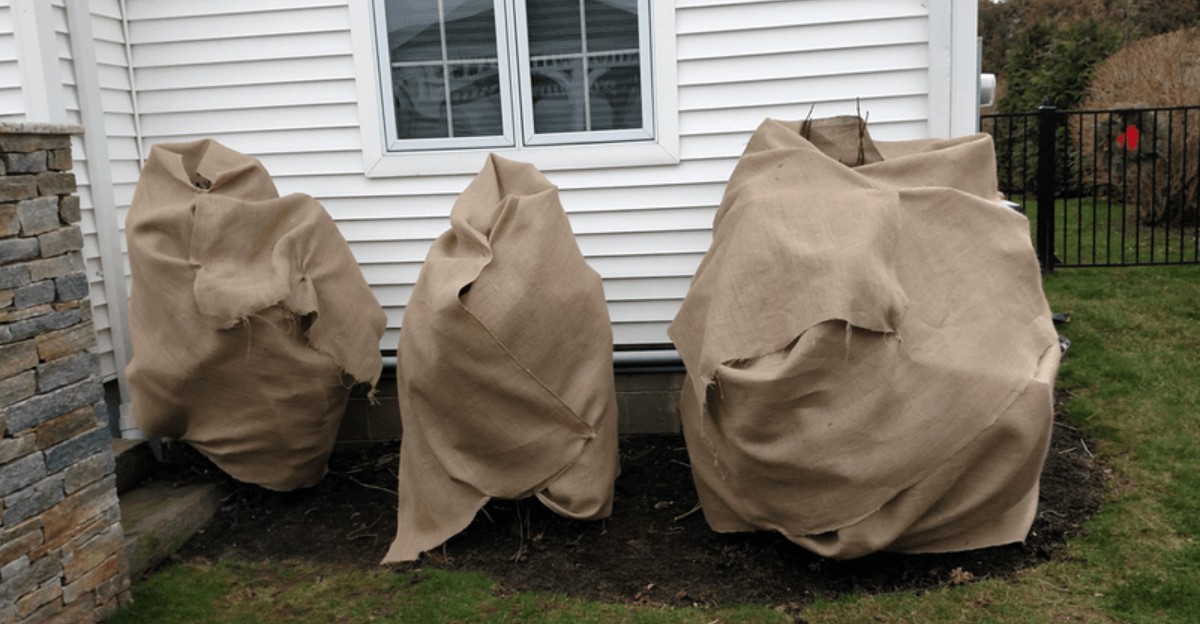
Next summer’s flowers are already sitting on the bare stems in my yard right now. They are tiny, tucked inside fat buds, and waiting out the cold like a seed packet in a drawer.
I learned the hard way that one skipped afternoon in fall can erase a whole season of color. I once left my shrubs bare through a hard winter and got nothing but big green leaves the next June. My pride still hasn’t recovered.
Across North Carolina, the mountains, Piedmont, and coast all handle winter differently. A plant that sails through a mild Wilmington winter may sulk after a hard Boone freeze. Late warm spells followed by a sudden cold snap make things even trickier.
So what does this shrub really want from you this month? The answer is easier than you’d guess, and a little bit surprising.
A Burlap Cage Stuffed With Dry Leaves
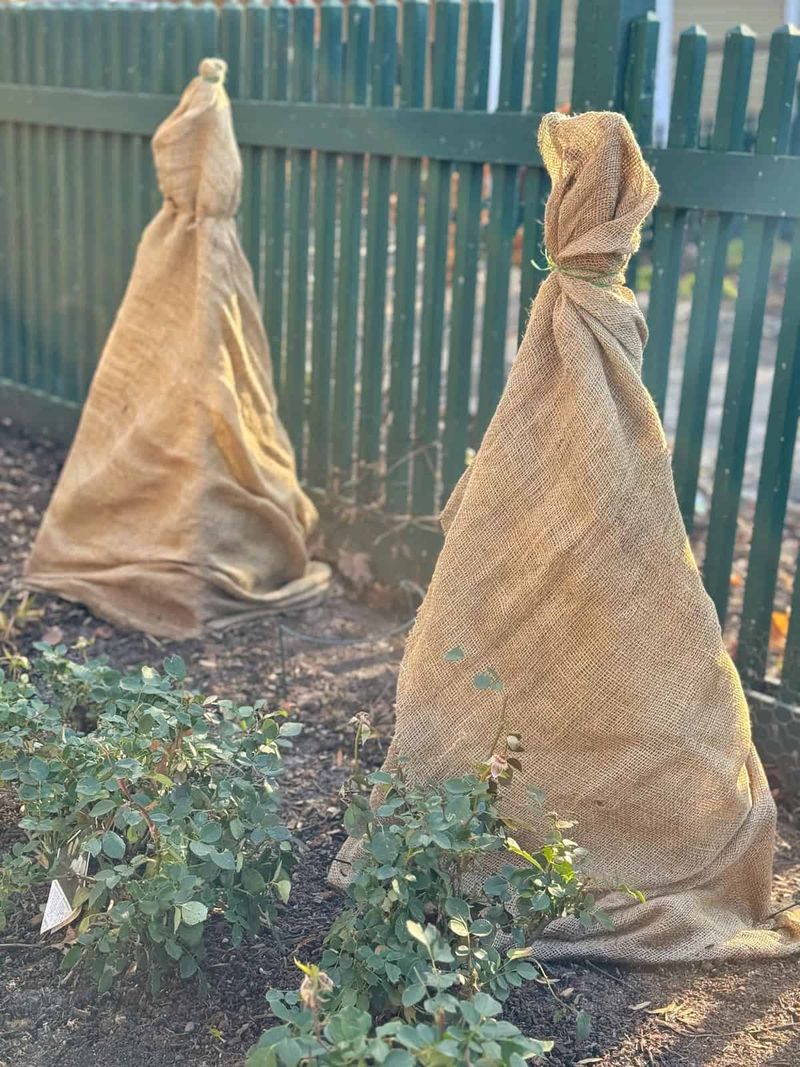
The single job that matters most this month is building a loose winter cage around your bigleaf hydrangeas. It is a simple ring of wire or stakes, packed with dry leaves and wrapped in burlap.
This setup protects the plump flower buds sitting at the tips of last season’s stems. Those buds hold next summer’s mopheads and lacecaps, so losing them means a summer of plain green leaves.
Bigleaf hydrangeas bloom mainly on old wood, which makes their flowers more vulnerable to winter injury than those of many other shrubs. Oakleaf hydrangeas also bloom on old wood, though their buds tend to handle cold a bit better.
The cage works like a puffy winter coat for the whole shrub. Dry leaves trap still air around the stems, while the burlap blocks drying wind without sealing in moisture.
You don’t need special tools or a big budget for this project. A roll of chicken wire, a few garden stakes, and a pile of fallen leaves from your own yard will do the trick.
Most gardeners can finish one shrub in under an hour on a mild afternoon. Larger plants simply need a wider ring, a taller frame, and a little more leaf filling.
The effort pays off in June, when protected stems push out full flower heads instead of leafy tips. It is one of the few November chores that directly shapes how much color you see next summer.
Next Summer’s Flowers Already Waiting At The Stem Tips
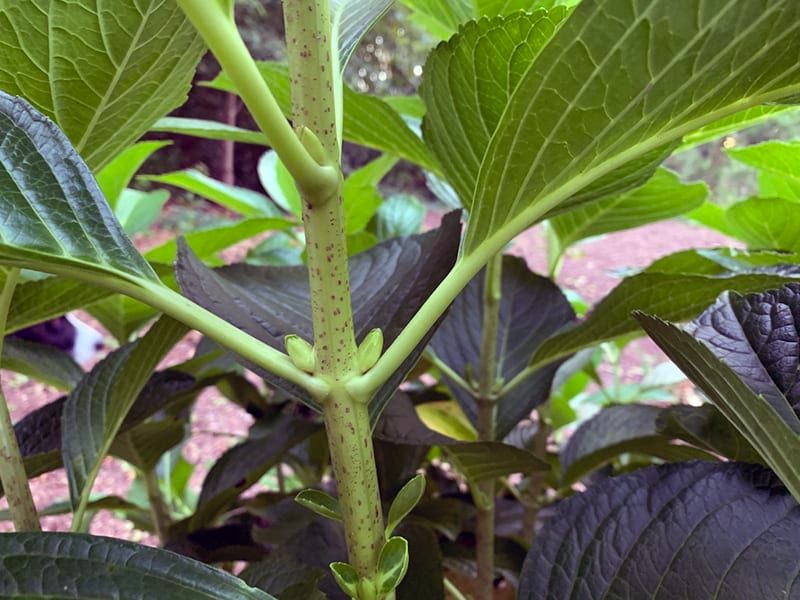
Walk up to a bigleaf hydrangea this month and look closely at the ends of its stems. You’ll notice fat, pointed buds that look a little like green or reddish arrowheads.
Those buds formed in late summer and early fall, after this year’s flowers faded. Inside each one sits a tiny, folded flower head waiting patiently for steady spring warmth.
Horticulture experts at NC State Extension explain that bigleaf types flower on stems that grew the previous season. Once those buds are set, the plant has finished its work and simply has to carry them through winter.
That is why a bloomless summer usually has little to do with the shrub’s overall health or the soil it grows in. Most of the time, the buds were frozen, dried out, or cut off before spring arrived.
The tip buds matter most because they produce the biggest, showiest flower heads. Buds lower on the stem can sometimes bloom if the top ones fail, but the show is usually smaller and less impressive.
A cage wrapped around the shrub keeps these exposed tips out of the harshest wind and bitter cold. It protects the part of the plant that has the most to lose this winter.
Fun fact: you can gently peel open a bud from a broken stem to see the flower inside. It looks like a tiny cluster of green beads, packed tight and ready for June.
Hard Freezes After Warm Spells Hit Buds Hardest
North Carolina winters rarely settle into steady cold. A week of mild sunshine can arrive in January, followed by a sharp freeze that drops temperatures into the teens overnight in many parts of the state.
That swing is especially hard on bigleaf hydrangeas growing in exposed spots. Warm days coax the buds to swell slightly and lose some of their cold hardiness, leaving them soft when the freeze returns.
Fully dormant buds can usually handle a fair amount of cold. Buds that have started to wake up are far more fragile, and even temperatures in the 20s can injure them.
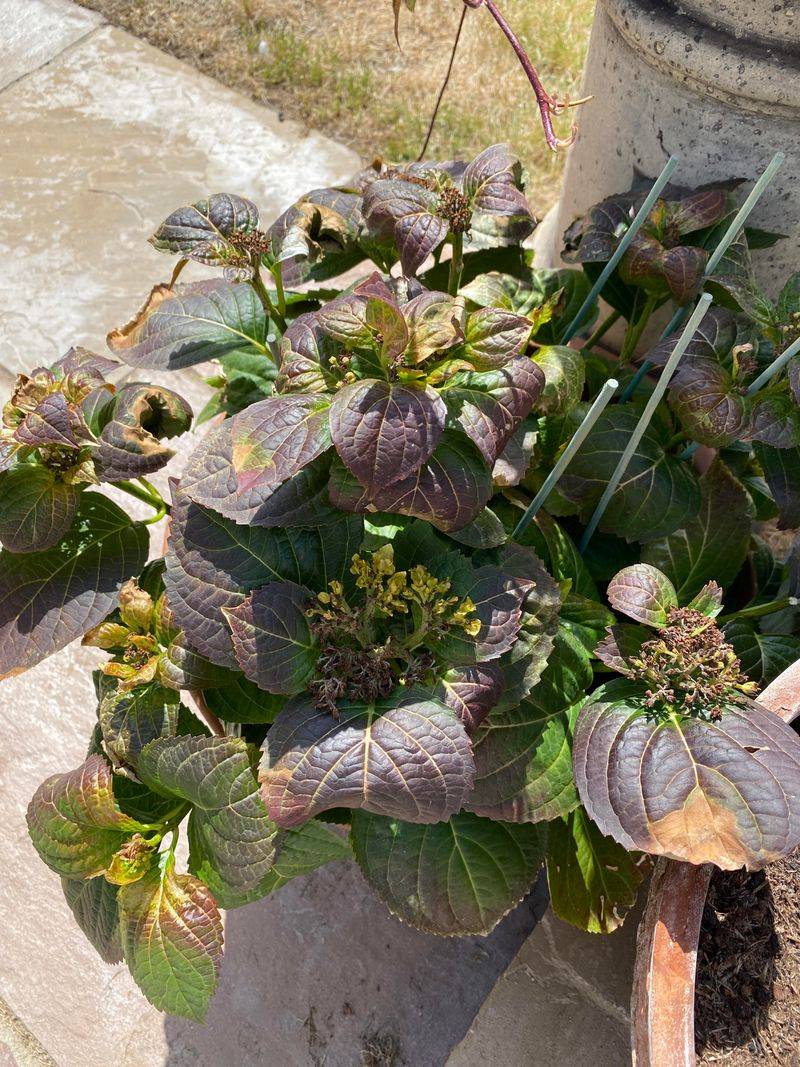
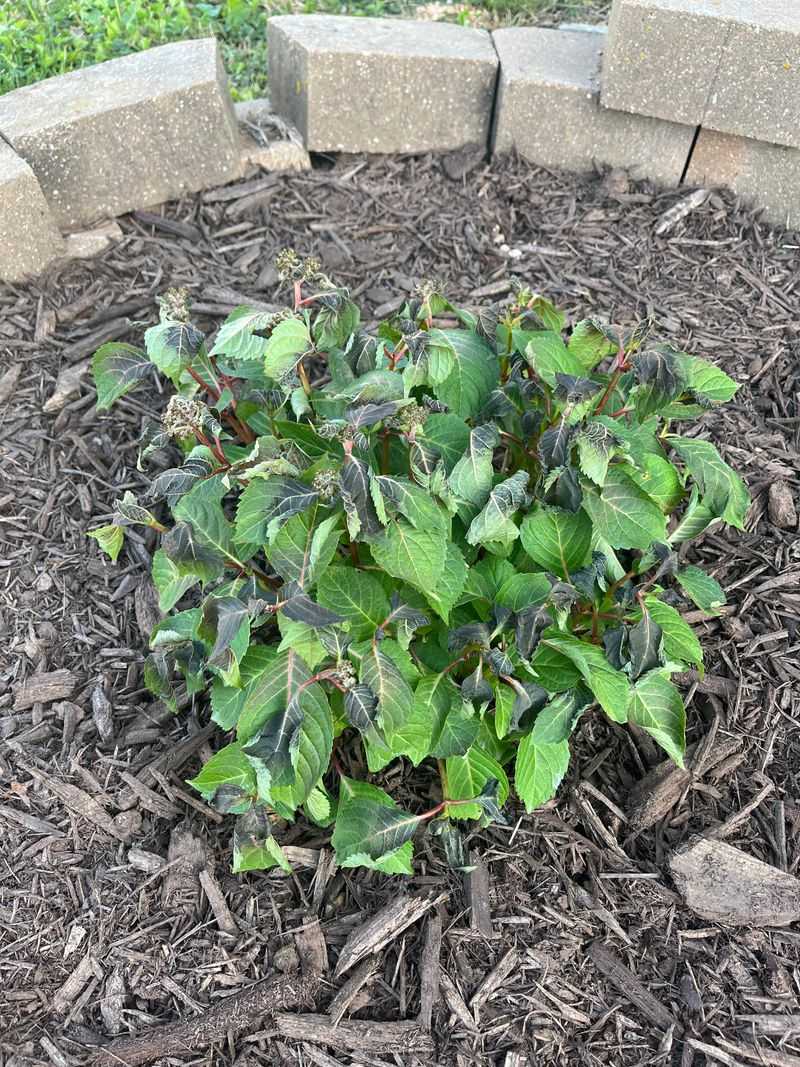
Damaged buds often turn brown or black and feel mushy when pressed in spring. Lower buds on the stem may still push out leaves, which is why so many gardeners end up confused by a green but flowerless shrub.
Late winter and early spring freezes cause some of the worst trouble. By then, buds have often swelled and opened slightly, and a single cold night can undo months of patience.
A leaf-filled cage evens out these swings. The insulation keeps buds cooler on warm afternoons and slightly warmer on frosty nights, so they stay dormant longer and respond less to brief warm spells.
That steady, buffered environment is the real goal of the whole project. Calm, sleepy buds come through winter in far better shape than buds that keep waking up too early.
A Simple Chicken Wire Frame Filled With Pine Straw
Before you build anything, water the shrub deeply if fall has been dry. A well-hydrated plant handles drying winter wind much better than a thirsty one.
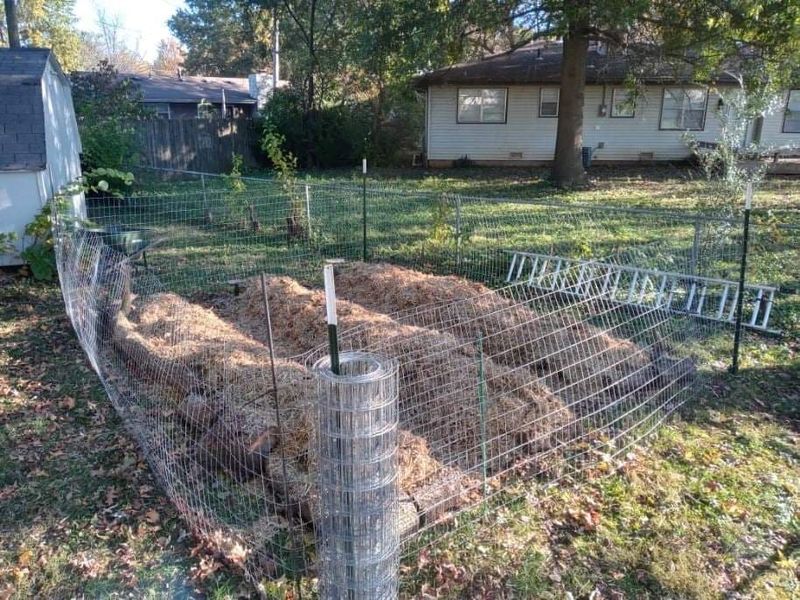
Start by pushing three or four sturdy wooden stakes into the ground around the shrub. Place them just beyond the outer branches so the frame doesn’t press against the stems.
Wrap chicken wire around the stakes to form a loose cylinder. Make it a few inches taller and wider than the shrub, then secure the ends with twine or garden wire.
Next, fill the cylinder with pine straw or dry, shredded leaves. Pack the material loosely around the branches so air can still move freely between the pieces.
Shredding the leaves matters more than many people expect. Whole leaves, especially maple, can mat down into a soggy layer that holds water against the buds.
Running a mower over a leaf pile a few times breaks the leaves into small, fluffy pieces. Oak leaves hold their shape well, which makes them a favorite filler for this kind of job.
Finally, wrap a layer of burlap around the outside of the wire. Pin or tie it in place with twine so it stays put during gusty winter weather.
Leave the top partly open or lay a loose piece of burlap over it. A little airflow lets excess moisture escape and keeps heat from building up on sunny days.
Breathable Burlap Beats Plastic Sheeting
Plastic seems like the obvious choice for keeping cold out. It’s cheap, waterproof, and easy to find, but it can do more harm than good around hydrangeas.
On sunny winter days, plastic traps heat like a tiny greenhouse. Temperatures inside can climb quickly, encouraging buds to swell before the cold returns.
Plastic also holds moisture against the stems. That damp, stuffy environment can invite mold and rot, especially during long stretches of cloudy, wet weather.
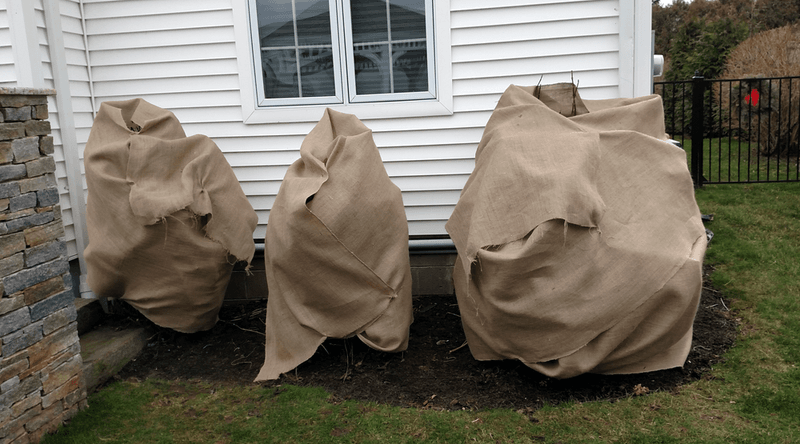
Burlap works differently because air and water pass through its loose weave. It cuts the force of the wind while letting the shrub breathe.
Frost cloth, sometimes sold as row cover, is another breathable option. It’s lightweight and easy to toss over a shrub on short notice when a freeze shows up in the forecast.
Old cotton sheets or blankets can work in a pinch for a night or two. Remove them once temperatures rise, since wet fabric gets heavy and can bend or snap brittle stems.
Natural burlap is easy to find at garden centers and hardware stores, usually sold by the roll or yard. A single roll can often cover several shrubs, and it can be dried and reused for a few winters.
If plastic is all you have, use it only as an outer layer for a single freezing night. Keep it from touching the shrub and pull it off as soon as the sun comes out.
Regional Timing From Mountain Yards To Coastal Gardens
North Carolina stretches from high mountain valleys to warm sandy coastline, so winter protection looks different across the state. The right timing depends a lot on where your hydrangeas grow.
In the mountains, around Boone and Asheville, build cages in mid to late November. Hard freezes arrive early there, and bigleaf buds benefit from full protection all winter.
Piedmont gardeners in places like Charlotte, Greensboro, and Raleigh have more flexibility. A full cage helps shrubs in exposed or low-lying spots, while sheltered plants may only need frost cloth during cold snaps.
Along the coast, near Wilmington or the Outer Banks, hard freezes come later and less often. Most coastal shrubs do fine with a thick mulch layer and frost cloth kept handy for rare cold nights.
Wherever you live, keep an eye on forecasts through March, or into April in the mountains. Late freezes after warm spells cause many bud losses, so a quick cover on those nights can save the season.
Remove cages gradually in early spring once the worst cold has passed. Mountain gardeners often wait until April, while coastal gardens can usually uncover in late February or early March.
Leaving the wrap on too long traps moisture and slows new growth. Pull the leaves out a little at a time so the shrub can adjust to open air.
Spread the used leaves around the base afterward as mulch. They break down over the summer and quietly enrich the soil around the roots.