What North Carolina Hostas Need In September Before They Disappear For Winter

Your hostas are about to disappear entirely, and that is the plan.
Sometime in the next few weeks, the leaves yellow, flop toward the ground, and vanish. Nothing above soil survives.
Underneath, something else is happening.
Right now the plant is moving energy downward and deciding how strong next spring’s growth will be. September has real influence over that.
North Carolina complicates it. Northern gardens get a slow steady cooling that eases plants into rest.
Around here you get 94 degrees on the twelfth and a cold front on the twentieth, and the plant has to sort that out.
So a handful of late season habits matter more in this state than they would in Michigan. Some involve doing things.
At least two involve deliberately not doing something that feels helpful, and most gardeners get one of them backwards.
The mistake stays hidden until April.
Curious which September choices your spring display depends on?
1. Protect Hostas During Late Summer Heat

Even in September, North Carolina can throw a few sticky, hot days your way before real fall weather settles in. Hostas love shade, so any leftover summer heat and strong afternoon sun can leave their leaves looking scorched or crispy at the edges.
Keeping your plants in dappled or afternoon shade helps them handle these final warm stretches. If your hostas sit somewhere that gets blasted by hot sun, a nearby shrub, a shade cloth, or even a taller potted plant can offer relief until temperatures drop.
Dry soil makes heat stress worse, so check the ground with your finger every few days. When the top inch feels dry, give a slow, deep drink at the base rather than a quick sprinkle on the leaves.
NC State Extension notes that hostas do best in consistently moist, shaded spots, which matters most during these last warm weeks. A cool root zone lets the plant store energy in its crown before dormancy.
Some yellowing during this time is completely expected and does not mean anything is wrong. The foliage naturally starts fading as the season shifts, and the crown underground stays healthy.
Think of this stage as helping your hostas cross the finish line of summer. A little shade and steady moisture now set them up for an easy transition into their winter rest without unnecessary stress.
2. Adjust Watering Before Dormancy Begins
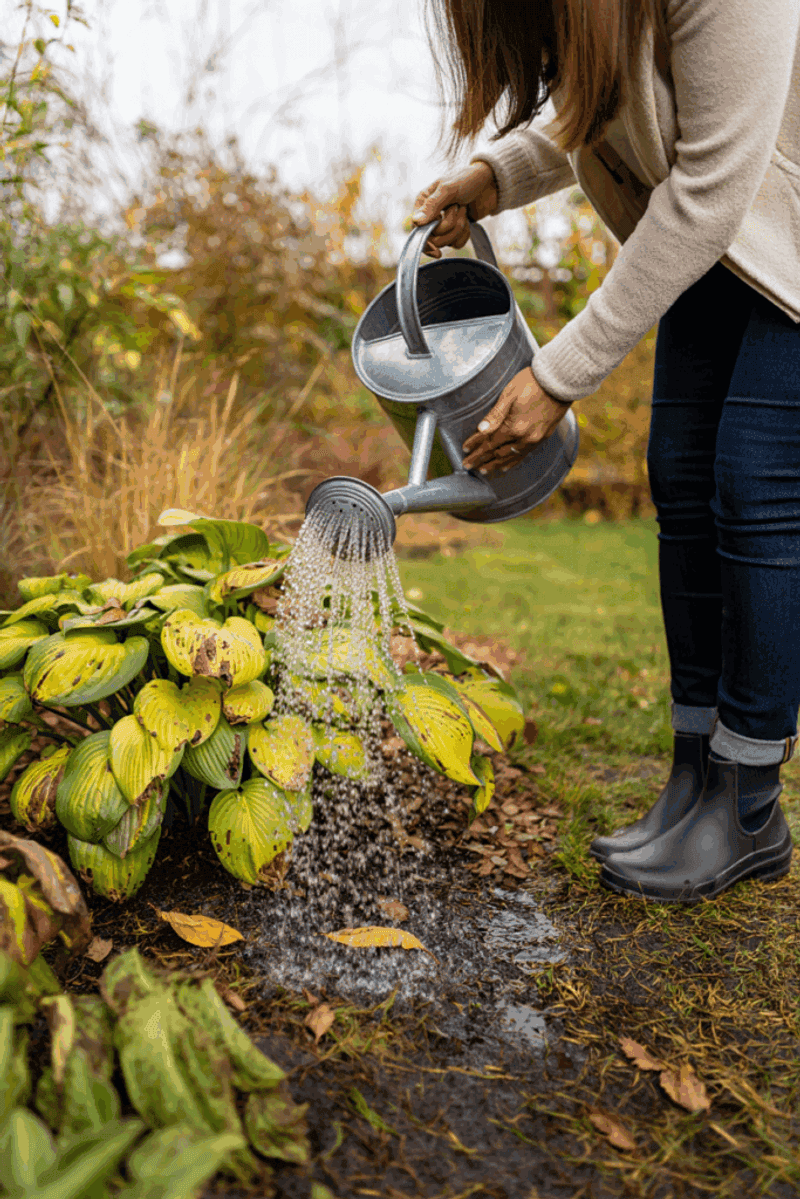
Watering in September is a bit of a balancing act. Your hostas still need moisture, but their thirst starts to shrink as they prepare to slip into dormancy for the winter.
Early in the month, keep watering when the top inch of soil feels dry, especially if North Carolina hands you a warm, rainless week. Deep, slow watering encourages strong roots that will support next spring’s growth.
As the leaves begin yellowing and the weather cools, you can gradually water less often. The plant is pulling energy down into its crown and no longer needs to feed a full canopy of leaves.
Overwatering during this fading stage can actually cause trouble, since soggy soil around a resting crown invites rot. Let the ground dry out a little more between drinks than you did in midsummer.
Your North Carolina Garden Changes Every Week. Your Plan Should Too.
Gardening in North Carolina changes quickly throughout the season. Every Friday you’ll receive a simple weekly plan showing exactly what to plant, prune, fertilize, harvest, and protect so you never miss the right timing.
Fall rains often help out in North Carolina, so pay attention to what the sky provides before reaching for the hose. Natural rainfall may cover most of your plant’s needs by late September.
NC State Extension guidance points to consistent moisture during active growth, then tapering as plants slow down. Following that rhythm keeps your hostas comfortable.
By matching your watering to the plant’s slowing pace, you avoid drowning a crown that is simply getting ready to nap. Steady, thoughtful watering now leads to a smooth, healthy dormancy.
3. Refresh Mulch Around Hosta Roots
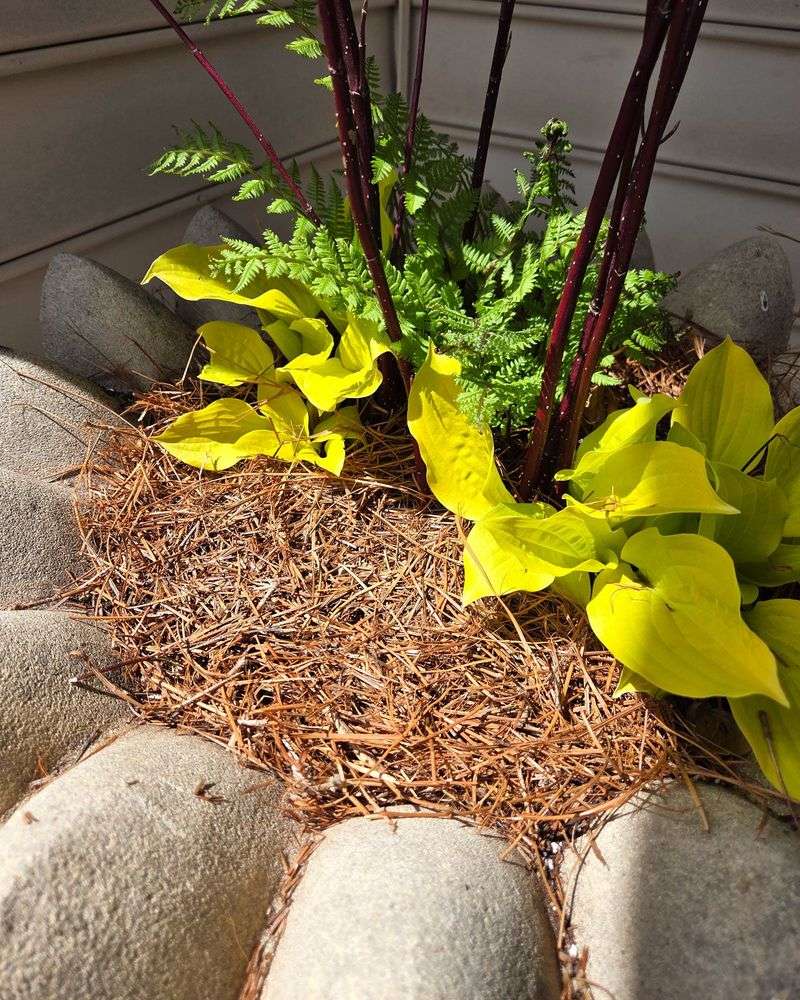
Mulch is like a cozy blanket for your hosta roots, and fall is a great time to add a fresh layer. In North Carolina, timing matters, so aim to refresh mulch once the weather cools but before the first hard freeze.
A layer about two to three inches thick helps hold moisture in the soil and keeps the temperature steady around the crown. That steadiness protects roots from the wild ups and downs that our southern winters sometimes bring.
Shredded bark, pine straw, or chopped leaves all work well and are easy to find across the state. Pine straw is especially popular here and lets water pass through nicely.
Keep the mulch pulled back an inch or so from the very center of the crown. Piling it right against the plant can trap moisture and encourage rot during winter’s wet spells.
NC State Extension recommends mulching to conserve moisture and moderate soil temperature, which is exactly what a dormant hosta appreciates. It also cuts down on weeds trying to crowd your beds.
If you already have mulch in place, just fluff it up and add enough to reach that few-inch depth. There is no need to strip away the old layer completely.
With a tidy blanket of mulch tucked around your hostas, their sleeping crowns stay protected and ready to wake up strong when spring finally returns.
4. Remove Damaged Leaves Without Overcleaning
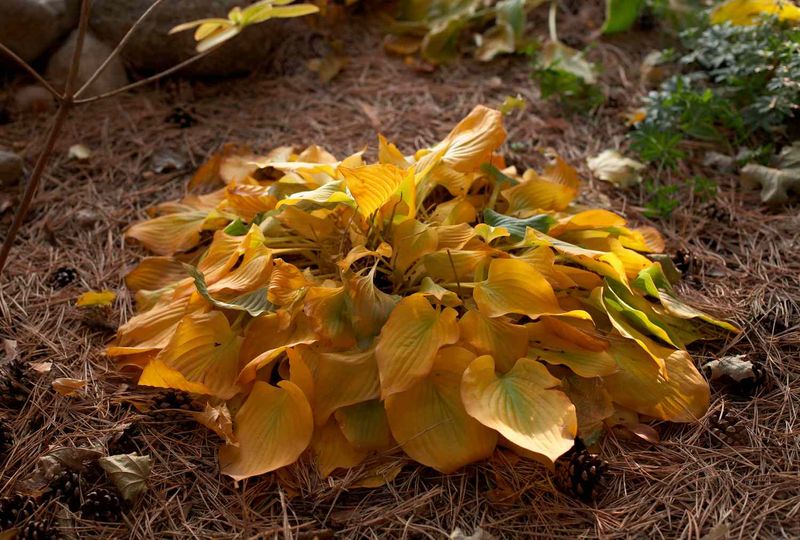
There is a temptation to tidy everything up the moment leaves start looking messy, but hostas actually benefit from a gentler touch in September. Some fading foliage is doing an important job right up until it fully collapses.
Focus on removing leaves that are clearly damaged, torn, chewed by pests, or covered in spots. Cutting those away helps stop insects and diseases from hanging around your plant.
Healthy leaves that are simply beginning to yellow can stay a while longer. As they fade, they send stored energy down into the crown, giving next year’s growth a helpful boost.
Wait to do a full cleanup until after the leaves have naturally died back or the first frost has knocked them down. Then you can clear away the spent foliage more freely.
Removing the debris eventually matters, since slimy old leaves left on the ground can shelter slugs and fungal problems over winter. A clean bed in late fall discourages pests.
Use clean scissors or pruners and snip near the base rather than yanking, which can disturb the crown. Toss diseased leaves in the trash instead of the compost pile.
Think of it as light housekeeping rather than a deep scrub. By pulling only the problem leaves now and saving the big cleanup for after dormancy, you protect the plant while still keeping things reasonably neat.
5. Skip Late Fertilizer Before Winter Rest
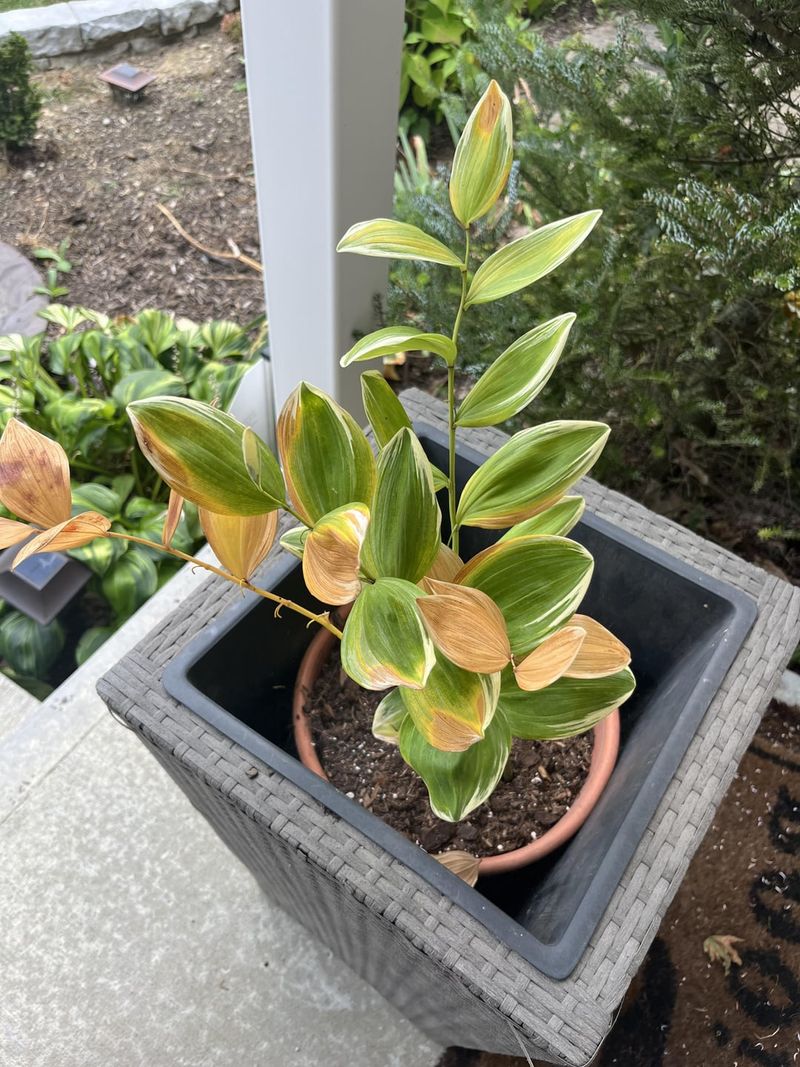
It might feel helpful to give your hostas a snack before winter, but late fertilizing can backfire in a big way. As September moves along, your plants are winding down, not gearing up.
Fertilizer encourages fresh, tender growth, and new leaves that pop up this late will not have time to toughen up before cold weather arrives. That soft growth gets damaged easily by frost.
Pushing a plant to grow when it wants to rest also wastes the energy it should be storing in the crown. You want that energy tucked away safely for a strong spring return.
NC State Extension suggests feeding hostas in spring when growth is starting, not in fall when plants are heading toward dormancy. Following that schedule keeps the plant’s natural rhythm intact.
If you fertilized earlier in the growing season, your hostas already have what they need to finish the year. There is no gap you need to fill right now.
Instead of reaching for plant food, put your effort into mulching and gentle cleanup. Those steps actually support the dormancy process rather than fighting against it.
Mark your calendar for early spring as the right moment to feed. When new shoots start pushing through the soil, a balanced fertilizer will do far more good.
Skipping the September feeding is one of the easiest favors you can do for your resting hostas.
6. Check For Slugs And Crown Problems
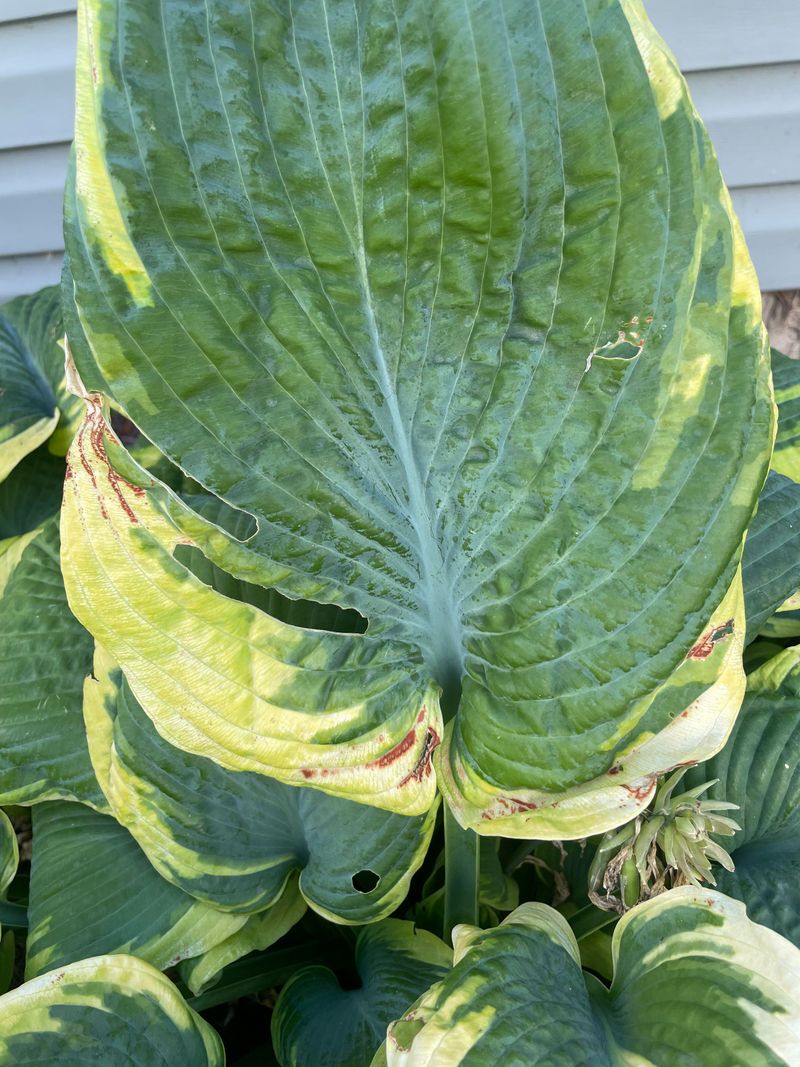
Slugs adore hostas, and North Carolina’s damp fall weather can keep them munching well into September. A quick pest check now saves you headaches next season.
Look for ragged holes in the leaves and shiny, silvery trails across the foliage, which are telltale signs of slugs. They usually feed at night, so an evening flashlight patrol can catch them in action.
Handpicking slugs, setting out shallow dishes of beer as traps, or sprinkling iron phosphate bait around plants are all reasonable ways to knock down their numbers. Clearing away damp debris removes their favorite hiding spots too.
While you are down there, gently inspect the crown, the spot where leaves meet the soil. It should feel firm, not mushy or foul-smelling.
Soft, slimy, or rotting tissue at the crown can point to crown rot, often caused by soil staying too wet. NC State Extension links these fungal problems to poor drainage and overly soggy conditions.
If you find rot, remove the affected parts, improve drainage, and avoid piling mulch against the center. Cutting back on watering as dormancy nears also helps.
Catching these issues in fall means you head into winter with a healthier plant. A firm crown and slug-free bed give your hosta the best shot at bouncing back beautifully once the weather warms up again.
7. Divide Crowded Hostas At The Right Time
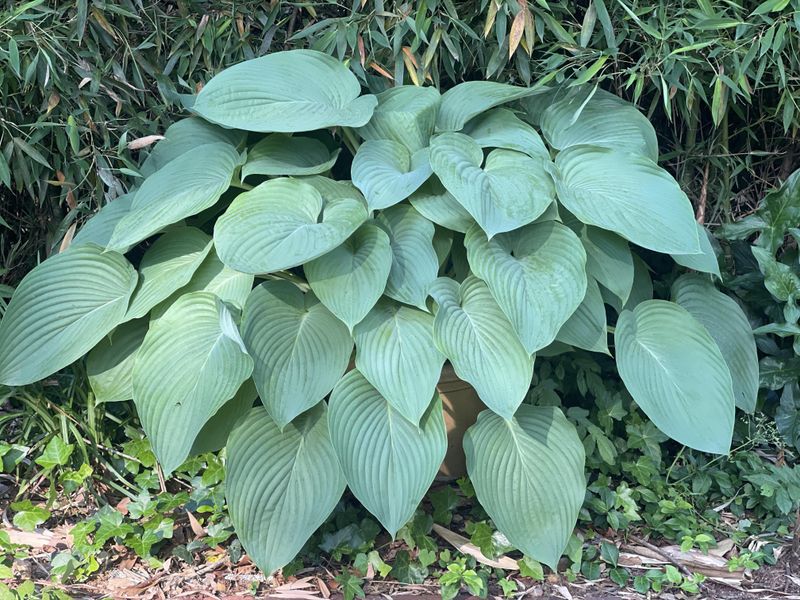
When a hosta clump gets so big that the center starts thinning or leaves feel crowded, it is telling you it wants to be divided. Fall is a friendly time to do this job in North Carolina.
Early fall works well because the soil is still warm enough for roots to settle in, while cooler air keeps the plant from stressing too much. Aim for a stretch when you have several weeks before the first hard freeze.
Start by digging up the whole clump with a sharp spade, keeping as many roots as you can. Then split it into smaller sections, making sure each piece has healthy roots and a few growing points.
Replant the divisions at the same depth they were before and water them in gently. Giving the new roots time to establish before winter helps them survive the cold.
Dividing also refreshes tired, overcrowded plants and gives you free hostas to spread around the yard or share with friends. It is a budget-friendly way to fill shady spots.
The American Hosta Society notes that dividing every few years keeps plants vigorous, and NC State Extension supports fall as a workable window in the South.
After dividing, a layer of mulch protects those fresh divisions through the season. Come spring, each piece should send up its own set of leaves.
8. Prepare Hostas For Spring Growth

Getting your hostas ready for spring really comes down to a handful of simple steps you can check off before winter fully arrives. A little effort now pays off with lush leaves later.
First, make sure the last of the faded foliage gets cleared away after it dies back naturally or after a frost. Removing spent leaves keeps pests and disease from overwintering in your beds.
Next, confirm a tidy two-to-three-inch layer of mulch surrounds each plant while staying off the crown’s center. That blanket guards the roots through North Carolina’s up-and-down winter temperatures.
Give the soil one last check for good drainage, since standing water is the biggest threat to a resting crown. If water pools, loosening the soil or adding compost can help.
Hold off on fertilizer until spring, and jot a reminder to feed once new shoots appear. That timing matches the plant’s natural growth cycle.
Take a quick note of any hostas you divided so you can watch them closely next year. Marking their spots also prevents you from accidentally digging where they sleep.
With cleanup done, mulch in place, and drainage checked, your hostas are set to rest peacefully underground. The fading leaves are simply part of a healthy cycle, and the crown stays alive all winter.
When spring returns, those tightly rolled shoots will unfurl into fresh green mounds, rewarding the care you gave them this September.