North Florida Gardeners: These 10 Plants Need Hardening Off Right Now

Spring fever hits hard in North Florida, and when those seedlings start looking strong, it is tempting to jump the gun and plant them straight into the garden. The sunshine feels right, the beds are ready, and patience suddenly feels overrated.
But rushing tender plants outdoors can turn a promising season into an uphill battle before it even begins. Plants raised indoors or in greenhouses live a cushy life, protected from wind, harsh sun, and chilly nights.
Tossing them straight into real world conditions can shock them badly, slowing growth or causing lasting damage. This is one of those moments where slow and steady truly wins the race.
A short transition period can mean the difference between plants that merely survive and plants that thrive. Hardening off may not be glamorous, but it is the secret sauce behind sturdy stems, healthy leaves, and heavy harvests.
If your garden plans are ready to roll, these ten popular plants are at a make or break stage right now, and giving them a little extra care up front can pay off big time all season long.
1. Tomatoes

Your indoor seedlings have been living the easy life under grow lights or on sunny windowsills where temperatures stay consistently warm and conditions remain stable day after day.
Moving them directly into North Florida spring weather can shock their systems because they have not developed the tougher leaf surfaces and stronger stems needed to handle outdoor conditions.
When you rush this process, you will notice leaves turning pale or developing a bleached appearance, and stems may bend or become weak instead of standing upright.
Start by placing your transplants outside in a shaded spot for just an hour or two on the first day, then bring them back inside. Over the next week to ten days, gradually increase their time outdoors and slowly introduce them to filtered sunlight before moving them into full sun exposure.
Watch for afternoon temperatures above seventy degrees and avoid putting them out when nights dip below fifty degrees.
This patient approach helps your plants build up natural defenses against wind, sun intensity, and temperature swings.
By the end of the hardening off period, your transplants will have thicker leaves, sturdier stems, and a much better chance of producing abundant fruit throughout the growing season.
2. Peppers
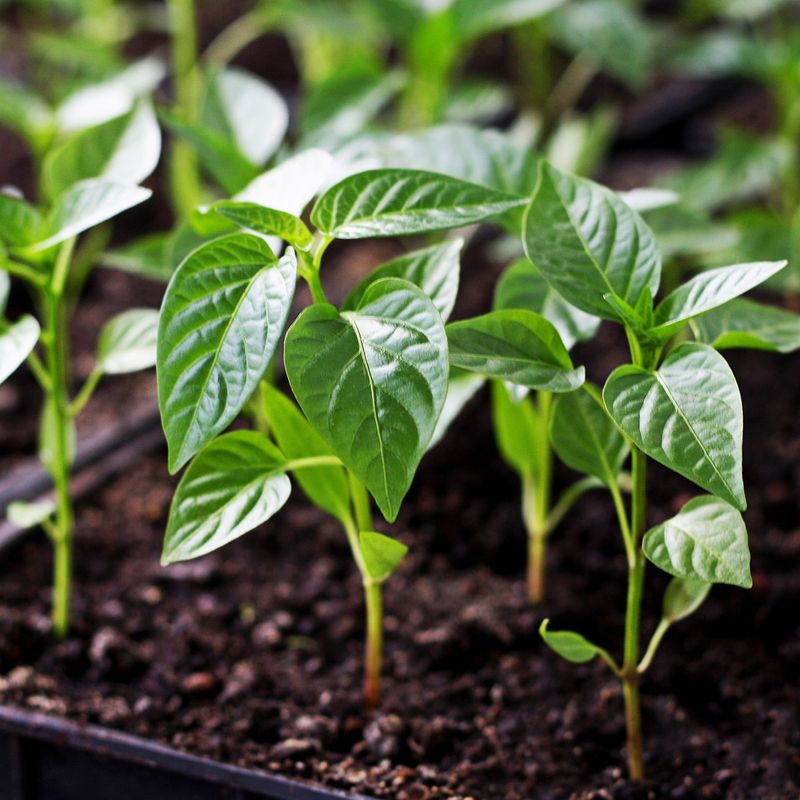
Pepper plants are even more sensitive to temperature changes than their tomato cousins, and they really dislike being rushed into the garden without proper preparation.
These warm season favorites need consistent warmth to grow well, and sudden exposure to cool evening air or strong afternoon sun can set them back by several weeks.
You might see leaves curling, growth stalling, or blossoms dropping if they experience too much stress during the transition period.
Begin the hardening off process only when nighttime temperatures reliably stay above fifty five degrees, as peppers are particularly vulnerable to cool conditions.
Place your plants in a protected area where they receive indirect light for a few hours each day, then gradually extend their outdoor time while slowly introducing more direct sunlight.
Pay close attention to weather forecasts and bring plants inside if a cool front moves through the area.
The entire process should take about ten to fourteen days, which may feel slow but pays off tremendously once plants are established in the garden.
Well hardened pepper plants develop strong root systems and thick foliage that can handle North Florida heat and produce steadily from late spring through early fall.
3. Cucumbers
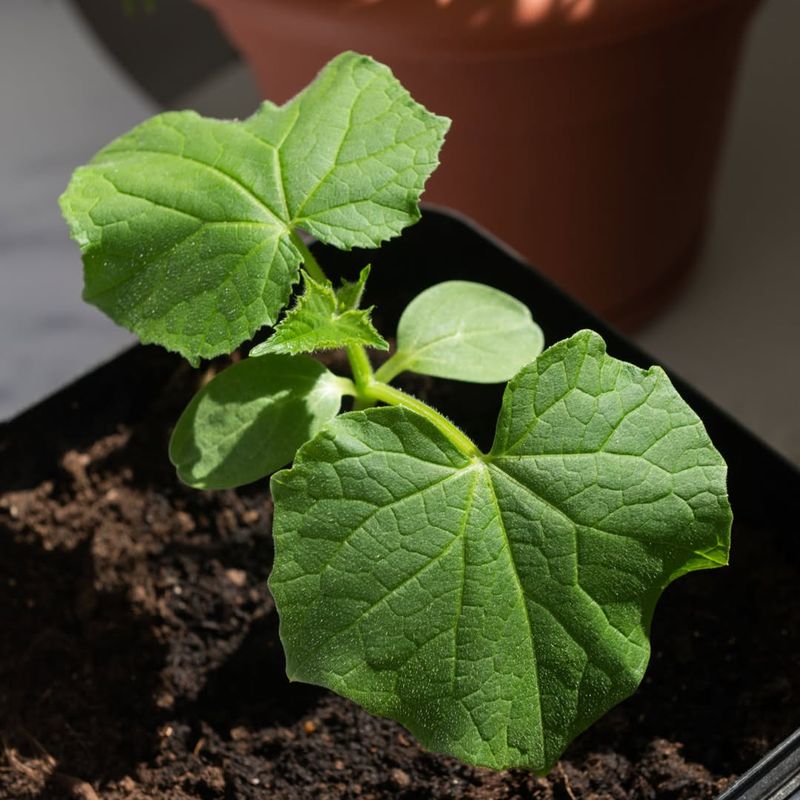
Fast growing and eager to climb, cucumber seedlings can seem ready to take on the world when they are sprouting their first true leaves indoors.
Their tender vines and delicate foliage need careful conditioning before they can handle outdoor growing conditions, especially the bright sunshine and variable spring breezes common across North Florida.
Without proper hardening off, cucumber leaves often develop sunscald, which appears as white or pale patches that weaken the plant and reduce its ability to produce fruit.
Choose a calm, mild day to begin exposing your cucumber plants to outdoor conditions, starting with just thirty to sixty minutes in a sheltered spot. Increase their outdoor time by an hour or two each day, making sure they are protected from strong winds that can tear their leaves or snap their stems.
Keep the soil consistently moist during this transition because stress from drying out combined with environmental adjustment can overwhelm young plants.
After seven to ten days of gradual exposure, your cucumbers will be ready to go into the garden where they can stretch out and start climbing their supports.
Properly hardened plants establish quickly and begin flowering within a couple of weeks, giving you an early start on fresh cucumbers for salads and pickling.
4. Squash
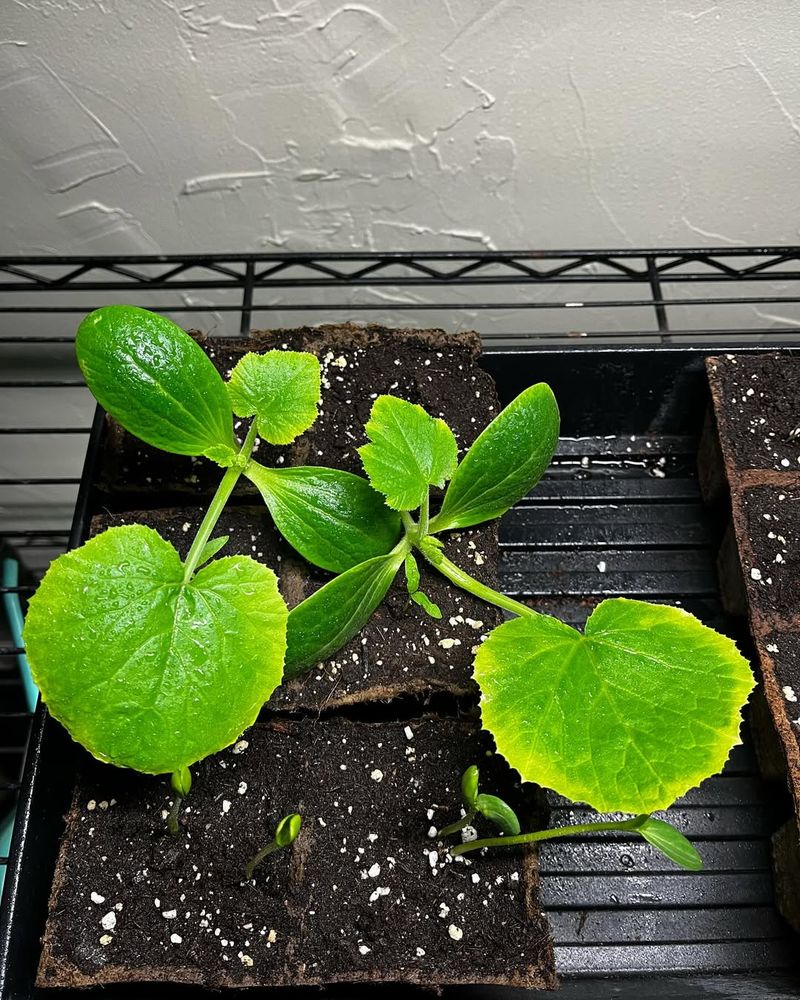
Squash plants grow so vigorously that gardeners sometimes assume they can handle anything nature throws at them right from the start. While mature squash plants are indeed tough and productive, young seedlings need time to toughen up before facing full sun and fluctuating temperatures.
Their large leaves can wilt dramatically when exposed to conditions they are not prepared for, and stressed plants become more susceptible to pest problems once they are in the garden.
Start hardening off your squash seedlings about a week before your planned transplant date, beginning with short outdoor sessions in partial shade.
Because squash leaves are so large, they lose moisture quickly, so check the soil frequently and water whenever it starts to feel dry.
Gradually move plants into brighter light over several days, watching for any signs of wilting or leaf edges turning brown.
Wind can be particularly challenging for squash because their big leaves act like sails, so choose a protected spot during the hardening off period. By day eight or nine, your plants should be spending full days outside and ready for transplanting.
Well conditioned squash plants settle into garden beds quickly and start producing their first flowers within two to three weeks of planting.
5. Zinnias
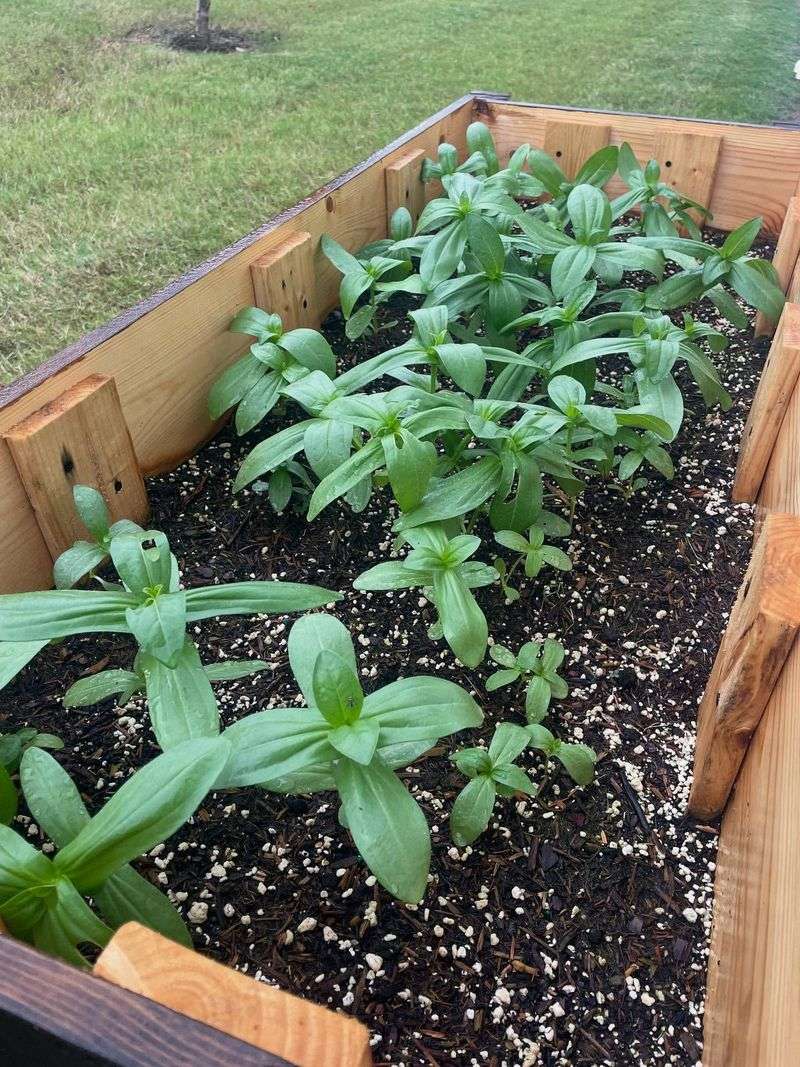
Bright and cheerful, zinnia seedlings bring the promise of colorful summer blooms that attract butterflies and hummingbirds to North Florida gardens. Even though these flowers are known for being easy to grow and tolerant of heat, young plants started indoors need gradual exposure to outdoor conditions to develop properly.
Seedlings moved outside too quickly often experience stunted growth or develop weak stems that cannot support the large flower heads zinnias are famous for producing.
Begin the transition process about five to seven days before you plan to plant them in their permanent spots, starting with just a couple of hours in morning sun. Zinnias appreciate warmth, so wait until daytime temperatures are consistently in the seventies before starting this process.
Increase their sun exposure gradually each day while keeping the soil evenly moist, as dry conditions combined with adjustment stress can cause setbacks.
Watch for the leaves to develop a slightly darker, thicker appearance as they adapt to outdoor light levels and air movement. Once your zinnias have been fully hardened off, they will establish quickly in the garden and begin blooming within four to six weeks.
These properly conditioned plants will produce flowers continuously throughout the summer and into fall with minimal care.
6. Marigolds
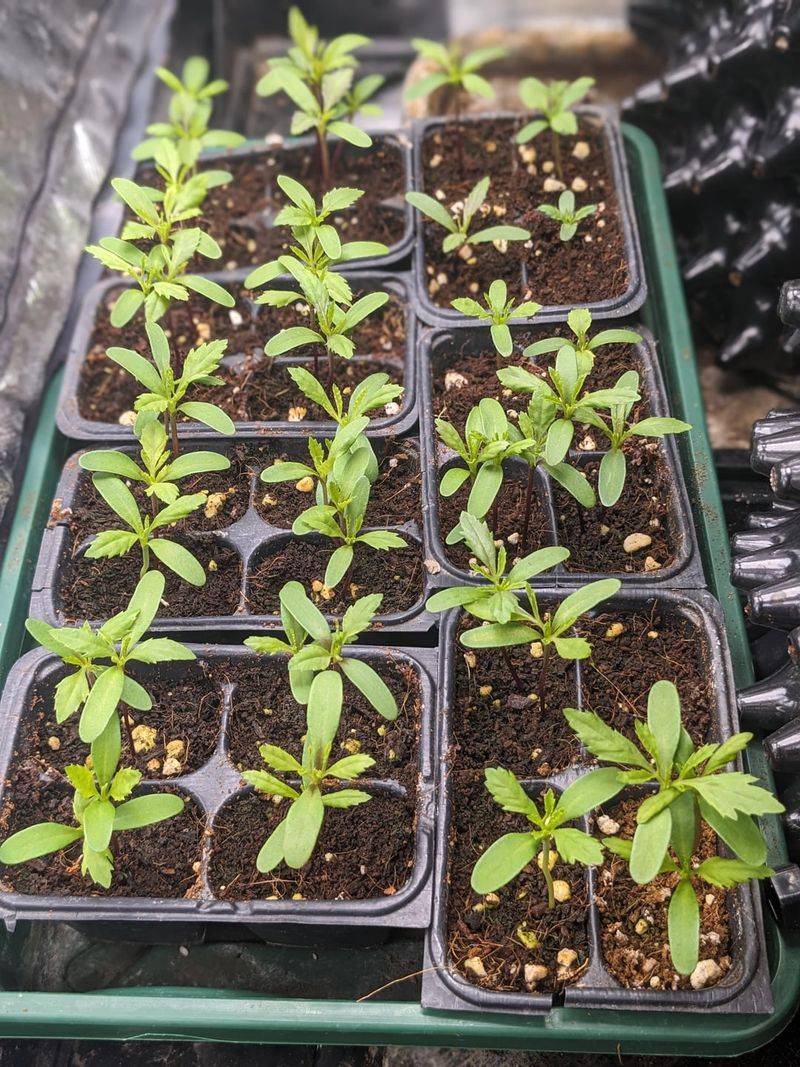
Marigold seedlings are compact and sturdy looking, which can make gardeners underestimate how much they benefit from a proper hardening off period before transplanting.
These popular annuals need time to adjust their leaf structure and stem strength to handle direct sunlight and outdoor air movement.
Plants that skip this important step often show slowed growth and take much longer to begin their impressive flowering display.
Start conditioning your marigolds by placing them in a spot that receives morning sun but stays shaded during the hottest afternoon hours. Keep them there for a few hours on the first day, then gradually extend their time outside over the course of a week.
Marigolds are relatively forgiving, but they still appreciate a gentle transition that allows them to build up tolerance to environmental changes.
Pay attention to soil moisture during this period because container grown seedlings can dry out quickly when exposed to outdoor breezes and sunshine.
After about seven days of increasing exposure, your marigolds will be ready to plant in garden beds or containers where they will provide continuous color and help deter certain garden pests.
Well prepared plants begin blooming within three weeks of transplanting and continue producing flowers until frost arrives in late fall.
7. Basil
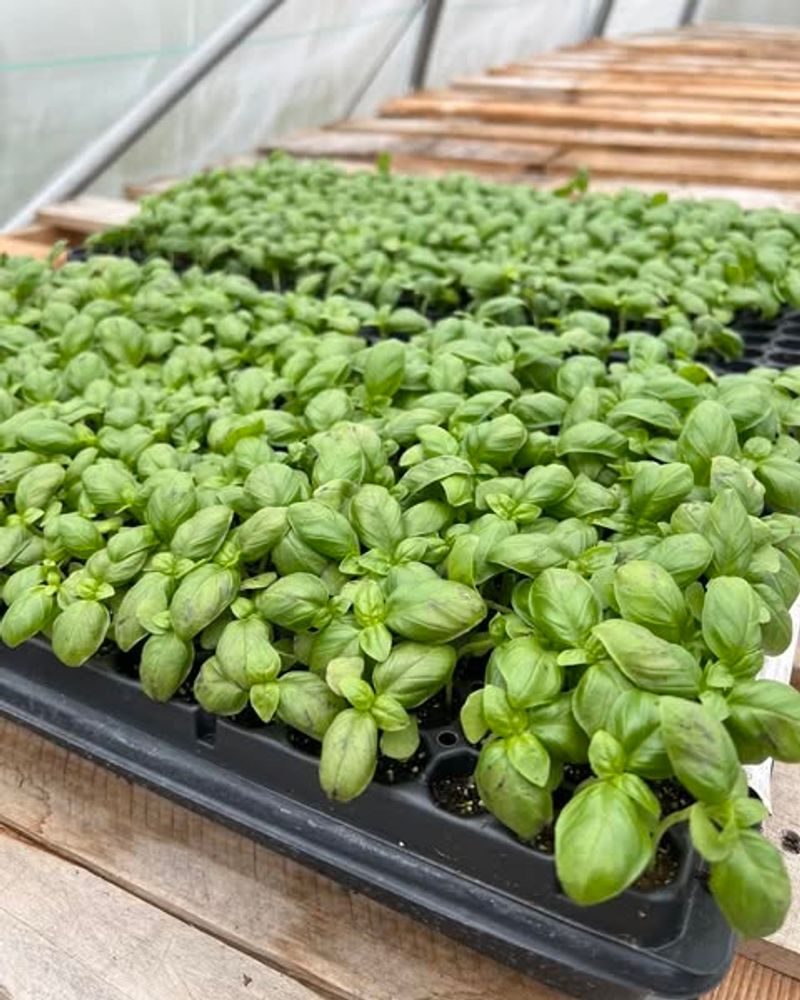
Few herbs are as beloved in North Florida kitchens as fresh basil, and starting your own plants from seed gives you access to interesting varieties you will not find at most nurseries. Basil is extremely sensitive to cold and also needs time to adjust to strong sunlight after growing in protected indoor conditions.
Leaves can develop black spots or turn pale when plants are moved outside too abruptly, and growth may stop completely if they experience temperatures below fifty degrees.
Wait until nighttime temperatures are reliably staying above fifty five degrees before beginning to harden off your basil seedlings.
Start with very short outdoor sessions of just thirty to forty five minutes in a shaded location, then bring plants back inside.
Over the next week to ten days, slowly increase outdoor time and light exposure while watching carefully for any signs of stress.
Basil leaves should feel slightly thicker and look darker green as they adapt to outdoor conditions. Once hardened off properly, basil plants grow rapidly in North Florida gardens and can be harvested regularly throughout the warm months.
Plants that receive this careful transition produce more abundantly and maintain better flavor than those that are rushed into the garden without adequate preparation time.
8. Eggplant
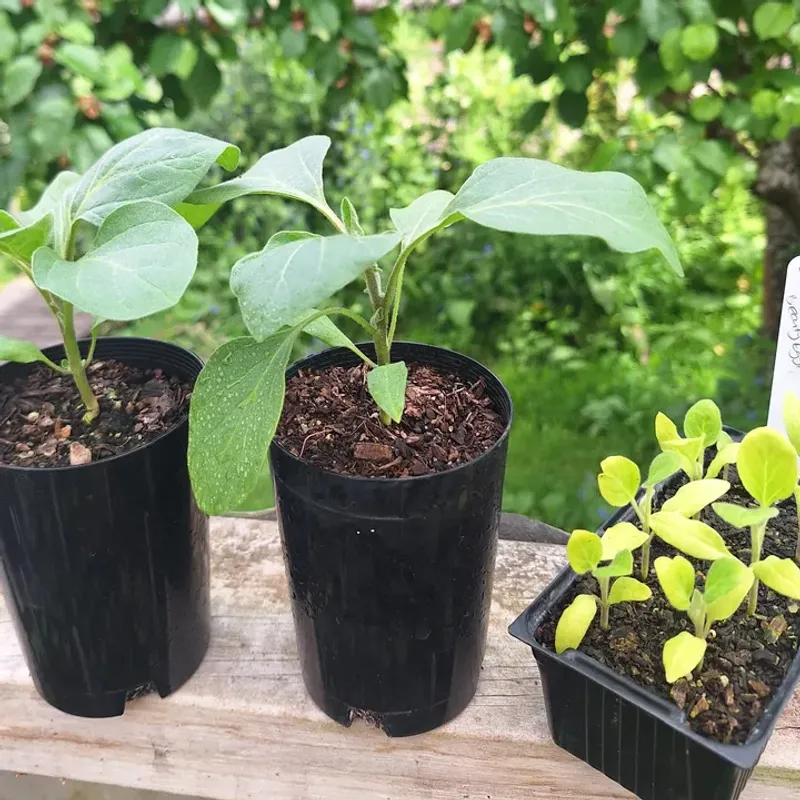
Eggplant requires warm soil and consistent temperatures to thrive, making it one of the more challenging vegetables to transition from indoor growing conditions to the garden. These heat loving plants are closely related to peppers and share their sensitivity to temperature fluctuations and sudden environmental changes.
Young eggplant seedlings that are not properly hardened off often experience severe setbacks that can delay fruit production by several weeks or even cause plants to languish without ever reaching their full potential.
Begin the hardening off process only after nighttime temperatures consistently stay above sixty degrees, as eggplant really struggles with anything cooler.
Place your seedlings in a protected outdoor spot with filtered light for just an hour or two initially, then gradually increase their exposure over a period of ten to fourteen days.
This slower timeline gives eggplant the extra adjustment period it needs compared to more adaptable vegetables.
Monitor your plants closely during this transition and be prepared to bring them back inside if an unexpected cool spell arrives. Well hardened eggplant develops strong stems and deep green foliage that can handle North Florida summer heat and produce beautiful fruit from early summer through fall.
The patience you invest during hardening off pays dividends in plant health and productivity throughout the entire growing season.
9. Sunflowers
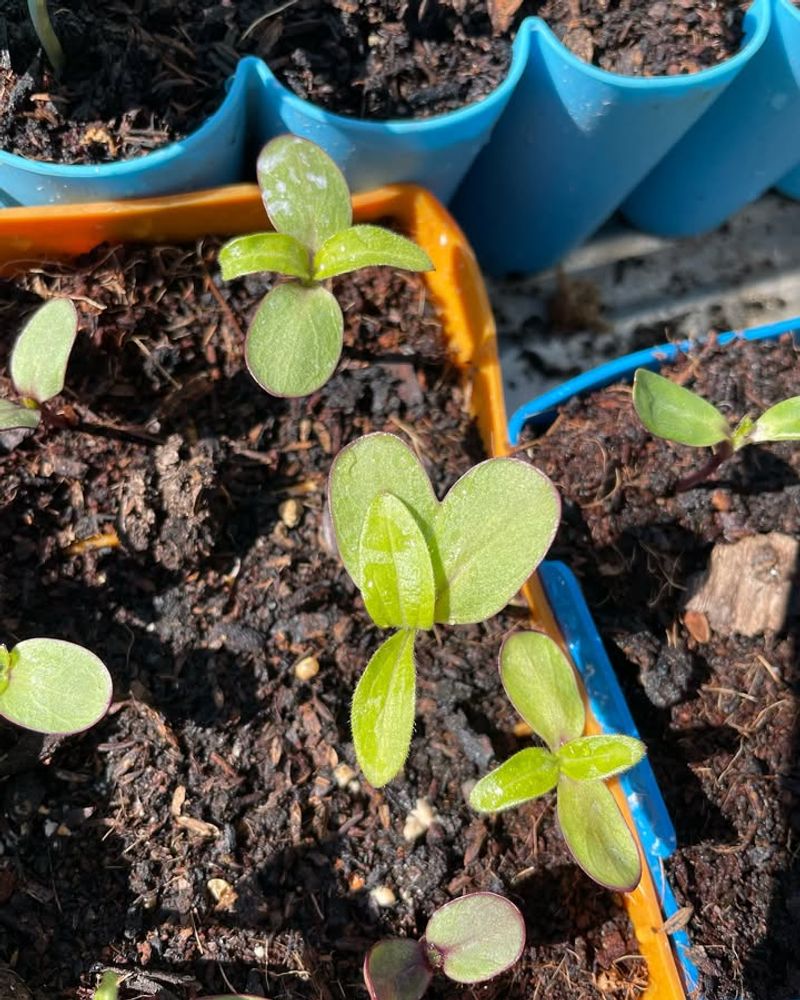
Sunflower seedlings shoot up quickly indoors, often reaching several inches tall within just a week or two of germination. Their rapid growth and sturdy appearance can make them seem ready for the garden sooner than they actually are.
Young sunflowers need time to strengthen their stems and adapt their leaves to handle wind and full sun intensity, especially the taller varieties that will eventually reach several feet in height.
Start exposing your sunflower seedlings to outdoor conditions about a week before planting, beginning with a few hours in a location that offers some wind protection.
Their tall stems can bend or even snap in strong breezes before they have developed adequate structural strength.
Gradually increase both their time outside and their exposure to wind over the course of seven to ten days.
Sunflowers are relatively tough once established, but proper hardening off helps them develop the root systems and stem strength they will need to support their impressive flower heads later in the season.
After completing this transition period, your sunflowers will establish quickly in the garden and grow rapidly throughout late spring and early summer.
Well prepared plants produce larger blooms and stand up better to summer thunderstorms that are common across North Florida.
10. Melons
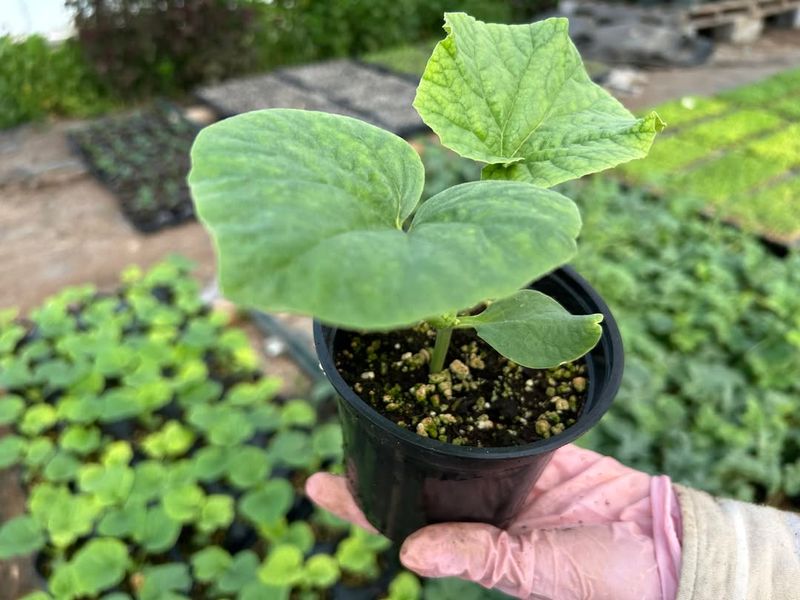
Watermelons, cantaloupes, and other melon varieties are the ultimate warm season crops that need both warm soil and consistent air temperatures to produce well in North Florida gardens.
Their seedlings are particularly sensitive during the transition from indoor to outdoor growing because they combine the temperature sensitivity of cucumbers with the moisture needs of squash.
Plants that are moved outside too quickly often experience growth delays that push back harvest time significantly.
Wait until soil temperatures reach at least seventy degrees before beginning to harden off your melon seedlings, and make sure nighttime air temperatures are staying above sixty degrees consistently.
Start with very brief outdoor exposure in a protected spot, then gradually extend their time outside over ten to fourteen days. Keep soil moisture levels consistent during this period because melon seedlings are easily stressed by drying out.
Watch for leaves to develop a slightly waxy appearance as they adapt to outdoor conditions, which indicates they are building natural protection against sun and wind.
Properly hardened melon plants establish quickly once transplanted and begin running their vines within a couple of weeks.
These well prepared plants are more likely to produce abundant fruit and resist common challenges that can affect melons throughout the North Florida growing season.