October Cover Crops That Bring Richer Soil Next Year
Your soil is quietly falling apart beneath the surface, though nothing about the dry, cracked top layer gives it away. October hands you a narrow window to reverse that damage before the first hard freeze locks the ground solid.
Rain keeps hammering down every week, washing away nutrients you spent an entire growing season building into that soil. Wind adds its own damage, drying out bare patches until the surface turns hard, crusted, and unwelcoming to anything trying to grow.
Beneath all that damage, though, a handful of tough little plants are quietly rewriting what happens to your ground this winter. Seeds smaller than a grain of rice are already pushing roots deeper than you would expect.
Nobody warns you how much difference an afternoon of scattering seed can make by the time spring finally arrives. Curiosity alone should be enough to make you want to see exactly what that difference looks like.
1. Cereal Rye Stands Strong All Winter
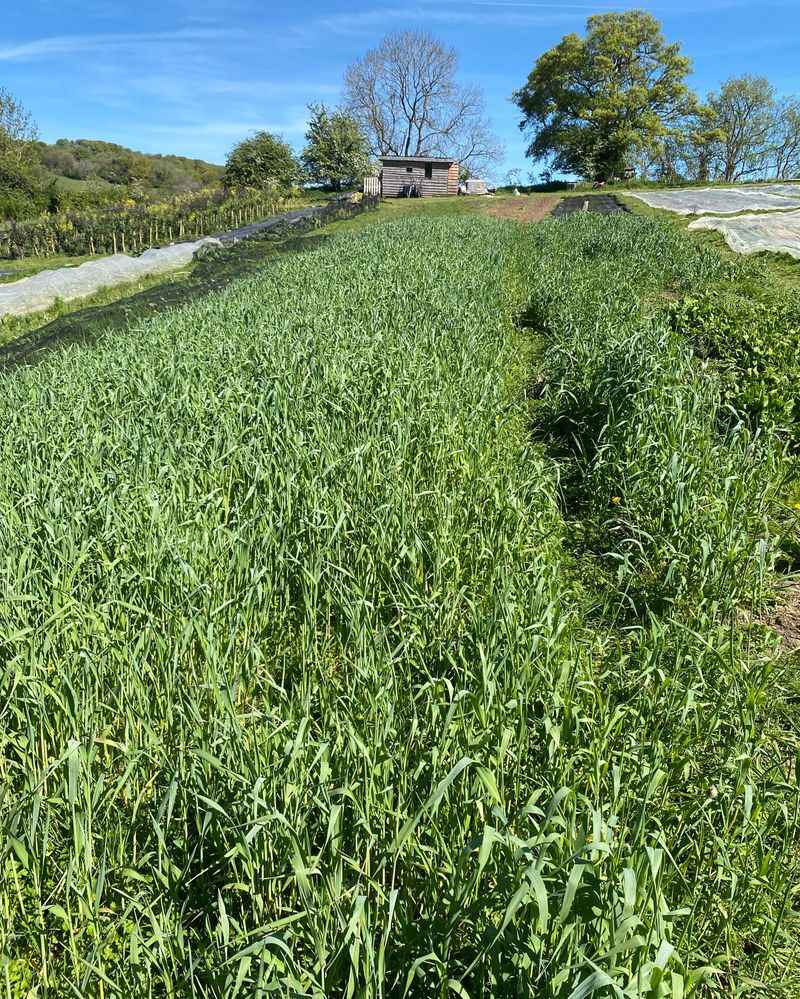
Farmers sometimes call it the tough guy of the winter garden, and the nickname fits. Cereal rye sprouts in chilly soil and keeps growing when most plants have packed it in.
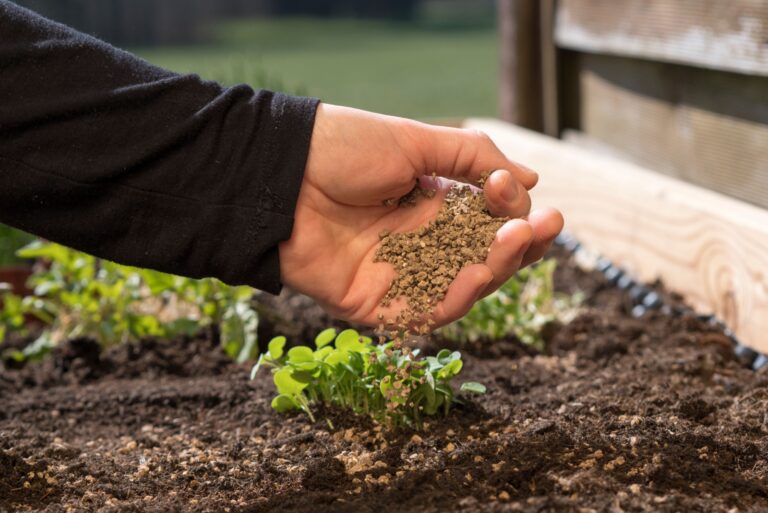
You can sow it from late September through October, even a little later in warm areas. Scatter about three pounds of seed per thousand square feet, then rake it lightly into the soil.
One word of warning for beginners, since rye is not the same as ryegrass. Ryegrass is a different plant that can turn weedy, so check the seed bag before you buy.
Its roots are the real stars of the show, working hard underground. One famous 1937 study counted about 380 miles of roots on a single rye plant.
All those roots grip the dirt and stop heavy rain from washing your topsoil down the driveway. They also soak up leftover nutrients that would otherwise sink too deep for next year’s veggies.
In spring, rye shoots up fast and can get taller than your kids if you let it. Cut or mow it down when it starts to flower, before the seed heads form.
Leave the chopped stems on top as mulch, or turn them in and wait about three weeks. Rye releases natural compounds that can slow small seeds, so give it time to break down.
Tomato and pepper transplants handle rye mulch just fine, though. Pop them right through the straw, and you will spend far less time pulling weeds next summer.
2. Crimson Clover Paints The Garden With Nitrogen
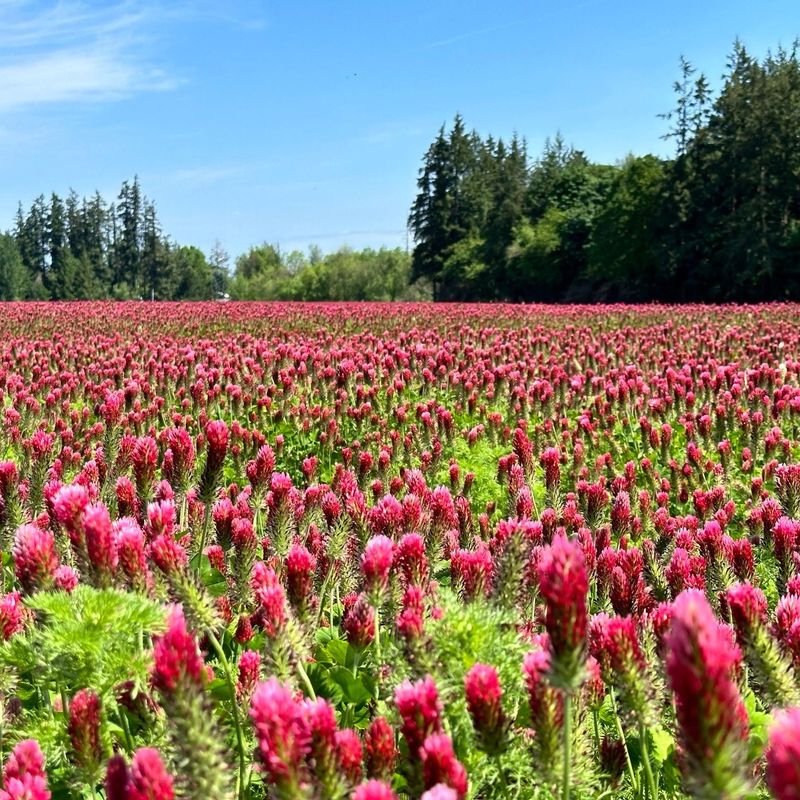
Few things look happier in May than a patch of bright red flowers bobbing in the breeze. Crimson clover delivers that show, and it quietly feeds your soil while it performs.
Like other members of the pea family, clover teams up with helpful bacteria living on its roots. Together they pull nitrogen from the air and store it in little bumps called nodules.
Nitrogen is the stuff that makes leaves big, green, and bursting with energy. A good stand of crimson clover can add around 70 to 100 pounds of it per acre.
Timing matters with this one, so plan ahead while September is still warm. Clover needs about six weeks of growth before hard frost, so early October is your sweet spot.
It handles winters down to roughly zero degrees, making it best for zones 6 and warmer. Gardeners farther north can still try it with a blanket of snow for insulation.
Buy seed that comes pre-coated with inoculant, or pick up a small packet of it separately. That powder holds the bacteria, and it gives your clover a strong head start.
Bees go wild for the blooms, so consider leaving a strip standing for them in spring. Cut the rest when flowers first open, because that is when nitrogen levels peak.
After cutting, let the clover wilt on the surface for a week or two before planting. Your corn, squash, and leafy greens will thank you with deep color and speedy growth.
3. Hairy Vetch Spins A Free Fertilizer Web
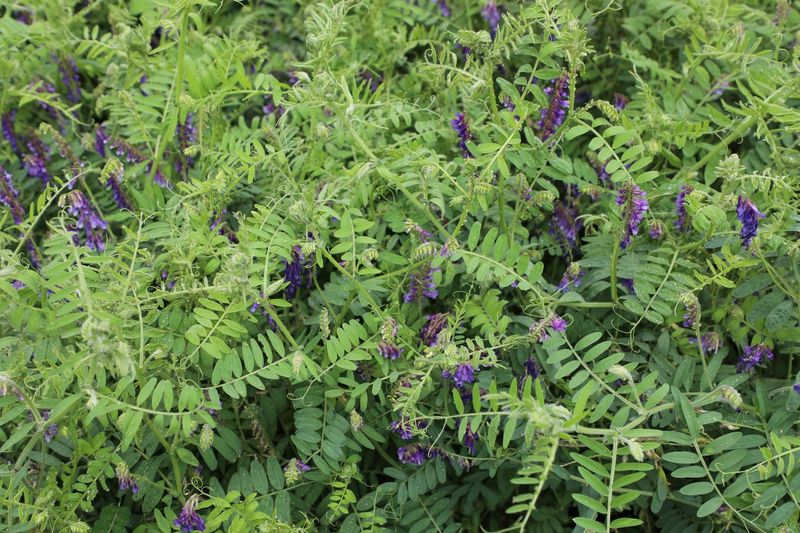
Don’t let the funny name fool you, because hairy vetch might be the hardest-working freebie in gardening. It looks like a tangled mess of fuzzy vines, and it proudly stays that way.
Think of it as crimson clover’s scrappier cousin who can handle much colder, harsher weather. Vetch shrugs off winters in zone 4, sometimes even colder when snow tucks it in.
Its nitrogen game is seriously impressive for such a scruffy-looking plant. A thick, healthy stand can pack in over 100 pounds per acre, which rivals a bag of store-bought fertilizer.
Sow it by mid-October so the vines can settle in before the real cold arrives. Mixing it with cereal rye works great, since the rye gives those floppy vines something to climb.
The duo is like peanut butter and jelly for your garden soil. Rye grabs loose nutrients and builds structure, while vetch loads the ground with nitrogen for hungry summer crops.
Tomato growers especially love it, and research from the USDA backs them up. Some studies found tomatoes planted into flattened vetch mulch produced bigger harvests than those grown on bare plastic.
There is one small catch, so listen up before you order seed. Vetch seeds linger in soil for years, so cut plants once they bloom but before pods appear.
Purple flowers mean go time for mowing, crimping, or chopping everything down. Handle that step on schedule, and this fuzzy vine becomes a polite guest instead of a stubborn weed.
4. Winter Wheat Keeps The Soil Snug
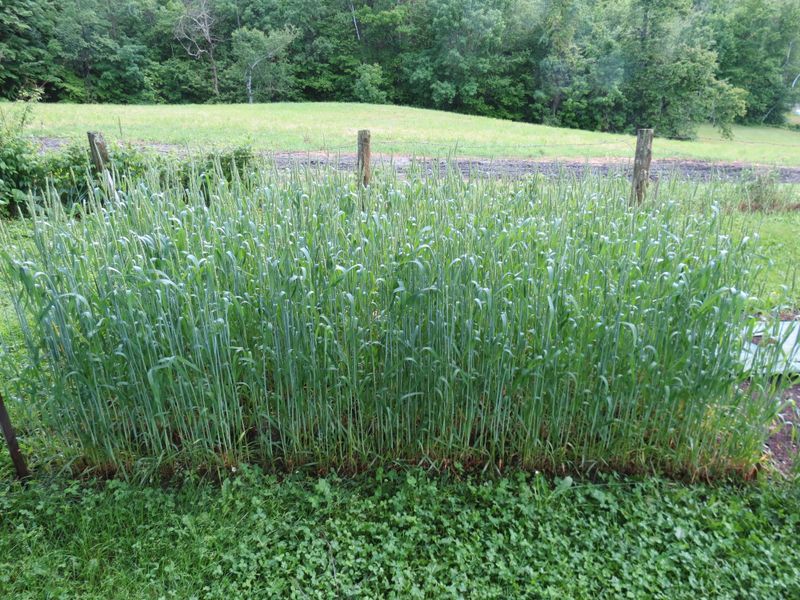
Old-time farmers liked to say a bare field in winter was like a house with no roof. Winter wheat was their fix, and it works just as well in a backyard garden.
Wheat is a bit gentler than rye, which makes it a great choice for nervous first-timers. It grows slower, stays shorter in spring, and is much easier to cut and manage.
You can often find the seed cheaply at farm stores, sometimes sold as bird or livestock feed. Just make sure it says winter wheat, since spring types won’t survive the cold.
October sowing is right on time for most of the country, especially zones 3 through 7. Aim to plant about four to six weeks before the ground freezes so roots can spread out.
Once established, wheat forms a low green carpet that stays cheerful even under frost. That living cover shields soil from pounding rain and keeps the surface from crusting over.
Its fine, fibrous roots also add organic matter as they break down. Over a few seasons, you will notice your soil turning darker, softer, and easier to dig.
Wheat pairs nicely with hairy vetch or crimson clover for a balanced mix. The grass adds carbon for structure, while the legume chips in nitrogen for your crops.
Come spring, mow it down before it heads out, then let it rest a couple of weeks. It is a quiet, steady helper, just like those old farmers who swore by it.
5. Austrian Winter Peas Feed The Ground Below
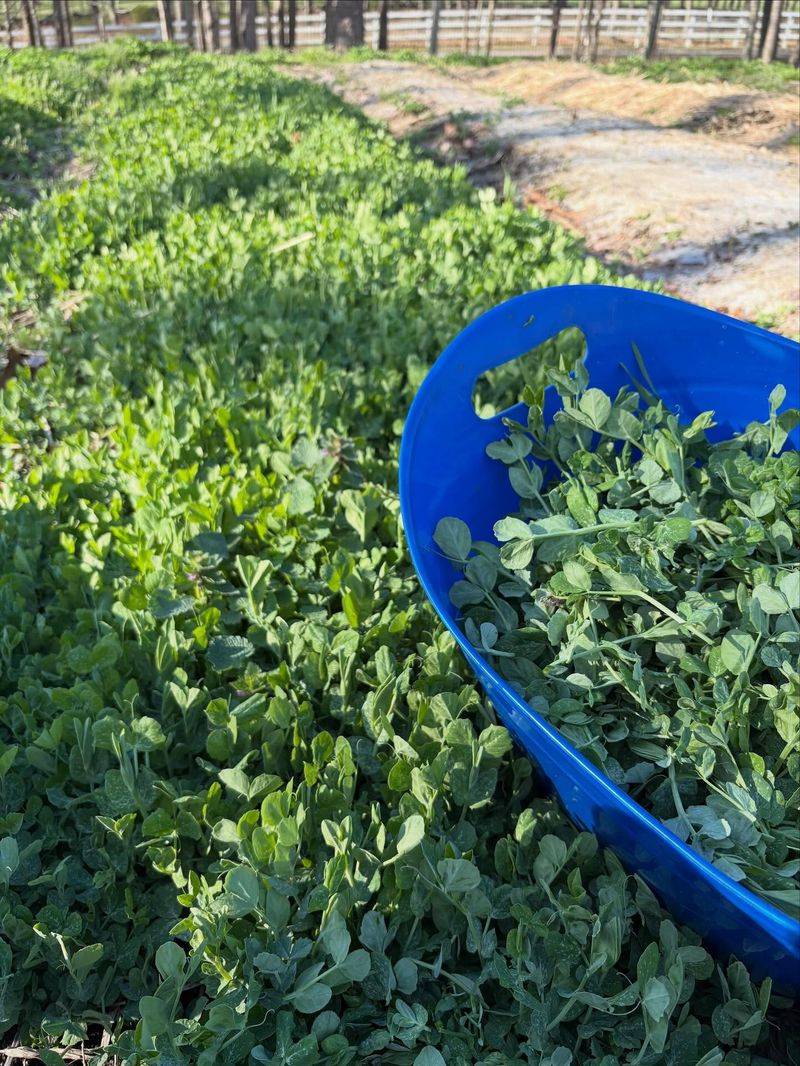
Here is a cover crop you can actually snack on while it works for you. Austrian winter peas grow tender shoots that taste sweet and grassy, perfect for tossing into salads or stir-fries.
Farmers across the South have grown them for generations, often calling them simply field peas. They belong to the legume family, so they fix nitrogen just like clover and vetch do.
Their biggest advantage over other legumes is plain old speed. Peas grow quickly and break down fast in spring, releasing nitrogen right when young vegetable plants need a boost.
Plant them in early to mid-October, about two inches deep so birds can’t gobble them up. A hungry flock of doves can clean out a shallow planting in a single afternoon.
Cold tolerance is decent but not heroic, handling temperatures down to around 10 degrees. In zone 6 and colder, they grow best mixed with rye or wheat for extra shelter.
Pinch off the top four inches of shoots in early spring for your dinner plate. The plants branch out after a pinch, so you lose almost nothing in soil-building benefits.
Once blossoms appear in spring, the plants have hit their nitrogen high point. Chop the vines, leave them on top or dig them in, and wait about two weeks.
Follow the peas with nitrogen-hungry crops like sweet corn, cabbage, broccoli, or peppers. You get tasty greens in March and a richer bed in May, which feels like cheating.
6. Oats Melt Into A Tidy Winter Mulch
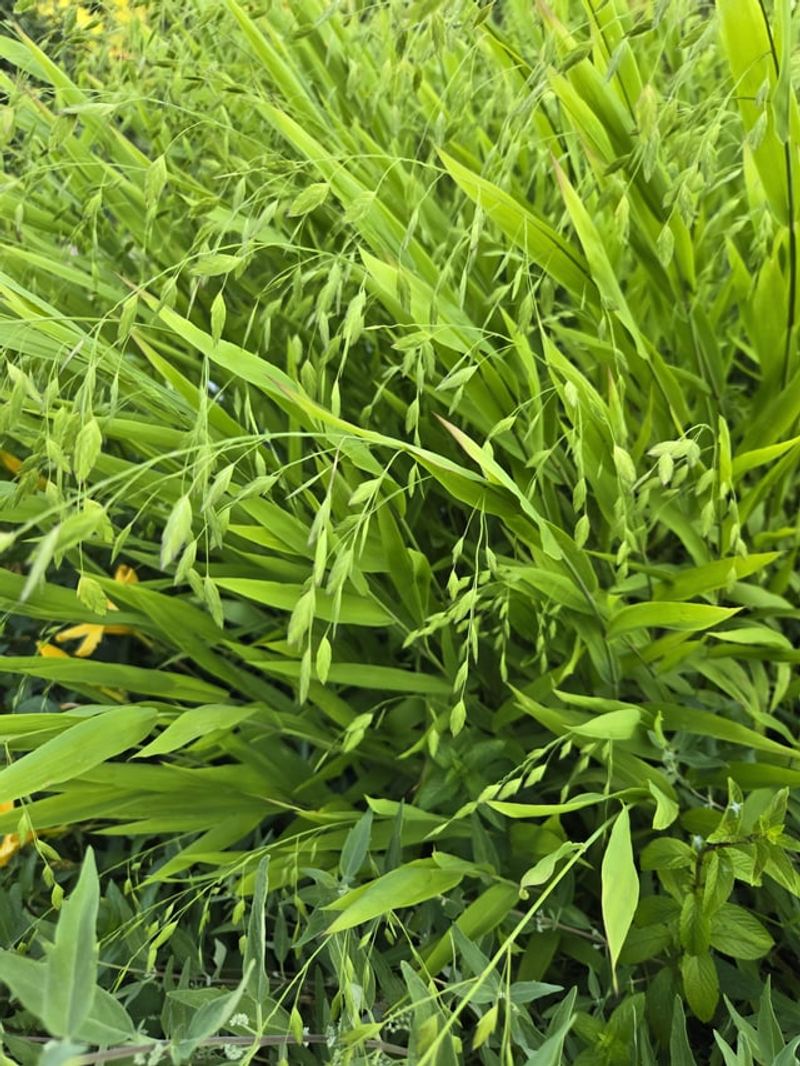
Some gardeners want soil protection without any spring cleanup, and oats are made for them. They grow fast and green in fall, then flop over once hard freezes arrive.
By spring, the frozen stems have turned into a flat, straw-colored blanket. You can plant peas, lettuce, or spinach right through it with almost no work at all.
Timing is the one tricky part with oats, so mark your calendar. They need about six to eight weeks of growth before hard frost, so sow early October or even late September.
If you are reading this in September, grab your seed now and keep it handy. Planting too late means skinny plants that barely cover the ground before freezing weather hits.
Oats are one of the cheapest seeds around, and a single sack covers a surprising amount of ground. Scatter them thickly, rake them in, and water if the fall is dry.
Their roots loosen the top layer of soil and feed the tiny critters living there. Oat plants also smother young weeds by shading them out during those crisp autumn weeks.
Pairing oats with a legume like field peas is a classic combo for extra nitrogen. The oats shelter the peas in fall, and both melt down together over winter in colder zones.
Gardeners in mild areas like zone 8 may find their oats keep growing all winter. That is fine, so just mow them in early spring and enjoy the bonus organic matter.
7. Daikon Radish Drills Deep For You
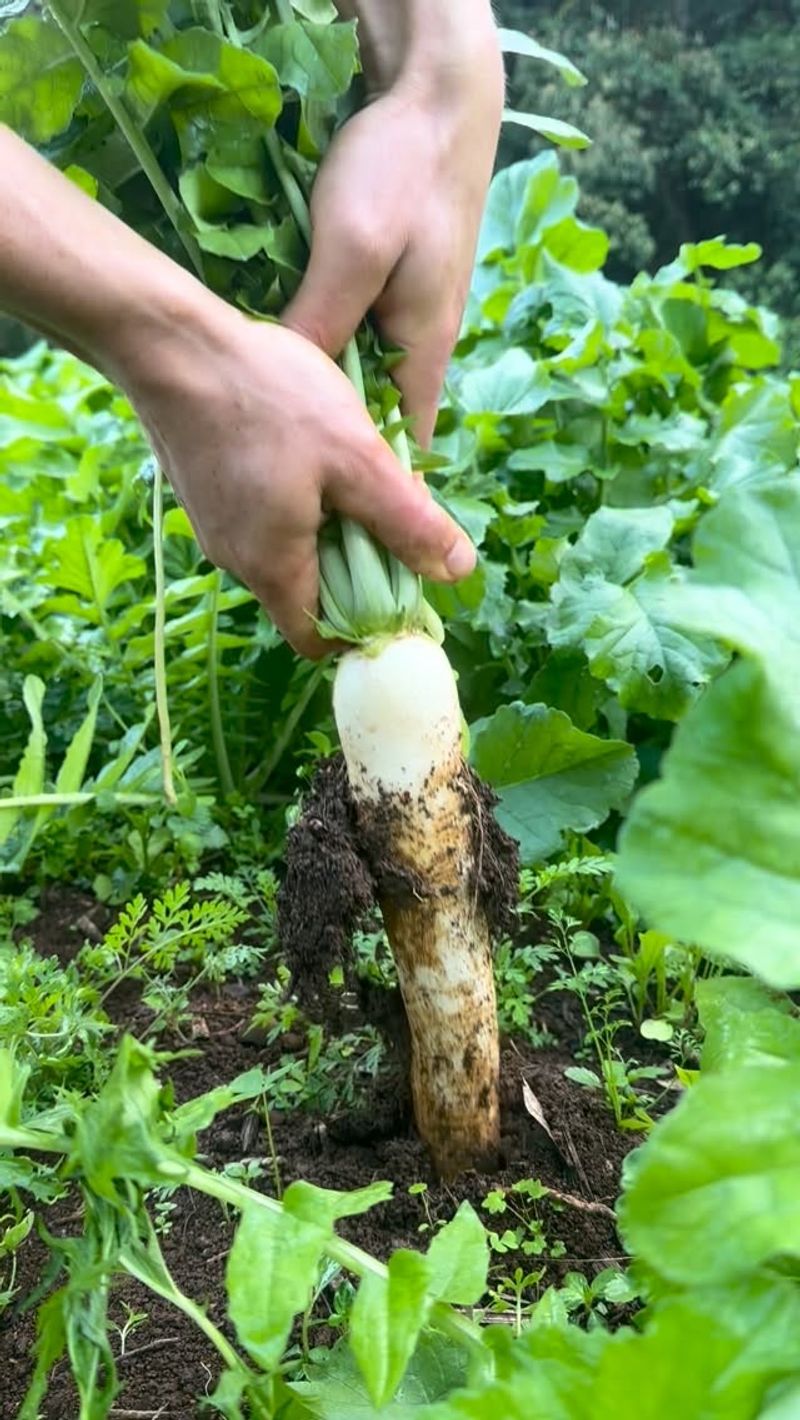
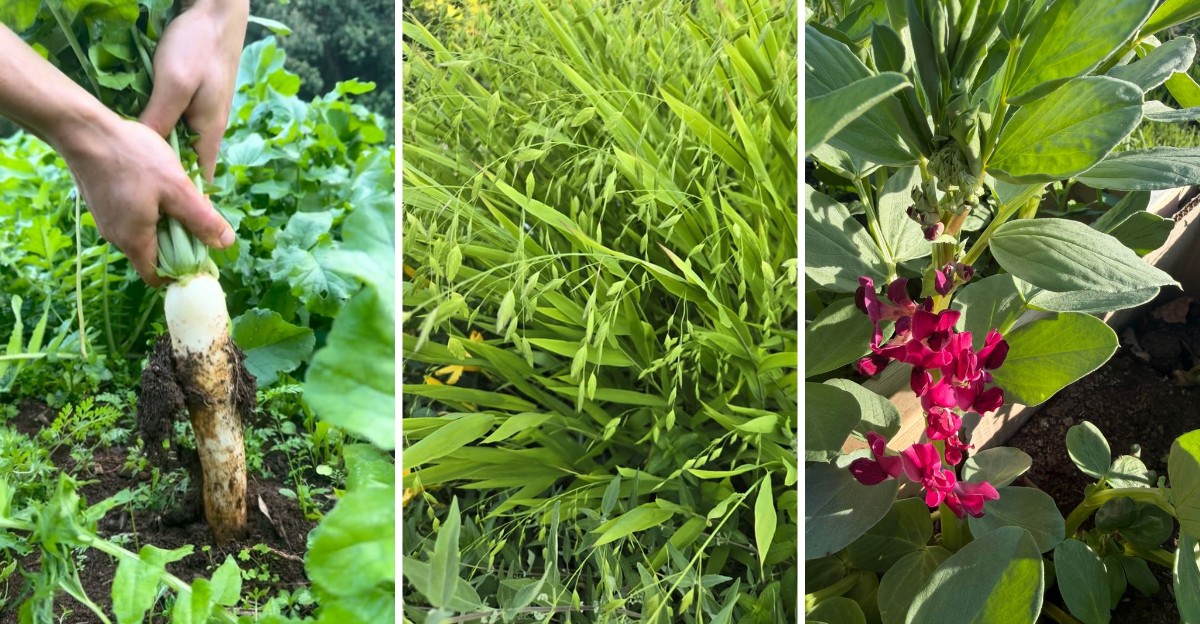
Imagine a vegetable that plows your garden so you don’t have to. Daikon radish, often sold as tillage radish, pushes a thick white root more than a foot into hard ground.
Clay soil and compacted paths are its favorite targets. The root pushes through tough layers that a shovel struggles with, leaving channels for water and air.
When winter freezes the radish, it turns soft and rots away in place. What remains are open holes that worms, rain, and next year’s roots follow straight down.
Fair warning, a patch of melting radishes can smell like rotten eggs on warm winter days. The stink fades quickly, and your neighbors will forgive you by spring.
Radishes need warm days to bulk up, so don’t wait too long. Aim for late September in the North and early to mid-October in the South.
Sow seeds about half an inch deep and a few inches apart for fat roots. Crowded plants make thin, wimpy roots that won’t bust up much soil.
Radishes also act like sponges for leftover nitrogen, holding it until they break down. Early spring crops like peas and lettuce get first dibs on that stored food.
Many gardeners mix radish seed with oats or crimson clover for deep roots plus surface cover. That team works like hiring a digger and a quilt maker for one tiny price.
Keep radishes out of beds meant for broccoli or cabbage next year, since they share the same family. Rotating crops keeps pests and diseases from settling into your garden.
8. Fava Beans Bring Big Roots For Bigger Rewards
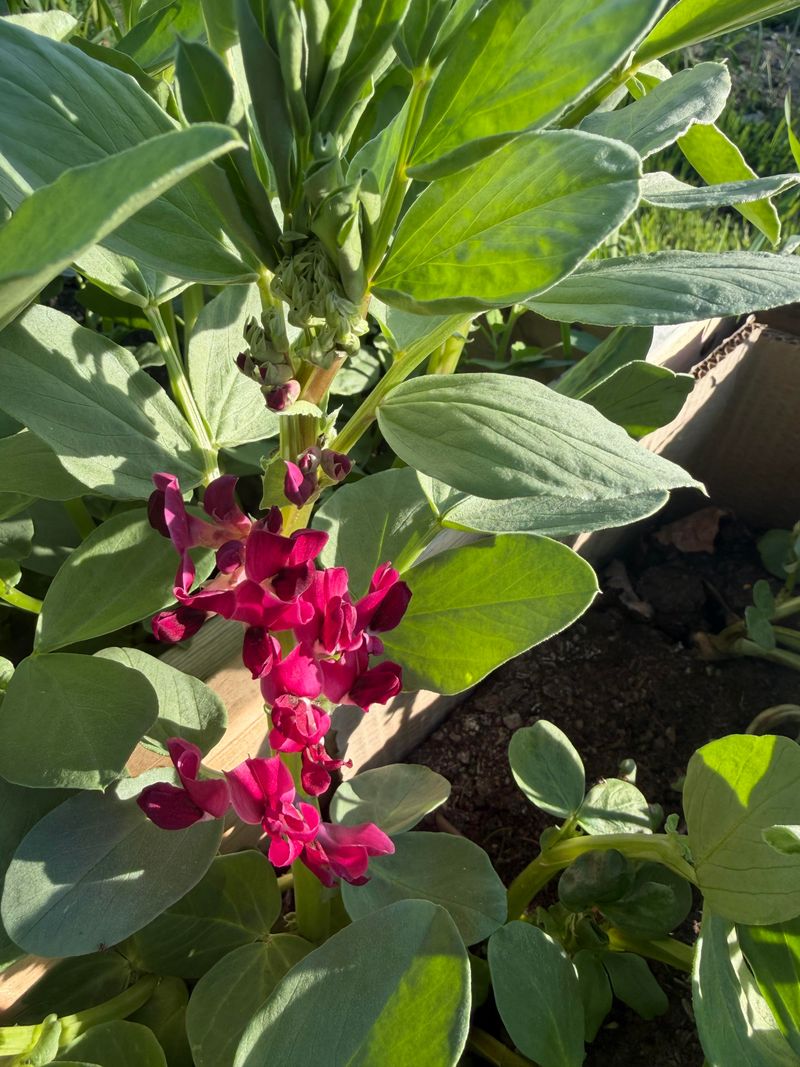
Ancient Romans ate fava beans, and people in the Middle East grew them thousands of years before that. Today, gardeners in mild climates plant them in October to feed both soil and supper.
Favas are chunky, upright plants with thick stems and silvery green leaves. Their roots dig deep and host nitrogen-fixing bacteria, much like their pea and clover cousins.
They handle frost down to around 15 degrees, so they suit zones 7 and warmer best. Colder gardens can grow them too, but usually as an early spring crop instead.
Plant the big seeds about two inches deep and six inches apart. Soaking them overnight first helps them sprout faster in cool October soil.
Here is where favas get fun, because you get to choose your reward. Let them grow pods for a tasty spring harvest, or chop them early for maximum soil power.
Cutting at early bloom returns the most nitrogen to the ground. Harvesting beans takes some of that nitrogen away, but the leftover stems and roots still enrich the bed.
The flowers are gorgeous, white with dark splotches, and bees can’t resist them. Aphids adore the tender tips, so pinch off infested tops and hose off the rest.
Before you plan a fava feast, one quick safety note deserves a mention. A few people, often of Mediterranean descent, have a condition called favism and react badly to the beans.
Even if you skip eating, favas earn their spot as soil builders. They leave behind a spring bed that feels like chocolate cake under your trowel.