These 8 Flowers Shine When The Weather Cools
Cooler mornings might trick you into writing off color way too early in the season than you actually should. Beneath that fading mess you call a summer garden, certain plants are only just beginning to stir into motion.
Nobody really warns you how strange these late performers start behaving the moment temperatures begin dropping fast. Your instincts about growing seasons will fight you the instant these particular plants quietly take over the space.
You’ll start noticing shapes and shades appearing that summer somehow skipped over entirely without any warning at all. Some plants react to shrinking daylight hours in ways that feel oddly personal and specific to where you live.
Curiosity builds fast the moment little effort turns into a performance this dramatic right in front of you. Few sights compare to what these plants have been quietly hiding from you long before the cold air arrives.
1. Chrysanthemums Steal The Autumn Spotlight
Walk past any grocery store in September and you will spot buckets of bright mums waiting by the door. They feel like the official welcome mat of fall, and for good reason.
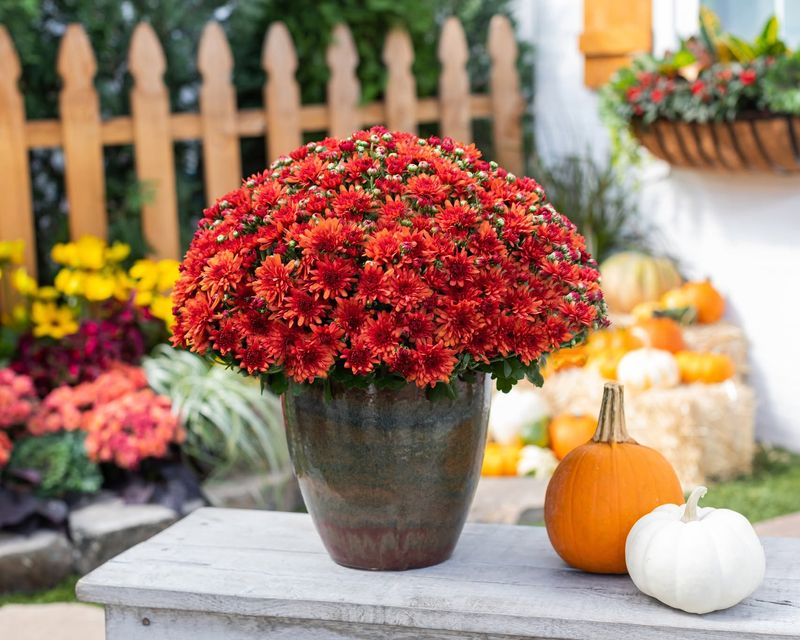
Chrysanthemums are triggered to bloom by shorter days, so they naturally save their best show for autumn. Their flowers come in rust, burgundy, gold, white, lavender, and even soft peachy pink.
My grandmother lined her porch steps with them every year, and the scent reminds me of apple cider. That spicy, earthy smell is a big part of their cozy, old-fashioned charm.
For the best results, choose plants with lots of tight buds instead of ones already in full bloom. You will enjoy weeks of color as those buds slowly open one by one.
Give them at least six hours of sunshine each day for the fullest, brightest blooms. A shady corner leaves them leggy, pale, and a little sad-looking by October.
Water them deeply at the base whenever the top inch of soil feels dry to your finger. Potted mums dry out surprisingly fast, especially on sunny and breezy afternoons in early fall.
Snip off faded flowers with clean scissors to keep the whole plant looking fresh and tidy. Garden mums planted in the ground early in the season can return next year.
Fun fact: in Japan, the chrysanthemum is a symbol of the emperor and appears on the imperial seal. Not bad for a flower you can grab next to the pumpkins!
2. Asters Throw A Party For Pollinators
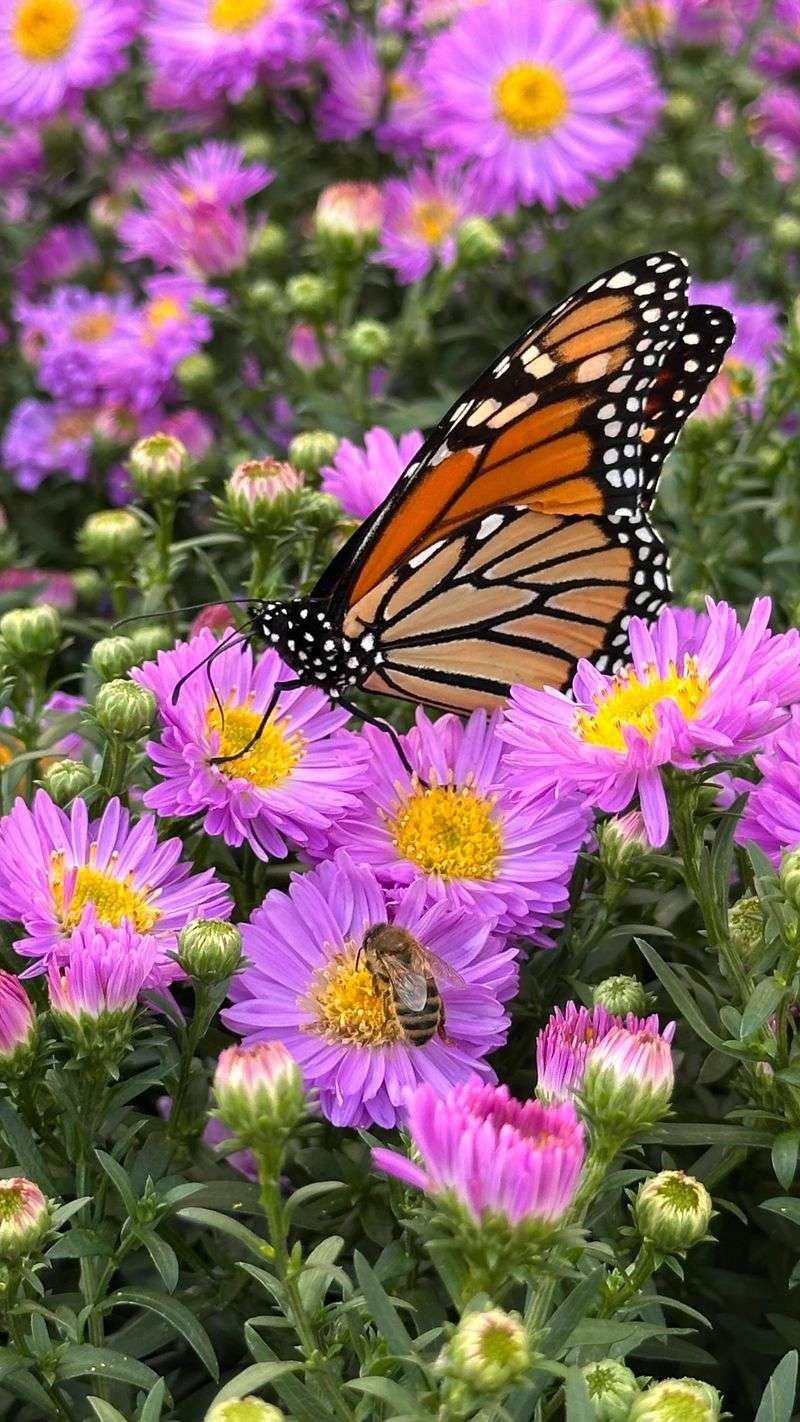
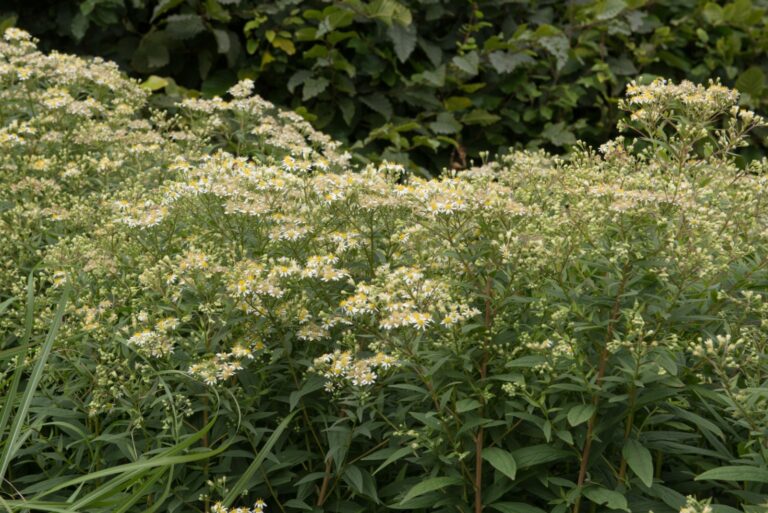
Ever seen a flower that looks like a tiny purple firework frozen in midair above your garden? Asters burst open in late summer and keep the celebration going well into October.
Their name comes from the Greek word for star, which makes perfect sense once you see them. Each bloom has skinny petals circling a sunny yellow center like rays of light.
Butterflies and bees treat asters like an all-you-can-eat buffet before the cold settles in. Monarchs heading south often stop for a sip of nectar to fuel their long trip.
New England asters grow tall and bushy, sometimes reaching an impressive five or six feet high. Shorter types like aromatic asters work nicely in pots, borders, or small front yards.
Plant them in a sunny spot with loose soil that drains well after a heavy rain. They are tough natives in much of North America, so they rarely need extra fertilizer.
Here is a sneaky trick for bushier plants with even more flowers. Pinch back the stem tips by a few inches in early summer, and they will branch out like crazy.
Tall varieties sometimes flop over, so a simple stake or a neighboring plant can hold them up. Keep leaves dry when watering to help prevent a dusty white coating called powdery mildew.
Pair asters with goldenrod or ornamental grasses for a wild meadow look that pollinators adore. Your garden will be buzzing louder than a crowded school cafeteria at lunchtime!
3. Pansies Laugh At Chilly Mornings
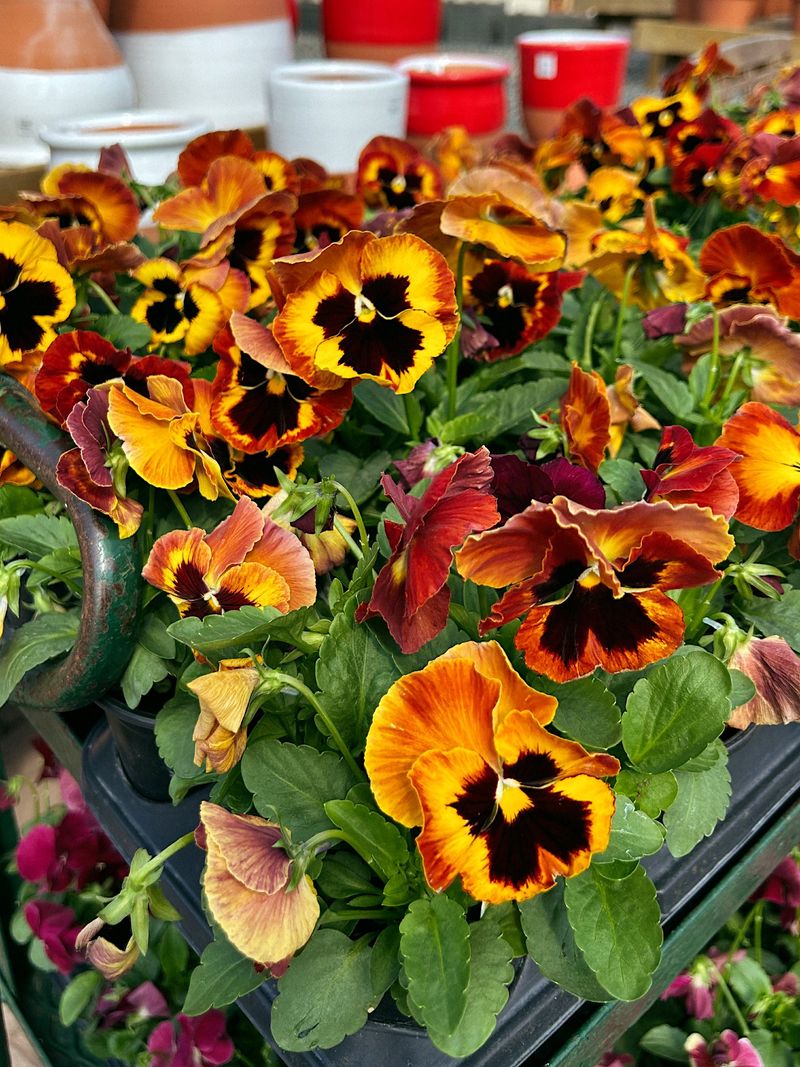
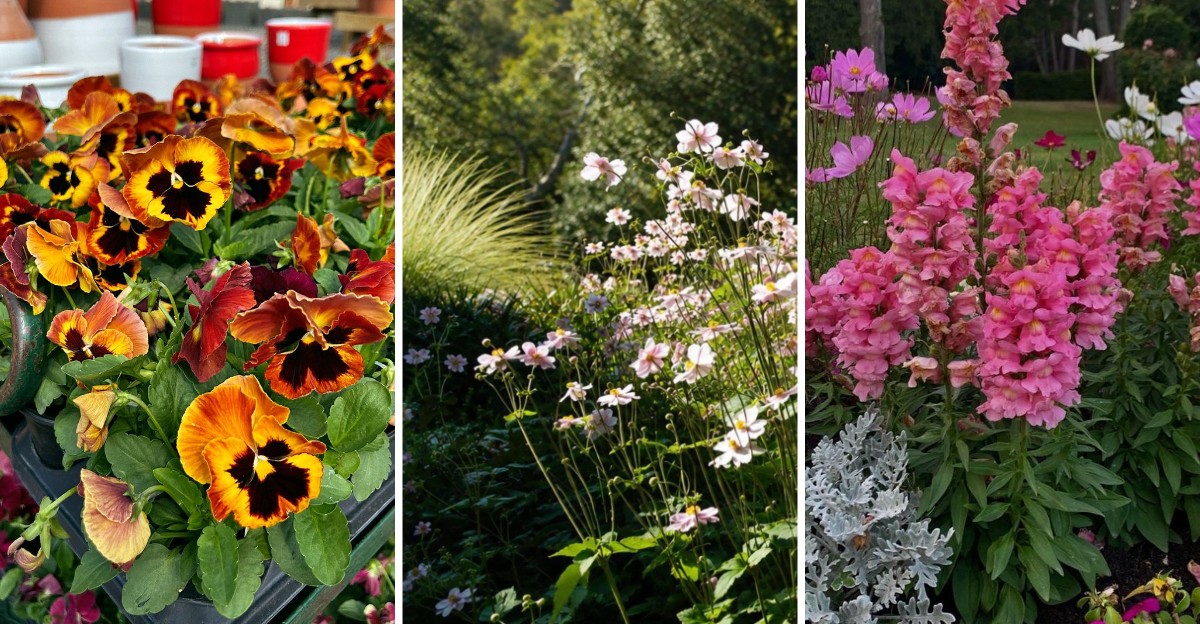
Few flowers look as happy as pansies, with their little faces that seem to grin right back at you. Those dark blotches in the center really do look like tiny painted smiles.
Unlike summer flowers that sulk when temperatures drop, pansies actually prefer the crisp autumn chill. They can shrug off light frost and even pop back up after a dusting of snow.
September is a great time to tuck them into window boxes, pots, and garden edges. In mild areas, fall-planted pansies often bloom through winter and put on another show in spring.
Colors range from deep velvet purple to sunny yellow, bright orange, and even nearly black. Mixing a few shades together creates a patchwork quilt effect that looks cheerful on any doorstep.
Give them morning sun and a little afternoon shade if your September days still run warm. Keep the soil lightly moist, but not soggy, so the roots stay healthy and strong.
Pinching off old blooms tells the plant to make fresh ones instead of seeds. A quick weekly tidy-up keeps those cheerful little faces coming back for months on end.
Here is a fun surprise: pansy petals are edible and taste mild, a bit like lettuce. Sprinkle a few on cupcakes or salads, as long as you grew them without chemical sprays.
The name pansy comes from the French word pensée, which means thought. People once gave them as gifts to say they were thinking about someone special.
4. Ornamental Kale Turns Up The Color
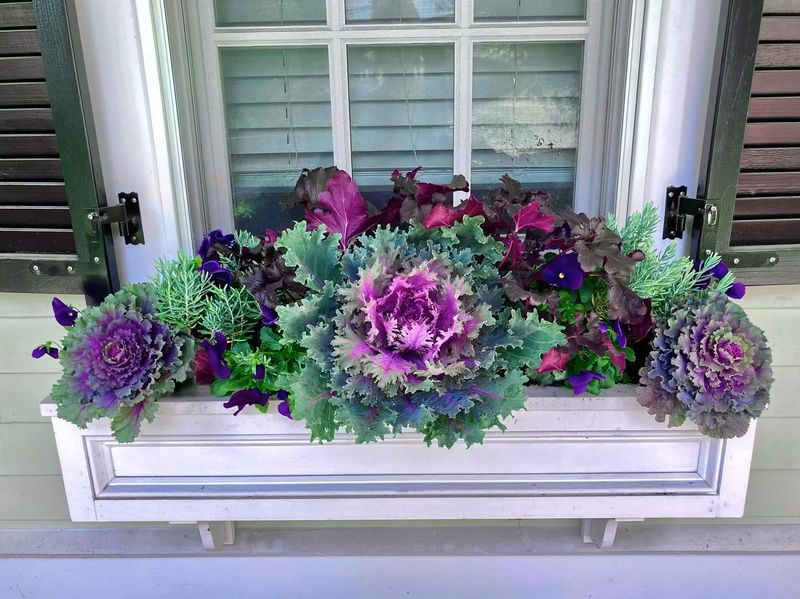
A curious neighbor once asked me why on earth I was growing cabbages in my flower pots. I just laughed, because ornamental kale fools plenty of people at first glance.
Technically, it is not a flower at all, but its frilly leaves form rosettes that look like giant blooms. The centers glow in shades of hot pink, creamy white, or rich royal purple.
The coolest part is that chilly nights actually make those centers grow brighter and bolder. Once nighttime temperatures dip below about 55 degrees, the color really starts to pop and spread.
Ornamental kale and its cousin, flowering cabbage, can handle temperatures down into the teens. In many areas, they stay bright and colorful from September until well after the winter holidays.
Pick up plants from a garden center in early fall rather than starting from seed. Set them in full sun and bury the stem a little deeper than it sat in the nursery pot.
They look amazing tucked beside mums, pumpkins, and hay bales on a front porch. Their ruffled, crinkly texture adds something fun and unexpected to the usual fall decorations.
Watch out for cabbage worms, the small green caterpillars that love to chew holes in leaves. Picking them off by hand works well, and cooler weather usually slows them down anyway.
Can you eat it? Ornamental kale is safe to eat, but it tastes bitter and tough, so it works better as a garnish.
5. Sedum Blushes As The Days Shorten
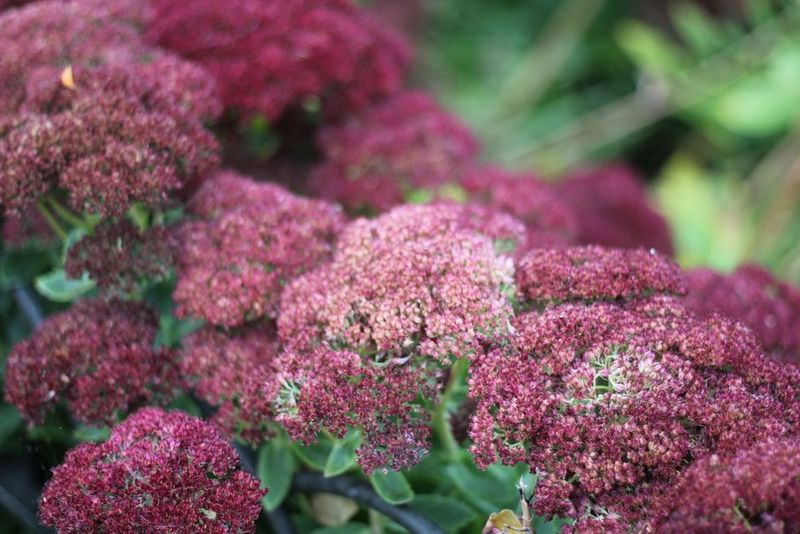
For most of the summer, sedum looks like a tidy little mound of pale green broccoli. Then September arrives, and those flat flower heads slowly blush from pink to deep coppery red.
The most famous variety is called Autumn Joy, and gardeners have loved it for decades. Watching its color shift week by week feels like seeing a sunset in slow motion.
Sedum is a succulent, which means its thick leaves store water like tiny canteens. Because of that, it handles long dry spells and forgetful gardeners with calm, easy grace.
Plant it in full sun and gritty, well-drained soil for the strongest stems. Rich soil and too much water actually make it floppy, so a little neglect goes a long way.
Some gardeners give their sedum a haircut in early June, trimming stems back by about half. The plant grows back shorter and sturdier, with even more flower heads by fall.
Bees crowd onto sedum blooms on warm autumn afternoons, sometimes a dozen on a single head. Sitting nearby with a mug of cocoa and watching them work is surprisingly relaxing.
Once the color fades, resist the urge to cut the plant down right away. The dried brown heads look lovely dusted with frost and give small birds a place to perch.
Sharing is easy, too, since a snapped-off stem pushed into soil will usually root within weeks. One plant can quietly turn into a whole row of copper-colored beauty.
6. Japanese Anemones Dance In The Breeze
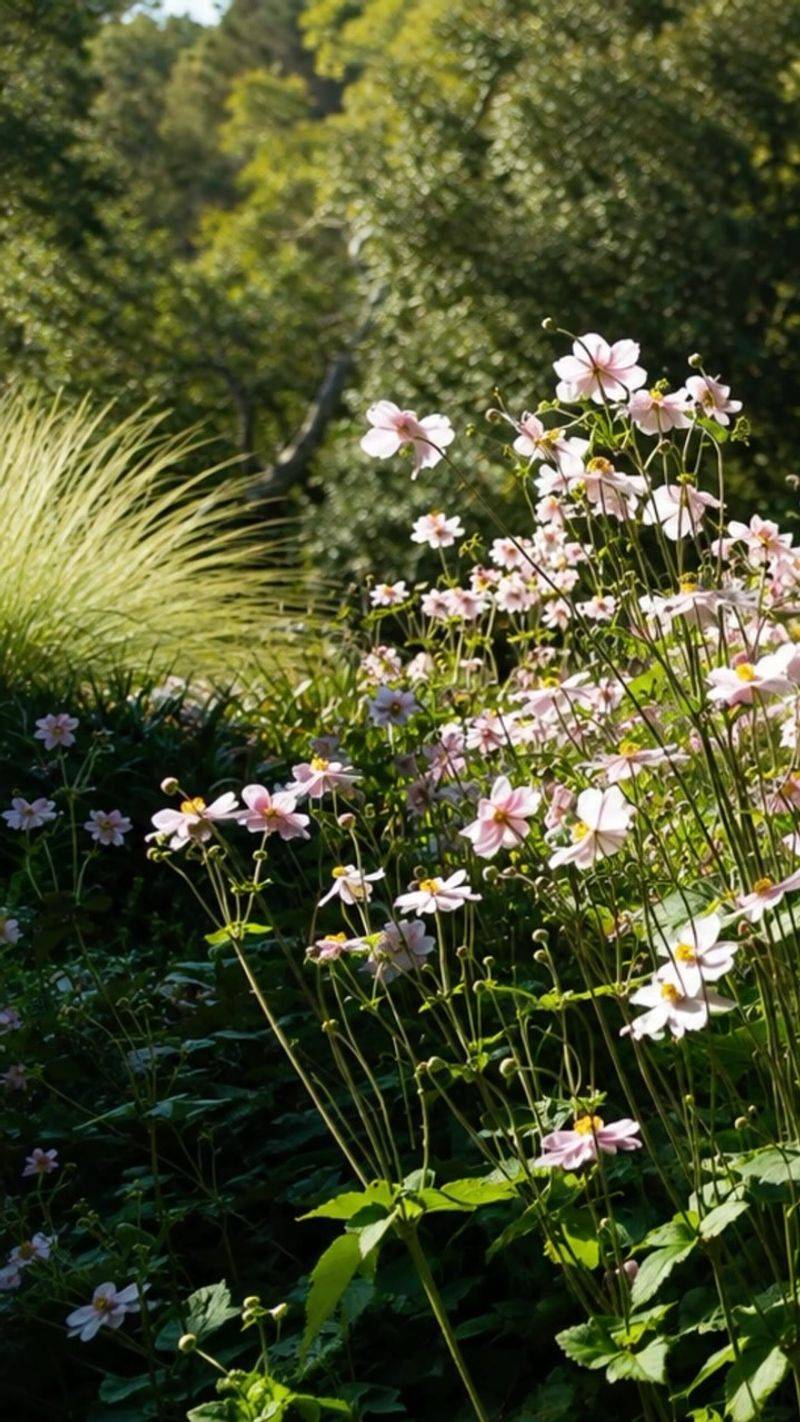
On a breezy September afternoon, Japanese anemones sway on tall, wiry stems like ballerinas on tiptoe. Their silky petals in soft pink or pure white seem to float above the garden.
Each simple, cup-shaped bloom holds a bright green button ringed with a halo of golden stamens. Up close, the flowers look almost hand-painted, like a delicate illustration from an old storybook.
Despite the name, many of these plants actually trace their roots back to China. They became popular in Japanese gardens many centuries ago, and the pretty nickname simply stuck.
Anemones bloom from late summer until frost, filling the gap when many perennials look worn out. Their stems can reach three or four feet, adding height to the back of a border.
Partial shade suits them best, especially a spot that gets gentle morning sun and afternoon relief. Keep the soil evenly moist, since they tend to struggle in hot, dry ground.
Be patient during the first year, because anemones often take time to settle in. Once happy, though, they spread slowly by underground roots and form lovely, graceful drifts.
That spreading habit can get a bit enthusiastic in rich soil, so give them room to roam. A quick tug in spring keeps them from crowding out their shorter neighbors.
Plant them near hostas or ferns, where their flowers glow against the dark green leaves. Deer and rabbits usually leave them alone, which feels like a small bonus gift from autumn.
7. Goldenrod Paints The Fields With Sunshine
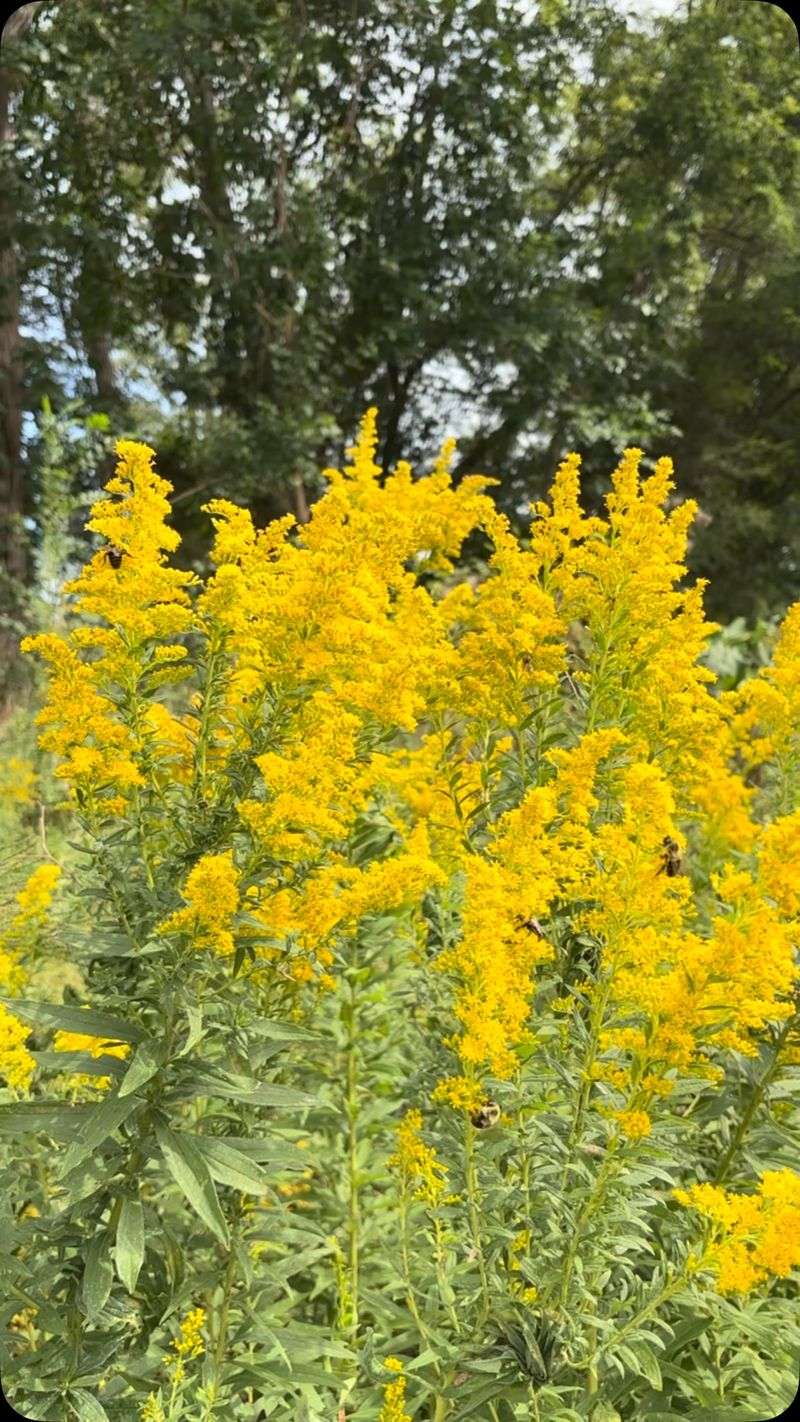
Goldenrod has been blamed for fall sneezing fits for years, but it is innocent. The real troublemaker is ragweed, a plain green plant that blooms at the same time.
Goldenrod pollen is heavy and sticky, so it hitches rides on insects instead of floating through the air. Ragweed pollen is light and drifts for miles, which is why it causes so much trouble.
Now that its name is cleared, let’s talk about how gorgeous this plant really is. Its arching sprays of tiny yellow flowers look like sunshine spilled across the garden.
Goldenrod is one of the most important late-season food sources for bees and butterflies. Dozens of different insect species visit its blooms, from honeybees to tiny beetles.
Wild types can spread aggressively, so many home gardeners choose tamer, better-behaved varieties instead. Look for compact choices like Fireworks or Golden Fleece, which stay neat and bushy.
Goldenrod thrives in full sun and is not picky about soil type at all. Once established, it handles drought like a champ and needs almost no extra care.
Team it up with purple asters for a classic combo that nature invented long before gardeners did. Yellow and purple sit across from each other on the color wheel, so they make each other pop.
History buffs might enjoy this: Thomas Edison experimented with goldenrod as a source of rubber. He even bred plants that grew twelve feet tall, proving this sunny weed has serious talent.
8. Snapdragons Bloom Again In The Cool Air
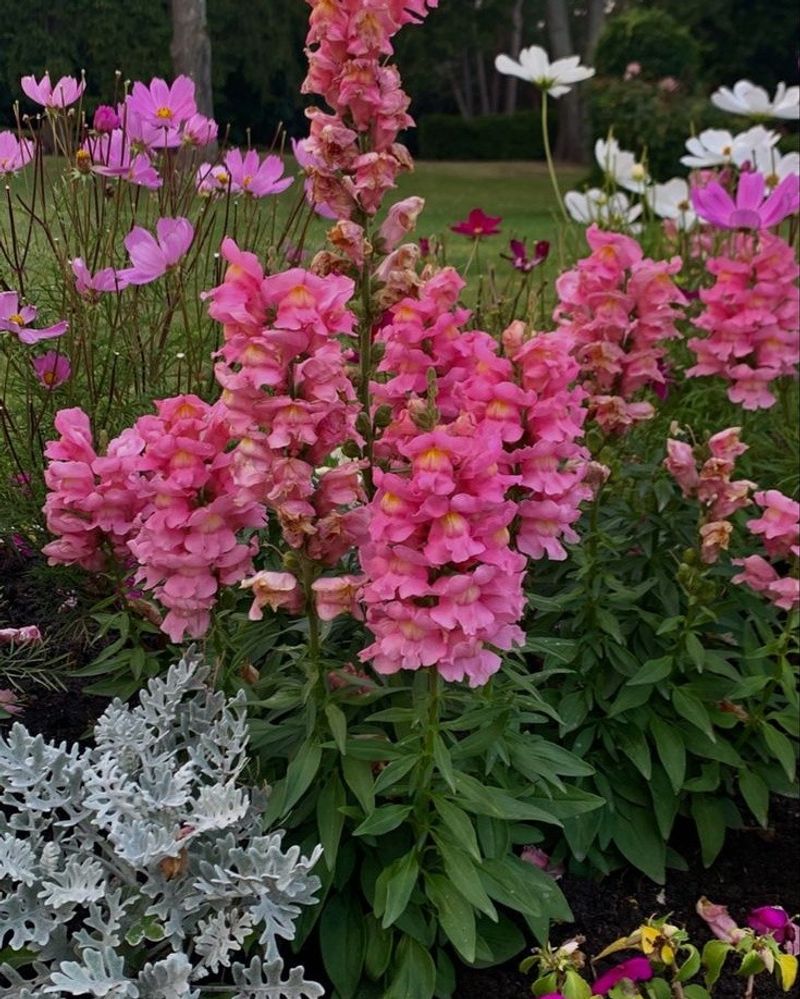
Gently squeeze the sides of a snapdragon flower, and its little mouth pops open like a chatty dragon. Kids love this silly trick, and honestly, most grown-ups secretly do too.
Many people think of snapdragons as spring flowers, but they are actually cool-season champions. Summer heat makes them slow down, and September’s cooler nights wake them right back up.
If your spring snapdragons looked tired by July, cut them back by about a third. With a little water and patience, they often reward you with a fresh wave of fall blooms.
Garden centers also sell new plants in early fall, ready to pop into pots and beds. They can handle light frost, so they keep going long after summer annuals give up.
Their spiky towers come in nearly every color except true blue, from lemon yellow to raspberry red. Tall varieties make wonderful cut flowers that last a week or more in a vase.
Plant them in full sun with rich, well-drained soil, and water gently at the base. Pinching the tips of young plants encourages side branches and many more flower spikes.
Want a spooky fun fact to share just in time for Halloween this October? Once the flowers fade, the dried seed pods twist into strange little shapes that almost look like tiny faces.
Long ago, people in Europe believed snapdragons offered protection from trickery and bad luck. Whether or not that works, a pot of them by the door sure brightens a chilly morning.