Ohio Gardeners Tired Of Hosta Problems Are Switching To This One Plant Instead
Hostas have a reputation for being foolproof and Ohio shade gardens are full of them. Then reality sets in.
Slugs chewing ragged holes through leaves overnight. Voles tunneling under crowns.
Deer treating the whole bed like a salad bar. Foliage that looks great in May and rough by August.
At some point enough is enough. The answer keeps coming back to the same plant.
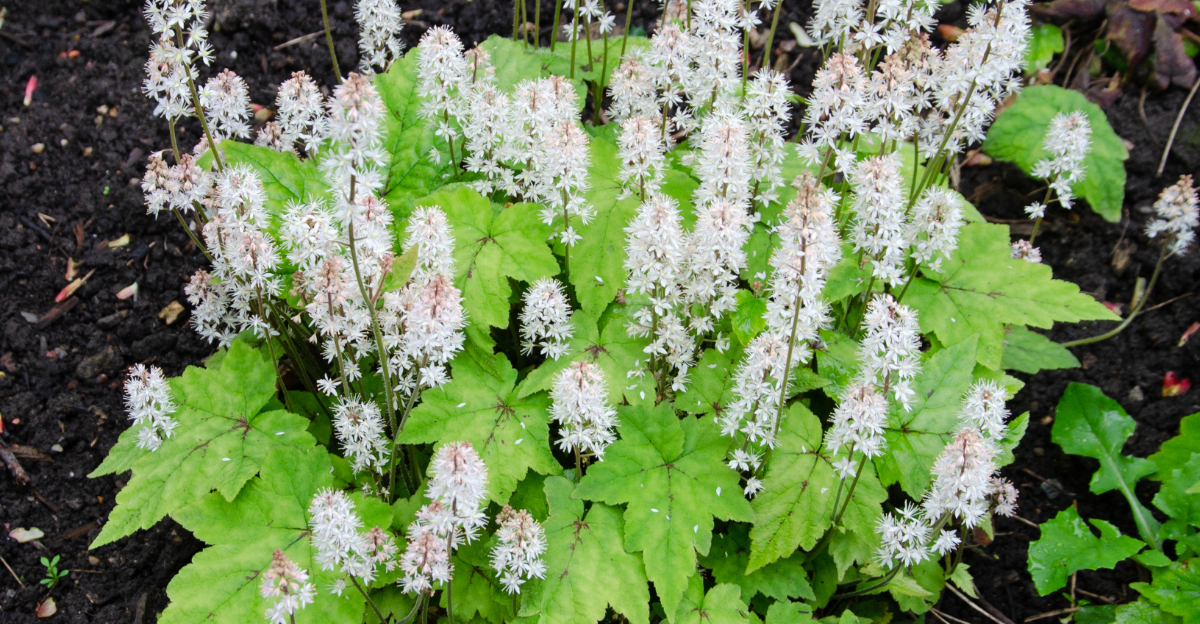
Foamflower. Foamflower is native to Ohio’s woodland understory and is unbothered by the conditions that wear hostas down.
It is also genuinely beautiful without requiring constant intervention to maintain. It spreads on its own terms, stays tidy, and brings a delicacy to shade gardens that hostas never quite managed.
Once you see a mature foamflower planting in peak bloom, the hosta loyalty starts feeling hard to explain.
1. Foamflower Gives Shady Beds A Fresher Native Look
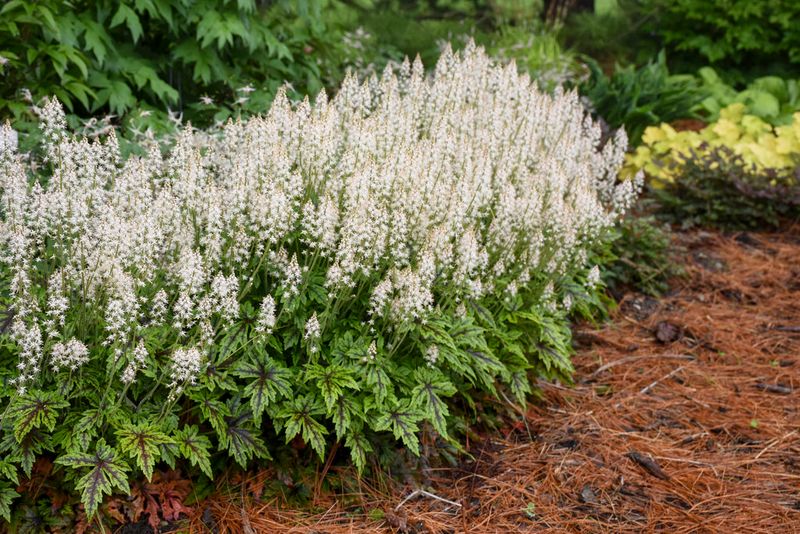
Walk through any mature Ohio woodland in spring and you might spot foamflower growing right where it belongs. It sits tucked under maples and oaks, spreading quietly across the leaf-littered floor.
That natural character is exactly what makes it so appealing for shade gardeners who want something that looks like it grew there on purpose.
Foamflower is a native perennial, meaning it evolved alongside soils, climate, and wildlife. Its lobed, heart-shaped leaves often carry deep burgundy or chocolate markings along the veins.
That gives the foliage real visual interest even when the plant isn’t blooming. That’s a step up from a plain green hosta clump that blends into the background by July.
The plant typically stays low, forming tidy mounds that layer nicely under taller shade plants like ferns or native shrubs. It works well in part shade to full shade, as long as the soil holds some moisture and organic matter.
Dry, compacted, or root-choked soil will stress it out, so site selection matters.
Ohio State University Extension and native plant resources recognize Tiarella cordifolia as native to woodland regions. Buy plants from a reputable native plant nursery rather than digging from natural areas, which harms wild populations.
2. Spring Flower Spikes Add More Interest Than Plain Foliage
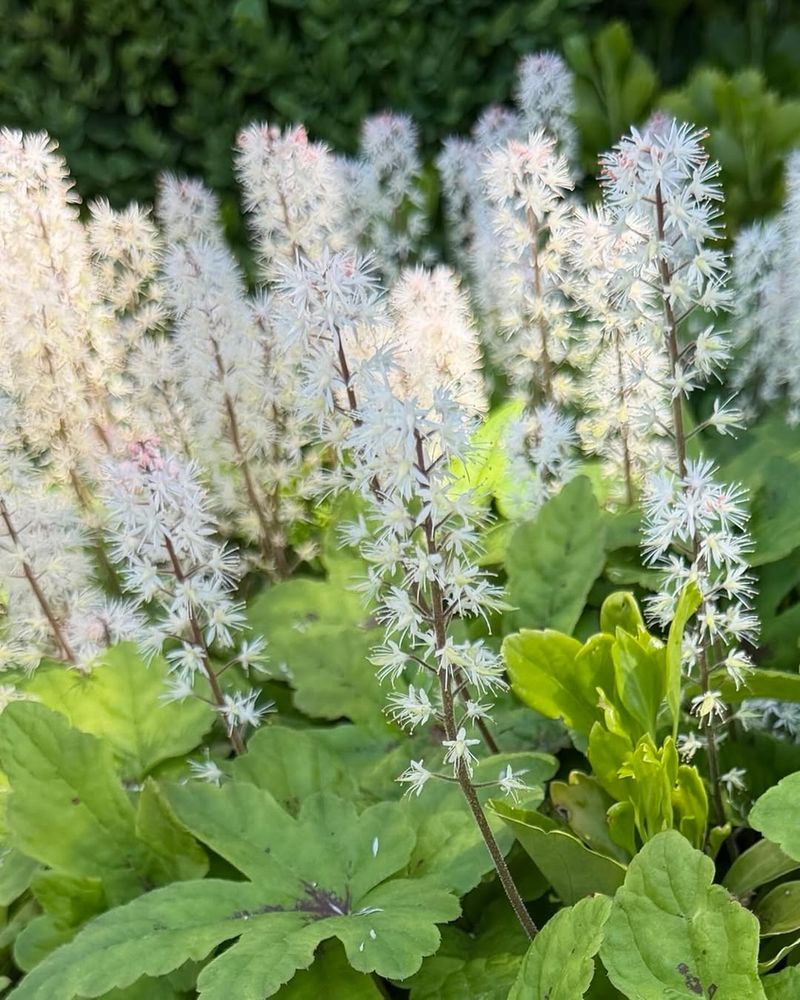
One of the most common complaints about hosta beds is that the show is almost entirely about leaves. Foamflower flips that script every spring with slender, airy spikes covered in tiny white or pale pink blooms that rise well above the foliage.
The flowers appear in mid to late spring, roughly April through May in most parts of the state. Timing can shift a week or two depending on your region and the year’s weather.
They’re not bold or showy in the way daylilies are, but that’s actually part of the charm. The delicate, feathery spikes bring a soft, almost misty texture to beds that can look heavy with large hosta leaves.
Early pollinators, including native bees, can visit the blooms, which adds ecological value beyond just good looks.
Penn State Extension notes that Tiarella species can support early-season native bee activity, which matters in shaded areas where early bloom options are limited.
Your Ohio Garden Changes Every Week. Your Plan Should Too.
Gardening in Ohio changes quickly throughout the season. Every Friday you’ll receive a simple weekly plan showing exactly what to plant, prune, fertilize, harvest, and protect so you never miss the right timing.
Because each individual plant is fairly small, a single foamflower won’t create much of a flower display on its own.
Plant at least five to seven together in a cluster or a loose drift to get the soft, frothy effect that makes the spring bloom season feel worth celebrating.
3. Low Clumps Fit Beautifully Around Trees And Paths
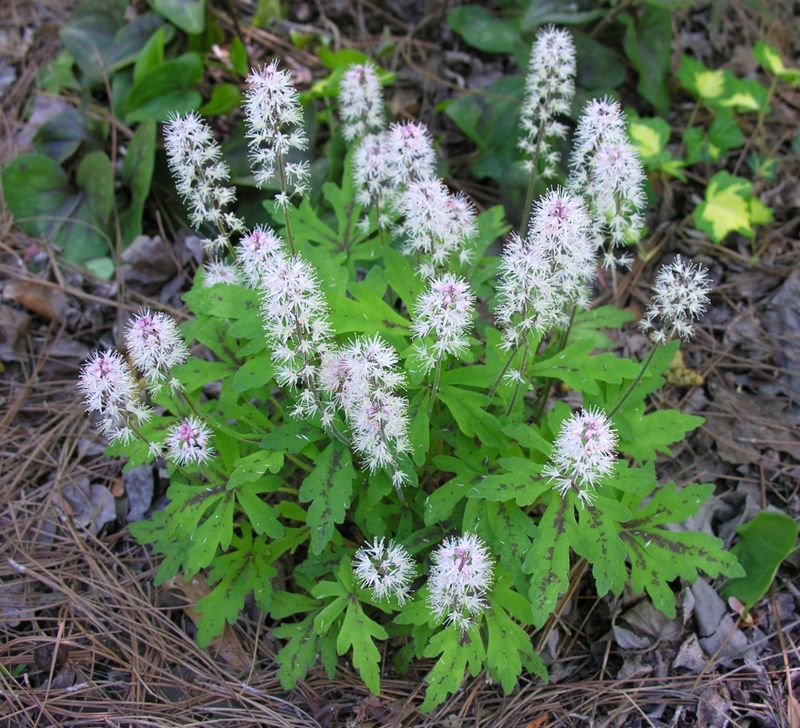
There’s a particular challenge in shaded yards that every gardener knows: the awkward ring of bare soil around a big tree where nothing seems to want to grow.
Foamflower handles that spot better than most plants, as long as the soil isn’t bone dry from competing roots.
Its naturally low, spreading habit makes it a good fit for softening path edges or filling in the front of a shade border. It also creates a gentle transition between a lawn edge and a wooded area.
The mounds stay compact enough that they don’t block sight lines or crowd out neighboring plants too aggressively.
Spacing plants about 12 to 18 inches apart gives each clump room to settle in and eventually fill toward its neighbors without immediately overcrowding.
In tree rings with dense surface roots, amending the planting pockets with compost makes a real difference.
Watering young plants consistently through the first season also helps them establish well.
Avoid planting foamflower in spots with heavy foot traffic since the low foliage doesn’t hold up well to repeated stepping. Path edges work well as long as the plants sit a few inches back from the actual walking surface.
That small buffer keeps the foliage looking clean and intact through the season.
4. Runners Help Foamflower Fill Gaps Without Taking Over
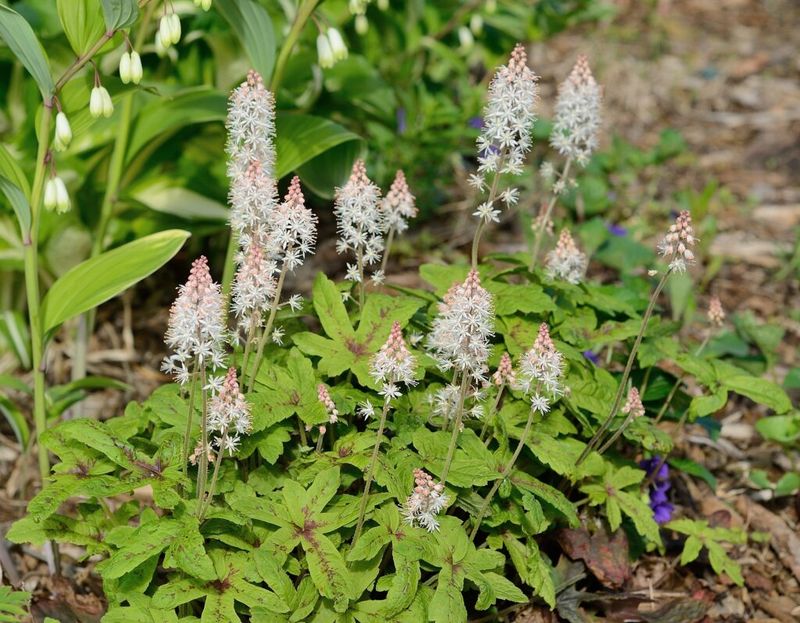
One of foamflower’s quiet strengths is its ability to spread gradually and fill bare patches of soil in a shaded bed.
Depending on the variety and growing conditions, it spreads by short runners or stolons, sending out new rosettes that root nearby and slowly build a colony over time.
That spreading habit is genuinely useful in beds where bare soil tends to invite weeds or where you want a ground-covering effect without planting something aggressive.
English ivy, wintercreeper, and periwinkle are considered invasive in Ohio and can escape into natural areas.
Foamflower spreads at a pace you can actually manage.
Department of Natural Resources and invasive species resources for the state consistently flag English ivy and wintercreeper as problematic in woodlands. Foamflower doesn’t carry that risk.
You should still check the edges of the planting every season or two and pull or divide any runners that wander past where you want them.
Dividing clumps every three to four years also keeps plants vigorous and gives you free starts to expand the planting or share with neighbors. Early spring, just as new growth emerges, is a good time to divide.
Replant divisions promptly and water them in well so they don’t dry out before rooting.
5. Moist Woodland Soil Keeps The Plant Looking Its Best
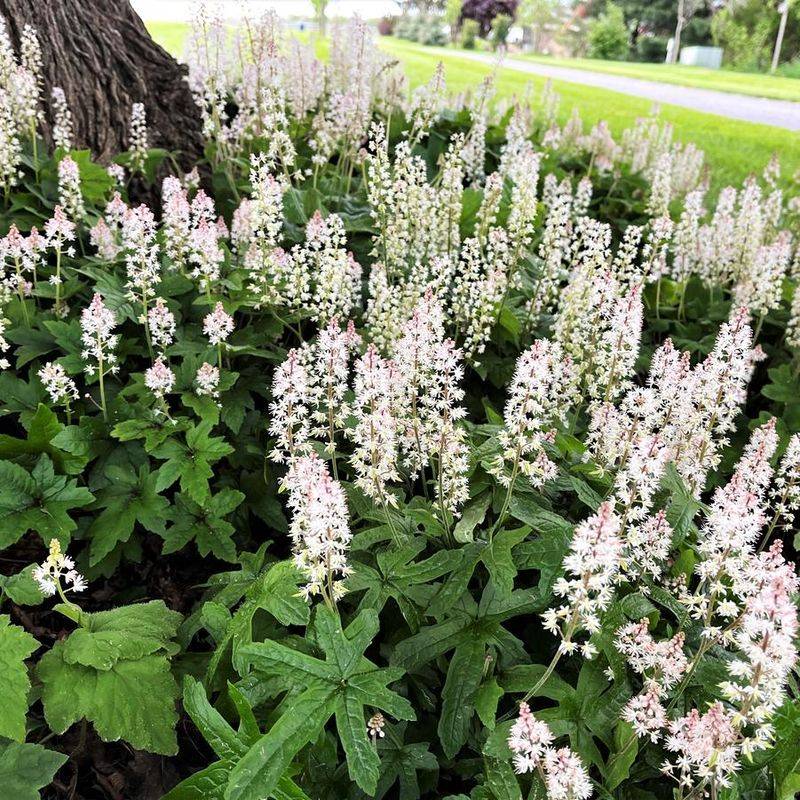
Foamflower is often described as low-maintenance, and that’s fair, but only when the site is right. Put it in dry, compacted, or sun-baked soil and it will struggle no matter how little attention you give it.
The plant evolved on woodland floors where organic matter builds up over years and moisture stays consistent through the growing season.
In practice, that means you want soil that drains well enough to avoid standing water but holds enough moisture to stay cool and damp between rain events.
Adding a few inches of compost before planting, especially in heavier clay soils common across much of the state, gives the roots a better start.
State University Extension recommends organic matter amendments for improving both drainage and moisture retention in challenging shade soils.
Mulching with shredded leaves is a natural fit since it mimics what happens on a real woodland floor. Keep mulch about an inch or two deep and pull it back slightly from the crown of each plant.
Piling mulch directly against the crown can cause rot, particularly in wet springs.
Young plants need consistent watering through their first full growing season. Once established, foamflower handles normal rainfall reasonably well.
During dry summer stretches, a deep soak once a week helps prevent leaf scorch and keeps the foliage looking fresh.
6. Deer And Slugs Are Less Likely To Make It Look Ragged
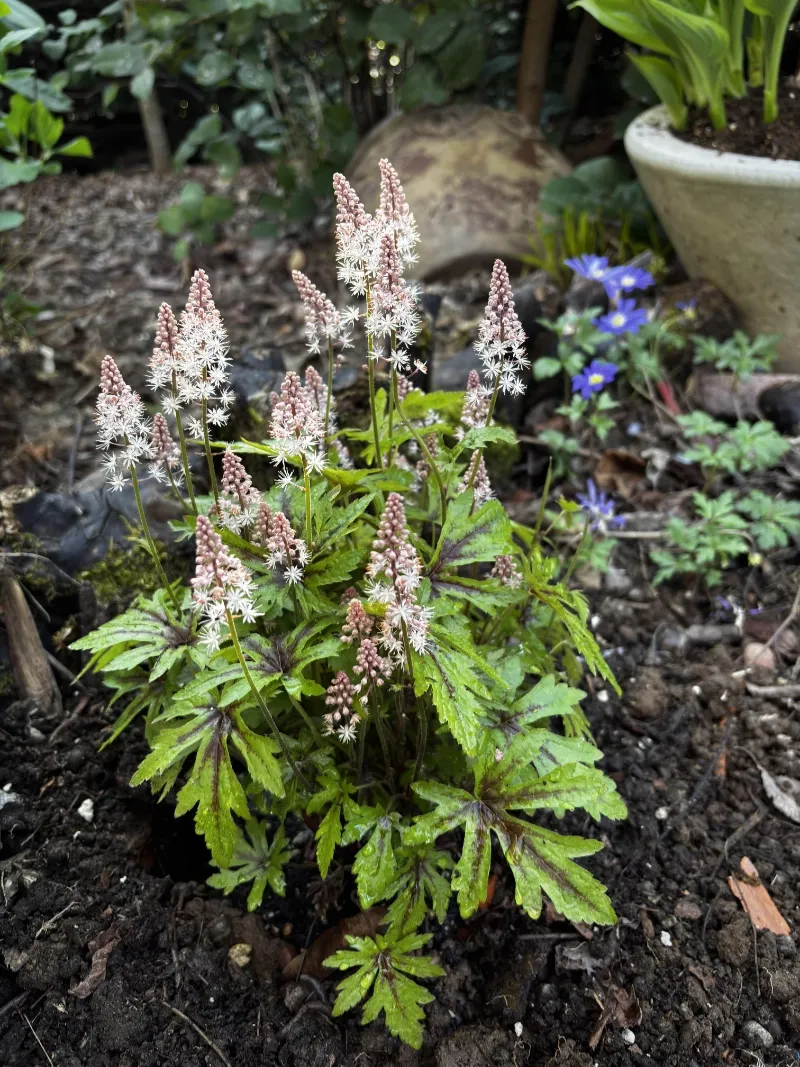
Ask any shade gardener what drives them away from hostas and two answers come up constantly: deer and slugs.
Deer will browse hosta leaves right down to stubs, and slugs leave ragged holes and slime trails across the big, smooth leaves almost every wet spring and summer.
Foamflower tends to be less attractive to both. Several native plant and Extension sources note that Tiarella is generally not a preferred deer browse plant, though no source responsibly calls it deer-proof.
Hungry deer in high-pressure areas will sample almost anything, and that’s worth keeping in mind if your yard backs up to a wooded corridor or open field.
Slugs seem less drawn to foamflower’s smaller, more textured leaves compared with the broad, smooth surface of a hosta. That doesn’t mean slugs will never touch it, especially in very wet years or beds with heavy mulch where slugs shelter during the day.
Keeping mulch thin and pulling it back from crowns reduces slug habitat significantly.
For gardeners who have spent years picking slugs off hostas or watching deer strip a bed overnight, even a meaningful reduction in that kind of damage feels like a win.
Monitor young transplants closely in the first season since smaller plants are more vulnerable before they fully establish and fill out.
7. Foamflower Works Best In Groups Instead Of One Lonely Plant
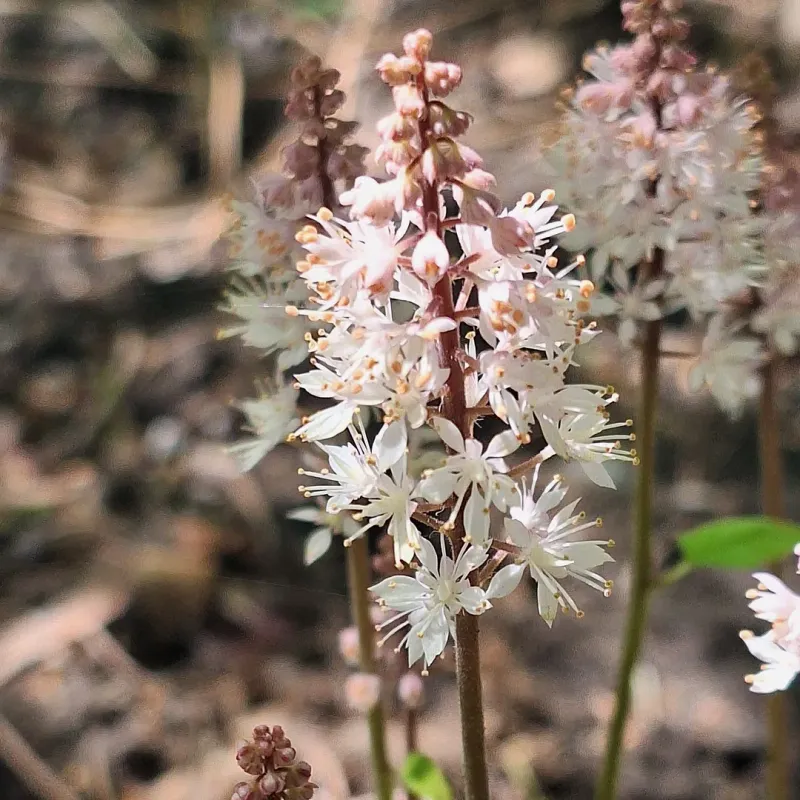
Planting a single foamflower next to a mature hosta is a bit like putting a seedling next to a shrub. The hosta wins on size and presence every time.
Foamflower’s real design power shows up when you use it in clusters of five or more, or better yet, in loose drifts that repeat through a bed.
Grouping plants creates a fuller, more cohesive look and makes the spring flower display much more noticeable.
A drift of ten or fifteen foamflowers blooming together produces that soft, frothy effect that makes a shade bed feel alive rather than just green and flat.
Repeating the same plant in multiple pockets throughout a border also creates visual rhythm. You can anchor a shaded bed with a few larger plants like native ferns or wild ginger, then weave foamflower in between as a lower layer.
That kind of layering is what separates a designed woodland garden from a random collection of shade plants.
Pennsylvania sedge, Carex pensylvanica, pairs especially well with foamflower in shade gardens since both prefer similar moisture and light conditions. Starting with at least three to five plants per grouping gives the planting a finished look right away.
The plants will fill in further over the first two to three seasons.
8. Native Shade Companions Make The Swap Look Intentional
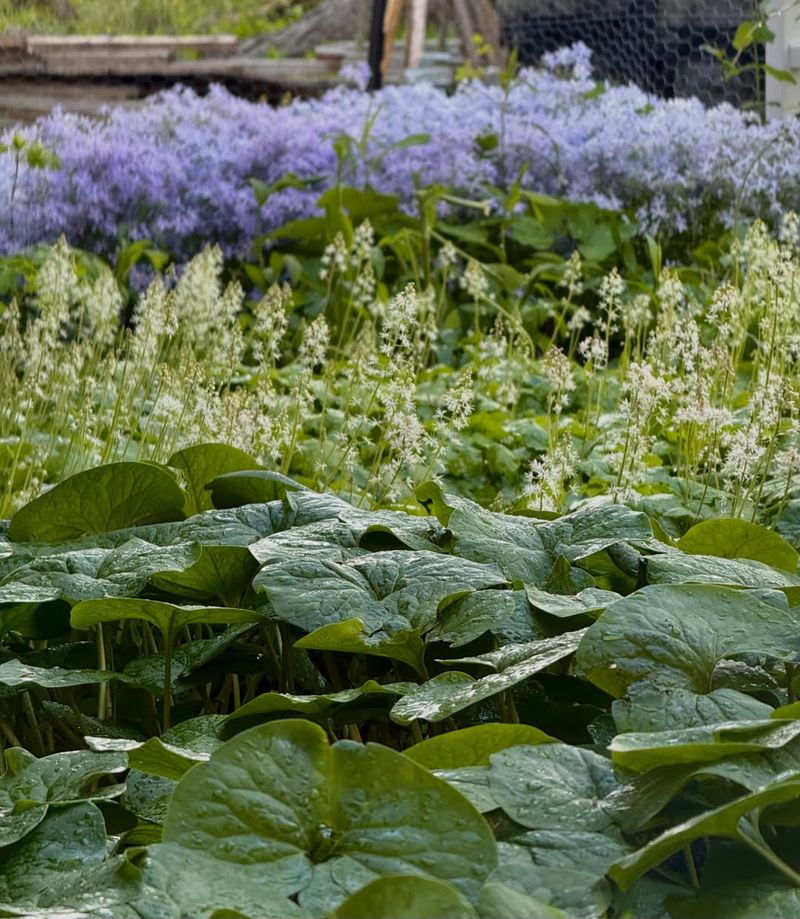
Swapping out hostas for foamflower works best when the rest of the bed has a plan behind it. A single native plant dropped into an otherwise unchanged bed can look out of place.
A thoughtful mix of Ohio-appropriate shade plants creates something that looks genuinely designed and cared for.
Pennsylvania sedge, Carex pensylvanica, is one of the most useful companions. It forms fine-textured, low evergreen tufts that contrast nicely with foamflower’s broader, lobed leaves.
Wild ginger, Asarum canadense, covers ground slowly with glossy, heart-shaped leaves and handles deep shade well.
Woodland phlox, Phlox divaricata, adds soft blue-purple spring color that blooms around the same time as foamflower, creating a layered spring display.
Native ferns like cinnamon fern or Christmas fern add vertical texture and fill the mid-height layer that foamflower doesn’t reach.
Alumroot, Heuchera americana, another native, bridges the gap between foamflower’s low clumps and taller ferns with its mounded, patterned foliage.
State University Extension and the Ohio Department of Natural Resources both support using native shade plants in home landscapes to benefit local ecosystems.
Buy all companions from reputable native plant nurseries that propagate their stock rather than collecting from wild sites.
A well-paired native shade bed is a long-term investment that keeps improving year after year.