What To Add To Empty Ohio Garden Beds In May So They Don’t Look Bare
May in Ohio is a total emotional rollercoaster for gardeners. One afternoon you are soaking up the sun, and the next, you are wondering if you should apologize to your tulips for the sudden chill.
Even though the heavy lifting of winter is over, your garden beds might still look a bit awkward and naked. Those empty patches of brown dirt can make even the most loved yard look like it is still waiting for an invitation to the party.
The good news is that May is the ultimate “fill in the blanks” month.
It is the perfect time to layer in some stylish mulch, lush ground covers, and leafy foliage plants that act like a cozy blanket for your soil.
Adding these finishing touches right now hides those sparse spots and makes everything look instantly polished while your late-blooming stars take their sweet time. Your garden will look full and fabulous before the summer heat truly hits.
1. Shredded Mulch Gives Beds A Finished Look

Bare soil is one of the most common reasons a garden bed looks unfinished, even when healthy plants are already growing in it. A fresh layer of shredded mulch can change that almost instantly.
In Ohio, May is a practical window to mulch because soil temperatures are rising, spring rains are still frequent, and many plants are just beginning to push new growth.
Shredded hardwood mulch is one of the most popular choices for ornamental beds across Ohio. It breaks down gradually, adds organic matter to the soil over time, and gives beds a neat, cohesive appearance that makes the whole landscape feel more intentional.
A two-to-three-inch layer is usually enough to suppress weeds without smothering plant crowns.
One of the underrated benefits of mulch is how it visually ties a bed together. Even a bed with just a few plants can look surprisingly full when the soil between them is covered.
Mulch also helps retain soil moisture during Ohio’s sometimes dry late-May stretches, which reduces how often you need to water newly planted additions.
Shredded mulch tends to stay in place better than wood chips on sloped beds, making it a reliable choice for foundation plantings and entry gardens where appearance really counts.
2. Ground Covers Fill Empty Spaces Gracefully
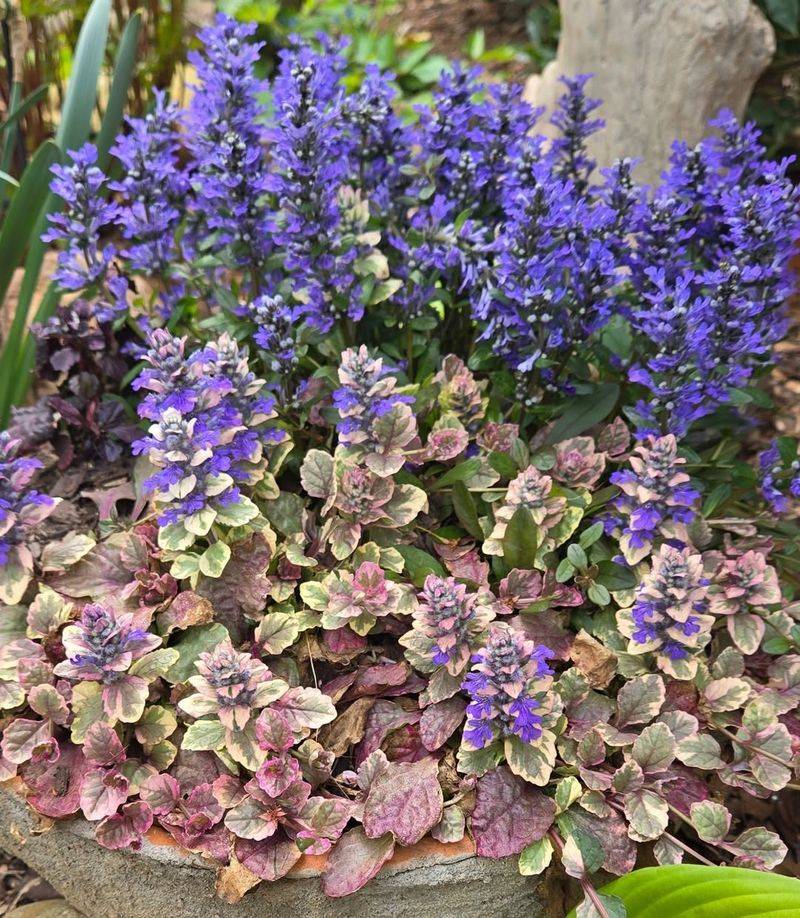
Walking past a garden bed full of gaps between shrubs or perennials can feel a little discouraging, especially when you know those plants just need more time to spread.
Low-growing ground covers are one of the most practical solutions Ohio gardeners have for filling those in-between spaces without overcrowding the plants already there.
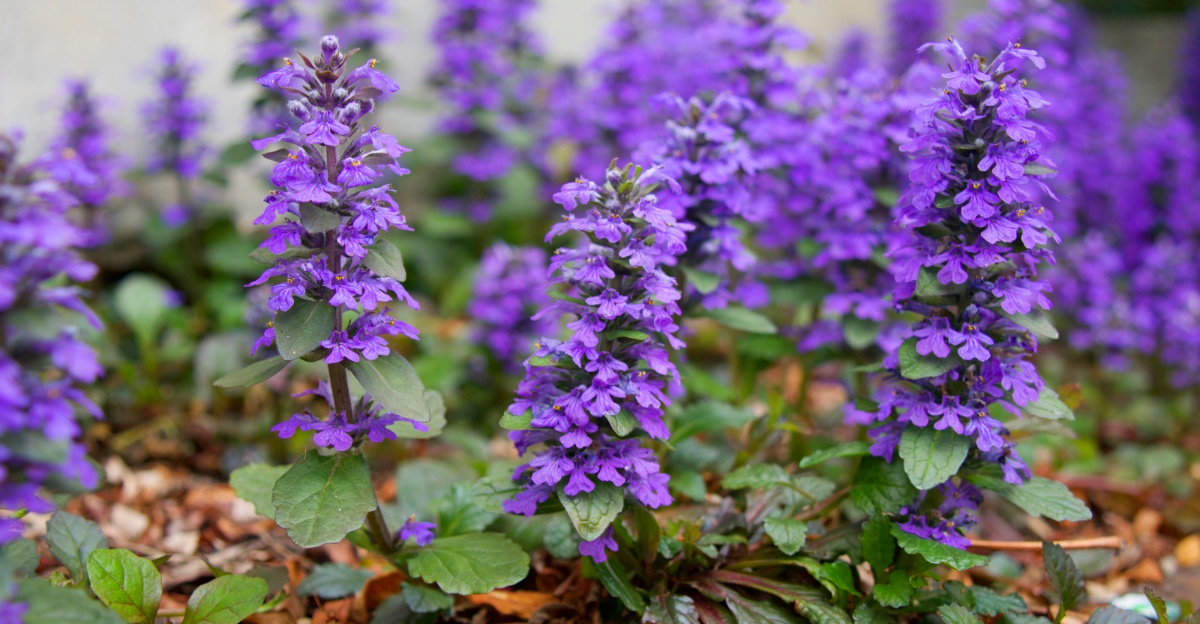
Options like ajuga, creeping Jenny, and sweet woodruff work well in Ohio’s spring conditions. They establish quickly in May when soil is moist and temperatures are moderate, and they spread steadily without needing a lot of attention.
Many ground covers also bring their own seasonal interest, whether through textured foliage, small spring blooms, or interesting leaf color that carries into summer and fall.
Ground covers are especially useful in shaded beds where grass won’t grow and bare soil tends to look particularly stark.
Your Ohio Garden Changes Every Week. Your Plan Should Too.
Gardening in Ohio changes quickly throughout the season. Every Friday you’ll receive a simple weekly plan showing exactly what to plant, prune, fertilize, harvest, and protect so you never miss the right timing.
Under trees, along foundation walls, or at the front edge of a mixed border, a spreading ground cover adds a layer of visual softness that makes the whole bed feel more complete.
Some varieties, like creeping phlox, even put on a brief but impressive spring flower show before settling into their role as a reliable foliage filler.
Choosing a variety suited to your light and moisture conditions in Ohio goes a long way toward getting strong coverage by midsummer.
3. Perennials Add Lasting Color And Structure
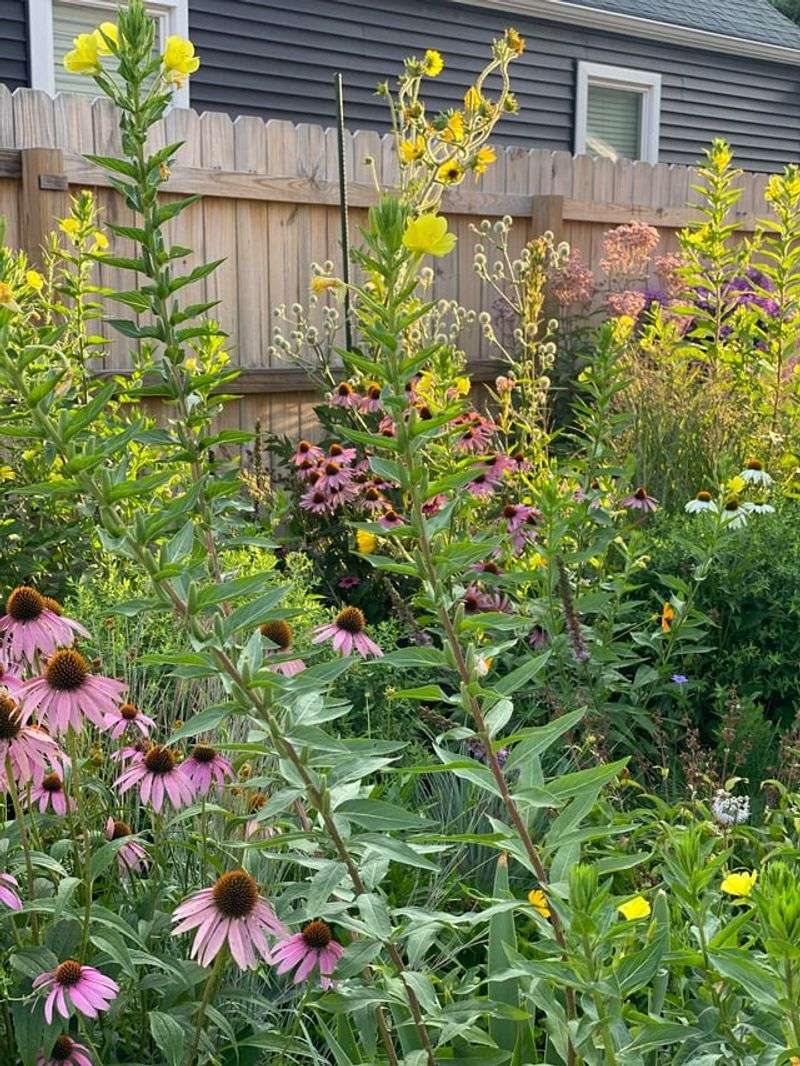
Planting perennials in May feels like making a long-term investment in your landscape. Unlike annuals that need to be replaced each year, perennials come back season after season, slowly growing larger and filling more space over time.
May in Ohio is an excellent time to get them in the ground because soil is workable, temperatures are not yet stressful, and plants have the whole growing season ahead to establish strong root systems.
Popular choices for Ohio beds include coneflowers, black-eyed Susans, hostas, daylilies, and salvia. Each brings something different to the mix.
Hostas are reliable fillers for shaded beds, expanding their clumps steadily each year. Coneflowers and black-eyed Susans bring upright structure and summer-long color to sunny spots.
Salvia adds vertical interest and attracts pollinators through much of the season.
One thing to keep in mind is that newly planted perennials may look modest in their first year. A common saying among gardeners is that perennials sleep, creep, and then leap, meaning the first year is mostly about root development.
Pairing new perennials with faster-filling companions like annuals or ground covers helps the bed look full right away while the perennials work toward their second-year potential.
In Ohio’s variable spring climate, choosing locally adapted varieties tends to result in stronger, more dependable performance over time.
4. Shrubs Bring Shape To Sparse Beds
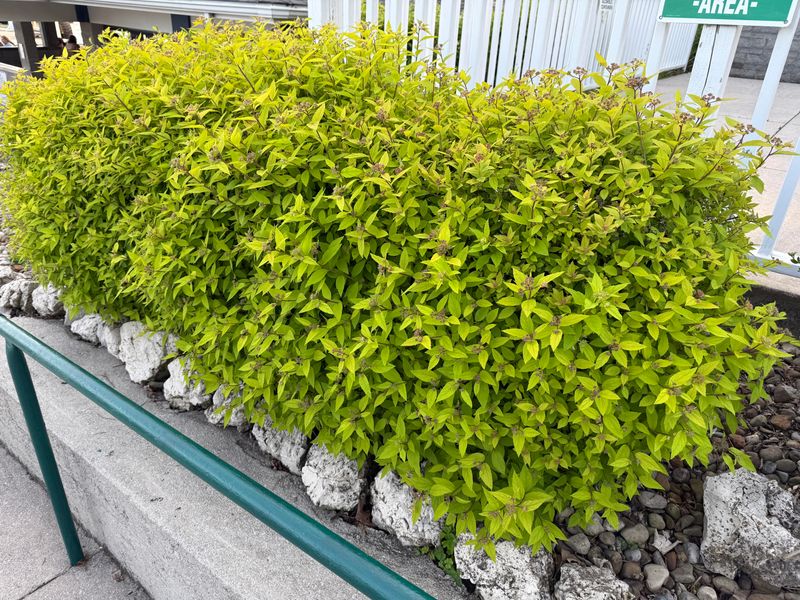
Some garden beds feel empty not because they lack plants, but because they lack structure. Low-growing flowers and ground covers are lovely, but without something taller and more defined anchoring the space, a bed can still feel flat and unresolved.
Ornamental shrubs solve that problem by adding height, form, and a sense of permanence that smaller plants simply cannot provide.
May is a solid month to plant shrubs in Ohio. Temperatures are warm enough for root growth, and the spring rains help new transplants settle in without requiring constant watering.
Shrubs like spirea, ninebark, and knockout roses are widely used in Ohio landscapes because they are adaptable, low-maintenance, and provide multi-season interest.
Ninebark, in particular, offers bold foliage color from spring through fall, making it a strong visual anchor even when it isn’t blooming.
In foundation plantings and mixed borders, a well-placed shrub can frame the bed and give the eye a natural resting point. Grouping a mid-sized shrub with lower perennials or annuals in front of it creates a layered look that feels intentional and polished.
Shrubs also take up horizontal and vertical space quickly compared to perennials, which helps reduce the bare patches that make a bed feel unfinished.
Over time, established shrubs require less intervention and continue to provide reliable structure through every Ohio season.
5. Cool-Season Annuals Brighten Early May Beds
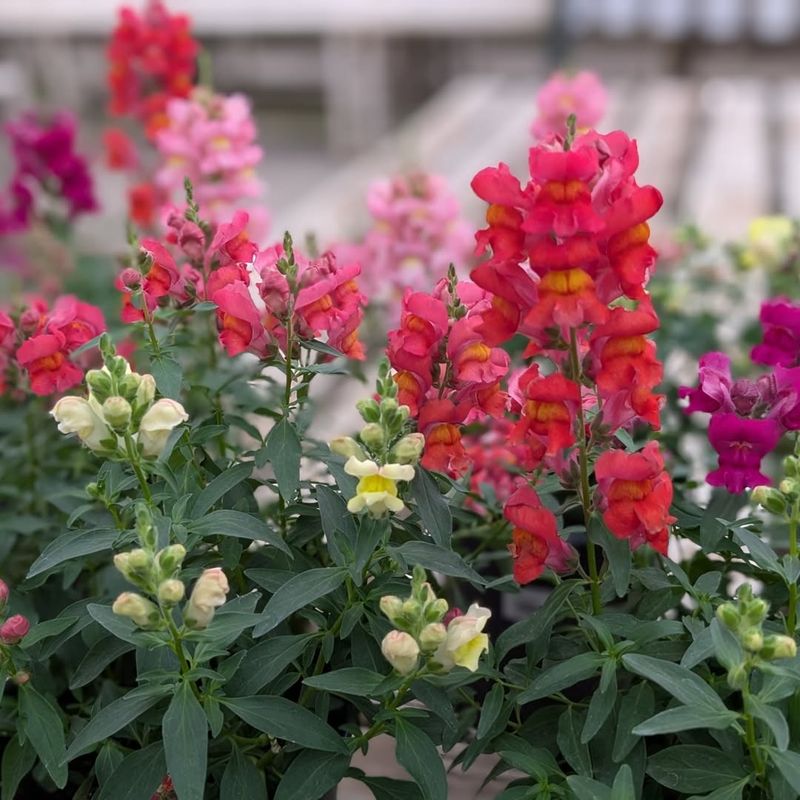
Early May in Ohio sits in that interesting window where nights can still dip into the low 40s but daytime temperatures feel genuinely spring-like. Cool-season annuals are built for exactly this kind of weather.
Plants like pansies, snapdragons, dianthus, and dusty miller thrive in cool conditions and can handle a light frost without much trouble, making them reliable choices for filling beds before summer heat arrives.
What makes cool-season annuals so useful in May is how quickly they provide color. A bed that looked bare a week ago can feel vibrant and welcoming after just a few flats of pansies or snapdragons are planted in the open spaces.
They work particularly well in entry gardens, window boxes, and the front edges of foundation beds where visual impact close to the house matters most.
The trade-off is that most cool-season annuals slow down or stop blooming once Ohio’s summer heat sets in, typically by late June or July.
Planning for that transition by placing them near spots where warm-season plants will eventually take over makes the seasonal swap feel smooth rather than sudden.
Some gardeners in Ohio pull cool-season annuals when they fade and replace them with warm-season options, treating the bed like a canvas that evolves through the growing season.
It takes a little planning but keeps beds looking full and colorful from May through fall.
6. Warm-Season Annuals Bring Fast Color After Frost
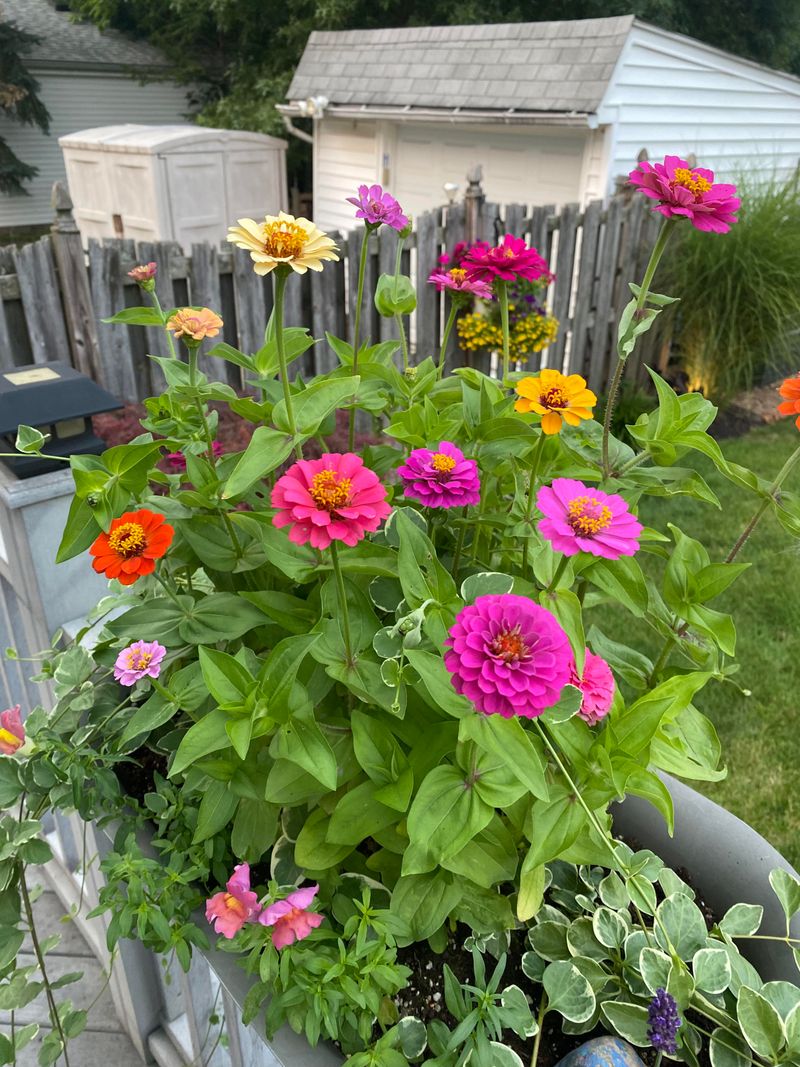
Once Ohio’s last frost date has passed, typically around mid-May in central Ohio and a bit earlier in southern parts of the state, warm-season annuals become one of the fastest ways to fill empty beds with bold, lasting color.
Plants like zinnias, marigolds, impatiens, petunias, and vinca are cold-sensitive, so waiting until soil has warmed and frost risk is low is worth the patience.
Warm-season annuals grow quickly once they are in the ground and temperatures are consistently warm. A bed that looks sparse in early May can look lush and full by June when warm-season annuals are given enough space and regular moisture.
They tend to bloom continuously through summer and into fall, which makes them especially valuable in beds that need reliable, long-lasting color without a lot of replanting.
Sunny beds with well-drained soil are where most warm-season annuals perform best. Marigolds and zinnias are particularly heat-tolerant and tend to hold up well through Ohio’s sometimes humid summer months.
Impatiens and begonias lean toward shadier spots and bring color to areas where sun-loving plants struggle. Mixing warm-season annuals with perennials or shrubs already in the bed creates a layered look that feels full from multiple angles.
For homeowners in Ohio who want beds that look cared-for and colorful all season, warm-season annuals are a practical and rewarding choice.
7. Caladiums Add Bold Leaf Color
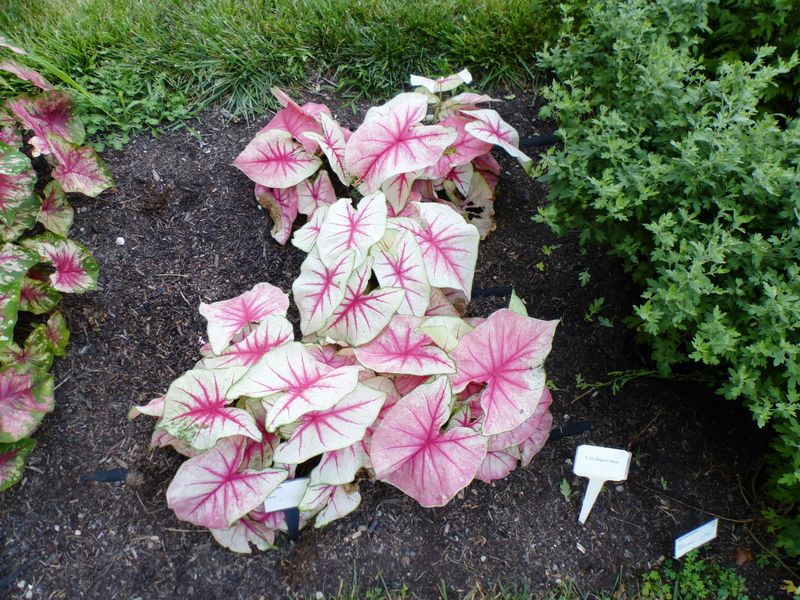
Few plants make a statement with foliage the way caladiums do. Their large, paper-thin leaves come in combinations of white, pink, red, and green that can light up a shaded bed in a way that flowering plants sometimes cannot.
In Ohio, caladiums are typically planted in late May after soil has warmed to at least 65 degrees Fahrenheit, because they are tropical in origin and very sensitive to cold soil temperatures.
Caladiums are especially useful in spots that get partial to full shade, which can be some of the hardest areas in a home landscape to fill with color.
Under trees, along north-facing foundation walls, or in beds shaded by a fence or structure, caladiums bring a lush, tropical feel that makes those corners of the yard feel intentional rather than overlooked.
They pair beautifully with hostas, impatiens, and ferns for a layered, shade-garden look.
Because caladiums grow from tubers, they can be started indoors a few weeks before outdoor planting to get a head start on the season.
Once established in warm soil, they grow steadily through Ohio’s summer and hold their color well into September.
They do not tolerate frost, so Ohio gardeners who want to save the tubers for next year typically dig them up before the first fall frost and store them in a cool, dry location through winter.
Their visual payoff through summer makes the extra care feel very worthwhile.
8. Tuberous Begonias Fill Gaps With Lasting Blooms
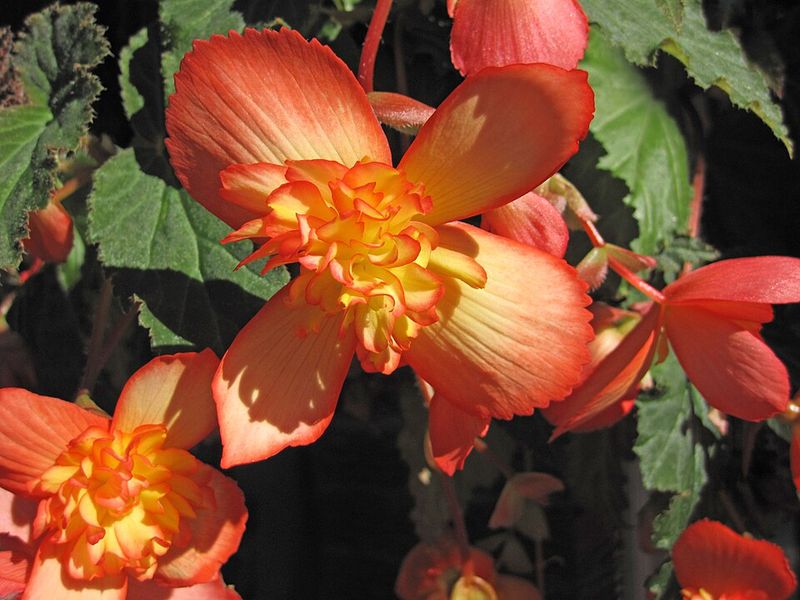
There is something quietly impressive about a tuberous begonia in full bloom. The flowers are large, layered, and almost rose-like in their form, and they keep producing from late spring well into fall without much fuss.
For Ohio gardeners trying to fill gaps in shaded or partly shaded beds, tuberous begonias bring a level of flower size and color intensity that is hard to match in low-light conditions.
Tuberous begonias are started from tubers, which can be planted outdoors in Ohio once the threat of frost has passed and soil has warmed.
Many Ohio gardeners start them indoors in April to get a jump on the season, then move them outside in late May when conditions are right.
They prefer well-drained soil with consistent moisture and do best in spots that receive morning sun and afternoon shade, which is a common exposure in many residential yards.
In mixed beds, tuberous begonias work well as mid-height gap fillers between shrubs or taller perennials. Their mounding habit and continuous bloom cycle mean they contribute color and texture for months without needing deadheading in most cases.
Colors range from soft pastels to deep reds and oranges, making it easy to find a variety that fits the palette of an existing bed.
For Ohio homeowners who want reliable summer-long bloom in partially shaded spaces, tuberous begonias are a dependable and visually rewarding option.