Ohio’s State Tree Nursery Just Opened Fall Ordering – Here’s What Gardeners Can Get
Ohio just cracked open a window that only opens a couple times a year, and gardeners who miss it wait months for another shot.
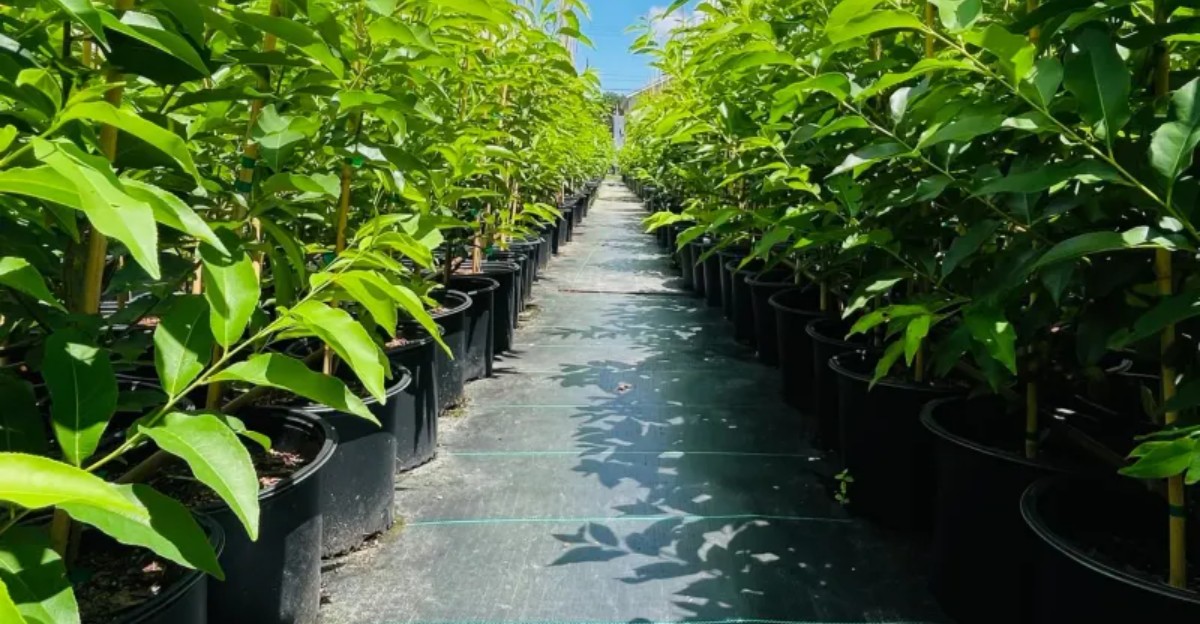
The Buckeye State Tree Nursery runs on seasonal ordering, not a standing shelf you can browse anytime. Species move between “in stock” and “sold out” fast once a window opens, and popular picks don’t last long once word gets around.
Homeowners who show up late end up settling for whatever’s left instead of what they actually wanted.
A specific mix of native trees and shrubs fills the current catalog, grown right here for Ohio soil and Ohio winters, which explains why demand outpaces supply almost every season.
Check the ordering window before you assume you’ve got plenty of time. Ohio’s own nursery doesn’t wait around for stragglers.
1. Buckeye State Tree Nursery Opens Fall Ordering
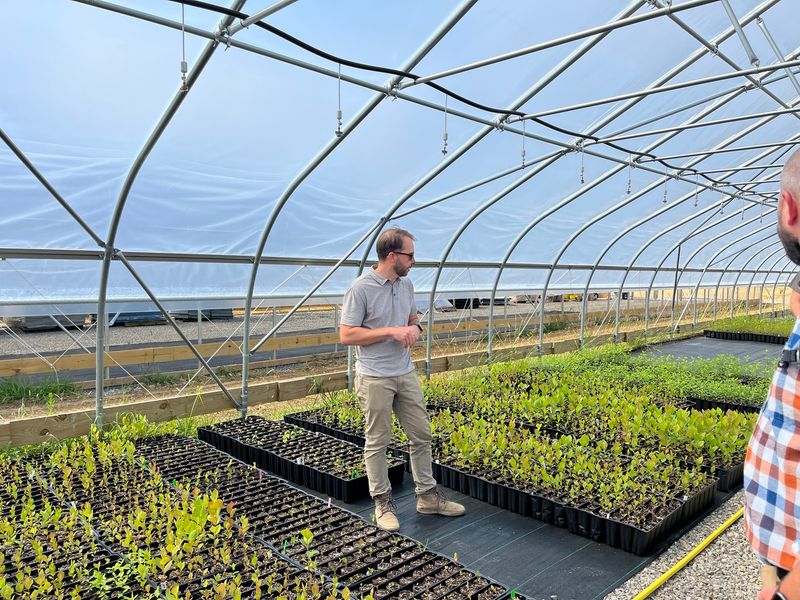
Good news travels fast among gardeners, and this season it smells like fresh soil. The Buckeye State Tree Nursery has opened fall ordering for 2026.
You will find the nursery at 5940 Memory Rd, Zanesville, OH 43701. Its main job is to supply Ohio-grown trees for conservation plantings across the state.
That includes reforestation, wildlife habitat, windbreaks, and backyard projects too.
Ordering runs through November 12, 2026. Everything happens online at nursery.ohiodnr.gov, which makes browsing simple from your couch.
You can pick up your order at the nursery or have seedlings shipped to your door.
There are a few rules to keep in mind. The smallest order is 10 seedlings, and online orders top out at 1,000.
If you need more than that, you will need to contact the nursery directly.
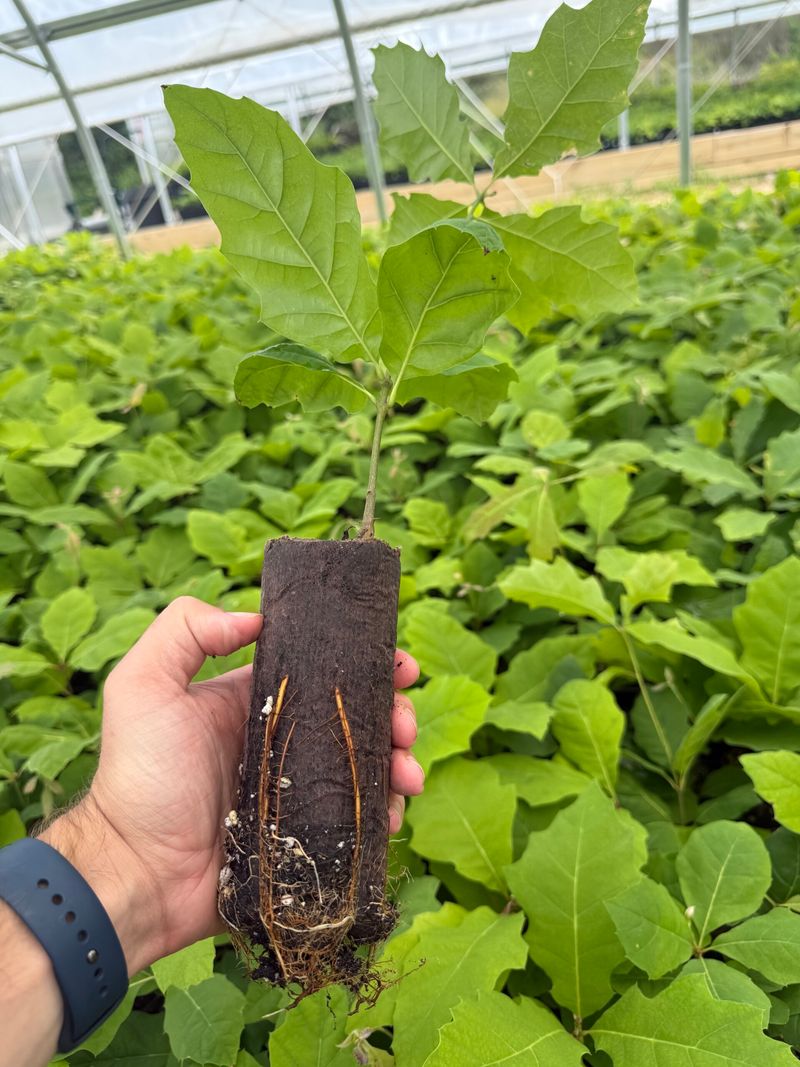
Every seedling is grown in a container with a biodegradable paper plug. That plug goes right into the ground with the roots.
It means less root shock and less mess for you on planting day.
Here is a tip from folks who plant often. Order early, since popular species can sell out before the final date.
Measure your yard and check sunlight first, so you pick trees that suit each spot. A little planning now pays off for decades of shade and beauty.
2. White Oak Brings Acorns And Wildlife Value
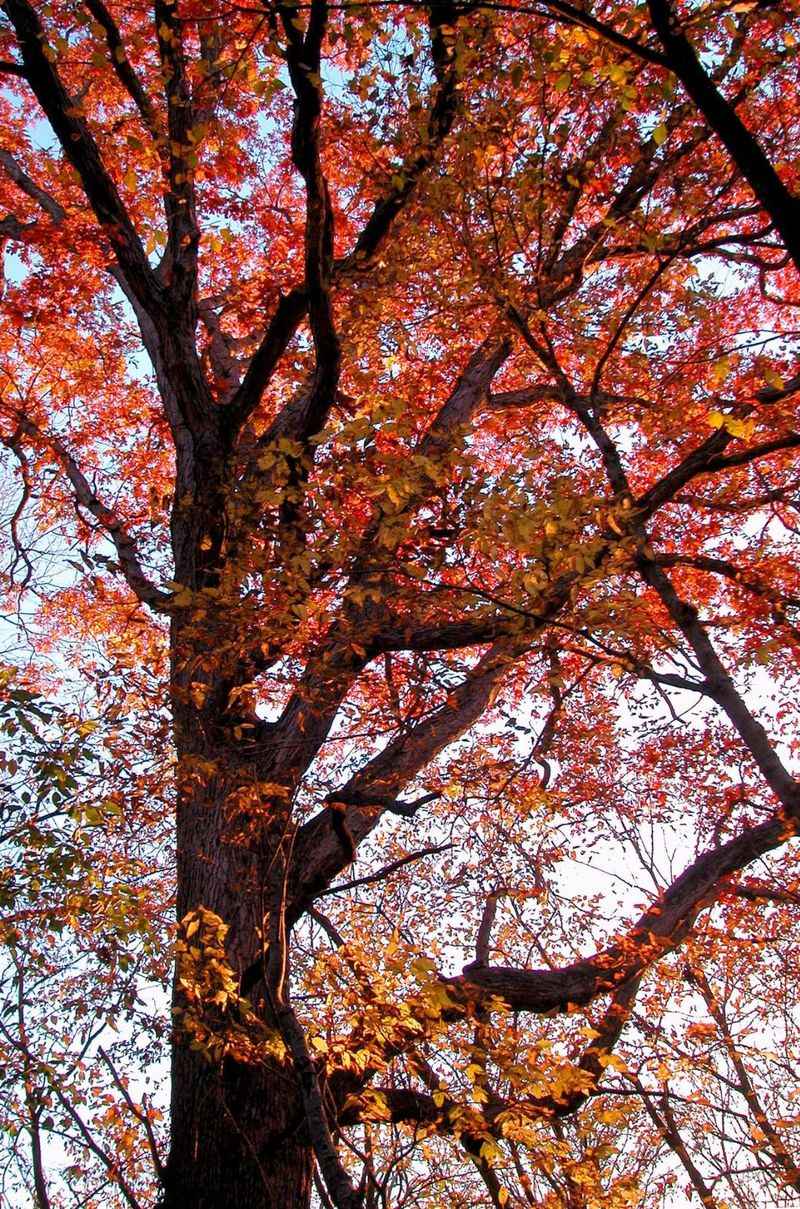
Some trees are planted for you, and some are planted for your great-grandkids. White oak happens to do both beautifully.
You can spot it by its light gray, scaly bark and deeply lobed leaves. In autumn, those leaves turn rich red and purple.
It feels like a slow sunset hanging in your yard.
Patience is part of the deal here. White oak grows slowly but can reach 50 to 80 feet tall and just as wide.
It will stand for generations once it settles in.
Wildlife lovers, pay attention to the acorns. They are sweet and low in tannin, so animals treat them like a top snack.
Deer, wild turkeys, wood ducks, blue jays, and squirrels all come calling.
This oak is easygoing about growing conditions. It handles full sun to part shade and likes well-drained to average or moist soil.
Your Ohio Garden Changes Every Week. Your Plan Should Too.
Gardening in Ohio changes quickly throughout the season. Every Friday you’ll receive a simple weekly plan showing exactly what to plant, prune, fertilize, harvest, and protect so you never miss the right timing.
Many yards already fit that bill.
Give your seedling plenty of room from houses and power lines. Think about its grown-up size, not its tiny start.
A space at least 40 feet from buildings is a smart choice.
Fun fact: white oak wood has been used for barrels, ships, and furniture for centuries. Its strength is legendary.
Your little seedling carries that same sturdy story.
3. Flowering Dogwood Adds Spring Blooms And Fall Color
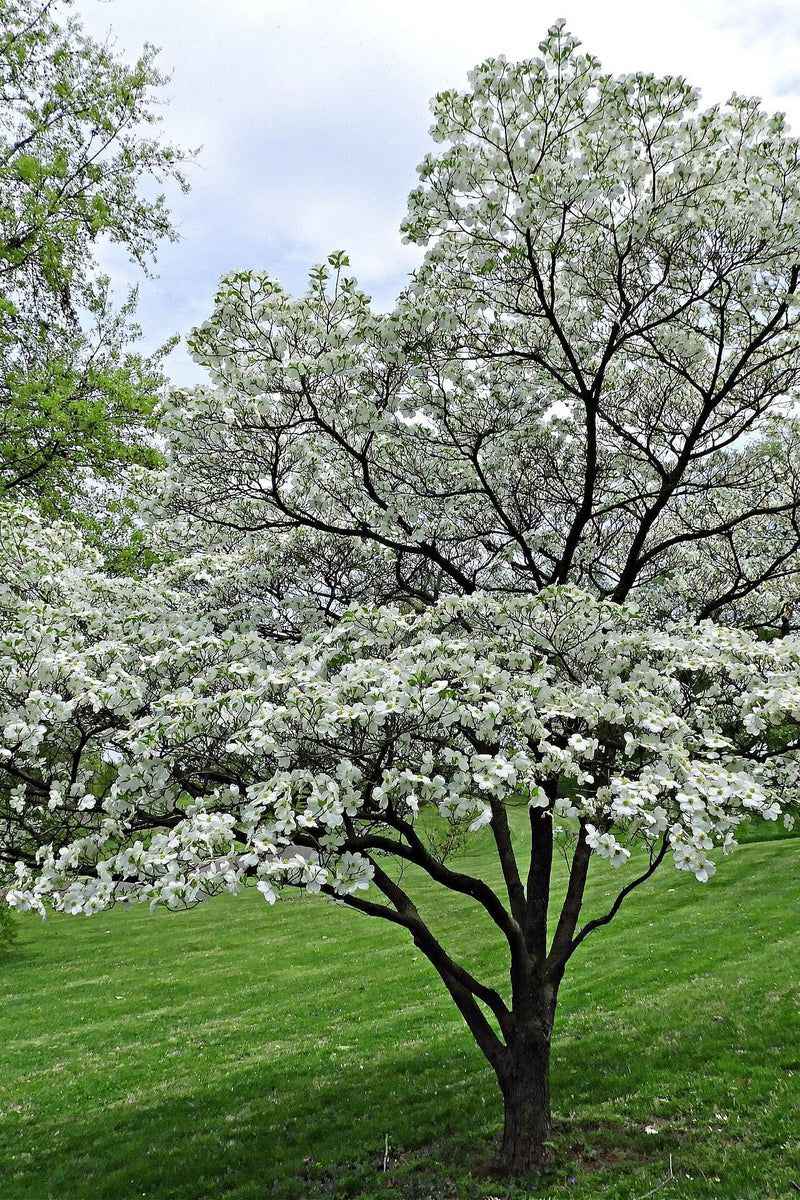
Ask any Ohio grandma about her favorite spring tree, and dogwood might top the list. It has charmed front yards for generations.
In mid-spring, white blooms open across the branches, each about 3 to 4 inches wide. Those showy parts are actually bracts, not true petals.
The real flowers are the tiny cluster in the middle.
The show keeps going all year. New leaves come out burgundy, then turn forest green for summer.
By fall, they glow brick red, crimson, or red-purple.
Bright red berries ripen from early to late fall. Birds, squirrels, and other critters gobble them up.
Your yard becomes a busy little cafe for wildlife.
Winter brings its own quiet beauty. The layered, flat branches and warty gray bark look lovely against snow.
It is a tree with something to say every month.
Dogwood stays small, reaching about 15 to 30 feet tall. That makes it a great fit for smaller lots and patio corners.
It grows slowly, so enjoy the journey.
For best results, plant it in part shade with moist, well-drained, slightly acidic soil. Rich soil keeps it happy.
A layer of mulch helps hold moisture during hot summers.
4. Black Walnut Grows Into A Long-Lived Shade Tree
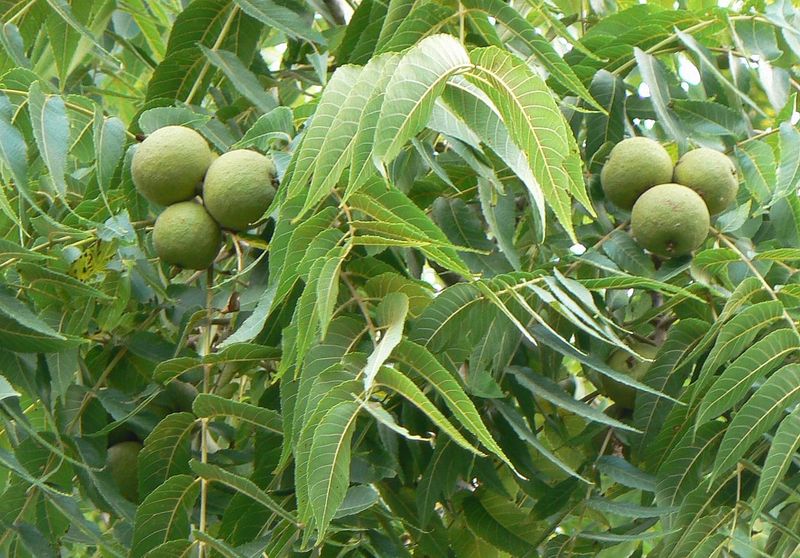
Want shade in a hurry? Black walnut is one of the faster growers on the list, and it gets big.
These trees usually reach 70 to 90 feet tall and 50 to 75 feet wide. They grow a tall, straight trunk with an open, rounded crown.
Their leaves smell spicy when you crush them.
Fall turns that foliage golden yellow. In late summer and early fall, round green fruits drop to the ground.
Inside is a rich, tasty nut that people and animals both love.
Squirrels, woodpeckers, and foxes count on those nuts. The leaves also support over a hundred kinds of moths and butterflies.
That means more food for songbirds raising babies.
Woodworkers prize black walnut for its dark, fine-grained wood. Some families plant a grove as a long-term investment.
Your seedling could become an heirloom.
There is one quirk to plan around. The roots release juglone, a natural compound that can hold back tomatoes and some other plants.
Keep this tree well away from veggie gardens.
Choose a spot with full sun and deep, moist, well-drained soil. A back corner or open field works nicely.
Then sit back and watch it rise faster than you expect.
5. Shagbark Hickory Offers Nuts For Native Wildlife
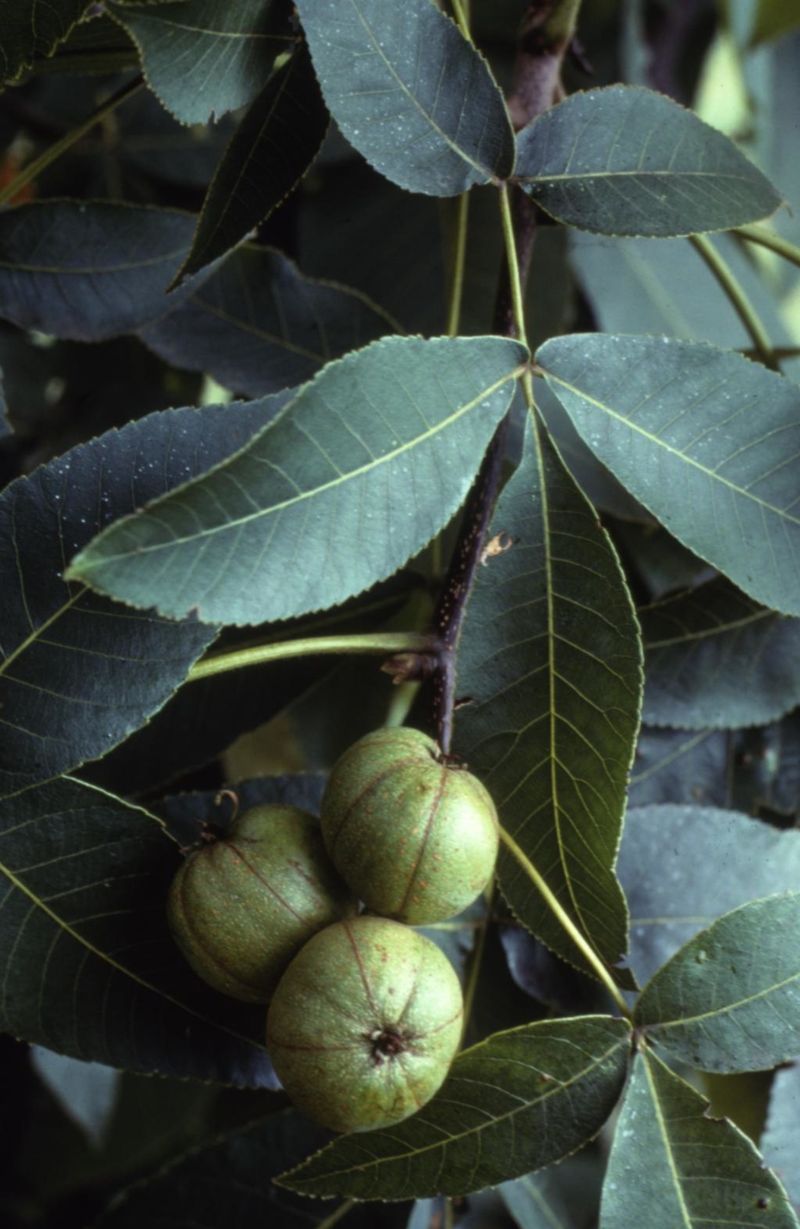
Picture a tree that looks like it forgot to comb its hair. Shagbark hickory wears long, peeling strips of bark with total confidence.
That shaggy look makes it easy to identify, especially in winter. Kids love pointing it out on walks.
It adds texture to a yard when most trees look bare.
This hickory grows a strong, straight trunk with a broad crown. Mature trees stand 60 to 80 feet tall with a 30 to 50 foot spread.
Growth is slow to medium, so it builds strength over time.
Come fall, the compound leaves turn warm golden yellow. Big, sweet nuts sit inside thick husks.
Squirrels, chipmunks, turkeys, and even black bears go after them.
Here is a neat bonus. Bats sometimes roost under those loose bark strips.
A single tree can shelter creatures that eat thousands of bugs each night.
Shagbark does best on well-drained upland sites. It tolerates both moist and dry soil once rooted.
It grows a deep taproot, so plant it young and leave it in place.
Early settlers used hickory wood for tool handles and smoking meat. Its nuts were a pioneer treat.
Planting one connects your yard to Ohio history.
6. Chestnut Oak Fits Dry, Well-Drained Ohio Sites
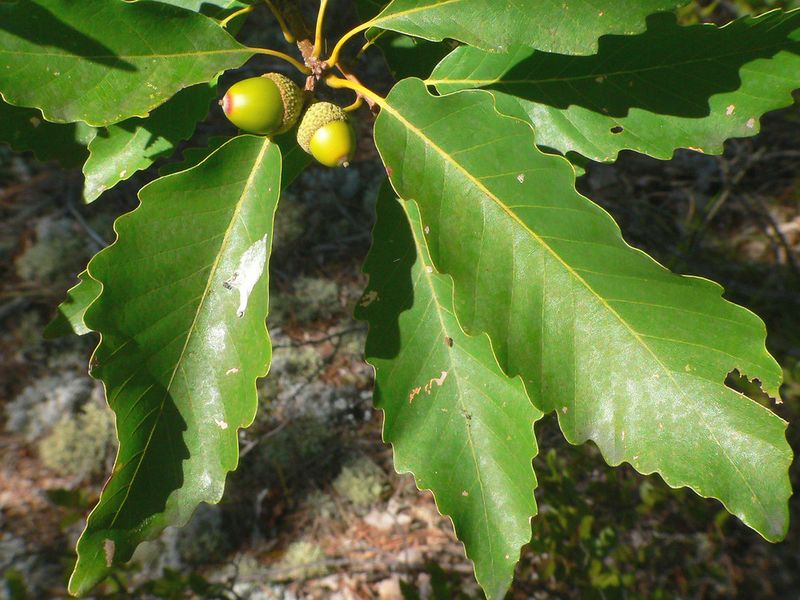
Got a rocky slope where nothing seems to thrive? Chestnut oak might be the tough friend your yard has been waiting for.
This oak is built for dry ridgetops and poor, acidic soil. Other oaks often struggle there.
Chestnut oak just digs in and gets to work.
Its bark is dark and deeply ridged, almost like carved wood. The large, leathery leaves have rounded lobes.
People named it for how much the leaves look like the American chestnut.
Growth is slow and steady. Mature trees usually reach 50 to 70 feet tall and 40 to 60 feet wide.
It is a long-lived tree that rewards patience.
Wildlife gets a big payoff. Chestnut oak drops sizable acorns in good numbers.
Deer, squirrels, birds, and bears all feast on them.
It handles full sun to part shade. It also tolerates a range of soil types, not just the rough stuff.
Still, it truly shines where drainage is quick.
Planting tip: on a slope, create a small flat basin around the seedling. That catches rainwater instead of letting it run off.
Water weekly the first summer, then let this hardy oak take charge.
7. Sweetgum Delivers Brilliant Fall Foliage
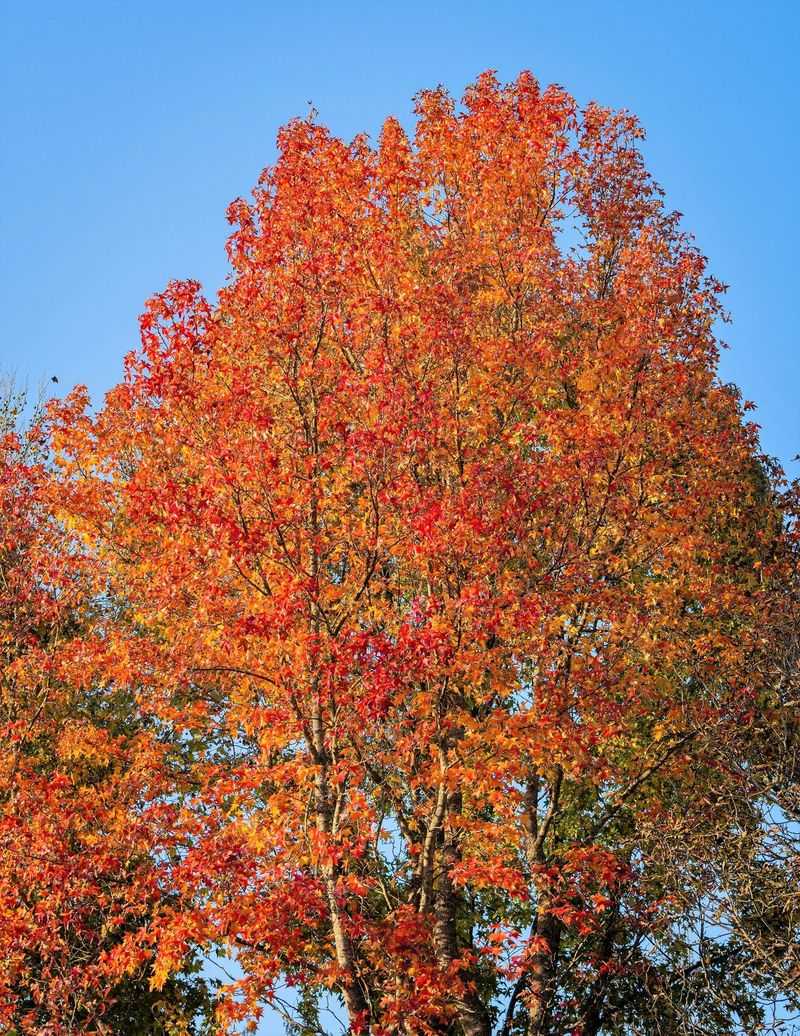
If fall had a fireworks show, sweetgum would be the grand finale. One tree can hold yellow, orange, red, burgundy, and purple leaves all at once.
The leaves are shaped like five-pointed stars. In summer, they stay glossy and green.
Then autumn arrives and the whole tree lights up.
Sweetgum grows at a medium to fast pace. It reaches about 60 to 75 feet tall and 40 to 50 feet wide.
Give it full to partial sun for the brightest color.
It prefers moist, well-drained soil. Even so, it adapts to wet spots, slightly acidic ground, and some dry, poor soils.
That flexibility makes it handy for tricky yards.
Now for the famous gumballs. These spiky seed balls hang on through winter and add fun texture.
Goldfinches, chickadees, and mourning doves snack on the seeds inside.
Here is the honest part. Those gumballs drop and can be a pain underfoot or in the mower.
Plant sweetgum away from patios, sidewalks, and play areas.
Crafty families actually love collecting gumballs. Kids paint them for ornaments or use them in nature art.
A little cleanup can turn into a holiday project.
8. Ohio Seed Sources Keep These Trees Truly Native
Think of it like a hometown advantage. Trees grown from local seed already know the weather they will face.
The Buckeye State Tree Nursery grows its trees and shrubs from Ohio seed sources. Workers collect seeds from specific ecoregions across the state.
Each batch is carefully tracked.
Why does that matter? A white oak from Georgia may not handle an ice storm the same way.
Local trees are tuned to Ohio winters, summers, and soils.
The nursery records genetic information for each seed lot. Seedlings are then sent to areas that match their origin.
That smart matching gives them a much better shot at thriving.
This approach also helps local wildlife. Native insects, birds, and mammals evolved alongside these trees.
Caterpillars that feed songbird chicks often depend on native leaves.
For gardeners, it means fewer surprises. Local trees tend to leaf out and go dormant at the right times.
They are less likely to suffer from an early frost.
When you plant these seedlings, you help keep forests genuine. You are adding a real piece of the Buckeye landscape.
It is a small act with a big ripple effect across your neighborhood.
9. Seedling Bundles Make Fall Planting More Affordable
Here is a number that makes budget-minded gardeners smile: $3.00. That is the starting price for a seedling from the state nursery.
Compare that to a potted tree at a big box store. You might pay $30 or more for just one.
With seedlings, ten dollars stretches much further.
Orders of 10 to 249 seedlings cost $3.00 each. From 250 to 499, the price drops to $2.50. Orders of 500 to 999 run $2.00 each for most species.
Very large orders get even better deals. Above 1,000 seedlings, prices range from $1.75 down to $1.25 each. Online orders cap at 1,000, so call the nursery for bigger jobs.
The minimum order is 10 seedlings. That is perfect for mixing species. You could grab dogwoods for the front and oaks for the back.
Consider teaming up with neighbors, a church, or a scout troop. A group order can reach the lower price tiers. Everyone saves and the whole street gets greener.
Each seedling comes in a biodegradable paper plug. Plant it straight into the ground, plug and all.
Water well, add mulch, and let fall rain do the rest.