6 Oleander Care Mistakes Texas Gardeners Should Watch For
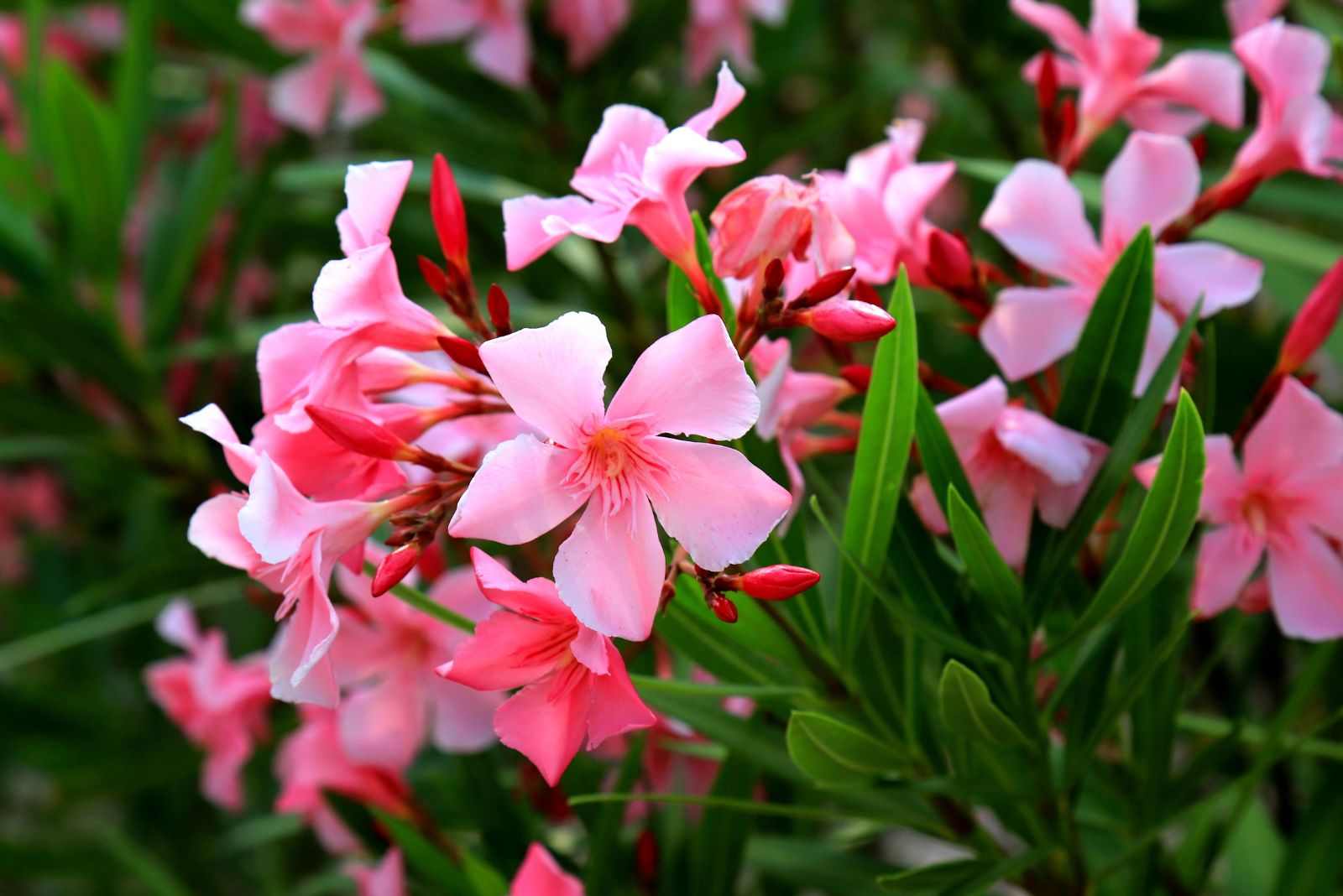
Oleanders are a popular choice in Texas gardens, known for their bold, colorful blooms and ability to thrive in hot, dry conditions. But as hardy as they are, they still require the right care to look their best.
Texas gardeners often fall into a few common traps when caring for oleanders, which can lead to stressed plants or even health issues. The good news is that by understanding what to watch for, you can keep these stunning shrubs thriving throughout the season.
From watering mistakes to pruning errors, oleanders can be a bit finicky if you’re not careful. Overwatering, poor soil drainage, and cutting back too harshly are all common issues that can affect their health and blooming potential.
Thankfully, with the right approach, you can avoid these mistakes and enjoy a flourishing, vibrant garden. Getting to know the needs of your oleanders will ensure they stay beautiful and thriving in your Texas landscape.
1. Overwatering And Poor Drainage
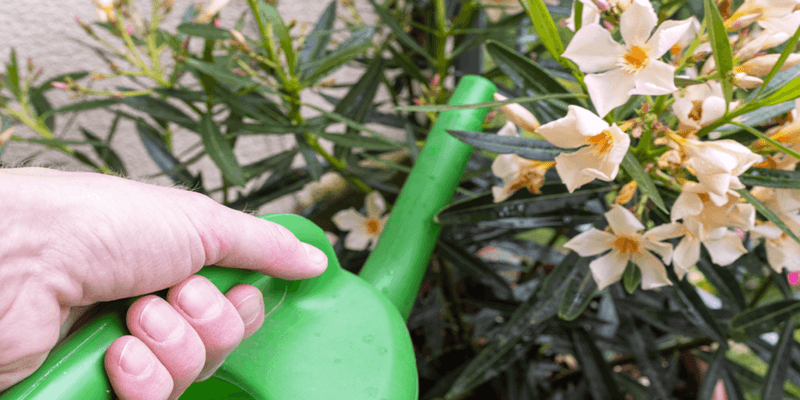
Believe it or not, giving your oleander too much water is one of the fastest ways to hurt it. Oleanders are naturally drought-tolerant shrubs, which means they are built to handle dry spells with ease.
Once they are established in your Texas garden, they really do not need a lot of extra water to stay healthy and happy.
Overwatering creates soggy, waterlogged soil that suffocates the roots. When roots cannot breathe, they start to rot.
Root rot is a serious problem that spreads quickly and is very hard to reverse once it takes hold. You might notice yellowing leaves, wilting stems, or a general look of decline in your plant.
Poor drainage makes the problem even worse. If your Texas yard has heavy clay soil, water tends to sit around the roots instead of draining away.
Planting oleanders in low spots where water collects after rain is a recipe for trouble. Always check that your planting area drains well before you put a new oleander in the ground.
The best approach is to water your oleander deeply but infrequently. Let the top few inches of soil dry out completely before watering again.
During hot Texas summers, established plants usually only need watering once every week or two. Newly planted oleanders need a little more attention, but once they are settled in, ease back on the hose.
Adding a layer of mulch around the base of the plant can help retain just the right amount of moisture without going overboard. Good drainage and smart watering habits will keep your oleander looking its best all season long.
2. Planting Oleander In The Wrong Spot
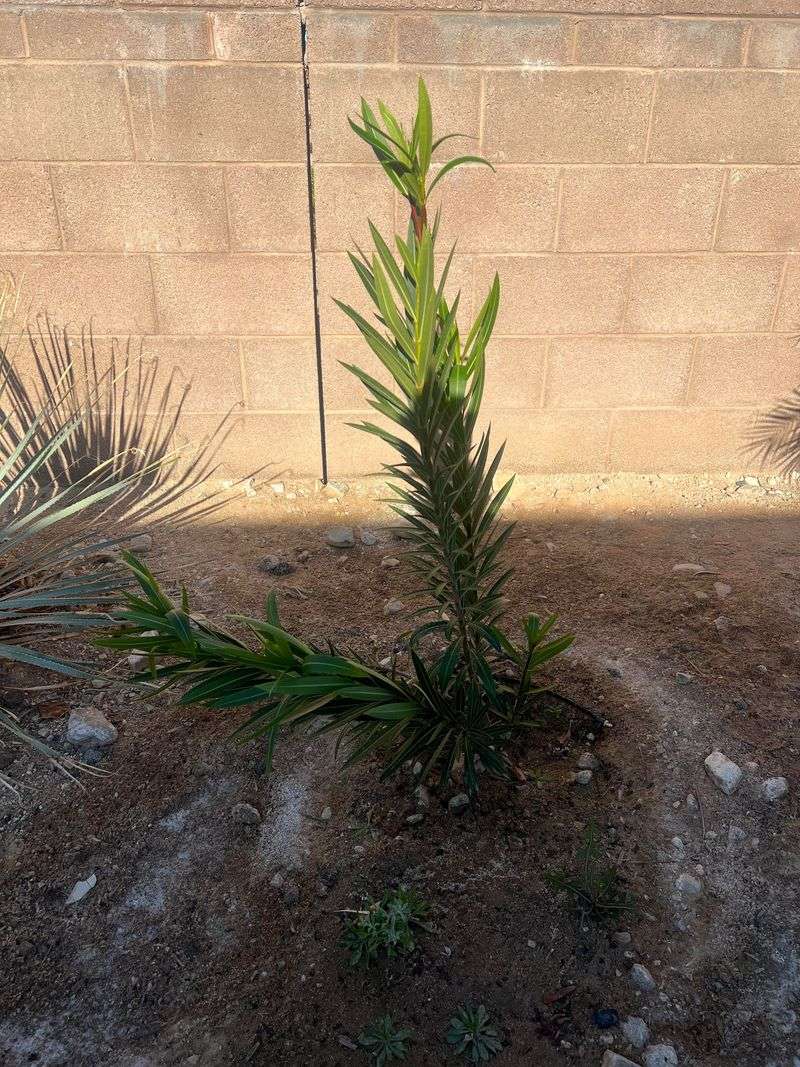
Sunlight is everything to an oleander. Ask any experienced Texas gardener and they will tell you the same thing: put your oleander where it can soak up the sun, and it will reward you with an explosion of color.
Skimp on sunlight, and you will end up with a tall, spindly plant that barely flowers. Oleanders need at least six hours of direct sunlight every single day. Full sun is what brings out their best growth and their most vibrant blooms.
When an oleander is planted in too much shade, it starts to stretch and reach toward whatever light it can find. This creates long, weak stems with very few flowers, which is not the look most Texas gardeners are going for.
Shady spots under large trees or along north-facing fences are common planting mistakes. Texas has no shortage of sunny spots, so there really is no reason to tuck an oleander into a dark corner.
Before you plant, spend a day watching how sunlight moves across your yard. Find the spots that get consistent, direct sun from morning through early afternoon, and those are your best bets.
Oleanders also love the reflected heat from walls, fences, and driveways, which is why they are so popular along Texas roadsides and highways. Planting near a south-facing wall can give your oleander an extra boost of warmth and light.
If your plant is already in a shady spot and struggling, consider transplanting it to a sunnier location during the cooler months. Getting the location right from the start will save you a lot of frustration and give your oleander the best possible start in your Texas landscape.
3. Improper Pruning
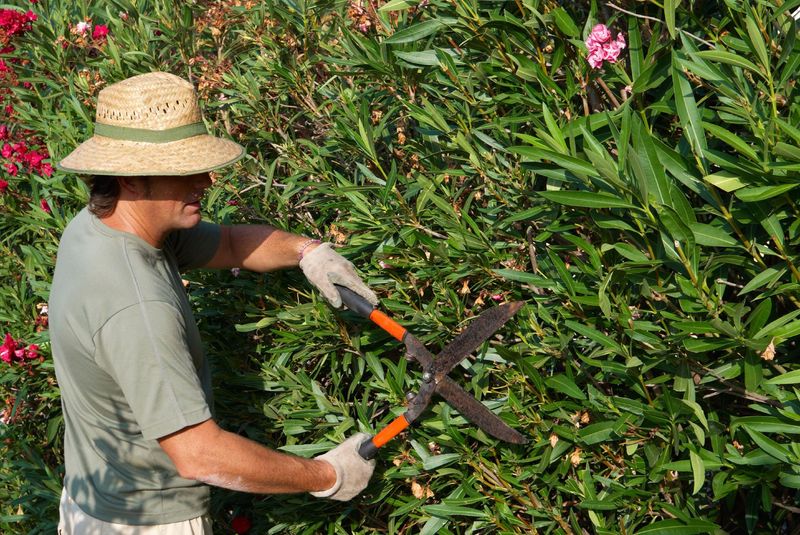
Pruning an oleander might seem straightforward, but timing is everything. Cut at the wrong time of year, and you could be snipping off the very buds that would have become your most beautiful summer blooms.
Many Texas gardeners make this mistake without even realizing it, then wonder why their oleander did not flower as expected.
The best time to prune oleanders in Texas is in late winter or early spring, just before new growth begins. At that point, the plant is coming out of its slower winter phase and is ready to push out fresh stems and buds.
Pruning at this time encourages strong, bushy growth and sets the plant up for a spectacular blooming season ahead.
Never prune during the summer blooming season. Oleanders bloom on new wood that grows in spring, so cutting during summer removes the flower buds before they ever get a chance to open.
You might end up with a neatly trimmed plant that looks tidy but stays stubbornly flowerless for the rest of the season.
When you do prune, always wear gloves and long sleeves. Oleander sap can irritate the skin, so protecting yourself is a smart habit.
Use clean, sharp pruning shears to make smooth cuts, which helps the plant heal faster and reduces the risk of disease entering through rough wounds.
Remove dry, damaged, or crossing branches first, then shape the plant as needed. Do not go overboard by cutting more than one-third of the plant at a time.
Light, well-timed pruning keeps oleanders in Texas gardens healthy, compact, and full of blooms year after year.
4. Neglecting To Control Pests And Diseases
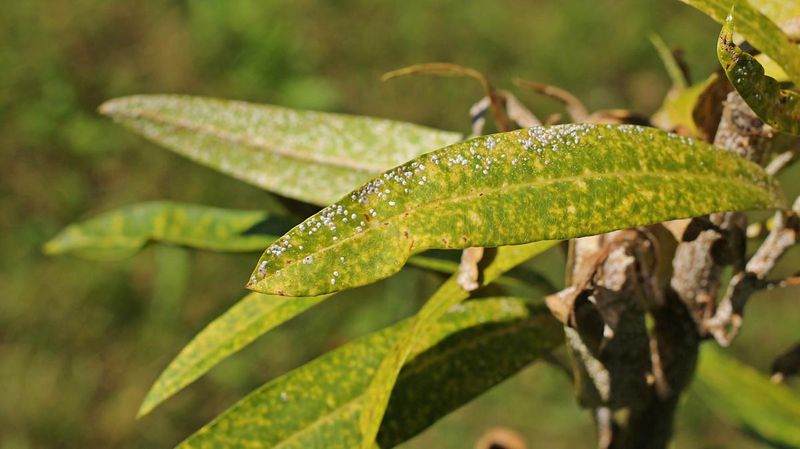
Oleanders are tough plants, but they are not completely immune to pests and diseases. In fact, a few common troublemakers can move in quickly if you are not paying attention.
Texas gardens, with their warm and humid conditions, can be especially inviting for pests that love to munch on oleander leaves and stems.
Oleander aphids are probably the most well-known pest issue. These tiny, bright yellow insects cluster on new growth and suck the sap right out of tender stems and leaves.
A small aphid problem can turn into a massive infestation in just a few days during warm Texas weather. Scale insects and spider mites are also frequent visitors, leaving behind sticky residue or fine webbing that signals trouble.
On the disease side, watch out for leaf spot and powdery mildew. Leaf spot shows up as dark, irregular patches on the foliage.
Powdery mildew coats leaves with a white, dusty-looking film that interferes with photosynthesis. Both diseases tend to spread faster when plants are stressed from overwatering or poor air circulation.
The key to managing pests and diseases is catching them early. Make it a habit to walk through your Texas garden at least once a week and look closely at your oleanders.
Check the undersides of leaves, where many pests like to hide. If you spot a problem, act fast.
Neem oil is a popular and effective organic option that works against both pests and fungal diseases without harsh chemicals.
A strong blast of water from a garden hose can also knock aphids off plants quickly. Staying proactive keeps your oleanders healthy and looking great all season long.
5. Not Protecting Oleander From Frost
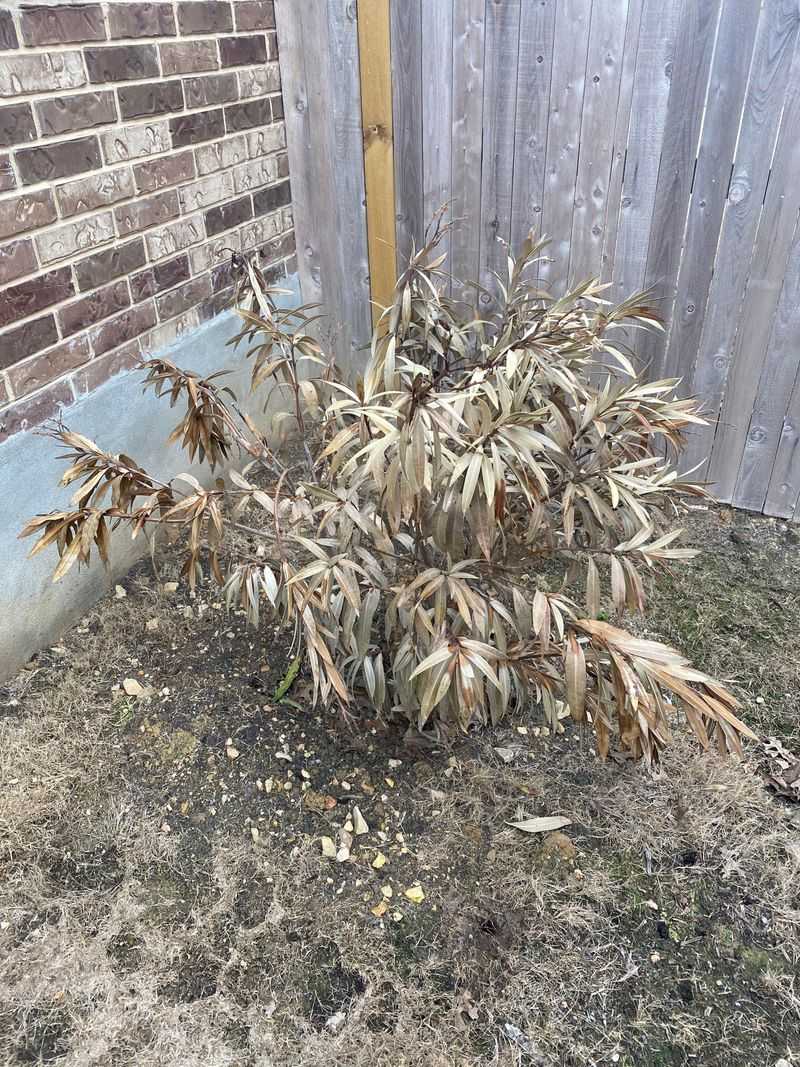
Most people think of Texas as a hot, sunny state, and for the most part, that is true. But anyone who has gardened in North Texas or the Texas Panhandle knows that winter can bring some surprisingly cold nights.
Oleanders can handle mild winters just fine, but a hard freeze is a different story entirely.
Oleanders are sensitive to frost, especially young plants that have not had time to establish deep roots. When temperatures drop below freezing, the tender stems and leaves can suffer serious damage.
You might wake up after a cold night to find your oleander looking wilted, blackened, or badly burned by the cold. In severe cases, the damage can reach all the way down to the roots.
The good news is that protecting your oleander from frost in Texas is not complicated. If a freeze is in the forecast, cover your in-ground plants with a frost cloth or old bedsheets the night before.
Make sure the covering reaches all the way to the ground to trap warmth rising from the soil. Remove the covering during the day so the plant can breathe and catch sunlight.
For potted oleanders, the easiest solution is to bring them inside before the cold hits. A garage, shed, or covered porch works perfectly for short cold spells.
Texas gardeners in warmer southern areas like Houston or San Antonio may rarely need to worry about this, but those in Dallas, Lubbock, or Amarillo should always keep an eye on winter weather forecasts.
A little preparation goes a long way when it comes to keeping your oleander safe through the coldest Texas nights.
6. Using The Wrong Fertilizer
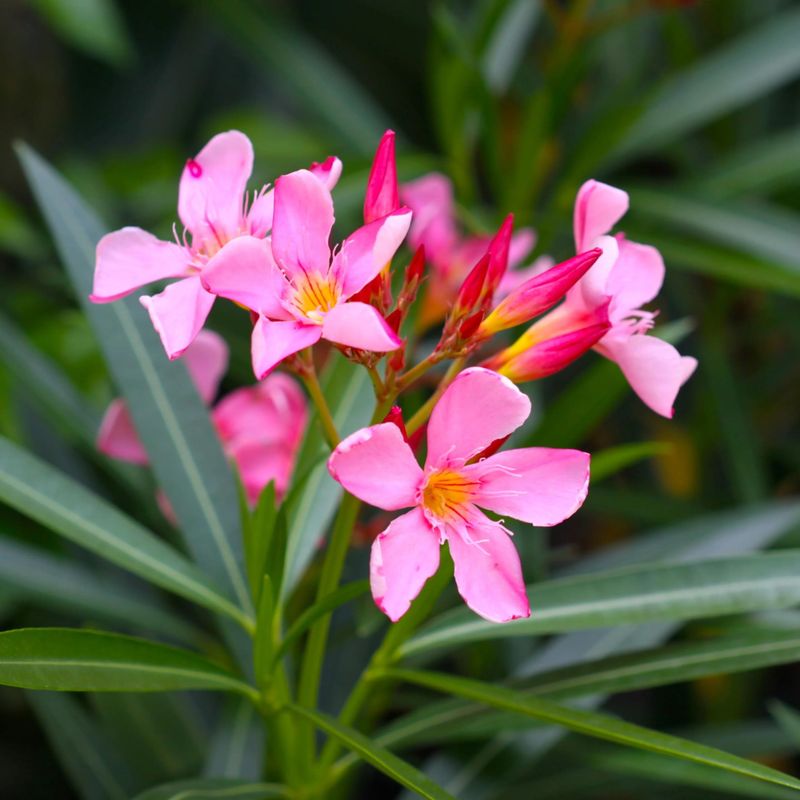
Fertilizing an oleander sounds simple enough, but it is surprisingly easy to overdo it or use the wrong product. Many Texas gardeners assume that more fertilizer means more flowers, but that logic can actually backfire in a big way.
Using a high-nitrogen fertilizer might make your oleander grow fast and leafy, but it often comes at the expense of blooms.
Nitrogen encourages lush, green leafy growth. Too much of it pushes the plant to put all its energy into making new stems and leaves instead of producing flowers.
You end up with a big, bushy plant that looks full but stays stubbornly bare when blooming season rolls around. For a plant that is prized for its colorful flowers, that is a frustrating outcome.
The right choice for oleanders in Texas is a slow-release, balanced fertilizer with low nitrogen content. Look for products labeled with a balanced or low first number in the N-P-K ratio on the bag.
Slow-release formulas feed the plant gradually over several weeks, which is much gentler and more effective than a sudden surge of nutrients.
Timing matters just as much as product choice. Feed your oleander in early spring, just as new growth is starting to appear.
This gives the plant the nutrients it needs to fuel a strong blooming season. A second light feeding in early summer can help maintain energy, but avoid fertilizing in late summer or fall when the plant is winding down for the season.
Texas gardeners who get the fertilizing routine right will be rewarded with oleanders that bloom heavily and stay strong from spring all the way through the hottest summer months.