One Bite In Minnesota Is So Rare That Many Doctors Have Never Treated One
The last recorded fatal case from this bite in Minnesota happened in 1868, the year Ulysses S. Grant won the presidency. I had to read that date twice.
Records show only about 21 bites in the state across nearly four decades. Plenty of emergency doctors will finish whole careers without seeing a single one.
I garden in a place where the scariest thing in my yard is usually a wasp nest under the deck. Still, I was surprised how close this rare creature lives to some of Minnesota’s most beautiful hiking trails and backyard gardens.
You might notice a dry, buzzing sound someday while pulling weeds near a rocky hillside. Would you know what it means, and what to do next?
A Shy Rattler Hides in the Southeastern Bluffs
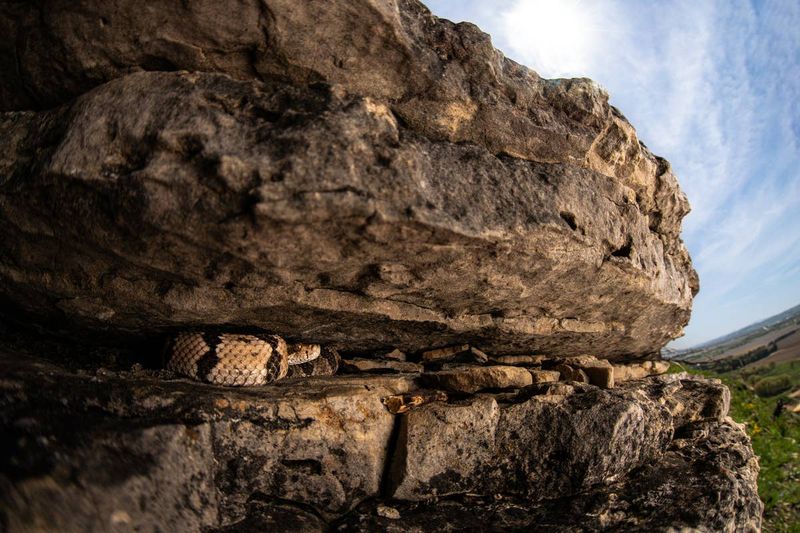
Bluff country holds the secret. The rare bite in question comes from the timber rattlesnake, a native reptile that lives mostly in the Driftless Area of southeastern Minnesota.
Counties like Houston, Winona, Wabasha, Fillmore, and Goodhue have the rugged limestone bluffs these snakes need. Steep, south-facing slopes soak up sunshine, and rocky crevices give them safe places to spend the winter.
The Minnesota DNR lists the timber rattlesnake as a threatened species, so populations are small and scattered.
I find it amazing that such a striking animal lives just a couple of hours from the Twin Cities. Most Minnesotans have no idea it exists.
Glaciers flattened much of the state long ago, but they skipped the Driftless Area, leaving behind the cliffs and valleys that rattlesnakes love.
You will not find them in northern forests, prairie farm fields, or suburban lawns around Minneapolis. Their range is tight and specific. That small range is a big reason so few people ever meet one.
If you garden in the river towns along the Mississippi, a rattler on a nearby bluff is possible. Elsewhere, your odds are close to nonexistent. Knowing where they live helps you relax everywhere else.
Only About 21 Rattlesnake Bites Showed Up in Nearly 40 Years
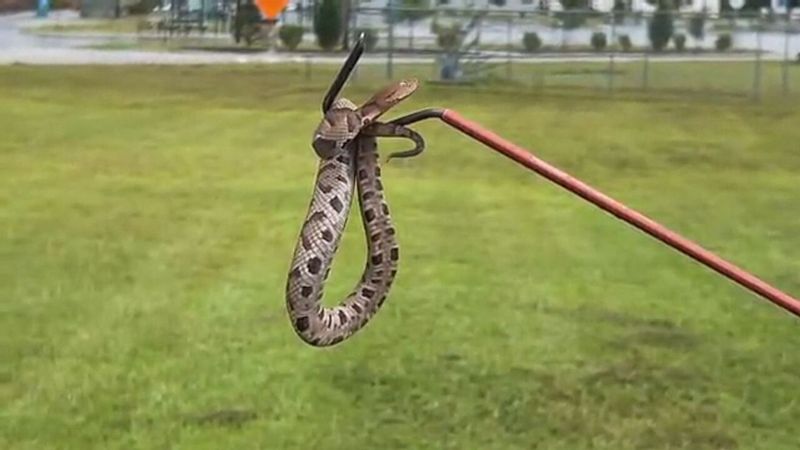
Twenty-one. That is roughly how many timber rattlesnake bites were recorded in Minnesota between 1982 and 2020, according to research shared by state wildlife sources.
Spread across nearly 40 years, that works out to about one bite every two years for the whole state. Compare that with the thousands of dog bites reported every year, and you see why many doctors here have never treated a rattlesnake bite.
Even emergency rooms near the bluffs see them rarely. Now for the part that made me laugh a little.
Nearly half of those bites happened because people were picking up or handling the snakes on purpose. Some cases also involved poor judgment after drinking. The snake was simply defending itself.
Many bites are also dry bites, meaning the snake injects little or no venom. Rattlesnakes control their venom, and they often save it for prey instead of people.
So the real lesson is simple. Leave the snake alone, and your chance of being bitten drops to almost nothing.
Gardeners who stay curious from a distance enjoy the story without becoming part of the statistics.
Call 911 First If a Rattlesnake Bite Happens
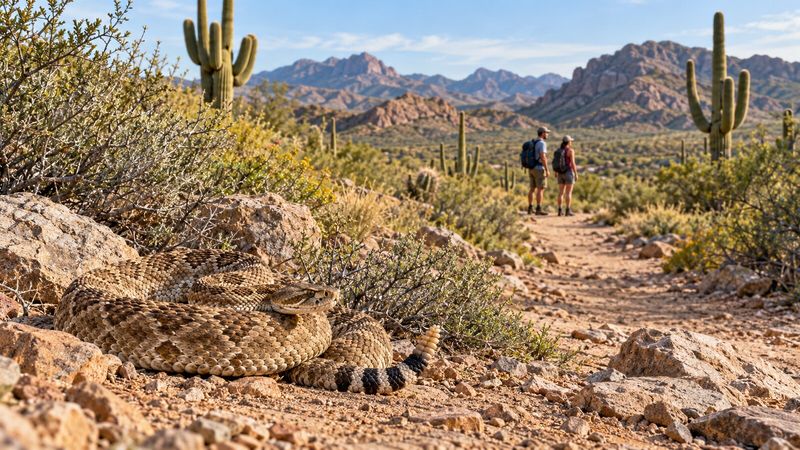
Speed matters most. If a rattlesnake bites you or someone nearby, call 911 right away and get to a hospital.
Stay as calm and still as you can, since moving around may help venom spread. Keep the bitten arm or leg at about heart level. Take off rings, watches, bracelets, and tight shoes before swelling starts.
Skip the old movie tricks. Medical experts warn against tourniquets, cutting the wound, sucking out venom, applying ice, or using electric shock. These methods can cause more harm and waste precious time.
Many Minnesota doctors may have little hands-on experience with snakebites, but that is fine. Hospitals can contact the Minnesota Poison Control System at 1-800-222-1222 for expert guidance.
Larger centers such as Mayo Clinic and Hennepin Healthcare have stocked antivenom like CroFab.
If you can, note the time of the bite and snap a photo of the snake from a safe distance. Do not try to catch or harm it. Doctors can treat you without the snake in hand, and chasing it only invites a second bite.
That Buzzing Rattle Is Asking You to Step Back
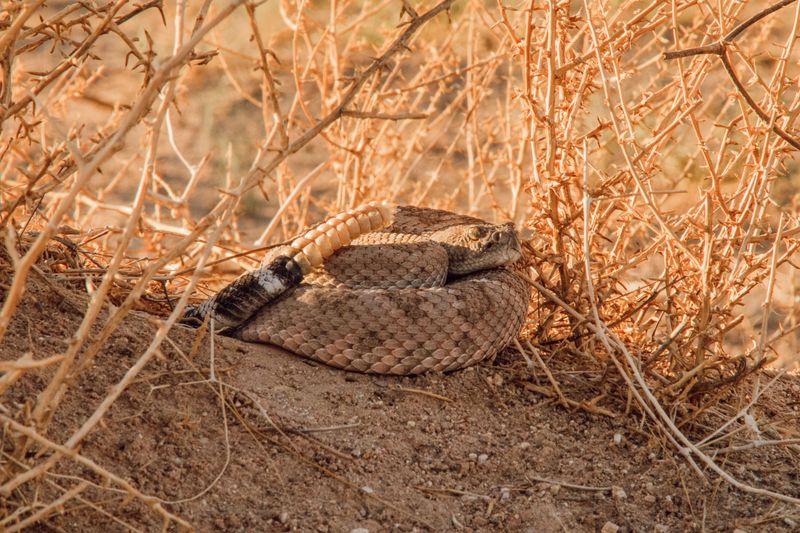
Nature built a warning bell right into this snake’s tail. The rattle is made of interlocking segments of keratin, the same material as your fingernails, and it buzzes when the tail shakes.
Hearing that sound can make your heart jump. Still, the rattle is a polite request for space, not a threat to chase you down. Timber rattlesnakes would much rather slip away than waste energy on a fight.
Freeze for a moment and figure out where the sound is coming from. Then back away slowly, giving the snake at least several feet of room. Most snakes calm down once you leave.
Fun fact: a new rattle segment forms each time the snake sheds its skin. That means you cannot tell a snake’s age by counting segments, since they shed more than once a year and older pieces break off.
Some timber rattlers do not rattle at all at first. They often trust their camouflage and stay quiet.
That habit is another reason to watch where you put your hands and feet near rocky slopes.
Spot the Triangular Head and Dark Crossbands
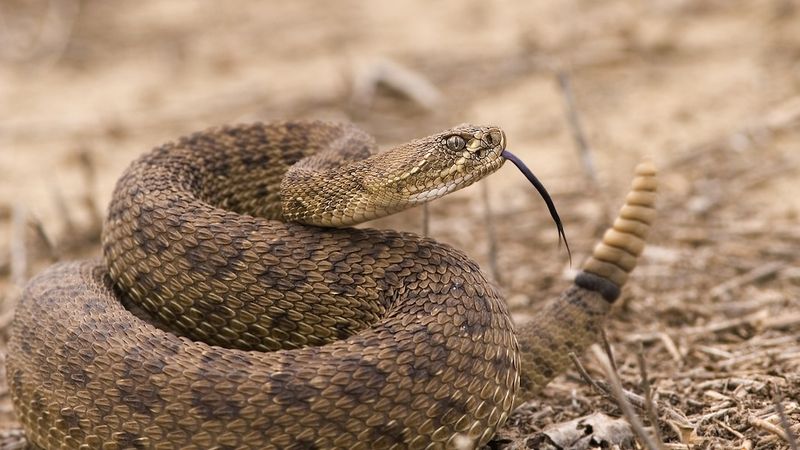
Plenty of harmless snakes get mistaken for rattlers. Learning a few clues helps you tell friend from rare neighbor.
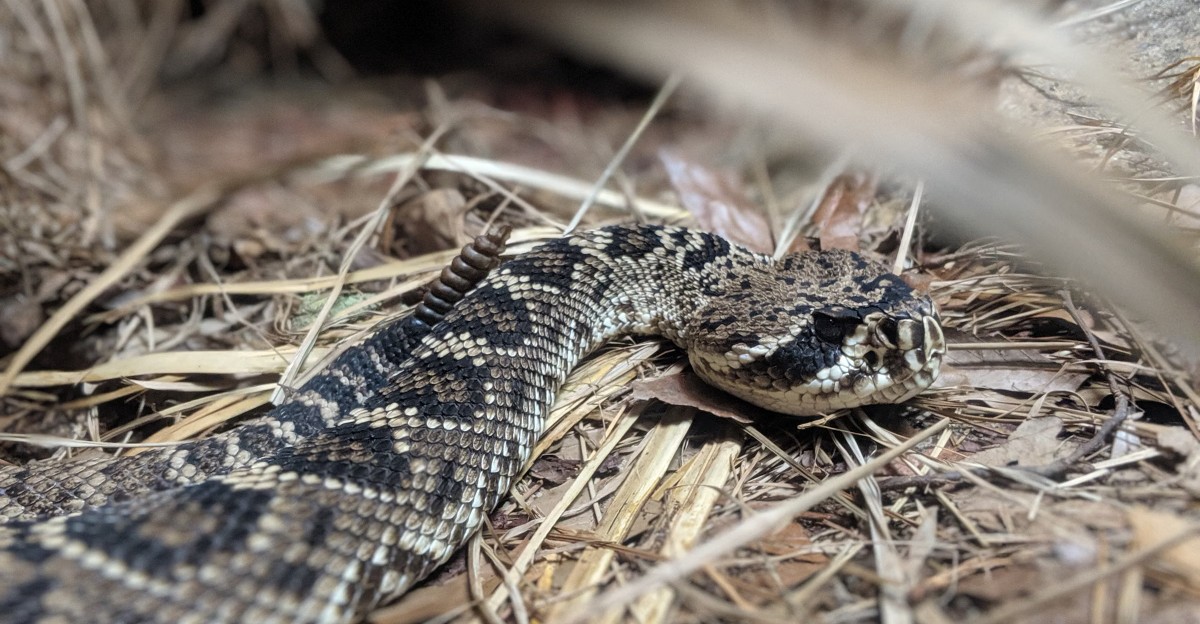
Timber rattlesnakes usually measure about 32 to 48 inches long and look thick through the body. Their heads are wide and triangular, much broader than the slim neck.
Dark brown or black crossbands, often shaped like chevrons, run across a background of yellow, tan, gray, or rusty orange.
The tail is the giveaway. It turns velvety black near the end and finishes with a segmented rattle.
Bullsnakes and fox snakes cause a lot of confusion in Minnesota. Bullsnakes even hiss loudly and shake their tails in dry leaves, which sounds surprisingly like a rattle. Look closely, and you will see they have no rattle at all.
Minnesota also lists the eastern massasauga as a native rattlesnake. Confirmed sightings are so rare that experts consider it nearly gone from the state.
My advice is to enjoy any snake from a distance with binoculars or a zoom lens. A good photo is a much better souvenir than a closer look.
Short Grass and Tidy Rock Piles Keep Garden Snakes Moving On
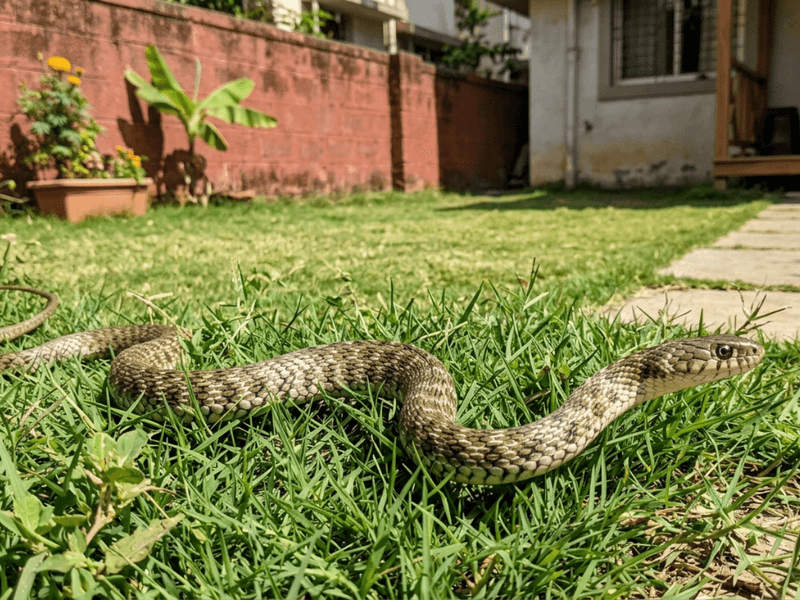
Gardeners in river towns like Red Wing or La Crescent have a small but real chance of a rattler wandering through. A few easy habits make your yard far less inviting.
Keep grass mowed short near the house, play areas, and garden beds. Snakes feel exposed in open lawn and prefer tall cover. Clear away brush piles, loose boards, and stacked firewood sitting right on the ground.
Rodents attract snakes, so control mice with tidy compost, sealed birdseed containers, and cleaned-up fallen fruit. Fewer mice means fewer reasons for a hungry rattlesnake to visit.
Wear sturdy boots and gloves when you work near rock walls or woodpiles. Before reaching into dense plants or crevices, take a quick look first. I like using a long-handled tool to move leaf piles instead of my hands.
Skip snake repellents and mothballs. Research shows they do little, and mothballs used outdoors can harm pets, wildlife, and soil.
If a rattler shows up and stays put, call the Minnesota DNR for advice. They can often connect you with someone trained to relocate it safely.
Bluff Hikers Should Watch Sunny Rock Ledges
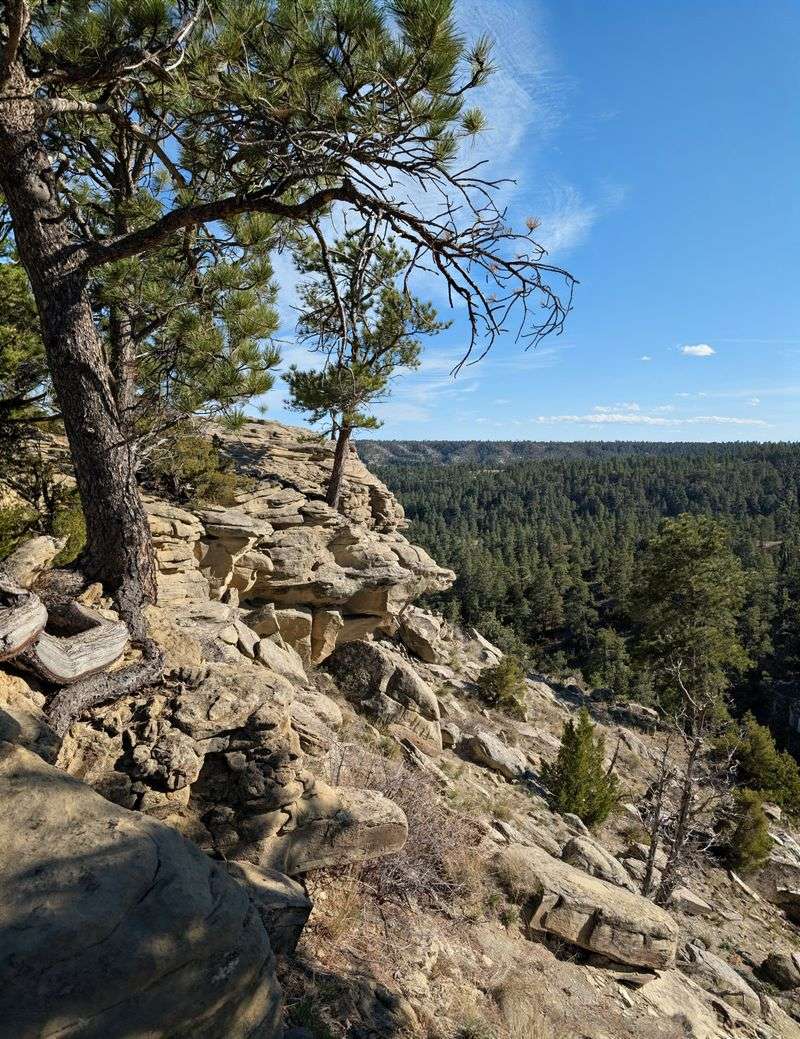
Some of the prettiest overlooks in the state sit right in rattlesnake country. Great River Bluffs and Whitewater State Parks draw hikers who may share the trail with these quiet reptiles.
Timber rattlesnakes are most active from about May through September. In spring and fall, they bask near their rocky winter dens, called hibernacula, soaking up warmth on south-facing ledges.
Summer finds them spreading into nearby woods to hunt. Stay on marked trails, where you can see the ground clearly. Step onto logs and rocks rather than over them, so you can see what lies on the other side.
Keep dogs leashed, since curious noses often find snakes first. Please do not climb into rocky dens or move stones looking for snakes. Disturbing these sites can harm a threatened species, and Minnesota law protects them.
I love hiking these bluffs in early autumn when the oaks turn bronze. A quiet, watchful walk feels like a privilege.
Spotting a rattler from a safe distance would be the highlight of any trip, not a reason to stay home.
Threatened Timber Rattlesnakes Earn a Little Respect
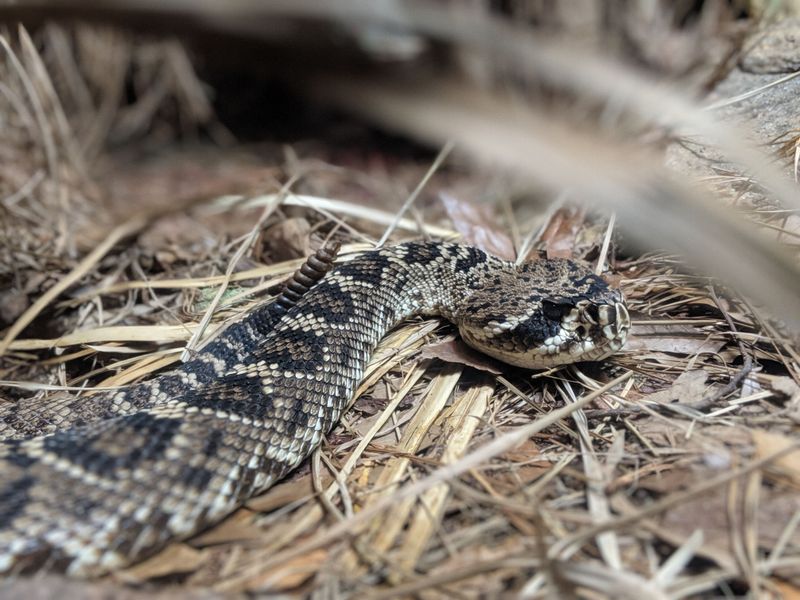
Once upon a time, Minnesota counties paid bounties on rattlesnakes. Houston County kept paying them until 1989, and populations dropped hard.
Today the timber rattlesnake is protected as a threatened species in Minnesota. Harming, collecting, or harassing one is against state law, though exceptions exist for real safety threats.
These snakes give gardeners and farmers quiet help. A single rattler can eat many mice, voles, and chipmunks each year, which keeps rodent damage down.
Fewer rodents can also mean fewer ticks spreading Lyme disease, a link scientists continue to study.
They also reproduce slowly. Females may not breed until they are around seven to ten years old, then only every few years. Losing even a handful of adults can set a local group back for decades.
The DNR works with landowners to protect bluff prairies by clearing invading cedars that shade out basking spots. Reporting sightings to the DNR helps that effort.
The takeaway is hopeful. A rare bite means people and rattlesnakes are mostly giving each other room. Keep it that way, and both gardeners and snakes win.