Many Oregon Gardeners Regret Planting These Fast-Spreading Groundcovers
A groundcover can seem like the perfect shortcut: less bare soil, fewer weeds, and a lush carpet that makes a yard look instantly polished.
Then one season passes, maybe two, and that “easy” plant starts creeping into paths, smothering perennials, climbing over borders, and popping up where nobody invited it, especially in mild Oregon yards where many plants settle in quickly.
Sound familiar? The tricky part is that many fast-spreading choices look charming at first, especially when they fill awkward slopes or shaded corners without much fuss.
But when a plant refuses to respect boundaries, convenience can turn into years of pulling, digging, and second-guessing that original nursery trip.
Some even sneak into lawns, vegetable beds, and neighboring spaces before anyone realizes how far they have traveled.
How much maintenance is too much for something that was supposed to save time? Before giving any aggressive spreader a permanent spot, it helps to know which groundcovers have a habit of taking over and which ones are better left at the garden center.
1. One English Ivy Plant Quietly Becomes A Thousand
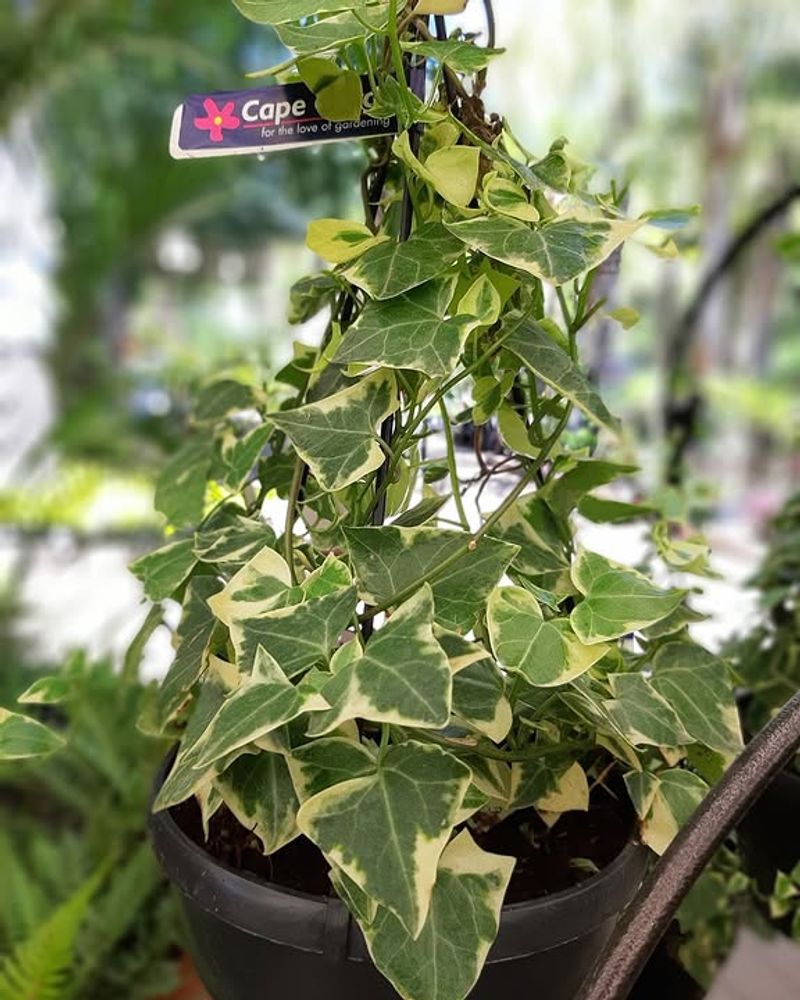
Walk through almost any older neighborhood in Portland or Eugene, and you will likely spot it climbing fences, wrapping around tree trunks, and blanketing entire hillsides in deep green. English ivy is probably the single most regretted plant in Oregon gardens, and for good reason.
It looks lush and tidy at first, but give it a season or two and the situation changes fast.
The vines grip tree bark tightly, adding so much weight that branches can snap during Oregon’s winter storms. Beneath the ivy, native plants get completely blocked from sunlight and simply fade away.
Pulling it up is exhausting work. The roots grip the soil like fingers, and any piece left behind will sprout again.
Oregon has even listed English ivy as a Class B noxious weed in many counties, meaning land managers actively work to control it. It has escaped into Forest Park in Portland and other natural areas, where it pushes out native ferns, trilliums, and wildflowers that wildlife depend on.
If you already have ivy in your yard, tackling it in fall when the ground is soft gives you a better chance of removing the roots cleanly. For new gardeners in Oregon, just skip it entirely and choose a native groundcover instead.
2. Italian Arum Does Its Worst Work Where You Cannot See It
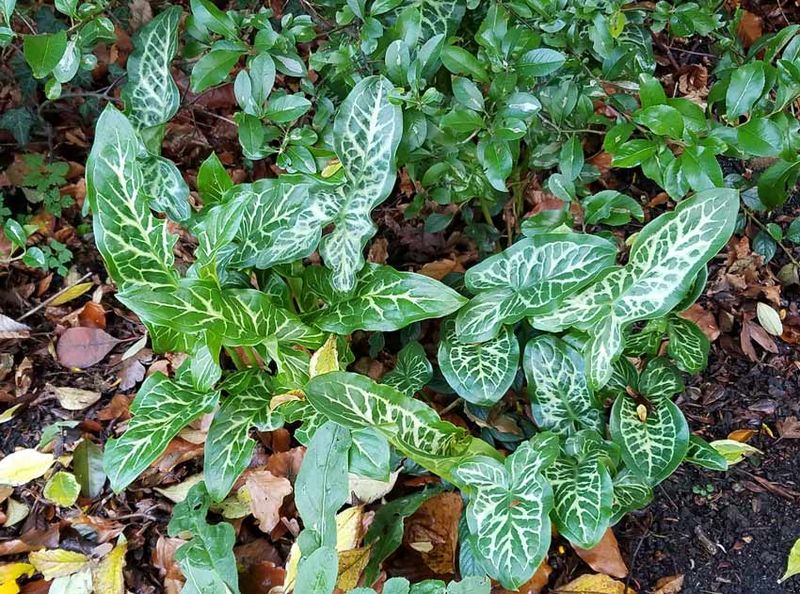
At first glance, Italian arum looks like a sophisticated choice for a shady Oregon garden. The glossy, arrow-shaped leaves are striking, and the bright red-orange berries add a cheerful pop of color in late summer.
Many gardeners pick it up at specialty nurseries without knowing what they are getting into.
The real trouble hides underground. Italian arum produces tiny bulblets that form along its roots and break off the moment you try to dig the plant up.
Each one of those little bulblets can grow into a brand-new plant. So the harder you dig, the more you accidentally spread it around your garden.
Your Oregon Garden Changes Every Week. Your Plan Should Too.
Gardening in Oregon changes quickly throughout the season. Every Friday you’ll receive a simple weekly plan showing exactly what to plant, prune, fertilize, harvest, and protect so you never miss the right timing.
It is one of the most frustrating plants to remove in the entire Pacific Northwest region.
Oregon’s mild, wet winters are absolutely perfect for Italian arum. It goes dormant in summer, disappears, and then pops back up in fall looking refreshed and ready to spread even further.
Many gardeners think they have finally gotten rid of it, only to see it return in force the following spring. The berries are also toxic to pets and children, adding another layer of concern.
If you spot it at a nursery, admire it from a distance and walk away. Your future self will thank you for that decision.
3. Bishops Weed Does Not Spread, It Invades
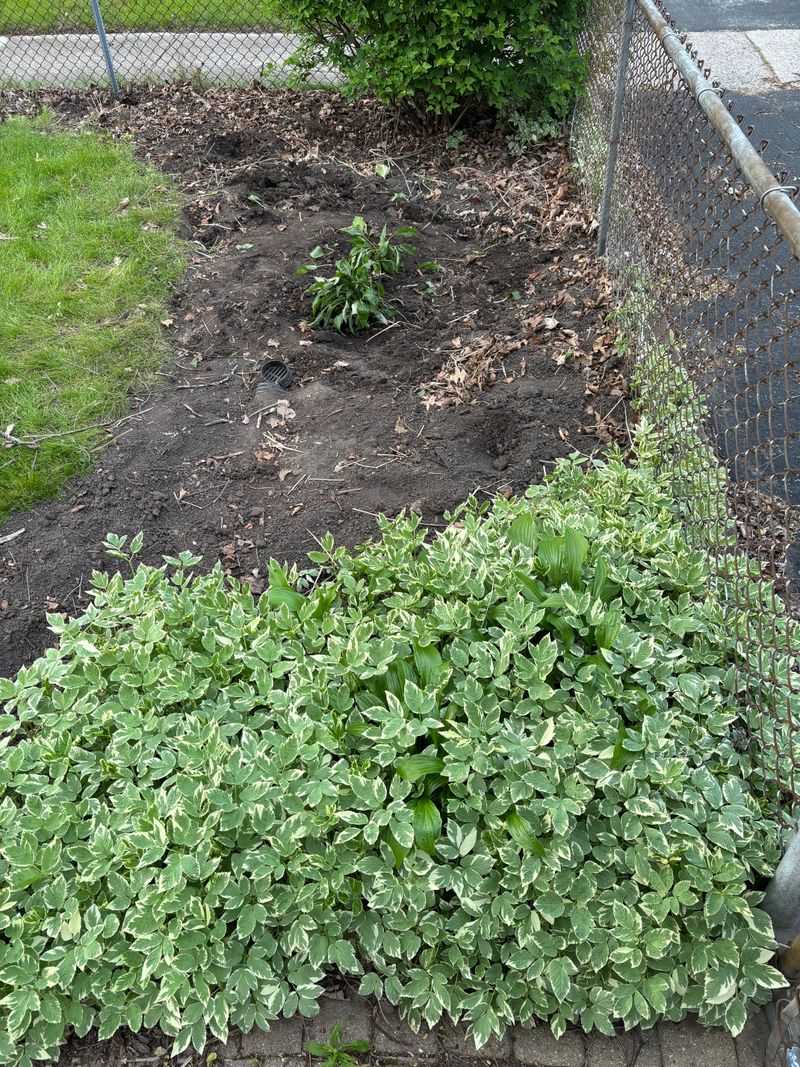
Some plants play fair. Bishop’s weed does not.
Also known as goutweed, this plant was originally brought to North American gardens because of its attractive variegated leaves, which are edged in creamy white. It looks cheerful and low-maintenance, and nurseries have sold it for decades as an easy groundcover for difficult spots.
The problem is its root system, which spreads horizontally in every direction just below the soil surface. It slides right under garden borders, sneaks through lawn edges, and pops up in places you never planted it.
Even a tiny fragment of root left in the ground will sprout a new colony within weeks. Oregon’s moist soil makes this process even faster than in drier climates.
Many Oregon gardeners have spent entire summers trying to eliminate bishop’s weed from beds where it was never supposed to grow. It is remarkably good at tangling its roots with those of neighboring plants, making removal nearly impossible without disturbing everything around it.
Some gardeners have resorted to removing all the soil from an entire bed just to start fresh. If you are tempted by the pretty leaves, consider planting it in a buried container with no drainage holes to limit its spread.
Better yet, choose a well-behaved native alternative for your Pacific Northwest landscape.
4. Mint Never Stays In The Spot You Gave It

Fresh mint tea on a rainy Oregon afternoon sounds like a perfect idea. And mint is genuinely useful in the kitchen, the garden, and even as a natural pest deterrent.
But planting any variety of mint directly in the ground is one of those gardening decisions that seems harmless until it absolutely is not.
Mint travels underground using horizontal stems called runners. These runners can stretch several feet in a single growing season, popping up new plants wherever they go.
They push into flower beds, squeeze through cracks in pavement, and even find their way under deck boards. Spearmint, peppermint, apple mint, and chocolate mint all behave the same way.
No variety is well-behaved when planted loose in Oregon’s rich, moist soil.
The good news is that mint is one of the easier invasive groundcovers to manage if you act before it takes over completely. Many experienced Oregon gardeners grow mint in large containers or in pots buried in the ground with the rim slightly above the soil line.
This keeps the runners from escaping while still letting you enjoy fresh leaves all season long. Harvesting frequently also slows the plant down.
Mint is a wonderful herb, but it needs clear boundaries. Give it a container and it will reward you generously without turning your whole yard into a mint farm.
5. Periwinkle Looks Harmless Until It Takes Over Everything
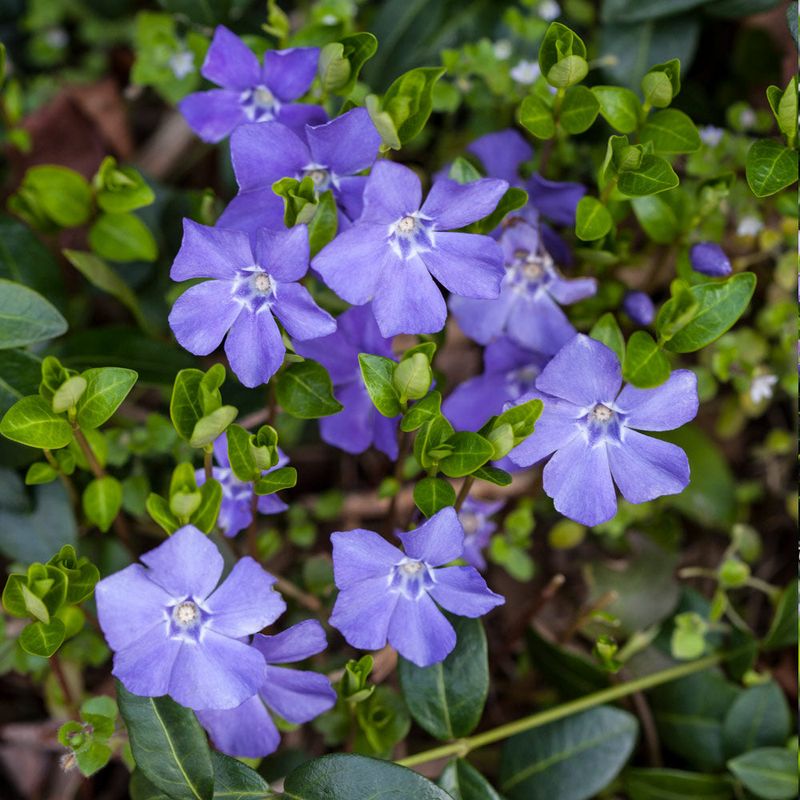
Few groundcovers look as neat and tidy in a garden catalog as periwinkle. Those glossy green leaves and cheerful purple-blue flowers make it seem like the perfect low-effort solution for a shady slope or a bare spot under a large tree.
Thousands of Oregon gardeners have planted it thinking they found the answer to a tricky landscaping problem.
What those catalogs do not mention is how aggressively periwinkle spreads once it settles into the Pacific Northwest climate. It forms thick, tangled mats that block light and moisture from reaching the soil below.
Nothing grows under a well-established patch of vinca. Native wildflowers, seedlings, and even grass simply cannot compete.
The stems root wherever they touch the ground, creating new plants constantly without any help from you.
The bigger issue is that periwinkle does not stay in your yard. It has escaped into parks, forest edges, and natural areas all across Oregon, where it crowds out native plants that local birds, insects, and animals depend on.
The Oregon Department of Agriculture has flagged it as a plant of concern for this reason. Removing an established patch takes real effort, usually requiring repeated cutting and root removal over multiple seasons.
If you need a groundcover for a shady area, look into native options like wild ginger or Oregon oxalis, which play nicely with the local ecosystem.
6. Creeping Jenny Does Not Creep It Sprints

The bright chartreuse or golden leaves are eye-catching, and the plant trails beautifully over the edges of containers and raised beds. Many Oregon gardeners buy it for window boxes or patio pots, thinking it will stay where they put it.
But Oregon’s wet climate is basically a dream come true for creeping Jenny. It loves moisture, and the Pacific Northwest delivers that in abundance for most of the year.
Every single leaf node along the stem can put down roots the moment it touches soil. A small plant can spread several feet in just one growing season.
What starts as a charming golden accent quickly becomes an unstoppable carpet that smothers everything in its path.
Creeping Jenny is especially sneaky because it looks so cheerful and harmless while it spreads. Gardeners often do not notice how far it has traveled until it has already taken over a significant section of the garden.
It also roots so readily that even small clippings dropped on the soil can start new plants. Removing it from mixed planting beds is tricky because the stems weave through other plants.
If you love the look of creeping Jenny, keep it strictly in containers where it cannot touch the ground. That one precaution makes all the difference in an Oregon garden.
7. Yellow Archangel Looks Like A Gift Until You Cannot Get Rid Of It
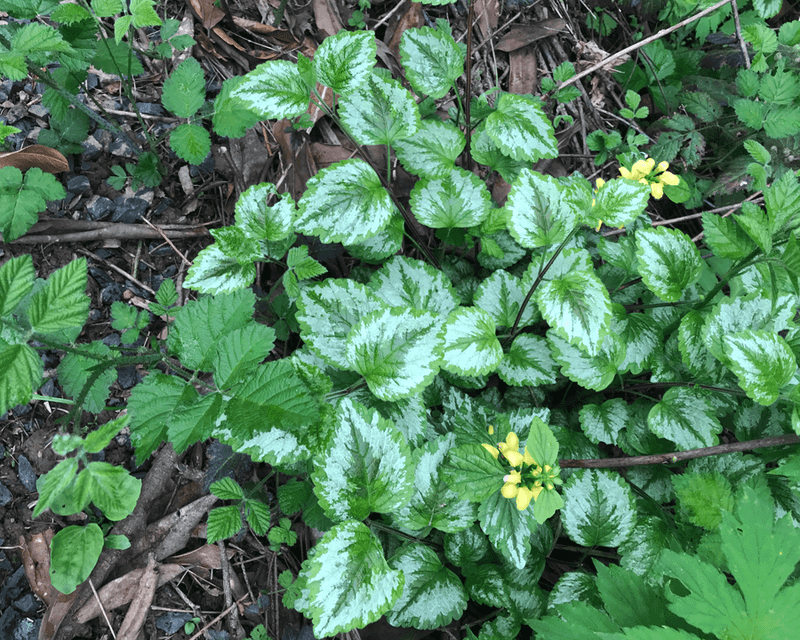
Yellow archangel sounds almost magical, like something out of a fairy tale garden. The silver-splashed leaves really are beautiful, and in a shady spot they catch the light in a way that makes a dark corner feel alive.
It is the kind of plant that gets passed from neighbor to neighbor with the best of intentions.
Unfortunately, yellow archangel is one of the most destructive groundcovers you can introduce to an Oregon yard. It spreads through both runners and seeds, which means it moves fast and in multiple directions at once.
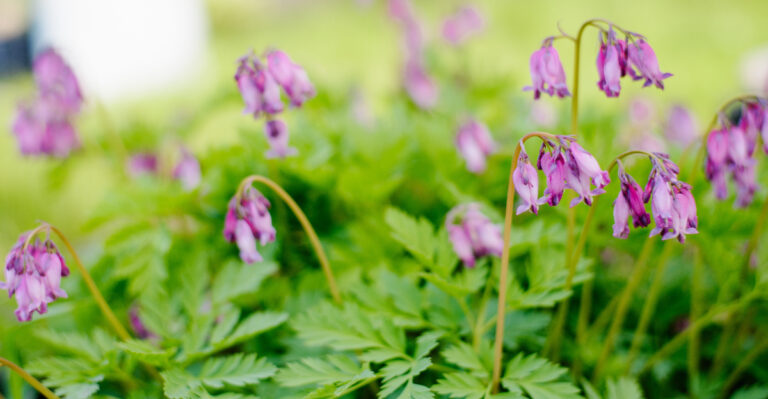
Once it reaches the edge of your property, it does not stop. It slides into ravines, creek edges, and forested areas where it forms dense colonies that push out native plants like trilliums, bleeding heart, and native ferns.
The Oregon Department of Agriculture classifies yellow archangel as a noxious weed, and for good reason. It has been documented spreading through natural areas in the Portland metro region, the Willamette Valley, and along the coast.
Removing it from a naturalized area is an enormous challenge because the runners root deeply and the seeds spread by water and animals. Many conservation volunteers spend entire weekends pulling it from local parks.
If someone offers you a start of yellow archangel, it is perfectly okay to politely say no. Your garden and your local natural areas will be far better off without it.
8. Sweet Woodruff Looks Dainty Until It Rewrites Your Garden Layout
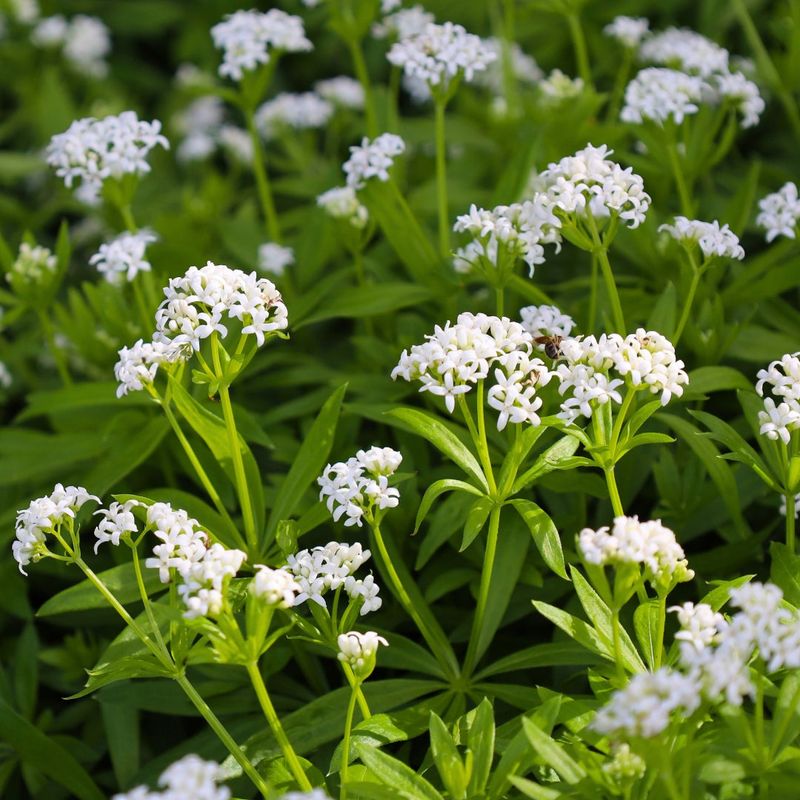
Sweet woodruff has a reputation for being delicate and well-mannered. The tiny white flowers are charming, the whorled leaves are soft and pleasant, and the dried plant smells faintly of fresh hay.
It seems like the perfect gentle groundcover for a shady Pacific Northwest garden. Many gardeners are genuinely surprised when it starts behaving like anything but gentle.
In Oregon’s cool, shady garden spots, sweet woodruff acts less like a polite groundcover and more like an enthusiastic takeover artist. It spreads through both underground rhizomes and seeds, forming a thick mat that grows denser every year.
It creeps over garden borders, moves into neighboring beds, and seems completely unbothered by attempts to contain it. The plant thrives in exactly the kind of moist, shaded conditions that are so common in the Pacific Northwest.
What makes sweet woodruff especially tricky is that it is hard to dislike. The plant looks pretty, smells nice, and does not have any particularly aggressive appearance.
Gardeners often let it spread longer than they should because it seems harmless. By the time they realize how far it has traveled, it has already woven itself into the roots of nearby shrubs and perennials.
Removing it cleanly without disturbing everything else in the bed is a real challenge. Containing it in a raised bed with solid walls is the safest approach for Oregon gardeners who still want to enjoy it.