Spot Squash Bugs Early This May And Save Your New Jersey Garden
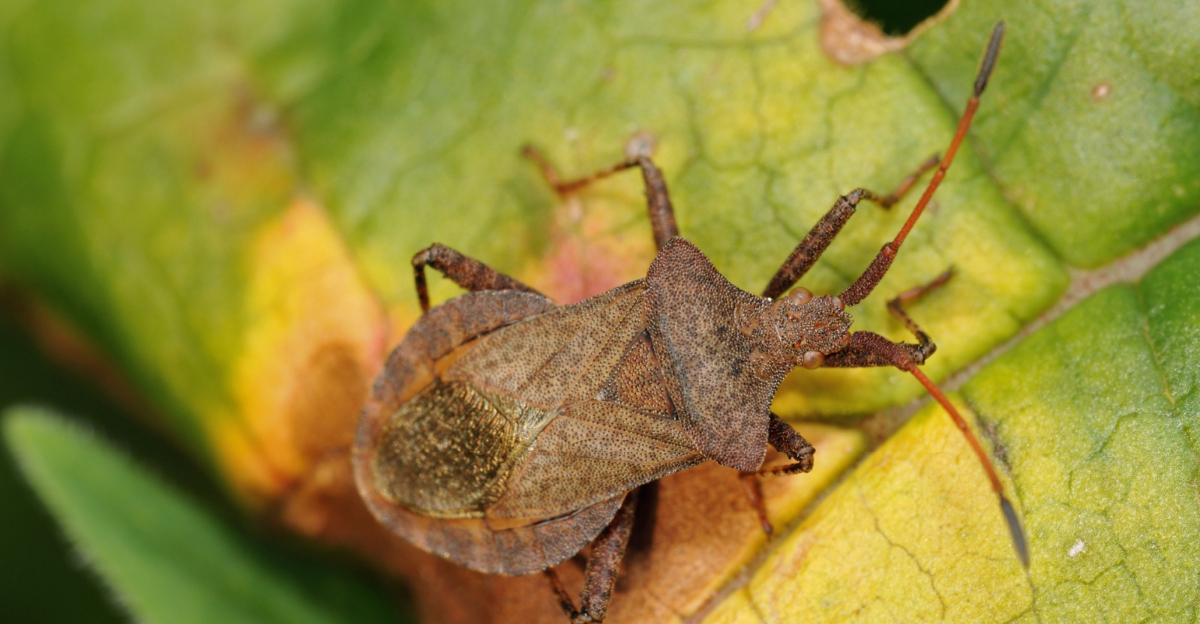
Nobody plants squash expecting trouble.
Then May shows up, and so do the squash bugs.
These flat, gray insects are not dramatic about their arrival.
They slide in quietly, tuck their eggs under leaves, and get to work before most gardeners even think to look.
Most gardeners who lose their crop in July had no idea the trouble started back in May.
Across New Jersey, May is the month that separates a thriving squash patch from a struggling one.
The good news?
You do not need to be an expert to stay ahead of them.
And honestly, once you know what to look for, you will never look at your squash plants the same way again.
What Are Squash Bugs And Why Should New Jersey Gardeners Care?
Ask any experienced gardener about squash bugs and watch their expression change.
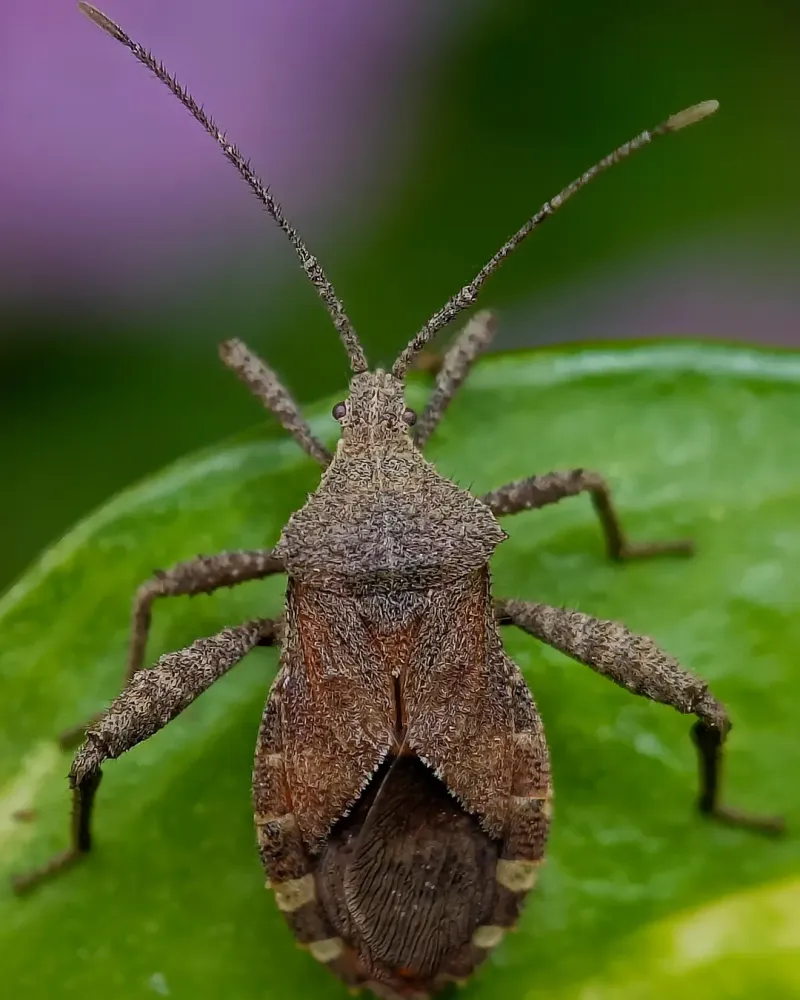
They belong to the family Coreidae and go by the scientific name Anasa tristis.
These flat, shield-shaped insects measure about five-eighths of an inch long and sport a grayish-brown body with orange and brown stripes along their edges.
Gardeners in the mid-Atlantic region know them as a serious seasonal threat.
Unlike aphids or whiteflies, squash bugs are tough to squash, and they multiply at an alarming rate.
A single female can lay up to 200 eggs in her lifetime, which means one overlooked cluster can turn into a full-blown infestation within weeks.
What makes them especially dangerous for local growers is the timing.
Spring in the Garden State brings warm, humid conditions that squash bugs absolutely love.
They emerge from overwintering spots just as gardeners are planting their warm-season crops.
That overlap is no coincidence, and it is no small problem either.
Cucurbit crops, including zucchini, pumpkins, cucumbers, and butternut squash, are their preferred targets.
They feed by piercing plant tissue and sucking out the sap, which causes wilting, yellowing, and eventually collapse.
Knowing what you are dealing with is the first step toward protecting your harvest this season.
Why May Is The Most Critical Month To Act
Timing is everything when it comes to squash bugs, and May is your golden window.
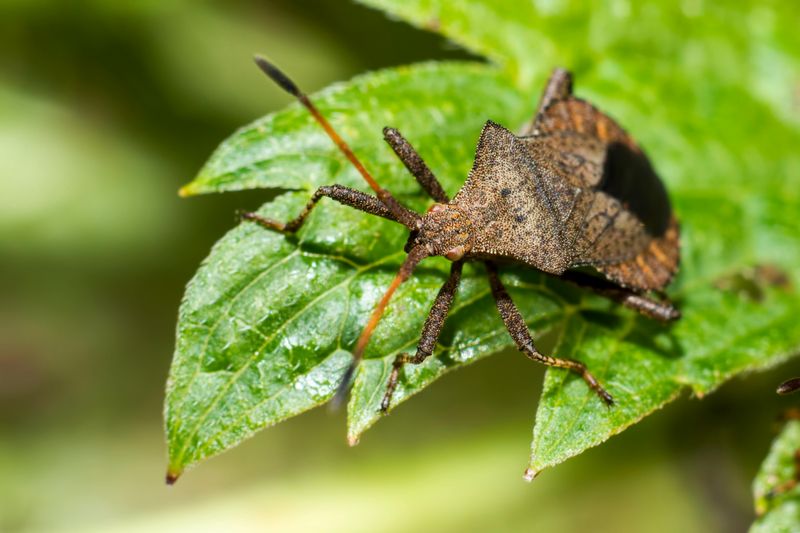
As soil temperatures climb above 60 degrees Fahrenheit, overwintered adult bugs wake up and start searching for mates and host plants.
They are hungry, they are ready to breed, and your freshly planted squash seedlings are exactly what they are looking for.
Here is why acting now matters so much: squash bugs have one main generation per year in cooler climates like the northeast.
That means if you disrupt their reproductive cycle in May, you dramatically reduce the population for the entire growing season.
Wait until June or July, and you are already dealing with hundreds of nymphs that are far harder to manage.
May also gives you an advantage because the bugs are still adults from last year.
They move more slowly, they are easier to spot, and they have not yet laid their eggs.
You are catching them before the chaos begins, which puts you firmly in control.
Your New Jersey Garden Changes Every Week. Your Plan Should Too.
Gardening in New Jersey changes quickly throughout the season. Every Friday you’ll receive a simple weekly plan showing exactly what to plant, prune, fertilize, harvest, and protect so you never miss the right timing.
Early-season scouting is one of the most consistently recommended strategies for managing squash bugs across the northeast.
Gardeners who check their plants weekly in May see significantly lower infestation rates by midsummer.
This is not the time to take a wait-and-see approach.
Act now, and your garden will thank you come harvest time.
How To Identify Squash Bugs And Their Eggs
Most people spot the damage first.
The goal is to spot the bug first.
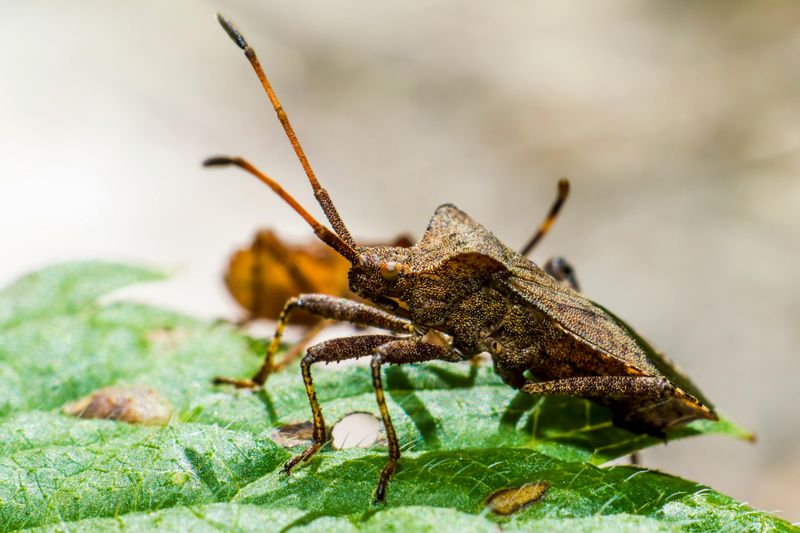
Adult squash bugs are flat, oval-shaped, and about the size of a watermelon seed.
They are dark gray to brownish-black on top, with alternating orange and brown stripes running along the sides of their abdomen.
Flip over a squash leaf and you might find something even more alarming: the eggs.
Squash bug eggs are small, bronze to reddish-brown, and laid in neat, precise clusters, usually in groups of 15 to 40.
They appear on the underside of leaves, often tucked near the junction where leaf veins meet.
They look almost like tiny copper pennies arranged in a tidy grid pattern.
Young nymphs are even trickier to identify at first glance.
Fresh hatchlings start out with a pale green abdomen and a reddish head and legs.
Moving through five growth stages, they gradually darken to a grayish color that resembles the adults.
At each stage, they grow more resilient and harder to remove.
One reliable trick is to go out early in the morning when bugs are less active and temperatures are cooler.
Bring a flashlight and check both sides of every leaf on your cucurbit plants.
The earlier you catch them, the less work you have ahead of you.
The Spots They Love To Hide
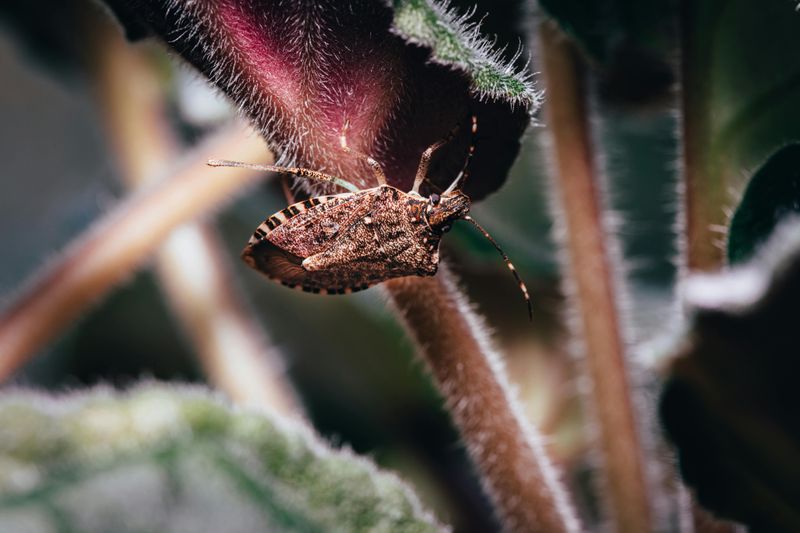
If squash bugs had a superpower, it would be disappearing in plain sight.
They gravitate toward dark, moist, sheltered spots where they can feed and breed without interruption.
If you are not looking in the right places, you can walk right past a major infestation and never know it.
The base of the plant stem is their number one gathering spot.
Bugs cluster there in large groups, especially during the heat of the afternoon when they seek shade.
Peel back any mulch or old leaves near the crown of your squash plant, and you may find dozens hiding just beneath the surface.
Under large, broad leaves is another prime location.
Squash plants have wide canopies that create a cool, shaded microenvironment on the soil below.
Bugs exploit that shade aggressively, and eggs are almost always laid on leaf undersides in these protected zones.
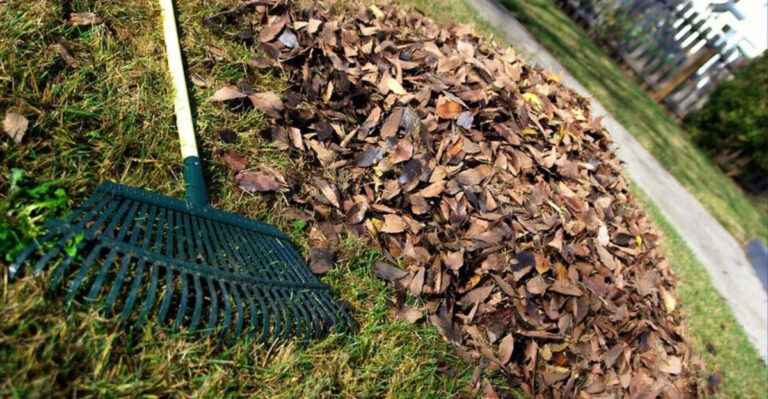
Garden debris is also a major harbor for overwintering adults.
Old boards, piles of leaves, thick straw mulch, and even wooden raised bed frames can shelter bugs through the cold months.
Many gardeners are surprised to discover that the infestation they battled last summer actually originated from debris left in the garden over winter.
Checking these specific spots during your weekly May inspections will help you catch problems early.
Spend five minutes looking today, and your August harvest will thank you.
The Damage They Cause If Left Unchecked
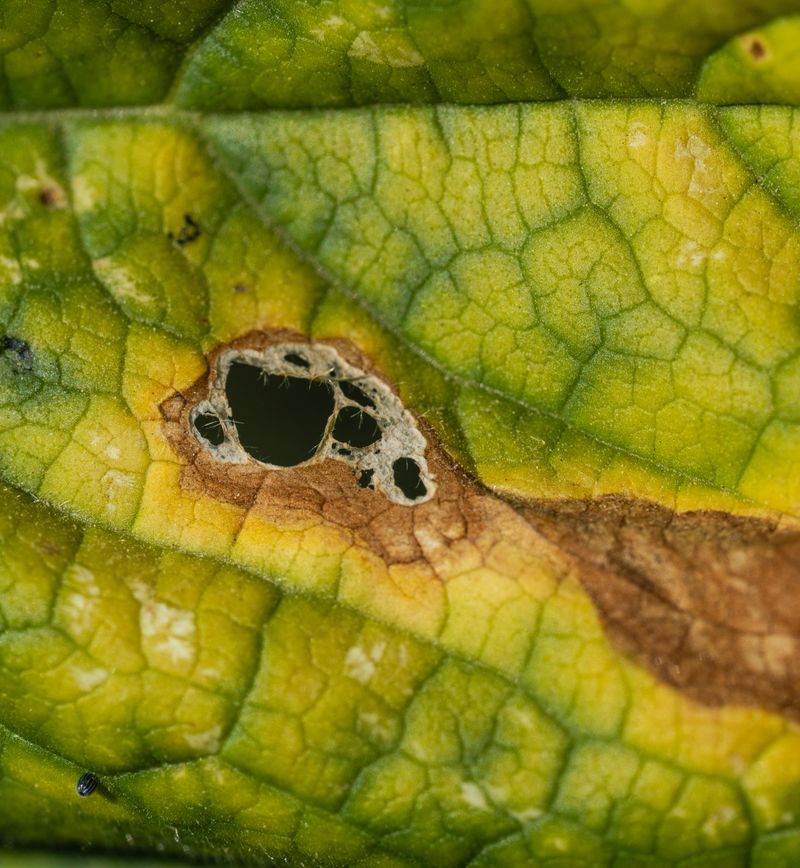
A single squash bug will not ruin your garden, but a colony of them absolutely can.
These pests feed by inserting needle-like mouthparts into plant tissue and drawing out the sap.
Their feeding damages plant tissue and can cause leaves or vines to wilt and collapse.
The first signs of damage look deceptively minor.
Leaves may show small yellow spots that gradually expand and turn brown.
You might notice a slight wilting on one side of the plant even when the soil is moist.
Many gardeners initially mistake these symptoms for a watering problem or a nutrient deficiency, which costs precious response time.
As the infestation grows, the damage becomes unmistakable.
Entire vines collapse and turn crispy brown almost overnight.
Squash bugs can also transmit the bacterium linked to cucurbit yellow vine disease.
Once that sets in, it moves through the plant fast.
Mature vines that reach that stage rarely bounce back without serious intervention.
Young seedlings and transplants are even more vulnerable, since they have far less to work with from the start.
A small squash plant can be overwhelmed by just a handful of nymphs feeding at the base.
The window between first damage and total collapse can be as short as one week in young plants under warm conditions.
You put the work in at the start of the season, and that is exactly where it pays off.
Natural And Effective Ways To Deal With Squash Bugs
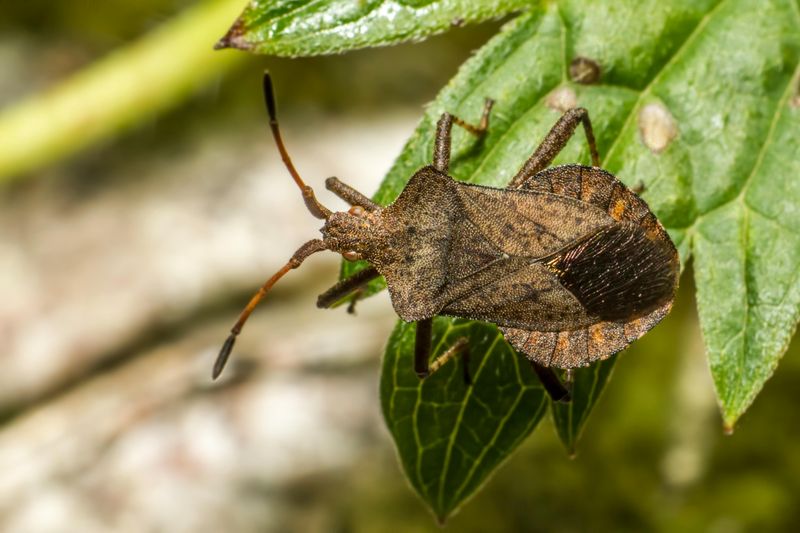
Hand removal is unglamorous, but it works better than almost anything else.
Wear gloves, bring a bucket of soapy water, and go through your squash plants carefully.
Scrape egg clusters off leaf undersides using a butter knife or old credit card, and drop both eggs and adults directly into the soapy water.
The soap breaks the surface tension and prevents escape.
Neem oil is a powerful organic option that disrupts the bug’s life cycle without harsh chemicals.
Use neem or insecticidal soap only according to the product label, targeting young nymphs and leaf underside.
Spray the mixture directly onto affected leaves, focusing on undersides where eggs and nymphs congregate.
Apply every five to seven days for best results, especially after rain.
Diatomaceous earth is another tool worth keeping in your garden shed.
This fine powder, made from fossilized algae, damages the exoskeleton of soft-bodied insects and causes them to dehydrate.
Dust it around the base of your squash and along the soil surface where bugs travel.
Reapply after watering or rainfall since moisture reduces its effectiveness.
Row covers made of lightweight fabric can physically block adult bugs from reaching your crop during peak egg-laying season.
Remove them once flowering begins so pollinators can access the blooms.
Pick two, stay consistent, and your squash plants will do the rest.
Simple Habits To Keep Them Away
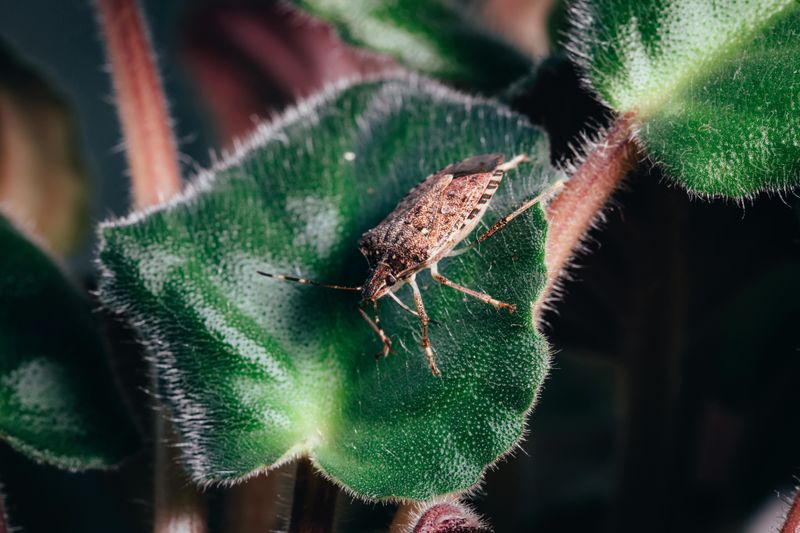
Prevention is a far easier game than damage control, and a few consistent habits can make a huge difference.
Start by practicing crop rotation every single season.
Crop rotation alone can disrupt an entire generation of squash bugs looking for a familiar host.
Even a shift of ten feet can throw them off significantly.
Clean up your garden beds thoroughly each fall.
Remove all collapsed plant material, old mulch, and garden debris where adult squash bugs love to spend the winter.
A bare, tidy bed going into November means far fewer overwintering bugs waiting to emerge in May.
This one habit alone can reduce your spring population substantially.
Companion planting offers a natural layer of protection that many gardeners overlook.
Planting nasturtiums, marigolds, or catnip nearby may help deter squash bugs and draw in beneficial insects that prey on them.
Planting these around the perimeter of your squash bed creates a natural barrier that works quietly all season long.
Squash bugs tend to prefer certain varieties over others.
Butternut squash and blue hubbard are naturally more resistant to squash bug pressure.
Yellow summer squash and zucchini are a different story entirely.
Choosing resistant varieties when possible gives you a built-in advantage from the start.
Staying consistent with weekly scouting throughout May and June is the habit that ties everything together.
Spot squash bugs early, respond fast, and your garden will thrive all the way through harvest season.