10 Oregon Plants That Keep Blooming All Summer Long
Some plants give you one nice flush of color, take a bow, and then seem to disappear into the background.
That can feel like a letdown in an Oregon garden, especially when summer is just getting good and you still want the beds, borders, and containers to look lively.
The dream is not a brief moment of beauty. It is a yard that keeps showing up week after week with fresh color and real staying power.
That is why long-blooming plants earn so much love. They keep the garden feeling cheerful through warm afternoons, backyard dinners, and those stretches when everything else starts looking a little tired.
In Oregon, that kind of steady performance feels especially satisfying because summer can be so gorgeous once it settles in.
The right plants do not just bloom and quit. They keep the show going, brighten the whole space, and make the garden feel full of energy much longer than you might expect.
1. Petunias
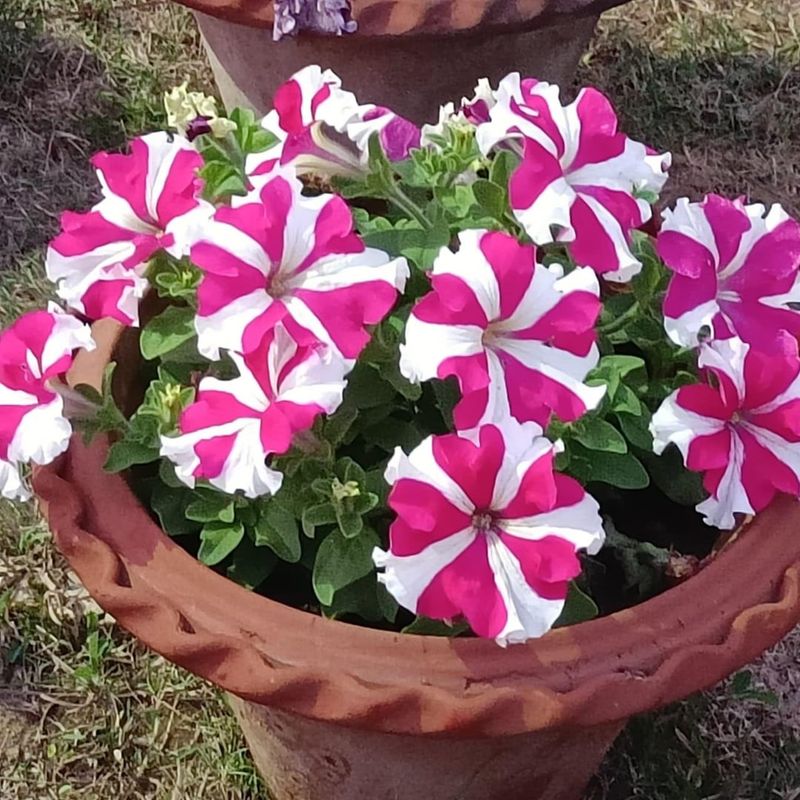
Few flowers bring as much cheerful color to an Oregon garden as petunias. Walk past any front porch in Portland or Eugene during July, and you are almost guaranteed to spot these bright, trumpet-shaped blooms spilling out of hanging baskets or window boxes.
They are hard to miss, and even harder not to love.
Petunias bloom continuously from late spring all the way through the first cool nights of fall. That makes them one of the longest-blooming flowers you can grow in Oregon.
They come in nearly every color imaginable, from deep purple and hot pink to soft white and sunny yellow. You can even find striped and ruffled varieties for something extra eye-catching.
To keep petunias blooming their best, plant them in a sunny spot with at least six hours of direct sunlight each day. Water them regularly but avoid letting the soil get soggy.
Pinching off faded flowers, a process called deadheading, encourages the plant to produce even more blooms. Feed them with a balanced fertilizer every couple of weeks.
In Oregon’s mild summers, petunias practically thrive on their own once they are settled in.
2. Marigolds
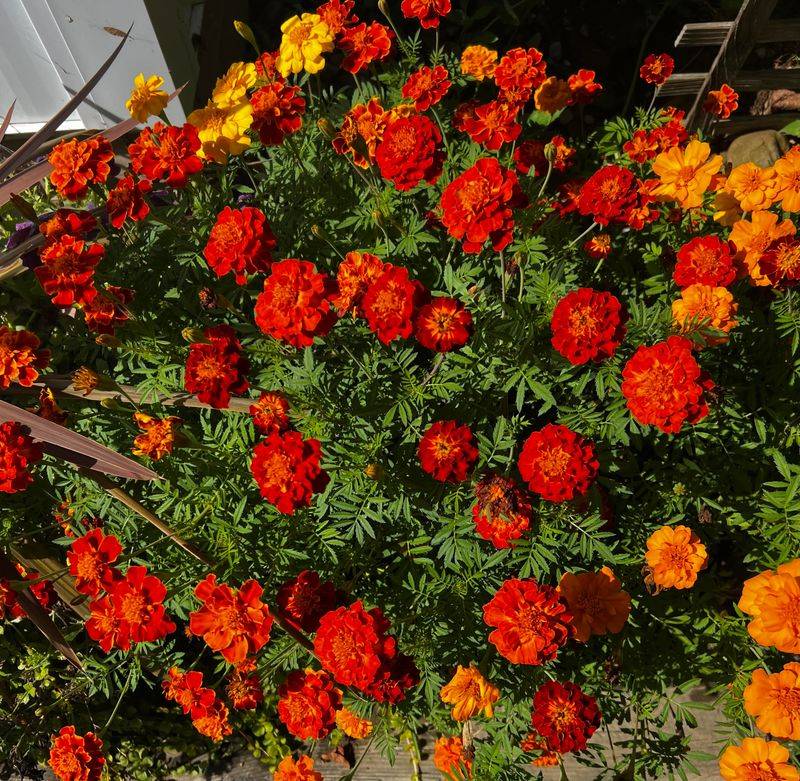
Marigolds have been a garden staple for generations, and there is a very good reason for that. These tough, cheerful flowers practically beg to be planted, and once they are in the ground, they just keep going.
In Oregon, marigolds bloom from early summer right through September without much fuss at all.
One of the coolest things about marigolds is that they do double duty in the garden. Their bright orange and yellow blooms add serious color, but they also help keep unwanted insects away from nearby vegetables.
Many Oregon gardeners plant them around tomatoes and peppers for exactly that reason. It is a smart and beautiful solution.
Marigolds love full sun and well-drained soil, both of which Oregon summers provide in abundance. They are drought-tolerant once established, making them a solid choice for drier parts of the state like Medford or Bend.
Deadhead spent flowers regularly to keep new blooms coming. Marigolds also attract bees and butterflies, which helps pollinate the rest of your garden.
Your Oregon Garden Changes Every Week. Your Plan Should Too.
Gardening in Oregon changes quickly throughout the season. Every Friday you’ll receive a simple weekly plan showing exactly what to plant, prune, fertilize, harvest, and protect so you never miss the right timing.
Whether you grow them in pots, borders, or raised beds, marigolds are one of the most reliable performers in any Oregon garden all summer long.
3. Zinnias
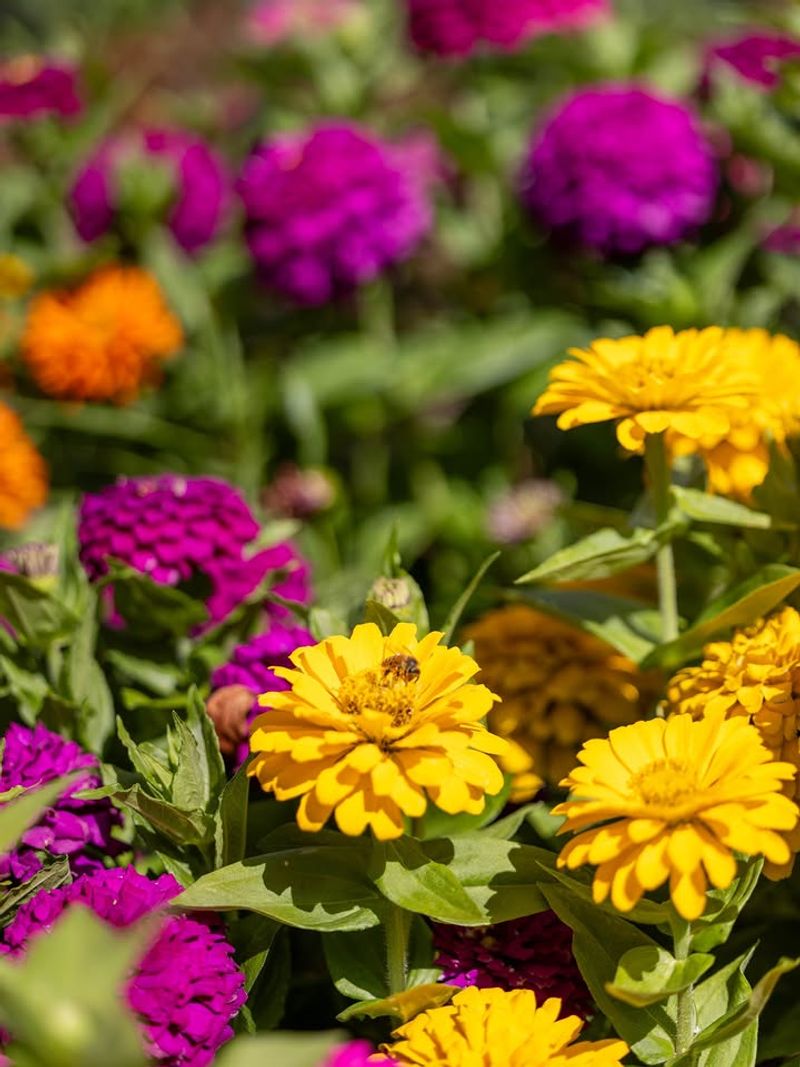
If you want a flower that blooms fast, blooms often, and blooms in almost every color of the rainbow, zinnias are your answer. These warm-season annuals are absolute powerhouses in Oregon gardens, starting to flower just a few weeks after planting and continuing nonstop until the weather turns cold in autumn.
Zinnias come in an incredible range of sizes and colors. You can find tiny button-sized blooms or dinner-plate-sized flowers in shades of red, coral, orange, yellow, pink, white, and even green.
They are one of the most versatile flowers you can grow, looking equally great in garden beds, containers, or as cut flowers for a vase indoors.
Growing zinnias in Oregon is straightforward. Plant them directly in the garden after the last frost, which usually falls in April or May depending on your location.
Choose a sunny spot with good drainage and watch them take off. Zinnias actually prefer warm soil, so they really hit their stride during Oregon’s July and August heat.
Butterflies absolutely love them, making your garden feel alive and buzzing all season. Deadhead regularly for the most blooms and enjoy fresh cut flowers all summer long.
4. Calendulas
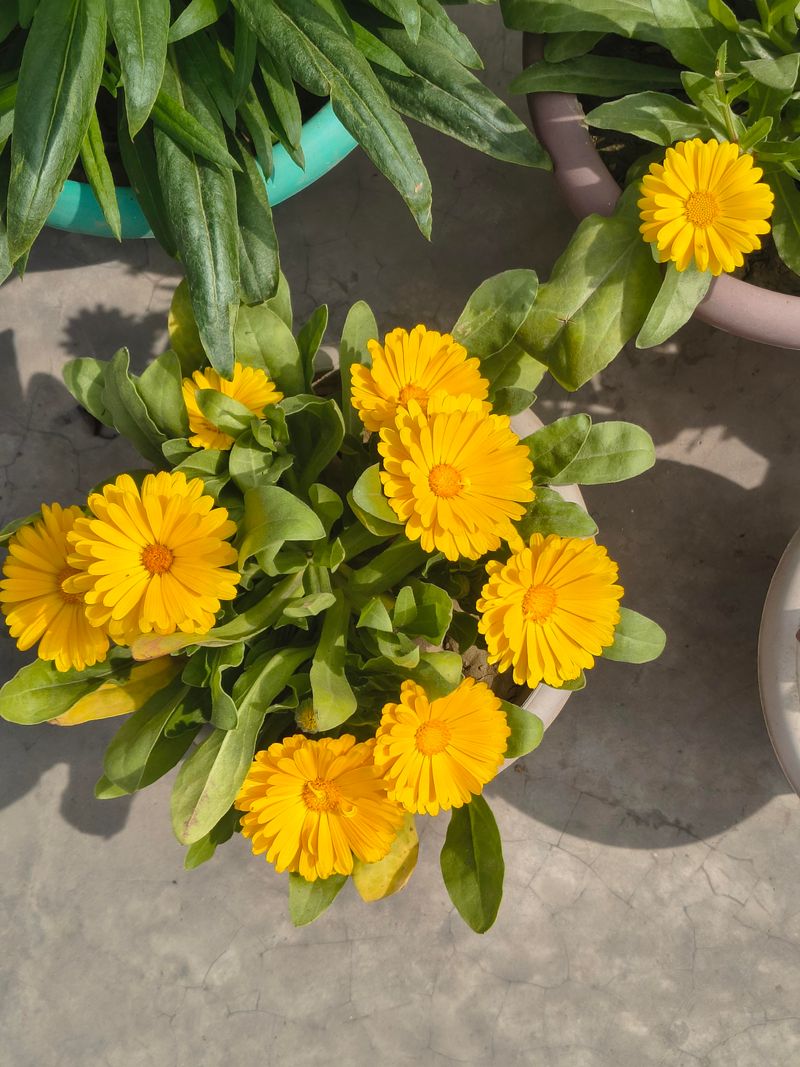
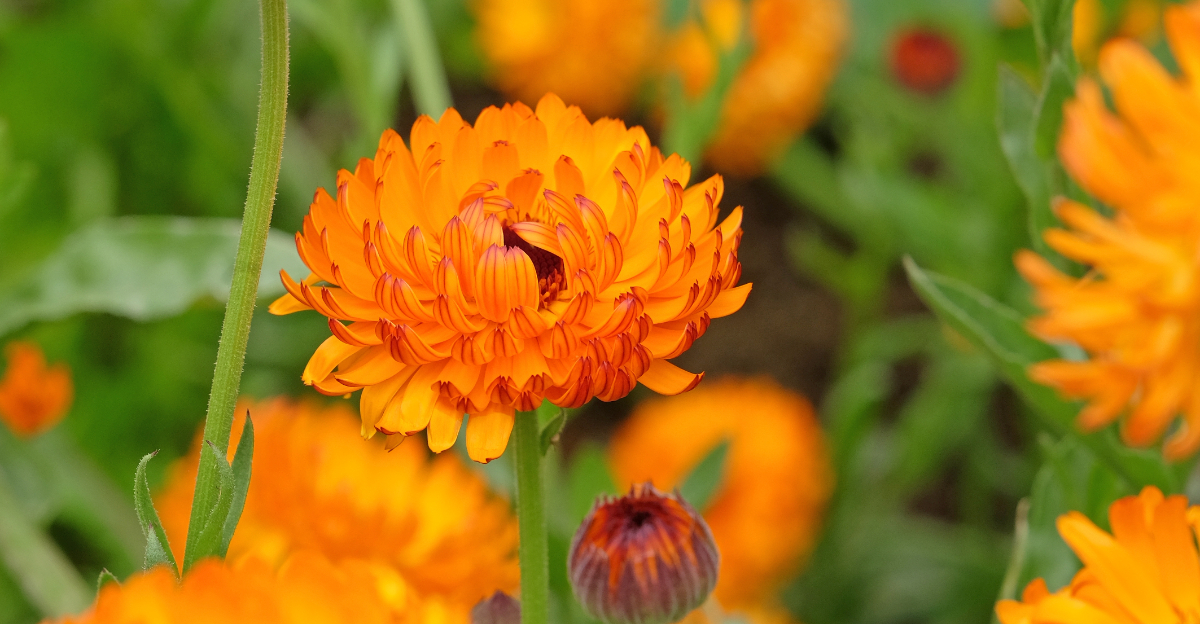
Sometimes called pot marigolds, calendulas are one of those plants that seem almost too good to be true. They bloom in rich shades of orange, yellow, and cream, they are easy to grow, and they actually prefer the cooler parts of Oregon’s summer season.
That means they shine when other flowers slow down.
Calendulas are native to the Mediterranean region but have found a happy home in Oregon’s mild, coastal climate. Gardeners in places like Astoria, Newport, and Coos Bay love them because they handle cool foggy mornings without complaint.
They start blooming in late spring and continue through summer, often putting on a second show in early fall when temperatures drop again.
Beyond their good looks, calendulas have a long history as a medicinal herb. The petals have been used in salves, teas, and skin care products for centuries.
You can even sprinkle the petals on salads for a colorful edible garnish. Plant them in full sun to partial shade and keep the soil moist but not waterlogged.
Regular deadheading keeps the blooms coming strong. Calendulas are also excellent at attracting beneficial insects, making them a smart and beautiful addition to any Oregon garden.
5. Snapdragons
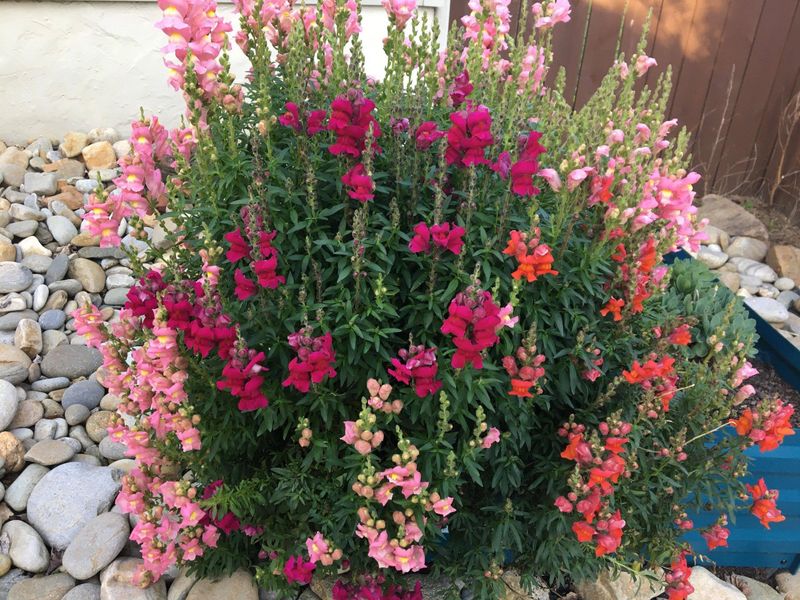
There is something almost magical about snapdragons. Squeeze the sides of a bloom and it opens and closes like a little mouth, which is exactly how they got their name.
Kids and adults alike find them irresistible, and their tall, colorful flower spikes bring a dramatic vertical element to any Oregon garden.
Snapdragons are cool-season lovers, which makes them perfect for Oregon’s climate. They bloom beautifully in spring and early summer, take a brief rest during the hottest weeks of July and August, and then often bounce back with fresh blooms in September when temperatures cool.
Plant them in full sun for the best results, and make sure the soil drains well.
In Oregon, snapdragons do especially well in the Willamette Valley, where summer temperatures are warm but rarely extreme. They come in an enormous range of colors, including red, orange, pink, yellow, white, and bicolor varieties.
Taller varieties make stunning cut flowers and look great in bouquets. Shorter types work well as border plants or in containers.
Deadhead consistently to extend the blooming season as long as possible. Snapdragons also attract hummingbirds, adding even more life and movement to your outdoor space throughout the growing season.
6. Cinquefoil
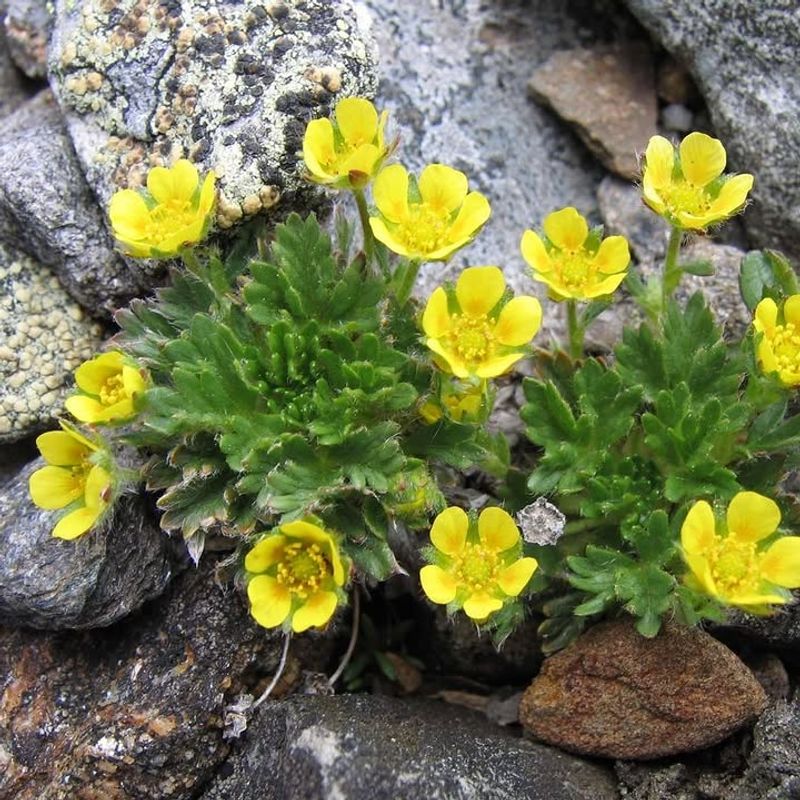
Cinquefoil might not be the first plant that comes to mind when planning an Oregon garden, but once you discover it, you will wonder how you ever went without it. This tough little perennial produces cheerful five-petaled flowers, usually in shades of bright yellow, creamy white, or warm pink, that bloom reliably from late spring through late summer.
The name cinquefoil comes from the French word for five leaves, referring to the plant’s distinctive leaf shape. It is a member of the rose family, and up close, its small flowers have a delicate, old-fashioned charm.
Shrubby cinquefoil varieties grow into tidy, rounded bushes that look great as low hedges or border plants in Oregon landscapes.
One of cinquefoil’s biggest strengths is its toughness. It handles Oregon’s dry summer conditions with ease, especially in the drier eastern regions of the state.
It also tolerates poor soil, making it a great choice for challenging garden spots. Pollinators love the flowers, and the plant provides good habitat for beneficial insects.
Plant it in full sun for the most blooms, and give it a light trim after the first flush of flowers to encourage a second round of color. Cinquefoil is truly a low-maintenance gem for Oregon gardeners.
7. Mountain Monardella
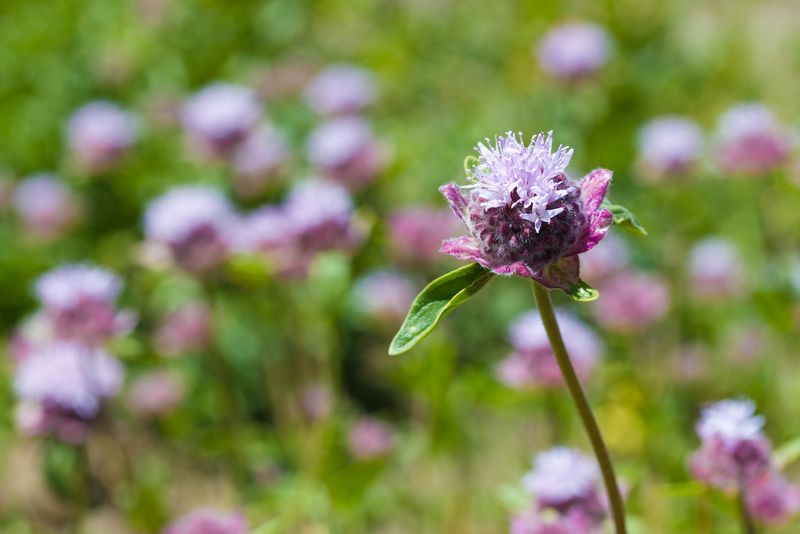
Walk through the dry mountain meadows of southern Oregon in July and you might catch a sweet, minty fragrance drifting through the warm air. That scent almost certainly comes from mountain monardella, a charming native wildflower that blooms in rounded clusters of lavender-purple flowers throughout the summer months.
Mountain monardella belongs to the mint family, and its aromatic leaves have historically been used by Indigenous peoples to make tea. The plant grows low to the ground, usually reaching about a foot tall, and spreads slowly to form attractive clumps.
It looks beautiful tucked into rock gardens, dry slopes, or native plant borders throughout Oregon.
What makes mountain monardella especially valuable in Oregon gardens is its love of dry, rocky, well-drained soil. It thrives in conditions that would challenge most other flowering plants.
Once established, it needs very little water, making it an excellent choice for water-wise gardens in places like Ashland, Grants Pass, or the high desert regions of central Oregon. Bees and butterflies flock to the blooms all summer long.
If you want a native Oregon plant with a long bloom season, wonderful fragrance, and almost zero maintenance needs, mountain monardella deserves a top spot on your planting list.
8. Streambank Globemallow
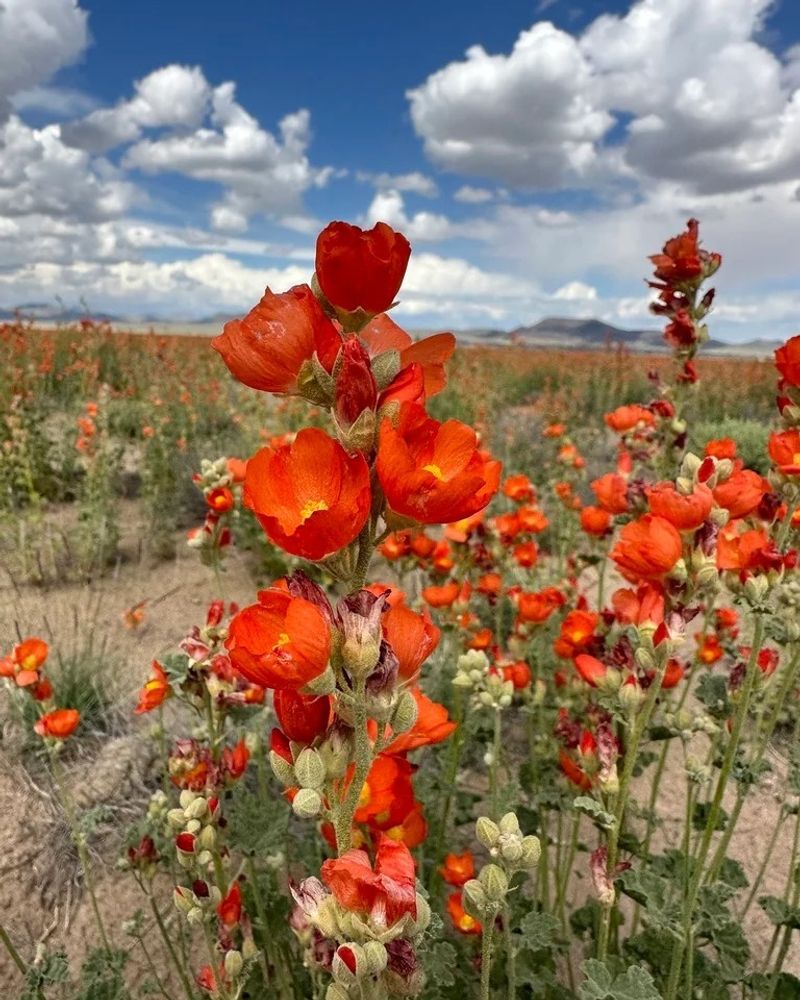
Bright orange cup-shaped flowers lined up along a sunny Oregon streambank make streambank globemallow one of the most striking native wildflowers in the state. This cheerful perennial blooms from late spring through midsummer, filling roadsides, meadow edges, and garden beds with warm, vibrant color that practically glows in the afternoon sun.
Streambank globemallow is native to the western United States and grows naturally along creek banks and moist, open areas throughout Oregon. Despite its love of moisture in the wild, it adapts surprisingly well to average garden soil with good drainage.
Once established, it is fairly drought-tolerant and can handle Oregon’s dry summer months without too much extra watering.
This plant grows two to four feet tall and spreads to form attractive clumps over time. The hollyhock-like flowers are absolutely irresistible to native bees, making it a fantastic choice for pollinator gardens across Oregon.
Plant it in full sun for the strongest bloom performance. It also works beautifully in rain gardens or near water features where it can soak up a little extra moisture.
Streambank globemallow is a bold, native beauty that brings long-lasting summer color and important ecological value to gardens all over Oregon.
9. Douglas’ Aster
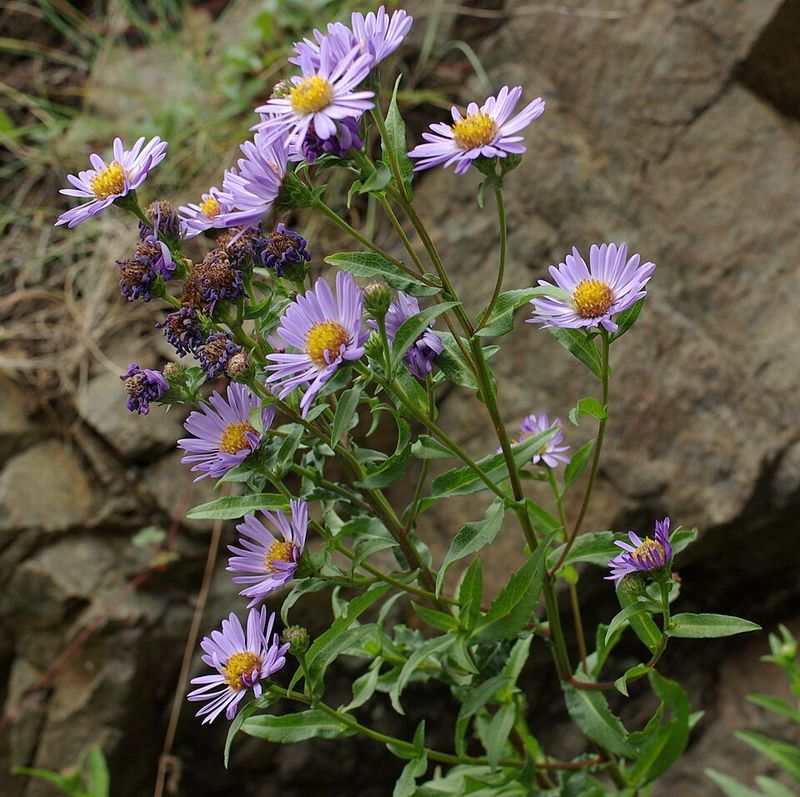
Named after the famous Scottish botanist David Douglas, who explored the Pacific Northwest in the early 1800s, Douglas’ aster is one of Oregon’s most beloved native wildflowers. Its cheerful daisy-like blooms feature lavender-purple petals surrounding bright yellow centers, and they appear in late summer just when many other flowers are starting to fade.
Douglas’ aster grows naturally along Oregon’s coast, in meadows, and at forest edges from sea level up into the mountains. It is incredibly adaptable, thriving in both moist and moderately dry soils.
In garden settings, it brings a wild, naturalistic beauty that pairs perfectly with other native Oregon plants like goldenrod and globemallow.
One of the best things about Douglas’ aster is its late-season bloom time. It typically starts flowering in August and continues well into October, providing crucial nectar for butterflies, bees, and other pollinators preparing for cooler weather.
Plant it in full sun to partial shade and give it room to spread, as it can form attractive colonies over time. It requires very little care once established.
For Oregon gardeners looking to extend their garden’s color and support local wildlife at the same time, Douglas’ aster is an absolute must-have native perennial.
10. Tall Goldenrod
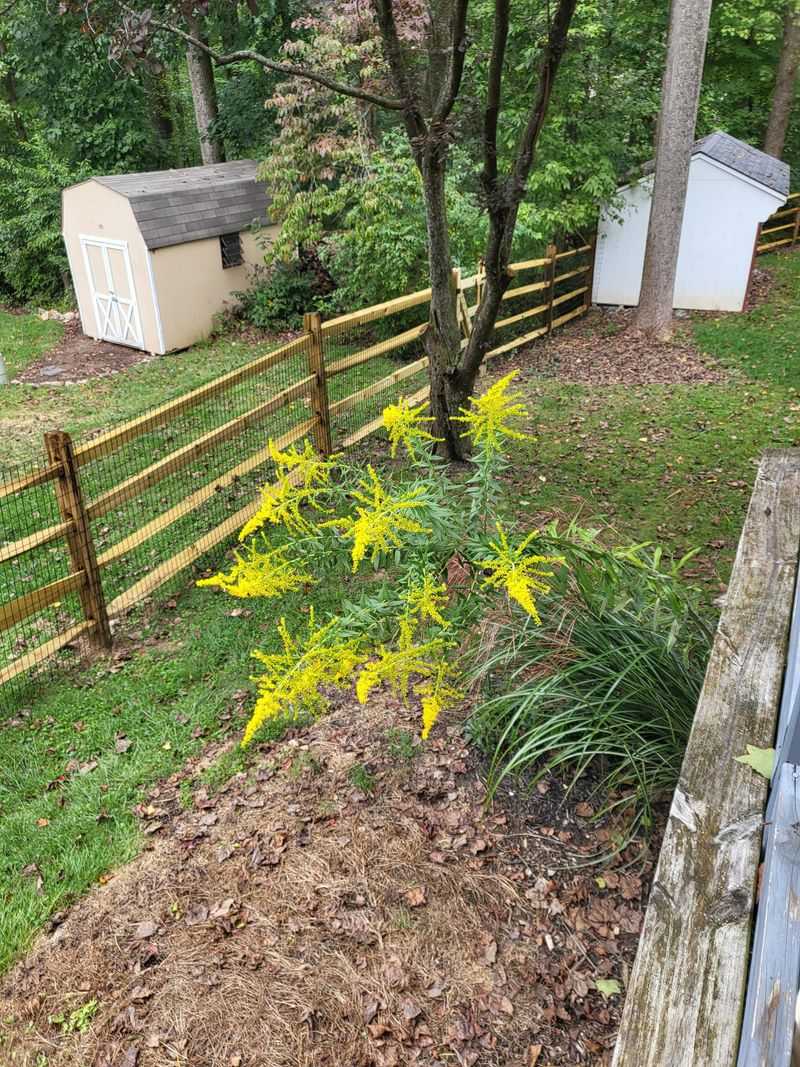
Few sights in an Oregon garden are more dramatic than a clump of tall goldenrod in full bloom. Those bold, arching plumes of tiny golden-yellow flowers can reach five or six feet tall, turning the back of any garden border into a spectacular display of late-summer color.
It is a plant that commands attention.
Tall goldenrod is a native Oregon perennial that blooms from midsummer through early fall, making it one of the longest-blooming plants on this list. Despite a common misconception, goldenrod does not cause hay fever.
That blame belongs to ragweed, which blooms at the same time but is far less showy. Goldenrod is actually a fantastic garden plant with a totally undeserved bad reputation.
In Oregon, tall goldenrod grows naturally in meadows, along roadsides, and at the edges of forests across the state. It thrives in full sun and tolerates a wide range of soil types, including the clay-heavy soils common in the Willamette Valley.
It spreads by rhizomes, so give it space or plant it in an area where spreading is welcome. Monarch butterflies, native bees, and countless other pollinators rely heavily on goldenrod’s late-season blooms.
Adding it to your Oregon garden is one of the best things you can do for local wildlife.